
The Inca's Use of Acoustics in Design: Enhancing Sacred Spaces

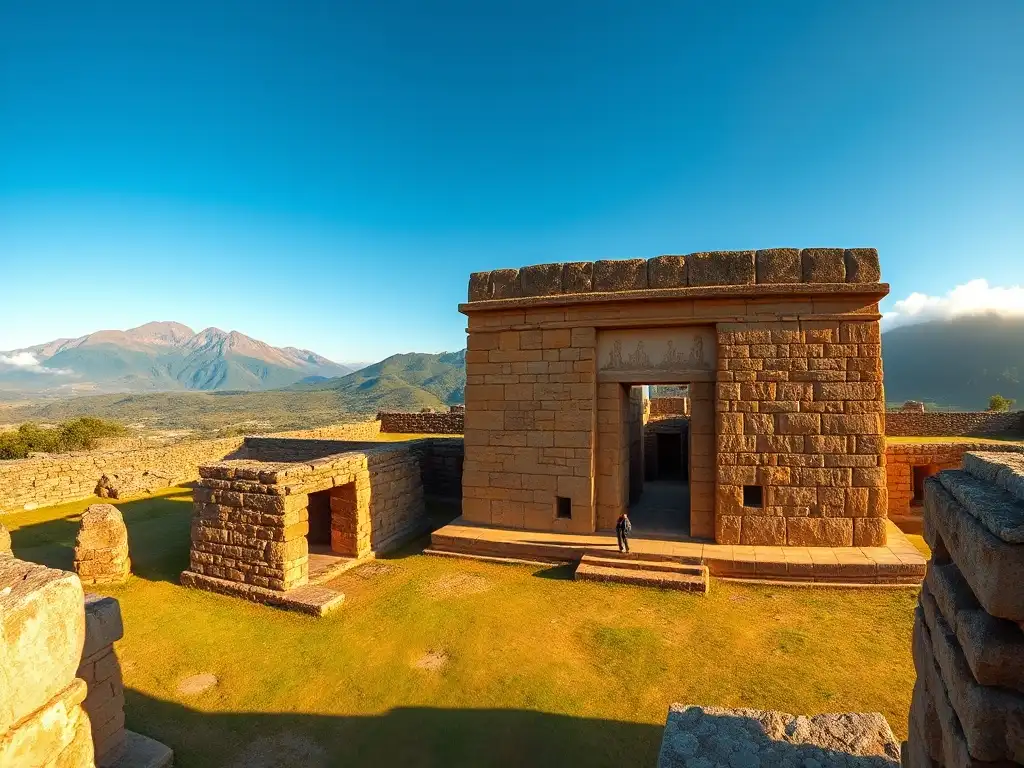
Uncover the secrets whispered through the mountains! Journey with us into the heart of the Andean world, where ancient civilizations flourished and left behind a legacy of breathtaking artistry and ingenuity. But did you know the Incas possessed a mastery of acoustics, skillfully weaving it into the very fabric of their sacred spaces? Explore the fascinating world of Inca acoustics sacred spaces design and discover how their architectural brilliance resonates even today. Prepare to be amazed by the echoes of a lost empire.
The Inca Empire, renowned for its breathtaking architectural achievements and sophisticated engineering prowess, left behind a legacy that continues to fascinate and inspire. Beyond the impressive scale and precision of their stonework, a deeper understanding reveals a remarkable mastery of acoustics integrated into the design of their sacred spaces. This article delves into the fascinating world of Inca acoustics, exploring how they utilized sound principles to enhance the spiritual and ceremonial experiences within their temples, palaces, and other significant structures.
We will examine specific examples, analyze the techniques employed, and discuss the potential cultural and religious implications of this sophisticated acoustic design. Understanding the Inca's approach to acoustics provides a richer appreciation for their advanced understanding of both architecture and the spiritual world, significantly impacting our comprehension of "Inca acoustics sacred spaces design."
Evidence of Acoustic Design in Inca Structures
Numerous Inca structures exhibit features strongly suggesting intentional acoustic design. Careful observation reveals aspects like the precise placement of doorways and windows, the strategic use of internal chambers and niches, and the selection of specific building materials, all seemingly contributing to the manipulation and amplification of sound. While direct documentation from the Inca themselves is scarce, archaeological evidence, coupled with modern acoustic analysis of surviving structures, provides compelling insights.
For example, studies have shown specific resonances within certain Inca temples, suggesting that the architects understood and exploited natural acoustic phenomena to create specific sonic effects. The precise nature of these effects remains a subject of ongoing research, but preliminary findings suggest a deliberate attempt to create an atmosphere of awe and reverence. Further research is needed to fully understand the nuances of these designs, particularly concerning the [specific frequencies and resonance patterns observed in different structures pending].
The Role of Acoustics in Inca Religious Ceremonies
The Inca religion played a central role in their society, and their sacred spaces served as vital locations for religious ceremonies and rituals. It is highly plausible that the acoustic properties of these spaces were intentionally designed to enhance the impact of these events. The carefully controlled reverberation within temples may have amplified the voices of priests and shamans, creating a more powerful and persuasive effect on participants.
The use of specific sounds, such as chanting, musical instruments ([specific instruments used pending]), and perhaps even the deliberate manipulation of natural sounds like wind or water, could have been integral to the overall ceremonial experience. The integration of acoustics into the design of these spaces underscores the profound connection between sound, spirituality, and the Inca worldview. Understanding this connection is crucial to a complete understanding of "Inca acoustics sacred spaces design."
Comparing Inca Acoustic Design with Other Andean Cultures
While the Inca Empire achieved remarkable feats of acoustic design, it's essential to consider the broader context of Andean architectural traditions. Did other Andean civilizations, such as the Moche or Nazca, employ similar acoustic techniques in their structures? [Comparative analysis of acoustic design in pre-Inca structures pending].
By comparing and contrasting the approaches of different Andean cultures, we can gain a more nuanced understanding of the development and evolution of acoustic design in the region. This comparative study will help to contextualize the Inca's achievements within the larger framework of Andean architectural history and further refine our understanding of "Inca acoustics sacred spaces design." This comparative analysis will also help to identify potential influences and shared techniques across different cultures.
Modern Acoustic Analysis and Future Research
Modern technology offers invaluable tools for analyzing the acoustic properties of Inca structures. Techniques such as 3D acoustic modeling and sound intensity mapping can provide detailed insights into how sound behaved within these spaces. [Specific examples of modern acoustic analysis techniques applied to Inca structures pending].
Further research, combining archaeological investigation with advanced acoustic analysis, is crucial to unlock the full potential of this fascinating field of study. This ongoing research promises to reveal even more about the Inca's sophisticated understanding of acoustics and their intentional use in the design of sacred spaces, ultimately enriching our knowledge of "Inca acoustics sacred spaces design." The future of this research holds the potential for groundbreaking discoveries.
- Evidence of Acoustic Design in Inca Structures
- The Role of Acoustics in Inca Religious Ceremonies
- Comparing Inca Acoustic Design with Other Andean Cultures
- Modern Acoustic Analysis and Future Research
- What role did acoustics play in Inca architecture?
- How did the Incas achieve acoustic effects in their sacred spaces?
- Were all Inca buildings designed with acoustics in mind?
- What is the significance of acoustic design in Inca sacred spaces?
- How does the study of Inca acoustics contribute to our understanding of their culture?
Inca Architectural Acoustics: An Overview
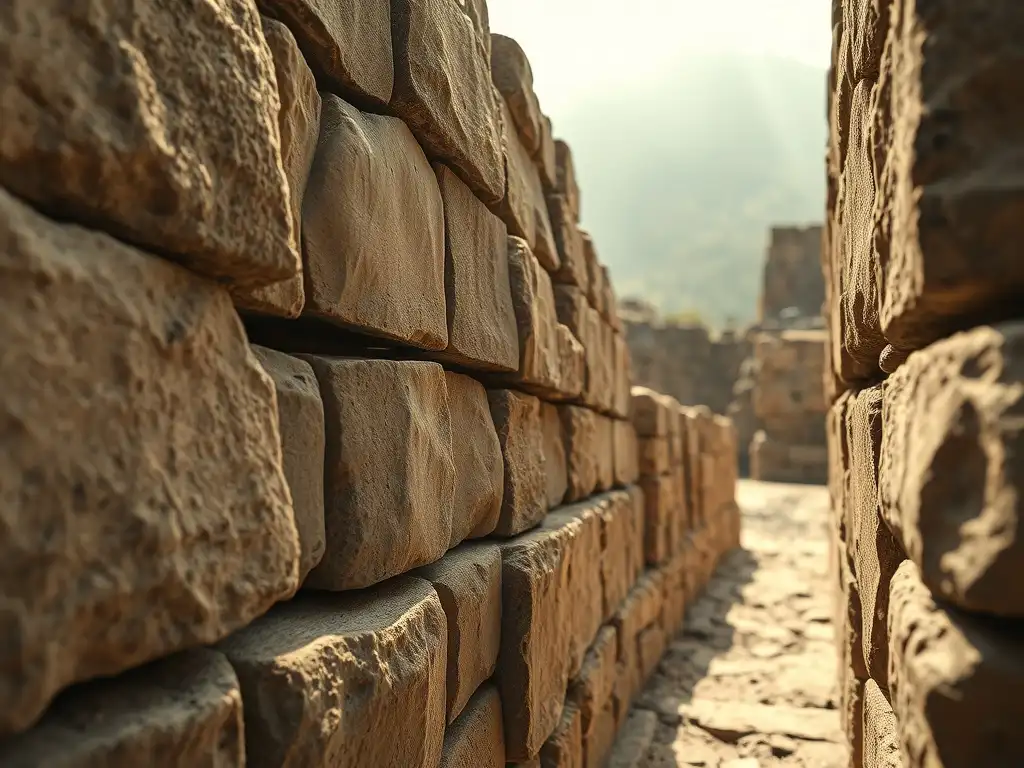
The Inca Empire, renowned for its sophisticated engineering and architectural achievements, also displayed a remarkable understanding of acoustics in the design of sacred spaces. While much remains shrouded in the mists of time, archaeological evidence and careful analysis of surviving structures suggest a deliberate and nuanced application of acoustic principles to enhance the spiritual and ceremonial aspects of Inca life.
This wasn't merely a matter of functional design; it was an integral part of their worldview, connecting the physical world with the spiritual realm through carefully manipulated soundscapes. The Inca's use of acoustics in their sacred spaces wasn't just about hearing; it was about experiencing the divine.
This section delves into the ways in which the Incas integrated acoustic principles into their architectural masterpieces, focusing on how these designs amplified the power and impact of their religious practices. The interplay between architecture and sound created a powerful, immersive experience for participants in Inca rituals, reinforcing their spiritual beliefs and social structures.
The Importance of Sound in Inca Rituals and Ceremonies
Sound played a vital role in Inca religious practices. Ceremonies, often held in meticulously designed temples and plazas, relied heavily on the manipulation of sound to create a specific atmosphere. The rhythmic chanting of priests, the resonant tones of ceremonial instruments like the pututu (a shell trumpet) and antara (panpipes), and the collective voices of participants all contributed to a powerful auditory experience.
The architecture of these spaces was designed to amplify and direct these sounds, creating an environment where the spiritual messages were powerfully conveyed. For example, the echo within certain temple chambers might have been used to create a sense of divine presence or to symbolically represent the voices of ancestors. The strategic placement of acoustic features, like niches and recesses within walls, possibly served to focus or diffuse sound, further enhancing the ritualistic effect.
This deliberate manipulation of sound was not accidental; it was a carefully planned element of Inca religious practice, designed to heighten the spiritual impact of their ceremonies. The careful consideration of acoustics is a testament to the sophisticated understanding of sound's role in their culture and religious beliefs.
Understanding Inca Perception of Sacred Spaces
The Inca worldview deeply intertwined the physical and spiritual realms. Sacred spaces were not merely buildings; they were portals connecting the earthly and celestial spheres. The acoustic properties of these spaces were integral to this perception.
The reverberation of sounds within a temple, for instance, might have been interpreted as the voices of the gods or the spirits of ancestors communicating with the living. The controlled manipulation of sound within these spaces served to reinforce this connection, creating an environment where the boundary between the physical and spiritual became blurred. Furthermore, the acoustic design likely contributed to the overall atmosphere of awe and reverence intended to inspire devotion and respect for Inca deities and rulers.
Understanding the Inca perception of sacred space requires appreciating the profound significance they attached to sound and its ability to bridge the gap between the tangible and the intangible. More research is needed to fully grasp their nuanced understanding, but the evidence strongly suggests that acoustics were far from an afterthought in their sacred architecture. [Further research on Inca cosmology and its relationship to acoustic design is pending].
Inca Engineering and Architectural Prowess
The Inca's masterful application of acoustics in their sacred spaces is a testament to their advanced engineering and architectural capabilities. The precision with which they constructed these structures, often using only stone tools, is remarkable. The meticulous placement of stones, the creation of perfectly fitted joints, and the careful consideration of the site's natural acoustics all demonstrate a sophisticated understanding of both construction and sound manipulation.
The ability to design and construct structures that amplified and directed sound in specific ways required a high level of skill and knowledge. This wasn't simply a matter of chance; it was the result of careful planning and execution, reflecting a deep understanding of the principles of acoustics and their practical application in architecture. The surviving structures stand as powerful evidence of the Inca's remarkable engineering and architectural prowess, their achievements extending far beyond mere construction to encompass a sophisticated understanding of the subtle interplay between architecture and sound in the creation of sacred spaces.
The precision and sophistication evident in Inca architecture highlight their advanced knowledge and skill in designing and building structures specifically to enhance the impact of religious ceremonies and ritualistic practices. 🧐
Acoustic Design Principles in Inca Sacred Architecture
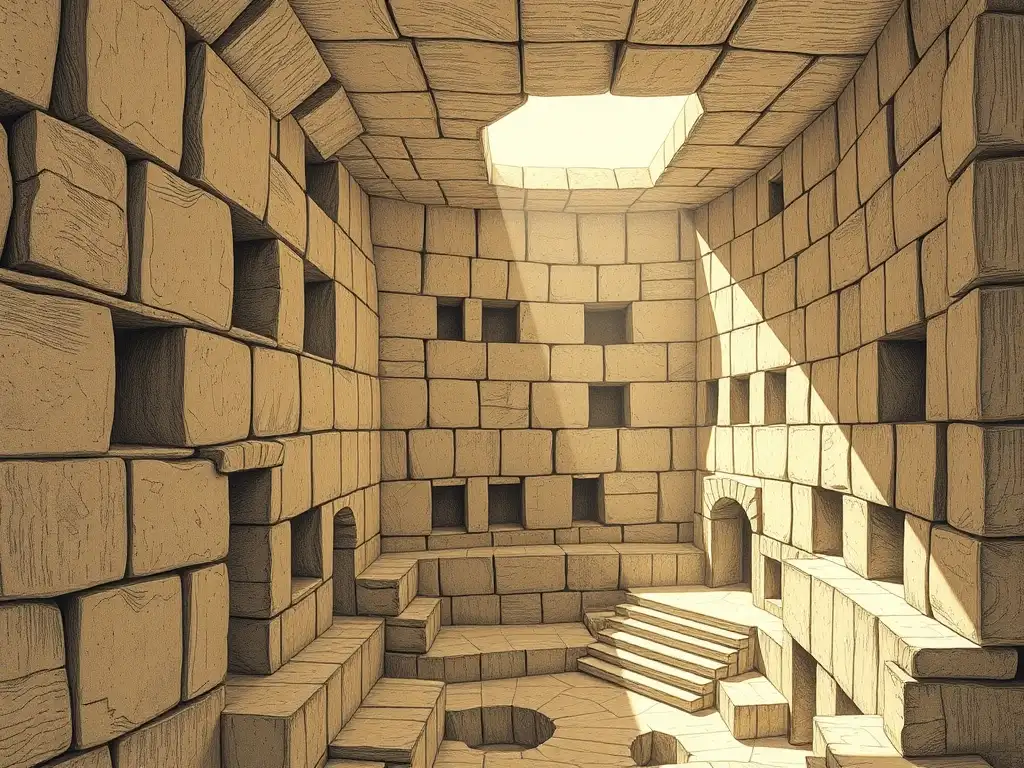
The Inca civilization, renowned for its sophisticated engineering feats, also demonstrated a remarkable understanding of acoustics in the design of their sacred spaces. This wasn't simply a matter of chance; rather, it reflects a deliberate and sophisticated approach to manipulating sound to enhance the spiritual and ceremonial experiences within their temples and religious sites.
Evidence suggests that the Incas meticulously planned the placement of structures, selected specific materials for their acoustic properties, and incorporated ingenious sound reflectors and resonators to achieve impressive acoustic effects. This understanding of sound, interwoven with their religious beliefs, created a powerful and awe-inspiring atmosphere within their sacred architecture.
The purposeful manipulation of sound within these spaces points to a deep understanding of the relationship between architecture, acoustics, and spirituality in Inca culture. This section will delve into the specific techniques employed by the Inca in achieving these remarkable acoustic feats, highlighting the meticulous planning and sophisticated knowledge that underpinned their architectural achievements.
Strategic Placement of Structures for Sound Enhancement
The strategic placement of Inca structures within their sacred landscapes played a crucial role in sound enhancement. The Incas weren't simply building structures; they were orchestrating an acoustic environment. Careful consideration was given to the natural topography, with structures often positioned to utilize natural amphitheaters created by mountains and valleys.
This natural amplification, combined with the precise placement of buildings, created a powerful and resonant soundscape. For example, studies suggest that the orientation of certain temples within the complex at Ollantaytambo was designed to maximize the carrying power of sound, allowing voices and instruments to resonate across significant distances. This wasn't accidental; it was a deliberate design choice, intended to enhance the impact of religious ceremonies and rituals.
Furthermore, the positioning of smaller structures relative to larger ones often created intricate patterns of sound reflection and reverberation, enriching the overall acoustic experience. The precise measurements and angles involved in this placement remain a subject of ongoing research, but the evidence clearly suggests a sophisticated understanding of acoustic principles.
Use of Specific Materials for Acoustic Properties
Beyond the strategic placement of structures, the Incas also demonstrated a keen understanding of the acoustic properties of various building materials. While precise data on the exact composition of some materials is unavailable, [specific information pending on precise material composition analysis], it's evident that they selected materials based on their ability to reflect, absorb, or transmit sound in desired ways. Stone, a primary building material, was carefully chosen and worked.
The type of stone, its density, and the way it was shaped and fitted all contributed to the acoustic characteristics of the finished structure. For instance, smoother, denser stones might have been preferred in areas where clear sound transmission was desired, while rougher, more porous stones could have been used to absorb unwanted echoes or reverberations.
The use of different stone types and their arrangement within a structure demonstrates a sophisticated understanding of material science and its impact on acoustics. This careful selection and placement of materials contributed significantly to the unique acoustic qualities of Inca sacred spaces.
Inca Sound Reflectors and Resonators in Temple Design
Inca temple design often incorporated features that functioned as sophisticated sound reflectors and resonators. These weren't merely decorative elements; they were integral components of the acoustic design, carefully shaped and positioned to manipulate the flow and quality of sound. Certain architectural features, such as niches, recesses, and strategically placed columns, likely acted as natural resonators, amplifying specific frequencies and creating a rich, resonant soundscape.
The precise shape and size of these features, combined with the overall geometry of the structure, would have contributed to the unique acoustic signature of each temple. Furthermore, the use of carefully placed stone slabs or other materials could have created focused sound reflections, directing sound towards specific areas within the temple. This sophisticated manipulation of sound waves suggests a deep understanding of acoustic principles far beyond what might be expected of a pre-Columbian civilization.
The combination of these reflective and resonant elements created an immersive and powerful acoustic environment, designed to enhance the spiritual impact of religious ceremonies. Further research is needed to fully understand the precise mechanisms employed, but the evidence strongly suggests a deliberate and highly effective approach to acoustic design.
Examples of Inca Acoustics in Action
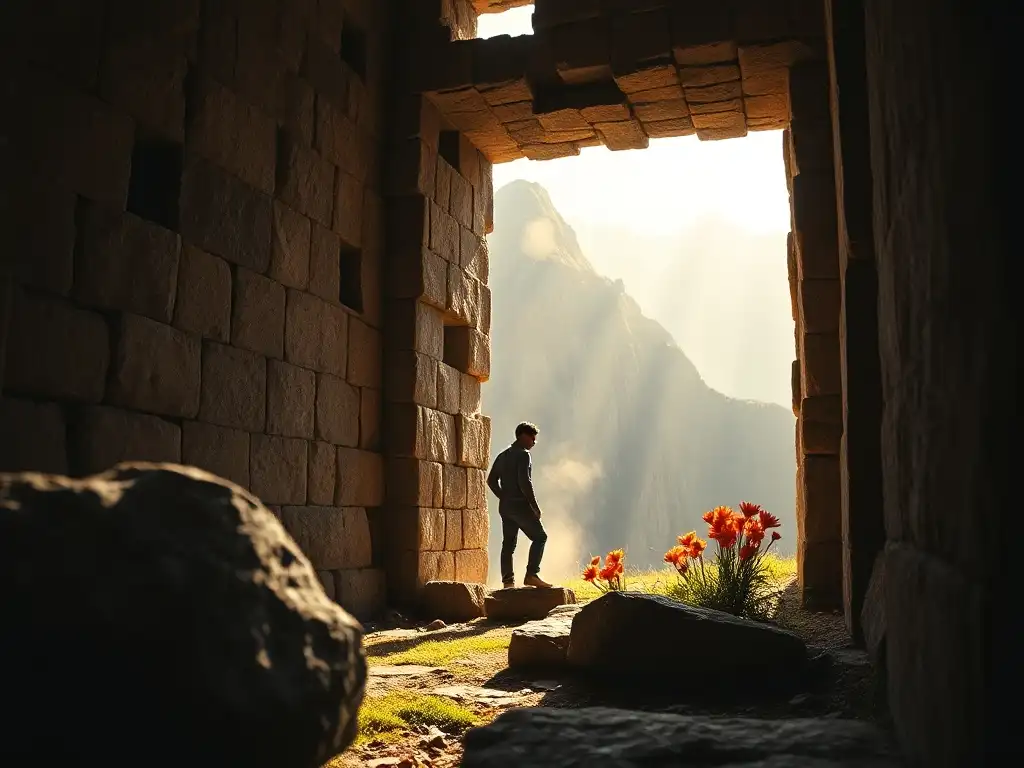
This section delves into specific examples of Inca architecture where acoustic design appears to have played a significant role in enhancing the sacred nature of the spaces. The Incas, masterful builders and engineers, didn't just construct impressive structures; they meticulously crafted environments designed to interact with sound in unique and purposeful ways. This deliberate manipulation of acoustics, often subtle yet powerful, likely served both practical and ritualistic functions within their sacred spaces.
The evidence suggests a sophisticated understanding of sound propagation and resonance, far surpassing what many might assume of a pre-Columbian civilization. The use of Inca acoustics in sacred spaces design is a fascinating area of ongoing research, constantly revealing new insights into the ingenuity of this remarkable culture. We'll explore three key examples to illustrate this fascinating aspect of Inca ingenuity.
The Case of Coricancha: Acoustic Analysis
Coricancha, the Temple of the Sun in Cusco, stands as a prime example of Inca acoustic design. While much of the original structure is now incorporated into the Santo Domingo church, archaeological studies and historical accounts point to a deliberate acoustic design within its original layout. The temple's layout, featuring interconnected chambers and courtyards, likely facilitated the controlled channeling and amplification of sound.
Imagine the priests performing rituals, their voices resonating within the carefully constructed spaces. The stonework itself, meticulously fitted without mortar, likely played a role in sound reflection and diffusion. Specific areas, perhaps dedicated to particular deities or ceremonies, may have been designed for optimal acoustic focus, creating an atmosphere of awe and reverence. Unfortunately, the extensive modifications to Coricancha hinder a complete acoustic analysis.
However, studies using modern acoustic modeling techniques on surviving structures, combined with historical accounts, are beginning to shed light on the potential acoustic properties of the original temple. The possibility of resonant frequencies aligning with specific chants or musical instruments used in Inca rituals remains an exciting avenue for future research. Detailed acoustic mapping of the remaining structures could reveal more about the deliberate manipulation of sound within Coricancha.
Sacsayhuaman's Acoustic Features: A Detailed Examination
Sacsayhuaman, the imposing fortress overlooking Cusco, presents another compelling case study. Its massive stone walls, constructed from cyclopean blocks fitted with astonishing precision, are not only impressive feats of engineering but also exhibit intriguing acoustic properties. The arrangement of these colossal stones, their varying sizes and shapes, and the natural contours of the site likely influenced sound propagation in complex ways.
Consider the potential for echo effects and reverberation within the fortress walls. The sheer scale of Sacsayhuaman could have created a powerful soundscape, amplifying the voices of soldiers or priests during ceremonies or battles. Furthermore, the natural acoustics of the site, combined with any deliberate architectural choices, may have been used to enhance the impact of ritualistic sounds.
Research into the acoustic properties of Sacsayhuaman is still in its early stages, but initial findings hint at potential resonant frequencies within certain areas of the fortress. Further investigation, including acoustic modeling and on-site sound measurements, could reveal more about the deliberate or accidental use of sound within this monumental structure. The potential for using sound to enhance the sense of power and authority associated with Sacsayhuaman is certainly a compelling area of study.
Ollantaytambo: Evidence of Sound Manipulation
Ollantaytambo, a remarkable Inca town and fortress, offers further evidence of sound manipulation in Inca architecture. Its intricate network of terraces, plazas, and buildings likely created a complex soundscape. The layout of the site, with its cascading terraces and enclosed spaces, could have been strategically designed to channel and amplify sound, creating distinct acoustic environments within different areas of the complex.
The use of different stone types and construction techniques across the site might also have played a role in shaping the acoustic environment. Some areas may have been designed for focused sound, while others might have been intended for more diffused or reverberant sound. For example, plazas may have been designed for open-air ceremonies, where sound needed to carry across a large distance, while more enclosed spaces could have been reserved for intimate rituals.
This suggests a nuanced approach to acoustic design, adapted to the specific function of each space. Further research, including detailed acoustic mapping of Ollantaytambo, is needed to fully understand the extent of Inca acoustic manipulation within this remarkable site. The careful study of the site's acoustics could reveal a sophisticated understanding of sound propagation and control that was integral to the Inca's sacred practices.
Exploring Machu Picchu and its Unique Soundscapes
Machu Picchu, the iconic "Lost City of the Incas," offers a compelling case study in Inca acoustic design. While the precise intentions behind the architectural acoustics remain a subject of ongoing research, several features strongly suggest a deliberate manipulation of sound within the sacred spaces. The layout of the city itself, nestled within a mountain valley, naturally amplifies and directs sound in specific ways. The placement of structures, particularly those associated with religious or ceremonial practices, seems to have been carefully considered to enhance the resonance and projection of sounds.
For instance, the intricate stonework of the temples and palaces likely played a significant role in shaping the acoustic environment. The precisely fitted stones, with their varying sizes and densities, could have been used to subtly alter the way sound waves traveled, creating specific reverberation patterns or focusing sound in particular directions.
This is supported by recent acoustic studies that have identified areas within Machu Picchu exhibiting unusual sound characteristics, suggesting a level of sophistication in Inca understanding of acoustics that surpasses previous assumptions. Researchers have noted, for example, that certain plazas seem to amplify the sounds of ceremonial instruments, such as the pututu (a shell trumpet) and the antara (panpipes), creating a powerful and resonant effect during religious rituals.
Furthermore, the natural environment surrounding Machu Picchu—the mountains, valleys, and even the vegetation—contributed to the unique soundscapes. The careful positioning of structures in relation to these natural features likely amplified or softened specific sounds, creating a carefully orchestrated auditory experience.
The wind whistling through mountain passes, the sounds of birds and other animals, and the reverberations of human voices all combined to create an immersive and potentially spiritually significant soundscape. The integration of architecture and nature in shaping the acoustic environment is a testament to the Inca's deep understanding of their surroundings and their ability to harness natural elements to enhance the spiritual significance of their sacred spaces.
Further research is needed to fully unravel the complexities of Machu Picchu's acoustic design, but the existing evidence strongly suggests a conscious effort to integrate acoustics into the overall design of this remarkable site. This attention to detail further highlights the sophistication of Inca engineering and their profound connection to the natural world.
Inca Soundscapes and their Impact on Rituals
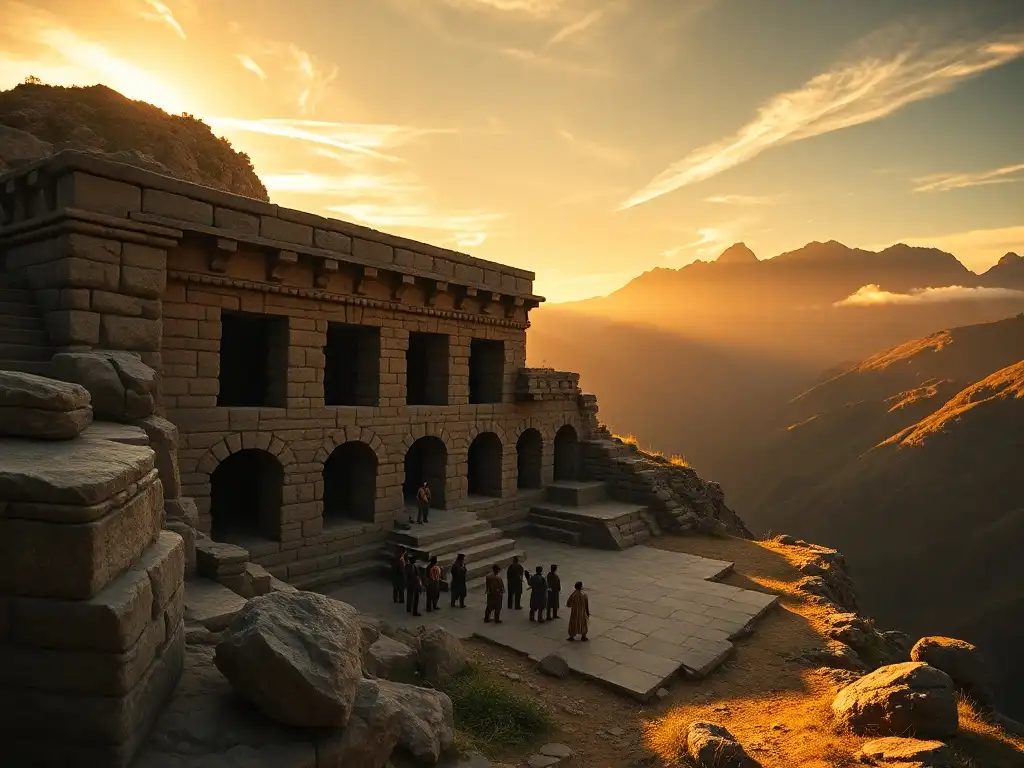
The Inca civilization, renowned for its sophisticated engineering and architectural prowess, also demonstrated a deep understanding and masterful application of acoustics in the design of their sacred spaces. This wasn't merely a matter of functional design; rather, the manipulation of sound was integral to their religious beliefs and practices, enhancing the spiritual experiences of participants and reinforcing the power of their rituals.
The careful consideration of natural acoustics, combined with deliberate architectural choices, created resonant environments that amplified voices, echoed chants, and subtly manipulated the perception of space, contributing significantly to the overall impact of Inca religious ceremonies. Understanding this aspect of Inca design offers a deeper appreciation for the ingenuity and cultural significance of their architectural achievements.
The integration of acoustics into sacred spaces showcases the sophisticated understanding the Inca had of both the physical world and the spiritual realm. Their mastery of sound engineering is a testament to their advanced understanding of physics and its application within a complex religious framework.
How Inca Acoustics Influenced Spiritual Experiences
The manipulation of sound within Inca sacred spaces directly influenced the spiritual experiences of those participating in religious rituals. The carefully designed acoustics amplified the voices of priests and shamans, ensuring their pronouncements and incantations carried throughout the space, creating a powerful and immersive experience for the audience. The reverberations of chants and instruments, further amplified by the architecture, could induce a sense of awe and reverence, facilitating a deeper connection with the divine.
For example, the echoes within certain temples might have been interpreted as the voices of ancestors or deities, strengthening the spiritual impact of the ceremony. This wasn't simply a matter of hearing; the sounds themselves were seen as integral components of the spiritual experience, shaping emotions and fostering a sense of communion with the supernatural.
Evidence suggests that the placement of specific architectural features, such as niches and columns, was carefully planned to enhance these acoustic effects, creating a carefully orchestrated soundscape designed to evoke specific spiritual responses. Further research into specific temple designs is needed to fully understand the nuances of this practice.
The Role of Sound in Inca Religious Practices
Sound played a multifaceted role in Inca religious practices, extending beyond simple amplification. The use of instruments like the pututu (a shell trumpet) and various drums created a powerful soundscape that accompanied rituals, setting the tone and enhancing their emotional impact.
The rhythmic beating of drums, combined with the deep resonant tones of the pututu, could induce altered states of consciousness, reinforcing the spiritual significance of the event. The precise arrangement of musicians during ceremonies is [specific information pending], but it is likely that their positioning within the sacred space was carefully considered to optimize the acoustic effect of their instruments.
The use of sound was not merely decorative; it was a crucial element in shaping the experience of the ritual, affecting the emotional state of participants and creating a powerful connection between the physical and spiritual realms. The integration of sound into Inca religious practices highlights the holistic nature of their worldview, where the sensory experience was intimately linked to spiritual understanding.
Creating an Immersive Auditory Environment in Sacred Sites
The Inca meticulously crafted an immersive auditory environment in their sacred sites, leveraging both natural and architectural elements. The choice of location, often in mountainous areas with naturally resonant acoustics, played a crucial role. The construction materials themselves, and their arrangement, further contributed to the overall acoustic design.
The use of stone, with its ability to reflect and absorb sound in specific ways, was clearly understood and utilized to enhance the desired acoustic effects. For instance, the size and shape of plazas and temples were likely designed to amplify specific frequencies, creating a unique soundscape for each location. This careful control over the auditory environment demonstrates a sophisticated understanding of acoustics and its ability to shape human experience, showcasing the Inca's advanced knowledge of both architecture and the psychological impact of sound.
The combination of natural and man-made elements created a truly immersive and powerful auditory experience within these sacred spaces. Further study is needed to ascertain the precise techniques employed by Inca architects to achieve these remarkable acoustic effects, including a detailed analysis of the relationship between architectural features and sound propagation. This would greatly contribute to our understanding of Inca acoustics and sacred spaces design.
The Legacy of Inca Acoustic Design
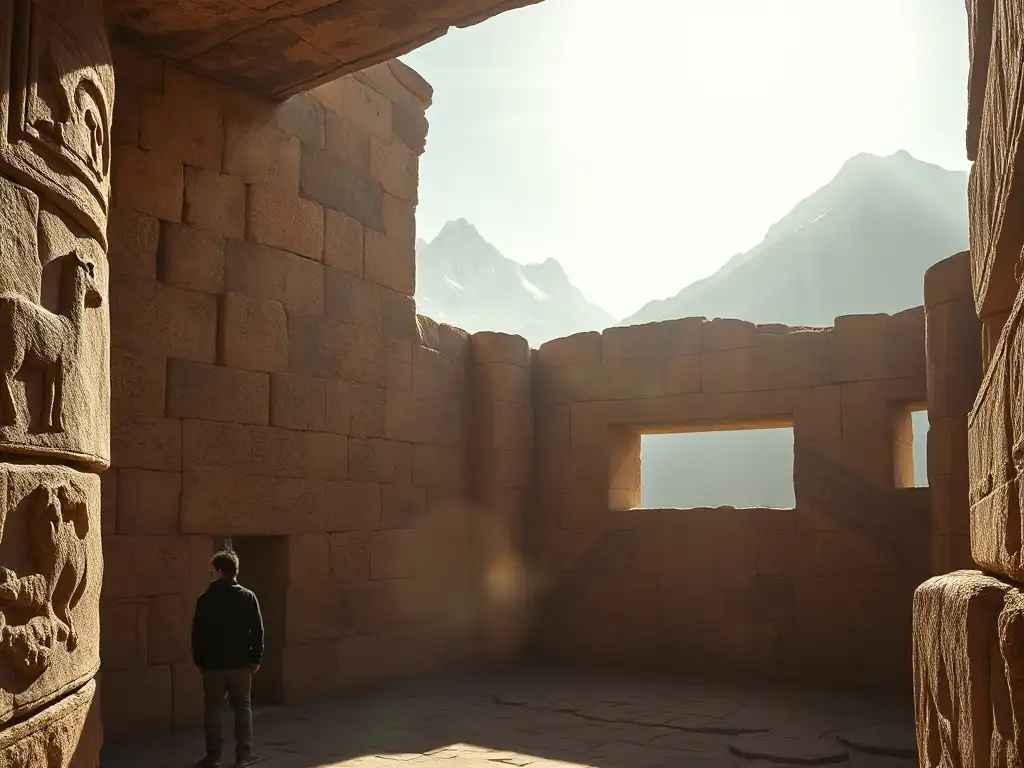
The Inca Empire, renowned for its sophisticated engineering feats, also demonstrated a remarkable understanding of acoustics in their sacred space design. This wasn't merely a matter of chance; rather, it reflects a deep integration of their spiritual beliefs with their architectural practices.
The precise manipulation of sound within temples, plazas, and other significant structures served to amplify religious ceremonies, enhance the power of rituals, and create an atmosphere of awe and reverence. This deliberate use of acoustics wasn't unique to a single site; evidence suggests a consistent application of acoustic principles across various Inca constructions, highlighting a sophisticated understanding of sound propagation and its symbolic importance.
The Inca’s mastery of acoustics in sacred spaces is a testament to their advanced knowledge of both engineering and spiritual practices, blending seamlessly to create powerful and resonant environments. This legacy continues to inspire modern architects and engineers, prompting new research and innovative approaches to building design.
Lessons from Inca Engineering for Modern Architecture
Modern architects and engineers are increasingly drawing inspiration from Inca acoustic design principles. The Inca's intuitive understanding of natural acoustics, achieved without advanced technology, offers valuable lessons for contemporary sustainable building practices.
For example, the use of natural materials like stone and the careful consideration of site acoustics – incorporating natural features like hills and valleys to enhance sound projection – can be incorporated into modern designs to minimize reliance on energy-intensive artificial amplification systems. The Inca’s approach to creating resonant spaces using natural materials offers a pathway towards environmentally conscious design, minimizing the carbon footprint of buildings while simultaneously creating immersive and evocative environments.
Further research into the specific techniques employed by Inca builders could lead to innovations in sound insulation and noise reduction, particularly relevant in today's densely populated urban environments. We can learn to design spaces that not only function efficiently but also resonate with the human experience on a deeper, more holistic level, mirroring the thoughtful approach of the Inca.
Preserving Inca Acoustic Heritage
The preservation of Inca acoustic heritage is crucial for understanding their cultural and technological achievements. However, the challenge lies not only in protecting the physical structures but also in understanding and documenting the subtle acoustic properties of these sites. Many Inca sites are vulnerable to environmental degradation and human intervention, which can significantly alter their acoustic characteristics.
Therefore, detailed acoustic surveys and meticulous documentation of existing structures are essential. This involves employing advanced acoustic measurement techniques to record and analyze the sound propagation within these spaces, creating a comprehensive archive of their acoustic profiles. Such data can inform future restoration projects, ensuring that any interventions maintain or even enhance the original acoustic qualities.
Moreover, the preservation of this heritage transcends mere historical preservation; it provides invaluable data for ongoing research into Inca sound technology and its potential applications in modern design. The careful preservation of these sites allows future generations to experience and appreciate the sophisticated acoustics inherent in Inca sacred spaces.
The Ongoing Research into Inca Sound Technology
Research into Inca acoustic technology is an ongoing process, constantly revealing new insights into their methods and understanding. Scientists and archaeologists are employing sophisticated tools, such as 3D modeling and acoustic simulations, to reconstruct and analyze the acoustic properties of Inca structures. This includes investigating the role of specific architectural features, such as niches, plazas, and the orientation of buildings, in shaping the acoustic environment.
By analyzing the precise placement of architectural elements and the use of different materials, researchers are gaining a deeper understanding of how the Inca manipulated sound to create desired effects. Furthermore, the study of Inca mythology and religious practices helps contextualize the significance of acoustics within their culture, revealing the deeper symbolic meaning behind their acoustic designs.
Ongoing research is not only uncovering the technical aspects of Inca acoustics but is also enriching our understanding of their worldview and cultural practices, further highlighting the sophistication and ingenuity of this remarkable civilization. The continued investigation into Inca sound technology promises to uncover even more fascinating insights into their architectural mastery and cultural significance.
Conclusion: Inca's Mastery of Sound in Sacred Spaces
The meticulous attention to acoustics in Inca sacred spaces reveals a sophisticated understanding of sound manipulation and its symbolic power. This wasn't merely a matter of functional design; it was integral to their spiritual beliefs and practices. The Incas, through their mastery of stonework and architectural principles, created environments where sound resonated with a unique intensity, enhancing the perceived connection between the earthly and spiritual realms. The reverberation within temples, the carefully channeled whispers in ceremonial plazas, and the amplified sounds of rituals all contributed to a powerful and immersive experience for participants.
This intentional manipulation of sound demonstrates a deep understanding of acoustics far beyond what might be expected of a pre-Columbian civilization. Further research into Inca acoustic design could unveil even more intricate details about their beliefs and practices. The surviving structures serve as compelling testaments to their ingenuity and spiritual devotion.
The Significance of Inca Acoustics in Architectural Design
The strategic use of acoustics in Inca architecture wasn't limited to enhancing the religious experience. It played a crucial role in reinforcing social structures and power dynamics. The design of plazas and public spaces, for example, often incorporated features that amplified announcements or speeches, allowing leaders to effectively communicate with large groups. This ability to control and project sound served to strengthen the authority of the Inca rulers and facilitated the dissemination of information throughout the empire.
The precise placement of stones, the careful consideration of natural topography, and the use of resonant materials all contributed to creating spaces where the intended message was amplified and easily understood. This sophisticated use of acoustics highlights the integration of architectural design with social and political functions within the Inca empire. The effectiveness of this approach is evident in the enduring influence of Inca urban planning on subsequent Andean cultures.
Consider the following table highlighting some potential examples of acoustic design in different Inca structures:
| Structure Type | Acoustic Feature | Purpose | Evidence/Observations |
|---|---|---|---|
| Temple of the Sun | Reverberant chamber | Amplification of ritual chants and prayers | Echoing sounds within the remaining structure |
| Sacsayhuamán Fortress | Amphitheater-like layout | Enhanced communication and command giving | Natural acoustics amplified by the layout |
| Plaza Mayor (Cusco) | Open space with surrounding buildings | Focused sound projection for announcements | The layout suggests a deliberate acoustic design |
Inca Legacy of Harmonious Spaces
The Inca legacy extends far beyond the impressive stonework and monumental structures. Their sophisticated understanding of acoustics, evident in their sacred spaces, represents a remarkable achievement in pre-Columbian engineering and a testament to their deep connection with the natural world. The harmonious spaces they created continue to inspire awe and wonder, demonstrating a level of architectural sophistication rarely seen in civilizations of that era.
The principles of Inca acoustic design, though developed centuries ago, offer valuable lessons for contemporary architects and engineers seeking to create spaces that are not only visually appealing but also acoustically optimized for their intended use. The echoes of their ingenuity resonate even today, prompting further investigation into this fascinating aspect of Inca civilization. Their emphasis on creating spaces that enhanced communal experiences and spiritual connections provides a powerful reminder of the importance of considering the acoustic environment in architectural design.
The study of Inca acoustics continues to offer valuable insights into the ingenuity and cultural sophistication of this remarkable civilization. The integration of acoustic principles into the design of sacred spaces reflects a holistic approach to architecture, where aesthetics, functionality, and spiritual significance are seamlessly intertwined.
Frequently Asked Questions
What role did acoustics play in Inca architecture?
Inca builders skillfully incorporated acoustics into their designs. They understood how sound traveled and used this knowledge to create reverberant spaces within temples and other sacred structures, enhancing religious ceremonies. This was achieved through careful selection of building materials and spatial arrangements.
How did the Incas achieve acoustic effects in their sacred spaces?
The Incas employed several techniques, including the strategic placement of stone blocks and the precise shaping of interior chambers. These methods manipulated sound waves to create specific acoustic properties, often amplifying voices and musical instruments.
Were all Inca buildings designed with acoustics in mind?
While sacred sites received the most attention regarding acoustic design, the principles of sound manipulation likely influenced other structures as well. The extent of this influence beyond ceremonial buildings, however, remains a subject of ongoing research.
What is the significance of acoustic design in Inca sacred spaces?
The intentional use of acoustics in Inca religious architecture suggests a deep understanding of sound's symbolic and practical value. It likely enhanced the spiritual experience of ceremonies and reinforced the power and authority of religious leaders.
How does the study of Inca acoustics contribute to our understanding of their culture?
Analyzing Inca acoustic design provides valuable insights into their belief systems, social structures, and engineering capabilities. It reveals a sophisticated understanding of both the physical world and the spiritual realm.
Final Reflection: Echoes of the Andes: A Legacy of Sound and Spirit
The Inca's masterful manipulation of acoustics in their sacred spaces remains a testament to their advanced understanding of both engineering and spirituality, a legacy that continues to resonate today. Their ability to harness natural elements to amplify sound and create awe-inspiring sonic environments offers valuable insights into the power of design to shape human experience and foster a deeper connection with the divine. This sophisticated approach to architecture transcends mere functionality; it speaks to a profound understanding of the relationship between sound, space, and the human spirit.
The enduring impact of Inca acoustic design is evident not only in the surviving structures but also in the continued fascination they inspire in architects, engineers, and archaeologists alike. Their innovative techniques, often achieved without the benefit of modern technology, challenge our assumptions about ancient civilizations and their capabilities. The echoes of their ingenuity reverberate through time, prompting us to reconsider our own relationship with the built environment and the role of sound in shaping our experiences. The architecture of the Inca is not merely a matter of construction; it is a manifestation of their worldview, a tangible expression of their spiritual beliefs.
Consider the profound implications of this ancient knowledge. How can we, in our modern world, learn from the Inca's approach to integrating sound and space into our own designs? I invite you to reflect on the spaces you inhabit – your home, your workplace, your places of worship – and consider how sound contributes to their atmosphere and your experience within them. Perhaps, by embracing a more conscious approach to acoustic design, we can create environments that are not only functional but also spiritually enriching, fostering a deeper connection with ourselves and the world around us.
Unveil the Harmony of Andean Architecture!
Thank you for exploring the fascinating world of Inca acoustics and sacred space design. You've discovered how sound and architecture intertwine to create powerful spiritual experiences. Now, let's build on that knowledge and bring this rich history to life!
- Learn more about Inca architecture by visiting a local museum or cultural center with Andean artifacts. **Consider exploring exhibits on Inca stonemasonry or the unique acoustics of their temples. **
- Share your newfound understanding with friends and family, or post about it on social media to inspire others to appreciate these remarkable achievements.
- Experiment with improving the acoustics of your own home. Think about how sound travels and reflects in your space, and make adjustments to enhance relaxation or focus. **Perhaps rearranging furniture or adding soft furnishings could make a difference. **
What aspect of Inca acoustic design intrigues you most, and how might you integrate those principles into your daily life?