
The Inca's Understanding of Geology: Selecting the Right Stone

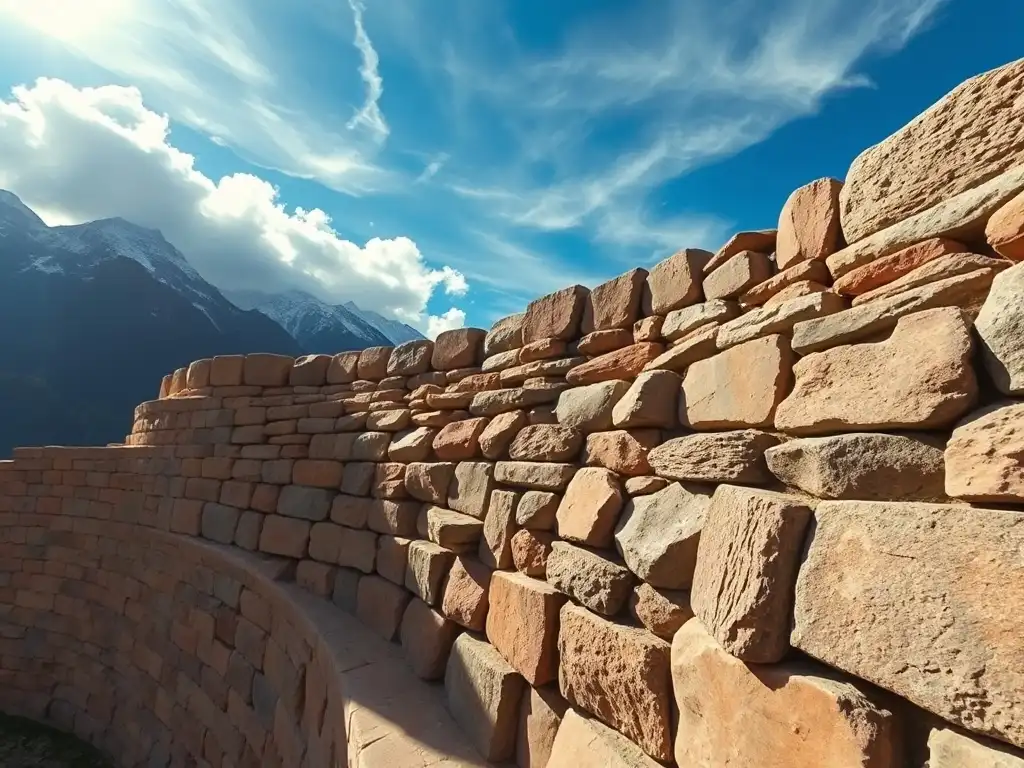
Uncover the secrets whispered by the stones themselves! Journey into the heart of the Andes, where mighty civilizations flourished, leaving behind breathtaking legacies. For centuries, the Incas mastered techniques that defied explanation—and it all began with their stone. Discover the astonishing precision and ingenuity behind Inca stone selection techniques, a pivotal element in their architectural marvels. Prepare to be amazed by the intricate knowledge that shaped an empire.
The Inca Empire, renowned for its breathtaking architectural achievements like Machu Picchu and Sacsayhuamán, possessed a sophisticated understanding of geology far surpassing the expectations for a pre-Columbian civilization. This article delves into the Inca's remarkable ability to select the ideal stones for their constructions, revealing a deep knowledge of geological properties and their impact on building durability and aesthetics. We will explore their selection techniques, revealing how their understanding of rock types, properties, and geological contexts contributed to the enduring legacy of their impressive structures.
This exploration of Inca stone selection techniques showcases their ingenuity and provides valuable insights into their advanced understanding of the natural world. The precision and longevity of their constructions stand as a testament to their mastery of this crucial aspect of engineering and architecture.
Introduction to Inca Stone Selection Techniques
The Inca's mastery of stonework is evident in the precise fitting of massive stones, often without the use of mortar. This precision wasn't simply a matter of skill; it stemmed from a deep understanding of the geological characteristics of the stones themselves. Inca builders didn't just randomly choose stones; they carefully selected materials based on their properties, including hardness, durability, resistance to weathering, and even aesthetic qualities.
This meticulous selection process, combined with their advanced techniques of quarrying, transportation, and shaping, allowed them to create structures that have withstood the test of time. The selection process itself was likely a complex system involving skilled masons, geologists (albeit informally), and potentially even religious leaders, given the sacred significance of many Inca structures. We'll examine the evidence suggesting this complex and sophisticated approach.
Geological Knowledge of the Inca Civilization
The Inca civilization demonstrated a remarkable understanding of geology, considering their lack of formal scientific tools. Their knowledge wasn't merely theoretical; it was directly applied to their construction projects. Evidence suggests they possessed a detailed understanding of different rock types, their properties, and their suitability for specific construction purposes.
This knowledge was likely passed down through generations of skilled masons, evolving through practical experience and observation. The choice of stone wasn't arbitrary; it was a critical decision that impacted the structural integrity, longevity, and even the aesthetic appeal of their buildings. The Inca's ability to identify and exploit suitable geological resources across diverse terrains is a testament to their practical geological expertise.
Inca Understanding of Rock Types
Inca builders differentiated between various rock types, including granite, andesite, basalt, and limestone. They recognized the distinct properties of each type and selected accordingly. For instance, harder stones like granite were favored for foundations and load-bearing walls, while softer stones might have been used for less structurally critical elements. This understanding wasn't limited to simply identifying rock types; they also understood the impact of geological formations on the quality and durability of the stone.
For example, stones quarried from specific locations known for their superior quality were preferentially selected for important structures. This selection process involved careful inspection and likely some form of testing to assess the stone's suitability. The detailed knowledge of local geology is clear from the careful matching of stone types across different structures in the same region.
Recognizing the Properties of Different Stones
Beyond identifying rock types, the Inca understood the importance of various stone properties. They recognized that certain stones were more resistant to weathering and erosion than others, a crucial factor in the longevity of their constructions. They also understood the importance of stone density and its impact on structural strength. For intricate carvings and detailed masonry, they selected stones with the right texture and workability.
The choice of stone was not only practical but also aesthetic; they often selected stones with appealing colors and textures to enhance the visual impact of their structures. This nuanced understanding of stone properties, combined with their skilled craftsmanship, allowed them to create structures of unparalleled beauty and durability. The Inca's selection process was a testament to their holistic approach to construction, considering both functional and aesthetic aspects.
The Importance of Stone Quality in Inca Architecture
The Inca's mastery of stonework is legendary, a testament to their advanced understanding of geology and engineering. The quality of the stone itself was paramount to the success and longevity of their structures. Inca builders weren't simply choosing any rock; they meticulously selected stones based on a complex understanding of their physical properties.
This wasn't merely an aesthetic choice; the durability and longevity of their buildings—many of which still stand today—directly resulted from their discerning selection process. The precision with which they fitted stones together, creating structures that withstood earthquakes and the test of time, highlights the importance they placed on choosing the right material. The Inca's commitment to quality is evident in the remarkable preservation of many of their architectural achievements.
Durability and Resistance in Inca Construction
The Inca Empire experienced diverse geological conditions, from the high Andes mountains to coastal regions. This necessitated a nuanced approach to stone selection. For structures subjected to significant stress, such as fortress walls or significant temple foundations, Inca builders prioritized stones known for their exceptional durability and resistance to weathering.
They favored hard, dense rocks like andesite and granite, which could withstand the harsh Andean climate and seismic activity. The selection wasn't solely based on hardness; the stone's resistance to erosion and its ability to maintain its structural integrity over time were crucial considerations.
This understanding of material science allowed the Incas to create structures that have endured for centuries, often with minimal deterioration. For example, the walls of Sacsayhuamán, built with massive, precisely fitted stones, are a testament to the Inca's understanding of material science and their ability to select stones capable of withstanding the elements and the passage of time.
Inca Stone Selection for Specific Architectural Purposes
The Inca's understanding of geology extended to tailoring their stone selection to the specific architectural purpose. Different types of stone possessed unique properties, making them suitable for particular applications. For instance, finer-grained stones might have been preferred for intricate carvings and detailed ornamentation, while coarser stones were used for load-bearing walls. The selection process was not uniform; it involved careful consideration of the stone's texture, color, and resistance to weathering, as well as its suitability for the intended function.
This sophisticated approach allowed them to optimize the performance and aesthetic appeal of their constructions. The choice of stone even influenced the style and appearance of the final structure, demonstrating a deep integration of material science and artistic vision. For instance, the use of polished stones for temples contrasted with the rougher stones employed in fortress walls, illustrating this tailored approach.
Inca Stone Selection Techniques and Methods
The Inca's success in stone selection wasn't simply a matter of luck; it was a result of sophisticated techniques and methods developed over generations. Their process involved a detailed assessment of various geological formations and quarries, a thorough understanding of the properties of different types of stone, and a meticulous selection process. This involved identifying suitable quarries, extracting the stone, transporting it to the construction site, and shaping it to precise specifications.
The entire process was carefully managed, ensuring the quality and consistency of the materials used in their constructions. The Inca's systematic approach to stone selection ensured the longevity and structural integrity of their buildings. Furthermore, their techniques allowed them to effectively use locally available resources, minimizing transportation costs and environmental impact.
Identifying Suitable Quarries for Inca Construction
The identification of suitable quarries was a critical first step in the Inca's stone selection process. This involved detailed geological surveys of the surrounding terrain, identifying locations rich in high-quality stone that met their specific requirements. The Incas possessed a deep understanding of local geology, allowing them to pinpoint quarries yielding the most durable and suitable stones for their projects.
This knowledge was likely passed down through generations, accumulating a detailed understanding of the region's geological resources. The selection of quarries also involved considering factors such as accessibility and the ease of extraction, balancing the quality of the stone with the practicality of obtaining it. This efficient process minimized the effort and resources required for procuring the necessary materials.
Inca Methods for Extracting and Transporting Stone
Once suitable quarries were identified, the Incas employed sophisticated methods for extracting and transporting the massive stones used in their construction projects. They used a combination of techniques, including the use of stone tools, wedges, and levers to break apart the rock formations. The transportation of these massive stones often involved ingenious systems of ramps, rollers, and possibly even sledges.
The precise methods employed varied depending on the terrain and the size of the stones being moved. The sheer scale of some of their projects, such as the impressive stonework at Sacsayhuamán, testifies to their mastery of logistics and engineering. The Inca's ability to move enormous stones across challenging terrain is a testament to their organizational skills and technological prowess.
Inca Techniques for Shaping and Fitting Stones
The final stage of the Inca's stone selection process involved shaping and fitting the stones to precise specifications. They employed advanced techniques for cutting, shaping, and polishing the stones, achieving an astonishing level of precision. The stones were often fitted together with such accuracy that even a knife blade could not be inserted between them. This required a deep understanding of stone properties and the use of specialized tools.
The precision of their stonework is particularly evident in the intricate carvings and the seamless integration of massive stones in their structures. The Inca's skill in shaping and fitting stones was crucial to the structural integrity and aesthetic appeal of their buildings, contributing to their enduring legacy. Their mastery of this craft is a testament to their advanced understanding of both engineering and artistry.
Specific Examples of Inca Stone Selection in Architecture
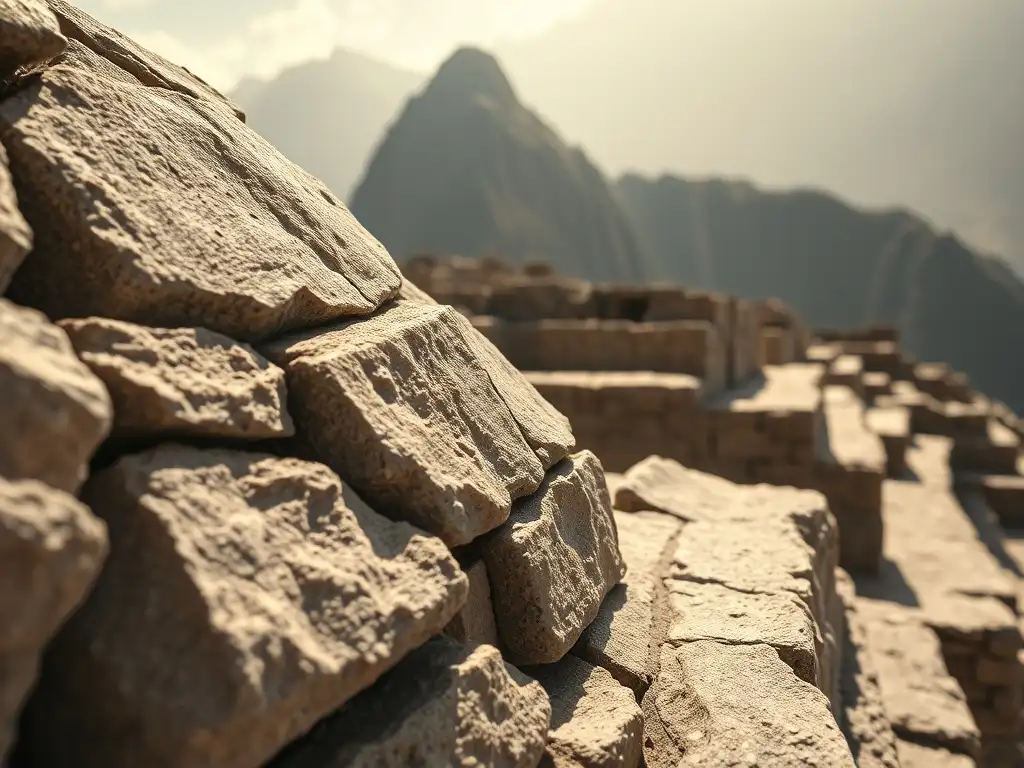
The Inca's mastery of stone selection wasn't a matter of chance; it was a testament to their deep understanding of geology and engineering principles. Their ability to identify, quarry, transport, and precisely fit massive stones is a hallmark of their architectural achievements. This sophisticated process involved careful consideration of various factors, ensuring structural integrity, aesthetic appeal, and longevity of their constructions.
The selection wasn't random; it was a deliberate process informed by their intimate knowledge of the local geology and the properties of different stone types. They prioritized strength, durability, and workability, choosing stones that best suited the specific needs of each project. Their success is evident in the remarkable preservation of many Inca structures, even after centuries of exposure to the elements.
This intricate process highlights not only their engineering prowess but also their deep connection to the Andean landscape. They understood that the success of their structures depended on a harmonious relationship between the chosen materials and the environment.
Sacsayhuaman: A Case Study in Stone Selection
Sacsayhuaman, a colossal fortress overlooking Cusco, stands as a prime example of the Inca's meticulous stone selection. The massive, precisely fitted stones, some weighing over 100 tons, showcase an unparalleled understanding of geology and engineering. The Inca carefully selected stones with specific properties, prioritizing strength and durability to withstand earthquakes and other environmental stresses.
They favored granitic rocks from nearby quarries, known for their resistance to weathering and their ability to withstand seismic activity. The precise fitting of these enormous stones, without the use of mortar, is a remarkable feat of engineering, reflecting their advanced understanding of stone properties and their ability to manipulate these massive blocks.
The selection of these specific stones, coupled with their masterful craftsmanship, resulted in a structure that has endured for centuries, standing as a testament to their advanced techniques. The choice of granite, with its inherent strength and resistance to erosion, was crucial to the fortress's longevity.
Machu Picchu: Inca Stone Selection and Integration with the Landscape
Machu Picchu, the iconic "Lost City of the Incas," exemplifies the Inca's ability to seamlessly integrate their stone selection with the surrounding landscape. The stones used in the construction of Machu Picchu were sourced locally, minimizing transportation challenges and maximizing the use of readily available resources. The Incas selected stones that blended harmoniously with the natural environment, using various types of granite and andesite, carefully choosing colors and textures that complemented the mountain slopes.
The integration of stone selection with the landscape was not merely aesthetic; it contributed to the structural integrity of the buildings, ensuring stability and minimizing environmental impact. This holistic approach, blending engineering skill with environmental sensitivity, is a defining characteristic of Inca architecture and highlights their deep understanding of the relationship between human construction and the natural world. The selection of locally sourced stones minimized environmental impact and ensured the sustainability of the project.
Ollantaytambo: Advanced Inca Stone Selection for Complex Structures
Ollantaytambo, a significant Inca site known for its impressive agricultural terraces and imposing stone structures, demonstrates the Inca's advanced understanding of stone selection for complex engineering projects. The site showcases a variety of stone types, each carefully chosen based on its specific properties and intended use. Larger, more resistant stones were selected for load-bearing walls and foundations, while smaller, more easily worked stones were used for intricate details and decorative elements.
The selection process was clearly informed by an understanding of the different mechanical properties of the stones, ensuring that each stone was optimally utilized. The precision with which the stones were cut, shaped, and fitted is astounding, demonstrating a high level of skill and knowledge.
This complex use of various stone types underscores the Inca's sophisticated understanding of geology and their ability to adapt their stone selection techniques to the specific challenges posed by each construction project. This showcases their advanced knowledge of geology and engineering.
The Legacy of Inca Stone Selection
The Inca's sophisticated stone selection techniques left a lasting legacy, influencing architectural practices for centuries. Their understanding of geological principles and their ability to manipulate massive stone blocks continue to inspire awe and admiration. The precision and durability of their structures are a testament to their mastery of materials and construction techniques.
Their approach to sustainable building practices, prioritizing locally sourced materials and minimizing environmental impact, resonates with modern-day concerns about environmental stewardship. The legacy extends beyond mere aesthetics; it encompasses a deeper understanding of engineering principles and sustainable construction. Their innovative techniques continue to be studied and analyzed by engineers and architects worldwide.
Influence of Inca Stone Selection on Modern Construction
The Inca's innovative methods of stone selection and construction continue to influence modern construction practices. Modern engineers and architects are increasingly drawing upon the Inca's expertise in sustainable construction, minimizing environmental impact through the careful selection and use of local materials. The precision and durability of Inca structures serve as a benchmark for modern construction projects, inspiring the development of new techniques and materials.
The use of locally sourced materials, as well as the emphasis on sustainable building practices, highlights the relevance of Inca techniques in addressing contemporary environmental concerns. This renewed interest in traditional building methods underscores the enduring relevance of Inca ingenuity.
Lessons Learned from Inca Geological Knowledge
Studying the Inca's geological knowledge offers valuable lessons for modern society. Their understanding of stone properties, their ability to select and utilize materials sustainably, and their mastery of construction techniques provide insights into sustainable building practices. Their achievements demonstrate the importance of integrating local knowledge and traditional practices with modern engineering principles. The Inca's holistic approach, combining engineering expertise with environmental sensitivity, serves as a model for sustainable development and resource management.
By studying their methods, we can learn how to build more durable, sustainable, and environmentally responsible structures. Their legacy inspires us to find innovative solutions to contemporary challenges, emphasizing the interconnectedness of human ingenuity and the natural world. Their understanding of the environment and their ability to work in harmony with nature are valuable lessons for modern society.
Conclusion: The Mastery of Inca Stone Selection Techniques
The Inca's success in constructing monumental structures like Machu Picchu and Sacsayhuamán wasn't solely due to their impressive organizational skills and manpower. A critical, often overlooked, component of their architectural prowess lay in their profound understanding of geology and their meticulous stone selection techniques. Their ability to identify, quarry, transport, and precisely fit massive stones, some weighing many tons, showcases an unparalleled level of expertise. This wasn't simply a matter of finding strong rocks; it involved a nuanced comprehension of the stone's properties – its durability, resistance to weathering, and suitability for specific architectural applications.
The Incas didn't just build with stone; they worked with the stone, selecting the optimal material for each element of their construction projects. This deep understanding, combined with their sophisticated engineering practices, allowed them to create structures that have withstood the test of time and continue to inspire awe centuries later. The precision and artistry displayed in Inca stonework serve as a testament to their advanced knowledge of geology and their mastery of Inca stone selection techniques, a vital element in their architectural legacy. Further research into Inca quarries and the specific geological formations they utilized could reveal even more about this sophisticated aspect of their civilization.
The legacy of their stone selection techniques continues to influence modern construction practices, particularly in areas focusing on sustainable and environmentally conscious building methods. Their ability to source materials locally, minimizing transportation impact, is a particularly relevant aspect for contemporary builders seeking environmentally friendly alternatives. The study of Inca stone selection techniques offers valuable insights into both ancient engineering and modern sustainable construction. Understanding their methods provides a rich opportunity to learn from the past and improve present-day building practices.
- Introduction to Inca Stone Selection Techniques
- Geological Knowledge of the Inca Civilization
- The Importance of Stone Quality in Inca Architecture
- Inca Stone Selection Techniques and Methods
- Specific Examples of Inca Stone Selection in Architecture
- The Legacy of Inca Stone Selection
- Conclusion: The Mastery of Inca Stone Selection Techniques
- What criteria did the Inca use for stone selection in their constructions?
- How did the Inca transport such massive stones across challenging terrain?
- What techniques did the Inca use to shape and fit the stones so precisely?
- Were the Inca's stone selection techniques unique compared to other Andean cultures?
- What can modern engineering learn from Inca stone selection and construction techniques?
Frequently Asked Questions
What criteria did the Inca use for stone selection in their constructions?
The Inca prioritized durability and workability in their stone selection. They favored stones like andesite and granite for their strength and resistance to weathering, but also considered the ease with which the stone could be shaped and fitted.
How did the Inca transport such massive stones across challenging terrain?
The Inca employed sophisticated techniques, including rollaways, terraces, and human and animal power, to move enormous stones across the Andes. Their understanding of engineering and logistics was crucial to their success.
What techniques did the Inca use to shape and fit the stones so precisely?
The Inca utilized stone hammers, chisels, and abrasives to shape stones with remarkable precision. They also employed dry-stone masonry, fitting stones together without mortar, creating incredibly strong and durable structures.
Were the Inca's stone selection techniques unique compared to other Andean cultures?
While other Andean cultures also demonstrated impressive stonework, the Inca's scale and precision were exceptional. Their mastery of quarrying, transportation, and shaping techniques set them apart.
What can modern engineering learn from Inca stone selection and construction techniques?
Modern engineers can learn from the Inca's sustainable and environmentally conscious approach to construction. Their understanding of local geology and material properties remains relevant in modern building practices.
Final Reflection: Echoes of the Andes: The Enduring Legacy of Inca Stone Selection
The Inca's meticulous approach to stone selection, far from being a mere historical curiosity, offers a powerful lesson in sustainable resource management and the profound connection between human ingenuity and the natural world. Their understanding of geology wasn't just about building impressive structures; it was about harmonizing with the landscape, a philosophy that resonates deeply with our contemporary concerns about environmental stewardship.
The Inca's legacy extends far beyond the breathtaking ruins that still stand today. Their sophisticated understanding of stone properties, their ability to identify and utilize specific materials for optimal performance, continues to inspire architects, engineers, and geologists alike. The stones themselves seemed to whisper secrets of the earth, guiding the hands that shaped them.
This unspoken understanding of material science, passed down through generations, speaks volumes about the interconnectedness of knowledge, culture, and the environment. Their methods remind us of the importance of respecting the resources at our disposal and utilizing them wisely, a lesson particularly crucial in our era of rapid technological advancement and resource depletion.
Consider the implications of the Inca's approach. What if we, too, approached construction and resource management with such a deep understanding of the materials we use?
Imagine a future where buildings are not only aesthetically pleasing but also environmentally responsible, where the selection of materials is guided not just by cost and availability, but by a holistic understanding of their properties and their impact on the planet. This is not just a call for sustainable practices; it's a call for a renewed appreciation of the wisdom embedded in ancient traditions and a commitment to building a future that respects the delicate balance of nature.
**Uncover the Secrets of Inca Stonework! **
Thank you for exploring the fascinating world of Inca geology with us! Your interest in the Incas' meticulous selection of stones reveals a deep appreciation for their innovative building techniques and profound connection to the land. Now, let's delve even deeper into this captivating subject!
- **Expand your knowledge** by researching the specific types of stone, such as andesite and granite, used in Inca construction. Learn about their sourcing and the methods employed to shape and transport these massive blocks.
- **Share your discoveries** with friends and family—send them a link to this article or discuss the incredible ingenuity of Inca builders over a cup of coffee!
- Consider visiting a significant Inca archaeological site like Machu Picchu or Sacsayhuamán—experiencing these wonders firsthand will significantly enhance your understanding of their remarkable skills.
Reflect on your own life journey: Which stone—strong and enduring like granite, perhaps, or intricately layered like andesite—best symbolizes your unique path?