
The Inca's Use of Ramps and Levers: Moving Massive Stones

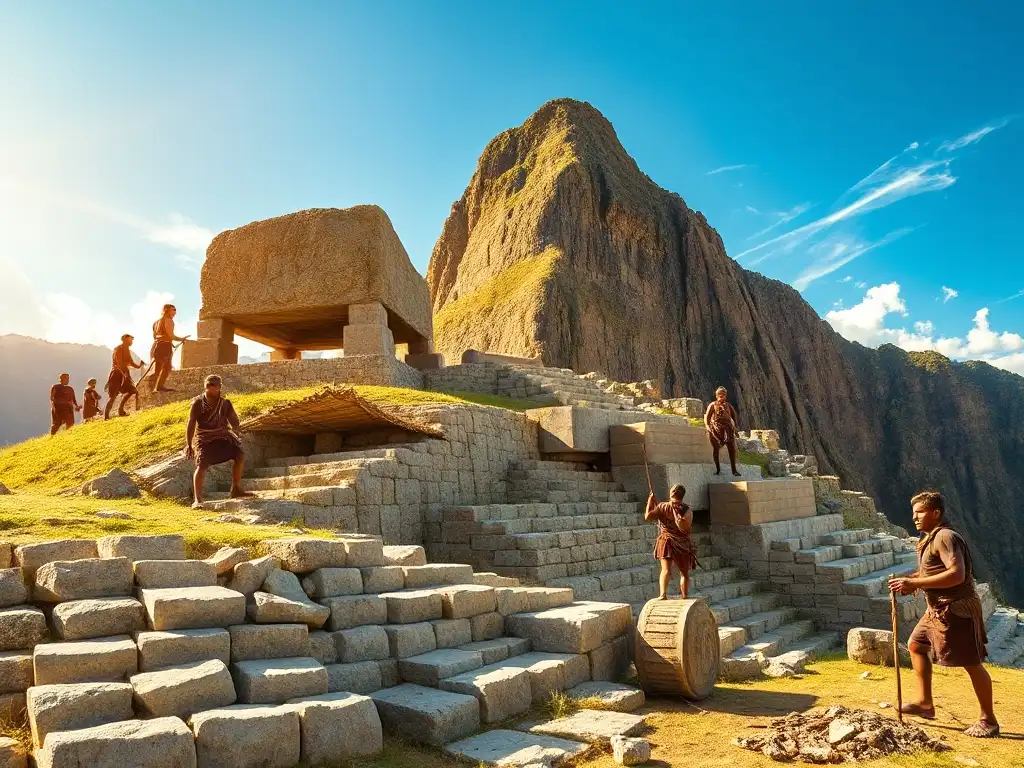
Step into a world lost to time, where colossal stones defied gravity and intricate artistry painted a landscape of breathtaking beauty. Prepare to be amazed as we unravel the mysteries of the Andean Civilizations, delving into their remarkable ingenuity and cultural achievements. But first, consider this: how did the Incas, without the aid of modern technology, manage to move and place the massive stones used in their monumental constructions?
The answer lies in their mastery of Inca ramp and lever stone construction, a technique as awe-inspiring as the structures themselves. Explore this fascinating aspect of Inca engineering and uncover the secrets behind their architectural wonders.
Inca Ramp and Lever Stone Construction: Engineering Marvels
The Inca Empire, renowned for its breathtaking architectural achievements, particularly its mastery of stonework, leaves modern engineers and archaeologists continually astonished. This article delves into one of the most fascinating aspects of Inca construction: the ingenious use of ramps and levers to move and position massive stones in the creation of iconic structures like Machu Picchu and Sacsayhuamán. We will explore the sophisticated techniques employed by the Inca, examining the evidence supporting the theory of ramp and lever usage, and dispelling common misconceptions surrounding their construction methods.
Understanding these techniques provides crucial insight into the advanced engineering capabilities and organizational prowess of this remarkable civilization, solidifying their place as masters of stone architecture and challenging our assumptions about pre-Columbian technologies. The keyword "Inca ramp and lever stone construction" will be explored throughout this article, examining the various aspects of this impressive feat of engineering.
Understanding Inca Construction Techniques
The Inca's construction methods were remarkably sophisticated for their time. They didn't possess the wheel or draft animals in the way many other ancient civilizations did, forcing them to develop innovative solutions for moving and placing enormous stone blocks, some weighing many tons. While the exact details of many construction processes remain shrouded in mystery, archaeological evidence strongly suggests a reliance on a combination of ramps, levers, rollers, and possibly even sophisticated systems of ropes and pulleys.
The precision and scale of Inca stonework, evident in the incredibly tight fits between stones with minimal mortar, point to a highly organized workforce with a deep understanding of engineering principles. This section will lay the groundwork for understanding the specific role of ramps and levers in this intricate process. The strategic placement of these architectural elements was crucial for the success of Inca building projects.
The Ingenious Use of Ramps in Inca Architecture
Ramps represent a cornerstone of Inca construction. These weren't simply haphazard inclines; they were carefully engineered structures, often temporary, designed to facilitate the upward movement of massive stone blocks to their final positions. The construction of these ramps required significant planning and resources, demonstrating a sophisticated level of logistical management.
The gradient, materials used, and overall design of the ramps were likely tailored to the specific challenges presented by each construction site and the size and weight of the stones being moved. The efficiency of the ramp system was paramount, minimizing the physical effort required and maximizing the output of the workforce. The evidence suggests that the Inca understood the importance of reducing friction and maximizing leverage to move the colossal stones with relative ease.
Types of Inca Ramps: Straight Inclines and Terraced Ramps
Archaeological findings suggest the Inca employed various types of ramps. Straight inclines, built directly up the slope, were likely used for shorter distances and less steep inclines. For steeper inclines and larger projects, terraced ramps, featuring a series of shorter, less steep sections separated by platforms, were likely employed.
This design would have reduced the overall incline and made the task of moving heavy stones significantly easier. The choice between a straight incline or a terraced ramp likely depended on factors such as the terrain, the weight of the stones, and the overall scale of the construction project. More research is needed to fully understand the nuances of each ramp type and their specific applications.
Construction of Inca Ramps: Earth, Stone, and Log Supports
The construction of Inca ramps involved a variety of materials, depending on the available resources and the specific requirements of the project. Earth, often compacted and layered, formed the base of many ramps. Stone, both large and small, was used to reinforce the ramp's structure and provide a durable surface.
Logs, strategically placed, may have served as rollers to reduce friction, aiding in the movement of the massive stone blocks. The construction of these ramps themselves was a significant feat of engineering, requiring careful planning and execution to ensure stability and safety during the construction process. Further research into the specific materials and techniques used in ramp construction is needed.
Inca Ramps for Transporting Massive Stones
The ramps weren't merely pathways; they were integral parts of a complex system for transporting and placing massive stones. The inclines allowed workers to leverage gravity, reducing the effort required to move the stones uphill. Combined with levers and possibly rollers, these ramps facilitated the precise positioning of stones, enabling the incredibly tight fits characteristic of Inca masonry. The evidence suggests a highly organized system, with teams of workers coordinating their efforts to move and place the stones with remarkable accuracy.
The efficiency of this system is a testament to the Inca's understanding of basic physics and their ability to apply it to solve complex engineering problems. Further study is needed to fully understand the logistical intricacies of this process. The sheer scale and precision involved continue to amaze and inspire modern engineers.
The Power of Levers in Inca Stone Work
The Inca's mastery of stonework is legendary, evident in the precise fitting of massive stones in structures like Machu Picchu and Sacsayhuamán. A crucial element of their success was their sophisticated understanding and application of simple machines, particularly levers. Levers, a fundamental principle of physics, allowed the Inca builders to overcome the limitations of human strength, enabling them to move and position stones far exceeding their individual lifting capacity.
This ingenious use of levers, combined with their equally impressive ramp systems, represents a significant achievement in ancient engineering, showcasing a deep understanding of mechanical advantage. The Inca's ability to manipulate these forces, particularly given the lack of advanced tools like pulleys and cranes, is a testament to their ingenuity and problem-solving skills.
Their expertise in lever mechanics is a key factor in understanding how they constructed such monumental structures. Furthermore, the effectiveness of their lever systems was directly related to their precise understanding of weight distribution and balance, highlighting their advanced knowledge of physics and engineering principles.
Types of Levers Employed by the Incas: Wooden and Stone Levers
Archaeological evidence suggests the Incas employed two primary types of levers: wooden and stone. Wooden levers, likely crafted from strong, locally sourced timber, provided flexibility and were easier to manipulate. Their length allowed for greater mechanical advantage, enabling workers to move heavier stones with less effort. Stone levers, on the other hand, offered superior durability and resistance to wear and tear, especially beneficial in the harsh Andean environment.
The choice between wooden and stone levers likely depended on the specific task, the weight of the stones being moved, and the availability of suitable materials. While the exact proportions and designs of these levers are not fully documented, their effective use is undeniably demonstrated in the surviving structures. The integration of these lever types into their overall construction strategy underscores the Incas' adaptive approach to engineering challenges.
How Incas Used Levers to Lift Heavy Stones
The Incas' use of levers involved a coordinated effort. Teams of workers would strategically position levers under or against massive stones. By applying force to the lever's longer arm, they could lift and manipulate the stone, often using rollers or wooden platforms to reduce friction and facilitate movement. This process involved careful planning and precise execution, requiring a high degree of teamwork and understanding of leverage principles.
The placement of the fulcrum, the point around which the lever pivots, was critical in determining the effectiveness of the lever. The Incas' ability to consistently achieve optimal leverage demonstrates a deep understanding of the physics involved. Furthermore, the use of multiple levers simultaneously would have allowed for the precise positioning and placement of exceptionally large and heavy stones. This sophisticated technique, combined with their ramp systems, allowed them to overcome the challenges of transporting and erecting these colossal blocks.
Precision in Inca Lever Application
The astonishing precision of Inca stonework is not merely aesthetic; it reflects a sophisticated understanding of engineering principles. The tight fit of stones, with minimal mortar used, demonstrates the Inca's ability to manipulate massive stones with incredible accuracy. This precision was achieved through a combination of factors, including the use of levers, ramps, and meticulous planning. The application of levers required a high degree of skill and coordination to avoid damaging the stones or disrupting the overall structure.
Even slight miscalculations could have resulted in significant damage or delays. The success of their efforts highlights not just their physical strength but also their advanced knowledge of engineering principles and their ability to execute complex tasks with remarkable precision. This accuracy is a hallmark of Inca engineering and a testament to their dedication to craftsmanship.
Combining Ramps and Levers for Monumental Construction
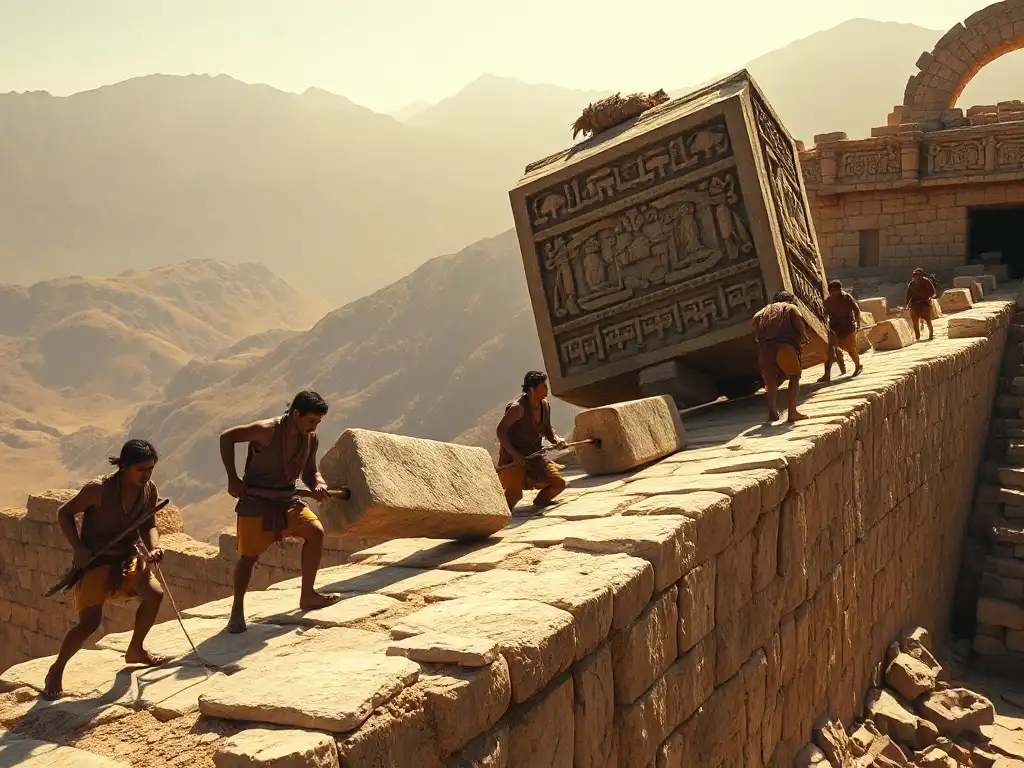
The Inca construction process was not solely reliant on levers; ramps played a crucial, complementary role. Ramps provided a means of transporting massive stones uphill to the construction site, reducing the need for excessively strenuous vertical lifting. This combination of ramps and levers created a highly efficient system for moving and positioning stones.
The ramps reduced the overall effort required, while the levers provided the necessary precision for placement. The design and construction of both ramps and levers were carefully planned to work in harmony, creating a synergistic effect that enabled the construction of monumental structures. The integration of these two engineering marvels highlights the Inca's holistic approach to construction and their deep understanding of how to optimize their resources and manpower.
Case Study: Ollantaytambo Fortress
Ollantaytambo Fortress serves as a compelling case study of the combined use of ramps and levers in Inca construction. The massive stones used in the fortress walls, some weighing many tons, were transported uphill using a complex system of ramps. Once at the construction site, levers were employed to precisely position these stones into their final locations.
The intricate fitting of these stones, with minimal space between them, is a testament to the effectiveness of this combined approach. The sheer scale of the construction at Ollantaytambo, along with the precision of the stonework, provides strong evidence of the Incas' mastery of both ramp and lever technology. This site is a powerful visual demonstration of their combined engineering prowess and highlights the ingenuity of their construction methods.
The Synergy of Inca Ramps and Levers: Efficient Stone Movement
The synergy between ramps and levers in Inca construction significantly enhanced efficiency and reduced the overall effort required. Ramps reduced the vertical lift needed, minimizing the energy expenditure associated with moving heavy stones uphill. Levers, in turn, provided the precision needed for placement, ensuring the stones were positioned accurately within the structure.
The effective integration of these two simple machines allowed the Incas to achieve remarkable feats of engineering, constructing structures that remain impressive even today. This combination of ramp and lever technology represents a sophisticated understanding of mechanical advantage and a practical application of engineering principles far ahead of its time. It's a testament to their ability to optimize their resources and manpower effectively.
Inca Engineering and the Construction of Sacred Sites
The Inca's masterful use of ramps and levers was not limited to purely functional structures; it was equally critical in the construction of their sacred sites. Temples, observatories, and other religious structures often featured massive, precisely fitted stones, demonstrating the same high level of engineering skill observed in their fortifications. The construction of these sacred sites underscores the importance of engineering in Inca culture and its integration into their spiritual beliefs.
The meticulous placement of stones, often carrying symbolic or astronomical significance, showcases the Incas’ ability to seamlessly blend engineering prowess with spiritual intent. The precision and scale of these sacred constructions stand as powerful testaments to both their engineering skill and their reverence for their spiritual world.
Inca Stone Movement: Beyond the Ramp and Lever
While ramps and levers undoubtedly played a significant role in Inca stone construction, it's crucial to understand that these weren't the only methods employed. The sheer scale and precision of Inca architecture suggest a multifaceted approach to moving massive stones, one that likely incorporated a combination of techniques adapted to the specific challenges of the terrain and the type of stone being moved. Evidence suggests a sophisticated understanding of physics and engineering principles, far beyond simply using ramps and levers.
The Incas likely employed a nuanced strategy, carefully selecting the most efficient method based on factors such as the size and weight of the stones, the distance they needed to be transported, and the available manpower and resources. This adaptability is a testament to their ingenuity and engineering prowess.
Further research into Inca quarrying techniques and transportation methods is needed to fully understand the complexity of their logistical achievements. For example, the precise methods used for transporting stones across significant water bodies or extremely steep inclines remain largely unknown and require further investigation.
Rolling and Sliding Techniques in Inca Construction
The use of rolling and sliding techniques significantly complemented the ramp and lever system. Imagine huge stones, perhaps weighing several tons, being carefully maneuvered down a carefully prepared slope using rollers made from wood or other readily available materials. The surfaces would likely have been lubricated with water or other substances to reduce friction, allowing for smoother movement. This method, combined with the use of levers for finer adjustments and positioning, would have allowed for a more efficient and controlled movement of stones.
Archaeological evidence, while scarce in this specific area, suggests the use of similar techniques in other ancient civilizations, hinting at a potentially widespread understanding of these efficient stone-moving practices. Analyzing the wear patterns on the stones themselves and the surrounding terrain could potentially reveal further evidence of rolling and sliding techniques. The precise materials used for rollers and lubricants, however, remain a subject for further investigation.
The Role of Inca Labor in Stone Transport
The success of Inca stone construction was inextricably linked to the organization and skill of their workforce. The mita system, a form of mandatory labor service, played a crucial role in mobilizing the vast human resources needed for such monumental projects. Highly skilled laborers, specialized in different aspects of stone transport and construction, worked in coordinated teams. This organized approach, combined with the Inca's sophisticated understanding of engineering principles, allowed them to move and place stones with remarkable precision.
The sheer number of people involved in these projects is staggering, suggesting a well-planned and efficient system of labor allocation and management. Further research into Inca social structures and labor organization is needed to fully understand the complex dynamics of their workforce and its contribution to their architectural achievements. Understanding the level of specialization within the workforce and the training processes involved would further illuminate the Inca's remarkable engineering capabilities.
The Legacy of Inca Stone Engineering
The Inca's mastery of stone construction continues to inspire awe and wonder. Their remarkable achievements in moving and placing massive stones, using a combination of ramps, levers, rolling, and sliding techniques, stand as a testament to their advanced engineering skills and organizational capacity. The precision and durability of their structures, many of which still stand today, are a testament to their sophisticated understanding of engineering principles. The legacy of Inca stone engineering extends far beyond the impressive ruins; it serves as a powerful reminder of human ingenuity and the ability to overcome seemingly insurmountable challenges through careful planning, skilled labor, and a deep understanding of the natural world. Studying their techniques continues to inform modern engineering practices, demonstrating the enduring value of understanding and preserving the knowledge of past civilizations. The Inca's innovative approach to construction continues to inspire modern architects and engineers, highlighting the timeless relevance of their achievements.
Frequently Asked Questions
How did the Inca move massive stones without modern technology?
The Inca utilized a combination of ingenious techniques, including ramps, levers, and rollers, along with a large workforce, to transport and position colossal stones in their constructions. Their understanding of physics and engineering was remarkably advanced.
What is the evidence for the Inca's use of ramps in construction?
Archaeological evidence shows remnants of earth ramps near many Inca structures, and analysis of stone placement suggests the strategic use of inclined planes to facilitate the movement of massive blocks. These ramps helped reduce the effort needed to move the stones.
Were levers solely used for lifting stones?
While levers were crucial for lifting and positioning stones, they were likely also used in conjunction with other tools, such as rollers, to maneuver the blocks into place with precision. Their application was multifaceted and crucial to the process.
How did the Inca transport stones over long distances?
The Inca likely employed a system of well-maintained roads and trails, combined with the use of sledges, rollers, and human power to transport stones from quarries to construction sites, sometimes over significant distances. Organization and manpower were key.
What other technologies did the Inca use alongside ramps and levers?
In addition to ramps and levers, the Inca also utilized sophisticated rope systems, wooden rollers, and possibly animal power to move and place stones. Their construction methods involved a complex interplay of tools and techniques.
Final Reflection: Echoes of Ingenuity: The Enduring Legacy of Inca Engineering
The Inca's mastery of ramps and levers wasn't just a feat of ancient engineering; it's a testament to human ingenuity that continues to inspire awe and challenge our assumptions about the capabilities of past civilizations. Their innovative solutions to monumental construction, using relatively simple tools, offer a powerful counterpoint to modern technological reliance, reminding us of the potential inherent in human creativity and collaborative effort.
The impact of the Inca's engineering prowess extends far beyond the impressive structures they left behind. Their methods, though seemingly rudimentary, demonstrate a deep understanding of physics and a remarkable ability to organize labor on a massive scale. This legacy continues to resonate in modern engineering, prompting us to reconsider our approaches to construction and problem-solving. The past is never dead. It's not even past.
– William Faulkner. This quote perfectly encapsulates the enduring relevance of the Inca's achievements, their ingenuity continuing to shape our understanding of human potential and the power of collaborative innovation.
Consider the implications of this knowledge. How can we, in our own lives, embrace the principles of ingenuity and collaborative effort demonstrated by the Inca? What seemingly insurmountable challenges might we overcome by applying a similar spirit of innovation and resourcefulness? I urge you to reflect on the Inca's legacy, not just as a historical curiosity, but as a source of inspiration for tackling the challenges of our own time. Let their ingenuity echo in your own endeavors, inspiring you to find creative solutions and build a better future.
Unleash Your Curiosity: Dive Deeper into Inca Engineering!
Thank you for exploring the fascinating world of Inca engineering with us! You've discovered the ingenious techniques—like ramps and levers—that allowed this remarkable civilization to move massive stones. Now, let's take your knowledge further!
Here are some ways to engage more deeply with this incredible topic:
- Visit a local historical site featuring ancient engineering marvels. See if you can identify techniques similar to those employed by the Incas.
- Share your newfound knowledge! Discuss the article with friends, family, or online communities to spark interest in Inca innovations—you might inspire others!
- Join a community of history enthusiasts. Connecting with others interested in archaeology or ancient civilizations will deepen your understanding and allow you to learn from fellow explorers.
What aspect of Inca engineering intrigues you most? How might these ancient techniques inform modern engineering practices?