
The Inca's Use of Geometry in Design: Precision and Proportion

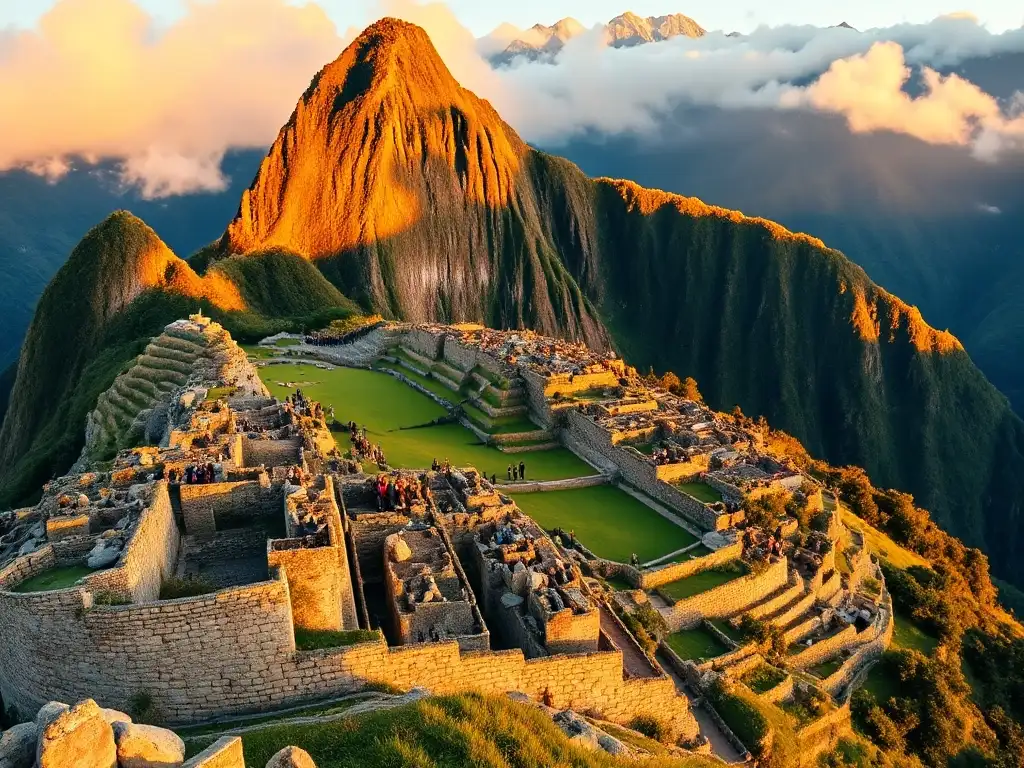
Step into a world lost to time, yet echoing with the ingenuity of a vanished empire. Imagine cities sculpted into mountainsides, intricate textiles woven with celestial precision, and monumental structures built with a mastery of Inca architecture geometric design that still defies explanation. This is the legacy of the Andean civilizations, a testament to human ambition and artistry. Unravel the mysteries of their advanced technology and breathtaking artistry – delve into the fascinating world of the Inca Empire and discover the secrets hidden within their remarkable geometric designs.
The Inca Empire, renowned for its sophisticated engineering feats and breathtaking architectural achievements, harnessed the power of geometry to create structures that were not only aesthetically pleasing but also incredibly functional and resilient. This article delves into the intricate relationship between Inca architecture and geometric design, exploring the precision and proportion that defined their building techniques and revealing how these principles contributed to the empire's enduring legacy.
We will examine specific examples of Inca structures, analyzing their geometric foundations and highlighting the mathematical understanding that underpinned their construction. Understanding the Inca's mastery of geometry provides invaluable insight into their advanced civilization and their profound impact on the Andean landscape.
This exploration will reveal how the strategic use of geometric principles, combined with a deep understanding of their environment, allowed the Incas to create monumental structures that continue to inspire awe and wonder centuries later. The keyword "Inca architecture geometric design" will be explored throughout this article, with specific examples demonstrating the precise and proportionate nature of their building techniques.
Geometric Shapes in Inca Architecture
Inca architecture demonstrates a remarkable preference for specific geometric shapes, most notably rectangles, squares, and trapezoids. These shapes were not randomly chosen; their use reflects a deep understanding of geometry and its practical applications in construction. Rectangles, for instance, formed the basis of many Inca structures, providing stability and allowing for efficient use of space.
The precise angles and proportions of these rectangles were meticulously planned, ensuring the structural integrity of buildings, even those constructed on challenging terrain. The frequent use of trapezoidal shapes, particularly in doorways and windows, added a unique aesthetic element while also contributing to the overall strength and stability of the structures.
Furthermore, the precise alignment of these shapes, often evident in the intricate stonework, showcases a high level of mathematical understanding and planning. Detailed studies of Inca structures reveal an almost obsessive attention to detail in the execution of these geometric forms, a testament to their sophisticated building techniques.
The Importance of Proportion and Scale
Beyond the selection of specific geometric shapes, the Incas placed significant emphasis on proportion and scale in their architectural designs. The ratio of different elements within a structure was carefully considered, creating a sense of harmony and balance. This is evident in the consistent proportions found in various Inca buildings, from small residential structures to monumental temples. For example, the ratio of the height to width of doorways often followed a specific pattern, suggesting a deliberate design approach rather than arbitrary choices.
Maintaining consistent proportions across different structures, regardless of their scale, demonstrates a sophisticated understanding of architectural principles and the importance of visual harmony. This meticulous attention to detail not only enhanced the aesthetic appeal of the structures but also played a crucial role in their functionality and stability. The precise proportions ensured that the structures could withstand seismic activity and other environmental stresses.
Case Studies: Examples of Geometric Precision in Inca Structures
Several specific examples vividly illustrate the Incas' mastery of geometric design in their architecture. [Specific examples of Inca structures and their geometric features pending]. The precise fitting of massive stones without mortar, often with incredibly tight tolerances, further underscores their advanced understanding of geometry and engineering. The meticulous planning and execution evident in these structures highlight the Incas' commitment to precision and their exceptional skill in manipulating stone.
Analyzing these case studies reveals a sophisticated understanding of geometric principles that was essential to their architectural achievements. [Specific data on dimensions and angles of these structures pending]. These examples demonstrate the practical application of geometry in creating durable and aesthetically pleasing structures.
The Legacy of Inca Geometric Design
The Incas' skillful use of geometry in their architecture left a lasting legacy, influencing subsequent Andean cultures and inspiring architects and engineers to this day. The precision and proportion evident in their structures continue to amaze and inspire, showcasing the ingenuity and mathematical prowess of this remarkable civilization. The legacy of Inca geometric design extends beyond its aesthetic appeal; it represents a testament to their advanced understanding of engineering principles and their ability to create structures that were both beautiful and functional.
The study of Inca architecture provides valuable insights into the development of geometry and its application in construction, offering lessons that are still relevant in modern architectural practices. The enduring impact of their geometric designs underscores their significant contribution to the history of architecture and engineering.
- Geometric Shapes in Inca Architecture
- The Importance of Proportion and Scale
- Case Studies: Examples of Geometric Precision in Inca Structures
- The Legacy of Inca Geometric Design
- What is the most prominent feature of Inca architecture?
- How did the Inca use geometry in their buildings?
- What tools did the Inca use to achieve such precision in their architecture?
- Beyond geometry, what other design elements characterized Inca architecture?
- How does the Inca's use of geometry compare to other Andean civilizations?
Inca Architecture Geometric Design: An Overview
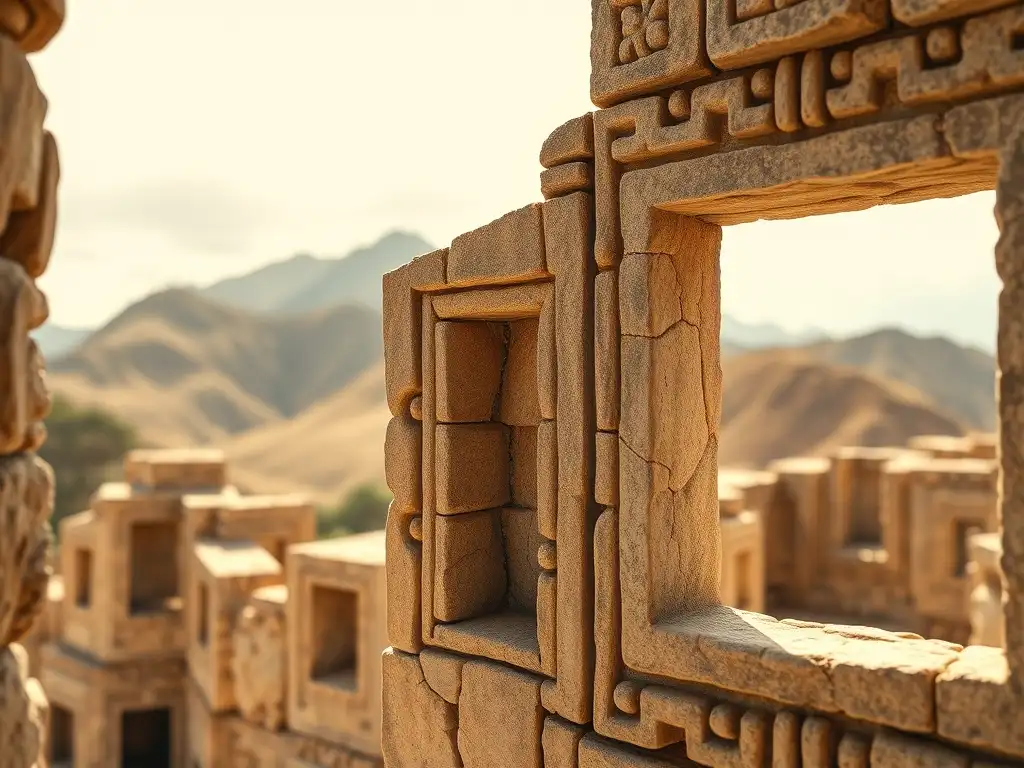
The Inca Empire, renowned for its sophisticated engineering feats, also displayed a remarkable mastery of geometric design in its architecture. This wasn't merely aesthetic; geometry played a crucial role in the Inca worldview, influencing not only the visual appeal of their structures but also their functionality and symbolic meaning. The precise placement of stones, the meticulous proportions of buildings, and the intricate patterns woven into textiles and ceramics all reflect a deep understanding and application of geometric principles.
This section explores the intricate relationship between Inca culture and geometry, examining how geometric design permeated every aspect of Inca architecture, from monumental structures to everyday dwellings. Understanding this connection provides a richer appreciation for the ingenuity and cultural significance of Inca achievements. Analyzing "Inca architecture geometric design" reveals a complex system reflecting both practical considerations and profound spiritual beliefs.
The Importance of Geometry in Inca Culture
Geometry wasn't just a practical tool for the Inca; it held deep spiritual and cosmological significance. The Inca worldview was intricately linked to the natural world, and geometric patterns often mirrored celestial alignments and natural formations. For example, the precise orientation of many Inca structures towards solstices and equinoxes suggests a sophisticated understanding of astronomy and its integration into architectural planning.
This wasn't a random occurrence; the Inca believed that aligning their buildings with celestial events brought them closer to the divine and ensured harmony between the human and spiritual realms. Furthermore, geometric patterns found in textiles and ceramics often represented deities, ancestors, or significant events, imbuing everyday objects with spiritual meaning. The use of specific geometric shapes, such as squares, rectangles, and triangles, likely held symbolic weight, representing concepts like stability, order, and the interconnectedness of the cosmos.
The meticulous precision in the execution of these designs further emphasizes their importance within Inca culture. The dedication to accuracy in "Inca architecture geometric design" showcases the profound respect for these geometric principles.
Inca Architectural Principles and Geometric Foundations
Inca architects employed several key geometric principles in their designs. The most prominent is the use of precise measurements and proportional relationships. Inca masons achieved astonishing feats of precision, fitting stones together with minimal mortar, creating structures of remarkable stability and longevity. This precision wasn't accidental; it stemmed from a deep understanding of geometry and a commitment to accuracy.
They often used standardized units of measurement, ensuring consistency across different structures and regions of the empire. The use of rectangular and trapezoidal shapes was prevalent, creating a sense of balance and order. These shapes, frequently found in walls, doorways, and windows, were not simply chosen for their aesthetic appeal but also for their structural integrity. The trapezoidal shape, for instance, is particularly effective in distributing weight and resisting seismic activity, a crucial consideration given the Andean region's seismic vulnerability.
Furthermore, the integration of geometric patterns into the facades of buildings added another layer of complexity and visual interest. These patterns, often formed by the arrangement of stones of different sizes and colors, were not merely decorative; they likely conveyed symbolic meanings and reinforced the spiritual significance of the structures. The mastery displayed in "Inca architecture geometric design" is a testament to their advanced understanding of both practical and symbolic applications of geometry.
The following table summarizes some key geometric features of Inca architecture:
| Feature | Description | Significance |
|---|---|---|
| Precise Masonry | Stones fitted together with minimal mortar, achieving remarkable precision. | Demonstrates advanced engineering skills and attention to detail. |
| Rectangular Shapes | Predominant use of rectangles in building design. | Provides stability and a sense of order. |
| Trapezoidal Shapes | Frequent use of trapezoids, especially in doorways and windows. | Offers structural strength and resistance to seismic activity. |
| Geometric Patterns | Intricate patterns created by the arrangement of stones of different sizes and colors. | Likely held symbolic meanings and reinforced the spiritual significance of structures. |
| Orientation | Precise alignment of structures with celestial events (solstices, equinoxes). | Reflects a sophisticated understanding of astronomy and its integration into design. |
This meticulous attention to detail and the deep symbolic meaning embedded within the geometric designs highlight the sophisticated understanding of geometry within Inca culture. The legacy of Inca architecture stands as a powerful testament to the ingenuity and cultural richness of this remarkable civilization. The impact of "Inca architecture geometric design" continues to inspire awe and admiration.
Geometric Patterns in Inca Stone Masonry
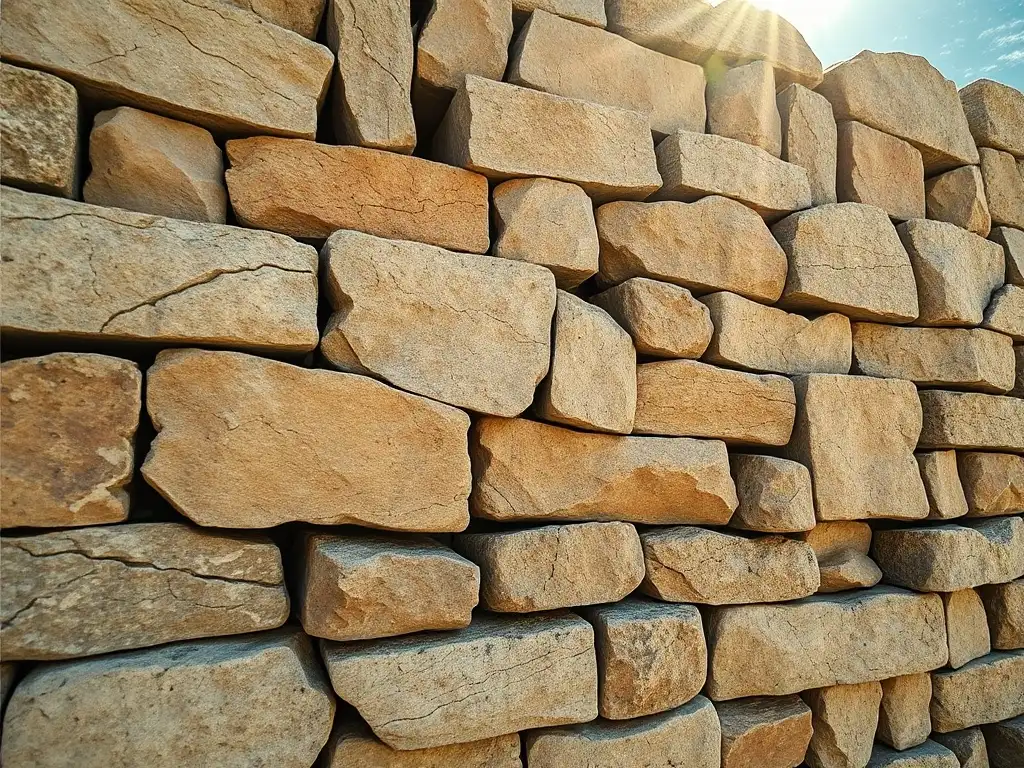
The Inca's mastery of geometric design is profoundly evident in their stone masonry. Far from haphazard construction, Inca architecture showcases a sophisticated understanding of geometry, applied with remarkable precision and skill. This wasn't merely aesthetic; the geometric principles underpinning Inca building practices likely served practical purposes related to structural integrity, seismic resistance, and perhaps even symbolic representation. The intricate patterns and precise fitting of stones, often without mortar, are testaments to their advanced engineering and mathematical knowledge. Analyzing the geometric patterns reveals a complex interplay of shapes, sizes, and angles, all contributing to the enduring legacy of Inca architectural prowess. The use of geometric principles wasn't limited to grand structures; even smaller buildings and domestic constructions often incorporated geometric elements, demonstrating the widespread application of this knowledge within Inca society. Understanding these patterns offers a deeper appreciation of the sophistication of Inca civilization and its lasting impact on architectural design.
The Use of Polygonal Shapes in Inca Walls
Inca walls are renowned for their use of polygonal stones, meticulously cut and fitted together to create incredibly strong and aesthetically pleasing structures. These stones, ranging from small to enormous, are often shaped as irregular polygons—triangles, quadrilaterals, pentagons, and even hexagons—fitted together with astonishing precision. The absence of mortar between these stones further highlights the skill of the Inca masons.
The size and shape of each stone were carefully chosen to create a perfectly interlocking system, minimizing gaps and maximizing structural stability. This technique allowed for the creation of incredibly strong walls capable of withstanding earthquakes and other natural disasters. Studies of Inca walls reveal a complex system of interlocking polygons, often with subtly varying angles and shapes, creating a visually stunning and structurally sound wall system.
For instance, the walls at Ollantaytambo showcase a particularly impressive mastery of this technique, with some stones weighing several tons and perfectly fitted into their place. The careful selection and placement of these polygonal stones demonstrate a sophisticated understanding of geometry and engineering principles far beyond what was commonly believed possible for the time.
Inca Precision Cutting Techniques and Geometric Accuracy
The precise cutting and fitting of stones in Inca architecture is a testament to their advanced technological capabilities. Inca masons employed sophisticated techniques to shape stones with incredible accuracy, ensuring a near-perfect fit without the use of mortar. While the exact methods remain a subject of ongoing research, it's clear that they possessed advanced tools and a deep understanding of geometry. Evidence suggests the use of copper and bronze tools, along with possibly stone hammers and chisels.
The level of accuracy achieved is remarkable; many stones fit together so tightly that a knife blade cannot be inserted between them. This precision wasn't simply a matter of aesthetics; it was crucial for the structural integrity of their buildings. The tight fit of the stones helped to distribute weight and resist seismic activity, contributing to the longevity of Inca structures.
The remarkable accuracy of Inca stonework demonstrates a profound understanding of geometric principles and an advanced level of craftsmanship. Further research into their tools and techniques is needed to fully understand the extent of their technological achievements. [Specific information pending regarding the exact composition of Inca tools and detailed analysis of cutting techniques.]
Sacsayhuamán: A Fortress Demonstrating Geometric Precision
Sacsayhuamán, a massive fortress located near Cusco, stands as a powerful example of Inca geometric design and engineering prowess. Its cyclopean walls, constructed from enormous, precisely cut stones, are a breathtaking display of Inca architectural skill. The stones themselves are incredibly large, some weighing upwards of 100 tons, and are shaped into intricate polygonal forms that fit together seamlessly.
The arrangement of these stones showcases a complex understanding of geometry, with angles and shapes meticulously chosen to create a structurally sound and visually stunning fortress. The impressive scale and precision of Sacsayhuamán's construction continue to fascinate and inspire researchers and visitors alike. The fortress's layout and the arrangement of its walls also reflect a sophisticated understanding of defensive strategy, making it a remarkable example of the integration of geometry, engineering, and military planning within Inca society.
The sheer scale of the project, coupled with the precision of the stonework, highlights the organizational capabilities and engineering expertise of the Inca civilization. [Further data needed on the exact geometric calculations used in the design of Sacsayhuamán, and a detailed analysis of its structural integrity in relation to its geometric design.]
Inca Urban Planning and Geometric Layouts
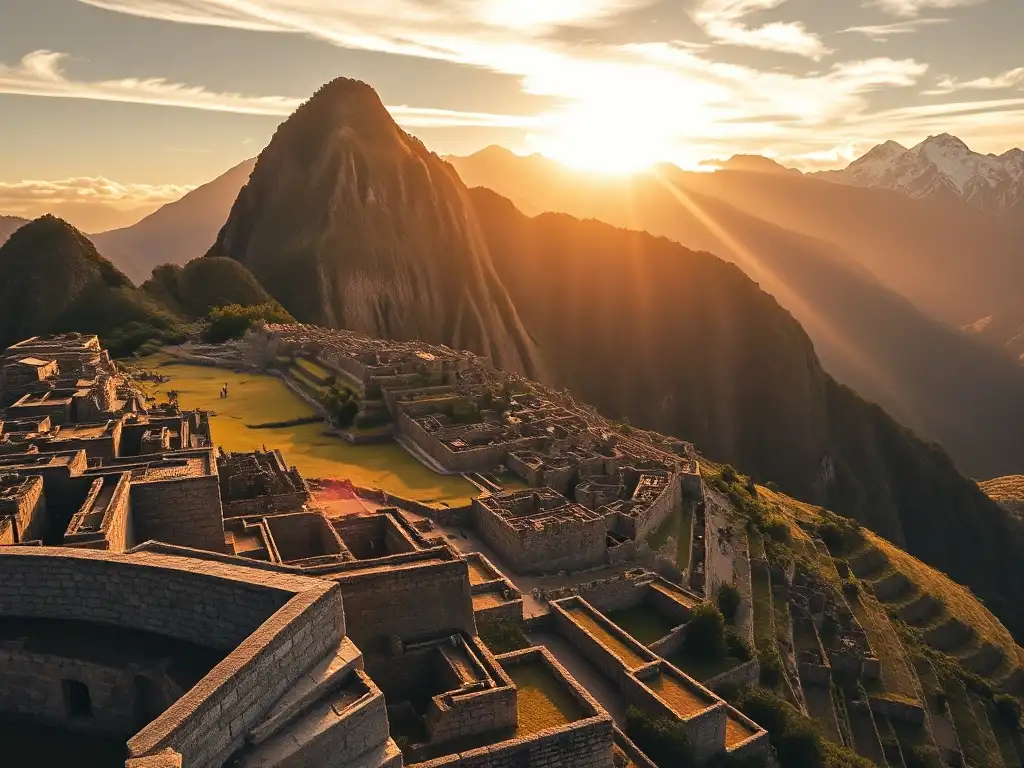
The Inca Empire, renowned for its sophisticated engineering feats, also displayed a remarkable understanding and application of geometry in its urban planning. This wasn't merely aesthetic; the precise geometric layouts of Inca cities served practical and symbolic purposes, reflecting a deep connection between the Inca worldview and their built environment. Inca architecture geometric design wasn't haphazard; it was a deliberate system reflecting both pragmatic considerations and deeply held spiritual beliefs.
The meticulous planning extended beyond individual structures to encompass entire urban landscapes, creating a harmonious blend of functionality and spiritual significance. This section explores the key aspects of Inca urban planning and the pervasive influence of geometric principles. Understanding this aspect reveals a level of sophistication often underestimated in discussions of Inca achievements.
Geometric Organization of Inca Cities
Inca cities weren't sprawling, unplanned settlements. Instead, they were meticulously organized according to precise geometric principles. The most common patterns involved rectangular grids, often aligned with cardinal directions. This alignment wasn't accidental; it suggests a sophisticated understanding of astronomy and its integration into urban design.
The streets, running parallel and perpendicular to each other, created a highly efficient and easily navigable urban fabric. This system facilitated efficient movement of people and goods, crucial for the effective functioning of a large empire. Evidence suggests that the size and orientation of city blocks varied depending on their function, with larger blocks allocated to public spaces and smaller ones for residential use.
Furthermore, the precise measurement and layout of these blocks underscore the Inca's mastery of surveying and land management techniques. The precision of their work is truly astonishing, indicative of advanced tools and techniques that are still being studied today. Consider the remarkable accuracy in the construction of Machu Picchu, a testament to their understanding of geometric principles in creating a functional and aesthetically pleasing city.
The Role of Sacred Geometry in Inca Urban Design
Beyond the practical advantages, the geometric organization of Inca cities held profound symbolic meaning. The use of sacred geometry, incorporating principles of symmetry, proportion, and specific geometric shapes like squares and rectangles, reflects a deep-seated belief system. These shapes were not arbitrarily chosen; they were imbued with spiritual significance, connecting the earthly realm with the cosmos.
For example, the square was often associated with the earth, while the circle represented the sun. The combination of these shapes in city layouts likely represented the Inca's worldview, their understanding of the universe, and their place within it. The precise orientation of buildings towards celestial bodies, such as the sun and stars, further emphasizes the integration of astronomy and sacred geometry in Inca urban planning.
More research is needed to fully understand the complex interplay of these symbolic elements and their influence on the design of Inca cities. [Specific information pending: Further research on symbolic meanings associated with specific geometric shapes in Inca city layouts]
Cusco: An Inca City with a Clear Geometric Plan
Cusco, the former capital of the Inca Empire, serves as a prime example of Inca urban planning and geometric design. Its layout, though partially obscured by later Spanish constructions, still reveals a clear geometric organization. The city's main streets follow a grid pattern, with buildings aligned along cardinal directions. The central plaza, a vital public space, is positioned at the heart of the city, acting as a focal point for civic and religious activities.
The use of kanchas, or enclosed compounds, further contributes to the city's geometric organization. These compounds, often rectangular in shape, served as residential units or administrative centers. The integration of water channels and irrigation systems within the city's geometric plan highlights the Inca’s ability to seamlessly blend infrastructure with urban design. The precision and efficiency of Cusco’s design underscores the Inca’s mastery of urban planning and their sophisticated understanding of geometry.
The surviving remnants of Cusco continue to fascinate researchers and demonstrate the remarkable sophistication of Inca architecture geometric design. The city's very structure serves as a tangible testament to the Inca's advanced knowledge and skillful execution in urban planning. Analyzing Cusco allows us to better understand the intricacies of Inca architecture geometric design and its significance within the broader context of the Inca civilization.
Inca Agricultural Terraces and Geometric Engineering
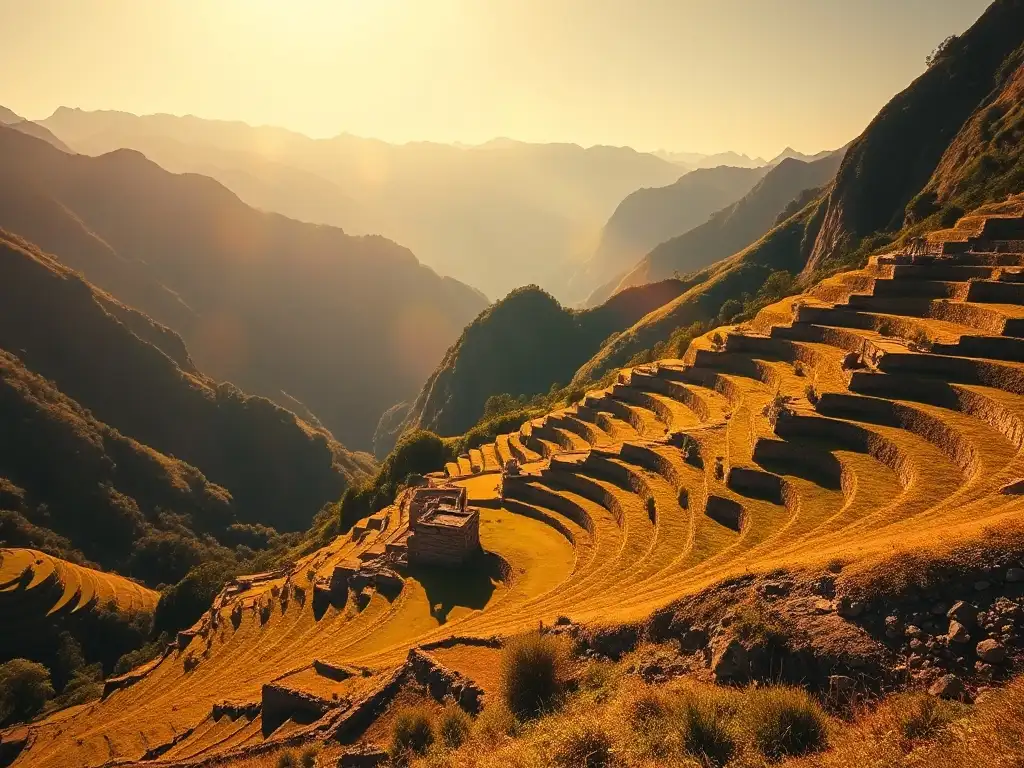
The Inca's mastery of geometric design extended far beyond their impressive urban planning and monumental structures. Their agricultural practices, particularly the construction of extensive terrace systems, represent a sophisticated application of geometric principles for optimal land use and crop production. This section will explore the intricate relationship between Inca agricultural engineering and their understanding of geometry, focusing on the precision and functionality embedded within their terrace designs.
The Inca's understanding of Inca architecture geometric design is clearly evident in their agricultural innovations. This wasn't simply about creating flat surfaces on hillsides; it was a carefully calculated system maximizing sunlight exposure, water management, and soil conservation. The scale and precision of these projects are truly remarkable, highlighting the advanced knowledge and organizational capabilities of the Inca civilization.
Geometric Design of Inca Terraces for Optimal Cultivation
Inca terraces weren't haphazardly constructed. Their design incorporated precise geometric shapes, most notably rectangles and trapezoids, to maximize cultivatable land on steep slopes. The dimensions of each terrace were carefully planned, taking into account factors such as sun exposure, water drainage, and soil type.
Smaller terraces, often trapezoidal in shape, were used on steeper slopes where larger, rectangular terraces would have been impractical or unstable. This adaptability demonstrates a deep understanding of both geometry and the environmental conditions. Analysis of surviving terrace structures reveals a remarkable consistency in dimensions and angles, suggesting the use of standardized measurements and surveying techniques.
The precise alignment of terraces also optimized sunlight exposure throughout the day, crucial for maximizing crop yields. Furthermore, retaining walls, often built from meticulously cut and fitted stones, helped prevent soil erosion and provided support for the cultivated land. The careful arrangement and precise measurements demonstrate a sophisticated understanding of Inca architecture geometric design applied to agriculture.
The Use of Slopes and Angles in Inca Agricultural Engineering
The successful cultivation of crops on steep Andean slopes demanded a profound understanding of angles and slopes. Inca engineers meticulously calculated the angles of terrace walls to optimize water flow and prevent erosion. The slopes were not uniform; instead, they varied depending on the terrain and the type of crop being cultivated.
Steeper slopes were often used for crops requiring more direct sunlight, while gentler slopes were suitable for crops needing more moisture retention. The precise control of water flow was critical. Terraces were often equipped with sophisticated irrigation systems, utilizing channels and canals to distribute water evenly across the fields.
The angles of these channels were carefully calibrated to ensure efficient water distribution without causing erosion or flooding. Evidence suggests that Inca engineers employed a system of carefully measured levels and gradients to ensure the accurate construction and maintenance of these complex irrigation networks. The integration of slopes and angles in terrace design showcases the Inca's mastery of hydraulic engineering and their keen understanding of Inca architecture geometric design within a practical agricultural context.
Moray: An Inca Agricultural System Utilizing Geometry
Moray, an archaeological site located in the Sacred Valley of the Incas, provides a compelling example of the Inca's sophisticated use of geometry in agricultural engineering. This site features a series of concentric circular terraces descending into a deep depression. The circular design, coupled with varying depths and slopes of the terraces, created microclimates with distinct temperature variations.
This allowed the Incas to cultivate a wide range of crops, each adapted to a specific temperature range. The precise arrangement of the terraces, their carefully calculated slopes, and the controlled water flow within the system demonstrate a remarkable understanding of environmental factors and their interaction with geometric principles. Moray is not merely an agricultural site; it's a testament to the Inca's advanced knowledge of agriculture, engineering, and the application of Inca architecture geometric design to create a highly productive and sustainable farming system.
The meticulous planning and construction of Moray highlight the Inca's remarkable ingenuity and their ability to harness geometric principles to solve complex agricultural challenges. The site continues to fascinate researchers and demonstrates the profound link between Inca ingenuity and their understanding of Inca architecture geometric design.
Inca Textiles and Geometric Patterns
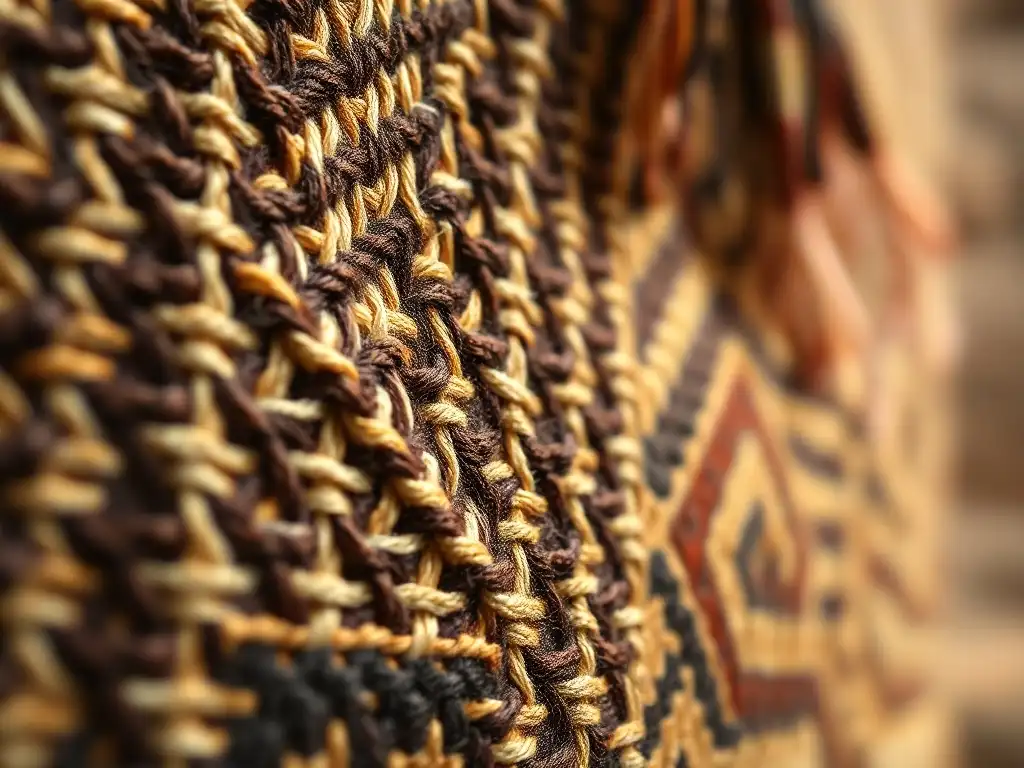
Inca architecture is renowned for its precise geometric design, but this mastery of geometry extended far beyond stonework. Inca textiles, a crucial aspect of their material culture, vividly demonstrate a sophisticated understanding and application of geometric principles. The intricate patterns woven into their clothing, tapestries, and ceremonial objects showcase not only technical skill but also a deep symbolic language embedded within the geometric forms.
Understanding the geometric design in Inca textiles provides crucial insights into their worldview, social structures, and artistic expression. The intricate designs were not merely decorative; they were imbued with meaning, reflecting the Inca's profound connection to their environment and their cosmology.
The precision and consistency seen in these textiles mirror the meticulous nature of their architectural achievements, highlighting a culture that valued order, balance, and symbolic representation. This section explores the profound relationship between geometry and symbolism in Inca textiles, highlighting the intricate motifs, the use of symmetry, and the significance of specific patterns like the tocapu.
Geometric Motifs and Their Symbolic Meaning in Inca Textiles
Geometric motifs in Inca textiles are incredibly diverse, ranging from simple stripes and chevrons to complex interlocking designs. These patterns weren't randomly chosen; each held a specific meaning, often related to Andean cosmology, agricultural cycles, or social status. For example, stepped patterns, reminiscent of Andean terraces, likely symbolized agricultural abundance and the mastery of the landscape. Spiral motifs, common in many Andean cultures, could represent the cyclical nature of life, death, and rebirth. Zigzags, often seen in borders or as integral parts of larger designs, might have represented mountain ranges or lightning bolts, reflecting the powerful forces of nature.
The colors used in these textiles were also significant. Specific dyes, derived from natural sources like plants and minerals, were associated with particular meanings. Red, for instance, might represent blood, sacrifice, or power; while yellow could symbolize the sun or gold.
The combination of geometric motifs and specific colors created a rich tapestry of meaning, layered within the fabric itself. Detailed analysis of surviving textiles, combined with archaeological evidence and ethnographic accounts, continues to unveil the nuances of this symbolic language. Further research is needed to fully decipher the meaning of many intricate designs, but the existing evidence strongly suggests a complex system of visual communication.
The Use of Symmetry and Repetition in Inca Textile Designs
A defining characteristic of Inca textile design is the consistent use of symmetry and repetition. This isn't simply a matter of aesthetic preference; it reflects a deep-seated cultural value placed on balance and order. Symmetrical patterns, whether bilateral or radial, create a sense of harmony and stability, mirroring the Inca worldview that emphasized equilibrium and cosmic order.
Repetition of motifs, often in rhythmic sequences, enhanced the visual impact and reinforced the symbolic meaning of the patterns. The meticulous execution of these patterns, often using multiple colors and intricate techniques like tapestry weaving, highlights the high level of skill and precision achieved by Inca artisans.
Consider the k'antu, a type of woven textile often used for clothing and ceremonial purposes. The k'antu frequently features symmetrical patterns, often incorporating repeated geometric motifs like triangles, squares, and diamonds. The precise alignment of these elements and the consistent spacing between them demonstrate the Inca's commitment to accuracy and their mastery of textile production techniques. This precision is comparable to the accuracy found in their stonework, suggesting a shared understanding of geometric principles across different craft traditions. The consistent application of symmetry and repetition across various textile types underscores the importance of these principles within Inca culture.
Tocapu: Geometric Patterns in Inca Textiles
The tocapu represents a particularly significant example of Inca geometric design in textiles. These are intricately woven cloths, often featuring complex geometric patterns, used for ceremonial purposes and as prestigious items of clothing. The tocapu often incorporated a variety of geometric motifs, including stepped patterns, chevrons, and spirals, arranged in symmetrical compositions. The complexity of the designs and the high quality of the materials used indicate the importance of these textiles within Inca society. They were likely associated with high-ranking individuals or used in important religious ceremonies.
The precise arrangement of colors and motifs within a tocapu likely held specific symbolic meanings, although much of this remains a subject of ongoing research. However, the meticulous nature of the weaving and the evident intentionality behind the design suggest a significant cultural and symbolic value attached to these objects. The tocapu serves as a powerful testament to the Inca's advanced weaving techniques and their ability to create visually stunning and symbolically rich textiles.
Further investigation into surviving tocapu examples and comparative analysis with other Inca textiles are needed to fully understand the nuances of their design and symbolic language. The study of tocapu significantly contributes to our understanding of "Inca architecture geometric design," showcasing the application of geometric principles across diverse artistic mediums.
The Legacy of Inca Geometric Design
The Inca's masterful application of geometric design principles left an undeniable mark on Andean architecture, a legacy that continues to inspire awe and admiration centuries later. Their understanding of geometry wasn't merely decorative; it was deeply intertwined with their cosmology, social structure, and practical engineering needs. This section will explore the enduring influence of Inca geometric design, examining its impact on modern Andean architecture and its broader significance in understanding Inca culture.
The precision and proportion evident in their structures underscore a sophisticated knowledge of mathematics and a profound connection to their environment. The meticulous planning and execution visible in Inca arquitectura showcase a level of skill rarely seen in pre-Columbian civilizations. This sophisticated understanding of geometric principles is a testament to their advanced civilization.
Influence of Inca Geometry on Modern Andean Architecture
Modern Andean architecture frequently draws inspiration from Inca geometric patterns and principles. While not always directly replicating Inca designs, contemporary architects often incorporate elements like trapezoidal shapes, stepped terraces, and intricate stonework inspired by Inca techniques. This is particularly evident in public buildings and tourist infrastructure designed to evoke a sense of Andean heritage. For example, many hotels and museums in Cusco and other Inca sites utilize trapezoidal windows and doorways, echoing the classic Inca aesthetic.
The use of natural materials, such as stone and adobe, is another common thread, reflecting the Inca preference for sustainable construction. This conscious integration of Inca design elements demonstrates the ongoing relevance and appeal of Inca geometric principles in contemporary Andean society. The continued use of these geometric patterns in modern architecture speaks to the enduring power and beauty of Inca geometric design.
The Enduring Significance of Inca Precision and Proportion
The precision and proportion displayed in Inca architecture are truly remarkable. Inca masons achieved incredibly tight fits between stones, often without the use of mortar. This level of accuracy suggests a sophisticated understanding of measurement and construction techniques. The consistent use of specific geometric shapes, particularly trapezoids and rectangles, further points to a standardized approach to design.
The precise alignment of structures with astronomical events, such as solstices and equinoxes, indicates a deep understanding of both mathematics and astronomy. This level of precision wasn’t just aesthetically pleasing; it was crucial for the structural integrity and longevity of their buildings. The enduring strength of many Inca structures, despite the passage of time and seismic activity, is a testament to the effectiveness of their design principles. The Inca's ability to create such precise and enduring structures highlights their advanced understanding of engineering and geometry.
The Importance of Geometric Design in Understanding Inca Culture
Inca geometric design wasn't merely a matter of aesthetics; it held deep cultural and symbolic significance. Geometric patterns were often incorporated into textiles, pottery, and other crafts, suggesting a widespread appreciation for geometric forms. The specific shapes and proportions used may have held symbolic meanings related to cosmology, social hierarchy, or religious beliefs. Further research is needed [specific information pending] to fully decipher the symbolic language embedded within Inca geometric designs.
However, it's clear that geometry played a crucial role in expressing Inca worldview and cultural values. The study of Inca geometric design, therefore, offers valuable insights into the complexities of Inca culture and its relationship with the natural world. Understanding these geometric patterns is key to unlocking a deeper comprehension of Inca beliefs and societal structures. Analyzing the Inca architecture geometric design provides a rich source for understanding their culture.
Frequently Asked Questions
What is the most prominent feature of Inca architecture?
The most prominent feature is the masterful use of geometric design and precise stonework, creating structures that are both aesthetically pleasing and incredibly durable. Their buildings often incorporated perfect angles and symmetrical layouts.
How did the Inca use geometry in their buildings?
Inca builders employed sophisticated geometric principles, including trapezoidal shapes, precise angles, and symmetrical arrangements to create their iconic structures. This ensured stability and visual harmony.
What tools did the Inca use to achieve such precision in their architecture?
While the exact methods remain debated, it's clear they had advanced understanding of stone cutting and fitting techniques. They likely used simple tools made of stone, bronze, and wood, combined with remarkable skill and planning.
Beyond geometry, what other design elements characterized Inca architecture?
Inca architecture also featured intricate carvings, terracing, and the extensive use of local materials such as stone, adobe, and wood, perfectly integrated into the landscape. Adaptability to terrain was key.
How does the Inca's use of geometry compare to other Andean civilizations?
While other Andean cultures, such as the Moche and Nazca, also demonstrated advanced architectural skills, the Inca's application of precise geometry on a massive scale is particularly noteworthy. Their use of geometric patterns was more systematic and widespread.
Final Reflection: Echoes of the Andes: Geometry's Enduring Legacy
The Inca's mastery of geometric design wasn't merely a feat of engineering; it was a profound expression of their worldview, a testament to their sophisticated understanding of the cosmos, and a legacy that continues to resonate in contemporary architecture and design. Their precise calculations and harmonious proportions, evident in everything from Machu Picchu's intricate stonework to the meticulously planned urban layouts, offer a timeless lesson in the power of intentional design.
The Inca's commitment to geometric precision wasn't just about functionality; it was deeply intertwined with their spiritual beliefs and social structures. Their understanding of symmetry and proportion reflected a desire for balance and harmony, both within their built environment and within their society. The Inca did not build for themselves alone; they built for the gods and for eternity.
This sentiment underscores the enduring impact of their architectural achievements, inspiring awe and prompting ongoing research into their remarkable skills. The influence of Inca geometry can be seen subtly in modern designs, reminding us that even across vast cultural and temporal divides, the pursuit of beauty and functionality through geometric principles remains a powerful force.
Consider the intricate patterns and precise alignments you've learned about within this article. Now, look around you – at the buildings, the streets, even the everyday objects that surround you. Can you identify echoes of Inca ingenuity in contemporary design? More importantly, how can you incorporate the principles of balance, harmony, and precision into your own life and work? Embrace the legacy of the Inca, and let their enduring artistry inspire you to create your own spaces – both physical and metaphorical – that are as thoughtfully designed and beautifully executed as the wonders they left behind.
**Unveil the Secrets of Inca Geometry Today! **
Thank you for exploring the fascinating world of Inca geometry with us! You've discovered the crucial role precision and proportion played in their designs, and now it's time to apply that knowledge to your own projects.
Ready to delve deeper and put your new understanding into practice? Here are some ideas:
- **Experiment with Geometric Patterns:** Integrate geometric patterns into your artwork or home décor. Begin with simple shapes and observe how they dramatically enhance your surroundings.
- **Share Your Insights:** Discuss your discoveries about Inca design on social media. Connect with other enthusiasts by tagging us or using the hashtag #IncaGeometry.
- **Continue Your Exploration:** Discover even more resources, such as articles and videos, on our website. Learn how ancient civilizations used geometry to shape their cultures and societies.
Which geometric element will you incorporate into your own creations to capture the essence of Inca design? We'd love to hear your thoughts in the comments below!