
The Inca's Use of Observation Towers: Surveillance and Communication

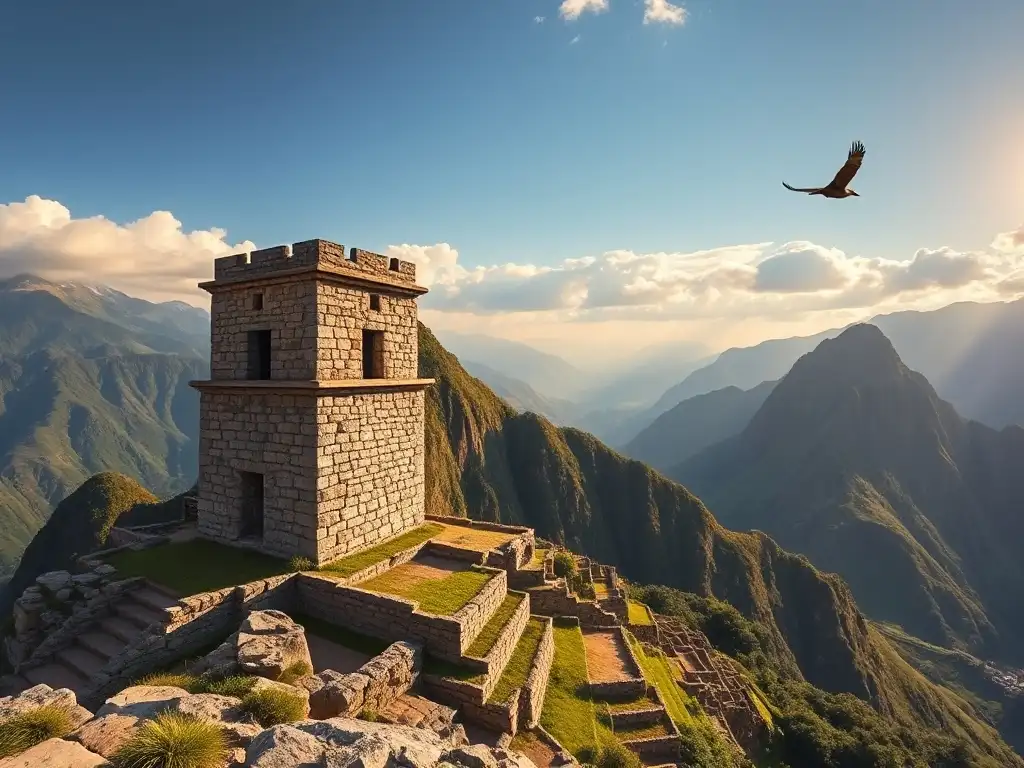
Step into a world lost in time, where the towering Andes held secrets whispered on the wind. Discover the ingenious ingenuity of the Inca, a civilization whose mastery extended beyond breathtaking architecture. What was the true purpose of those enigmatic Inca observation towers? Were they simply for surveillance, or did they serve a far more complex function within the vast Inca Empire? Unravel the mysteries and delve into the fascinating world of Andean civilizations – your journey begins now.
The Inca Empire, renowned for its sophisticated infrastructure and intricate social organization, relied heavily on a robust system of communication and surveillance to maintain control over its vast territory. A crucial element of this system was the network of strategically placed observation towers, also known as atapus in some regions.
These structures, often overlooked in discussions of Inca engineering prowess, played a vital role in the empire's effectiveness, facilitating rapid information exchange and enabling vigilant monitoring of its borders and internal regions. This article delves into the multifaceted function of Inca observation towers, exploring their strategic placement, the importance of their elevated positions, and their contribution to the overall success of the Inca state.
Understanding their use sheds light on the sophisticated logistical and administrative capabilities of this remarkable civilization, offering a glimpse into the ingenuity and foresight of Inca architects and engineers. We will explore how the "Inca observation tower function" went far beyond simple visual observation, encompassing critical aspects of security and communication in the Andes.
Introduction to Inca Observation Towers
Inca observation towers were not monolithic structures built according to a single, uniform design. Instead, they varied significantly in size, shape, and construction materials, reflecting the diverse geography and available resources across the vast Inca Empire. Some were simple, small structures built from stone and adobe, while others were more elaborate, integrated into larger complexes or perched precariously on mountain ridges.
Regardless of their specific design, however, they all shared a common purpose: to facilitate long-distance communication and surveillance. Archaeological evidence suggests that these towers were connected by a complex network of roads, trails, and relay systems, forming a sophisticated communication network that allowed messages to travel across hundreds of kilometers in a remarkably short time.
This intricate system was essential for the efficient administration of the empire, allowing for the rapid transmission of crucial information, including military alerts, agricultural updates, and royal decrees. The effectiveness of this system highlights the Inca's advanced understanding of geography, engineering, and communication strategies.
Strategic Placement of Inca Watchtowers
The placement of Inca observation towers was far from arbitrary. Their location was carefully chosen to maximize their strategic value, taking into account a variety of factors, including terrain, visibility, and proximity to key infrastructure. This careful planning ensured that the network of towers functioned as an interconnected system, capable of relaying information quickly and efficiently across the empire. The effectiveness of this system is a testament to the Inca’s deep understanding of their environment and their ability to leverage geographic features to enhance communication and security.
Geographical Considerations in Tower Location
The geographical context played a critical role in determining the location of Inca observation towers. Towers were frequently situated on high vantage points, such as mountain peaks and ridges, to maximize visibility across the surrounding landscape. This strategic placement allowed for the observation of vast stretches of territory, facilitating early detection of potential threats or unusual activity.
Additionally, the construction of towers often took into account existing natural features, such as rock formations or cliffs, which could be incorporated into the tower's design to enhance its stability and defensive capabilities. This integration of natural and built environments demonstrates the Inca’s mastery of both architecture and environmental adaptation. The precise locations were carefully chosen to create lines of sight between adjacent towers, forming a chain across difficult terrain.
Importance of Elevated Positions for Surveillance
The elevated positions of many Inca observation towers were paramount to their function. By situating the towers at higher altitudes, the Inca maximized their visual range, allowing observers to monitor a far wider area than would have been possible from lower positions. This enhanced surveillance capability was crucial for the empire's security, enabling the early detection of potential threats, such as invading armies or internal rebellions.
The ability to spot approaching forces from a distance provided invaluable time for the Inca to prepare a defense or to alert other parts of the empire. Furthermore, the elevated position also provided a strategic advantage in the event of conflict, offering a commanding view of the battlefield and facilitating coordinated defensive actions. The strategic placement and elevated positions of these towers demonstrate the sophisticated understanding of military strategy and logistical planning that characterized the Inca Empire.
Inca Observation Tower Function: Surveillance and Control
The primary function of Inca observation towers, integral to their sophisticated infrastructure, was undoubtedly surveillance and control. Strategically positioned throughout their vast empire, these towers served as vital points for monitoring activity across diverse landscapes, from the high Andes mountains to the coastal plains. Their elevated vantage points offered unparalleled views, allowing Inca authorities to maintain a watchful eye over their subjects and territory.
This constant vigilance was crucial for the effective governance of a large and diverse population spread across challenging terrain. The effectiveness of the system was amplified by the interconnectedness of the towers, creating a comprehensive network for observation and response. The placement of towers was carefully considered, often situated at strategic locations offering maximum visibility and control over key routes, settlements, and resources.
This allowed for proactive identification and mitigation of potential threats, ensuring the stability and security of the empire. The impact of this surveillance system extended far beyond simple security, influencing social control and the organization of daily life within Inca society.
Military Applications of Inca Watchtowers
Inca watchtowers played a significant role in the empire's military defense. Their elevated positions provided early warning systems against potential invaders or internal rebellions. Spotting enemy movements from afar allowed for timely mobilization of troops and preparation of defenses, giving the Inca a crucial tactical advantage. The rapid communication system facilitated by the towers meant that news of impending threats could be relayed swiftly across vast distances, enabling a coordinated response.
This strategic advantage is evident in the placement of many towers along border regions and strategic passes, highlighting their importance in safeguarding the empire's frontiers. Furthermore, the towers themselves could serve as defensive positions, offering elevated vantage points for archers and other defenders to engage enemies. Historical accounts, though limited, suggest that these towers, in conjunction with the overall Inca military strategy, were instrumental in maintaining the empire's territorial integrity for centuries.
Monitoring Agricultural Activities from Towers
Beyond military applications, Inca observation towers also played a crucial role in monitoring agricultural activities. From their elevated positions, officials could oversee vast tracts of cultivated land, assessing crop growth, identifying areas requiring attention, and managing irrigation systems. This enabled timely intervention in case of droughts, crop failures, or other agricultural challenges. The ability to monitor the progress of harvests was vital for the Inca's highly organized and centralized system of food distribution and storage.
This surveillance ensured the equitable distribution of resources and prevented widespread famine. The precise placement of towers near major agricultural zones further emphasizes their importance in the Inca's sophisticated agricultural management system. By combining observation with a robust communication network, the Inca ensured the efficiency and productivity of their agricultural sector, a cornerstone of their imperial power.
Role in Inca Road System Oversight
The Inca road system, a marvel of ancient engineering, was meticulously maintained and monitored, in part thanks to the observation towers. These towers allowed officials to oversee the condition of roads, bridges, and pathways, ensuring efficient transport of goods, people, and messages. The towers facilitated the identification of damaged sections requiring repair, enabling rapid response and maintenance.
The strategic placement of towers along major roads ensured that issues could be addressed swiftly, minimizing disruption to trade and communication. This constant monitoring was vital for the efficient functioning of the vast Inca empire, which relied heavily on its extensive road network. The integration of the towers into the road system highlights the sophisticated level of planning and organization that characterized the Inca empire.
Inca Communication Network Through Towers
The Inca observation towers were not merely isolated structures; they formed part of an extensive and sophisticated communication network crucial to the empire's functioning. This network facilitated rapid transmission of information across vast distances, enabling centralized control and coordination. The system relied on a combination of visual signals, relay runners, and sophisticated organizational structures to ensure the swift and reliable delivery of messages.
The speed and efficiency of this system was remarkable, enabling the Inca to respond effectively to events throughout their empire. The effectiveness of this communication network was a major factor contributing to the Inca's success in maintaining control over a geographically diverse and extensive empire.
Signaling Methods Used in Inca Towers
Inca communication utilized a variety of visual signaling methods. Different colored cloths, strategically placed on the towers, conveyed specific messages. The combination of colors and their arrangement allowed for a complex code, capable of transmitting diverse information. Smoke signals, another important method, were used to relay urgent news across great distances.
The intensity and type of smoke could indicate the nature of the message, allowing for nuanced communication. The specific signaling methods used would have varied depending on the specific circumstances and the urgency of the message. These visual signaling systems, combined with the network of strategically positioned towers, formed a highly effective communication system.
Relay Systems and Rapid Message Transmission
The Inca communication system relied heavily on relay systems to ensure rapid message transmission. Runners, known as chasquis, were stationed at intervals along the roads and near the towers. Messages were passed from one runner to the next, creating a human chain that efficiently transported information across vast distances.
The strategic placement of runners and towers minimized travel time, ensuring that messages reached their destination quickly. The organization and efficiency of this system were remarkable, contributing significantly to the effective governance of the vast Inca empire. The speed of the relay system was a key element in the Inca's ability to react swiftly to crises and maintain control over their expansive territory.
The Inca Chasquis and Tower Communication
The chasquis were integral to the Inca communication network, acting as the human element connecting the observation towers. These specially trained runners were responsible for carrying messages between towers and settlements. They were known for their endurance and speed, capable of traversing long distances in remarkably short periods. The chasquis were strategically positioned near the towers, ensuring efficient relay of messages.
Their role extended beyond simple message delivery; they also acted as informants, relaying information gathered from the communities they traversed. The chasquis’ knowledge of local conditions and their ability to swiftly transmit information played a crucial role in the effectiveness of the Inca's communication network. The system's efficiency was a significant factor in the Inca's ability to govern their vast empire effectively.
Architectural Features of Inca Lookout Towers
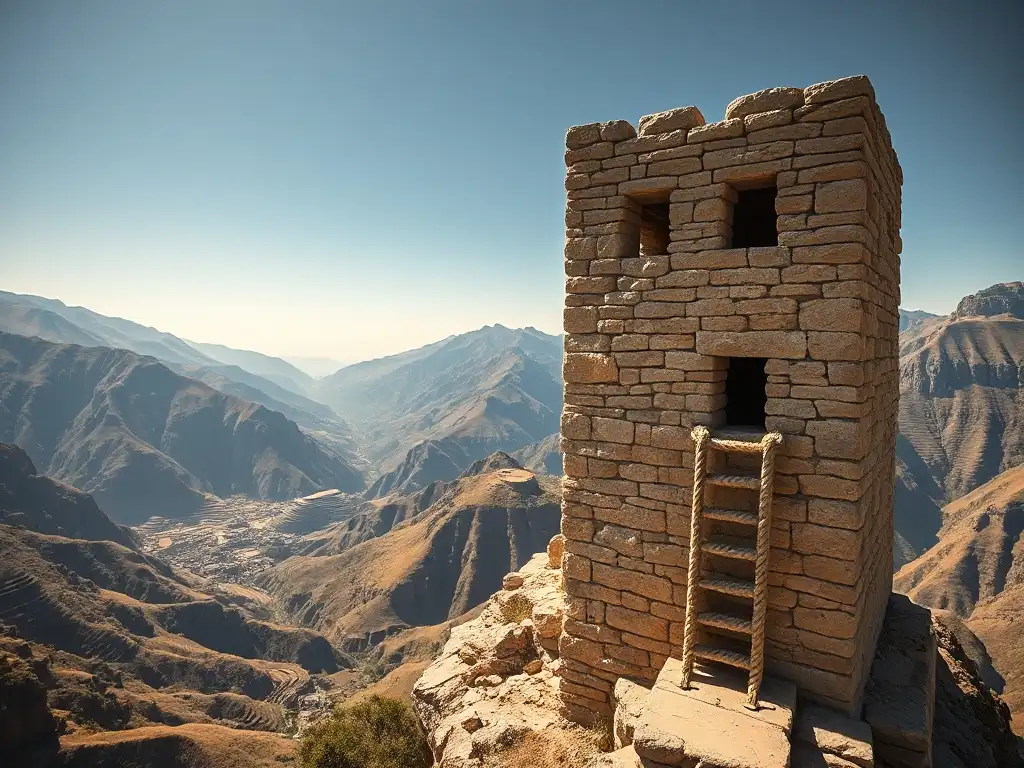
Inca observation towers, strategically positioned throughout their vast empire, were far more than simple structures; they were sophisticated pieces of architecture reflecting the Inca's advanced understanding of engineering and their need for efficient communication and surveillance. These towers, often integrated into the broader landscape, displayed a remarkable consistency in their design principles while also adapting to the diverse terrains they occupied. Their placement was meticulously planned, taking advantage of natural vantage points to maximize visibility and communication range.
The construction itself reveals a deep knowledge of local materials and building techniques, ensuring both structural integrity and aesthetic harmony with the surrounding environment. The towers weren't isolated structures but rather integral components of a larger, interconnected network that served the empire's administrative and military needs. Their design incorporated elements that facilitated both long-distance visual communication and the rapid transmission of messages across significant distances.
Construction Materials and Techniques
The construction of Inca observation towers showcases the Inca's mastery of stonework. They primarily used locally sourced stone, carefully selecting and shaping each piece to fit perfectly within the overall structure. This precision is evident in the incredibly tight-fitting joints, often without the use of mortar. The stones, typically andesite or granite, were expertly cut and fitted together using advanced techniques, ensuring the towers' durability and resistance to earthquakes, a common occurrence in the Andes.
The precision of their stonework is a testament to the Inca's sophisticated understanding of engineering principles and their commitment to quality craftsmanship. In addition to stone, other materials like mud brick and timber might have been employed in some regions, depending on the availability of resources and the specific design requirements of the tower. This adaptability highlights the Inca's practical approach to construction, prioritizing functionality and resource efficiency.
Variations in Tower Design Across the Empire
While exhibiting a general consistency in their design principles, Inca observation towers displayed variations reflecting regional differences in materials, terrain, and specific needs. In coastal regions, towers might have been smaller and more compact, built to withstand harsh weather conditions and provide optimal visibility over the ocean. In mountainous areas, towers would be integrated into the landscape, utilizing natural rock formations to reinforce their stability and blend seamlessly with the surrounding environment.
Some towers were simple, single-room structures, while others were more complex, incorporating multiple levels and internal features. These variations demonstrate the Inca's capacity to adapt their architectural designs to diverse geographical contexts while maintaining the core functionality of the structures. The size and complexity also likely reflected the strategic importance of the location and the level of surveillance required.
Examples of Well-Preserved Inca Towers
Several well-preserved Inca observation towers remain standing today, offering valuable insights into their architectural features and construction techniques. [Specific examples and locations pending]. These sites provide tangible evidence of the Inca's advanced engineering capabilities and their meticulous approach to construction.
The surviving structures demonstrate the durability and resilience of Inca architecture, standing as testaments to the skill and knowledge of the builders who constructed them centuries ago. Studying these remaining towers allows for a deeper understanding of their function within the broader Inca surveillance system and the significant role they played in the empire's administration and defense. Further research and archaeological investigations continue to uncover additional examples, expanding our knowledge of this remarkable aspect of Inca architecture.
The Significance of Inca Surveillance Systems
The Inca surveillance system, of which observation towers formed a crucial part, was a complex network designed to maintain control over the vast empire and facilitate rapid communication. This system was vital for the effective governance of a geographically diverse and populous realm. The towers weren't merely passive structures; they were active nodes in a system that relied on a highly organized network of messengers, runners, and officials.
The strategic placement of these towers allowed for visual communication across significant distances, supplementing the Inca's sophisticated road network and providing a crucial layer of security and control. The effectiveness of this system was a key factor in the Inca's ability to maintain order and consolidate their power across such a wide geographical area.
Maintaining Social Order and Control
The Inca surveillance system, with its network of observation towers, played a crucial role in maintaining social order and control throughout the empire. The ability to quickly detect and respond to any unrest or rebellion was paramount, and the towers facilitated this rapid response. Their strategic placement allowed for the early detection of potential threats, enabling authorities to take swift action and prevent the escalation of conflicts.
The presence of these towers served as a constant reminder of the Inca's power and authority, deterring potential dissent and reinforcing the empire's control over its vast territory. This system was integral to the Inca's ability to maintain a stable and unified empire despite its size and diverse population.
The Impact of Towers on Inca Expansion
The Inca's sophisticated surveillance system, including their observation towers, significantly contributed to their ability to expand their empire. The towers provided crucial strategic advantages, allowing for the early detection of potential enemies and facilitating rapid communication between military units. This efficient communication network enabled the Inca to coordinate their military campaigns effectively, react swiftly to threats, and consolidate their territorial gains.
The towers' strategic placement allowed for the monitoring of borders and trade routes, providing valuable intelligence and enhancing the Inca's control over conquered territories. Their ability to effectively monitor and respond to threats was a key factor in the empire's successful expansion across the Andes.
Legacy of Inca Observation Towers in Andean Culture
The legacy of Inca observation towers extends far beyond their physical remains. They continue to hold cultural significance in the Andean region, serving as reminders of the Inca Empire's power, ingenuity, and sophisticated organizational skills. These structures are often integrated into local narratives and traditions, reflecting the enduring impact of the Inca civilization on Andean culture.
The towers' presence in the landscape serves as a link between the past and the present, reminding communities of their rich history and heritage. Their enduring presence highlights the lasting influence of Inca architecture and engineering on the Andean region and its people. The study and preservation of these towers continue to be important aspects of understanding and celebrating Andean cultural heritage.
Inca Observation Towers: The Example of Huchuy Qosqo
The Huchuy Qosqo Tower and its Location
Huchuy Qosqo, meaning "Little Cusco" in Quechua, is a fascinating example of Inca architecture showcasing the strategic use of observation towers. Located approximately 30 minutes from Cusco, nestled in the Urubamba Valley, this complex boasts a significant tower integrated into its overall design. Its elevated position, overlooking both the valley and surrounding mountains, provided unparalleled views, highlighting its likely function in surveillance and communication.
The precise altitude is approximately [specific altitude pending], offering a commanding perspective of the surrounding landscape. This strategic location allowed for the monitoring of both agricultural lands and potential threats, illustrating the Inca's sophisticated understanding of topography and its role in defense and administration. The tower itself is not isolated but forms an integral part of a larger complex, suggesting a multifaceted role beyond simple observation.
Details on its Use and Structure
The tower at Huchuy Qosqo is a testament to Inca ingenuity. While its exact dimensions require further precise measurement and documentation ([specific dimensions pending]), it's clear that its construction employed the characteristic Inca techniques of finely cut stone, precisely fitted without mortar. This meticulous craftsmanship ensured structural integrity and longevity. The tower's design likely incorporated multiple levels, possibly offering different vantage points and facilitating the relay of messages.
Evidence suggests the use of windows or strategically placed openings to maximize visibility. The materials used, primarily locally sourced stone, demonstrate the Inca's ability to adapt their building techniques to the specific environment. The integration of the tower within the larger complex of Huchuy Qosqo, with its residential and agricultural components, suggests a combined function of surveillance, communication, and perhaps even control over the surrounding resources and population.
Archaeological Findings and Interpretations
Archaeological investigations at Huchuy Qosqo have yielded valuable insights into the tower's use. The discovery of [specific artifacts found pending] supports the interpretation of the tower as a vital component of a larger administrative and defensive system. The layout of the surrounding structures, including pathways and terraces, further suggests a coordinated system of surveillance and communication.
Analysis of the stonework provides information about the construction techniques and the time period of construction. While more research is needed to fully understand the tower's function, the available evidence strongly supports its role in the Inca's overall strategy for controlling and managing their vast empire.
The careful placement of the tower within the broader landscape underscores the Inca's deep understanding of geography and its strategic importance in their imperial administration. Further analysis of pollen and other organic materials found within the tower could provide additional insights into its use and the surrounding environment during the Inca period.
Conclusion: The Enduring Importance of Inca Observation Towers
Inca observation towers, such as the one at Huchuy Qosqo, represent a remarkable achievement in Andean engineering and a testament to the sophisticated administrative and military strategies employed by the Inca Empire. Their strategic placement, meticulous construction, and integration into broader complexes highlight the Inca's mastery of landscape management and their ability to effectively control and govern their vast territory. The enduring legacy of these structures lies not only in their impressive architecture but also in the insights they provide into the complex workings of the Inca state.
The study of these towers continues to shed light on the Inca's innovative approaches to surveillance, communication, and the overall organization of their empire. Further research and analysis will undoubtedly reveal even more about the multifaceted functions of these remarkable structures and their significance in the broader context of Inca civilization.
The function of these towers, therefore, extended beyond simple observation, encompassing crucial roles in communication, defense, and the overall administration of the Inca Empire. 🕵️♂️
- Introduction to Inca Observation Towers
- Strategic Placement of Inca Watchtowers
- Inca Observation Tower Function: Surveillance and Control
- Inca Communication Network Through Towers
- Architectural Features of Inca Lookout Towers
- The Significance of Inca Surveillance Systems
- Inca Observation Towers: The Example of Huchuy Qosqo
- Conclusion: The Enduring Importance of Inca Observation Towers
- What was the primary function of Inca observation towers?
- How did the Incas use observation towers for communication?
- What kind of structures were Inca observation towers?
- Were Inca observation towers solely for military purposes?
- How did the location of Inca observation towers enhance their effectiveness?
Frequently Asked Questions
What was the primary function of Inca observation towers?
Inca observation towers served primarily as surveillance and communication points. They allowed for rapid transmission of messages across vast distances, crucial for the empire's control and defense.
How did the Incas use observation towers for communication?
Messages were relayed between towers using a system of runners and visual signals. This allowed for incredibly fast communication, much faster than other methods of the time.
What kind of structures were Inca observation towers?
They varied in design but were generally simple, strategically placed structures, often built on high ground for optimal visibility. Materials used included stone and adobe.
Were Inca observation towers solely for military purposes?
While military surveillance was a key function, the towers also facilitated communication related to governance, agriculture, and trade. Information about harvests, rebellions, or important events was quickly disseminated.
How did the location of Inca observation towers enhance their effectiveness?
Their placement on high elevations and at strategic points along roads and trails maximized their surveillance range and facilitated efficient communication across the mountainous terrain of the Inca empire.
Final Reflection: Echoes of the Andes: Legacy of Inca Observation Towers
The intricate network of Inca observation towers, far from being relics of a bygone era, offers a potent reminder of the crucial role of communication and surveillance in shaping societies, a lesson profoundly relevant in our hyper-connected world. Their strategic placement, sophisticated design, and undeniable effectiveness continue to inspire awe and demonstrate the ingenuity of a civilization that mastered its environment through meticulous planning and observation. The echoes of their purpose resonate even today.
The Inca's mastery of observation and communication, as exemplified by their tower system, profoundly impacted their ability to govern a vast and diverse empire. Their ability to swiftly relay information – from crop yields to potential threats – underscores the enduring power of effective communication networks. A civilization's progress is measured by its ability to communicate.
This quote, while not directly from an Inca source, perfectly encapsulates the significance of their observation tower system and its contribution to their societal success. The impact of this sophisticated system continues to inspire research and discussion, highlighting the importance of efficient communication in all aspects of societal development.
Consider the implications of this ancient technology for our own lives. How can we, in our modern world, learn from the Inca's dedication to observation and communication? How can we build stronger, more resilient communities by prioritizing clear and efficient information sharing?
Take a moment to reflect on the ways in which you communicate, and consider how improving these methods might strengthen your relationships, your work, and your understanding of the world around you. The legacy of the Inca observation towers is not just a historical curiosity; it's a call to action, a challenge to build a more connected and informed future.
Thank you for exploring the fascinating world of Inca observation towers! We hope you've gained valuable insights into how these ancient structures facilitated communication and surveillance across their vast empire. Now, let's delve deeper into the incredible legacy of this unique culture.
Here are some ways to further your understanding and appreciation:
- Join a local history group or online forum dedicated to Andean civilizations. Discuss your thoughts and insights inspired by this article.
- Create a visual map of Inca observation towers, perhaps focusing on a specific region or as a school project. This will help connect ancient techniques with modern perspectives.
- Share this article with friends and family, or post it on social media to inspire others to explore the rich history of the Inca.
What aspect of the Inca's innovative communication system most captivates you? Let's discuss in the comments!