
The Role of Women in Andean Civilizations: Exploring the Female Perspective

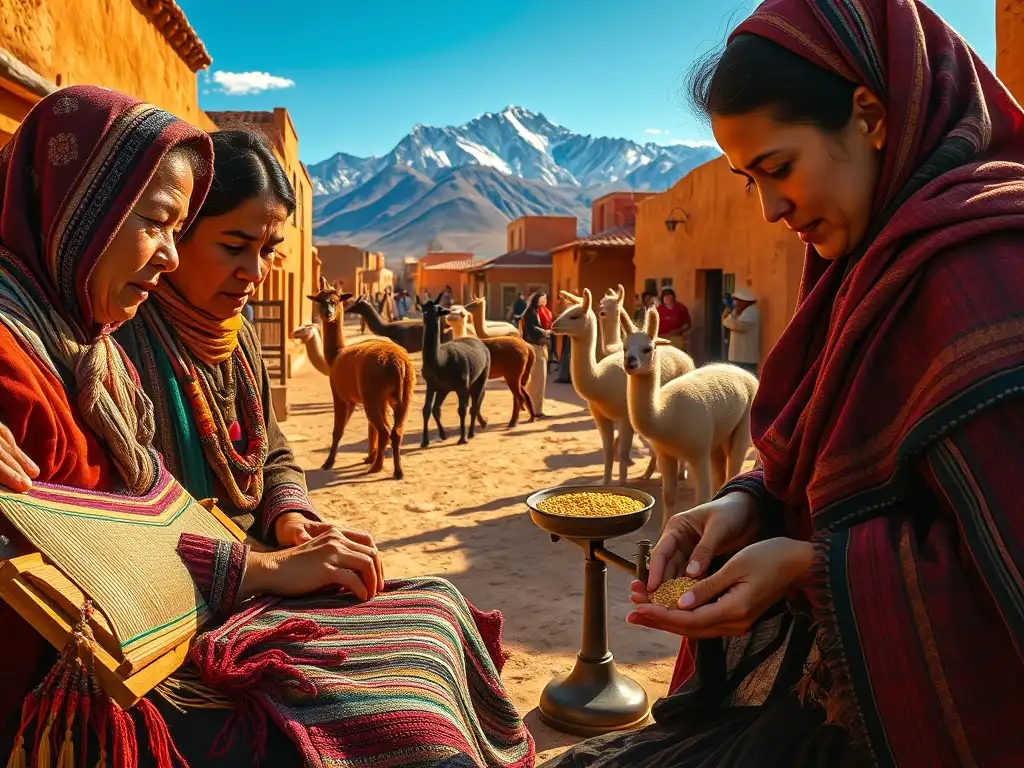
Step into a world lost to time, yet echoing with the strength and resilience of Andean women. Far beyond the familiar narratives, lies a vibrant tapestry of their contributions to the Incas, Moche, Nazca, and Tiahuanaco. Their stories, often untold, reveal a complexity that challenges preconceived notions of ancient societies. Dare to uncover the hidden history of Andean women's roles and discover a perspective that will reshape your understanding of these remarkable civilizations. Explore the Andes Today and begin your journey.
The Andes Mountains, a majestic spine running down the western coast of South America, are home to a rich tapestry of ancient civilizations. While narratives often focus on the achievements of male rulers and warriors, a crucial element frequently overlooked is the significant role women played in shaping these societies.
This article delves into the multifaceted lives of Andean women, challenging preconceived notions and exploring their contributions to the social, economic, and spiritual fabric of the Incas, Moche, Nazca, and Tiahuanaco cultures. We will uncover the truth about Andean women's roles in history, revealing their power, influence, and resilience in the face of societal structures.
Understanding their contributions provides a more complete and nuanced picture of these fascinating civilizations and enriches our appreciation for the complexities of Andean history. This exploration will be particularly relevant for those planning a trip to Andean historical sites, allowing for a deeper understanding and appreciation of the places you will visit.
Unveiling the Truth About Andean Women's Roles History
For centuries, a predominantly patriarchal lens has shaped our understanding of Andean civilizations. Traditional accounts often minimized or completely ignored the contributions of women, focusing primarily on the exploits of male leaders. However, recent archaeological discoveries and reinterpretations of historical accounts are revealing a far more complex and empowering reality. Evidence suggests that Andean women held positions of power and influence that were not always readily apparent in the historical record.
This section will examine the various roles women occupied, challenging the simplistic narratives that have long dominated discussions of Andean history. We'll explore the evidence, separating fact from fiction, and present a more accurate depiction of Andean women's lives. This includes examining evidence from textiles, pottery, and burial sites, which offer invaluable insights into their daily lives and social status.
Women in Andean Agriculture and Economy
Andean agriculture was, and remains, the backbone of Andean societies. Contrary to popular assumptions, women were not merely passive participants in agricultural production. Evidence suggests they played a vital role in cultivating crops like potatoes, maize, and quinoa, crucial for sustenance. Furthermore, women were actively involved in textile production, a highly skilled and economically significant craft.
The intricate designs and techniques employed in Andean textiles demonstrate a remarkable level of artistry and technical expertise, contributing significantly to the economic prosperity of their communities. The creation and trade of textiles provided women with economic independence and social standing. We will explore specific examples of the economic power wielded by women through their involvement in these crucial sectors.
Religious and Spiritual Roles of Andean Women
The spiritual world held a central place in Andean life. While male priests and shamans are often highlighted, women also held significant religious roles. Archaeological findings point to the presence of female priestesses and healers, who played crucial roles in rituals and ceremonies.
In some cultures, women were associated with fertility deities and held positions of authority within religious institutions. The role of women in maintaining the spiritual balance of their communities was vital and often intertwined with their roles in agriculture and textile production. We'll examine specific examples of women's roles in religious practices and their connection to the spiritual beliefs of the Andean world.
Women in Andean Warfare and Politics
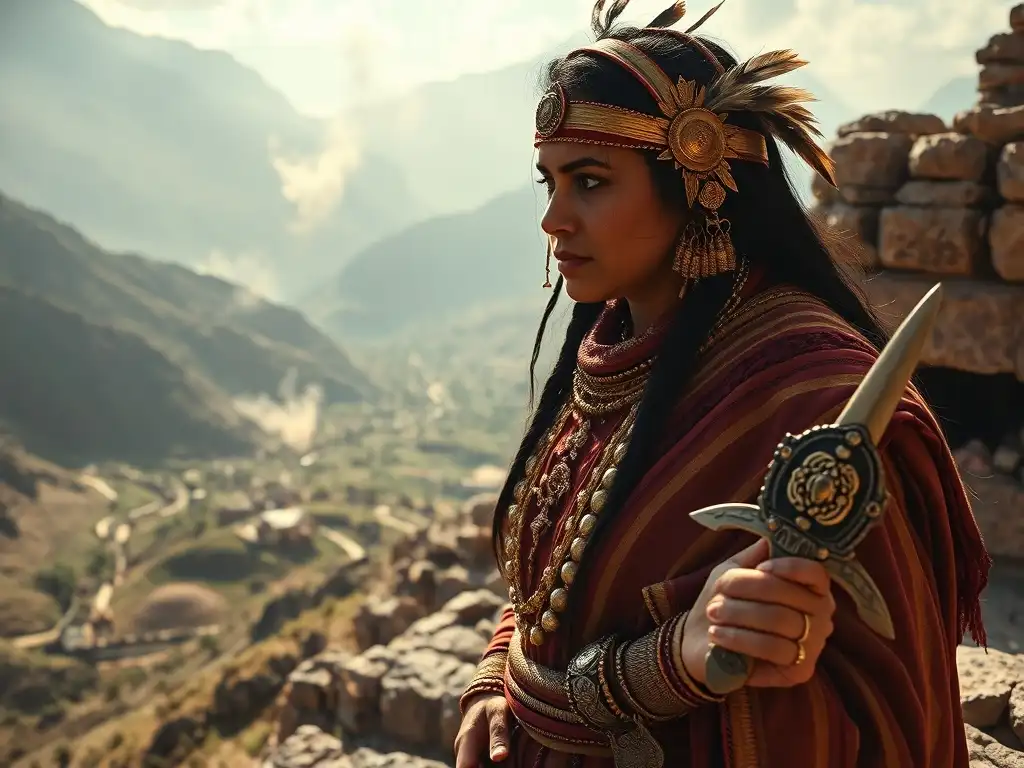
The notion of Andean women solely existing in domestic spheres is a misconception. While often overlooked, some evidence suggests that women played a role in warfare, possibly as healers, support staff, or even active combatants in certain circumstances. Furthermore, some archaeological evidence and interpretations of historical texts suggest women occupied positions of political influence, although the extent of this influence is still a subject of ongoing research.
This section will explore the limited but significant evidence pointing to women's participation in warfare and politics, challenging the traditional narratives that exclude them from these domains. We will also discuss the ongoing scholarly debate surrounding these topics and the need for further research.
The Legacy of Andean Women and Future Research
The story of Andean women is a testament to their resilience, adaptability, and significant contributions to the development of these remarkable civilizations. While much remains to be discovered, the ongoing research and re-evaluation of historical accounts are continually revealing new insights into their lives and roles. This final section will summarize the key findings of this exploration, emphasizing the importance of continued research to fully understand the rich and complex history of Andean women.
It will also highlight the importance of incorporating this knowledge into tourism and the preservation of Andean heritage, ensuring that the stories of Andean women are finally heard and acknowledged. The future of Andean studies depends on a commitment to uncovering the full narrative, a narrative that includes the voices and experiences of the women who shaped these societies.
- Unveiling the Truth About Andean Women's Roles History
- Women in Andean Agriculture and Economy
- Religious and Spiritual Roles of Andean Women
- Women in Andean Warfare and Politics
- The Legacy of Andean Women and Future Research
- What roles did women play in Inca society?
- How did the roles of Andean women differ across different civilizations?
- What evidence exists to understand the roles of women in pre-Columbian Andean societies?
- Were Andean women solely confined to domestic roles?
- How did the Spanish conquest impact the roles of women in Andean societies?
Myths and Realities of Female Life in the Andes
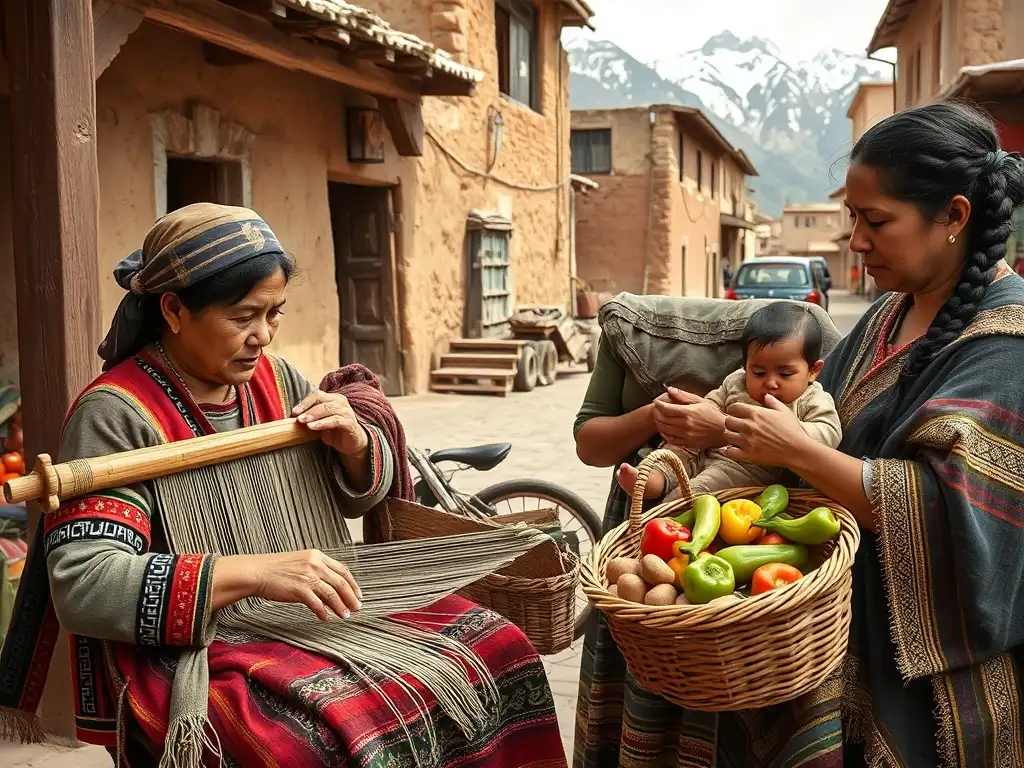
The history of Andean women is often shrouded in misconception, leading to a skewed understanding of their vital roles within these complex societies. Many popular narratives paint an incomplete picture, neglecting the significant contributions women made to the economic, political, and religious spheres of Andean life. This section aims to debunk some persistent myths and reveal the multifaceted realities of Andean women's experiences.
Understanding their true roles is crucial for appreciating the richness and complexity of Andean civilizations and provides valuable context for planning a trip that truly explores their legacy. This exploration will focus on challenging common misconceptions surrounding the roles of Andean women, using the keyword "Andean women's roles history" and its semantic variations.
Myth 1: Andean Women Were Solely Domestic Caretakers
The stereotypical image of Andean women confined to domestic duties—child-rearing, food preparation, and textile production—is a significant oversimplification. While these activities were undoubtedly important aspects of their lives, they represent only a fraction of their contributions. This limited perspective ignores the crucial roles women played in the broader Andean economy and social structure. The reality is far more nuanced and impactful.
Reality: Women as Essential Contributors to the Economy
Andean women were far from passive participants in the economy. Their skills in textile production, for instance, were not merely domestic tasks but formed the backbone of a substantial trade network. The intricate weaving techniques, the use of high-quality materials like alpaca and vicuña wool, and the symbolic meanings embedded in the textiles made them highly valued commodities, both within the community and for trade with neighboring groups. Women also actively participated in agriculture, cultivating crops and managing resources, contributing significantly to food production and economic stability. Archaeological evidence reveals women's involvement in various agricultural practices, from planting and harvesting to processing and storage. Furthermore, some Andean societies saw women involved in specialized crafts, such as pottery and metalworking, further demonstrating their economic importance. The economic power of Andean women was significant and deeply intertwined with the societal structure. Ignoring this reality distorts our understanding of Andean women's roles history.
Myth 2: Women Held No Political or Religious Power
Another persistent myth surrounding Andean women is that they lacked political and religious influence. This notion is fundamentally incorrect, as evidence points to the significant roles women held in both spheres. The idea of women solely as domestic figures ignores the complex power structures and religious beliefs of Andean cultures.
Reality: Priestesses, Leaders, and Community Pillars
Many Andean societies recognized powerful female figures in religious and political roles. Archaeological discoveries have unearthed evidence of female priestesses who held positions of authority within religious institutions. These women played vital roles in rituals, ceremonies, and the interpretation of religious beliefs.
Furthermore, while the extent of female political leadership varies across different Andean civilizations, historical accounts and archaeological findings suggest that women occupied positions of power and influence within their communities. Some Andean societies had matrilineal descent systems, where lineage and inheritance were traced through the female line, indicating a significant level of female power and authority. In addition to formal leadership roles, women often served as community leaders, mediators, and advisors, wielding considerable influence through their social standing and expertise.
Their roles extended beyond the domestic sphere, impacting the political and religious landscape of Andean societies in profound ways. This understanding refines our knowledge of Andean women's roles history and its complexity.
Myth 3: Andean Women's Status Was Uniform Across All Cultures
The notion that Andean women shared a uniform social standing across all cultures is a significant oversimplification. The vast Andean region, encompassing diverse environments and societies over millennia, saw a complex tapestry of social structures and gender roles. To assume homogeneity ignores the nuanced realities of individual cultures and their unique adaptations to their surroundings.
While certain common threads, such as participation in agricultural practices and textile production, may be observed, the extent of women's power, influence, and autonomy varied considerably. For example, the roles and status of women in the Inca Empire differed greatly from those in the earlier Moche civilization, and both differed again from those of the Nazca or Tiahuanaco cultures. Generalizing about “Andean women” obscures the richness and complexity of their lived experiences.
A more accurate understanding requires a detailed examination of each individual society and its specific dynamics. Ignoring this diversity leads to an incomplete and potentially misleading picture of Andean women's history. The varied environmental conditions and the diverse economic activities of different Andean communities also played a major role in shaping women's roles and status.
Reality: Diversity in Female Experiences Across Andean Societies
The reality is far more nuanced. While archaeological evidence and historical accounts suggest some commonalities in the roles of women across different Andean civilizations, significant variations existed in their social standing, political influence, and economic participation. For instance, in some cultures, women held significant religious roles, acting as priestesses or shamans, wielding considerable influence within their communities. In other societies, their roles were primarily domestic, though still critical to the survival and prosperity of their families and communities.
The agricultural practices of each society also shaped women's contributions. In societies relying heavily on terrace farming, women's participation in agricultural labor was likely substantial and highly valued. Conversely, in societies with different agricultural systems, their roles might have been different. Furthermore, the presence of female elites in certain societies indicates a level of social and political power not always reflected in other cultures.
The discovery of female mummies adorned with elaborate jewelry and grave goods suggests a significant social status enjoyed by some women, contrasting with the perhaps less privileged lives of other Andean women. Understanding this diversity is crucial to accurately portraying the history of Andean women and challenging simplistic narratives that fail to capture the richness and complexity of their lives. The study of textiles, pottery, and other artifacts also offers invaluable insights into the lives and social standing of women in different Andean societies, revealing variations that challenge the myth of uniformity. 👩🌾👑
Exploring Specific Aspects of Andean Women's Lives
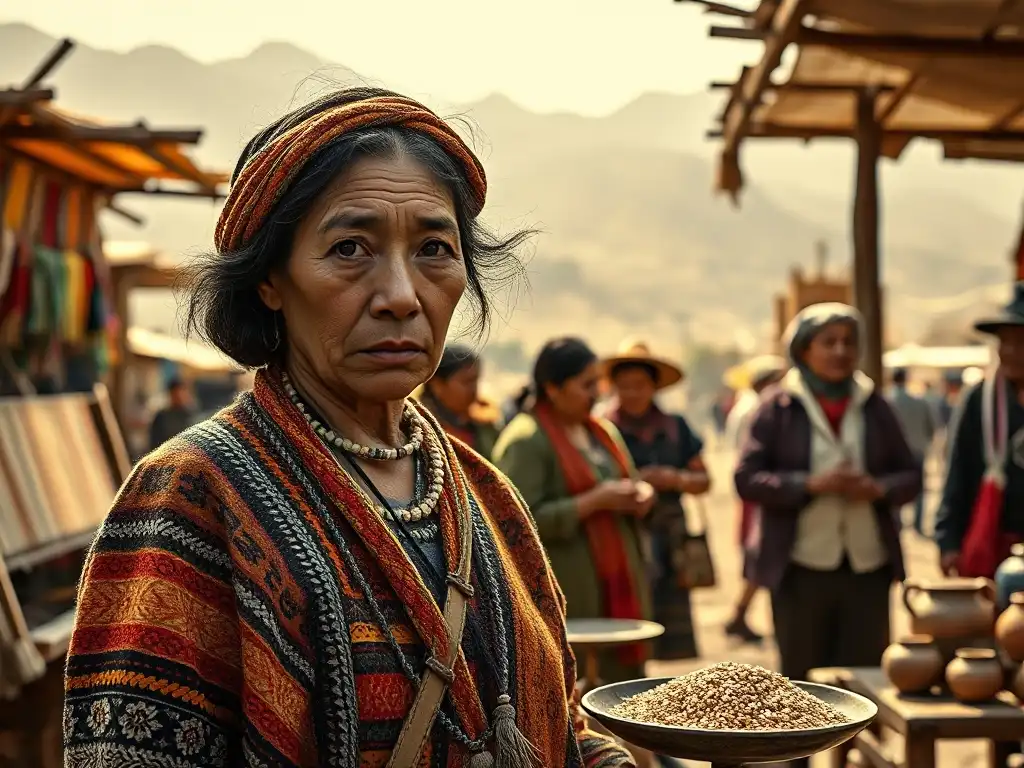
This section delves into the multifaceted roles of Andean women, moving beyond generalized statements to explore specific areas of their lives. Understanding these specifics is crucial to appreciating the complexity and significance of their contributions to Andean societies. We will examine their involvement in textile production, agriculture, and religious practices, revealing a nuanced picture of Andean women's history. The keyword "Andean women's roles history" is central to understanding this rich tapestry of contributions.
Andean Women and Textile Arts: More Than Just Craft
Andean women were not merely artisans; they were masters of textile production, their skills representing a sophisticated blend of art, technology, and social standing. The creation of textiles was far more than a craft; it was a deeply symbolic act, reflecting social status, religious beliefs, and even historical narratives. The intricate weaving techniques, using diverse materials like alpaca and vicuña wool, cotton, and other natural fibers, demonstrated remarkable technical proficiency.
The vibrant colors and complex designs found in Andean textiles often encoded intricate messages. Specific patterns could indicate a woman's clan affiliation, marital status, or even her level of expertise. For example, the use of particular dyes, sourced from plants and minerals, could signify a connection to specific geographic locations or sacred sites. The production of textiles was a collaborative effort, often involving women across generations, passing down knowledge and techniques within families and communities.
This intergenerational transmission ensured the preservation of intricate designs and techniques, creating a continuous thread connecting past and present. The enduring legacy of Andean textile traditions is a testament to the ingenuity and dedication of Andean women. Many modern interpretations of these textiles still carry the weight of that history and cultural significance.
Women's Roles in Andean Agriculture and Land Management
While often overlooked in traditional historical narratives focused on the "Andean women's roles history", women played a pivotal role in Andean agriculture and land management. Their contributions extended beyond simple labor; they held significant knowledge and authority in agricultural practices, essential for the survival and prosperity of their communities. Evidence suggests that women were actively involved in cultivating crops, managing irrigation systems, and selecting seeds, demonstrating a deep understanding of agricultural techniques adapted to the challenging Andean environment.
The cultivation of potatoes, a staple crop in the Andes, required extensive knowledge of soil conditions, planting times, and harvesting methods. Women’s expertise in these areas was vital for food security and economic stability. Furthermore, their involvement in the management of communal lands highlights their participation in decision-making processes concerning resource allocation and community well-being.
The intricate systems of ayllu (Andean kinship-based communities) often involved women in the collective management of agricultural resources, reflecting their crucial role in social and economic structures. Further research is needed to fully quantify their direct contributions and influence, but existing evidence strongly suggests a far greater role than previously acknowledged. This understanding adds another crucial layer to the study of "Andean women's roles history."
The Spiritual World and the Female Divine in Andean Religions
The role of women in Andean religions was far from passive. While patriarchal interpretations often overshadow their contributions, a closer examination reveals the significant presence and power of female deities and the active participation of women in religious rituals and ceremonies. Numerous Andean cultures venerated female deities associated with fertility, motherhood, and the earth. These goddesses often held prominent positions in the pantheon, reflecting the profound respect for female power and influence.
For example, the Pachamama, the Earth Mother, was a central figure in many Andean religions, representing the life-giving force of nature and the cyclical rhythms of life and death. Women held key roles in ceremonies honoring the Pachamama, performing rituals intended to ensure bountiful harvests and maintain harmony with the natural world. Additionally, female shamans and healers played important roles in their communities, possessing knowledge of medicinal plants and spiritual practices.
Their expertise was highly valued, demonstrating the recognition of women’s spiritual power and leadership within their societies. The significance of female deities and the active role of women in religious life challenge simplistic narratives and contribute to a more complete understanding of "Andean women's roles history". Further research into specific religious practices across different Andean cultures is needed to fully explore this complex area.
Understanding the Legacy of Andean Women Today
The historical roles of Andean women are often underestimated in traditional narratives focused on powerful male rulers and military achievements. However, a deeper investigation reveals a complex and multifaceted reality. Andean societies, while patriarchal in some aspects, afforded women significant influence and agency in various domains, defying simplistic generalizations. Understanding their contributions necessitates moving beyond stereotypical portrayals and acknowledging the diversity of experiences across different Andean cultures and time periods.
This nuanced perspective enriches our understanding of the Andean world and its enduring legacy. The term "Andean women's roles history" itself is a broad stroke, encompassing millennia of cultural shifts and regional variations. To fully appreciate the depth and complexity, we must analyze specific societal structures and their impact on women's lives.
Modern Andean Women: Carrying on Traditions and Breaking Barriers
Modern Andean women are the inheritors of a rich and resilient legacy. They continue to play vital roles in their communities, often juggling traditional responsibilities with the demands of a rapidly changing world. Many women are actively involved in preserving traditional crafts like weaving, pottery, and textile production, skills passed down through generations. These crafts are not merely economic activities; they are integral to cultural identity and the transmission of knowledge.
The vibrant textiles, for instance, often tell stories, encode historical information, and serve as powerful symbols of community and heritage. Furthermore, Andean women are increasingly involved in leadership roles, both within their communities and in broader political and economic spheres. While challenges remain, their contributions are undeniable, demonstrating a remarkable capacity for adaptation and resilience.
The persistence of traditional practices alongside the embrace of modern opportunities showcases the dynamic nature of Andean womanhood. Statistics on women's participation in the workforce and leadership positions in specific Andean communities would further enrich this discussion. [Specific information pending on women's workforce participation and leadership roles in Andean communities].
Planning Your Trip to Witness the Andean Women's Legacy
Planning a trip to experience the legacy of Andean women requires a thoughtful approach, respecting cultural sensitivities and seeking authentic engagement. To truly appreciate their contributions, consider focusing on experiences that highlight their ongoing roles in society. This might involve visiting artisan cooperatives where women produce and sell their handcrafted goods, participating in workshops to learn traditional skills, or attending local festivals and celebrations where women play central roles.
For example, observing a weaving collective at work provides firsthand insight into their skills and artistry, while engaging with local women during a market visit offers a glimpse into their daily lives and economic activities. Remember that responsible tourism involves supporting local businesses and respecting the privacy and dignity of the people you encounter. A well-planned itinerary can include visits to museums and archaeological sites that showcase the achievements of Andean women throughout history, but enriching it with direct interaction with modern communities ensures a holistic and meaningful experience.
Remember to research and book tours that prioritize ethical and sustainable practices, ensuring that your visit benefits the local community rather than exploiting it. This responsible approach allows for a deeper appreciation of the enduring strength and resilience of Andean women.
Frequently Asked Questions
What roles did women play in Inca society?
Inca women held diverse roles, from textile production and agriculture to religious leadership and political influence within their communities. Their contributions were vital to the empire's success.
How did the roles of Andean women differ across different civilizations?
While varying, women across Andean civilizations generally held significant roles in agriculture, textile arts, and domestic life. However, the extent of their political and religious power differed greatly depending on the specific culture.
What evidence exists to understand the roles of women in pre-Columbian Andean societies?
Archaeological evidence, such as textiles, pottery, and burial sites, along with ethnohistoric accounts, provide insights into the lives and roles of Andean women. These sources reveal complex and multifaceted roles beyond typical assumptions.
Were Andean women solely confined to domestic roles?
No, this is a misconception. While domestic responsibilities were important, Andean women held positions of power and influence in various spheres of life, including religious practices, trade, and even political leadership in some societies.
How did the Spanish conquest impact the roles of women in Andean societies?
The Spanish conquest significantly disrupted traditional Andean societies, leading to the suppression of women's roles and the imposition of patriarchal structures. Their traditional authority and influence were greatly diminished.
Final Reflection: Unveiling the Tapestry of Andean Women's Lives
The marginalized narratives of Andean women are finally being woven into the rich tapestry of history, revealing a complexity far beyond the stereotypical portrayals. Their contributions, often overlooked, were fundamental to the social, economic, and spiritual fabric of these remarkable civilizations. Understanding their roles is not just an academic exercise; it's crucial for a complete and accurate understanding of Andean history itself.
The enduring legacy of Andean women continues to resonate today, shaping our understanding of gender roles, societal structures, and the resilience of the human spirit. Their influence extends beyond the archaeological record, impacting contemporary Andean communities and inspiring future generations. The past is never dead. It's not even past.
– William Faulkner. This quote perfectly encapsulates the ongoing relevance of studying Andean women's history; their stories are not confined to the past, but actively inform the present and shape the future.
Consider the strength, ingenuity, and spiritual leadership demonstrated by these women. Their roles extended far beyond domesticity, encompassing agriculture, textile production, religious practices, and even political influence. You, the reader, are now empowered with this knowledge. How will you use this understanding to challenge preconceived notions and advocate for a more inclusive and equitable future? Let the stories of these remarkable women inspire you to seek out the hidden narratives in your own world, to amplify marginalized voices, and to build a society where every contribution is valued and celebrated.
Unveil the Power of Women in Andean History!
Thank you for exploring the fascinating world of Andean civilizations and the significant roles women played within them. You've gained valuable insights into their strength, resilience, and influence. Let's continue to explore this rich history together!
- Join a discussion group, either online or in your community, focused on women's history in Andean cultures. Sharing your knowledge and learning from others will deepen your understanding and appreciation.
- Share your insights by writing about an inspiring Andean woman—perhaps on social media or in a blog post. Your perspective can spark curiosity and further discussion.
- Expand your knowledge by reading books and watching documentaries that highlight the contributions of Andean women. There are many untold stories waiting to be discovered!
How can the stories of these remarkable Andean women inspire you today? Share your thoughts below!