
Exploring Andean Mythology: Uncovering the Stories Behind the Ruins

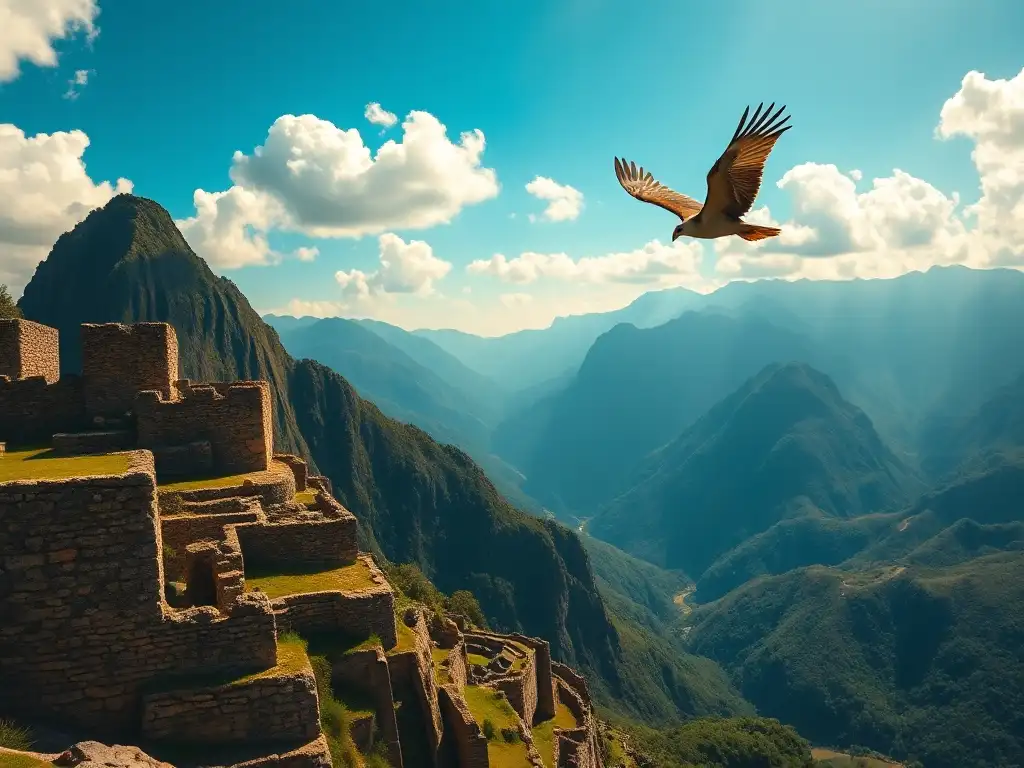
Step into a world lost to time, yet echoing with vibrant life. Imagine towering cities built among the clouds, intricate textiles whispering ancient secrets, and a mythology so rich it shaped entire civilizations. This is the heart of the Andean world, a land steeped in mystery and wonder. Prepare to unravel the captivating threads of Andean mythology stories, revealing the powerful narratives behind the iconic ruins and breathtaking landscapes. Dive in and discover the legends that continue to resonate across millennia.
Andean mythology, a vibrant tapestry woven from the threads of countless cultures and spanning millennia, offers a captivating lens through which to view the remarkable historical sites scattered throughout the Andes Mountains. From the awe-inspiring ruins of Machu Picchu to the enigmatic Nazca Lines, understanding the mythology interwoven into these landscapes provides a deeper appreciation for their significance and the ingenuity of the civilizations that created them. This exploration delves into the rich narratives that explain the world, its creation, and the relationship between humans and the supernatural, as understood by the Andean peoples.
We will unravel common misconceptions and delve into the complexity of Andean belief systems, uncovering the diverse origins of their captivating stories and the lasting impact they have on our understanding of these ancient cultures. Prepare to embark on a journey through time, where the stones themselves whisper tales of gods, heroes, and the enduring power of myth.
This article will focus on dispelling myths and highlighting the diverse origins of Andean mythology, a crucial aspect for anyone planning a trip to these historically significant locations. Understanding the stories behind the ruins enhances the experience immeasurably, transforming a simple visit into a profound encounter with the past.
Understanding the Significance of Andean Mythology in Historical Sites
Andean mythology is not merely a collection of fantastical tales; it's a fundamental aspect of understanding the cultures that built the impressive sites we explore today. The very architecture, the location of settlements, and even the agricultural practices of these civilizations were deeply influenced by their beliefs. For example, the precise alignment of some structures with celestial bodies suggests a sophisticated understanding of astronomy interwoven with their religious practices.
Similarly, the intricate designs found in textiles, pottery, and stone carvings often depict mythological figures and scenes, providing visual narratives that complement the oral traditions. Understanding these stories gives context to the physical remains, enriching the visitor experience and allowing for a more nuanced appreciation of the ingenuity and spiritual depth of these ancient societies. By exploring the mythology, we gain insight into their social structures, their relationship with the environment, and their understanding of the cosmos.
The stories are not separate from the sites; they are inextricably linked, forming a holistic representation of Andean civilization. Think of it as unlocking a secret code, where the ruins themselves are the cipher, and the myths hold the key to deciphering their meaning.
Myth 1: The Incas Were the Sole Source of Andean Beliefs
The Inca Empire, while undeniably powerful and influential, was not the sole architect of Andean mythology. This misconception often overshadows the rich and diverse traditions of the pre-Inca cultures that laid the groundwork for much of what the Incas inherited and adapted. Attributing all Andean mythology solely to the Incas is a significant oversimplification that overlooks centuries of cultural evolution and the contributions of numerous distinct Andean groups.
The Incas, masterful administrators and builders, certainly shaped and centralized certain aspects of religious practice, but their beliefs were built upon a foundation of pre-existing myths and rituals. Ignoring this historical context leads to an incomplete and inaccurate understanding of the complexity and depth of Andean spiritual life.
Reality: Pre-Incan Cultures and Their Rich Mythological Landscape
Before the Inca Empire, the Andes were home to a vibrant array of cultures, each with its own unique cosmology and mythology. The Moche, Nazca, Tiahuanaco, and Wari civilizations, among others, left behind compelling evidence of their belief systems in their art, architecture, and archaeological remains. The Moche, for instance, are renowned for their elaborate pottery depicting scenes of mythical beings and ritualistic practices.
The Nazca Lines, though their purpose remains debated, are undeniably linked to cosmological beliefs and possibly served as a vast astronomical calendar or a representation of their deities. The Tiahuanaco culture, known for its monumental architecture, also possessed a sophisticated religious system with its own pantheon of gods and goddesses.
These pre-Inca mythologies are not merely historical curiosities; they provide crucial context for understanding the later Inca beliefs and the continuity of certain themes and motifs across different Andean cultures. The Inca mythology was, in many ways, a synthesis and adaptation of these pre-existing belief systems.
Myth 1 Debunked: The Diverse Origins of Andean Creation Myths
The Inca creation myth, while fascinating in its own right, is just one piece of a larger puzzle. Pre-Inca cultures had their own distinct creation narratives, often involving powerful deities, celestial events, and the emergence of humanity from the earth. These varied accounts offer a compelling perspective on the diverse ways in which Andean peoples understood the origins of the world and their place within it.
For instance, some cultures emphasized the role of creator gods, while others focused on ancestral figures or powerful spirits inhabiting the natural world. By recognizing the multiplicity of creation myths, we avoid the trap of a monolithic interpretation of Andean beliefs and instead embrace the richness and diversity of their spiritual landscape.
The Inca creation myth should be understood within this broader context, as a culmination of earlier traditions, rather than a singular and isolated narrative. The exploration of these diverse origins is essential to a full appreciation of Andean mythology.
Myth 2: Andean Mythology is Simply "Primitive" Superstition
Reality: Complex Cosmologies and the Interconnectedness of Nature
A common misconception surrounding Andean mythology is that it represents a simplistic, "primitive" form of superstition. This couldn't be further from the truth. Andean cosmologies were incredibly complex, reflecting a deep understanding of the natural world and the interconnectedness of all living things.
Their beliefs weren't merely superstitious; they were sophisticated systems of knowledge that guided their daily lives, social structures, and agricultural practices. For instance, the Inca's understanding of the celestial movements, reflected in their sophisticated calendar systems, wasn't just about predicting planting seasons; it was deeply interwoven with their religious beliefs and understanding of the cosmos. The intricate relationship between the sun, moon, and stars formed the backbone of their worldview, shaping their rituals, festivals, and even their agricultural techniques.
The Andean peoples didn't view nature as something separate from themselves; they considered themselves an integral part of it, a perspective that significantly impacted their mythology and worldview. This holistic view permeates their narratives, demonstrating a profound understanding of ecological balance and sustainability, far from the simplistic notion of "primitive" superstition.
Myth 2 Debunked: The Sophistication and Depth of Andean Belief Systems
The depth and sophistication of Andean belief systems are evident in their intricate mythology, which is far from simplistic. Their stories weren't just about gods and monsters; they explored complex themes of creation, destruction, renewal, and the cyclical nature of life and death. These narratives were often allegorical, containing profound insights into human nature, social order, and the workings of the cosmos.
Consider the stories surrounding Viracocha, the creator god, whose actions and motivations are far from straightforward, representing a nuanced understanding of creation and the complexities of divine power. Similarly, the myths surrounding Pachamama, the Earth Mother, highlight the importance of respecting and nurturing the land, reflecting a sustainable relationship with the environment that is far removed from the idea of primitive superstition.
The multifaceted nature of their deities, their intricate rituals, and their sophisticated understanding of astronomy all point to a complex and highly developed belief system that deserves to be studied and appreciated for its intellectual depth and richness. The Andean worldview, far from being "primitive," was a sophisticated and nuanced cosmology that deserves a far more respectful interpretation.
Myth 3: The Ruins are Just Stones with No Story to Tell
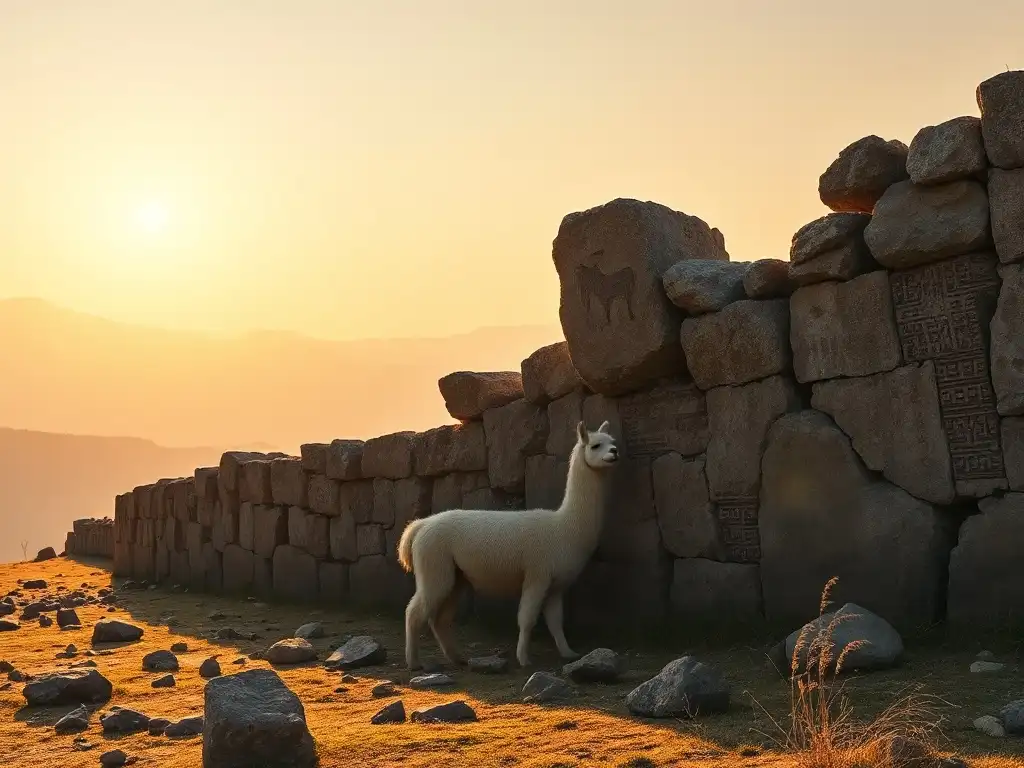
Reality: Deciphering the Stories Embedded in Andean Architecture
The majestic ruins scattered throughout the Andes are far more than just piles of stones; they are living testaments to a rich and complex past, silently whispering stories of Andean mythology. These architectural marvels aren't merely structures; they are intricate narratives etched in stone, reflecting the beliefs, values, and worldview of the ancient Andean civilizations.
The precise placement of buildings, the orientation towards celestial bodies, the intricate carvings and designs—all these elements contribute to a complex tapestry of meaning, allowing us to decipher the stories embedded within the very fabric of these sites. For example, the precise astronomical alignments of many structures suggest a deep understanding of celestial cycles and their importance in Andean cosmology.
The intricate carvings found on many artifacts and buildings often depict mythological figures and scenes, providing visual clues to understanding their narratives. The careful planning and execution of these monumental projects reveal a sophisticated understanding of engineering, mathematics, and astronomy, all interwoven with their deeply held beliefs.
Myth 3 Debunked: How Ruins Act as Storytellers of Ancient Andean Myths
The ruins of Andean civilizations are not silent; they are eloquent storytellers, revealing the myths and beliefs of their creators. By carefully studying the architecture, the location of settlements, and the artifacts found within these sites, we can begin to unravel the complex narratives embedded within them. For instance, the layout of Machu Picchu, with its intricate network of terraces and buildings, reflects a deep understanding of the relationship between humans and nature, reflecting the importance of Pachamama in their mythology.
Similarly, the monumental structures of Tiahuanaco, with their precise astronomical alignments, reveal the significance of celestial bodies in their cosmology. Even the seemingly simple structures can reveal important insights. The intricate carvings found on pottery and textiles often depict mythological scenes, providing visual clues to understanding the stories.
By combining archaeological evidence with ethnohistorical accounts and oral traditions, we can piece together a more complete picture of Andean mythology and its relationship to their physical environment. The ruins, therefore, are not just stones, but rather powerful repositories of ancient stories, waiting to be rediscovered and interpreted. They are invaluable resources for understanding Andean mythology and the rich cultural heritage of these extraordinary civilizations.
Connecting Andean Mythology to Your Visit: Practical Tips
Understanding Andean mythology significantly enriches the experience of visiting archaeological sites. It transforms a simple sightseeing trip into a journey through time, connecting you with the beliefs and worldview of the ancient Andean peoples. Instead of just seeing stones, you'll see the physical manifestations of their spiritual world. This section offers practical tips to incorporate mythological understanding into your Andean adventure.
Planning Your Trip: Integrating Mythological Insights into Your Itinerary
Before embarking on your journey, research the specific myths associated with the sites you plan to visit. For example, a trip to Machu Picchu isn't just about the Inca Empire's impressive engineering; it's also about understanding the sacred significance of the mountain, Huayna Picchu, and the role of Inti, the sun god, in Inca cosmology. Similarly, a visit to the Nazca Lines requires knowledge of the Nazca people's beliefs and their potential astronomical or ritualistic interpretations.
By incorporating this research into your itinerary, you'll gain a deeper appreciation for the sites and their historical context. Consider purchasing guidebooks focusing specifically on Andean mythology or accessing online resources from reputable academic institutions.
Enhancing Your Experience: Learning from Andean Storytellers
Many communities in the Andes maintain living traditions connected to ancient myths. Seek opportunities to interact with local storytellers and artisans who can share their knowledge and perspectives. These encounters offer invaluable insights, adding a personal and authentic dimension to your experience. These stories, often passed down through generations, breathe life into the ancient narratives, providing a richer understanding of their cultural significance. Remember to approach these interactions with respect and sensitivity, appreciating the cultural heritage they represent. Consider attending local festivals or cultural events, which often feature traditional storytelling performances.
The Lasting Influence of Ancient Andean Stories
Andean mythology continues to exert a powerful influence on contemporary Andean cultures. Many traditions, beliefs, and artistic expressions are rooted in ancient narratives, demonstrating their enduring relevance. The vibrant textile art, for instance, frequently depicts mythological figures and scenes, reflecting a deep connection to the past. Furthermore, many contemporary festivals and rituals retain elements derived from ancient Andean religious practices, showcasing the persistence of these stories across centuries. These enduring legacies highlight the importance of studying and preserving Andean mythology.
Preserving the Legacy: The Importance of Understanding and Protecting Andean Heritage
Understanding Andean mythology is crucial for protecting and preserving this invaluable cultural heritage. Tourism, while beneficial for local economies, can also pose a threat to the delicate balance of these historical sites and the surrounding environment. Responsible travel, informed by an understanding of the cultural significance of the sites, is essential to minimize negative impacts.
Supporting local communities and initiatives focused on heritage preservation contributes to the long-term sustainability of these invaluable resources. By educating ourselves and others about the significance of Andean mythology, we actively participate in safeguarding this rich cultural legacy for future generations. Consider supporting organizations dedicated to archaeological preservation and cultural education in the Andes.
Conclusion: Embracing the Richness of Andean Mythology
Exploring Andean mythology significantly enhances the experience of visiting Andean historical sites. By integrating mythological insights into your trip planning, engaging with local storytellers, and understanding the lasting influence of these ancient stories, you can connect with the rich cultural heritage of the Andes on a deeper level. Remember that responsible tourism, respectful interactions, and support for local communities are essential to preserve this invaluable legacy for generations to come. Embracing the richness of Andean mythology transforms a visit to these sites from a simple tourist experience into a truly transformative journey through time and culture.
- Understanding the Significance of Andean Mythology in Historical Sites
- Myth 1: The Incas Were the Sole Source of Andean Beliefs
- Myth 2: Andean Mythology is Simply "Primitive" Superstition
- Myth 3: The Ruins are Just Stones with No Story to Tell
- Connecting Andean Mythology to Your Visit: Practical Tips
- The Lasting Influence of Ancient Andean Stories
Frequently Asked Questions
What are some key themes in Andean mythology?
Andean mythology is rich with stories about creation, nature, and the relationship between humans and the divine. Many myths feature powerful deities, ancestor veneration, and the cyclical nature of life and death.
How did Andean mythology influence art and architecture?
Andean art and architecture are heavily influenced by mythology. Religious beliefs are reflected in iconography, ceremonial sites, and the use of specific materials like gold and silver, often associated with deities.
What are some well-known Andean mythological figures?
Prominent figures include Viracocha, a creator god, and Pachamama, the earth mother. Many other lesser deities and spirits also feature prominently in various regional myths and legends.
Where can I find more information about Andean mythology stories?
You can find information in academic journals, books on Andean history and archaeology, and museum exhibits. Online resources and cultural centers dedicated to Andean cultures also offer valuable insights.
How did Andean mythology impact daily life?
Andean mythology deeply impacted daily life, influencing agricultural practices, social structures, and rituals. Myths provided explanations for natural phenomena and guided ethical conduct.
Final Reflection: Echoes of the Andes: A Legacy Woven in Stone and Story
The vibrant tapestry of Andean mythology, far from being a relic of the past, continues to resonate deeply within the cultural landscape of South America and beyond. Its enduring power lies not just in its fantastical narratives of gods and heroes, but in its profound reflection of humanity's relationship with nature, community, and the spiritual world. These ancient stories offer a timeless wisdom that speaks to our modern anxieties and aspirations.
The enduring influence of Andean mythology is undeniable; its motifs and symbols permeate art, literature, and even contemporary political discourse. The cyclical nature of time, the reverence for Pachamama (Mother Earth), and the complex interplay between the human and divine worlds continue to shape Andean identities and perspectives. As the writer Eduardo Galeano eloquently stated, Memory is the only paradise from which we cannot be expelled.
Andean mythology, with its rich tapestry of stories passed down through generations, serves as a powerful testament to the enduring strength of collective memory and its ability to shape our present and future.
Consider, for a moment, the echoes of these ancient narratives in your own life. How do the themes of resilience, interconnectedness, and respect for the natural world resonate with your own values and beliefs? I invite you to explore these stories further, to delve deeper into the rich tapestry of Andean culture, and to consider the enduring lessons these myths offer for navigating the complexities of our modern world. Let the echoes of the Andes inspire you to connect with the earth, to honor your heritage, and to build a future rooted in respect and understanding.
**Unveil the Rich Tapestry of Andean Mythology! **
Thank you for exploring the fascinating world of Andean mythology with us! You've discovered the incredible connections between ancient stories and the ruins that echo with the voices of the past. Now, let's continue your journey of discovery.
Here are some ways to deepen your understanding and connection to Andean civilizations:
- **Dive Deeper:** Immerse yourself in the rich tapestry of Incan myths and legends by reading a book or watching a documentary. Gain a deeper understanding of their cultural significance and the enduring impact on Andean societies.
- **Join the Conversation:** Share your favorite Andean myths and legends with others who are passionate about Andean culture. Discuss their symbolism, meaning and relevance in the comments below or on social media.
- **Explore Local Museums and Exhibits:** Visit local museums and cultural centers that feature Andean history and artifacts. Experience these captivating stories firsthand and gain a deeper appreciation for the artistry and ingenuity of these ancient civilizations.
Which Andean myth or story resonates most deeply with you, and how does it influence your perspective today? Share your thoughts!