
The Andean Promise: A Traveler's Pledge to Protect the Mountains

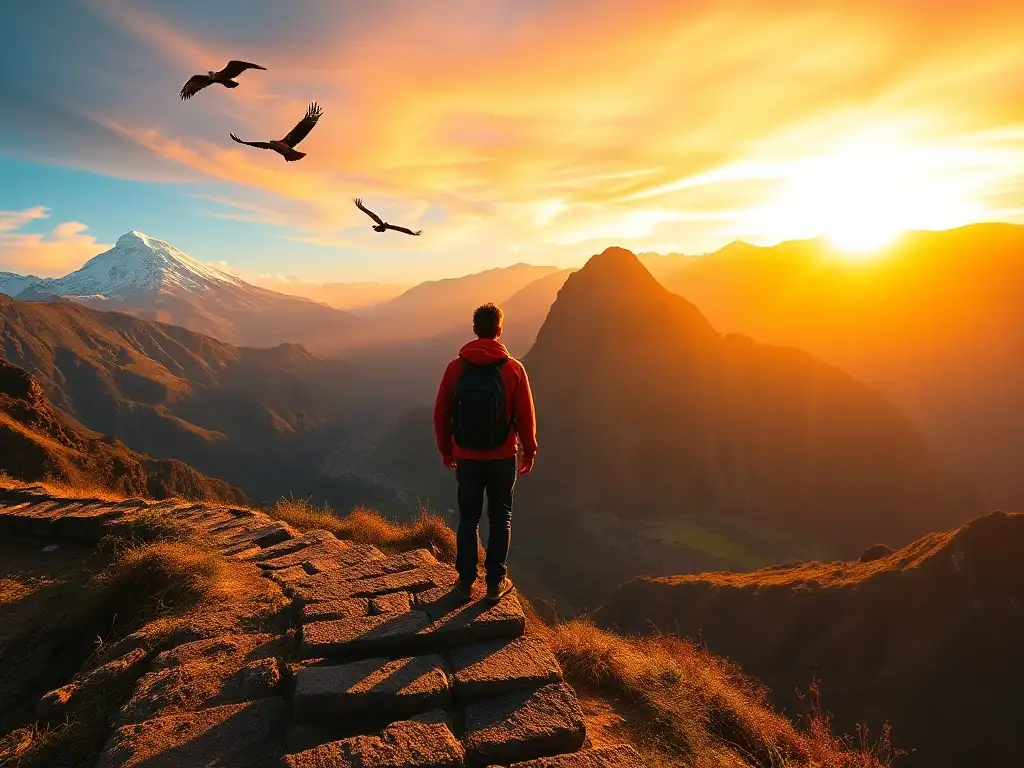
Dare to tread where empires once stood? Journey with us into the heart of the Andes, a land sculpted by time and echoing with the whispers of forgotten civilizations. From the breathtaking heights of Machu Picchu to the enigmatic Nazca Lines, uncover the secrets of the Andean civilizations. But this isn't just a history lesson; we'll equip you with essential Andean civilizations travel tips to ensure your exploration is both enriching and responsible. Ready to embark on an adventure that will leave you breathless? Then delve into the mysteries that await!

The breathtaking Andes Mountains, a spine of towering peaks running down the western coast of South America, are home to a legacy of fascinating and vibrant Andean civilizations. From the intricate artistry of the Nazca Lines to the sophisticated engineering of Machu Picchu, these ancient cultures left an indelible mark on the landscape and continue to captivate travelers from around the globe. But with increased tourism comes a responsibility – a pledge to protect the very heritage that draws us to these majestic heights.
This article serves as a guide for those seeking to explore the wonders of the Andes while embracing ethical and sustainable travel practices. We'll delve into the importance of responsible tourism, offering practical steps to ensure your Andean adventure leaves a positive impact, not a destructive one. Let's explore how we, as travelers, can contribute to the preservation of these invaluable Andean civilizations and their stunning environment for generations to come.
This guide will help you navigate the intricacies of planning your trip while prioritizing responsible tourism, ensuring your journey aligns with the principles of protecting this incredible region and its rich history. Let's embark on this journey together, learning how to be mindful travelers in this captivating part of the world.
Understanding the Importance of Ethical Travel in the Andes
Why Responsible Tourism Matters in Andean Civilizations
The Andes are not just a collection of stunning mountain ranges; they are the cradle of some of the world's most remarkable civilizations. The Inca Empire, the Moche, the Nazca, and the Tiahuanaco, each left behind a rich tapestry of history, culture, and art. However, the influx of tourists can inadvertently lead to environmental degradation and cultural commodification.
Uncontrolled tourism can negatively impact delicate ecosystems, damage ancient sites, and erode the traditional way of life for local communities. Responsible tourism aims to mitigate these negative impacts by promoting sustainable practices that benefit both the environment and the local population. This includes respecting cultural norms, supporting local businesses, and minimizing our environmental footprint.
By choosing to travel responsibly, we contribute to the long-term preservation of these invaluable sites and the vibrant cultures they represent. The Andean region's fragile ecosystems, unique biodiversity, and the cultural heritage of its indigenous communities depend on our collective commitment to sustainable tourism.
Examples of Negative Impacts of Irresponsible Tourism:
| Negative Impact | Description | Solution |
|---|---|---|
| Environmental Degradation | Damage to fragile ecosystems, pollution, deforestation | Support eco-friendly accommodations and tour operators; minimize waste; respect nature |
| Cultural Commodification | Exploitation of local traditions for profit, lack of respect for cultural practices | Engage respectfully; support authentic cultural experiences; avoid exploitative tours |
| Overcrowding of Sites | Damage to archaeological sites, disruption of local life | Visit less popular sites; travel during the off-season; follow site guidelines |
| Economic Leakage | Money spent primarily benefiting international corporations rather than local communities | Support local businesses, choose locally owned accommodations and tours |
Choosing responsible tourism is not just a trend; it's a necessity for the preservation of the Andes' unique beauty and cultural heritage. It's about ensuring that future generations can experience the same awe-inspiring landscapes and rich cultural traditions that we are fortunate enough to witness today. Think of it as a promise – a pledge to protect the mountains and the incredible civilizations they have nurtured.
Planning Your Responsible Andean Adventure: A Step-by-Step Guide
Step 1: Choosing Sustainable Travel Operators for your Andean Journey
Selecting a tour operator committed to sustainable practices is crucial. Look for operators who prioritize local communities, minimize their environmental impact, and actively contribute to conservation efforts. Research their credentials and ensure they adhere to ethical guidelines. Many organizations promote sustainable tourism; verify their certifications and reviews. Ask about their community engagement programs and environmental policies. Choose operators that prioritize fair wages for their employees and support local businesses. This ensures your money directly benefits the communities you're visiting.
Step 2: Packing Responsibly for Your Andean Exploration
Pack light to reduce your carbon footprint during transportation. Opt for reusable items like water bottles and bags to minimize waste. Choose clothing made from sustainable materials and avoid bringing single-use plastics. Remember to pack appropriate clothing for varying altitudes and weather conditions. Consider bringing items that can be reused or donated at your destination, further reducing waste.
Step 3: Engaging Respectfully with Andean Culture
Engage respectfully with local cultures by learning basic phrases in the local language. Dress modestly when visiting sacred sites. Obtain permission before taking photographs of individuals. Support local artisans by purchasing authentic handicrafts. Remember that you are a guest in their home, and act accordingly. Respect local traditions, customs, and beliefs. Seek opportunities to learn from and interact with local communities in a respectful and meaningful way.
Step 4: Minimizing Your Environmental Footprint
Reduce your water consumption. Respect wildlife and avoid disturbing their habitats. Dispose of your waste properly. Avoid using single-use plastics. Support initiatives that promote environmental conservation. Travel responsibly by choosing eco-friendly transportation options whenever possible. Consider offsetting your carbon emissions. Small individual actions collectively contribute to a significant positive impact.
Practical Andean Civilizations Travel Tips for Conscious Travelers
Responsible travel in the Andes requires careful planning and mindful choices. It's about minimizing your environmental impact while maximizing your positive contribution to the local communities and their rich cultural heritage. This means going beyond simply visiting stunning sites; it's about engaging respectfully and leaving a positive mark. Choosing sustainable tour operators, who prioritize ethical practices and environmental protection, is a crucial first step.
Many such operators exist, offering unique experiences that support local communities and respect the delicate Andean ecosystem. These companies often invest in local projects, employ local guides, and use eco-friendly transportation. Researching and selecting one of these operators is a significant step towards responsible Andean travel.
Navigating the High Altitude Responsibly
The Andes present unique challenges, especially at high altitudes. Acute mountain sickness (AMS) is a real concern, and proper acclimatization is vital. Avoid strenuous activity on your first day at high altitude. Instead, opt for gentle walks and prioritize rest.
Stay hydrated by drinking plenty of water—more than you think you need—and avoid alcohol and excessive caffeine. Pack layers of clothing to adapt to changing weather conditions, as temperatures can fluctuate dramatically even within a single day. Understanding the potential risks and taking preventative measures not only safeguards your health but also minimizes the need for emergency services, which can strain local resources. Remember, respecting the environment includes respecting your own physical limitations.
Supporting Local Economies Through Responsible Spending
Your spending power directly impacts the local communities. By choosing locally owned businesses, guesthouses, and restaurants, you inject money directly into the local economy, supporting families and businesses. Avoid large, international hotel chains and instead opt for smaller, family-run establishments, which often offer unique cultural experiences and a more authentic connection with the Andean way of life. Purchasing handcrafted souvenirs directly from artisans ensures fair compensation and helps preserve traditional crafts. When possible, engage in bartering respectfully, acknowledging the value of the artisan's work. This conscious consumption supports local economies and fosters a more sustainable and equitable tourism industry.
Documenting Your Andean Journey Ethically
Capturing memories is a vital part of any journey, but it's crucial to do so responsibly. Avoid intrusive photography, particularly of people without their explicit consent. Respect local customs and traditions; some communities may have restrictions on photography or filming. Be mindful of the context of your photos; a seemingly innocuous picture might be interpreted differently within the local culture.
When sharing your travel experiences online, consider the potential impact on the communities you visited. Avoid sensationalizing or romanticizing poverty, and always present your images with respect and sensitivity. Responsible documentation ensures the preservation of cultural dignity and avoids the potential for harm or exploitation.
The Impact of Your Choices: Protecting the Andean Legacy
The Andes are a region of extraordinary biodiversity and cultural richness, but they face significant environmental and social challenges. Climate change, pollution, and unsustainable tourism practices threaten this fragile ecosystem. Your travel choices have a direct impact on the preservation of this legacy.
By choosing sustainable options, you actively contribute to the protection of the environment and the preservation of Andean culture. Every conscious decision, from choosing eco-friendly transportation to supporting local businesses, contributes to a more sustainable future for the Andes. This isn't just about preserving the physical landscape; it's about safeguarding the rich cultural heritage and traditions of the Andean people.
Becoming an Advocate for Sustainable Andean Travel
Beyond your personal travel choices, you can actively promote sustainable tourism practices. Share your experiences and encourage others to travel responsibly. Support organizations dedicated to the preservation of the Andean environment and culture. By spreading awareness and advocating for responsible tourism, you contribute to a broader shift towards sustainable practices within the industry. Engage in conversations about responsible travel and challenge unsustainable practices whenever you encounter them. Your voice and actions can inspire others to make conscious choices, contributing to the long-term well-being of the Andes.
The Long-Term Benefits of Ethical Travel in the Andes
Ethical and sustainable tourism isn't just a fleeting trend; it's essential for the long-term preservation of the Andean region. By choosing responsible travel options, you contribute to the economic empowerment of local communities, the protection of the environment, and the preservation of Andean culture for future generations. This approach ensures that the beauty and richness of the Andes are not only enjoyed but also protected for years to come.
It's a commitment to responsible stewardship, ensuring the Andes remain a vibrant and thriving region for both its people and visitors. The rewards extend beyond the immediate experience; they contribute to a sustainable future for this remarkable region.
- Understanding the Importance of Ethical Travel in the Andes
- Planning Your Responsible Andean Adventure: A Step-by-Step Guide
- Practical Andean Civilizations Travel Tips for Conscious Travelers
- The Impact of Your Choices: Protecting the Andean Legacy
- What are some essential travel tips for visiting Andean civilization sites?
- How can I contribute to the preservation of Andean cultural heritage while traveling?
- What are the best times of year to visit the Andean region for optimal weather?
- Are there any safety concerns I should be aware of when traveling to the Andes?
- What unique experiences can I expect when exploring Andean civilizations?
Frequently Asked Questions
What are some essential travel tips for visiting Andean civilization sites?
When visiting, respect local customs and traditions. Pack for variable weather conditions, including layers for warmth and rain gear. Remember that altitude sickness is a real concern; ascend gradually and stay hydrated.
How can I contribute to the preservation of Andean cultural heritage while traveling?
Support locally owned businesses and guides. Avoid touching or removing artifacts, and respect sacred sites. Consider donating to organizations dedicated to the preservation of Andean heritage.
What are the best times of year to visit the Andean region for optimal weather?
The dry season (May-September) generally offers the best weather for trekking and exploring sites. However, shoulder seasons (April & October) can provide pleasant weather with fewer crowds.
Are there any safety concerns I should be aware of when traveling to the Andes?
Altitude sickness is a major concern, requiring careful acclimatization. Be mindful of potential scams, especially in tourist areas. It's advisable to inform someone of your itinerary and check local advisories before traveling.
What unique experiences can I expect when exploring Andean civilizations?
Expect to encounter breathtaking landscapes, experience the vibrancy of indigenous cultures, and witness incredible examples of ancient architecture and engineering. You'll discover a rich tapestry of history unlike anywhere else.
Final Reflection: Echoes of the Andes, Whispers of the Future
The enduring legacy of Andean civilizations continues to resonate today, not just in the breathtaking landscapes that remain, but in the urgent need to protect them for future generations. The breathtaking beauty of the Andes, coupled with the rich tapestry of its cultural heritage, demands our immediate attention and responsible stewardship. Ignoring the fragility of this ecosystem would be a profound loss, not only for the people who call the Andes home, but for the entire world.
The journey through the Andes, both physically and spiritually, profoundly impacted my understanding of the interconnectedness between humanity and nature. The echoes of ancient civilizations whispered from the ruins of Machu Picchu and the vibrant markets of Cusco, reminding me of the delicate balance these communities achieved with their environment. The mountains are calling, and I must go.
While this quote speaks to the allure of adventure, it also carries a deeper meaning: a responsibility to answer the call to protect the very landscapes that inspire us. The impact of tourism, both positive and negative, is a constant reminder of this responsibility.
Consider the profound impact you can have. Choose sustainable travel options, support local communities, and learn about the rich history and culture of the Andes before you go. By embracing responsible tourism, you become a guardian of this incredible heritage, ensuring that the whispers of the Andes continue to echo for centuries to come. Let your journey be not just a fleeting experience, but a pledge to protect the majestic mountains and the vibrant cultures they cradle. The Andean promise is not just a traveler's pledge; it's a shared responsibility for the future of our planet.
Embrace the Andean Promise and Take Action!
Thank you for exploring the breathtaking beauty of the Andes and considering your role in protecting these majestic mountains. Your passion for travel and nature makes you uniquely positioned to contribute to their preservation, not just as a visitor, but as a steward of this incredible heritage. Let's translate that inspiration into concrete action!
- Volunteer with a local conservation organization during your next trip—become part of a team actively preserving these stunning landscapes.
- Share your experiences on social media, inspiring others to appreciate and protect the Andes' beauty. Highlight the positive impacts of responsible tourism.
- Support businesses committed to sustainable tourism, ensuring your travels benefit local communities and the environment.
What steps will you take to become a champion for the Andes and encourage others to protect our planet's precious mountain ranges?