
Footprints of Respect: Navigating Andean Communities with Cultural Sensitivity

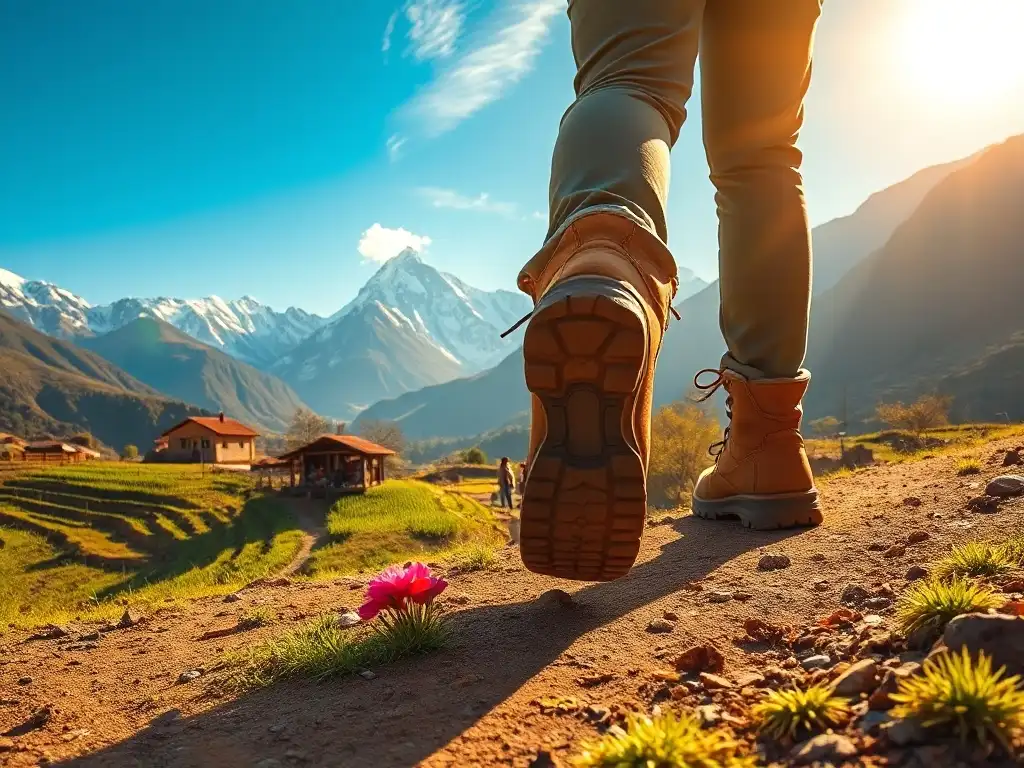
Uncover the mysteries of a world lost to time, yet echoing in the vibrant cultures of the Andes. From the breathtaking artistry of the Nazca lines to the sophisticated engineering of Machu Picchu, the Andean civilizations left an indelible mark on history. But before you embark on your own Andean adventure, we invite you to explore our essential Andean cultural sensitivity guide. Understanding the nuances of this rich heritage is key to respecting the communities that thrive there today. Are you ready to tread lightly and respectfully through these ancient landscapes? Let's begin...
Exploring the majestic Andes Mountains means encountering a vibrant tapestry of indigenous cultures—Inca, Moche, Nazca, Tiahuanaco, and many others—each with unique traditions, beliefs, and perspectives. This article serves as your comprehensive guide to Andean cultural sensitivity, equipping you with the knowledge and understanding necessary to travel responsibly and respectfully through these incredible communities. We'll delve into the significance of mindful tourism, exploring practical tips and insights to ensure your journey leaves a positive impact, fostering genuine connection rather than unintended harm.
This guide, vital for anyone planning to visit the Andes, aims to help you navigate these incredible landscapes with awareness and respect, contributing to the preservation of their rich heritage for generations to come. This is more than just a travel guide; it's a commitment to ethical and sustainable tourism in the Andes. Let's tread lightly and respectfully, leaving only footprints.
Understanding the Importance of Andean Cultural Sensitivity
Understanding Andean cultural sensitivity isn't merely a matter of politeness; it's a crucial aspect of responsible travel. The Andean region boasts a diverse array of indigenous communities, each with its own unique history, social structures, and worldviews. These communities have, for centuries, maintained intricate systems of knowledge and practice, often deeply intertwined with their environment and spiritual beliefs. Ignoring or disrespecting these cultural nuances can lead to misunderstandings, offense, and even damage to the very fabric of these communities.
Respecting their traditions, customs, and ways of life is paramount to ensuring a positive and enriching experience for both the traveler and the host community. This involves actively seeking knowledge about the specific communities you plan to visit, understanding their customs and protocols, and adapting your behavior accordingly. This includes everything from appropriate attire and communication styles to respecting sacred sites and engaging in ethical purchasing practices.
A lack of cultural sensitivity can manifest in various ways, from unintentional offenses like inappropriate photography to more serious issues such as the exploitation of local resources and the disruption of traditional practices. For example, taking photographs of individuals without their permission, or entering sacred sites without proper guidance, can be deeply disrespectful and cause significant offense. Similarly, purchasing souvenirs made through unethical labor practices contributes to the exploitation of local communities and undermines their efforts towards sustainable development.
By prioritizing cultural sensitivity, we can ensure that our travels contribute positively to the preservation of these rich cultures and the well-being of their people. This commitment to respectful engagement is essential for fostering meaningful connections and creating a more sustainable and equitable tourism industry in the Andes.
Why a Cultural Sensitivity Guide for the Andes is Crucial
The Andes region, with its breathtaking landscapes and ancient civilizations, attracts a growing number of tourists each year. While this influx of visitors can boost local economies, it also presents significant challenges. Without proper guidance and awareness, tourism can inadvertently contribute to the erosion of cultural heritage, environmental degradation, and the exploitation of local communities. A comprehensive cultural sensitivity guide acts as a crucial tool, providing travelers with the necessary knowledge and resources to navigate these complex issues responsibly.
This guide is crucial because it provides practical, actionable steps for responsible travel. It addresses common pitfalls and offers alternative approaches for engaging with Andean communities ethically. It's not simply a list of "don'ts"; instead, it provides context, explains the reasoning behind cultural norms, and empowers travelers to make informed decisions that benefit both themselves and the communities they visit.
Furthermore, a well-structured guide facilitates a deeper understanding of the interconnectedness between cultural preservation, environmental sustainability, and economic development in the Andean region. It highlights the importance of supporting local businesses that prioritize ethical and sustainable practices, thereby contributing to the long-term well-being of Andean communities. Ultimately, a cultural sensitivity guide empowers travelers to become active participants in the preservation of Andean heritage, fostering a more enriching and sustainable tourism experience for all.
- Understanding the Importance of Andean Cultural Sensitivity
- Why a Cultural Sensitivity Guide for the Andes is Crucial
- What is the importance of cultural sensitivity when visiting Andean communities?
- How can I demonstrate respect for Andean traditions while traveling?
- What are some common cultural misunderstandings to avoid?
- Are there specific guidelines for interacting with sacred sites in the Andes?
- How can I contribute positively to the Andean communities during my visit?
Preparing for Your Andean Journey: Essential Cultural Awareness

Embarking on a journey through the Andes requires more than just packing your bags; it demands a commitment to cultural sensitivity. This section provides a framework for respectful engagement with Andean communities, ensuring your trip leaves a positive impact. Understanding Andean traditions and customs is paramount to fostering meaningful connections and avoiding unintentional offense. This "Andean cultural sensitivity guide" will equip you with the tools to navigate these vibrant cultures with grace and respect.
Researching Andean Traditions and Customs
Before you even set foot in the Andes, dedicate time to understanding the rich tapestry of Andean cultures. This isn't simply about reading Wikipedia entries; it's about immersing yourself in the nuances of their beliefs, practices, and social structures. Each region boasts unique traditions, and generalizations can be misleading. For example, while the Inca legacy is pervasive, the modern Andean landscape is far more diverse, reflecting the contributions of numerous groups. The depth of Andean history necessitates a nuanced approach.
The Andean worldview often centers around a deep connection to Pachamama (Mother Earth), emphasizing harmony with nature and a cyclical understanding of time. This perspective profoundly influences their social structures, agricultural practices, and spiritual beliefs. Understanding this core principle allows for a more profound appreciation of their customs and traditions. Furthermore, researching specific regions you plan to visit will provide invaluable context. For example, the traditions and customs of a Quechua community in the Sacred Valley will differ significantly from those of an Aymara community in the Altiplano.
Exploring the Diversity of Andean Cultures: From the Quechua to the Aymara
The Andes are not a monolith. A multitude of indigenous groups, each with its own distinct language, customs, and traditions, call this region home. The Quechua and Aymara are two of the most prominent, but numerous other groups, including the Colla, Mapuche, and others, contribute to the region's vibrant cultural mosaic.
Understanding this diversity is crucial for responsible travel. Simply acknowledging the existence of these diverse cultures isn't enough; you must actively seek to understand their unique characteristics. This requires going beyond superficial observations and engaging with authentic sources, such as anthropological studies, ethnographic documentaries, and books written by Andean scholars. This research should inform your interactions, guiding your behavior and ensuring your respect for the specific communities you encounter.
Key Etiquette Tips: A Primer on Andean Social Norms
Beyond broad cultural understanding, specific etiquette considerations are vital for respectful interactions. These range from simple gestures to more complex social protocols. For instance, direct eye contact can be perceived differently depending on the community and context. Similarly, the appropriate level of physical touch varies greatly.
Here are a few key considerations:
- Greetings: A firm handshake is generally acceptable, but a gentle nod or saludo (greeting) might be more appropriate in certain situations.
- Personal Space: Respect personal space; avoid crowding or overly familiar physical contact.
- Photography: Always ask permission before taking photographs of individuals or sacred sites.
- Bargaining: Bargaining is common in some markets, but always be respectful and fair in your negotiations.
- Gifts: Offering a small, thoughtful gift can be a gesture of goodwill, but be mindful of cultural appropriateness. Avoid anything that might be perceived as offensive.
Understanding these nuances can significantly enhance your interactions and demonstrate your respect for Andean customs.
Learning Basic Quechua or Aymara Phrases
While not mandatory, learning a few basic phrases in Quechua or Aymara can significantly enhance your travel experience. Even a simple "hello," "thank you," or "please" can go a long way in demonstrating your respect and willingness to engage with the local culture. This small effort can foster a deeper connection and create more meaningful interactions with the people you meet. It also shows your commitment to cultural exchange, moving beyond the role of a mere tourist.
Recommended Language Learning Apps and Resources for Andean Languages
Several language learning apps and resources are available to help you learn basic Quechua or Aymara phrases. These tools offer convenient and accessible ways to acquire essential vocabulary and pronunciation. Some popular options include [Specific app names pending] and [Specific website names pending], which provide structured lessons, interactive exercises, and audio recordings. Exploring these resources before your trip will equip you with the tools to engage in basic conversations and show your respect for the local languages.
Essential Phrases for Respectful Interactions: "Hello," "Thank you," "Please" in Quechua/Aymara
- Quechua:
- Hello:Sumaj p'unchay! (Good day!)
- Thank you:Gracias (Spanish is widely understood, but learning the Quechua equivalent is appreciated)
- Please:Por favor (Spanish is widely understood)
- Aymara:
- Hello:Kusillaña! (Good day!)
- Thank you:Yachay (Thank you)
- Please:Jichha (Please)
Learning these simple phrases demonstrates a genuine effort to connect with the local culture, fostering a more positive and respectful travel experience. Remember that pronunciation is key; utilizing audio resources to perfect your pronunciation is highly recommended. This small effort can significantly impact your interactions and leave a lasting positive impression.
Interacting with Andean Communities Respectfully
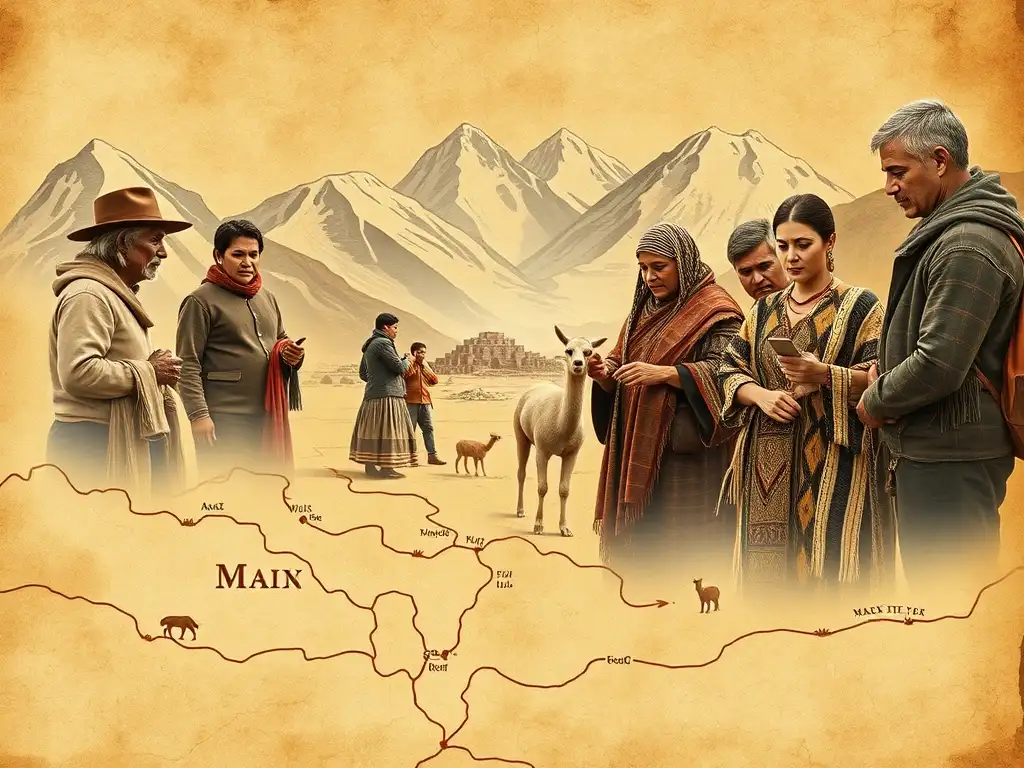
This section delves into the crucial aspects of respectful interaction with Andean communities, offering practical advice for travelers seeking an authentic and ethical experience. Understanding and respecting Andean cultural norms is paramount to ensuring a positive and enriching encounter for both visitors and locals. This guide provides actionable steps to navigate these interactions with sensitivity and consideration.
Approaching Local Communities with Mindfulness
Seeking Permission Before Taking Photos or Videos: Understanding Andean Perspectives on Photography
Photography, while seemingly innocuous, can be a sensitive issue in Andean communities. Many indigenous cultures hold deeply spiritual beliefs about images and likenesses. Photographing individuals without explicit permission can be considered disrespectful, even intrusive. It’s not simply about avoiding legal issues; it's about acknowledging the cultural significance of images within these communities. Always ask politely, and if permission is granted, be mindful of the context. Avoid taking photos of individuals performing sacred rituals or in private moments.
A simple “¿Puedo tomar una foto?” (Can I take a photo?) in Spanish, or a gesture accompanied by a smile, goes a long way. Consider the potential impact on the community and the individual. Respect their privacy and dignity. Remember, the goal is to capture the beauty of the place, not to objectify the people.
Engaging in Meaningful Conversations: Active Listening and Respectful Dialogue
Meaningful interaction goes beyond simple pleasantries. Active listening is key. Show genuine interest in learning about the community's history, traditions, and daily life. Avoid imposing your own perspectives or judgments. Engage in respectful dialogue, being mindful of language barriers. Utilize translation apps or guides if necessary, but also appreciate the limitations of such tools.
Non-verbal communication, such as a warm smile and attentive body language, can significantly enhance understanding. Remember that interactions should be reciprocal; it's not just about extracting information but about fostering mutual exchange and learning. Respect the elders and seek their guidance when appropriate. Avoid stereotypical assumptions or generalizations about the community. Each community is unique, and respecting this individuality is crucial.
Supporting Local Economies Responsibly
Supporting local economies is not only ethically sound but also contributes to the preservation of Andean cultural heritage. It ensures that the benefits of tourism are directly channeled back into the communities that host visitors.
Choosing Local Guides and Tour Operators: The Benefits of Community-Based Tourism
Opting for local guides and tour operators offers numerous advantages. It directly supports local families and businesses, providing them with sustainable livelihoods. These guides often possess intimate knowledge of their communities and can provide richer, more authentic experiences. They can share invaluable insights into local traditions, history, and perspectives, fostering a deeper understanding of Andean culture. Choosing community-based tourism initiatives ensures that tourism's economic benefits remain within the community, contributing to its long-term sustainability and preservation.
Purchasing Authentic Andean Crafts
Purchasing authentic Andean crafts directly from artisans empowers local communities and preserves traditional skills. This practice supports sustainable livelihoods and helps to keep traditional crafts alive. Look for handcrafted items, and inquire about the materials and techniques used in their creation. Avoid purchasing mass-produced items that merely imitate traditional Andean designs. By supporting local artisans, you contribute to the preservation of a rich cultural heritage. Engage in respectful conversation with the artisans, showing genuine appreciation for their skills and craftsmanship. Remember that fair prices reflect the time, effort, and cultural value embedded in these handcrafted items.
Avoiding Bargaining Excessively: Fair Prices for Local Goods and Services
While bargaining is common in some cultures, it's essential to approach it with sensitivity in Andean communities. Excessive bargaining can be perceived as disrespectful and can undervalue the hard work and skills of local artisans. Aim for fair prices that reflect the value of the goods or services. Remember that the price often reflects not only the cost of materials but also the cultural significance and the artisan’s time and expertise.
A respectful approach ensures a positive exchange that benefits both parties, fostering a sense of mutual respect and understanding. Consider the economic realities of the community and strive for fair transactions that support sustainable livelihoods. A little extra spending can make a significant difference in the lives of local artisans and their families.
Ethical Considerations in Andean Tourism
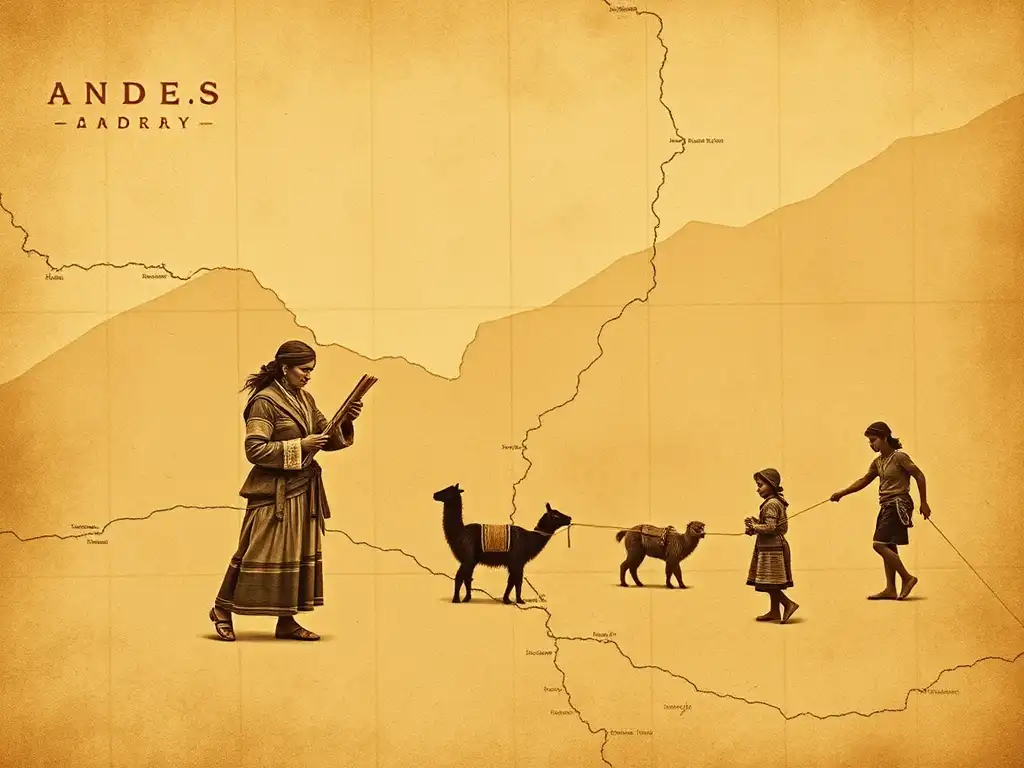
This section delves into the crucial ethical considerations for travelers engaging with Andean communities. Understanding the potential impacts of tourism, both positive and negative, is paramount to ensuring a respectful and sustainable travel experience. This Andean cultural sensitivity guide emphasizes responsible practices that minimize harm and maximize positive contributions to the region. We will explore ways to avoid cultural appropriation, minimize environmental impact, and support local conservation efforts.
The Impact of Tourism on Andean Communities: Both Positive and Negative
Tourism in the Andes presents a double-edged sword. While it offers economic opportunities for local communities, generating income through employment in hotels, guiding services, and handicrafts, uncontrolled growth can lead to negative consequences. Overtourism can strain resources, increase prices for locals, and lead to the erosion of traditional ways of life. For example, the influx of tourists in popular Inca Trail locations has led to increased waste and pressure on infrastructure, impacting the surrounding environment and the quality of life for nearby villages.
Conversely, well-managed tourism can provide essential funding for infrastructure improvements, community development projects, and the preservation of cultural heritage sites. A balanced approach is crucial, prioritizing the well-being of Andean communities and the preservation of their unique cultural heritage. The key lies in responsible tourism practices that prioritize community benefit and environmental sustainability. This delicate balance requires careful planning and a commitment to ethical tourism principles.
Avoiding Cultural Appropriation: Understanding the Significance of Andean Dress and Symbols
Cultural appropriation occurs when elements of a culture are adopted by members of another culture without understanding or respecting their original significance. In the Andean context, this is particularly sensitive regarding traditional clothing, jewelry, and symbols. Wearing traditional Andean attire, such as a chumpi (a woven belt) or a lliclla (a shawl), without understanding their cultural meaning can be disrespectful.
These items often hold deep spiritual or social significance, and wearing them inappropriately can trivialize their importance. Similarly, the use of Andean symbols in mass-produced souvenirs can contribute to the commodification of cultural heritage. Respectful engagement involves learning about the meaning of these items and symbols before using or purchasing them, and supporting artisans who create these items ethically and sustainably.
Choosing authentically made handicrafts directly from Andean artisans ensures fair compensation and supports the preservation of traditional crafts. Remember, cultural appreciation involves learning and respecting the history and significance, not appropriating it for personal gain.
Minimizing Your Environmental Footprint: Sustainable Travel Practices in the Andes
The Andean region boasts breathtaking landscapes and fragile ecosystems. Minimizing your environmental impact is crucial for preserving these natural wonders for future generations. This involves choosing eco-friendly accommodations that implement sustainable practices, such as water conservation and waste reduction. Opting for local transportation, like buses instead of private cars, reduces carbon emissions and supports local businesses.
Respecting local flora and fauna is also essential; avoid disturbing wildlife habitats and refrain from picking wildflowers or disturbing archaeological sites. Packing out all your trash, including biodegradable items like orange peels, and using reusable water bottles and bags are simple yet effective ways to reduce your environmental footprint. Sustainable tourism in the Andes involves conscious choices that minimize your impact and contribute to the long-term preservation of the region's unique environment.
Supporting Conservation Efforts in Andean Regions
Beyond minimizing your negative impact, actively contributing to conservation efforts is vital for responsible Andean tourism. Engaging with and supporting organizations dedicated to environmental protection is a powerful way to make a positive difference.
Partnering with Organizations Focused on Andean Environmental Protection
Many organizations work tirelessly to protect Andean ecosystems and support local communities. Researching and supporting these organizations, either through volunteering or donations, directly contributes to conservation efforts. These organizations often work on projects related to reforestation, wildlife protection, and sustainable agriculture, all vital for the preservation of the Andean environment. By supporting their work, you contribute to long-term environmental sustainability and empower local communities to protect their natural heritage. Choosing to support organizations that prioritize community engagement and transparency further ensures your contribution is used effectively and ethically.
Choosing Eco-Friendly Accommodations and Transportation Options
Choosing eco-friendly accommodations and transportation options directly contributes to minimizing your environmental footprint. Look for hotels and lodges that implement sustainable practices, such as using renewable energy sources, reducing water consumption, and minimizing waste. Similarly, opting for local transportation, like buses or trains, reduces carbon emissions compared to flying or using private vehicles. Supporting businesses committed to sustainable practices not only minimizes your environmental impact but also supports the growth of a more responsible tourism sector in the Andes. Remember, every conscious choice contributes to a more sustainable and ethical travel experience.
Practical Applications of Andean Cultural Sensitivity
This section delves into the practical application of Andean cultural sensitivity, showcasing how respecting local customs and traditions can lead to more enriching and sustainable travel experiences. We’ll explore real-world examples and provide actionable steps for responsible tourism in the Andes. Understanding the nuances of Andean culture isn't just about being polite; it's about fostering genuine connections and contributing positively to the communities you visit. This approach is crucial for anyone seeking an authentic Andean experience while minimizing negative impacts. This Andean cultural sensitivity guide will help you on your journey.
Case Study: A Successful Community Tourism Experience in the Sacred Valley
The Sacred Valley of the Incas offers a prime example of successful community-based tourism. One particular initiative, [Specific Initiative Name Pending], exemplifies how respect for local customs can transform the travel experience. Instead of relying on large, impersonal tour operators, this initiative empowers local communities to manage and benefit directly from tourism.
How Respect for Local Customs Enhanced the Travel Experience
This initiative prioritized cultural exchange. Tourists participated in traditional weaving workshops, learning directly from skilled artisans. They were also invited to participate in local festivals and ceremonies, gaining firsthand experience of Andean traditions. The emphasis wasn't merely on observation but on active participation and respectful engagement.
This approach fostered a deeper understanding and appreciation for Andean culture, creating a far more meaningful and memorable experience for visitors. Furthermore, the guides, all local community members, provided invaluable insights, ensuring an authentic and accurate portrayal of Andean life. This contrasts sharply with experiences where information is filtered through external, potentially misrepresentative sources.
The Economic Benefits of Ethical Tourism for Andean Communities
The economic benefits are substantial. By directly managing tourism, the community retains a larger share of the revenue, directly contributing to local development. This income supports local businesses, improves infrastructure, and enhances educational opportunities.
The initiative also prioritizes fair wages and environmentally sustainable practices, ensuring long-term economic viability and minimizing negative environmental consequences. The success of this model demonstrates that respecting Andean cultural values isn't just ethically sound; it's economically beneficial, both for the community and for the sustainability of tourism in the region. This model provides a valuable blueprint for other Andean communities seeking to develop sustainable tourism initiatives.
Applying Your Knowledge: A Checklist for Respectful Travel in the Andes
This checklist provides practical steps to ensure your travel in the Andes is both enjoyable and respectful of the local culture. Remember, responsible tourism is a continuous learning process.
Key Takeaways for Navigating Andean Cultures with Sensitivity and Awareness
- Learn basic Quechua phrases: Even a few words demonstrate respect and willingness to engage.
- Dress modestly: Avoid revealing clothing, especially when visiting religious sites.
- Ask for permission before taking photos: Especially of people.
- Support local businesses: Choose locally-owned restaurants and shops whenever possible.
- Be mindful of the environment: Pack out all trash and avoid disturbing sacred sites.
- Respect local customs and traditions: Observe and participate respectfully in local ceremonies.
- Be patient and open-minded: Andean cultures are diverse and complex; allow time for cultural understanding.
- Engage with local guides: Learn from their expertise and gain authentic insights.
- Bargain respectfully: Negotiate fairly, but avoid aggressive haggling.
- Be aware of altitude sickness: Take necessary precautions to avoid health issues.
Resources for Further Learning and Engagement with Andean Communities
[List of resources pending – This section needs further research to include specific books, organizations, and websites dedicated to Andean culture and sustainable tourism]. This will include information on ethical travel operators and organizations promoting responsible tourism in the Andes. This information will further enhance your understanding and engagement with Andean communities. Consider looking for organizations dedicated to preserving Andean heritage and promoting sustainable development. Learning about these organizations is a crucial step in practicing Andean cultural sensitivity.
Frequently Asked Questions
What is the importance of cultural sensitivity when visiting Andean communities?
Showing cultural sensitivity is crucial for respectful interactions. It ensures you avoid unintentionally offending locals and allows for a more enriching and authentic experience. Respecting local customs and traditions is paramount.
How can I demonstrate respect for Andean traditions while traveling?
Learn basic Quechua phrases, dress modestly, ask permission before taking photos, and be mindful of local customs regarding touch and personal space. Support local businesses and be aware of any specific community guidelines.
What are some common cultural misunderstandings to avoid?
Avoid loud or boisterous behavior, which can be seen as disrespectful. Be aware that direct eye contact can be interpreted differently than in Western cultures. Remember to be patient and observant, adapting to the local pace.
Are there specific guidelines for interacting with sacred sites in the Andes?
Always seek permission before entering sacred sites and follow any guidelines provided by local guides or communities. Refrain from touching or disturbing artifacts and maintain a respectful distance. Dress modestly and be mindful of your behavior.
How can I contribute positively to the Andean communities during my visit?
Support local businesses and artisans by purchasing their products. Consider volunteering with organizations that work to preserve Andean culture and heritage. Learn about the history and significance of the places you visit and engage respectfully with the local people.
Final Reflection: Echoes of Respect in the Andes
The principles of cultural sensitivity, once considered niche, are now essential for navigating an increasingly interconnected world. Understanding and respecting diverse cultures isn't just polite; it's crucial for fostering genuine connection and avoiding harmful misunderstandings, particularly in vulnerable communities like those found in the Andes. Ignoring these principles risks perpetuating harmful stereotypes and undermining the very communities we aim to understand.
The impact of respectful engagement in Andean communities extends far beyond individual interactions; it shapes the very fabric of these societies. By acknowledging the rich tapestry of traditions, beliefs, and practices, we contribute to the preservation of a unique cultural heritage. As the renowned anthropologist Clifford Geertz wisely stated, Man is an animal suspended in webs of significance he himself has spun.
Our actions, whether conscious or not, weave into this web, either strengthening or weakening its integrity. My own experiences in the Andes deeply underscore this truth; the warmth and trust I received were directly proportional to the effort I invested in understanding and respecting their customs.
Consider the footprints you leave behind when interacting with any culture, but especially those as rich and complex as the Andean. Will they be marks of respect, fostering understanding and collaboration? Or will they be careless steps, eroding trust and perpetuating harm? I urge you to approach every interaction with a mindful heart, a willingness to learn, and a commitment to respectful engagement. Let us all strive to leave behind a legacy of understanding and appreciation, ensuring that the echoes of respect resonate long after our journeys end.
Embrace and Elevate Your Journey in Andean Culture!
Thank you for exploring the rich tapestry of Andean communities and their cultural significance. Showing respect and sensitivity towards these traditions is key to fostering genuine connections and enriching your own experience.
Now, let's take action! Here are a few steps you can take:
- Engage with Local Voices: Connect with Andean artisans or cultural leaders through social media or community forums to learn directly from their experiences and perspectives.
- Plan a Respectful Visit: Consider traveling to an Andean community. Thorough research into local customs will ensure a respectful and positive experience for both you and the community members.
- Share Your Knowledge: Spread the word! Share this article or your own experiences on social media to help others navigate cultural interactions with awareness and sensitivity.
What aspect of Andean culture excites you most?