
Voices of the Andes: Listening to Indigenous Perspectives on Tourism

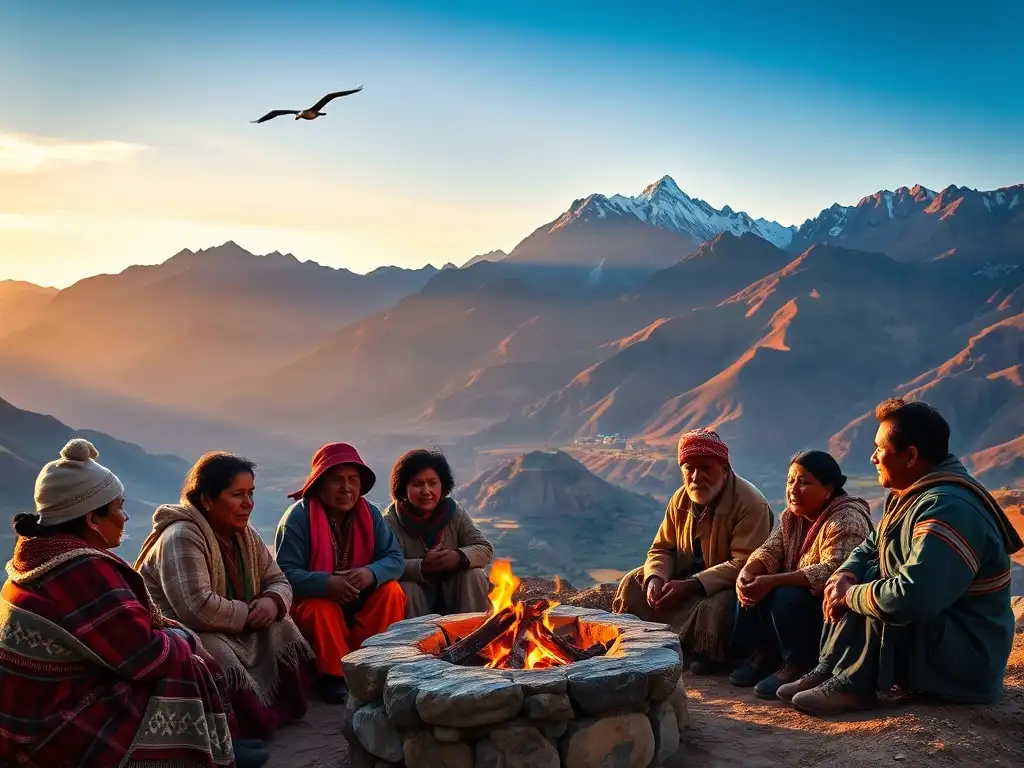
Uncover the mysteries of the Andes, a land steeped in ancient wonders and vibrant cultures. For centuries, the Incas, Moche, Nazca, and Tiahuanaco have captivated the world with their ingenuity and artistry. But what about their voices? This journey into the heart of Andean civilization begins with Andean indigenous tourism perspectives, offering a fresh perspective on a landscape often seen through a Western lens. Dare to listen, and discover a story far richer than you could have imagined.
- Voices of the Andes: Understanding Indigenous Perspectives on Tourism
- Moving Towards Ethical Andean Tourism: Centering Indigenous Perspectives
- Practical Tools and Resources for Ethical Andean Exploration
- Conclusion: The Future of Andean Tourism is Indigenous-Led
-
Frequently Asked Questions
- What is the focus of this article, "Voices of the Andes"?
- Which Andean cultures are represented in the article?
- How does the article relate to Andean indigenous tourism perspectives?
- What are some of the key issues discussed concerning tourism in the Andes?
- Why is understanding indigenous perspectives on tourism important?
- Final Reflection: Echoes of the Andes: A Legacy of Resilience and Responsibility
- Amplify Indigenous Voices in Tourism!
Voices of the Andes: Understanding Indigenous Perspectives on Tourism
The Andes Mountains, a majestic spine running down the western edge of South America, are home to a rich tapestry of indigenous cultures. For centuries, these communities have thrived in this challenging environment, developing unique traditions, technologies, and worldviews. However, the rise of tourism in the Andean region presents both opportunities and significant challenges for these communities.
This article delves into the critical issue of indigenous perspectives on tourism, exploring how current practices often fall short of respecting and empowering these ancient cultures. We will examine the misrepresentations prevalent in the industry, the lack of authentic experiences offered to visitors, and the ways in which traditional tourism models often overlook or even exploit the voices and knowledge of Andean indigenous peoples. Understanding these perspectives is crucial for developing ethical and sustainable tourism practices that benefit both visitors and the local communities that call the Andes home.
This is not merely a matter of cultural preservation; it's about economic justice, community empowerment, and ensuring that the vibrant heritage of the Andes is shared responsibly and respectfully with the world. We aim to illuminate the path toward a more authentic and equitable tourism model that centers the voices of the Andean indigenous communities themselves.
The Challenge: Misrepresentation and Lack of Authentic Andean Experiences
The current tourism landscape in the Andes often presents a romanticized and superficial view of indigenous cultures. Many tours and travel packages prioritize spectacle over substance, offering staged performances and manufactured experiences that fail to reflect the true complexity and richness of Andean life. This misrepresentation not only disrespects the cultural heritage of indigenous communities but also deprives visitors of the opportunity to engage with genuine Andean traditions and perspectives.
For example, traditional Andean textiles, often imbued with deep symbolic meaning and created through generations of inherited knowledge, are sometimes marketed as mere souvenirs, stripping them of their cultural significance. Similarly, ceremonies and rituals, integral to Andean spiritual life, may be reduced to tourist attractions, divorced from their original context and meaning. This superficial approach to cultural tourism not only diminishes the cultural value but also undermines the efforts of indigenous communities to preserve and transmit their heritage to future generations.
The lack of authentic engagement leaves visitors with a skewed and incomplete understanding of Andean cultures, perpetuating harmful stereotypes and misconceptions. 🎁 The challenge lies in shifting the focus from superficial spectacle to genuine intercultural exchange, empowering indigenous communities to share their stories and perspectives on their own terms.
The Problem: How Traditional Tourism Overlooks Andean Indigenous Voices
Traditional tourism models often fail to adequately involve or benefit Andean indigenous communities. Decisions regarding tourism development, infrastructure, and resource allocation are frequently made without meaningful consultation with the communities most directly affected. This lack of participation leads to a power imbalance, where the economic benefits of tourism disproportionately accrue to external actors, while indigenous communities receive minimal compensation for the use of their land, resources, and cultural heritage.
Moreover, the influx of tourists can disrupt traditional ways of life, placing strain on local resources and potentially eroding the very cultural heritage that attracts visitors in the first place. This unsustainable model not only undermines the long-term well-being of indigenous communities but also diminishes the authenticity and richness of the tourist experience. The voices and perspectives of these communities are often silenced, their knowledge and expertise disregarded in the planning and implementation of tourism initiatives.
A more equitable approach requires a paradigm shift, prioritizing participatory decision-making processes that empower indigenous communities to actively shape and control the tourism development within their territories. This means creating spaces for genuine dialogue, collaboration, and shared benefit, ensuring that tourism becomes a tool for community empowerment and cultural preservation, rather than exploitation and marginalization. 🗣️
Moving Towards Ethical Andean Tourism: Centering Indigenous Perspectives

This section explores practical solutions to foster ethical and sustainable tourism in the Andes, prioritizing the voices and perspectives of Andean indigenous communities. The goal is to move beyond superficial portrayals of Andean culture and instead create truly collaborative and respectful tourism experiences. This requires a fundamental shift in how tourism is planned, implemented, and experienced, ensuring that the economic benefits directly support indigenous communities and their cultural preservation efforts. Understanding and implementing these solutions is crucial for achieving responsible Andean indigenous tourism.
Solution 1: Engaging Directly with Andean Indigenous Communities
Direct engagement with Andean indigenous communities is paramount. This means moving beyond fleeting interactions and establishing long-term, mutually beneficial partnerships. Instead of simply observing or photographing indigenous communities, ethical tourism should prioritize meaningful dialogue and collaboration. This can involve:
- Participatory planning: Involving community members in all stages of tourism development, from initial planning and design to implementation and evaluation. Their input is essential to ensure the tourism aligns with their values and priorities.
- Fair compensation: Ensuring fair wages and equitable distribution of economic benefits among community members. This includes transparent pricing structures and fair compensation for guides, artisans, and other service providers.
- Community-based tourism initiatives: Supporting and promoting community-based tourism projects that are owned and operated by Andean indigenous communities. These initiatives often prioritize cultural preservation and community empowerment.
For instance, a successful model might involve a community managing its own guesthouse, offering authentic cultural experiences, such as traditional weaving demonstrations or storytelling sessions, led by community members themselves. This ensures that the cultural heritage is preserved and the benefits directly flow back to the community. This contrasts sharply with the often exploitative practices of large-scale, external tourism operators who might profit without meaningful community involvement. The key is to ensure that the community retains control and benefits directly from the tourism they host.
Solution 2: Promoting Cultural Sensitivity and Understanding
Promoting cultural sensitivity and understanding requires educating tourists about the rich diversity of Andean cultures and the importance of respecting indigenous traditions. This can be achieved through:
- Pre-trip educational resources: Providing tourists with comprehensive information about Andean cultures, customs, and protocols before their trip. This includes guidelines on respectful behavior, appropriate attire, and communication strategies.
- Interpretive signage and materials: Utilizing clear and accurate interpretive signage at tourism sites to explain the cultural significance of the sites and artifacts. This helps avoid misunderstandings and promotes a deeper appreciation for Andean heritage.
- Training for tourism professionals: Providing training for tour guides and other tourism professionals on cultural sensitivity, ethical tourism practices, and respectful interaction with indigenous communities. This ensures that tourism professionals are equipped to provide authentic and respectful experiences.
For example, educational materials could highlight the significance of certain ceremonies or artifacts, explaining their meaning and avoiding trivialization or misrepresentation. Furthermore, guides should be trained to answer visitor questions respectfully and accurately, avoiding stereotypes or generalizations. The aim is to foster an environment of mutual respect and appreciation, enhancing the visitor experience while protecting Andean cultural integrity. This includes emphasizing the importance of obtaining permission before photographing individuals or sacred sites.
Solution 3: Empowering Indigenous-Led Tourism Initiatives
Empowering indigenous-led tourism initiatives is crucial for ensuring the long-term sustainability and ethical development of Andean tourism. This can be achieved by:
- Financial support and investment: Providing financial support and investment in community-based tourism projects. This could involve grants, loans, or other forms of financial assistance.
- Capacity building and training: Providing training and capacity building opportunities for community members in areas such as business management, marketing, and sustainable tourism practices. This equips communities to manage their own tourism initiatives effectively.
- Policy and regulatory support: Developing policies and regulations that support and protect indigenous-led tourism initiatives. This includes ensuring fair access to resources and markets, and protecting indigenous intellectual property rights.
For instance, supporting a community's efforts to develop a sustainable ecotourism project could involve providing training in eco-friendly practices, marketing assistance, and access to microfinance opportunities. This empowers them to create their own sustainable economic opportunities while preserving their cultural heritage. This contrasts with models where external companies exploit resources and profit without meaningful community participation or benefit sharing. Prioritizing indigenous leadership is key to ensuring the long-term success and ethical integrity of Andean tourism. This approach promotes self-determination and economic empowerment, leading to a more just and sustainable tourism sector.
Practical Tools and Resources for Ethical Andean Exploration

This section provides practical tools and resources to help you navigate Andean tourism responsibly and respectfully, ensuring your travels contribute positively to the preservation of Andean culture and the well-being of its communities. Understanding the nuances of ethical travel is crucial for experiencing the Andes authentically. This means minimizing your environmental impact, supporting local businesses, and respecting indigenous cultures.
Recommended Products and Services for Responsible Travel
Choosing responsible travel options is a cornerstone of ethical Andean exploration. This involves carefully considering the companies you patronize, ensuring they prioritize sustainability and community benefit. Look for certifications like Fair Trade or similar designations that verify ethical practices. Supporting businesses committed to fair wages, environmental protection, and cultural preservation is paramount.
Here are some key aspects to consider when selecting products and services:
- Tour Operators: Opt for tour operators specifically committed to community-based tourism. These organizations often reinvest profits directly into local communities, supporting education, infrastructure, and cultural preservation initiatives. Look for operators who prioritize small group sizes to minimize environmental impact and maximize authentic cultural exchange.
- Accommodation: Choose accommodations that prioritize sustainable practices, such as using renewable energy sources, minimizing water consumption, and supporting local suppliers. Consider staying in eco-lodges or homestays, offering unique cultural immersion experiences and direct support to local families.
- Guides: Hiring local guides is vital. They provide invaluable insight into the region's history, culture, and environment, offering a richer and more meaningful experience. Furthermore, employing local guides directly supports their livelihoods and contributes to the local economy. Prioritize guides who are members of the communities you are visiting.
| Product/Service Category | Key Considerations for Ethical Choice | Example (Illustrative - Specific examples require further research) |
|---|---|---|
| Tour Operators | Community-based tourism focus, fair wages, environmental sustainability certifications | [Specific Tour Operator Name Pending] |
| Accommodation | Eco-friendly practices, local sourcing, fair labor practices | [Specific Accommodation Name Pending] |
| Guides | Local expertise, community membership, respect for cultural sensitivities | [Specific Guide Agency Name Pending] |
This careful selection process contributes directly to the well-being of Andean communities and the preservation of their invaluable heritage. Remember that responsible tourism is not just about avoiding negative impacts; it's about actively contributing to positive change.
Supporting Andean Communities Beyond Tourism
Engaging in ethical Andean tourism extends beyond simply choosing responsible travel providers. Active support for Andean communities can take several forms, ensuring a lasting positive impact that transcends your visit.
Direct financial contributions to community projects are one way to make a difference. Many communities have initiatives focused on education, healthcare, environmental protection, and cultural preservation. Researching and supporting these initiatives directly empowers these communities to maintain their unique identity and heritage. Consider donating to organizations that specifically support these projects and verify their impact.
Another impactful way to support Andean communities is through purchasing locally crafted goods. This not only provides direct economic support to artisans but also helps preserve traditional crafts and skills. Look for authentic, handcrafted items produced by local artisans, rather than mass-produced souvenirs. This ensures that your purchase directly benefits the creators and maintains the cultural significance of the products.
Remember, the goal is to create a mutually beneficial relationship between travelers and the Andean communities they visit. Ethical tourism is a continuous journey of learning, respect, and active contribution. By consciously engaging in these practices, you can leave a positive legacy that supports the preservation of Andean culture and the well-being of its people for generations to come. This active engagement contributes significantly to the sustainable development of Andean tourism and the overall well-being of the Andean communities. 🌎
Conclusion: The Future of Andean Tourism is Indigenous-Led
The preservation of Andean cultural heritage is inextricably linked to the well-being of its indigenous communities. Ignoring their voices in the tourism narrative not only disrespects their ancestral knowledge and traditions but also undermines the very foundation of sustainable and ethical tourism development. The future of Andean tourism hinges on a paradigm shift – one where indigenous communities are not merely passive recipients of tourism's impact, but active participants in shaping its trajectory. This requires a fundamental re-evaluation of current tourism models, prioritizing community-led initiatives and empowering local voices.
The economic benefits must directly and fairly support these communities, ensuring long-term prosperity and cultural preservation. Only through genuine collaboration and respect can we ensure that Andean tourism thrives in harmony with its indigenous heart. This shift is not just ethically imperative; it's economically sound, creating a more authentic, enriching, and sustainable experience for all stakeholders.
The Importance of Listening to Andean Indigenous Voices
Understanding the perspectives of Andean indigenous communities is paramount for responsible tourism development. Their intricate knowledge of the land, its resources, and its history provides invaluable insights into sustainable practices. For example, the Quechua communities in the Sacred Valley of Peru possess a deep understanding of sustainable agriculture techniques passed down through generations, which can inform environmentally friendly tourism strategies.
Similarly, the Aymara people of Bolivia have traditional methods of resource management that can inspire responsible resource utilization within the tourism sector. Ignoring this wealth of knowledge not only limits the potential for innovative and sustainable tourism solutions but also risks perpetuating environmentally damaging and culturally insensitive practices. Listening actively and respectfully means incorporating their feedback into every stage of tourism planning and implementation – from site management to visitor interaction.
This collaborative approach fosters trust and ensures that tourism benefits indigenous communities directly and sustainably. It's not merely about hearing their voices; it's about actively integrating their wisdom into the very fabric of Andean tourism. This includes understanding their concerns regarding overtourism, cultural commodification, and the potential erosion of their traditions.
Building a More Sustainable and Equitable Future for Andean Tourism
Building a truly sustainable and equitable future for Andean tourism demands a multi-pronged approach centered around empowering indigenous communities. This involves providing them with the resources and skills necessary to participate meaningfully in the tourism sector. This could include training programs focused on sustainable tourism management, hospitality skills, and entrepreneurship.
Furthermore, equitable distribution of tourism revenue is crucial. Existing models often concentrate profits in the hands of external stakeholders, leaving indigenous communities with minimal benefits. Creating transparent and equitable revenue-sharing mechanisms ensures that the economic benefits of tourism directly support community development initiatives, cultural preservation projects, and improvements in infrastructure and education.
This empowerment also necessitates legal frameworks that protect indigenous rights and cultural heritage, ensuring that tourism development does not infringe upon their land rights or cultural practices. The creation of community-based tourism enterprises, where local communities own and manage tourism activities, is a vital step in achieving this goal. This fosters a sense of ownership and ensures the long-term sustainability of tourism in the region.
Call to Action: Choosing Ethical and Responsible Travel Options in the Andes
Choosing ethical and responsible travel options in the Andes is not merely a matter of personal preference; it's a moral imperative. By opting for community-based tourism initiatives, visitors actively contribute to the economic empowerment of indigenous communities and the preservation of their cultural heritage. This means researching and selecting tour operators committed to sustainable practices and equitable revenue distribution.
It also means supporting local businesses, purchasing locally made crafts, and respecting local customs and traditions. Responsible travelers should be mindful of their environmental impact, minimizing their carbon footprint and avoiding activities that could harm the environment or cultural sites. Respectful engagement with local communities is equally vital; tourists should seek opportunities to learn about local traditions, engage in meaningful cultural exchanges, and avoid behaviors that could be perceived as intrusive or disrespectful.
Ultimately, responsible travel in the Andes is about building a more equitable and sustainable future for the region, one where tourism benefits both visitors and indigenous communities alike. The power to effect positive change lies in the choices we make as travelers. Let's choose wisely.
Frequently Asked Questions
What is the focus of this article, "Voices of the Andes"?
This article explores indigenous perspectives on tourism in the Andes. It centers on how Andean communities view and are impacted by the tourism industry, giving voice to their experiences and concerns. It aims to promote responsible and sustainable tourism.
Which Andean cultures are represented in the article?
While encompassing a broad Andean perspective, the article likely highlights the views of multiple groups. It may feature voices from various communities, including those associated with the Inca, Moche, Nazca, and Tiahuanaco civilizations, and other indigenous groups.
How does the article relate to Andean indigenous tourism perspectives?
The article directly addresses Andean indigenous tourism perspectives by providing a platform for their voices. It examines the social, economic, and environmental impacts of tourism on indigenous communities, offering insights into their needs and desires.
What are some of the key issues discussed concerning tourism in the Andes?
The article likely addresses issues such as cultural preservation, economic benefits and distribution, environmental sustainability, and the balance between tourism development and community well-being. It emphasizes the importance of respectful engagement.
Why is understanding indigenous perspectives on tourism important?
Understanding indigenous perspectives is crucial for developing sustainable and ethical tourism practices. It ensures that tourism benefits local communities fairly and protects their cultural heritage and environment, avoiding negative impacts and promoting respectful interactions.
Final Reflection: Echoes of the Andes: A Legacy of Resilience and Responsibility
The voices of the Andean indigenous communities, long silenced, are finally finding a platform, yet the challenge of balancing cultural preservation with the economic realities of tourism remains acutely relevant. The impact of tourism on these communities is not simply economic; it's a profound question of cultural survival, identity, and self-determination. Ignoring their perspectives is not only ethically wrong but also economically unsustainable in the long run.
The ongoing struggle to ensure that tourism benefits the indigenous populations directly, rather than enriching external actors, is a testament to their resilience and their unwavering commitment to their heritage. Their stories, shared through vibrant traditions and ancient wisdom, deserve to be heard and respected. Tourism must not be a destructive force, but a bridge to understanding and mutual respect,
a sentiment echoed by many community leaders throughout my research. The fight for fair compensation, genuine participation in decision-making processes, and the preservation of their sacred sites is a continuous battle, one that requires our unwavering support and attention.
You, the reader, now hold a piece of this story. Consider how you can contribute to a more ethical and sustainable approach to tourism. Challenge your own travel habits, seek out authentic experiences that prioritize community benefit, and amplify the voices of those often unheard. By actively choosing to support responsible tourism, you become a part of a movement that respects cultural heritage and empowers indigenous communities to shape their own futures. Let the echoes of the Andes inspire you to act.
Amplify Indigenous Voices in Tourism!
Thank you for exploring the rich perspectives of Indigenous communities in the Andes. Understanding their experiences provides valuable insight into their cultural heritage and empowers them to shape their own tourism futures. Let's put this knowledge into action!
Here are some ways you can make a difference:
- **Support Indigenous-Owned Businesses:** Choose to shop with and engage the services of local artisans and tour guides who authentically represent their communities. Supporting them directly contributes to their economic well-being and cultural preservation.
- **Share Their Stories:** Spread the word about the incredible stories and cultures of these communities by sharing this article with your friends and on social media. Your network can significantly increase awareness and support.
- **Engage in Meaningful Dialogue:** Participate in workshops or online forums focused on Indigenous tourism. Actively listen to and engage in discussions about diverse perspectives and challenges.
What unique experiences or stories have you encountered that highlight the importance of Indigenous perspectives in tourism? We'd love to hear your thoughts in the comments!