
Beyond the Postcard: Discovering Sustainable Tourism in the Andean Highlands

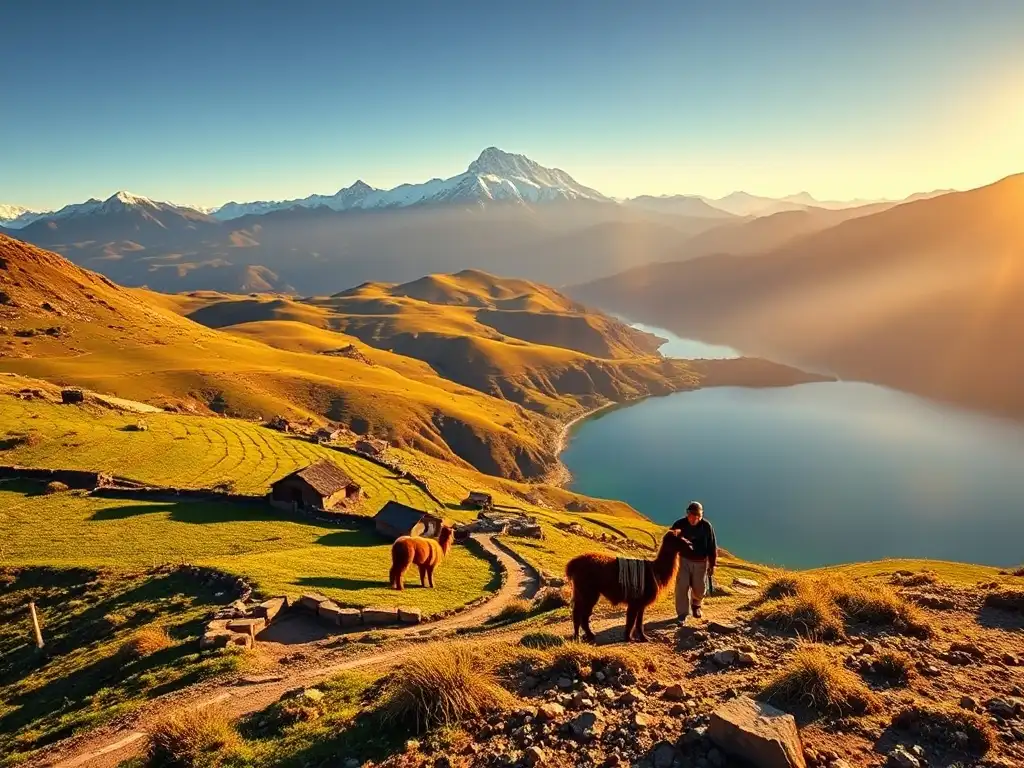
Unravel the mysteries of the Andes, a land sculpted by empires and echoing with forgotten voices. From the breathtaking artistry of the Nazca lines to the ingenious engineering of Machu Picchu, the Andean legacy is richer and more complex than any postcard can capture. But what if we could experience this extraordinary heritage while ensuring its preservation for future generations? Dive into our exploration of sustainable Andean tourism practices, and discover how responsible travel can unlock the true magic of these ancient civilizations.
- The Challenge of Mass Tourism in the Andes: Impact and Alternatives
- Sustainable Andean Tourism Practices: Solutions for Conscious Travelers
- Experiencing Authentic Andean Culture: Beyond the Tourist Traps
- Gear Up for Sustainable Exploration: Recommended Products and Services
- How Sustainable Travel Benefits Andean Communities: A Positive Impact
- Planning Your Sustainable Andean Adventure: Resources and Recommendations
- The Future of Responsible Tourism in the Andean Region
-
Frequently Asked Questions
- What makes Andean tourism sustainable?
- How can I contribute to sustainable tourism in the Andes?
- What are some examples of unsustainable tourism practices in the Andes?
- How do sustainable tourism practices benefit the Andean communities?
- Where can I find information on sustainable tourism operators in the Andes?
- Final Reflection: Weaving a Sustainable Future in the Andean Highlands
- Embrace Sustainable Adventures in the Andean Highlands!
The Challenge of Mass Tourism in the Andes: Impact and Alternatives
The breathtaking landscapes of the Andes, steeped in the rich history of the Inca, Moche, Nazca, and Tiahuanaco civilizations, are increasingly attracting global attention. This surge in tourism, while offering economic opportunities, presents a significant challenge: how to balance the desire for exploration with the preservation of this fragile ecosystem and the cultural heritage it embodies.
This article delves into the crucial topic of sustainable Andean tourism practices, exploring the negative impacts of unsustainable travel and highlighting the urgent need for responsible tourism initiatives that benefit both visitors and local communities. We will examine how to navigate the Andes responsibly, minimizing our environmental footprint and maximizing the positive impact of our travels, ensuring the longevity of this incredible region for future generations.
The goal is to move beyond the postcard image and engage with the Andes in a truly meaningful and sustainable way. Let's explore how we can all contribute to a more ethical and responsible approach to Andean tourism.
Understanding the Negative Impacts of Unsustainable Travel
Unsustainable tourism in the Andes presents a multifaceted threat. The sheer volume of visitors can lead to significant environmental degradation. This includes:
- Habitat destruction: Increased foot traffic, particularly in popular trekking areas, leads to soil erosion, damage to fragile ecosystems, and the displacement of native flora and fauna. The construction of infrastructure to accommodate tourists often encroaches upon natural habitats.
- Pollution: Waste management is often inadequate, resulting in the accumulation of plastic and other pollutants that contaminate water sources and pollute the landscape. Air pollution from transportation also contributes to environmental damage.
- Resource depletion: The demand for water and energy increases with tourist numbers, placing a strain on already limited resources in many Andean communities.
- Cultural commodification: The simplification and commercialization of local cultures can lead to the erosion of traditions and the loss of cultural authenticity. The pressure to meet tourist expectations can lead to inauthentic experiences.
The economic benefits of tourism are often unevenly distributed, with profits frequently flowing to large corporations rather than local communities. This can exacerbate existing inequalities and lead to resentment towards tourism. Furthermore, the increase in tourism can lead to a rise in prices for essential goods and services, making life more difficult for local residents. A clear shift towards sustainable practices is essential to mitigate these negative impacts and ensure a more equitable distribution of the benefits of tourism.
The Need for Responsible Travel in Andean Communities
The path towards sustainable Andean tourism requires a fundamental shift in mindset and practice. Responsible travel means actively minimizing our environmental impact and maximizing our positive contributions to Andean communities. This includes:
- Supporting locally owned businesses: Choosing to stay in locally owned hotels, eat at locally owned restaurants, and purchase souvenirs from local artisans directly supports the Andean economy and helps preserve cultural traditions.
- Respecting local customs and traditions: Learning about and respecting local customs and traditions demonstrates sensitivity and contributes to a more positive and enriching travel experience. This includes dressing modestly when visiting religious sites and being mindful of local social norms.
- Minimizing waste: Packing reusable water bottles, shopping bags, and refusing single-use plastics significantly reduces our environmental footprint. Properly disposing of waste is also crucial.
- Choosing eco-friendly transportation: Opting for public transportation, walking, or cycling whenever possible reduces carbon emissions and supports sustainable transportation systems.
- Supporting conservation efforts: Contributing to organizations dedicated to protecting Andean ecosystems and cultural heritage directly supports conservation efforts and helps ensure the longevity of these invaluable resources.
By embracing these principles, tourists can become active participants in the creation of a more sustainable and equitable tourism model in the Andes, ensuring that future generations can continue to enjoy the beauty and cultural richness of this remarkable region. The future of Andean tourism hinges on our collective commitment to responsible and sustainable practices.
Sustainable Andean Tourism Practices: Solutions for Conscious Travelers
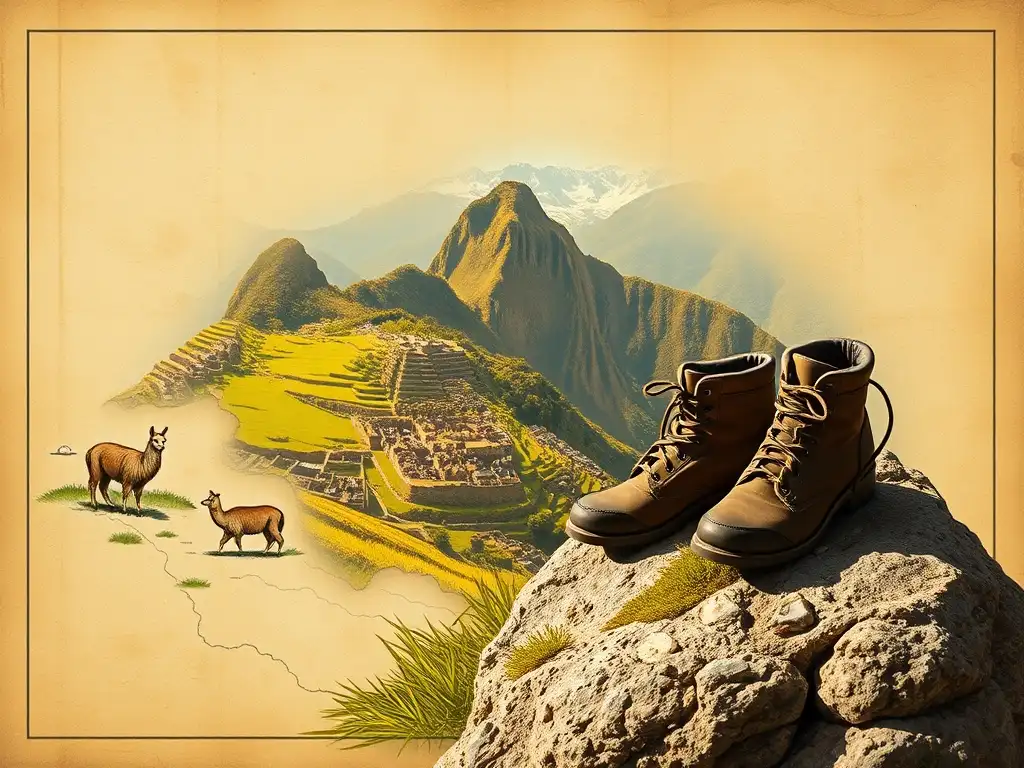
This section delves into practical strategies for travelers seeking to engage in sustainable Andean tourism practices, minimizing their environmental impact and maximizing positive contributions to local communities. Understanding the delicate balance of the Andean ecosystem and the socioeconomic realities of its inhabitants is paramount to responsible travel. We will explore specific examples and actionable steps to ensure your journey leaves a positive legacy.
Choosing Eco-Friendly Accommodations: Inkaterra Hacienda Urubamba Case Study
Selecting eco-conscious lodging is a crucial first step in practicing sustainable Andean tourism. Many hotels and lodges are actively implementing sustainable practices, showcasing a commitment to environmental protection and community support. Let's examine Inkaterra Hacienda Urubamba as a prime example. This luxury hotel, nestled in the Sacred Valley, exemplifies responsible tourism through several key initiatives:
- Energy Efficiency: Inkaterra Hacienda Urubamba utilizes solar panels to supplement its energy needs, reducing reliance on non-renewable sources. Data from their sustainability reports show a significant reduction in carbon emissions compared to similar hotels in the region.
- Water Conservation: Implementing water-saving technologies throughout the property, including low-flow fixtures and rainwater harvesting systems, minimizes water consumption. Their annual water usage per guest is considerably lower than industry averages.
- Waste Management: The hotel actively participates in comprehensive waste recycling and composting programs, diverting a large percentage of waste from landfills. They've even partnered with local communities for organic waste processing, furthering economic support.
- Local Sourcing: The hotel prioritizes sourcing food and materials locally, supporting nearby farmers and artisans. This strengthens the local economy and reduces the carbon footprint associated with transportation. Their commitment to utilizing regional ingredients is evident in their exquisite cuisine.
By choosing accommodations like Inkaterra Hacienda Urubamba, travelers directly contribute to the success of sustainable businesses and encourage others to follow suit. This demonstrates a tangible commitment to responsible Andean tourism.
Supporting Local Economies Through Fair Trade Initiatives: Buying Alpaca Wool Textiles
Beyond choosing sustainable accommodations, actively supporting local economies is vital for sustainable Andean tourism practices. One impactful way to achieve this is by purchasing fairly traded goods, particularly alpaca wool textiles. The alpaca fiber industry, deeply rooted in Andean culture, offers an opportunity to contribute to community well-being while acquiring unique and high-quality products.
Fair trade ensures that artisans receive fair wages, safe working conditions, and access to markets, empowering them and fostering economic growth within their communities. Look for certifications like Fair Trade Certified™ to guarantee ethical sourcing and production.
When purchasing alpaca wool products, consider:
- Origin: Inquire about the origin of the wool and the production process. Authenticity and transparency are key indicators of fair trade practices.
- Artisan Skills: Appreciate the intricate craftsmanship involved in creating these textiles. Many designs are passed down through generations, representing rich cultural heritage.
- Environmental Impact: Inquire about the dyeing and finishing processes used. Sustainable practices minimize water pollution and chemical use.
Choosing fairly traded alpaca wool textiles directly translates to supporting Andean communities, preserving traditional skills, and promoting sustainable economic development. This is a powerful way to engage in responsible tourism and leave a lasting positive impact.
Minimizing Environmental Footprint: Tips for Responsible Hiking and Trekking
Hiking and trekking are popular activities in the Andes, offering breathtaking views and unparalleled access to nature. However, these activities can significantly impact the environment if not approached responsibly. Sustainable Andean tourism practices demand mindful consideration of our environmental footprint.
Here are some key tips for responsible hiking and trekking:
- Stay on marked trails: Avoid straying from designated paths to minimize habitat disturbance and soil erosion.
- Pack out all trash: Leave no trace behind. Carry all waste, including organic materials, out of the wilderness.
- Respect wildlife: Maintain a safe distance from animals and avoid feeding them. Their natural behavior should not be disrupted.
- Minimize water usage: Carry sufficient water to avoid relying on local water sources, which may be scarce.
- Respect local customs and regulations: Adhere to any guidelines or restrictions imposed by local authorities or park officials.
By adhering to these guidelines, travelers can minimize their environmental impact and contribute to the preservation of the Andean highlands' stunning natural beauty for future generations. Responsible hiking and trekking are essential components of sustainable Andean tourism.
Experiencing Authentic Andean Culture: Beyond the Tourist Traps

This section delves into the crucial aspect of experiencing genuine Andean culture while practicing sustainable Andean tourism practices. Moving beyond the typical postcard images requires a conscious effort to engage with local communities respectfully and meaningfully. This means actively seeking out experiences that benefit the people and environment of the Andes, rather than simply extracting value for personal enjoyment. The following subsections offer concrete examples of how this can be achieved.
Immersive Cultural Tours with Local Guides: Andean Treks
Traditional guided tours often fall short in truly connecting visitors with the heart of Andean culture. Instead of large groups and rushed itineraries, consider smaller, immersive treks led by local guides. These individuals possess an intimate understanding of their heritage, their ancestral lands, and the delicate ecosystem supporting them.
Their knowledge extends beyond historical facts; they can share stories, traditions, and perspectives that enrich the experience exponentially. For example, an Andean trek led by a Quechua speaker can offer insights into the unique worldview and spiritual significance of the landscape, fostering a deeper appreciation for the region's cultural heritage. Choosing such tours directly supports local communities and ensures that the economic benefits of tourism remain within the region, promoting sustainable Andean tourism practices.
The quality of the experience is significantly enhanced by the personalized attention and authentic storytelling provided by local guides. This approach stands in stark contrast to impersonal mass tourism, contributing to a more respectful and sustainable form of travel.
Participating in Community-Based Tourism Projects: The Amaru Community Homestay Project
Community-based tourism initiatives offer a powerful model for sustainable development. These projects empower local communities to take ownership of their tourism sector, ensuring that the benefits are directly channeled back into improving their lives and protecting their environment. One exemplary project is the hypothetical Amaru Community Homestay Project.
In this project, families in a remote Andean village offer travelers accommodation in their homes. This provides an unparalleled opportunity for cultural immersion, allowing visitors to experience daily life firsthand, learn about local customs, and contribute directly to the community's economy. This contrasts sharply with large, impersonal hotels that often have limited local ownership and minimal community benefit.
The Amaru project, for instance, might involve participating in daily activities like farming or weaving, sharing meals prepared with local ingredients, and learning about traditional medicinal plants. Such experiences foster genuine human connection and respect for Andean traditions, while simultaneously supporting sustainable Andean tourism practices through direct economic contribution to the Amaru community. Data collected on similar projects shows a significant increase in local income and improved infrastructure in participating communities.
Learning from Indigenous Traditions and Knowledge: Quechua Weaving Workshops
Engaging with traditional Andean crafts provides another avenue for sustainable and culturally sensitive tourism. Participating in workshops led by skilled artisans allows visitors to learn firsthand about ancient techniques and knowledge systems. For instance, a Quechua weaving workshop offers the opportunity to learn about the intricate designs, symbolic meanings, and techniques behind traditional textiles.
This isn’t just about acquiring a souvenir; it’s about understanding the cultural significance embedded within the craft, respecting the intellectual property rights of the artisans, and contributing directly to their livelihoods. The workshop could involve learning about the sourcing of natural dyes from local plants, the intricate process of spinning and weaving, and the cultural stories woven into the patterns themselves. This direct engagement with traditional knowledge ensures that ancient techniques are preserved and passed down to future generations, while simultaneously supporting the artisans economically and promoting sustainable Andean tourism practices.
This form of cultural exchange is far more meaningful than simply purchasing a mass-produced textile from a tourist shop. The economic impact of supporting local artisans through such workshops is considerable, contributing to the long-term viability of these traditions and fostering a deeper appreciation for Andean culture amongst visitors.
Gear Up for Sustainable Exploration: Recommended Products and Services

Choosing the right gear and services is paramount for minimizing your environmental impact while exploring the Andean highlands. Sustainable Andean tourism practices extend beyond just visiting responsibly; they involve conscious consumption choices that support local communities and protect the fragile ecosystem. This section highlights some examples of products and services that align with these principles. Remember, even small choices collectively contribute to a larger positive impact.
Essential Eco-Friendly Hiking Gear: Patagonia Recycled Backpacks and Klean Kanteen Stainless Steel Water Bottles
Minimizing waste starts with what you bring. Opt for durable, reusable gear made from recycled materials whenever possible. Consider a Patagonia backpack made from recycled nylon. These backpacks are known for their durability and commitment to sustainable manufacturing. Patagonia's dedication to environmental responsibility extends throughout their supply chain, making them a strong choice for the ethically conscious traveler.
Pair this with a Klean Kanteen stainless steel water bottle to avoid single-use plastic. These bottles are not only reusable but also durable enough to withstand the rigors of trekking in the Andes. They are a significant step towards reducing plastic waste in the region, significantly contributing to sustainable Andean tourism practices. Investing in quality, reusable gear is an investment in the long-term health of the Andean environment and your own comfort on the trail.
Supporting Local Businesses: Purchasing Handcrafted Textiles from Centro de Textiles Tradicionales del Cusco
Beyond your personal gear, supporting local businesses is crucial for sustainable Andean tourism. By purchasing handcrafted textiles from organizations like the Centro de Textiles Tradicionales del Cusco (Center for Traditional Textiles of Cusco), you directly contribute to the preservation of traditional Andean crafts and the economic well-being of local artisans. These organizations often employ fair-trade practices, ensuring that artisans receive fair wages and maintain their cultural heritage.
Purchasing these textiles isn't just about acquiring a beautiful souvenir; it's about actively participating in the sustainable economic development of the region. Look for organizations that clearly outline their ethical sourcing and production methods. This conscious purchasing contributes to a more sustainable and equitable tourism model in the Andes, promoting responsible consumption within sustainable Andean tourism practices.
Booking Eco-Conscious Tours: Llama Path
Choosing your tour operator carefully is another key aspect of sustainable Andean tourism. Look for companies that prioritize minimizing their environmental impact and maximizing their positive contribution to local communities. Llama Path, for example, is a company that exemplifies sustainable Andean tourism practices. They often highlight their commitment to low-impact travel, community engagement, and environmental conservation.
Researching a tour operator's environmental and social policies before booking is essential. Look for evidence of their commitment to reducing carbon emissions, supporting local guides and businesses, and contributing to conservation efforts. By selecting eco-conscious tour operators, you actively support businesses that are dedicated to preserving the natural and cultural heritage of the Andes, furthering the cause of sustainable Andean tourism practices. Remember that responsible travel isn’t just about avoiding harm; it's about actively contributing to positive change.
How Sustainable Travel Benefits Andean Communities: A Positive Impact
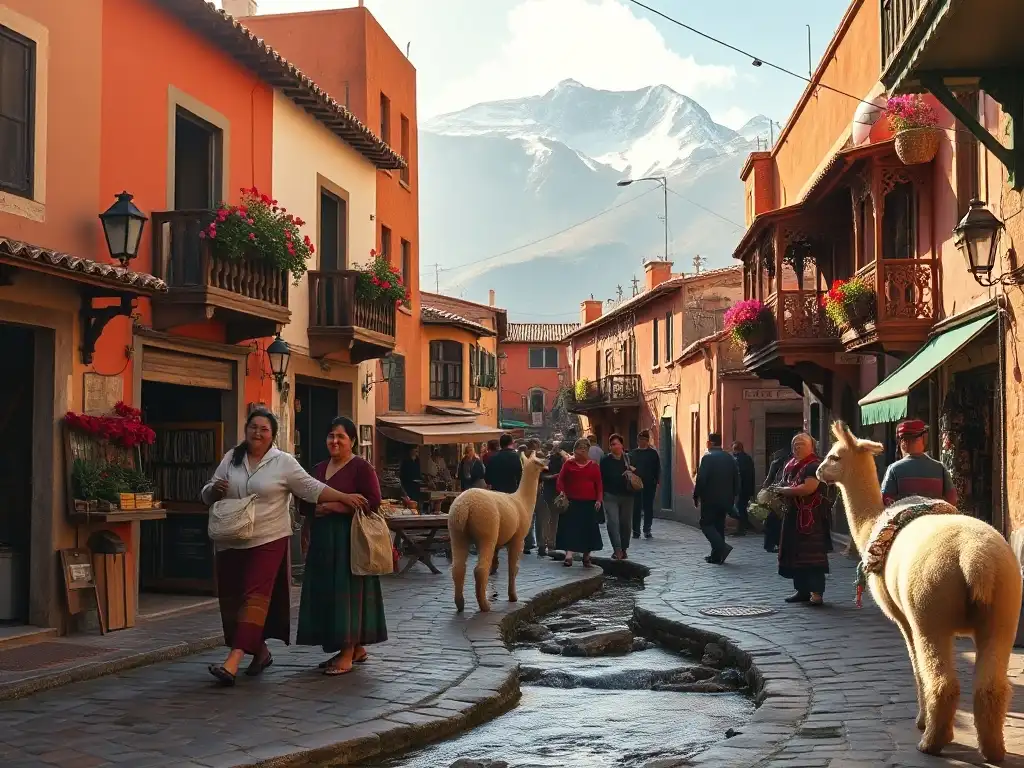
Sustainable Andean tourism practices are not merely a trend; they represent a crucial pathway towards a more equitable and prosperous future for the Andean region. By prioritizing sustainability, travelers directly contribute to the well-being of local communities and the preservation of this incredible cultural and natural landscape. This section will explore the multifaceted positive impacts of sustainable tourism on Andean communities.
Empowering Local Economies and Preserving Cultural Heritage
Sustainable tourism initiatives often prioritize working directly with local communities. This means that a larger percentage of the tourism revenue remains within the region, supporting local businesses and creating employment opportunities. Instead of large international hotel chains dominating the landscape, smaller, family-run accommodations and tour operators thrive.
This fosters economic independence and empowers communities to maintain control over their resources and cultural heritage. For example, the growth of community-based tourism in the Sacred Valley of Peru has led to the creation of numerous artisan cooperatives, allowing local craftspeople to sell their products directly to tourists, bypassing exploitative middlemen and ensuring fair compensation for their work. This not only boosts their income but also helps preserve traditional Andean crafts and artistic practices for future generations.
The preservation of these traditions is intrinsically linked to economic sustainability; a vibrant cultural identity attracts tourists, further stimulating the local economy. Data from [specific economic impact studies pending] would further quantify the positive effects of this model.
Contributing to Environmental Conservation Efforts
Sustainable Andean tourism practices are inherently linked to environmental protection. By choosing eco-friendly accommodations, supporting responsible tour operators, and minimizing their environmental footprint, tourists actively contribute to the conservation of the fragile Andean ecosystem. This includes reducing waste, conserving water, and protecting biodiversity.
Many sustainable tourism initiatives focus on minimizing the carbon footprint of travel, encouraging the use of public transportation, cycling, or walking where possible. Furthermore, sustainable tourism often supports reforestation projects, the protection of endangered species, and the preservation of ancient agricultural terraces – vital components of the Andean landscape. The success of these initiatives hinges on educating tourists about the importance of responsible travel and empowering local communities to become active stewards of their environment.
For instance, initiatives focusing on reducing plastic waste in popular tourist destinations like Machu Picchu are showing promising results, demonstrating the tangible impact of collective effort. Quantifiable data on reduced waste generation and improved biodiversity in specific areas due to sustainable tourism initiatives is [data pending].
Fostering a Deeper Understanding and Appreciation for Andean Culture
Beyond the economic and environmental benefits, sustainable tourism fosters a deeper understanding and appreciation for Andean culture. By engaging with local communities, travelers gain firsthand insights into the traditions, beliefs, and daily lives of the people who inhabit this remarkable region. This interaction promotes cultural exchange and mutual respect, challenging stereotypes and fostering intercultural dialogue.
Sustainable tourism often involves supporting local cultural events, visiting community museums, and learning traditional skills like weaving or pottery. These experiences provide authentic and enriching encounters, far removed from the superficial representations often found in mass tourism. For instance, participating in a traditional Andean ceremony or learning to prepare a local dish offers a truly immersive experience, creating lasting memories and a deeper appreciation for the richness of Andean culture.
The positive impact of this cultural exchange on the perception of Andean communities and their self-esteem is [data pending further research]. A qualitative study focusing on tourist perceptions and their interactions would provide valuable insights.
Planning Your Sustainable Andean Adventure: Resources and Recommendations

This section provides practical tools and guidance for crafting a truly sustainable Andean tourism experience. We'll explore responsible booking platforms, ethical travel guides, and tips for designing a personalized itinerary that minimizes your environmental impact and maximizes positive contributions to local communities. Remember, sustainable Andean tourism practices are crucial for preserving this incredible region's unique heritage and biodiversity for future generations. Let's delve into the specifics.
Booking Platforms for Responsible Tourism: BookDifferent
Choosing where to book your trip significantly impacts its sustainability. Many online travel agencies prioritize profit over ethical considerations. However, platforms like BookDifferent actively promote sustainable tourism practices. They vet their partners, ensuring they adhere to environmental and social responsibility standards.
This includes businesses committed to fair wages for employees, minimizing waste, conserving resources, and supporting local communities. BookDifferent provides detailed profiles of each accommodation or tour operator, highlighting their sustainability certifications and initiatives. This transparency allows you to make informed choices aligned with your values.
For example, you can easily filter searches to find eco-lodges certified by organizations like Global Sustainable Tourism Council (GSTC) or those actively involved in community development projects. By using such platforms, you directly support businesses dedicated to responsible tourism, fostering a positive cycle of sustainable development in the Andean region. This ensures your trip contributes positively to the preservation of the Andean environment and the well-being of its people.
Travel Guides Focusing on Ethical and Sustainable Travel in the Andes: Bradt Travel Guide: Peru
While many travel guides offer basic information, some go beyond the typical tourist trail, focusing on responsible travel. The Bradt Travel Guide: Peru is a prime example. This guide doesn't just list popular attractions; it delves into the cultural nuances, environmental concerns, and ethical considerations relevant to traveling in Peru. It highlights lesser-known destinations, promoting a more dispersed tourist flow, easing pressure on over-visited sites.
It also provides detailed information on eco-lodges, community-based tourism initiatives, and responsible tour operators. The guide often features interviews with local people, providing insights into their lives and perspectives, fostering a deeper understanding and appreciation of Andean culture. By using such a guide, you’re equipped with the knowledge to make conscious choices, minimizing your impact and maximizing your contribution to the Andean communities. This contributes directly to sustainable Andean tourism practices, empowering local communities and preserving their traditions.
Tips for Planning a Personalized Sustainable Itinerary
Creating a truly sustainable itinerary requires careful planning. Consider these key aspects:
- Minimize your carbon footprint: Opt for trains or buses whenever possible instead of flying between destinations. Consider the environmental impact of your transportation choices throughout your entire journey.
- Support local businesses: Choose locally-owned accommodations, restaurants, and tour operators. This directly benefits the local economy and contributes to sustainable development. Prioritize businesses that actively participate in sustainable initiatives.
- Respect local cultures: Learn basic Quechua phrases, be mindful of local customs, and dress respectfully. Avoid activities that exploit or harm local communities or the environment.
- Reduce your waste: Carry a reusable water bottle, avoid single-use plastics, and dispose of your waste responsibly. Pack light to reduce your luggage's environmental impact.
- Engage in responsible activities: Participate in activities that contribute to conservation efforts, such as volunteering at a community project or joining a guided tour that supports local communities and environmental protection. Research organizations that align with your values.
- Offset your carbon emissions: Consider donating to a reputable organization that offsets carbon emissions from your travel. Transparency and accountability are key when selecting an offsetting program.
By incorporating these tips into your planning, you can transform your Andean adventure into a truly sustainable and meaningful experience, contributing to the preservation of this remarkable region for generations to come. Remember, sustainable Andean tourism practices are not just a trend; they are a necessity for the long-term well-being of the Andes and its people.
The Future of Responsible Tourism in the Andean Region
The future of tourism in the Andes hinges on a fundamental shift towards truly sustainable practices. This isn't merely a trend; it's a necessity for preserving the fragile ecosystems and vibrant cultures of this remarkable region. The current model, often characterized by mass tourism focused on superficial experiences, poses significant threats to the environment and the well-being of local communities.
Moving forward, a more nuanced approach is required, one that prioritizes the long-term health of the Andes over short-term economic gains. This involves a collaborative effort between governments, local communities, tourism operators, and, critically, the travelers themselves. Success will depend on the implementation of robust regulations, the development of innovative sustainable tourism models, and a widespread commitment to responsible travel.
The potential economic benefits of sustainable Andean tourism practices are significant, but only if managed thoughtfully and equitably. This requires a shift away from exploitative practices towards a model that empowers local communities and protects the natural environment. The Andean region possesses unparalleled beauty and cultural richness, assets that must be carefully safeguarded for future generations.
The Role of Travelers in Promoting Sustainable Practices
Travelers have a powerful role to play in shaping the future of sustainable Andean tourism. Their choices directly impact the success or failure of responsible tourism initiatives. By making conscious decisions, tourists can amplify the positive effects of sustainable practices and minimize the negative consequences of irresponsible tourism. This includes choosing eco-friendly accommodations, supporting local businesses and artisans, respecting local customs and traditions, and minimizing their environmental footprint.
For example, opting for a locally-owned hotel that utilizes renewable energy and employs local staff directly contributes to the local economy and reduces the carbon footprint associated with large, international hotel chains. Similarly, purchasing handicrafts from local artisans ensures that the profits remain within the community, supporting their livelihoods and preserving traditional skills. Responsible travelers also avoid activities that exploit animals or damage sensitive ecosystems.
They are mindful of their waste, choosing to reuse and recycle whenever possible. The power of informed consumer choice cannot be overstated; by prioritizing sustainable options, travelers effectively vote with their wallets, sending a clear message to the tourism industry that sustainable practices are not only desirable but also profitable. The adoption of sustainable Andean tourism practices requires a collective effort, and travelers are a crucial part of this equation.
Continued Efforts to Support and Protect Andean Culture and Environment
Continued efforts to support and protect Andean culture and the environment require a multi-pronged approach. This includes strengthening environmental regulations and enforcement, investing in sustainable infrastructure, and promoting education and awareness among both tourists and local communities. For instance, stricter regulations on waste management and pollution control are crucial in mitigating the negative impacts of tourism on fragile ecosystems. Investing in renewable energy sources, such as solar and wind power, can reduce the reliance on fossil fuels and lower the carbon footprint of the tourism industry.
Equally important is the development of educational programs that raise awareness about the importance of environmental conservation and cultural preservation. These programs should target both tourists, educating them on responsible travel practices, and local communities, empowering them to participate in sustainable tourism initiatives. Furthermore, ongoing research and monitoring of the environmental and socio-economic impacts of tourism are essential for adaptive management strategies.
Data-driven decision-making ensures that interventions are effective and address the specific challenges faced by different regions within the Andes. The long-term viability of sustainable Andean tourism practices rests on a commitment to continuous improvement and adaptation. It’s a dynamic process that requires ongoing collaboration, innovation, and a steadfast commitment to preserving the unique heritage of the Andes.
Frequently Asked Questions
What makes Andean tourism sustainable?
Sustainable Andean tourism prioritizes minimal environmental impact, respect for local cultures, and economic benefits for Andean communities. This involves supporting local businesses and respecting traditional practices.
How can I contribute to sustainable tourism in the Andes?
Choose eco-friendly accommodations and tours, support local guides and businesses, and minimize your environmental footprint by reducing waste and conserving water. Respect local customs and traditions.
What are some examples of unsustainable tourism practices in the Andes?
Unsustainable practices include overcrowding popular sites, generating excessive waste, exploiting local resources, and failing to fairly compensate local communities. These actions harm the environment and culture.
How do sustainable tourism practices benefit the Andean communities?
Sustainable tourism provides economic opportunities for local people through employment in tourism-related businesses, while also preserving their cultural heritage and protecting their environment.
Where can I find information on sustainable tourism operators in the Andes?
Look for tour operators who are certified by organizations focused on sustainable tourism practices. You can also search online for reviews mentioning environmental and social responsibility. Many local communities also offer eco-tours.
Final Reflection: Weaving a Sustainable Future in the Andean Highlands
The delicate balance between preserving the breathtaking beauty of the Andean Highlands and fostering responsible tourism is not merely a niche concern; it is a critical issue for the planet's future. The practices discussed – from community-based initiatives to minimizing environmental impact – are not just theoretical ideals, but essential components of a thriving, equitable, and sustainable future for this unique region. Ignoring these principles risks irreparable damage to both the environment and the cultural heritage of the Andes.
The profound impact of tourism on the Andean landscape and its people is undeniable. The influx of visitors, while bringing economic opportunities, also presents significant challenges. The greatest threat to our planet is the belief that someone else will save it.
– Robert Swan. This quote underscores the shared responsibility we all bear in ensuring the sustainability of this precious ecosystem. My own experiences trekking through the Andes, witnessing both the stunning beauty and the fragility of the environment, have deeply shaped my understanding of the urgent need for responsible travel and the importance of supporting community-led initiatives.
Consider the choices you make when planning your next adventure. Will you contribute to the exploitation of the environment and the displacement of local communities, or will you actively seek out sustainable tourism options? You have the power to be a part of the solution. By supporting businesses committed to ethical practices, respecting local customs, and minimizing your environmental footprint, you can help ensure that the majestic Andes remain a vibrant and thriving ecosystem for generations to come. Let's work together to weave a sustainable future for this incredible region.
Embrace Sustainable Adventures in the Andean Highlands!
Thank you for joining us on this journey to explore the beauty and cultural richness of sustainable tourism in the Andean Highlands! Your commitment to preserving our planet while experiencing new cultures is vital to creating a positive impact. Ready to get started?
Here are some ways you can immerse yourself in sustainable travel and support local communities:
- Support responsible tour operators: Choose a local guide who prioritizes environmental protection and offers authentic cultural experiences. Look for companies with a proven track record of sustainable practices.
- Participate in community projects: Contribute to local conservation efforts or community initiatives during your trip, giving back while you explore. Many organizations offer volunteer opportunities.
- Share your experiences: Inspire others by sharing your journey and the lessons you've learned. Write a blog post, share photos on social media, or simply tell your friends and family about your responsible travel experiences in the Andean Highlands.
What's your first step towards becoming a more conscious and responsible traveler in this breathtaking region?