
The Andean Legacy: Preserving Cultural Treasures Through Conscious Travel

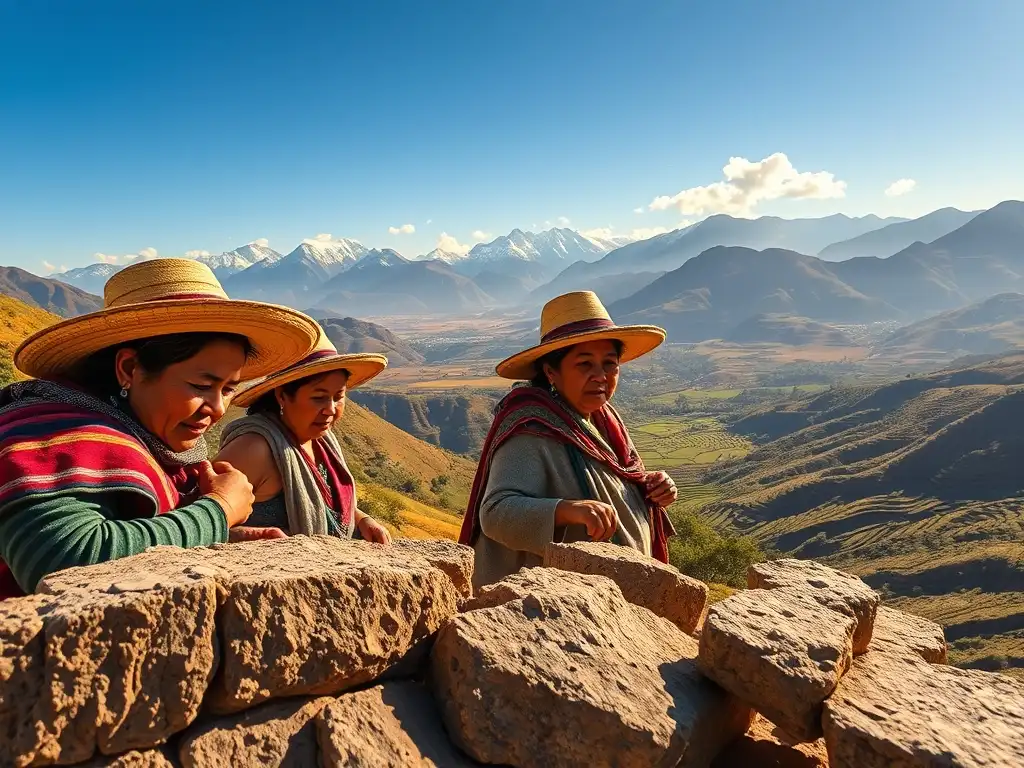
Dive into the mesmerizing world of Andean Civilizations, where echoes of empires past whisper secrets of ingenuity and artistry. From the breathtaking artistry of the Nazca lines to the sophisticated engineering of Machu Picchu, we unravel the mysteries of the Incas, Moche, and other remarkable cultures. But their legacy is more than just history; it's a living tapestry. Discover how Andean cultural preservation travel is not only enriching your journey but also safeguarding these incredible treasures for generations to come. Embark on this exploration and uncover the profound impact you can have.
The Andes Mountains, a spine of majestic peaks running down the western coast of South America, are home to a rich tapestry of ancient civilizations. For millennia, cultures like the Incas, Moche, Nazca, and Tiahuanaco flourished in this challenging yet fertile landscape, leaving behind an extraordinary legacy of intricate art, innovative engineering, and deeply spiritual traditions.
This article explores the critical importance of Andean cultural preservation and how conscious travel can play a vital role in safeguarding this invaluable heritage for future generations. We will delve into the multifaceted threats facing these precious sites and the tangible steps travelers can take to become responsible stewards of this incredible history, contributing to the sustainable tourism that protects rather than exploits these magnificent cultural treasures.
Understanding the delicate balance between exploration and preservation is key to ensuring the Andean legacy continues to inspire and enrich us all. This is particularly relevant in the context of increasing tourism in the region, making responsible practices not just desirable, but necessary for the long-term survival of these irreplaceable sites.
Understanding the Importance of Andean Cultural Preservation
The Andean region boasts an unparalleled concentration of archaeological sites, intricate textiles, and vibrant traditions that offer a window into the past. However, these invaluable cultural assets face numerous threats, including:
- Looting and illegal trafficking of artifacts: The illicit trade in ancient objects poses a significant danger, depleting sites of their historical context and destroying irreplaceable pieces of history. This illegal activity often fuels conflict and instability in the region.
- Erosion and environmental degradation: Natural processes like erosion, coupled with the impact of climate change, are damaging delicate sites and artifacts. Uncontrolled tourism can exacerbate these issues.
- Lack of resources for preservation and restoration: Many sites lack adequate funding for proper conservation and maintenance, leading to further deterioration. Funding limitations often hinder crucial research and preservation efforts.
- Loss of traditional knowledge and practices: The transmission of indigenous knowledge, skills, and languages is essential for cultural continuity, yet these are increasingly at risk due to modernization and societal shifts. The loss of these traditions represents an irreplaceable loss of cultural heritage.
The preservation of Andean culture is not merely an academic pursuit; it's a matter of safeguarding the identity and heritage of millions of people. It ensures that future generations can connect with their ancestral roots and learn from the wisdom and resilience of past civilizations. Moreover, it has significant economic benefits, as cultural tourism can contribute significantly to local economies when managed sustainably.
Failing to protect these sites is akin to losing a vital piece of the world's shared history. The consequences extend far beyond the immediate loss of artifacts; it represents a loss of understanding, a loss of identity, and a loss of opportunity for sustainable development.
Why Conscious Travel Matters in the Andes
Conscious travel, also known as responsible tourism, is a crucial element in safeguarding Andean cultural heritage. It involves making informed choices that minimize negative impacts and maximize positive contributions to the local communities and environment. This includes:
- Supporting local communities and businesses: Choosing locally owned hotels, restaurants, and tour operators directly benefits the local economy and empowers communities to participate in the preservation of their heritage. This fosters a sense of ownership and responsibility for the protection of cultural sites.
- Respecting local customs and traditions: Understanding and respecting local customs, traditions, and beliefs is paramount. This includes appropriate dress, behavior, and interaction with local people. Treating local communities with respect is fundamental to ethical travel.
- Minimizing environmental impact: Adopting environmentally conscious practices, such as reducing waste, conserving water, and choosing eco-friendly transportation, helps protect the delicate Andean ecosystem. Sustainable travel practices help preserve the natural beauty that surrounds these cultural sites.
- Participating in responsible tours: Choosing tour operators committed to ethical and sustainable practices ensures that your travel experience contributes positively to the preservation of cultural heritage. Look for operators who prioritize community engagement and environmental protection.
- Respecting archaeological sites: Adhering to site regulations, refraining from touching artifacts, and avoiding actions that could damage the sites is critical. Responsible visitors help protect these irreplaceable resources for future generations.
By embracing conscious travel, tourists can become active participants in the preservation of the Andean legacy, contributing to the ongoing efforts to protect and celebrate this extraordinary cultural heritage. It is a shared responsibility, demanding active participation from both visitors and local communities alike. The future of these incredible sites depends on our collective commitment to responsible and sustainable tourism.
- Understanding the Importance of Andean Cultural Preservation
- Why Conscious Travel Matters in the Andes
- What is "conscious travel" in the context of Andean cultural preservation?
- How can my trip help preserve Andean cultural heritage?
- Are there specific sites particularly vulnerable to damage from tourism?
- What are some examples of responsible tourism practices in the Andes?
- How can I find ethical and sustainable tour operators focusing on Andean cultural preservation?
Planning Your Andean Cultural Preservation Journey
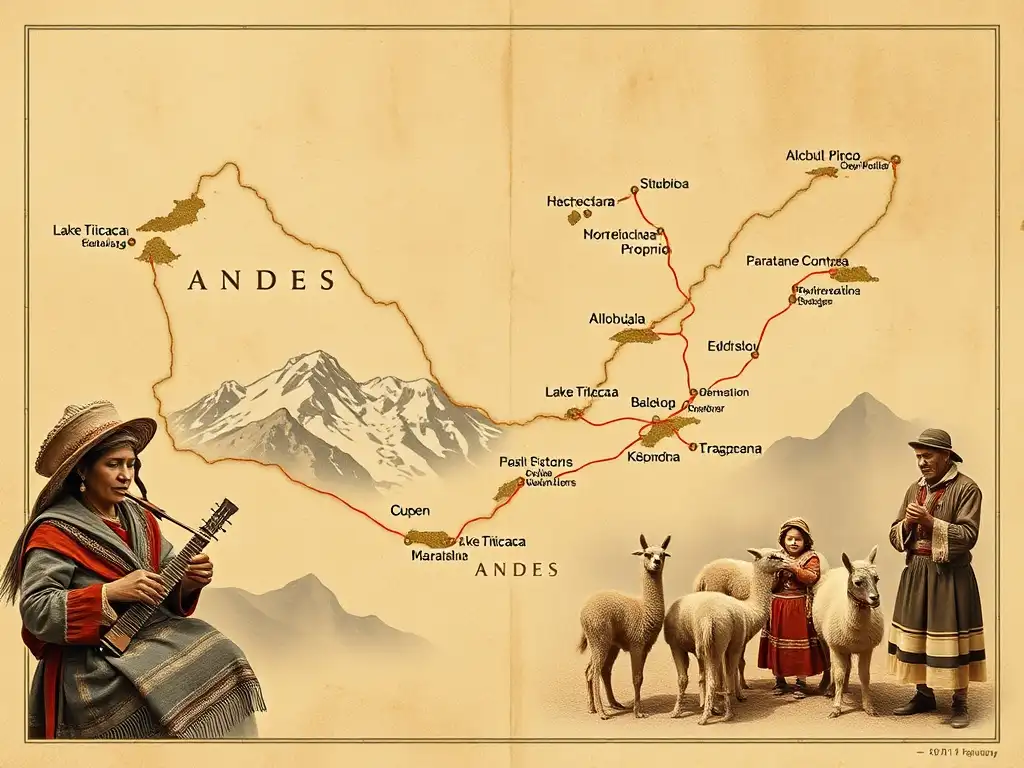
This section focuses on practical steps to ensure your Andean adventure contributes positively to the preservation of its rich cultural heritage. Choosing the right operators and making conscious decisions about your travel style are crucial for minimizing your environmental impact and maximizing your contribution to local communities. Remember, responsible "Andean cultural preservation travel" isn't just about visiting; it's about actively participating in the safeguarding of these invaluable treasures.
Researching and Selecting Ethical Tour Operators for the Andes
Selecting an ethical tour operator is paramount for Andean cultural preservation travel. Avoid companies that prioritize profit over cultural sensitivity and environmental protection. Look for operators committed to sustainable tourism practices. What should you look for?
- Community Involvement: Do they partner with local communities, ensuring that tourism benefits directly impact the people and places you're visiting? Do they employ local guides and prioritize local businesses? A strong commitment to community engagement is a key indicator of ethical practices.
- Environmental Sustainability: Do they adhere to environmental guidelines, minimizing their carbon footprint and promoting responsible waste management? Look for certifications or statements outlining their commitment to eco-tourism. Some operators even offset carbon emissions from their tours.
- Cultural Sensitivity: Do their tour descriptions and itineraries demonstrate respect for local customs and traditions? Avoid operators that offer experiences that feel exploitative or disrespectful of indigenous cultures. Seek out tours that emphasize cultural understanding and exchange.
- Transparency and Accountability: A reputable operator will be transparent about their pricing, operations, and commitment to sustainability. Check for reviews and testimonials from past travelers to gauge their experiences.
Consider these questions when researching potential operators: How do they support local communities? What measures do they take to minimize environmental impact? Do they offer opportunities for meaningful cultural exchange? The answers will illuminate their commitment to responsible Andean cultural preservation travel.
Choosing Sustainable Accommodation Options in the Andean Region
Your choice of accommodation significantly impacts the local environment and economy. Opting for eco-lodges or community-run guesthouses over large international hotel chains supports local communities and minimizes your environmental footprint.
Here's a breakdown of what to consider:
| Accommodation Type | Environmental Impact | Economic Impact | Cultural Impact |
|---|---|---|---|
| Eco-lodge | Generally low | Directly benefits local community | Often integrates local culture |
| Community-run guesthouse | Low to moderate | Directly benefits local community | High, authentic experience |
| Large International Hotel | Potentially high | Limited local benefit | Low, often generic experience |
Choosing sustainable accommodation is an integral part of responsible Andean cultural preservation travel. Prioritize places that actively conserve resources, use renewable energy, and support local employment. Remember to look for certifications like LEED or Green Globe, which indicate a commitment to sustainability. Even small choices, such as choosing a hotel that uses locally sourced products and minimizes waste, can make a significant difference.
Packing Responsibly for an Andean Cultural Trip
Packing responsibly minimizes your impact on the delicate Andean ecosystem. Avoid single-use plastics and opt for reusable alternatives. Pack light to reduce the fuel consumption of transportation. Consider the following:
- Reusable water bottle: Stay hydrated and reduce plastic waste.
- Reusable shopping bag: Minimize plastic bag use.
- Sunscreen and insect repellent: Choose reef-safe products to protect the environment.
- Clothing: Pack versatile, lightweight clothing made from sustainable materials.
- First-aid kit: Be prepared for minor injuries.
Remember, mindful packing contributes to a more sustainable and enjoyable Andean cultural preservation travel experience. By choosing reusable items and packing light, you'll minimize your environmental footprint and support responsible tourism in the Andes. This conscientious approach is key to ensuring the preservation of these unique and irreplaceable cultural treasures for generations to come. 🌎
Engaging with Andean Culture Respectfully
This section delves into practical ways travelers can actively participate in Andean cultural preservation during their journey, fostering a deeper understanding and respect for the region's rich heritage. Conscious travel isn't just about minimizing your environmental impact; it's about engaging ethically and respectfully with the local cultures you encounter. By actively choosing to participate in sustainable tourism initiatives, you directly contribute to the preservation of Andean traditions for future generations.
This means going beyond simply observing – it’s about actively participating in a way that benefits the community and its cultural legacy. The following subsections will illustrate how you can make a tangible difference.
Learning Basic Quechua or Aymara Phrases
Learning even a few basic phrases in Quechua or Aymara, the indigenous languages of the Andes, demonstrates respect and opens doors to more meaningful interactions with locals. It shows you've made an effort to connect on their terms, moving beyond simple tourist exchanges.
Imagine the smile you'll receive when you greet a market vendor with a simple "Sumaj kawsay" (Quechua for "good life") or "Kusisimi" (Quechua for "I'm happy"). Beyond greetings, learning phrases related to purchasing goods, expressing gratitude ("Gracias" is universally understood, but a Quechua equivalent adds a unique touch), or asking for directions enhances your travel experience significantly.
Many free online resources offer basic Quechua and Aymara phrasebooks and pronunciation guides. Apps like Duolingo and Memrise can make learning fun and accessible. Even dedicating 15-30 minutes a day before your trip can make a considerable difference. Consider focusing on phrases relevant to your itinerary – for example, if you plan to visit a market, learn phrases related to bartering and asking prices. The effort, however small, demonstrates your commitment to respectful engagement and enriches your Andean cultural preservation travel experience. Remember, even a few words can create a lasting positive impact.
Participating in Authentic Cultural Experiences
Authentic cultural experiences go beyond visiting tourist traps. They involve seeking out opportunities that directly support local communities and their preservation efforts. Instead of opting for staged performances designed for tourists, consider attending local festivals or ceremonies, if appropriate and respectful access is ensured. These events offer a genuine glimpse into Andean life, customs, and traditions. Look for experiences that involve direct interaction with artisans, farmers, or community members, providing opportunities for cultural exchange and learning.
For example, participating in a traditional weaving workshop offers a hands-on understanding of this ancient art form, supporting local artisans while gaining a deeper appreciation for their skills. Similarly, joining a community-based trekking tour might involve staying with local families, learning about their daily lives, and contributing to their economy. Remember to research thoroughly and choose experiences that prioritize ethical practices and ensure fair compensation for the community involved.
This approach transforms your Andean cultural preservation travel into an active contribution to the safeguarding of these valuable traditions. Prioritize experiences that are genuinely participatory and avoid those that feel staged or exploitative.
Supporting Local Artisans and Businesses
Supporting local artisans and businesses is crucial for Andean cultural preservation. By purchasing handicrafts directly from artisans, you contribute to their livelihoods and help preserve traditional skills and crafts. This differs significantly from purchasing mass-produced souvenirs in larger tourist shops. Look for products made using traditional techniques and materials, and be prepared to pay fair prices, understanding the time and skill involved in their creation. This direct support ensures the continuation of these valuable traditions, and it's a powerful way to actively participate in Andean cultural preservation travel.
Similarly, choosing to eat at locally owned restaurants, stay in community-run accommodations, and utilize locally owned transportation services directly benefits the local economy. This helps sustain the communities and their culture, fostering a more sustainable and ethical tourism model. Consider seeking out businesses that explicitly highlight their commitment to fair wages and ethical sourcing. This mindful approach to spending contributes directly to the preservation of Andean culture and provides a more rewarding and meaningful travel experience. By choosing to spend your money consciously, you're actively participating in the preservation of the Andean legacy.
Contributing to Andean Cultural Heritage Preservation
This section explores ways travelers can actively participate in preserving the rich tapestry of Andean culture during their journeys. It's not just about sightseeing; it's about becoming a responsible steward of this incredible legacy. By engaging in conscious travel practices, visitors can directly contribute to the long-term survival and flourishing of Andean cultural heritage. This involves understanding the delicate balance between tourism's economic benefits and its potential negative impacts, and acting accordingly. The focus here is on Andean cultural preservation travel, ensuring that tourism benefits the local communities and environments rather than exploiting them.
Volunteering with Local Organizations
Many organizations in the Andes actively seek volunteers to assist with various preservation projects. These range from archaeological digs and museum restoration to community-based initiatives aimed at preserving traditional crafts and languages. Volunteering allows for a deeper immersion in Andean culture, providing a firsthand understanding of the challenges and triumphs involved in protecting its heritage. This type of Andean cultural preservation travel offers a transformative experience, allowing you to contribute directly to the preservation of sites and traditions.
For example, some organizations focus on teaching Quechua to children in remote communities, helping to revitalize this vital part of Andean linguistic heritage. Others work to document and preserve traditional music and dance forms, ensuring that these invaluable aspects of Andean culture are not lost to time. Still others concentrate on the preservation of ancient textiles, working with local artisans to teach and promote traditional weaving techniques.
The opportunities are diverse and rewarding, offering a chance to make a tangible difference while experiencing the Andes in a unique and meaningful way. Choosing a reputable organization is crucial; research thoroughly to ensure your volunteer work genuinely benefits the local community and its cultural preservation efforts. This mindful approach is key to successful and ethical Andean cultural preservation travel.
Supporting Conservation Efforts in the Andes
Supporting conservation efforts is another crucial aspect of responsible Andean cultural preservation travel. This goes beyond simply visiting protected sites; it involves actively contributing to their preservation and sustainability. This can take many forms, from donating to organizations dedicated to protecting Andean biodiversity to choosing eco-friendly accommodations and transportation options.
Consider the impact of your choices. For example, purchasing locally sourced handicrafts directly from artisans not only supports their livelihoods but also helps preserve traditional skills and artistry. Choosing to stay in eco-lodges that prioritize sustainable practices minimizes the environmental footprint of your trip. Similarly, opting for public transportation or walking whenever possible reduces carbon emissions and helps lessen the strain on fragile Andean ecosystems.
Even small actions, when multiplied across many travelers, can have a significant cumulative effect on the long-term health of the Andean environment and its cultural heritage. Remember, protecting the natural environment is intrinsically linked to protecting the cultural heritage it sustains. This holistic approach is essential for effective Andean cultural preservation travel.
Beyond direct participation, sharing your experiences and advocating for responsible Andean tourism is also vital for cultural preservation. By sharing your positive experiences of responsible travel, you inspire others to follow suit. This can be done through various channels: writing blog posts or reviews, sharing photos and stories on social media, or simply talking to friends and family about the importance of ethical tourism.
Remember to always represent the Andean cultures respectfully in your sharing. Avoid perpetuating stereotypes or romanticized narratives. Instead, focus on highlighting the richness and complexity of Andean cultures, emphasizing the importance of respecting local customs and traditions. Your voice can be a powerful tool in promoting sustainable and culturally sensitive tourism. By spreading awareness and encouraging responsible travel practices, you contribute significantly to the long-term preservation of Andean cultural heritage. This is a crucial component of impactful Andean cultural preservation travel, ensuring the future of these invaluable cultural treasures. 🌍
Maximizing Your Impact and Enjoying Your Andean Adventure
This section focuses on how to maximize your positive impact on Andean communities while enjoying an unforgettable cultural experience. Responsible travel isn't about sacrifice; it's about enhancing your journey by actively contributing to the preservation of the Andean legacy. The key is to blend cultural exploration with sustainable practices, creating a mutually beneficial relationship between traveler and community.
Combining Cultural Exploration with Sustainable Activities
Engaging in sustainable tourism isn't just about choosing eco-friendly hotels; it's about actively participating in activities that support local communities and their cultural preservation efforts. Consider these examples:
- Community-based tourism: Opt for tours and accommodations operated by local communities. This ensures that a larger percentage of your spending directly benefits the people and the preservation of their heritage. Look for initiatives that prioritize fair wages and reinvest profits into community projects. This directly supports Andean cultural preservation travel.
- Supporting local artisans: Purchase handcrafted goods directly from artisans, avoiding intermediaries who often take a larger share of the profit. This not only helps preserve traditional crafts but also provides a sustainable income for the creators. Consider the intricate textiles, pottery, or silverwork – each piece tells a story of Andean heritage.
- Participating in cultural workshops: Many communities offer workshops where you can learn traditional skills like weaving, pottery making, or Andean music. These experiences provide valuable insights into Andean culture while simultaneously supporting local instructors and preserving ancient traditions. These hands-on activities are a powerful way to engage with Andean cultural preservation travel.
- Volunteering your time: If you have specific skills (e.g., teaching English, construction, or healthcare), consider volunteering your time with a reputable organization working on cultural preservation projects. This direct contribution significantly impacts Andean communities.
Reflecting on Your Travel Experiences and Continuing to Learn
Your Andean adventure shouldn't end when you leave the region. Reflecting on your experiences and continuing to learn about Andean cultures is crucial for long-term impact.
- Documenting your journey: Keep a journal, take photos (respectfully, of course), and record your reflections on the cultural experiences you've had. This process helps you solidify your learning and can inspire future engagement.
- Sharing your story: Share your experiences – both the positive and the challenging – with friends, family, and online communities. This helps spread awareness about the importance of responsible travel and Andean cultural preservation travel.
- Supporting Andean-focused organizations: Continue supporting organizations dedicated to the preservation of Andean culture and heritage, even after your trip. Many organizations work tirelessly to protect archaeological sites, support local communities, and promote sustainable tourism practices. Research organizations that align with your values and make regular or one-time donations.
- Educating yourself further: Continue your education about Andean cultures. Read books, watch documentaries, and follow relevant organizations and individuals on social media. The more you know, the better equipped you are to support Andean cultural preservation.
Recommended Products and Services for Andean Cultural Preservation Travel
While specific recommendations require further research [specific information pending], consider seeking out travel agencies and tour operators specifically focused on sustainable and community-based tourism. Look for certifications or affiliations with responsible tourism organizations. Choosing businesses that prioritize fair wages, environmental protection, and cultural preservation is essential for truly impactful Andean cultural preservation travel.
Furthermore, consider supporting businesses that actively reinvest profits back into the communities they serve. This ensures a long-term commitment to the preservation of the Andean legacy. Remember to research thoroughly before booking any tour or activity to ensure it aligns with your values and ethical travel principles.
Remember, responsible and ethical Andean cultural preservation travel is a journey, not a destination. By actively engaging with local communities, supporting sustainable practices, and continuing your education, you can significantly contribute to the preservation of this incredible heritage while enriching your own travel experiences. 🌎
Frequently Asked Questions
What is "conscious travel" in the context of Andean cultural preservation?
Conscious travel means respecting and supporting local communities and environments while exploring the Andes. This includes choosing eco-friendly accommodations, supporting local businesses, and learning about the cultural significance of sites you visit.
How can my trip help preserve Andean cultural heritage?
By choosing responsible tour operators who prioritize community engagement and environmental sustainability, your trip directly contributes to preserving Andean traditions and sites. Your spending supports local initiatives dedicated to heritage protection.
Are there specific sites particularly vulnerable to damage from tourism?
Yes, many archaeological sites and sacred landscapes are fragile. Over-tourism can lead to erosion, damage to artifacts, and loss of cultural integrity. Choose less crowded sites or visit during off-peak seasons.
What are some examples of responsible tourism practices in the Andes?
Supporting locally owned businesses, learning basic Quechua phrases, participating in community-based tourism projects, and respecting local customs and traditions are all examples of responsible tourism. Avoid purchasing illegal artifacts.
How can I find ethical and sustainable tour operators focusing on Andean cultural preservation?
Research operators committed to sustainable practices, community benefit, and environmental protection. Look for certifications like Green Globe or Sustainable Tourism. Read reviews and check their commitment to cultural sensitivity.
Final Reflection: Weaving a Sustainable Future for the Andes
The vibrant tapestry of Andean culture, rich in history and tradition, faces the constant threat of erosion in the face of rapid globalization. Its survival hinges not only on governmental policies but also on the choices we make as travelers. Conscious tourism, as explored throughout this article, presents a powerful tool for preservation, offering a pathway to both experience and protect this invaluable heritage.
The impact of responsible travel extends far beyond the immediate economic benefits to local communities. It fosters a deeper understanding and appreciation for the Andean way of life, challenging preconceived notions and promoting intercultural dialogue. As the renowned anthropologist, Clifford Geertz, wisely stated, Man is an animal suspended in webs of significance he himself has spun.
Our engagement with Andean culture allows us to unravel these webs, to understand the intricate connections between people, land, and tradition, and to appreciate the profound significance of their preservation. This understanding, in turn, fuels a commitment to responsible action.
Consider your next journey. Will you choose to be a passive observer, or an active participant in the preservation of Andean heritage? Choose to travel consciously. Support local businesses, engage respectfully with communities, learn about the cultural significance of the places you visit, and leave only footprints. By making informed choices, you become a vital part of the ongoing effort to safeguard the Andean legacy for generations to come, ensuring that the vibrant threads of this rich cultural tapestry continue to weave a beautiful and enduring story.
Embrace Your Journey: Transform Travel into Cultural Stewardship
Thank you for exploring the rich tapestry of Andean culture with us! Your interest in responsible travel not only enhances your own experience but also contributes to preserving the heritage of these incredible civilizations. Inspired to make a difference? Here are some actionable steps:
- Plan your next trip thoughtfully: Choose eco-friendly accommodations and support local businesses, ensuring your travels benefit the community.
- Share your experiences: Use social media to highlight the importance of sustainable tourism and inspire others to explore the Andes responsibly. Showcasing the beauty of the region while advocating for its protection is key.
- Engage authentically with local cultures: Participate in workshops or cultural events that support native traditions and learn directly from those who preserve these heritage sites.
As you embark on this meaningful journey, consider this: How can you ensure your travels enrich both your life and the communities you visit?