
Beyond the Trek: Exploring EcoLodges and Sustainable Practices in the Andes


Step into a world lost in time, yet vibrantly alive. Discover the echoes of the Incas, Moche, and Nazca—powerful Andean civilizations whose ingenuity continues to inspire. But their legacy isn't just in ruins; it's woven into the fabric of today's Andes. Intrigued by the innovative blend of ancient wisdom and modern sustainability? Then delve into our exploration of Andean ecolodges and sustainable tourism, a journey that reveals how a commitment to preserving this breathtaking landscape ensures its future.
- Beyond the Trek: Exploring Andean Ecolodges and Sustainable Tourism
-
Top Andean Ecolodges Committed to Sustainable Practices
- Introduction to Sustainable Andean Tourism and Its Benefits
- Inkaterra Machu Picchu Pueblo Hotel: A Luxury Example of Andean Sustainability
- Sacha Lodge, Ecuador: A Model for Sustainable Amazonian Lodges Near the Andes
- El Albergue Ollantaytambo: A Budget-Friendly Option for Sustainable Travel in the Andes
- Posada Amazonas, Peru: Focusing on Community-Based Tourism
- Understanding Sustainable Practices in Andean Ecolodges
- Planning Your Eco-Friendly Trip to the Andes
- Conclusion: Embracing Sustainable Travel in the Andean Region
- Frequently Asked Questions
- Final Reflection: Weaving Sustainability into the Andean Tapestry
- Embrace Sustainable Travel Today!
Beyond the Trek: Exploring Andean Ecolodges and Sustainable Tourism
The majestic Andes Mountains, a spine of towering peaks and breathtaking valleys stretching along the western coast of South America, are home to a rich tapestry of cultures and ecosystems. For centuries, indigenous communities have thrived in harmony with this dramatic landscape, developing sustainable practices that have shaped their way of life. Today, as the allure of Andean exploration grows, so does the importance of responsible and sustainable tourism.
This article delves into the burgeoning world of Andean ecolodges, showcasing how travelers can experience the beauty and cultural richness of the region while actively contributing to its preservation. We'll explore how these unique accommodations are not just places to stay, but gateways to authentic Andean experiences, fostering a deeper understanding and appreciation for the region's heritage and the importance of environmental stewardship.
From the breathtaking vistas to the immersive cultural encounters, discover how sustainable tourism in the Andes offers a transformative travel experience, far beyond the typical trek. We will examine the key principles of sustainable tourism in this context, highlighting the crucial role of Andean ecolodges in promoting responsible travel and preserving this incredible natural and cultural legacy for generations to come.
Discovering Authentic Andean Experiences Through Sustainable Travel
Sustainable tourism in the Andes isn't just a trend; it's a necessity. The delicate balance of the Andean ecosystem requires careful consideration, and responsible travel plays a vital role in protecting its biodiversity and the cultural heritage of its indigenous communities. Andean ecolodges are at the forefront of this movement, offering travelers a unique opportunity to engage with the local culture and environment in a meaningful way. These lodges often prioritize locally sourced materials in their construction, minimizing their environmental footprint.
They frequently employ local staff, directly contributing to the economic well-being of the surrounding communities. Furthermore, many ecolodges actively participate in conservation efforts, partnering with local organizations to protect endangered species and promote sustainable agricultural practices. This commitment to sustainability extends beyond the physical infrastructure; it permeates the entire guest experience, fostering a deeper connection between travelers and the Andean landscape.
Imagine waking up to the sound of Andean condors soaring overhead, the crisp mountain air filling your lungs, and the warmth of the sun on your face. This is the reality for guests at many Andean ecolodges. These accommodations provide an immersive experience, allowing travelers to participate in activities such as community-based tourism projects, learning traditional crafts, or exploring local markets. The focus is on authentic interaction, cultural exchange, and a genuine appreciation for the Andean way of life. This isn't just a vacation; it's a journey of discovery and a chance to contribute positively to the region's future.
The benefits of choosing an Andean ecolodge extend far beyond the personal experience. By supporting these businesses, travelers directly contribute to the preservation of the Andean environment and the economic empowerment of local communities. This creates a virtuous cycle where sustainable tourism becomes a catalyst for positive change, ensuring that the Andes remain a place of beauty and cultural richness for generations to come. Choosing sustainable tourism is choosing a more responsible and meaningful way to experience the wonders of the Andes. It's about leaving a positive footprint, not just a carbon one.
Top Andean Ecolodges Committed to Sustainable Practices
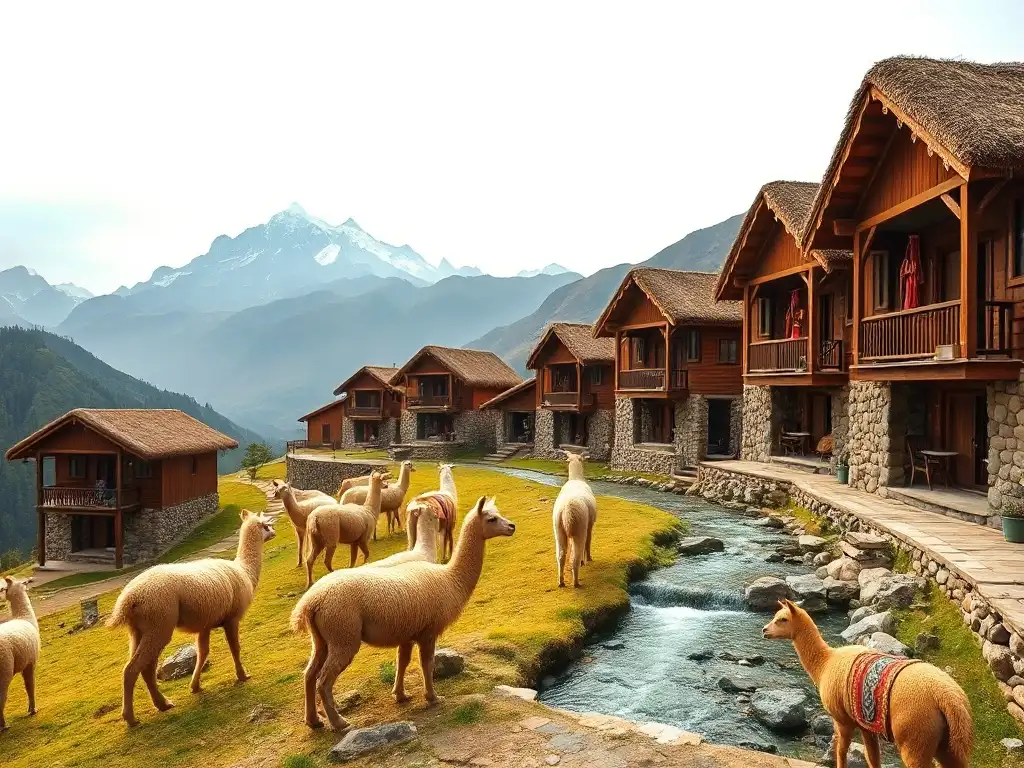
This section explores leading Andean ecolodges that exemplify sustainable tourism practices, highlighting their commitment to environmental preservation and community engagement. We’ll delve into specific examples, showcasing how these establishments contribute to the preservation of the fragile Andean ecosystem while offering enriching cultural experiences for visitors. Understanding the nuances of Andean ecolodges and their sustainable tourism initiatives is crucial for travelers seeking responsible and impactful journeys.
This exploration will focus on the intersection of luxury, conservation, and cultural immersion within the Andean context, showcasing how sustainable tourism can thrive in this unique environment. The keyword "Andean ecolodges sustainable tourism" is central to this discussion.
Introduction to Sustainable Andean Tourism and Its Benefits
Sustainable tourism in the Andes is not merely a trend; it's a necessity. The region's breathtaking landscapes and unique biodiversity are vulnerable to the pressures of mass tourism. Andean ecolodges, however, offer a compelling alternative, prioritizing minimal environmental impact and maximum benefit for local communities. These establishments often incorporate locally sourced materials in their construction, employ local staff, and actively participate in conservation projects.
The benefits extend beyond environmental protection. Sustainable tourism fosters economic development in rural communities, empowering local populations and preserving their cultural heritage. This approach directly contributes to the long-term viability of the Andean ecosystem and its vibrant cultures.
It offers a more authentic and meaningful experience for travelers, who can actively contribute to positive change while enjoying the beauty of the Andes. By choosing Andean ecolodges, tourists become participants in a responsible and rewarding form of sustainable tourism. This mindful approach ensures that the region's natural beauty and cultural richness are preserved for generations to come.
Inkaterra Machu Picchu Pueblo Hotel: A Luxury Example of Andean Sustainability
Inkaterra Machu Picchu Pueblo Hotel stands as a prime example of luxury intertwined with sustainable practices in the Andean region. This iconic hotel seamlessly blends high-end accommodations with a deep commitment to environmental conservation and community engagement. Its success showcases the viability of sustainable luxury tourism within the context of the Andes, demonstrating that high standards of comfort and service can coexist with responsible environmental and social practices. This approach resonates strongly with the growing segment of travelers seeking authentic and meaningful experiences, aligning perfectly with the demand for "Andean ecolodges sustainable tourism."
Features of Inkaterra's Eco-Conscious Approach
Inkaterra’s commitment to sustainability is multifaceted. The hotel utilizes locally sourced materials in its construction, minimizing its carbon footprint. They actively participate in reforestation projects, contributing to the preservation of the Andean cloud forest. Water conservation is a priority, with innovative systems implemented to minimize water usage.
Furthermore, Inkaterra supports local communities through employment and the sourcing of products and services, fostering economic development within the region. Their dedication to sustainable practices extends to their energy usage, with a focus on renewable energy sources whenever possible. This comprehensive approach to sustainability, encompassing environmental protection, social responsibility, and economic viability, positions Inkaterra as a leader in Andean ecolodges sustainable tourism.
Booking Options and Affiliate Opportunities
Booking options for Inkaterra Machu Picchu Pueblo Hotel are readily available through their official website and various travel agencies. Information regarding pricing and availability can be obtained directly from them. For those interested in affiliate opportunities, details on their partner programs can likely be found on their website or by contacting their marketing department. [Specific information pending: Details on affiliate commission structures and program requirements]. Exploring these options can provide valuable revenue streams for travel bloggers and businesses focused on sustainable tourism in the Andes.
The Unique Experience: Immersive Andean Culture
Beyond its ecological commitment, Inkaterra offers a deeply immersive cultural experience. Guests can participate in guided tours that showcase the region's rich history and traditions. Interactions with local communities are encouraged, offering genuine insights into Andean life and culture.
The hotel’s design and architecture are inspired by traditional Andean styles, creating an authentic and harmonious environment. This cultural immersion complements the hotel's environmental initiatives, creating a holistic and enriching experience for visitors, further solidifying its position as a leader in Andean ecolodges sustainable tourism. The hotel's dedication to both sustainability and cultural preservation provides a compelling example for other establishments in the region.
Sacha Lodge, Ecuador: A Model for Sustainable Amazonian Lodges Near the Andes
Sacha Lodge, nestled on the banks of the Napo River in the Ecuadorian Amazon, serves as a shining example of sustainable tourism, even though it's technically located in the Amazon rainforest and not directly in the Andes mountains. Its proximity to the Andean foothills, however, and its commitment to environmentally responsible practices make it highly relevant to the discussion of Andean ecolodges and sustainable tourism.
The lodge's impact extends beyond its immediate surroundings, influencing sustainable practices in neighboring communities and inspiring other lodges to adopt similar models. Their dedication to minimizing their environmental footprint is evident in their energy sources, waste management systems, and responsible sourcing of materials.
They actively participate in community development projects, supporting local economies and preserving indigenous cultures. This commitment to holistic sustainability makes Sacha Lodge a significant case study for understanding how to balance economic development with environmental protection and cultural preservation—principles crucial to Andean sustainable tourism.
Why Sacha Lodge is Relevant to Andean Sustainable Tourism
While not situated within the Andes themselves, Sacha Lodge's model is directly transferable to Andean ecolodges. The principles of sustainable tourism practiced at Sacha Lodge—responsible waste management, reliance on renewable energy, community engagement, and environmental conservation—are universally applicable. The challenges faced by lodges in the Andes, such as preserving fragile ecosystems and supporting local communities, are similar to those faced by Sacha Lodge.
By studying their successful model, Andean ecolodges can learn valuable lessons about creating profitable and environmentally responsible businesses that contribute positively to the local communities and the broader Andean region. The lodge demonstrates that sustainable tourism is not just an ideal but a viable and successful business model, even in remote locations. This success story provides hope and inspiration for developing similar projects throughout the Andes.
Ecotourism Activities and Wildlife Observation in the Region
Sacha Lodge offers a variety of ecotourism activities focusing on responsible wildlife observation and exploration of the surrounding rainforest. Guided nature walks allow guests to experience the diverse flora and fauna of the Amazon, learning about the delicate ecosystem and the importance of conservation. Canoe trips provide opportunities for bird watching and spotting other wildlife along the riverbanks. Night walks offer a unique perspective on nocturnal animals.
The lodge prioritizes minimizing the impact of these activities on the environment and wildlife, employing experienced guides who educate visitors about responsible wildlife viewing. These activities are tailored to provide an immersive and educational experience, fostering appreciation for the Amazon's biodiversity and promoting environmental awareness amongst guests. The knowledge gained can be applied to understanding the interconnectedness of Andean ecosystems and the importance of their preservation.
Affiliate Links for Booking Adventures and Stays
[Specific information pending: Affiliate links for booking adventures and stays at Sacha Lodge. This section requires the addition of affiliate links to complete it.] This section would ideally include various links to reputable booking platforms offering discounts or special deals for visitors to the Sacha Lodge. These links would allow readers to easily book their trips and support the lodge's sustainable practices. Including various options, such as direct booking links to the lodge's website and links to well-known travel agencies, would enhance user experience and ensure a variety of booking choices.
El Albergue Ollantaytambo: A Budget-Friendly Option for Sustainable Travel in the Andes
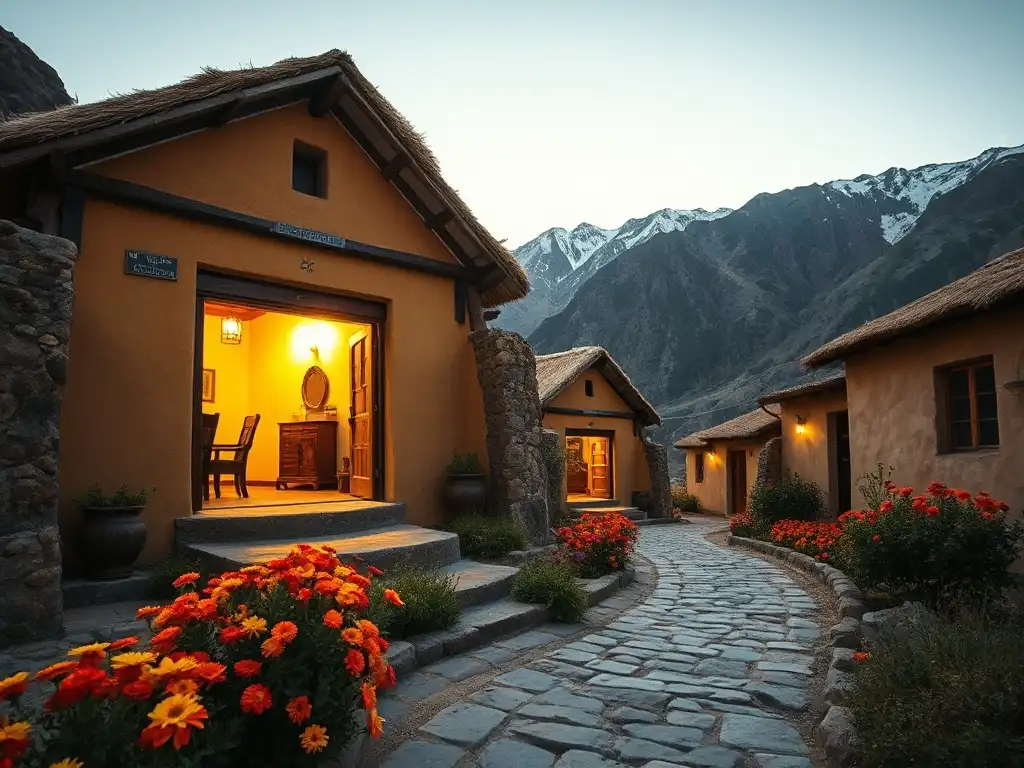
El Albergue Ollantaytambo, located in the Sacred Valley of the Incas near Ollantaytambo, Peru, provides an excellent example of a budget-friendly ecolodge committed to sustainable tourism in the Andes. It caters to travelers seeking an authentic Andean experience without compromising their commitment to environmentally responsible travel. The lodge prioritizes using locally sourced materials in its construction and operation, supporting local artisans and reducing its carbon footprint.
Water conservation and waste reduction practices are implemented throughout the lodge, minimizing its environmental impact. By offering affordable accommodation, El Albergue Ollantaytambo makes sustainable travel accessible to a wider range of travelers, demonstrating that responsible tourism doesn't necessarily have to be expensive.
Highlighting Affordable Sustainable Stays in the Andes
The affordability of El Albergue Ollantaytambo highlights the crucial point that sustainable tourism doesn't have to be a luxury reserved for affluent travelers. Many travelers are passionate about sustainable practices but are constrained by budget limitations. By offering competitive prices, El Albergue demonstrates that it's possible to create a profitable business model while adhering to strong environmental and social responsibility principles. This approach makes sustainable travel more accessible and inclusive, encouraging a broader range of tourists to choose eco-friendly options. This model is particularly important in the Andean region, where many local communities rely on tourism for their livelihoods.
Unique Features & Cultural Immersion Opportunities
El Albergue Ollantaytambo distinguishes itself through its commitment to cultural immersion. Beyond providing comfortable and affordable accommodation, the lodge actively engages with the local community, offering opportunities for guests to interact with local artisans and learn about traditional Andean culture. This might include workshops on traditional crafts, cooking classes featuring local ingredients, or guided tours highlighting the region's history and heritage.
By integrating cultural experiences into their offerings, the lodge promotes cultural preservation and provides guests with a richer and more meaningful travel experience. This approach enriches the overall sustainable tourism experience, highlighting the importance of cultural sensitivity and respect.
Affiliate Options for Budget Travelers
[Specific information pending: Affiliate links for booking budget-friendly stays at El Albergue Ollantaytambo.] This section would benefit from the inclusion of affiliate links to various budget travel platforms and booking sites that feature El Albergue Ollantaytambo. These links should prioritize platforms that cater to budget-conscious travelers and offer discounts or deals. Including a diverse range of booking options would allow readers to choose the platform that best suits their needs and preferences, ensuring a seamless and convenient booking process.
Posada Amazonas, Peru: Focusing on Community-Based Tourism
Posada Amazonas stands as a shining example of how ecolodges can contribute significantly to Andean ecolodges sustainable tourism. Nestled within the Tambopata National Reserve in the Peruvian Amazon, this lodge isn't just a place to stay; it's a living testament to community-based tourism. Its success stems from a deep commitment to empowering the local indigenous communities, the Ese Eja people, who are actively involved in the lodge's management and operations.
This ensures that the economic benefits of tourism directly support the community's development and preservation of their rich cultural heritage. The lodge's design and construction prioritize sustainable materials and practices, minimizing environmental impact while providing a comfortable and immersive experience for guests.
This commitment extends beyond the physical structure; the lodge actively promotes responsible wildlife viewing and educates guests about the importance of preserving the Amazonian ecosystem. The very existence of Posada Amazonas demonstrates the powerful synergy between economic viability and environmental responsibility, a key component of Andean ecolodges sustainable tourism.
Supporting Local Communities through Sustainable Tourism
The economic impact of Posada Amazonas on the surrounding Ese Eja communities is substantial. A significant portion of the lodge's profits are reinvested directly into community projects, such as healthcare initiatives, education programs, and infrastructure development. This direct financial support ensures that the benefits of tourism are tangible and long-lasting, fostering a sense of ownership and pride within the community. Furthermore, the lodge provides local employment opportunities, offering a stable source of income and valuable skills training to community members.
This includes not only positions directly within the lodge itself but also in related industries, such as guiding and transportation services. This multifaceted approach ensures that the economic benefits are widely distributed and sustainable, supporting the community's overall economic well-being. This model serves as a best-practice example for other ecolodges aiming to implement truly sustainable and community-focused tourism practices in the Andes.
Ethical Travel Practices and Cultural Exchange
Beyond the economic benefits, Posada Amazonas prioritizes ethical travel practices and genuine cultural exchange. The lodge actively involves the Ese Eja community in designing guest experiences, ensuring that cultural traditions are respectfully shared and celebrated. This includes opportunities for guests to learn about traditional crafts, participate in cultural ceremonies (with appropriate permissions and respect), and engage in meaningful interactions with community members.
This fosters a deeper understanding and appreciation of the Ese Eja culture, moving beyond superficial tourism interactions. The lodge also implements strict guidelines to minimize environmental impact, promoting responsible wildlife viewing and educating guests about the fragility of the Amazonian ecosystem.
This commitment to ethical practices extends to all aspects of the lodge's operations, from waste management to resource conservation, ensuring that the impact on the environment and the local community is minimal and positive. This commitment to cultural sensitivity and environmental responsibility is a cornerstone of Andean ecolodges sustainable tourism.
Affiliate Program and Benefits
Posada Amazonas, recognizing the importance of broader engagement, has implemented a successful affiliate program. This program allows individuals and organizations to promote the lodge and its sustainable tourism practices. Affiliates receive a commission on bookings generated through their referrals, providing a financial incentive to support the lodge's mission.
Furthermore, this program expands the reach of Posada Amazonas's message of responsible tourism, helping to educate a wider audience about the importance of community-based and environmentally conscious travel. The success of this affiliate program highlights the potential for collaborative approaches to promote Andean ecolodges sustainable tourism, fostering a wider network of support for ethical and sustainable travel practices within the Andean region.
This innovative approach demonstrates a commitment not only to environmental and community sustainability, but also to the long-term viability of sustainable tourism itself. The program showcases a progressive model for other ecolodges to consider, fostering a collaborative and impactful approach to responsible tourism in the Andes.
Understanding Sustainable Practices in Andean Ecolodges
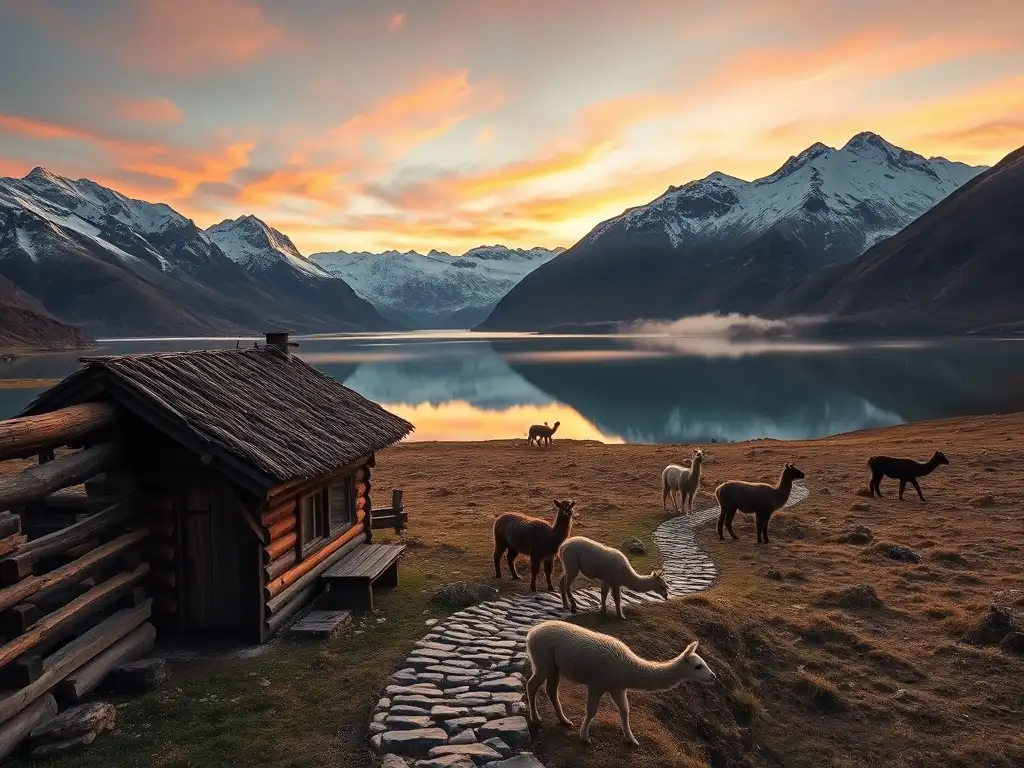
The burgeoning interest in Andean ecolodges reflects a growing global commitment to sustainable tourism. These lodges aren't just beautiful places to stay; they represent a conscious effort to minimize environmental impact while maximizing the positive contribution to local communities. Understanding the sustainable practices employed is crucial for discerning travelers seeking authentic and responsible experiences. This section delves into the specific strategies implemented by Andean ecolodges to ensure a lighter footprint on this fragile yet breathtaking landscape. The focus on Andean ecolodges sustainable tourism is paramount to preserving the region's unique beauty for generations to come.
Water Conservation Methods in Andean Ecolodges
Water scarcity is a significant challenge in many Andean regions. Ecolodges are at the forefront of implementing innovative water conservation methods, recognizing that responsible water management is essential for both ecological preservation and the long-term viability of their operations. These methods are not only environmentally responsible but also contribute to cost savings and operational efficiency.
Examples of Water Recycling and Efficient Usage
Many Andean ecolodges employ greywater recycling systems. Greywater, which includes wastewater from showers and sinks (excluding toilet water), is treated and reused for irrigation of gardens and landscaping. This significantly reduces the demand on local water resources. Furthermore, low-flow showerheads, faucets, and toilets are standard features, minimizing water consumption without compromising comfort.
Some lodges even collect rainwater for non-potable uses, reducing reliance on municipal water supplies. Data on water savings varies between lodges, depending on size and specific technologies implemented, but reductions of 30-50% are not uncommon. For example, one lodge in the Sacred Valley reported a 42% reduction in water usage after implementing a greywater recycling system and installing low-flow fixtures.
Products Promoting Water Conservation in Ecolodges [Example: LifeStraw Water Filter]
Beyond infrastructure upgrades, Andean ecolodges often promote individual water conservation through the provision of information and the use of specific products. Providing guests with reusable water bottles encourages them to refill rather than constantly using single-use plastic bottles. Furthermore, some lodges utilize water filters like LifeStraws, providing guests with safe drinking water without relying on bottled water, reducing plastic waste and supporting responsible consumption.
The adoption of such products directly contributes to the overall sustainability goals of the ecolodge and promotes environmentally conscious behavior among visitors. The educational component is equally important, with many lodges providing brochures and information sessions highlighting the importance of water conservation in the Andean region.
Energy Efficiency and Renewable Resources in Andean Tourism
Minimizing energy consumption is another cornerstone of sustainable practices in Andean ecolodges. The reliance on renewable energy sources and the implementation of energy-efficient technologies are crucial steps towards reducing the carbon footprint of tourism in this sensitive environment. This commitment to energy efficiency directly supports the broader goal of Andean ecolodges sustainable tourism.
Solar Power and Other Renewable Energy Sources in Action
Solar power is increasingly prevalent in Andean ecolodges. Many lodges utilize solar panels to generate electricity, reducing their dependence on fossil fuels and lowering greenhouse gas emissions. This is particularly effective in regions with abundant sunshine.
Beyond solar, some lodges explore other renewable energy sources such as hydropower (where appropriate and sustainably managed) and biogas digesters. The specific energy mix varies depending on location and available resources, but the commitment to renewable energy is a common thread among truly sustainable lodges. Detailed energy audits and reports are often available upon request, showcasing the lodge's commitment to transparency and responsible energy management.
Products Promoting Energy Efficiency [Example: Anker Power Bank]
Encouraging energy-conscious behavior among guests is also a key aspect. Providing information on energy-saving practices within the lodge rooms, such as turning off lights and appliances when not in use, is common. Some lodges even provide guests with portable power banks, like Anker power banks, to minimize their reliance on constantly charging devices in the lodge, thereby reducing energy consumption.
This reduces the overall energy demand placed on the lodge's systems and contributes to a more sustainable tourist experience. The integration of such simple yet effective strategies underscores the holistic approach taken by many Andean ecolodges towards responsible energy management and its contribution to the broader goal of Andean ecolodges sustainable tourism.
Waste Management and Recycling Initiatives in Eco-Lodges
Andean ecolodges are increasingly adopting innovative waste management strategies to minimize their environmental footprint and promote sustainable tourism. These initiatives go beyond simple trash disposal and actively incorporate recycling and composting programs. The success of these programs hinges on a combination of effective infrastructure, staff training, and guest education.
Many lodges now employ a multi-pronged approach, separating waste at the source into categories such as organic matter, plastics, glass, paper, and metal. This allows for efficient recycling and composting processes, reducing the amount of waste sent to landfills. Furthermore, the commitment extends beyond the lodge itself; some ecolodges collaborate with local communities to establish shared waste management systems, fostering a sense of collective responsibility.
This collaborative approach not only benefits the environment but also strengthens the ties between the lodges and the surrounding communities. The ultimate goal is to achieve zero waste, a challenging but increasingly attainable target for eco-conscious establishments.
Recycling Programs and Composting Techniques
Effective recycling programs in Andean ecolodges often involve partnerships with local recycling centers or cooperatives. These partnerships ensure that recyclable materials are properly processed and reused, reducing the demand for virgin resources. Commonly recycled materials include plastic bottles, aluminum cans, and glass, with some lodges even implementing programs for paper and cardboard recycling.
Beyond recycling, composting plays a crucial role in waste reduction. Organic waste, including food scraps and yard waste, is composted on-site, creating nutrient-rich soil for the lodge's gardens or donated to local farmers. This process reduces landfill waste and contributes to the lodge's overall sustainability goals.
Some lodges utilize innovative composting techniques, such as vermicomposting (using worms), to accelerate the decomposition process and enhance the quality of the compost. Detailed records are often kept to monitor the effectiveness of both recycling and composting programs, allowing for continuous improvement and optimization. These data-driven approaches demonstrate a commitment to transparency and accountability in sustainable waste management practices.
Products for Waste Reduction [Example: Klean Kanteen Water Bottle]
Many Andean ecolodges actively promote waste reduction by providing guests with reusable alternatives to single-use plastics. A common example is the provision of reusable water bottles, such as Klean Kanteens, eliminating the need for disposable plastic bottles. This simple yet impactful strategy significantly reduces plastic waste and aligns with the lodge's commitment to environmental responsibility.
Beyond water bottles, some lodges offer reusable bags for shopping, eliminating the need for plastic shopping bags. They may also use biodegradable or compostable toiletries and cleaning products, minimizing the environmental impact of these items. Encouraging guests to bring their own reusable items is also a common practice, further reducing waste generation.
These initiatives not only benefit the environment but also create a positive guest experience, reinforcing the lodge's dedication to sustainability and responsible tourism. The overall adoption of reusable products reflects a growing trend towards minimizing waste and promoting eco-conscious practices within the Andean ecotourism sector.
Supporting Local Communities and Indigenous Cultures
Sustainable tourism in the Andes is inextricably linked to supporting local communities and preserving indigenous cultures. Andean ecolodges recognize the importance of this connection and actively seek to integrate their operations with the surrounding communities. This goes beyond simply employing local staff; it involves creating economic opportunities, respecting cultural traditions, and ensuring that the benefits of tourism are shared equitably.
Many lodges source food and other supplies locally, supporting local farmers and artisans, and contributing to the local economy. This commitment to local sourcing not only enhances the quality and authenticity of the lodge's offerings but also directly benefits the communities.
How Ecolodges Contribute to Andean Communities
Ecolodges contribute to Andean communities in various ways, fostering sustainable development and preserving cultural heritage. One significant contribution is job creation. Ecolodges employ local people in various roles, from housekeeping and maintenance to guiding and hospitality, providing income and opportunities for professional development. Training programs are often implemented to enhance the skills of local employees, empowering them to participate more actively in the tourism sector.
Furthermore, many lodges invest in community development projects, supporting initiatives in education, healthcare, and infrastructure. This commitment to community development ensures that the benefits of tourism extend beyond the lodge itself, improving the quality of life for the surrounding communities. The collaborative approach ensures that local voices are heard and respected, fostering a sense of ownership and mutual benefit.
Opportunities for Cultural Exchange and Fair Trade
Andean ecolodges offer unique opportunities for cultural exchange and fair trade practices. By employing local guides, lodges provide guests with authentic insights into the region's history, culture, and traditions. This fosters cultural understanding and appreciation, benefiting both guests and the community. Furthermore, many lodges actively promote fair trade practices, sourcing handcrafted goods and artwork from local artisans.
This supports local businesses, ensures fair compensation for artisans, and allows guests to purchase unique and ethically produced souvenirs. The integration of cultural experiences into the lodge's offerings, such as traditional music performances or cooking classes, further enriches the guest experience and provides opportunities for meaningful cultural exchange. This approach ensures that tourism contributes positively to the preservation and celebration of Andean cultures. The emphasis on fair trade and cultural exchange strengthens the bond between the ecolodge and the community, creating a mutually beneficial and sustainable partnership.
Planning Your Eco-Friendly Trip to the Andes

This section delves into the practical aspects of planning a sustainable and responsible trip to the Andes, focusing on minimizing your environmental impact while maximizing your cultural immersion. Understanding the nuances of sustainable travel in this unique region is crucial, and we'll equip you with the knowledge to make informed choices. Let's explore how to plan your Andean ecolodges sustainable tourism experience.
Choosing the Right Time to Visit the Andes for Sustainable Tourism
The Andes' diverse geography and climate mean that the "best" time to visit depends heavily on your planned activities and the specific region you'll be exploring. Choosing the right time can significantly impact your experience and the environmental footprint of your trip.
Considerations for Sustainable Travel Throughout the Year
- Shoulder Seasons (April-May & September-October): These months generally offer a sweet spot: pleasant weather, fewer crowds than peak season (June-August & December-March), and a lower impact on local infrastructure. This is ideal for those seeking a balance between comfortable conditions and responsible travel.
- Wet Season (November-March): While rain can disrupt some activities, the wet season brings lush landscapes and fewer tourists. If you're prepared for occasional showers and embrace the adventure, you'll experience a different, vibrant side of the Andes. Remember to pack appropriate rain gear!
- Dry Season (April-October): This is peak tourist season, meaning higher prices and more crowds. Consider the increased environmental strain on resources due to higher visitor numbers. If you choose to travel during this time, prioritize eco-lodges and responsible tour operators to minimize your impact.
Best Seasons for Specific Activities
| Activity | Best Season(s) | Considerations |
|---|---|---|
| Trekking & Hiking | Dry Season (April-October) | Trails can be muddy and difficult in the wet season. |
| Birdwatching | Dry Season (April-October) | Easier to spot birds in clearer conditions. |
| Cultural Experiences | Year-round | Consider local festivals and events when planning your trip. |
| Whitewater Rafting | Wet Season (November-March) | River levels are higher and more suitable for rafting during this period. |
The timing of your trip directly affects your carbon footprint. Flights and transportation are major contributors, and choosing off-peak travel times can help reduce the overall environmental burden of Andean ecolodges sustainable tourism.
Packing Essentials for an Eco-Conscious Andean Adventure
Packing light and choosing sustainable, reusable items is key to minimizing your environmental impact. Avoid single-use plastics and prioritize items that can be used repeatedly throughout your trip.
Recommended Gear for Responsible Hiking and Exploration
- Reusable Water Bottle: Staying hydrated is essential, and reusable bottles eliminate plastic waste.
- Sustainable Backpack: Opt for a durable, well-made backpack that will last for many adventures.
- Eco-Friendly Sunscreen & Insect Repellent: Choose products with biodegradable ingredients to protect both your skin and the environment.
- Reusable Food Containers: Pack lunches and snacks in reusable containers to avoid disposable packaging.
- Multi-purpose Clothing: Pack versatile clothing items that can be layered to adapt to changing weather conditions.
- Repair Kit: A small repair kit can help extend the life of your gear and reduce waste.
Affiliate Links for Sustainable Travel Products
[Specific information pending – This section would ideally include links to ethically sourced and sustainable travel products. This requires further research and partnership with relevant businesses.] This would provide readers with resources to purchase eco-friendly gear for their Andean adventure, further supporting sustainable tourism practices. The inclusion of affiliate links would be beneficial to both the reader and the website. This section would also include a disclaimer about affiliate links.
Remember, responsible packing is a key component of Andean ecolodges sustainable tourism, allowing you to enjoy the beauty of the Andes while minimizing your environmental footprint. 🏔️
Booking Your Sustainable Andean Getaway
Planning a trip that minimizes your environmental impact and supports local communities requires careful consideration. Choosing the right ecolodge and tour operator is crucial for ensuring your Andean adventure aligns with sustainable tourism principles. Many lodges and tour companies actively promote environmentally responsible practices, but it's essential to verify their claims.
Look for certifications, testimonials, and transparent information about their sustainability initiatives. Don't hesitate to contact the lodge or tour operator directly to inquire about their specific practices and ask detailed questions about their waste management, water conservation, and community engagement programs. Remember, a truly sustainable Andean getaway isn't just about the destination; it's about the journey and the impact you leave behind.
A responsible traveler will actively seek out businesses that prioritize the well-being of the environment and the local people. Consider the carbon footprint of your travel – opting for trains or buses over flights whenever feasible contributes significantly to a lower-impact trip.
Tips for Finding Reputable and Ethical Tour Operators
Finding trustworthy and ethical tour operators for your Andean adventure is paramount. Look for operators who are members of recognized sustainable tourism organizations. These organizations often have rigorous standards and vetting processes, providing a degree of assurance about the operator's commitment to sustainability. Read online reviews carefully, paying attention not just to the overall rating but also to specific comments about environmental and social responsibility.
Do they mention fair wages for guides and staff? Are there details about their commitment to waste reduction and responsible resource management? A reputable operator will be transparent about their practices and happy to answer your questions. Don't be afraid to ask probing questions about their environmental and social policies.
Consider contacting local communities directly to inquire about recommended tour operators with a proven track record of ethical and sustainable practices. Word-of-mouth recommendations from previous travelers can also be incredibly valuable. Remember, your choice of tour operator directly impacts the local environment and communities, so thorough research is essential. Choosing wisely ensures your trip contributes positively to the region.
Affiliate Links for Booking Tours and Stays
While many websites offer affiliate links for booking tours and stays, it's crucial to approach these with a discerning eye. Not all affiliate links support sustainable tourism. Before clicking on an affiliate link, investigate the company being promoted. Does their website clearly outline their commitment to sustainable practices?
Do they actively support local communities and engage in responsible environmental stewardship? Look for evidence of certifications or affiliations with reputable sustainable tourism organizations. If the information isn't readily available or seems vague, it's best to err on the side of caution and seek out booking options directly from the ecolodge or tour operator. By doing so, you can ensure that a greater percentage of your money directly supports the businesses committed to preserving the Andean environment and culture.
Choosing to book directly also allows for more personalized communication and a greater understanding of the business's practices. Remember, responsible travel involves making informed choices, and this extends to how you book your Andean getaway. Your choice can make a real difference.
Conclusion: Embracing Sustainable Travel in the Andean Region
The Andean region, a tapestry woven with ancient civilizations and breathtaking landscapes, faces the challenge of balancing economic development with environmental preservation and cultural integrity. The rise of Andean ecolodges represents a significant step towards sustainable tourism, offering travelers a unique opportunity to experience the Andes while minimizing their environmental footprint and contributing positively to local communities.
By choosing to stay in these eco-conscious establishments, tourists actively participate in the conservation of this precious region, supporting initiatives that protect biodiversity, preserve cultural heritage, and empower local populations. The success of this model hinges on a collaborative effort between lodge operators, local communities, and conscious travelers.
The Future of Ethical and Sustainable Tourism in the Andes
The future of ethical and sustainable tourism in the Andes is bright, but requires continued innovation and commitment. We can anticipate several key trends:
- Increased Demand for Authentic Experiences: Travelers are increasingly seeking immersive and authentic experiences that connect them with the local culture and environment. This translates to a growing demand for ecolodges offering unique cultural activities, such as traditional weaving workshops, Andean cooking classes, and guided hikes led by local experts.
- Technological Advancements: Technology will play an increasingly crucial role in promoting sustainable practices. This includes the use of renewable energy sources, efficient water management systems, and innovative waste reduction strategies within Andean ecolodges. Digital platforms can also facilitate transparent communication about a lodge's sustainability initiatives, allowing travelers to make informed choices.
- Strengthened Community Partnerships: Successful sustainable tourism relies on strong partnerships between lodge operators and local communities. This collaboration ensures that economic benefits are fairly distributed, empowering local populations and fostering a sense of ownership over the preservation of their cultural heritage and natural environment. Fair trade practices and community-based tourism initiatives will be essential.
- Certification and Standards: The development and implementation of robust certification standards for sustainable tourism in the Andes will provide travelers with a reliable benchmark for assessing the ecological and social responsibility of ecolodges and other tourism operators. This will increase transparency and build consumer trust.
- Government Regulation and Support: Supportive government policies and regulations are critical for fostering sustainable tourism practices. This includes incentives for eco-friendly businesses, stricter environmental regulations, and initiatives to promote responsible travel among tourists.
Contributing to the Preservation of Andean Culture and Environment
Choosing Andean ecolodges is not merely a travel decision; it's a commitment to preserving the rich cultural heritage and fragile ecosystems of the Andes. By supporting these businesses, tourists directly contribute to:
- Biodiversity Conservation: Many ecolodges actively participate in conservation efforts, such as protecting endangered species, reforestation projects, and promoting sustainable agricultural practices. This helps maintain the unique biodiversity of the Andean region.
- Cultural Preservation: Ecolodges often work closely with local communities to showcase traditional crafts, music, and storytelling. This helps preserve and promote Andean culture, ensuring its continuity for generations to come. Supporting local artisans through purchasing their products directly contributes to this effort.
- Economic Empowerment: The revenue generated by ecolodges often directly benefits local communities, providing employment opportunities and improving the livelihoods of residents. This reduces reliance on unsustainable practices and fosters a sense of pride in the local culture and environment.
- Reduced Environmental Impact: Ecolodges prioritize minimizing their environmental footprint through the use of renewable energy, responsible waste management, and water conservation measures. This helps to protect the Andean environment from the negative impacts of mass tourism.
By consciously choosing sustainable travel options, visitors can play a vital role in safeguarding the future of the Andes, ensuring that this remarkable region remains a place of beauty, cultural richness, and ecological integrity for years to come. The impact of individual choices, when multiplied by thousands of travelers, is substantial, creating a powerful force for positive change in the Andean region. 🌎
Frequently Asked Questions
What is sustainable tourism in the Andes?
Sustainable tourism in the Andes focuses on minimizing environmental impact while benefitting local communities. It involves responsible travel that preserves the region's unique culture and natural beauty for future generations.
How do Andean eco-lodges contribute to sustainability?
Andean eco-lodges often implement practices like using renewable energy, supporting local businesses, and conserving water and resources. They also educate visitors about responsible travel and environmental protection.
What makes an eco-lodge in the Andes different from a regular hotel?
Eco-lodges prioritize environmental responsibility and community engagement more than traditional hotels. They often feature locally sourced materials, eco-friendly amenities, and a strong commitment to minimizing their carbon footprint.
Are there eco-lodges near Inca Trail treks?
Yes, many eco-lodges are located near popular trekking routes, such as the Inca Trail. These lodges offer a comfortable and sustainable base for exploring the region before, during, or after your trek. They often incorporate community-based tourism models.
How can I find Andean eco-lodges that align with my values?
Look for lodges that highlight their sustainable practices and community involvement on their websites. Certifications like Green Globe or Global Sustainable Tourism Council can also indicate a commitment to responsible tourism.
Final Reflection: Weaving Sustainability into the Andean Tapestry
The urgent need for sustainable tourism is no longer a whisper, but a resounding call echoing across the globe, and the Andes, with their breathtaking beauty and fragile ecosystems, stand as a potent example of this necessity. The rise of eco-lodges in this region represents a vital step towards responsible travel, a conscious effort to balance the economic benefits of tourism with the preservation of invaluable natural and cultural heritage. This shift is crucial not only for the Andes, but for all destinations facing the pressures of increasing visitor numbers.
The impact of sustainable practices extends far beyond the immediate environment; it weaves itself into the very fabric of Andean communities. By supporting eco-lodges, we directly contribute to the economic empowerment of local populations, preserving traditional skills and knowledge, and fostering a deeper understanding and appreciation for the region's rich cultural tapestry. As the renowned conservationist, Edward Abbey, once said, A thing is right when it tends to preserve the integrity, stability, and beauty of the biotic community. It is wrong when it tends otherwise.
This simple yet profound statement encapsulates the core principle driving the sustainable tourism movement in the Andes and beyond.
Consider your next journey. Will you choose to tread lightly on the earth, supporting businesses committed to environmental and social responsibility? I invite you to reflect on your travel choices and the impact they have on the places you visit. By consciously selecting eco-lodges and embracing sustainable practices, you become an active participant in preserving the magic of the Andes for generations to come, ensuring that the breathtaking beauty and cultural richness of this remarkable region continue to thrive.
Embrace Sustainable Travel Today!
Thank you for joining us on this journey through the breathtaking world of eco-lodges and sustainable practices in the Andes. You've gained valuable insights into how these eco-friendly retreats enrich travel experiences while preserving the planet's beauty. Now, it's your turn to make a difference!
Here's how you can take action:
- Book a stay at a recommended eco-lodge: Choose a sustainable retreat for your next trip and experience the harmony of nature and exceptional hospitality firsthand.
- Share your adventure: Document your sustainable travel experiences on social media using #AndeanSustainability to inspire responsible exploration in others.
- Engage with local communities: Support local artisans and farmers by purchasing their products or participating in workshops during your travels.
Consider how small changes in your travel habits can contribute to a more sustainable future. Share your thoughts below!