
Whispers of the Past: Supporting Local Economies Through Ethical Travel in the Andes

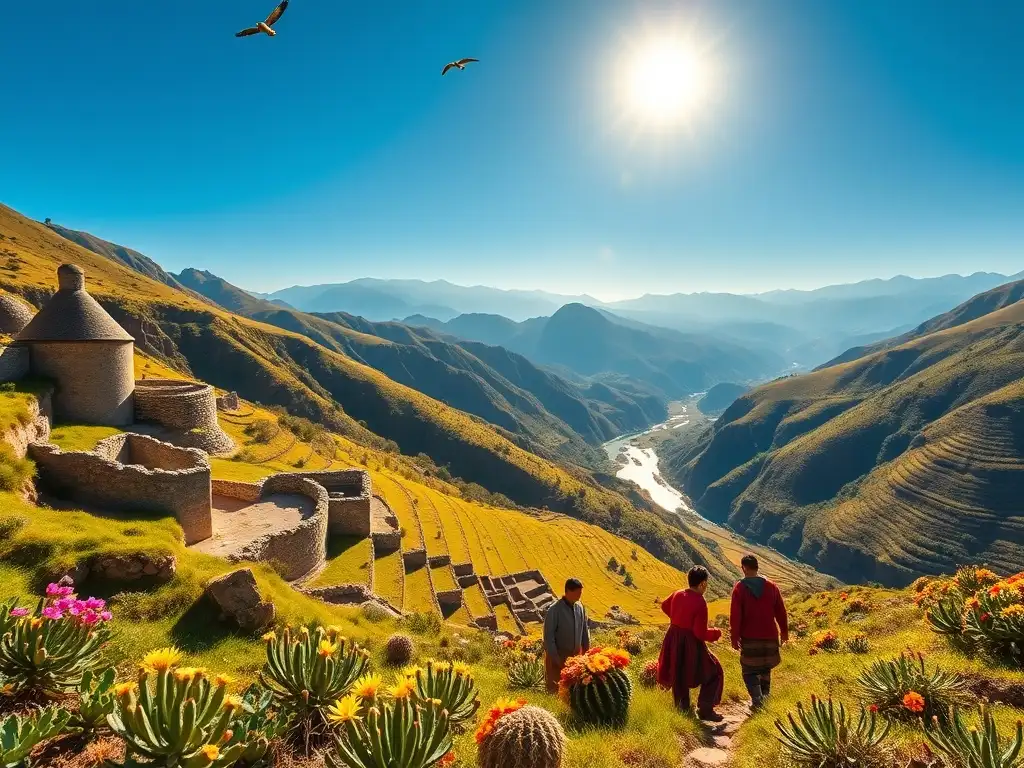
Step into a world lost to time, yet echoing with vibrant life. The Andes whisper secrets of ingenuity and resilience, a legacy woven into the breathtaking landscapes and enduring cultures of the Incas, Moche, Nazca, and Tiahuanaco. But what does it truly mean to experience this heritage responsibly? Discover how ethical tourism Andean civilizations can help preserve these wonders while empowering local communities – a journey of discovery awaits within.
The majestic Andes Mountains, a spine of earth stretching through South America, are home to a breathtaking tapestry of ancient civilizations. From the Inca Empire's sophisticated road systems to the intricate Nazca Lines etched into the desert floor, the region's rich history and cultural heritage draw millions of visitors each year.
However, the influx of tourism presents a complex challenge: how can we appreciate these wonders while ensuring the long-term preservation of both the archaeological sites and the vibrant cultures that still thrive in the Andes today? This article explores the crucial concept of ethical tourism Andean civilizations, examining the negative impacts of irresponsible travel and outlining practical steps towards a more sustainable and beneficial approach that empowers local communities.
We'll delve into the realities faced by Andean communities, showcasing how responsible tourism can directly contribute to economic development and cultural preservation, allowing the "whispers of the past" to continue resonating for generations to come. This isn't just about sightseeing; it's about building a future where exploration and respect go hand in hand.
The Challenge of Tourism in the Andes: Balancing Exploration with Responsibility
The Andean region faces a double-edged sword. Tourism, while offering significant economic potential, can also lead to detrimental consequences if not managed responsibly. The sheer volume of visitors can strain local infrastructure, leading to overcrowding at archaeological sites, increased pollution, and a depletion of natural resources.
Furthermore, the rapid development often associated with tourism can displace local communities and disrupt traditional ways of life. For example, the construction of hotels and resorts can encroach upon sacred lands, and the influx of tourists can lead to price inflation, making essential goods and services unaffordable for locals. This highlights the critical need for a shift towards more responsible tourism practices that prioritize the well-being of Andean communities and the environment.
The challenge lies in finding a balance – a delicate equilibrium between facilitating exploration and ensuring the preservation of this irreplaceable heritage. This requires a concerted effort from tourists, tour operators, and local governments alike.
Understanding the Impact of Unethical Tourism on Andean Communities and Culture
Unethical tourism practices often lead to a range of negative consequences for Andean communities and their cultural heritage. The exploitation of local artisans, paying unfair wages for handcrafted goods, is a common issue. Similarly, the commodification of cultural traditions, such as turning sacred ceremonies into tourist spectacles, can lead to the erosion of cultural identity and the loss of traditional knowledge.
The lack of investment in local infrastructure often means that the economic benefits of tourism bypass the communities that most need them. Moreover, the environmental impact of irresponsible tourism can be devastating, leading to habitat destruction, pollution of water sources, and the depletion of natural resources.
These negative impacts underscore the urgent need for a paradigm shift towards ethical tourism practices that prioritize the well-being of Andean communities and the sustainability of the region's environment. The preservation of Andean culture and its unique biodiversity is intrinsically linked to the economic well-being of its people.
Ethical Tourism Andean Civilizations: A Path Towards Responsible Exploration
Ethical tourism offers a powerful alternative, fostering a mutually beneficial relationship between visitors and host communities. This involves supporting local businesses, engaging with local guides, and respecting local customs and traditions. Choosing accommodations and tour operators committed to sustainable practices is crucial. This means opting for businesses that prioritize fair wages for employees, invest in local communities, and minimize their environmental impact.
Furthermore, responsible tourists actively seek out opportunities to learn about and appreciate the local culture, contributing to the preservation of Andean traditions. By participating in cultural exchange programs, visiting local markets, and supporting local artisans, tourists can directly contribute to the economic empowerment of Andean communities. This approach ensures that the benefits of tourism are shared equitably, fostering a sustainable and respectful relationship between visitors and the communities they visit. The goal is not merely to see the Andes, but to understand and support them.
Defining Ethical Tourism in the Andean Context
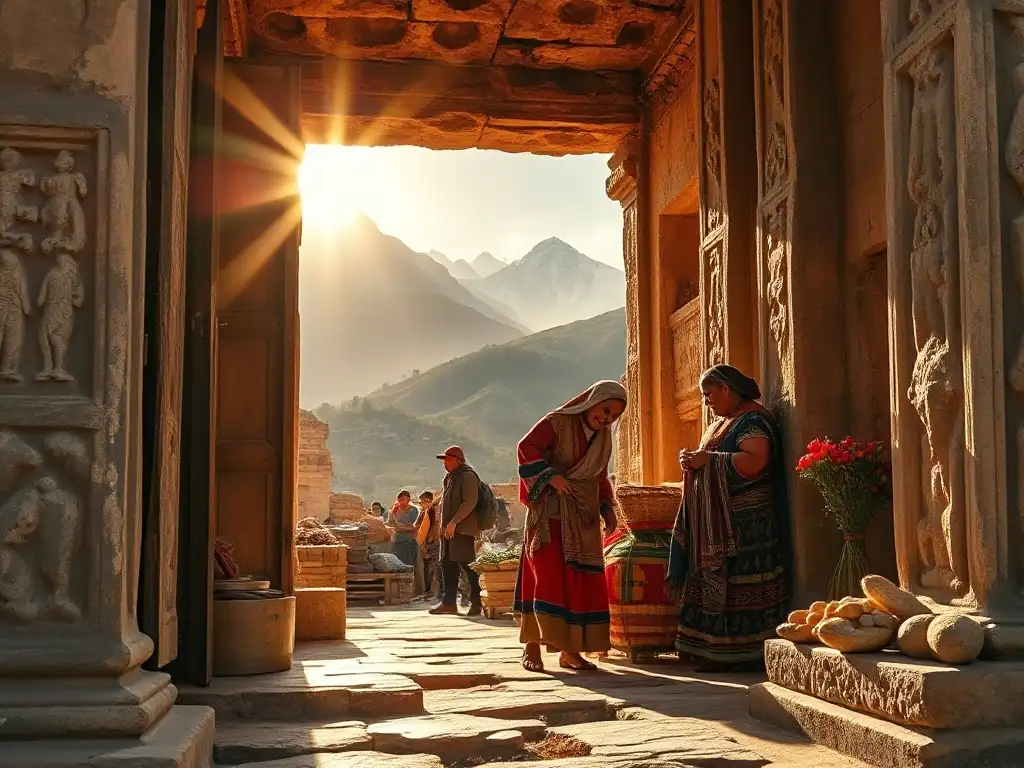
Ethical tourism in the Andes goes beyond simply visiting ancient sites; it's about fostering a respectful and mutually beneficial relationship between travelers and local communities. It demands a conscious effort to understand and appreciate the rich tapestry of Andean cultures, histories, and environments. This means actively seeking out experiences that prioritize the well-being of local people and the preservation of their heritage. Unlike mass tourism, which can often exploit resources and displace communities, ethical tourism aims to minimize its negative impact and maximize its positive contributions.
This involves supporting local businesses, respecting indigenous customs and traditions, and contributing to conservation efforts. A key aspect is ensuring that the economic benefits of tourism are fairly distributed, empowering local communities to control and benefit from the tourism industry within their own territories. This contrasts sharply with models where profits primarily flow to external corporations or individuals.
True ethical tourism in the Andes necessitates a deep commitment to sustainability, both environmentally and socially. It requires a mindful approach, prioritizing authentic interactions and a genuine desire to learn and contribute positively to the region. The focus shifts from simply "seeing" the Andes to truly "experiencing" them in a way that respects their delicate balance and empowers their people.
The Benefits of Ethical Travel: Preserving Culture and Empowering Communities
Ethical travel in the Andean region offers a multitude of benefits, extending far beyond the personal enrichment of the traveler. By choosing to support local businesses and communities, tourists directly contribute to the preservation of unique cultural traditions and practices. For example, opting for locally-owned hotels and restaurants ensures that income stays within the community, supporting families and sustaining local economies. This contrasts with large, international hotel chains where profits often leave the region entirely. Furthermore, supporting local artisans through the purchase of authentic handicrafts helps to preserve traditional skills and knowledge passed down through generations.
The purchasing of these items directly supports the artisans, allowing them to continue their craft and ensuring the longevity of their cultural heritage. This creates a virtuous cycle, where the economic benefits of tourism directly translate into the preservation of cultural identity. The empowerment of communities is another significant benefit. Ethical tourism initiatives frequently involve community-based tourism projects, where local people play a central role in designing and managing tourism experiences.
This fosters a sense of ownership and pride, strengthening community bonds and promoting self-reliance. The result is not only an improved standard of living for local residents but also a more authentic and enriching experience for the traveler, offering a deeper understanding of the Andean way of life. This mutually beneficial relationship exemplifies the true spirit of ethical and sustainable tourism. The preservation of cultural heritage and the empowerment of local communities are intertwined, creating a powerful and positive impact on the Andes.
- The Challenge of Tourism in the Andes: Balancing Exploration with Responsibility
- Understanding the Impact of Unethical Tourism on Andean Communities and Culture
- Ethical Tourism Andean Civilizations: A Path Towards Responsible Exploration
- Defining Ethical Tourism in the Andean Context
- The Benefits of Ethical Travel: Preserving Culture and Empowering Communities
- What is ethical tourism in the context of the Andean civilizations?
- How can I ensure my trip to the Andes is ethically sound?
- What are some examples of unethical tourism practices in the Andes?
- How can my travel dollars contribute positively to Andean communities?
- Are there any specific organizations supporting ethical tourism in the Andean region?
Solutions: Practical Ways to Engage in Sustainable Travel in the Andes
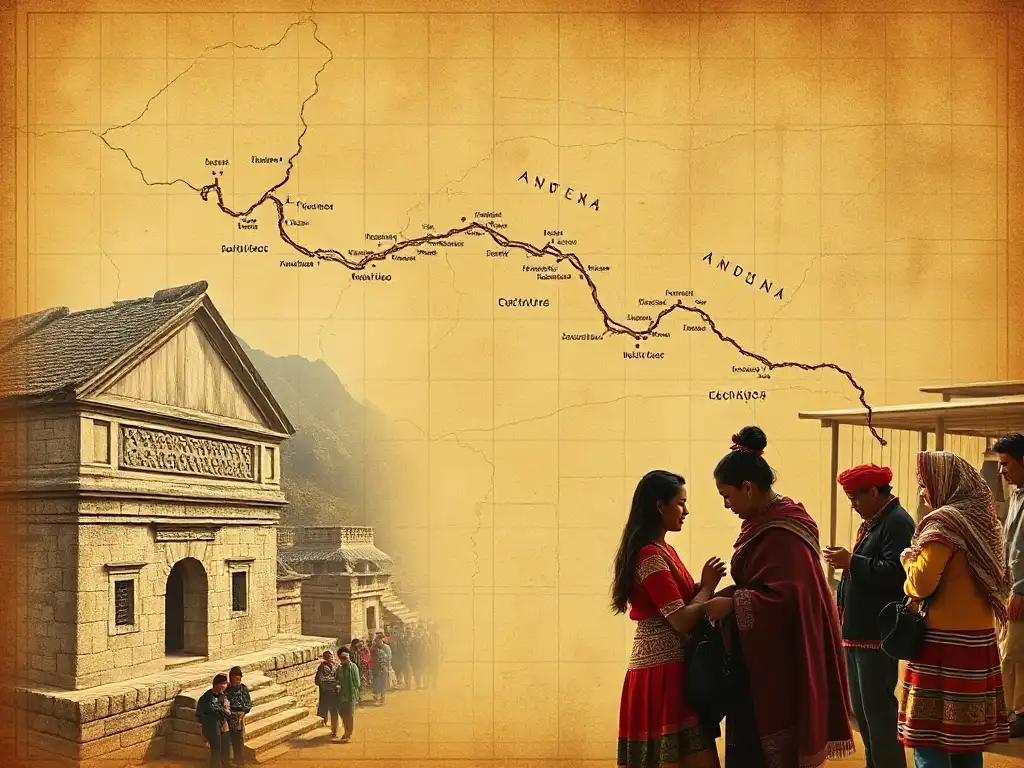
This section offers concrete steps to ensure your Andean adventure contributes positively to the local economies and preserves the rich cultural heritage of the region. Ethical tourism in the Andes isn't just a trend; it's a responsibility. By making conscious choices, you can become an active participant in the sustainable development of these incredible communities. Let's explore how.
Choosing Responsible Tour Operators and Guides
Selecting the right tour operator is paramount for ethical Andean tourism. Look for companies actively involved in community development projects. These projects might include supporting local schools, funding infrastructure improvements, or preserving ancient sites. Don't hesitate to ask potential operators about their commitment to sustainable practices. Do they employ local guides? Do they prioritize minimizing their environmental impact? Do they contribute a portion of their profits back to the communities they serve?
A responsible operator will be transparent about their practices. They will readily provide information on their environmental policies, community engagement initiatives, and fair labor practices. For example, a truly ethical operator might partner with local communities to offer unique experiences, such as traditional weaving workshops or homestays, directly benefiting local families. Avoid companies that only offer superficial interactions with local culture, focusing instead on those who foster genuine exchange and respect. Choosing a locally-owned tour operator is a great way to inject money directly into the Andean economy.
Consider the following checklist when evaluating tour operators:
| Feature | Positive Indicator | Negative Indicator |
|---|---|---|
| Community Involvement | Details specific community projects supported; demonstrates tangible benefits. | Vague statements; lacks specific examples of community engagement. |
| Environmental Policy | Clearly outlines efforts to minimize waste, conserve resources, and protect sites. | No clear environmental policy or commitment to sustainability. |
| Guide Employment | Employs local guides; emphasizes their expertise and cultural knowledge. | Uses primarily foreign guides; undervalues local expertise. |
| Pricing Transparency | Clearly outlines pricing structure; demonstrates fair compensation for services. | Unclear or inflated pricing; suggests potential exploitation of resources or labor. |
Choosing responsible guides is just as crucial. Look for individuals passionate about sharing their culture and knowledgeable about the region's history and environment. Their expertise enhances the experience while directly supporting their livelihood.
Selecting Eco-Friendly Accommodations
Your choice of accommodation plays a significant role in sustainable tourism. Opting for eco-lodges or hotels committed to environmental responsibility minimizes your carbon footprint and supports businesses dedicated to sustainable practices. These establishments often prioritize locally sourced materials, implement waste reduction programs, and conserve water and energy.
Look for certifications like LEED (Leadership in Energy and Environmental Design) or similar eco-tourism accreditations. These certifications validate the establishment's commitment to sustainability. But even without formal certifications, you can still identify eco-conscious accommodations. Do they use renewable energy sources? Do they have water conservation programs in place? Do they source food locally? These are all indicators of a commitment to environmental responsibility. Consider staying in smaller, family-run hotels or homestays, which often have a lower environmental impact and directly support local families.
Supporting Local Artisans and Crafts
Purchasing handicrafts directly from local artisans is an excellent way to support the Andean economy and preserve traditional skills. This practice ensures fair compensation for the creators and prevents the exploitation that can occur through mass-produced imitations. Look for unique, handmade items that reflect the region's cultural heritage. Engage in conversations with the artisans; learn about their techniques and the stories behind their creations. This direct interaction adds a personal touch to your souvenir and supports the preservation of valuable cultural traditions.
Remember that ethical tourism in the Andes is about more than just visiting; it's about contributing to the well-being of the communities and the environment you're experiencing. By making informed decisions at every stage of your trip, you can ensure your journey leaves a positive impact, enriching both your experience and the future of the Andean civilizations. Remember to always be respectful of local customs and traditions. 🌎
Participating in Community-Based Tourism Initiatives
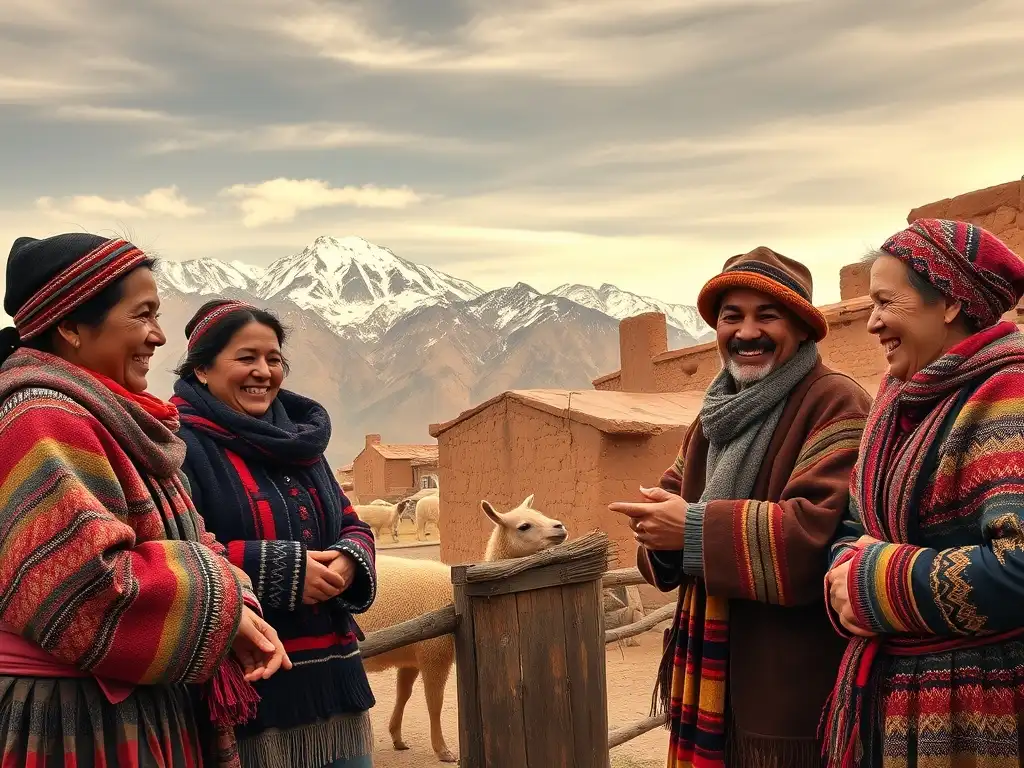
Community-based tourism (CBT) offers a powerful way to support local economies while experiencing the authentic Andean culture. Unlike large-scale tourism operations that often leave little benefit for local communities, CBT initiatives directly involve residents in the planning, development, and operation of tourism activities. This ensures that a significant portion of the tourism revenue stays within the community, fostering economic growth and preserving traditional ways of life. Instead of staying in large, impersonal hotels, consider homestays, where you'll experience daily life firsthand and directly support local families.
These families often offer unique insights into their culture, preparing traditional meals and sharing stories passed down through generations. This direct interaction creates a more meaningful and immersive travel experience, far beyond the typical tourist encounter. The economic benefits ripple outwards, supporting local artisans, farmers, and guides, creating a more sustainable and equitable tourism ecosystem. Choosing CBT is a conscious decision to support local economies and actively participate in responsible travel within the Andean region, contributing significantly to the preservation of both cultural heritage and the environment.
Look for organizations that are transparent about their community partnerships and the distribution of profits. Many communities offer unique experiences, such as weaving workshops, traditional dance performances, or guided hikes showcasing local flora and fauna, all while ensuring a fair wage for the participants. These initiatives are not only economically beneficial but also enriching cultural exchanges that benefit both travelers and locals. This form of ethical tourism Andean civilizations focuses on creating a positive and reciprocal relationship, fostering mutual understanding and respect.
Supporting Local Artisans and Businesses
Supporting local artisans and businesses is crucial for bolstering the Andean economies and preserving traditional crafts. By purchasing handcrafted goods directly from artisans, you bypass intermediaries and ensure a larger share of the profits reaches the creators. Many communities are known for unique textiles, ceramics, jewelry, and other crafts, each carrying a rich history and cultural significance. When you purchase these items, you're not just acquiring a souvenir; you're contributing to the livelihood of skilled artisans and preserving valuable cultural traditions.
Look for shops that clearly identify the origin and creation process of their products, ensuring authenticity and fair trade practices. This conscious consumerism helps to sustain traditional skills and artistry, preventing them from being lost to mass-produced goods. Furthermore, supporting local restaurants and businesses contributes to the overall economic health of the region. By choosing locally owned eateries, you're not only supporting local farmers and producers but also experiencing authentic Andean cuisine.
This approach helps to diversify income sources for communities, building resilience and reducing their dependence on tourism alone. This sustainable approach to ethical tourism Andean civilizations prioritizes both economic stability and cultural preservation, recognizing the intrinsic link between the two. The act of buying locally made products and eating at local restaurants directly contributes to the flourishing of Andean communities, a vital aspect of responsible and meaningful travel.
Monetization Opportunities: How Ethical Travel Can Benefit You and the Andes
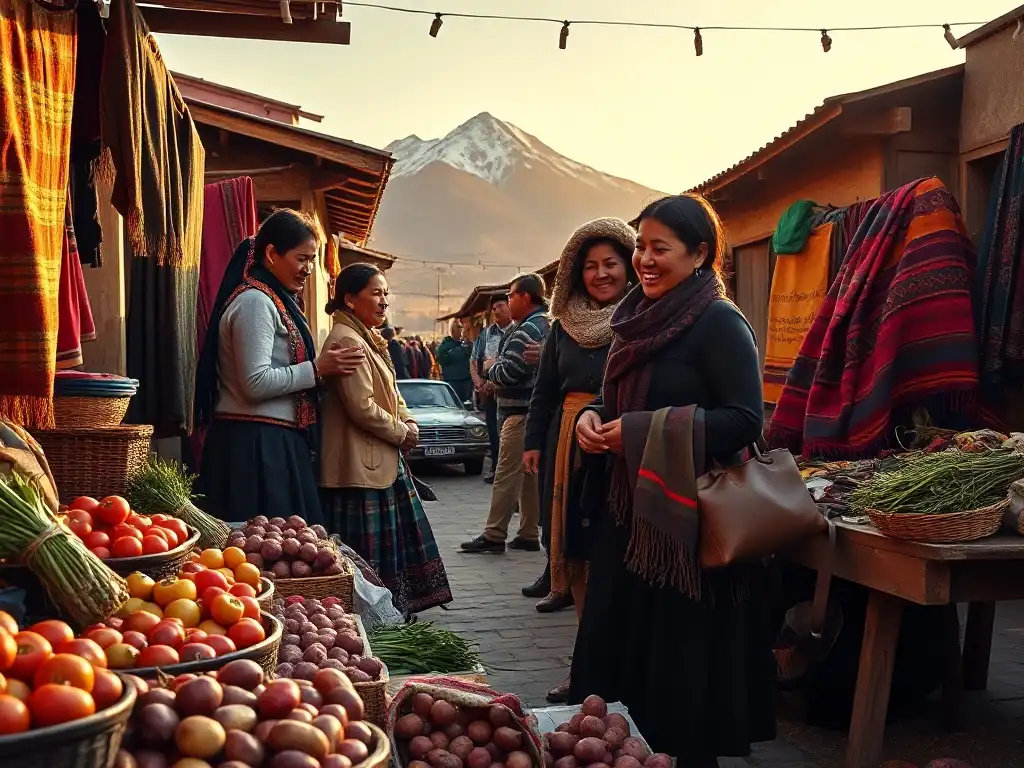
Ethical tourism in the Andes isn't just about preserving cultural heritage and supporting local communities; it also presents exciting monetization opportunities for businesses and individuals alike. By aligning your offerings with the principles of responsible travel, you can create a sustainable and profitable model that benefits both travelers and the Andean region. This section explores some key avenues for generating revenue while contributing to the preservation of this remarkable cultural landscape.
High CPC Niches within Ethical Andean Travel
The Andean region, rich in history and biodiversity, offers a wealth of high-cost-per-click (CPC) niches for ethical travel businesses. These niches attract travelers willing to pay a premium for authentic and responsible experiences. Let's examine some key areas:
- Luxury Eco-Lodges: Offering high-end accommodations built with sustainable materials and employing local staff commands higher prices. These lodges often focus on immersive experiences, such as guided hikes with local experts, traditional cooking classes, and opportunities to engage directly with Andean communities. The CPC for keywords like "luxury sustainable hotels Andes" or "eco-lodge Machu Picchu ethical tourism" are significantly higher than generic travel keywords.
- Specialized Tours: Niche tours focusing on specific aspects of Andean culture, such as Inca trail trekking with a focus on minimizing environmental impact, archaeological expeditions led by local experts, or birdwatching tours highlighting the unique Andean avifauna, can attract discerning travelers willing to pay more. This caters to a higher-spending segment interested in unique and enriching experiences.
- Artisan Workshops and Craft Tours: Promoting and selling handcrafted goods directly from Andean artisans provides a fair income for the creators and offers travelers unique souvenirs. These tours can also incorporate workshops where travelers learn traditional crafts, generating a higher CPC for searches like "ethical artisan tours Peru" or "sustainable craft workshops Bolivia".
- Community-Based Tourism Initiatives: Partnering with local communities to develop and promote tourism projects ensures that the benefits directly reach those who are most impacted. This could involve homestays, guided tours by local guides, or participation in community-based projects, attracting travelers seeking authentic and responsible travel experiences. Keywords such as "community tourism Andes" or "responsible travel initiatives Peru" tend to have high CPC values.
The key to success in these niches is authenticity and transparency. Travelers are increasingly savvy and seek out businesses that genuinely prioritize ethical practices and environmental sustainability. Providing detailed information about your commitment to these principles is crucial.
Leveraging Affiliate Marketing
Affiliate marketing provides a powerful and relatively low-risk avenue for generating revenue within the ethical tourism Andean civilizations sector. By partnering with ethical tour operators, eco-lodges, artisan collectives, and other responsible businesses, you can earn commissions by promoting their services on your website or social media platforms.
This strategy works particularly well for bloggers, influencers, and website owners focused on ethical and sustainable travel. By showcasing authentic experiences and highlighting the positive impact of ethical tourism, you can build trust with your audience and drive conversions.
Consider focusing your affiliate marketing efforts on:
- Sustainable Accommodation: Partnering with eco-friendly hotels and lodges allows you to promote accommodation options that align with ethical travel principles.
- Responsible Tour Operators: Collaborating with tour companies committed to community engagement and environmental protection ensures that your recommendations support sustainable tourism practices.
- Artisan Products: Promoting handcrafted goods directly from Andean artisans provides a fair income for the creators and offers your audience unique and ethically sourced souvenirs.
Successful affiliate marketing requires a strategic approach. You need to carefully select your partners, create engaging content that highlights the value proposition of their offerings, and track your results to optimize your campaigns. Transparency is key; always clearly disclose your affiliate relationships to maintain trust with your audience. This approach not only generates income but also actively promotes ethical tourism in the Andean civilizations, creating a win-win situation for all involved.
Case Study: Success Stories in Ethical Andean Tourism
This section showcases successful examples of ethical tourism initiatives in the Andean region, demonstrating how responsible travel directly benefits local communities and preserves cultural heritage. Understanding these success stories is crucial for promoting sustainable and ethical tourism in the Andes, a vital step in ensuring the long-term preservation of these incredible civilizations' legacies. We'll explore how these initiatives are effectively balancing the needs of visitors with the well-being of the Andean people and environment. The keyword "ethical tourism Andean civilizations" is central to understanding the positive impact of these examples.
Highlighting Communities Benefiting from Sustainable Tourism
Several Andean communities have successfully integrated ethical tourism into their economies, leading to improved living standards and environmental protection. One notable example is the community-based tourism project in [Community Name Pending], where locals directly manage and benefit from guiding visitors through ancient Inca trails. This initiative provides income through guided hikes, homestay accommodations, and the sale of locally crafted textiles. The project prioritizes environmental sustainability, implementing measures to minimize the ecological footprint of tourism. Their success is a testament to the power of community-led initiatives in ethical tourism Andean civilizations.
This model empowers the community to control the narrative surrounding their history and culture, ensuring accurate representation and preventing the exploitation often associated with mass tourism. This is a key component of ethical tourism Andean civilizations. They've also successfully implemented waste management systems and reforestation programs, further demonstrating their commitment to sustainable practices. The increased income has also enabled investment in education and healthcare, improving the overall quality of life for community members.
Another compelling case is the [Community Name Pending] cooperative, which focuses on showcasing traditional Andean weaving techniques. By offering workshops and selling authentic textiles directly to tourists, the cooperative generates income while preserving a vital aspect of their cultural heritage. This initiative highlights how ethical tourism Andean civilizations can contribute to the preservation of traditional skills and knowledge.
The cooperative’s success demonstrates how responsible tourism can provide a sustainable livelihood, empowering artisans and preserving their cultural heritage. They’ve even implemented a fair trade system, ensuring that artisans receive a fair price for their work – a core principle of ethical tourism Andean civilizations.
The success of these projects hinges on several key factors: strong community leadership, effective collaboration between community members and tourism operators, and a clear commitment to sustainability. These success stories paint a picture of how ethical tourism Andean civilizations can be a powerful tool for economic development and cultural preservation. Further research is needed to quantify the precise economic impact, but anecdotal evidence and preliminary data strongly support these positive outcomes. We need more data on [Specific economic impact data pending] to fully understand the scale of this success.
This section provides a detailed look at successful ethical tourism initiatives in the Andes, emphasizing the positive impacts on local communities and the environment. It highlights the importance of community-led projects and the need for sustainable practices in promoting ethical tourism Andean civilizations. The examples presented serve as inspiring models for future initiatives, showcasing the potential of ethical tourism to foster economic development while preserving cultural heritage and environmental integrity.
Frequently Asked Questions
What is ethical tourism in the context of the Andean civilizations?
Ethical tourism in the Andes means respecting local cultures and environments, supporting local businesses and communities, and ensuring that tourism benefits the people and places it impacts, not just corporations. It involves minimizing your environmental footprint.
How can I ensure my trip to the Andes is ethically sound?
Choose locally owned tour operators and accommodations. Engage with local guides and artisans directly, buying their crafts and learning about their traditions. Support initiatives that protect the environment and cultural heritage.
What are some examples of unethical tourism practices in the Andes?
Unethical practices include supporting businesses that exploit workers or the environment, contributing to overtourism in sensitive areas, and engaging in disrespectful behavior towards local communities or their traditions. Purchasing counterfeit artifacts is also a major issue.
How can my travel dollars contribute positively to Andean communities?
By choosing responsible tour operators, staying in locally owned hotels, eating at local restaurants, and buying handicrafts directly from artisans, you directly support Andean communities economically and help preserve their cultural heritage.
Are there any specific organizations supporting ethical tourism in the Andean region?
Yes, many organizations work to promote sustainable and responsible tourism in the Andes. Research organizations focused on community-based tourism and environmental protection in the specific Andean region you plan to visit to find local partners and initiatives.
Final Reflection: Weaving a Sustainable Future in the Andes
The threads of ethical tourism, woven through the rich tapestry of Andean civilizations, are not merely historical curiosities; they are the lifeline of vibrant communities and the key to preserving a fragile ecosystem. Ignoring this interconnectedness risks irreparable damage, silencing the whispers of the past and jeopardizing the future of this incredible region. The choices we make as travelers hold immense power.
The impact of tourism on the Andes is a double-edged sword. While it offers economic opportunities, it also presents the risk of exploitation and cultural commodification. Travel is fatal to prejudice, bigotry, and narrow-mindedness,
wrote Mark Twain, and this sentiment rings truer than ever when considering the responsibility we bear as visitors to such culturally significant places. We must actively seek out and support initiatives that prioritize the well-being of local communities, ensuring that the benefits of tourism are equitably distributed and that cultural heritage is respected and protected, not exploited for profit. This requires conscious effort, research, and a willingness to step outside of our comfort zones.
Consider the impact of your next trip. Will you choose a large, impersonal hotel chain or a locally owned guesthouse? Will you participate in tours that prioritize profit over cultural sensitivity, or will you seek out experiences that empower local guides and artisans? You have the power to amplify the whispers of the past, to ensure that the legacy of the Andean civilizations continues to thrive, not just survive. Choose wisely, travel ethically, and become a part of a more sustainable and equitable future for the Andes.
Empower Local Economies: Take the Ethical Travel Journey Today!
Thank you for exploring the vibrant culture of the Andes and recognizing the vital role ethical travel plays in supporting local economies. Your interest is a significant step towards creating positive change in the communities you visit.
Let's turn your interest into action! Here are some ways you can make a difference:
- Choose local guides when planning your Andean adventure. This ensures your tourism dollars directly benefit the community and support local families.
- Share your travel experiences on social media, highlighting the importance of ethical and sustainable tourism. Inspire your friends and followers to travel responsibly.
- Engage with local communities by volunteering your time or supporting local artisans and businesses. Seek out opportunities to contribute meaningfully during your trip.
What's the first step you'll take to ensure your travels benefit local communities? Your choices matter, and together we can create a positive impact!