
The Andean Dream: Inspiring Change Through Conscious Travel

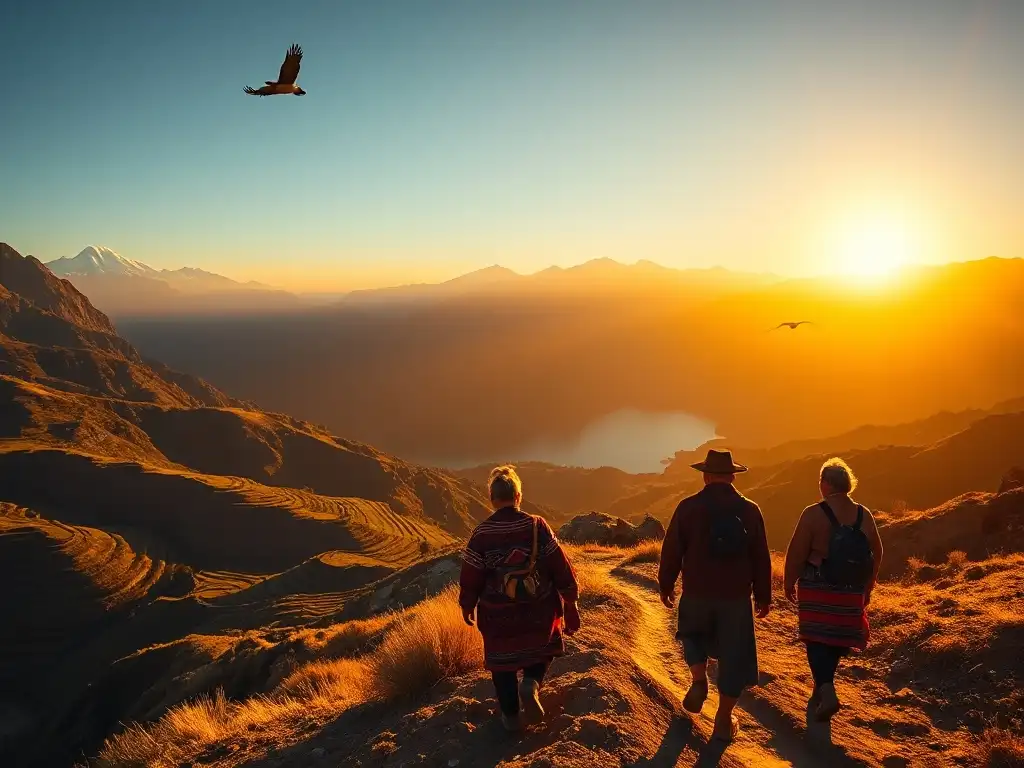
Dare to dream beyond the ordinary. Journey with us into the heart of the Andes, where echoes of magnificent Andean civilizations still resonate. Discover how the legacy of the Incas, Moche, and other ancient cultures continues to shape this breathtaking landscape. But there's more... This isn't just a historical exploration; it's a call to action. Dive into our feature article on Andean civilizations conscious travel and uncover how you can experience this incredible region while fostering positive change. Prepare to be inspired.
The breathtaking landscapes of the Andes Mountains cradle a legacy of vibrant civilizations—the Incas, Moche, Nazca, and Tiahuanaco, among others—whose rich tapestry of history, culture, and ingenuity continues to fascinate and inspire. While exploring these ancient wonders offers an unparalleled journey through time, it's crucial to acknowledge the profound impact tourism can have on these delicate ecosystems and the communities that call the Andes home.
This article delves into the concept of "Andean civilizations conscious travel," exploring how responsible tourism can not only minimize negative impacts but also actively contribute to the preservation and empowerment of Andean heritage and its people. We'll examine the importance of mindful choices, highlighting how ethical travel can transform your Andean experience from a fleeting visit into a meaningful contribution to the region's sustainable future.
Let's embark on a journey to understand how we can truly appreciate the Andean Dream while ensuring its preservation for generations to come.
Understanding the Impact of Travel on Andean Civilizations
The influx of tourists, while beneficial to local economies, can inadvertently lead to several challenges. Over-tourism can strain infrastructure, leading to environmental degradation and the erosion of cultural authenticity. The increased demand for resources, from water to energy, can put a strain on already limited supplies. Furthermore, the potential for cultural commodification, where ancient traditions are simplified or exploited for profit, poses a significant threat to the integrity of Andean heritage.
Understanding these potential negative impacts is the first step towards responsible and conscious travel. This requires careful consideration of our choices and a commitment to minimizing our footprint. We must strive to become educated travelers, respectful of the local environment and mindful of the cultural sensitivities of the Andean people.
Why Choose Conscious Travel in the Andes?
Conscious travel in the Andes goes beyond simply visiting; it's about engaging with the region in a way that benefits both the traveler and the community. It's about making a positive contribution, fostering cultural exchange, and promoting sustainable practices. By choosing conscious travel, you actively participate in:
- Preserving the environment: Minimizing your carbon footprint, respecting natural resources, and supporting eco-friendly initiatives.
- Supporting local communities: Choosing locally owned businesses, engaging with local guides, and participating in community-based tourism projects.
- Protecting cultural heritage: Learning about and respecting local traditions, avoiding the exploitation of cultural artifacts, and supporting initiatives that promote cultural preservation.
- Promoting ethical tourism: Choosing tour operators committed to sustainable and responsible practices, and advocating for ethical tourism within your social circles.
Choosing conscious travel isn't just about feeling good; it's about ensuring the longevity of the Andean legacy for future generations. It's about experiencing the Andes in a way that benefits everyone involved.
The Importance of Responsible Tourism in Preserving Andean Culture
Responsible tourism plays a vital role in preserving the rich cultural heritage of the Andes. This involves supporting local artisans, engaging with traditional practices respectfully, and learning about the history and significance of ancient sites. By avoiding the commodification of culture and instead actively supporting authentic experiences, we contribute to the sustainability of Andean traditions. This includes respecting local customs, learning basic Quechua phrases (or other relevant local languages), and supporting local artists and musicians. The preservation of Andean culture is not just a matter of history; it's a vibrant, living tradition that deserves our respect and support.
Minimizing Negative Environmental Impact in the Andes
The Andes' fragile ecosystems are particularly vulnerable to the impacts of tourism. Minimizing our environmental impact requires conscious choices, such as reducing waste, conserving water, and supporting eco-friendly accommodations and transportation. This includes choosing accommodations and tour operators with strong environmental commitments, reducing our reliance on single-use plastics, and being mindful of our water consumption. The beauty and biodiversity of the Andes are precious resources that we must protect for future generations.
Empowering Local Andean Communities Through Ethical Travel
Ethical travel directly empowers local Andean communities by providing economic opportunities while preserving their cultural identity. Supporting locally owned businesses, choosing community-based tourism projects, and engaging with local guides ensures that the benefits of tourism are distributed fairly and contribute to the sustainable development of Andean communities. This fosters a more equitable distribution of tourism revenue, improves the livelihoods of local people, and preserves traditional skills and knowledge. By choosing to travel ethically, we become active participants in a more just and sustainable future for the Andes.
Planning Your Conscious Trip to the Andes: A Step-by-Step Guide
Conscious travel in the Andes requires careful planning to ensure your trip minimizes its environmental impact and maximizes its positive contribution to local communities. This isn't just about visiting breathtaking landscapes; it's about engaging respectfully with the rich history and culture of the Andean civilizations while supporting sustainable practices. Here’s a step-by-step guide to help you plan your Andean adventure responsibly.
Step 1: Researching Sustainable Andean Tour Operators
Choosing the right tour operator is crucial for ethical and sustainable travel. Look for operators explicitly committed to environmental protection and community engagement. Do they prioritize local guides? Do they support local businesses? Do they have transparent environmental policies? Thorough research is key.
Read online reviews carefully, paying close attention to feedback regarding the operator's commitment to sustainable practices and their treatment of local communities. Don't hesitate to contact the operators directly to ask detailed questions about their sustainability initiatives. A truly committed operator will be happy to provide you with detailed information. Look for certifications like B Corp or similar indicators of ethical business practices. These certifications provide an objective assessment of the operator's commitment to sustainability.
Step 2: Choosing Eco-Friendly Andean Accommodations
Your accommodation choices significantly impact your environmental footprint. Opt for eco-lodges or hotels committed to sustainable practices. These establishments often utilize renewable energy sources, implement water conservation measures, and source materials locally. Look for hotels that actively participate in community development projects or support local conservation efforts. Consider the hotel's proximity to attractions to minimize transportation needs and associated emissions. Read reviews focusing on the hotel's sustainability initiatives to gain a clearer picture of their commitment. Many hotels showcase their eco-friendly practices on their websites; take the time to review these claims carefully.
Step 3: Packing for Conscious Travel in the Andes
Packing light reduces your carbon footprint associated with transportation. Choose durable, reusable items to minimize waste. Consider packing reusable water bottles, shopping bags, and containers to reduce reliance on single-use plastics. Select clothing made from sustainable materials like organic cotton or recycled fabrics. Remember, packing light also makes navigating the often challenging Andean terrain easier. Prioritize versatile clothing items that can be layered for varying weather conditions. A lightweight backpack is essential for day trips.
Step 4: Engaging Respectfully with Andean Cultures
Respectful engagement is paramount. Learn basic Quechua phrases to show your appreciation for the local language. Seek permission before taking photographs of individuals, particularly in remote communities. Support local businesses and artisans by purchasing their products. Be mindful of local customs and traditions. Remember you are a guest in their land and should act accordingly. Engage with local guides to learn about the rich history and culture of the Andean civilizations respectfully and learn about their customs and traditions. Avoid any actions that could be interpreted as disrespectful or intrusive.
Step 5: Supporting Local Andean Artisans
Purchasing handicrafts directly from Andean artisans supports their livelihoods and preserves traditional skills. Look for products made from sustainable materials and produced using traditional techniques. This not only helps individual artisans but also contributes to the preservation of cultural heritage. Engage in conversations with the artisans to understand their craft and appreciate the time and skill involved in their work. This direct engagement fosters a deeper understanding and appreciation of Andean culture. Consider purchasing items made from locally sourced, sustainable materials, contributing to the preservation of both the artisans' livelihoods and the environment.
Monetizing Your Andean Conscious Travel Experience
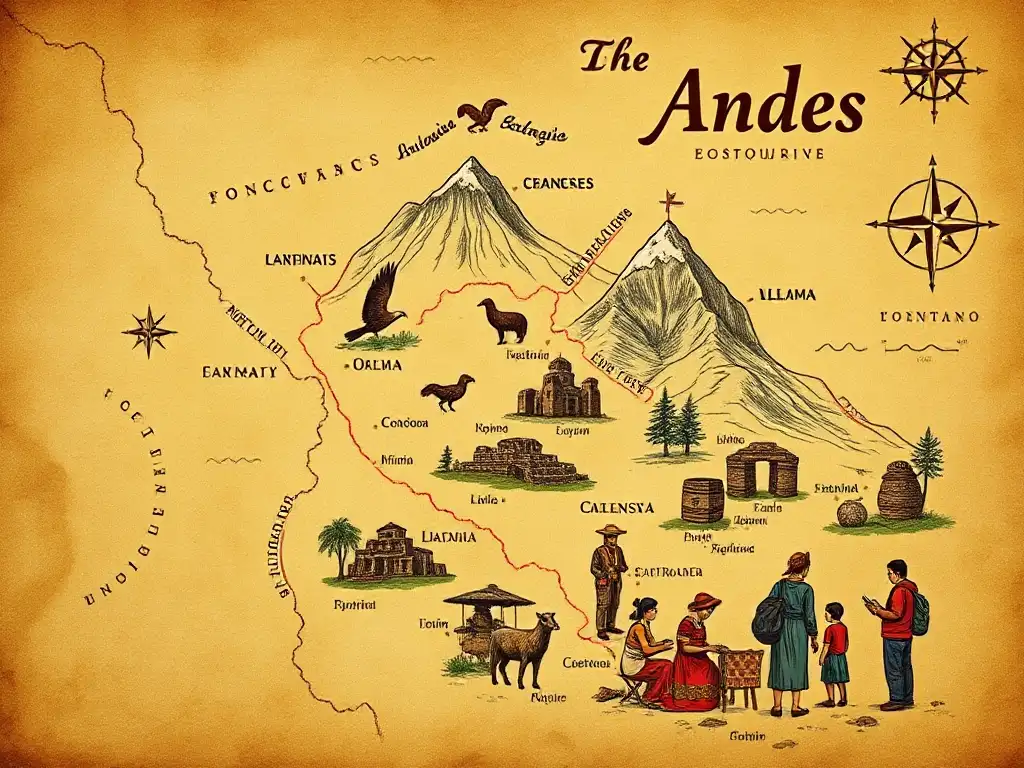
Turning your passion for conscious travel into a source of income is possible through various avenues. By leveraging your experiences and expertise, you can create opportunities that support both your travel and sustainable initiatives in the Andes.
Booking Sustainable Tours: Affiliate Opportunities
Partnering with sustainable Andean tour operators allows you to earn commissions by referring clients. This model promotes ethical tourism while generating income for you. You can promote these tours through your blog, social media, or other platforms. Transparency is key; clearly disclose your affiliate relationships to maintain trust with your audience. Focus on promoting operators that align with your values and commitment to responsible travel. This approach ensures authenticity and resonates better with your audience. Building relationships with operators can lead to exclusive deals or promotions that benefit both you and your audience.
Recommending Eco-Friendly Travel Gear: Affiliate Income
Promoting eco-friendly travel gear through affiliate marketing offers another income stream. Highlighting sustainable and durable products aligns with the principles of conscious travel. This approach not only generates income but also promotes environmentally responsible consumer choices. Focus on products that are truly sustainable and meet the needs of travelers visiting the Andes. This ensures your recommendations are relevant and valuable to your audience. Consider partnering with brands that share your commitment to environmental responsibility and ethical sourcing.
Highlighting Sustainable Accommodations: Booking Commissions
Recommending eco-friendly hotels and lodges can generate income through booking commissions. This approach supports sustainable businesses while providing your audience with valuable recommendations. Focus on hotels and lodges that meet specific criteria, such as certifications, community engagement, and environmental initiatives. This helps ensure that your recommendations are aligned with your values. Building relationships with these accommodations can lead to exclusive deals or promotions that you can share with your audience. This can further enhance the value of your recommendations.
The Future of Conscious Travel in the Andes
The future of conscious travel in the Andes hinges on a collaborative effort between local communities, governments, and tourists. It requires a shift away from exploitative practices towards a model that prioritizes the preservation of cultural heritage and environmental sustainability. This means actively supporting local businesses that adhere to fair trade principles and environmental responsibility.
We're talking about businesses that prioritize the well-being of their employees, minimize their environmental impact, and reinvest profits back into the community. This isn't just about choosing eco-lodges; it's about understanding the broader economic and social impact of tourism choices. The Andean region boasts incredible biodiversity and unique cultural traditions, and the future depends on balancing the economic benefits of tourism with the protection of these invaluable assets.
Sustainable initiatives, like community-based tourism projects empowering local guides and artisans, are crucial for ensuring a thriving future for both the Andean civilizations and the travelers who seek to experience them. Furthermore, innovative technologies offering eco-friendly transportation options and reducing the carbon footprint of travel will play a vital role in shaping a more sustainable future.
The Ongoing Role of Ethical Tourism in the Andes
Ethical tourism in the Andes plays a pivotal role in the preservation of the region's rich cultural heritage and fragile ecosystems. By choosing ethical tourism operators, travelers directly support local communities, ensuring fair wages and empowering local populations. This contrasts sharply with mass tourism, which often leads to environmental degradation and the displacement of indigenous communities.
The ongoing commitment to ethical practices, such as minimizing waste, respecting local customs, and supporting local businesses, is paramount. It’s about moving beyond simply visiting a site and truly engaging with the culture and environment. For instance, supporting local artisans by purchasing their handcrafted goods directly contributes to their economic well-being and helps preserve traditional skills passed down through generations.
Similarly, participating in guided tours led by local experts provides invaluable insights into the region's history and culture, whilst ensuring economic benefits for the community. Choosing accommodations that prioritize sustainability, such as eco-lodges built with locally sourced materials and employing sustainable practices, further strengthens the ethical tourism model.
How You Can Contribute to a Sustainable Future
Contributing to a sustainable future in the Andes is within everyone's reach. Even small actions can make a significant difference. Before your trip, research sustainable tourism operators and choose companies committed to ethical practices. This includes verifying their commitment to environmental protection, fair wages for employees, and community involvement.
During your travels, actively seek out opportunities to support local businesses. Patronize family-run restaurants, purchase souvenirs from local artisans, and participate in community-based tourism initiatives. Respect local customs and traditions, learn a few basic phrases in the local language, and always be mindful of your environmental impact. Minimize waste by carrying a reusable water bottle and avoiding single-use plastics.
Support conservation efforts by choosing to visit protected areas and respecting wildlife. Finally, and perhaps most importantly, be a responsible traveler: leave no trace, respect the environment and the local culture, and share your positive experiences to inspire others to follow suit. Remember, conscious travel is a continuous process of learning and improvement.
Inspiring Others to Explore the Andean Civilizations Responsibly
Sharing your experiences of responsible travel in the Andes can inspire others to adopt similar practices. Word-of-mouth recommendations are incredibly powerful. Sharing your positive experiences on social media, highlighting the benefits of sustainable tourism, and showcasing the beauty of the region while emphasizing responsible practices can have a significant impact. Encourage others to research sustainable tourism options and make informed choices.
By sharing your stories, you can help raise awareness about the importance of protecting Andean heritage and supporting local communities. Consider writing a blog post or creating a travelogue that details your experiences and promotes ethical tourism. Participating in online forums and sharing your knowledge with fellow travelers can also help spread awareness and inspire responsible travel.
Remember, the power of collective action is immense, and by inspiring others, we can collectively contribute to a more sustainable future for the Andean civilizations. Let's work together to ensure that future generations can also experience the magic of the Andes. ✨
- Understanding the Impact of Travel on Andean Civilizations
- Why Choose Conscious Travel in the Andes?
- Planning Your Conscious Trip to the Andes: A Step-by-Step Guide
- Monetizing Your Andean Conscious Travel Experience
- The Future of Conscious Travel in the Andes
- What is "conscious travel" in the context of Andean civilizations?
- How can I practice conscious travel while visiting Andean sites?
- What are some ethical considerations when visiting Andean archaeological sites?
- How can my trip to the Andes contribute to positive change?
- Where can I find more information on planning a conscious trip to the Andean region?
Frequently Asked Questions
What is "conscious travel" in the context of Andean civilizations?
Conscious travel in the Andes means respecting the local cultures and environments. It involves supporting local communities, minimizing your environmental impact, and learning about the region's rich history responsibly. This helps preserve the heritage for future generations.
How can I practice conscious travel while visiting Andean sites?
Support local guides and businesses, choose eco-friendly accommodations, and avoid purchasing souvenirs that exploit local artisans or harm the environment. Respect sacred sites and learn about appropriate behavior before visiting.
What are some ethical considerations when visiting Andean archaeological sites?
Remember these sites are sacred spaces with historical significance. Avoid touching artifacts, stay on marked trails, and support preservation efforts by donating to organizations dedicated to protecting these invaluable places. Respect the past.
How can my trip to the Andes contribute to positive change?
By choosing responsible tourism operators, you directly support local communities and their efforts in preserving their heritage and environment. Your spending contributes to sustainable development and helps protect the Andes' unique ecosystem.
Where can I find more information on planning a conscious trip to the Andean region?
Many organizations promote sustainable and responsible tourism in the Andes. Look for tour operators committed to ethical practices and environmental protection. Research online resources dedicated to Andean cultural preservation and responsible travel.
Final Reflection: Weaving the Andean Dream into the Fabric of Conscious Travel
The legacy of the Andean civilizations continues to resonate, not just in the breathtaking landscapes they inhabited, but also in the urgent need for responsible and conscious travel practices today. The breathtaking beauty of the Andes, coupled with the rich tapestry of their history, demands a respectful approach – one that prioritizes preservation over exploitation and fosters genuine connection over fleeting spectacle. This is not merely a trend; it's a necessity for the sustainable future of these incredible places.
The impact of tourism on the Andes, both positive and negative, is a powerful illustration of how our choices shape the world around us. The potential for cultural exchange and economic empowerment is immense, yet the threat of environmental degradation and cultural commodification remains very real. As we navigate this complex landscape, we must strive to be mindful travelers, actively seeking out experiences that benefit local communities and protect the environment. Travel is fatal to prejudice, bigotry, and narrow-mindedness,
wrote Mark Twain, and this sentiment rings truer than ever when considering the Andean region. We must actively challenge our own biases and preconceived notions to truly engage with the Andean experience.
Consider the impact of your next trip. Will you be a passive observer, or an active participant in preserving the legacy of the Andean civilizations? Choose to be a conscious traveler. Seek out locally owned businesses, support community-based tourism initiatives, and learn about the history and culture of the places you visit. By making conscious choices, you can contribute to a more sustainable and equitable future for the Andes, ensuring that the Andean Dream continues to inspire generations to come.
Embrace Your Journey: Take Action Today!
Thank you for exploring the inspiring world of conscious travel with us! Discovering the rich heritage of Andean civilizations reveals not only their fascinating history but also the profound positive impact mindful travel can have on communities and cultures. Now, let's translate that inspiration into action.
Here are some ways you can make a difference:
- Commit to conscious travel on your next trip: Choose eco-friendly accommodations, support local businesses and artisans, and participate in community projects.
- Share your newfound knowledge with friends and family: Start a conversation about the importance of cultural respect and sustainable tourism—perhaps on social media or at a family gathering.
- Connect with a local or international organization focused on responsible travel: Find like-minded travelers passionate about positive global impact through their journeys.
What specific steps will you take to ensure your travels benefit the communities you visit? Let's discuss!