
The Rhythms of the Andes: Experiencing the Culture Through Sustainable Practices

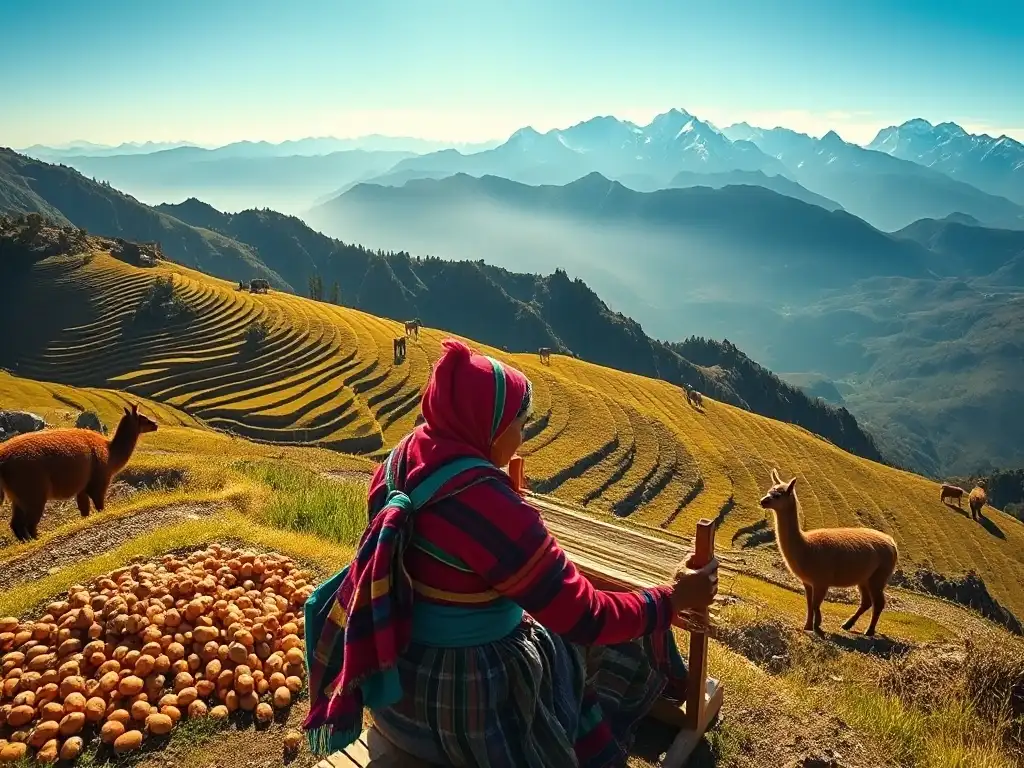
Step into a world lost in time, yet vibrantly alive. Imagine a civilization that thrived on ingenious sustainable practices, leaving behind a legacy etched in breathtaking artistry and architectural marvels. The Andean Civilizations website unveils the secrets of the Incas, Moche, Nazca, and Tiahuanaco—but the story doesn't end there. Discover how sustainable Andean cultural practices continue to shape the region today, and unlock the mysteries of a heritage that resonates even now. Prepare to be captivated.
The Andes Mountains, a spine of towering peaks and breathtaking valleys stretching along the western coast of South America, are home to a rich tapestry of ancient civilizations. For millennia, cultures like the Inca, Moche, Nazca, and Tiahuanaco have shaped the landscape and left behind an enduring legacy of intricate art, innovative technology, and deeply spiritual traditions.
This article delves into the vibrant heart of Andean culture, exploring how sustainable practices are not merely a modern trend, but a continuation of the deeply ingrained respect for the land and its resources that has characterized Andean societies for centuries. We will examine how responsible tourism and mindful engagement with local communities can help preserve this invaluable heritage for future generations, allowing visitors to experience the authentic rhythms of the Andes while contributing positively to their well-being.
Understanding and actively participating in sustainable Andean cultural practices is key to ensuring the longevity of this incredible cultural landscape, enriching both the visitor's experience and the lives of the Andean people.
Immersing Yourself in Authentic Andean Culture: A Sustainable Approach
Experiencing Andean culture sustainably involves more than just visiting iconic sites; it's about fostering genuine connections with local communities and respecting their traditions. This requires a shift in perspective from passive observation to active participation, emphasizing ethical and responsible tourism. This means choosing accommodations and tour operators committed to fair wages, environmental protection, and community empowerment. It involves supporting local artisans by purchasing their handcrafted goods directly, ensuring that the economic benefits directly reach the creators. Furthermore, learning basic Quechua phrases or other local languages demonstrates respect and enhances interaction.
Consider, for example, participating in a traditional weaving workshop, where you can learn firsthand about the intricate techniques passed down through generations. Or, perhaps joining a community-led trek, where your contribution supports local guides and helps preserve ancient trails. These experiences offer a far more profound and meaningful connection to Andean culture than simply observing from afar. The key is to approach each interaction with genuine curiosity, respect, and a commitment to minimizing your environmental impact. Remember that sustainable tourism is a two-way street—it benefits both the visitor and the community.
Understanding the Importance of Sustainable Andean Cultural Practices
The concept of sustainable Andean cultural practices encompasses a holistic approach to preserving both the tangible and intangible aspects of Andean heritage. This includes protecting the environment, supporting local economies, and respecting indigenous knowledge and traditions. For centuries, Andean communities have developed sustainable agricultural techniques, such as terrace farming, which minimizes soil erosion and maximizes water usage. These methods are not only environmentally sound but also culturally significant, representing a deep connection between people and their land.
The preservation of traditional arts and crafts is equally vital. Many Andean communities rely on these skills for their livelihoods, and the loss of these traditions would represent a significant cultural loss. By supporting artisans and their work, we help to ensure the continuation of these valuable practices. Furthermore, sustainable tourism initiatives often incorporate educational components, allowing visitors to learn about the history, beliefs, and customs of the Andean people.
This fosters a greater understanding and appreciation for the region's rich cultural heritage, promoting respect and responsible engagement. The preservation of this heritage is not simply an academic exercise; it is a crucial aspect of ensuring the cultural and economic well-being of Andean communities for generations to come. The future of sustainable Andean cultural practices depends on a collaborative effort between visitors, local communities, and governments to protect and celebrate this unique and invaluable heritage.
Planning Your Sustainable Andean Adventure: Key Considerations
Planning a trip that respects the Andean environment and culture requires careful consideration. Sustainable travel in the Andes isn't just about minimizing your environmental impact; it's about actively contributing to the well-being of local communities. This involves understanding the delicate ecosystems and the rich tapestry of Andean traditions. Before you even book your flights, research the specific regions you plan to visit.
Understand the local customs and sensitivities. For example, in some communities, photography might be restricted in certain areas or require permission. Always obtain permission before photographing people. Respecting local traditions is paramount to fostering a positive and ethical travel experience.
Furthermore, consider the time of year you plan to travel. The Andes experience diverse microclimates, and certain seasons are better suited for specific activities and regions. Researching the best time to visit will help you minimize your environmental impact and maximize your enjoyment. For instance, the rainy season might limit access to certain trekking routes, while the dry season could lead to increased demand and potential overcrowding.
Choosing a less popular time to visit can contribute significantly to sustainable tourism. Finally, pack lightly! Reducing the weight of your luggage lowers your carbon footprint during transportation and minimizes the strain on local infrastructure. Prioritize versatile clothing items and pack only essential toiletries.
Choosing Eco-Friendly Accommodation in the Andes
Choosing sustainable accommodation is a cornerstone of responsible Andean travel. This goes beyond simply finding a hotel with recycling bins; it involves supporting businesses committed to environmental protection and community development. Look for accommodations that prioritize the use of renewable energy sources, such as solar power, and implement water conservation measures. Many eco-lodges and guesthouses in the Andes actively participate in community-based tourism initiatives, reinvesting profits to support local projects and preserving traditional crafts.
By choosing these establishments, you directly contribute to the economic empowerment of local communities and the preservation of their cultural heritage. Look for certifications or affiliations with sustainable tourism organizations to ensure authenticity. These certifications provide an independent verification of the establishment's commitment to sustainable practices.
Recommended Eco-Lodges and Guesthouses in the Sacred Valley
While specific recommendations require further research and updating based on current operations and certifications, the Sacred Valley offers numerous eco-lodges and guesthouses focused on sustainable practices. These establishments often incorporate traditional Andean architectural styles and use locally sourced materials in their construction. They frequently feature gardens with native plants and promote organic farming, reducing reliance on external resources. Many prioritize the use of local staff, providing employment opportunities within the community.
Look for lodges that actively support local artisans by showcasing and selling their products. This provides a direct economic benefit to the community, contributing to the preservation of traditional crafts. The quality of experiences can vary widely, so reviews and recommendations from other sustainable travelers are invaluable.
The Benefits of Staying in Locally Owned Accommodations
Opting for locally owned accommodations offers several advantages beyond just supporting sustainable practices. It fosters a more authentic cultural experience, providing opportunities to interact directly with local people and learn firsthand about their traditions and way of life. These accommodations often offer unique insights into the local culture, providing opportunities to participate in traditional activities, learn local crafts, or enjoy home-cooked meals featuring regional ingredients.
Staying in locally owned accommodations helps distribute tourism revenue directly to the communities that depend on it, fostering economic growth and reducing income inequality. This direct economic contribution contributes to the long-term sustainability of the region and empowers local communities to manage their own development.
Booking Platforms that Prioritize Sustainable Travel Options
Several online booking platforms are emerging that prioritize sustainable travel options. These platforms often feature filters allowing you to specifically search for eco-friendly accommodations, tours, and activities. They frequently highlight establishments that meet specific sustainability criteria, making it easier for travelers to make informed choices.
These platforms may also provide detailed information about the sustainability initiatives of the accommodations, allowing you to assess their commitment to environmental protection and community development. While the specific names of platforms change and evolve, actively seeking out platforms that emphasize sustainable travel ensures you are supporting businesses committed to responsible tourism practices. Remember to always independently verify the sustainability claims made by any accommodation or tour operator, as certifications and standards vary.
Participating in Authentic Cultural Experiences with Respect

Engaging with Andean culture requires a mindful approach, prioritizing respect and understanding. Sustainable tourism in the Andes necessitates moving beyond superficial interactions and embracing genuine connections with local communities. This means actively seeking out experiences that are authentic and respectful of Andean traditions and values. It’s crucial to remember that these are living cultures, not static museums. The goal is to learn, appreciate, and contribute positively to their continued vitality, not to exploit them for personal gain.
Understanding the nuances of Andean worldview and social structures is paramount to responsible engagement. This includes being sensitive to local customs, respecting elders, and being mindful of potentially sacred sites or practices. True cultural exchange is a two-way street, involving a willingness to learn and adapt, rather than simply expecting to be entertained. Ignoring these principles risks perpetuating the very issues sustainable tourism aims to address.
Learning Traditional Andean Weaving Techniques with Nilda Callanaupa Alvarez
Nilda Callanaupa Alvarez, a renowned weaver from the Peruvian Andes, exemplifies the dedication and artistry found in traditional Andean textile production. Her workshops offer a unique opportunity to learn the intricate techniques passed down through generations, using natural dyes and traditional looms. Participating in such a workshop is not just about acquiring a new skill; it's about connecting with a living tradition, understanding its cultural significance, and supporting the livelihoods of artisans like Nilda.
These workshops often involve detailed explanations of the symbolism embedded within the designs, the sourcing of materials, and the historical context of the weaving techniques. By learning from master craftspeople like Nilda, tourists contribute directly to the preservation of this vital aspect of Andean heritage and empower local communities to sustain their cultural practices. The experience goes beyond mere craft; it becomes a profound cultural immersion.
Attending a Traditional Andean Music and Dance Performance by Yawar Fiesta
Yawar Fiesta, a renowned Andean music group, showcases the vibrant musical traditions of the region through captivating performances. Attending their shows provides a powerful way to experience the energy and soul of Andean culture. These performances often incorporate traditional instruments like the charango, zampoña, and quena, alongside captivating dances that tell stories of Andean history and mythology.
Choosing to attend such performances, rather than opting for commercialized or inauthentic shows, directly supports Andean musicians and dancers, contributing to the preservation of their art form and their livelihoods. The immersive experience allows for a deeper understanding of Andean musical traditions and their social significance. It's an opportunity to witness the passion and skill embedded in these performances and appreciate the role of music in Andean life.
Engaging in Sustainable Agriculture Practices with the Misminay Community
The Misminay community in the Peruvian Andes demonstrates a commitment to sustainable agriculture practices that respect the environment and preserve their ancestral knowledge. Participating in activities like planting potatoes or helping with the harvest offers a hands-on experience of Andean agricultural techniques, highlighting their ingenuity and resilience. Working alongside the community members provides insight into their deep connection to the land and their sustainable farming methods, which often involve ancient techniques that minimize environmental impact.
This type of engagement promotes cultural exchange and mutual learning, while simultaneously supporting the community's economic well-being. The experience fosters a greater appreciation for the challenges and rewards of sustainable agriculture in the Andes, while offering a unique opportunity for cultural immersion.
Booking Guided Tours that Focus on Cultural Preservation and Respect
Choosing a guided tour operator that prioritizes cultural preservation and respect is crucial for sustainable tourism. Look for operators who employ local guides, reinvest profits into the community, and actively promote responsible interactions with local cultures. These tours often feature smaller group sizes, allowing for more intimate experiences and reduced environmental impact.
Sustainable tour operators prioritize education, cultural sensitivity training for their guides, and community engagement. They may partner with local communities to develop responsible tourism initiatives, ensuring that the benefits of tourism are shared equitably. By supporting these operators, travelers contribute directly to the preservation of Andean cultural heritage and the well-being of local communities.
Supporting Local Andean Communities Through Ethical Consumption
Ethical consumption is a cornerstone of sustainable Andean tourism. By consciously choosing to support local businesses and artisans, travelers contribute directly to the economic well-being of Andean communities and help preserve their cultural heritage. This involves making informed choices about where to spend your money, understanding the impact of your spending habits, and supporting businesses that align with sustainable practices. This approach goes beyond simply spending money; it’s about actively participating in the preservation of Andean culture and livelihoods.
Purchasing Handcrafted Goods from Local Artisans
Purchasing handcrafted goods directly from local artisans provides a powerful way to support their livelihoods and preserve traditional crafts. These purchases often involve unique and high-quality items, reflecting the skill and artistry of the creators. By choosing to buy handcrafted goods, instead of mass-produced souvenirs, travelers contribute directly to the economic sustainability of Andean communities and help maintain traditional skills. This is a tangible way to support the continuation of Andean artistic traditions and the communities that practice them. The act of purchasing becomes a meaningful exchange, supporting artisans and preserving cultural heritage simultaneously.
Sampling Traditional Andean Cuisine at Locally Owned Restaurants
Enjoying traditional Andean cuisine at locally owned restaurants provides an authentic culinary experience and supports local businesses. These restaurants often use locally sourced ingredients, showcasing the diversity and richness of Andean gastronomy. Choosing these establishments over international chains or tourist traps helps to strengthen the local economy and sustain traditional food practices. It's an opportunity to discover unique flavors and understand the significance of food in Andean culture. The experience is not just about satisfying hunger; it's about supporting local food systems and experiencing the cultural richness of Andean cuisine.
Avoiding Mass-Produced Souvenirs and Supporting Fair Trade Practices
Avoiding mass-produced souvenirs and instead seeking out fair trade products ensures that the economic benefits of tourism reach the producers and support ethical labor practices. Fair trade certification guarantees that the artisans receive fair wages and work in safe conditions. By choosing fair trade products, travelers support ethical production practices and contribute to the economic empowerment of Andean communities. This approach helps to combat exploitation and ensures that the benefits of tourism are shared equitably, fostering sustainable development within the Andean region. It's a conscious choice that aligns with the principles of sustainable tourism and responsible travel.
Utilizing Sustainable Transportation Options in the Andes
Sustainable travel is paramount when exploring the Andes, minimizing your environmental impact while respecting local communities. Choosing eco-friendly transportation options is a crucial step in achieving this. The Andes present unique challenges and opportunities in this regard, with varying levels of infrastructure across different regions.
Prioritizing sustainable modes of transport not only reduces your carbon footprint but also allows for a more immersive and authentic experience, often leading to more meaningful interactions with the local population. By opting for sustainable transportation, you actively contribute to preserving the delicate Andean ecosystem and supporting local economies. This commitment to sustainability extends beyond simply reducing emissions; it's about fostering a responsible and respectful approach to travel.
Exploring the Andes by Foot or Bicycle
Walking or cycling offers unparalleled opportunities to connect with the Andean landscape and its people. Many trekking routes wind through breathtaking scenery, offering close encounters with the region's flora and fauna. This active approach to exploration allows for a deeper appreciation of the environment and fosters a sense of personal accomplishment. Furthermore, choosing to walk or cycle avoids the emissions associated with motorized vehicles, contributing directly to sustainable tourism.
However, it's crucial to plan carefully, considering altitude, weather conditions, and the physical demands of such journeys. Proper preparation, including appropriate gear and a realistic itinerary, is essential for a safe and enjoyable experience. Remember to respect local trails and leave no trace behind.
Choosing Local Bus Services over Private Transportation
Opting for local bus services over private transportation is a simple yet impactful way to contribute to sustainable Andean cultural practices. Local buses are generally more fuel-efficient than private vehicles and often serve as a vital part of the local transportation network. Using them allows you to interact with local people, observe daily life, and experience the region from a different perspective – a far cry from the isolated experience of a private car.
Furthermore, this choice supports local businesses and helps to distribute tourism revenue more equitably within the community. The cost is often significantly lower than private transport, allowing for more budget flexibility for other aspects of your trip. Remember to be mindful of local customs and etiquette when using public transportation.
Supporting Tour Operators that Utilize Environmentally Friendly Vehicles
Many tour operators in the Andes are increasingly adopting sustainable practices, including the use of hybrid or electric vehicles, and prioritizing smaller group sizes to minimize their environmental impact. By actively seeking out and supporting these operators, you directly contribute to the growth of eco-conscious tourism. Look for certifications or testimonials that highlight their commitment to sustainability. These operators often incorporate educational elements into their tours, raising awareness about the importance of environmental protection and cultural preservation. Choosing these operators supports businesses genuinely dedicated to responsible tourism, ensuring the long-term sustainability of the Andean region and its cultural heritage.
Learning the Quechua Language: Enhancing Your Cultural Immersion
Learning even basic Quechua phrases significantly enriches your Andean experience. Quechua, an indigenous language with various dialects spoken across the Andes, offers a window into the region's rich cultural heritage. Speaking even a few words demonstrates respect for the local culture and can foster deeper connections with the people you meet. This simple act of learning facilitates more authentic interactions, offering a more profound understanding of local customs, traditions, and perspectives. Beyond basic communication, understanding Quechua provides a deeper appreciation for the history and complexity of Andean civilizations.
Online Resources for Learning Basic Quechua Phrases
Several online resources are available for learning basic Quechua phrases, catering to different learning styles and paces. These resources provide a convenient and accessible way to start your language learning journey before your trip. Many free apps and websites offer vocabulary lists, pronunciation guides, and basic grammar lessons. These tools can be invaluable in preparing you for everyday interactions, allowing you to confidently greet people, ask for directions, or express gratitude in Quechua. Supplementing these resources with language learning apps can significantly boost your progress and make the learning process more engaging.
Duolingo and its Benefits
Duolingo, a popular language-learning app, offers Quechua courses, providing a structured and gamified approach to learning. Its interactive lessons, vocabulary building exercises, and progress tracking features make it an effective tool for beginners. The app's user-friendly interface and readily available content make it accessible to a wide range of learners. While it may not provide a comprehensive understanding of Quechua grammar, it's an excellent starting point for building a foundational vocabulary and conversational skills. Supplementing Duolingo with other resources will enhance your learning experience and accelerate your progress.
Participating in Local Language Exchange Workshops
Participating in local language exchange workshops offers an invaluable opportunity to immerse yourself in the Quechua language and culture. These workshops often involve interactive sessions with native speakers, providing a chance to practice speaking, listening, and understanding the nuances of the language. These workshops go beyond simple vocabulary lessons, often incorporating cultural insights and perspectives that enrich your understanding of the Andean way of life.
The opportunity to interact directly with native speakers is invaluable, fostering a deeper connection with the local community and providing authentic learning experiences. These workshops offer a more interactive and personalized learning experience than online resources alone.
Packing Essentials for a Responsible Andean Journey

Embarking on a journey to experience the breathtaking Andes while minimizing your environmental impact requires careful planning. Packing sustainably isn't just about reducing your carbon footprint; it's about respecting the delicate ecosystems and vibrant cultures you'll encounter. Choosing the right gear can significantly contribute to a more responsible and enriching Andean adventure. This involves selecting durable, versatile items that reduce waste and support ethical manufacturing practices.
Avoid overpacking, as carrying unnecessary weight increases your environmental impact, particularly if you rely on mules or porters for transportation in remote areas. Prioritize lightweight, high-quality items that will last for multiple trips, reducing the need for frequent replacements. This mindful approach extends beyond just the equipment itself; it’s about considering the entire life cycle of your gear, from its production to its eventual disposal.
Recommended Eco-Friendly Hiking Gear
When selecting hiking boots, look for brands committed to sustainable manufacturing processes. Consider materials like recycled rubber or organic cotton. Opt for durable, high-quality boots that will withstand multiple expeditions, reducing the need for frequent replacements. Similarly, choose lightweight and durable backpacks made from recycled materials or sustainable fabrics like organic cotton or hemp. These materials offer excellent performance while minimizing environmental impact. Remember to repair your gear whenever possible, extending its lifespan and reducing waste. A small repair kit can be invaluable in prolonging the life of your equipment, minimizing your consumption and waste.
Reusable Water Bottles and Food Containers
Carrying reusable water bottles and food containers is crucial for minimizing plastic waste in the Andes. Single-use plastic bottles are a major source of pollution, especially in regions with limited waste management infrastructure. Investing in high-quality, reusable alternatives – such as stainless steel or BPA-free plastic bottles and containers – will drastically reduce your plastic consumption.
These containers are lightweight, durable, and easy to clean, making them ideal for trekking and exploring. Remember to pack a reusable cutlery set as well to avoid relying on disposable alternatives. This small change can make a significant difference in preserving the Andean environment.
Sun Protection and Biodegradable Sunscreen
The high altitude and intense sunlight in the Andes necessitate adequate sun protection. However, many conventional sunscreens contain chemicals harmful to coral reefs and aquatic life. Opt for biodegradable and reef-safe sunscreens that protect both your skin and the environment. These sunscreens use mineral-based ingredients like zinc oxide and titanium dioxide, which are less harmful to ecosystems. Remember to apply sunscreen generously and reapply frequently, especially at higher altitudes where the sun's rays are more intense. Consider wearing a wide-brimmed hat and sunglasses for additional protection. Protecting your skin responsibly safeguards both your health and the delicate Andean ecosystems.
Supporting Brands that Prioritize Sustainable Production
Consciously choosing brands that prioritize sustainable production is vital. Research companies committed to ethical labor practices, responsible sourcing of materials, and environmentally friendly manufacturing processes. Look for certifications such as Fair Trade, B Corp, or those adhering to sustainable manufacturing standards.
Supporting these businesses encourages responsible practices throughout the supply chain and helps build a more sustainable tourism industry in the Andes. By choosing these brands, you directly support businesses that align with your values and contribute to a more responsible and ethical travel experience. Consider the entire lifecycle of your products, from their origin to their eventual disposal, to make truly informed choices.
Respecting the Environment and Preserving Andean Heritage
Sustainable travel in the Andes is not just about minimizing your environmental impact; it’s about respecting the rich cultural heritage of the region. This involves engaging respectfully with local communities, appreciating their traditions, and actively contributing to the preservation of their heritage. A responsible approach ensures that future generations can continue to enjoy the beauty and cultural richness of the Andes. This encompasses several key aspects, from responsible waste management to supporting local conservation efforts.
Following Leave No Trace Principles
Adhering to Leave No Trace principles is paramount for minimizing your environmental impact in the Andes. This involves planning ahead, staying on marked trails, disposing of waste properly (packing out everything you pack in), leaving what you find, minimizing campfire impacts, respecting wildlife, and being considerate of other visitors. These principles are essential for preserving the pristine beauty of the Andean landscape and ensuring its sustainability for future generations. Following these guidelines minimizes your impact on the fragile ecosystems and allows others to enjoy the natural beauty of the Andes.
Avoiding Single-Use Plastics
Single-use plastics pose a significant threat to the environment, particularly in remote areas with limited waste management infrastructure. Avoiding single-use plastic bottles, bags, and utensils is essential for minimizing your plastic footprint in the Andes. Pack reusable alternatives, such as a water bottle, food containers, and a reusable shopping bag. This conscious choice drastically reduces the amount of plastic waste generated during your trip. This simple action contributes significantly to preserving the beauty of the Andean landscape.
Supporting Local Conservation Efforts
Supporting local conservation efforts is a crucial aspect of sustainable tourism in the Andes. Many organizations are dedicated to preserving the region's biodiversity and cultural heritage. Consider donating to or volunteering with these organizations to contribute to their vital work. Even small contributions can make a significant difference in protecting the unique ecosystems and cultural treasures of the Andes. Supporting these initiatives ensures the long-term preservation of the Andean environment and cultural heritage.
The Andean Condor Foundation and how to contribute
The Andean Condor Foundation is a prime example of an organization dedicated to the conservation of the Andean condor and its habitat. They conduct research, implement conservation programs, and educate communities about the importance of protecting this magnificent bird. Contributing to the Andean Condor Foundation can be done through direct donations, volunteering your time, or participating in fundraising events. Supporting their efforts directly contributes to the conservation of this iconic species and its fragile ecosystem. Their work highlights the importance of collaborative conservation efforts for the long-term sustainability of the Andean region.
Documenting Your Sustainable Journey: Sharing Your Experiences Responsibly
Responsible travel in the Andes isn't just about minimizing your environmental impact; it's about sharing your experiences in a way that benefits the local communities and protects their cultural heritage. Documenting your journey thoughtfully is a crucial aspect of sustainable tourism. Avoid exploitative practices, such as taking photos of individuals without their permission, or entering sacred sites without proper guidance. Remember, you are a guest in their world.
Respect their traditions and customs, and always ask for consent before capturing images or videos. Your actions directly impact the perception of tourists and can influence future interactions between visitors and local populations. Consider the long-term implications of your actions, and strive to leave a positive legacy.
Using Photography and Videography to Highlight Sustainable Practices
Photography and videography offer powerful tools for showcasing the beauty of the Andes and the positive impacts of sustainable tourism. Instead of focusing solely on picturesque landscapes, use your visual storytelling to highlight the sustainable practices you encounter. Capture images of local artisans using traditional techniques, showcasing their products responsibly. Film footage of community-based tourism initiatives, emphasizing the economic benefits for local communities.
By focusing on the positive aspects of sustainable practices, you can inspire others to travel responsibly and support local economies. Remember to always obtain informed consent from individuals before capturing their image or likeness. High-quality visuals can also be shared with relevant organizations to raise awareness about sustainable initiatives in the Andes.
Sharing Your Experiences on Social Media Using Responsible Hashtags
Social media provides a powerful platform for sharing your travel experiences and promoting sustainable Andean cultural practices. However, it's crucial to use this platform responsibly. Avoid using hashtags that might perpetuate stereotypes or misrepresent the culture. Instead, opt for hashtags that accurately reflect the positive aspects of your experience and promote ethical tourism. For example, using hashtags like #SustainableAndeanTravel, #ResponsibleTourismAndes, #EthicalTravelPeru, or #CommunityBasedTourismAndes can help raise awareness and connect you with like-minded travelers and organizations. Remember to always tag relevant organizations and individuals with their permission. Your social media posts can have a significant influence on other travellers' choices.
Writing Travel Blogs that Promote Ethical Tourism in the Andes
Sharing your experiences through a travel blog is another effective way to promote sustainable tourism in the Andes. A well-written blog post can not only inspire others to travel responsibly but also provide valuable information about ethical tourism practices. Be sure to include details about the sustainable initiatives you encountered, the local communities you interacted with, and the positive impacts of your travel choices.
Highlight the importance of respectful interactions, responsible consumption, and supporting local businesses. By sharing your experiences in a detailed and engaging manner, you can educate your readers and inspire them to become responsible travelers. Detailed accounts of your experiences, including specific examples, will resonate more deeply with readers and encourage them to adopt sustainable practices.
Continuing Your Journey: Supporting Sustainable Andean Initiatives
Your commitment to sustainable Andean cultural practices doesn't end with your trip. There are numerous ways to continue supporting these initiatives long after you've returned home. Engaging in ongoing support demonstrates a deeper commitment to the well-being of the Andean communities and their environment. This commitment shows a genuine interest in the long-term preservation of their culture and traditions.
Donating to Local Community Development Projects
Many organizations work to support community development projects in the Andes, focusing on initiatives like education, healthcare, and environmental conservation. Donating to these organizations can directly contribute to the well-being of local communities and help preserve their cultural heritage. Research reputable organizations carefully before donating to ensure your contribution is used effectively and transparently. Consider organizations focused on sustainable development projects that align with your values. Even small donations can make a significant impact on the lives of people in these communities.
Advocating for Responsible Tourism Practices
Advocating for responsible tourism practices is another important way to continue your commitment to sustainable Andean cultural practices. You can do this by contacting your travel agencies, tour operators, and government officials to encourage them to adopt more sustainable practices. You can also share your experiences and promote responsible travel through your social media channels and personal networks. By advocating for change, you can help create a more sustainable and equitable tourism industry in the Andes. This advocacy can influence policy and encourage other travelers to adopt responsible practices.
The Center for Traditional Textiles of Cusco and how to get involved
The Center for Traditional Textiles of Cusco is a prime example of a sustainable initiative preserving Andean cultural heritage. This center works to preserve traditional weaving techniques and support local artisans. You can get involved by visiting the center, purchasing textiles directly from the artisans, or donating to support their work.
By supporting organizations like this, you directly contribute to the economic empowerment of local communities and the preservation of their unique cultural heritage. Their efforts demonstrate a successful model of sustainable cultural preservation, worthy of further exploration and support. Consider volunteering your time or skills if possible to further assist their mission.
- Immersing Yourself in Authentic Andean Culture: A Sustainable Approach
- Understanding the Importance of Sustainable Andean Cultural Practices
- Planning Your Sustainable Andean Adventure: Key Considerations
- Choosing Eco-Friendly Accommodation in the Andes
- Participating in Authentic Cultural Experiences with Respect
- Supporting Local Andean Communities Through Ethical Consumption
- Utilizing Sustainable Transportation Options in the Andes
- Learning the Quechua Language: Enhancing Your Cultural Immersion
- Packing Essentials for a Responsible Andean Journey
- Respecting the Environment and Preserving Andean Heritage
- Documenting Your Sustainable Journey: Sharing Your Experiences Responsibly
- Continuing Your Journey: Supporting Sustainable Andean Initiatives
- What are some examples of sustainable Andean cultural practices?
- How did ancient Andean civilizations achieve sustainability?
- What role did religion play in sustainable practices in the Andes?
- Are sustainable Andean cultural practices still relevant today?
- Where can I learn more about sustainable Andean cultural practices?
Frequently Asked Questions
What are some examples of sustainable Andean cultural practices?
Many Andean communities continue traditional agricultural techniques, like terracing and crop rotation, which conserve water and soil. They also practice sustainable resource management, utilizing local materials and minimizing waste. Respect for nature is deeply ingrained in their worldview.
How did ancient Andean civilizations achieve sustainability?
Ancient Andean cultures developed sophisticated systems of water management, such as canals and irrigation systems. They also practiced intensive agriculture adapted to high-altitude environments, maximizing yields while minimizing environmental impact. Resourcefulness and adaptability were key to their success.
What role did religion play in sustainable practices in the Andes?
Religious beliefs often emphasized harmony with nature and the importance of respecting the environment. Many rituals and ceremonies were connected to agricultural cycles and resource management, reinforcing sustainable practices. This spiritual connection promoted responsible stewardship of the land.
Are sustainable Andean cultural practices still relevant today?
Absolutely! These practices offer valuable lessons for modern societies facing environmental challenges. Learning from the ancient wisdom of the Andes can help us develop more sustainable ways of living. Adapting these methods is crucial for a sustainable future.
Where can I learn more about sustainable Andean cultural practices?
You can explore further by researching specific Andean cultures like the Inca, Moche, Nazca, and Tiahuanaco. Many museums and academic institutions offer resources. Consider visiting the Andes to experience these practices first-hand and support local communities.
Final Reflection: Weaving a Sustainable Future with Andean Rhythms
The enduring legacy of Andean culture is not merely a historical artifact; it's a vibrant, living tapestry woven from sustainable practices that hold crucial lessons for our globally interconnected world. Understanding and respecting these traditions is not simply an academic exercise, but a vital step towards building a more equitable and environmentally conscious future. The interconnectedness of Andean communities with their environment offers a powerful model for sustainable living that we can all learn from.
The profound impact of Andean sustainable practices extends far beyond the mountains themselves. Their ingenuity in resource management, their deep spiritual connection to the land, and their emphasis on community collaboration offer a compelling counterpoint to the unsustainable practices prevalent in many parts of the world today. The earth is what we all have in common.
This simple yet profound statement encapsulates the Andean worldview, highlighting the shared responsibility we all bear in protecting our planet. Witnessing the resilience and wisdom embedded in these practices has profoundly shaped my understanding of sustainable living, inspiring a deeper appreciation for the interconnectedness of all things.
Consider the intricate balance inherent in Andean agriculture, the reverence for Pachamama (Mother Earth), and the cyclical nature of their traditions. These are not just historical curiosities; they are powerful tools for navigating the challenges of our time. You, the reader, are now empowered to integrate these principles into your own life. Seek out sustainable practices in your community, support businesses committed to ethical sourcing, and cultivate a deeper connection with the natural world around you. Let the rhythms of the Andes inspire you to create a more sustainable and harmonious future for all.
Embrace the Andean Rhythms Today!
Thank you for exploring the rich culture and sustainable practices of the Andes. You've gained valuable insights into the harmonious relationship between tradition and the environment. Now, let's put this knowledge into action!
Here are some ways you can make a difference:
- Incorporate sustainable practices into your daily routine: Reduce your plastic consumption, choose locally sourced goods, and make conscious choices that benefit the planet.
- Share your newfound appreciation: Inspire friends and family by sharing what you've learned about Andean culture and sustainable living.
- Participate in a community event or workshop: Deepen your understanding of Andean traditions and sustainable practices by engaging with others who share your interest.
What sustainable action will you commit to today to honor the vibrant culture of the Andes?