
Altitude and Attitude: Embracing Responsible Tourism in the High Andes

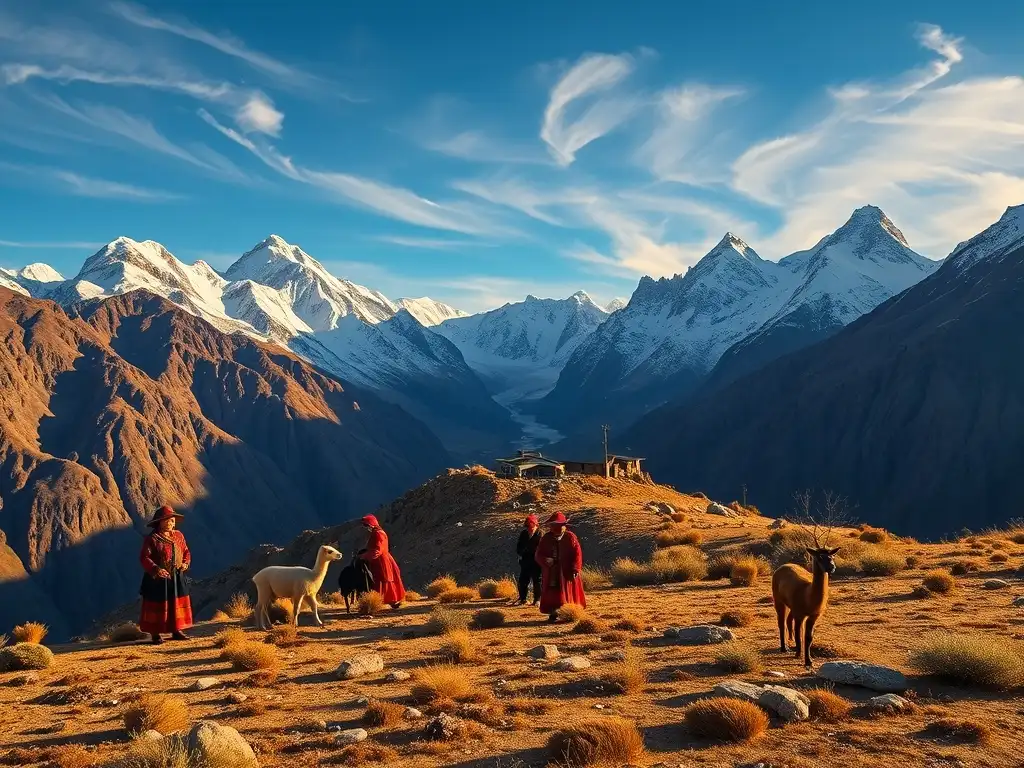
Step into a world lost in time, yet vibrantly alive. Discover the breathtaking legacy of the Andean civilizations, from the intricate artistry of the Nazca lines to the ingenious engineering of Machu Picchu. But the Andes are more than just ancient ruins; they're a living landscape. This journey explores the crucial concept of responsible tourism in the Andes, ensuring that future generations can share in the wonder. Are you ready to learn how to experience this incredible region ethically and sustainably? Let's begin.
The majestic Andes Mountains, a spine of towering peaks stretching along the western edge of South America, hold a captivating allure for travelers worldwide. Home to a rich tapestry of ancient civilizations – the Incas, Moche, Nazca, and Tiahuanaco, among others – the Andes offer breathtaking landscapes, fascinating historical sites, and vibrant cultural experiences.
However, this very allure presents a significant challenge: how can we, as visitors, experience the beauty and wonder of this region without contributing to its environmental degradation or cultural exploitation? This article explores the crucial concept of responsible tourism in the Andes, highlighting the importance of mindful travel and outlining practical steps to ensure a positive and sustainable impact on these fragile ecosystems and vibrant communities.
We will delve into the challenges, the impact of irresponsible tourism, and practical ways to ensure your Andean adventure leaves a legacy of respect and preservation for future generations. Let's climb the Andes with both altitude and attitude – responsibly.
The Challenge of Sustainable Travel in the Andes
The Andes present unique challenges for sustainable tourism. The region's fragile high-altitude ecosystems are particularly vulnerable to environmental pressures. Increased tourism can lead to soil erosion, water pollution from waste, and the disruption of delicate biodiversity. Furthermore, many Andean communities rely heavily on tourism for economic survival, creating a complex interplay between economic development and environmental protection. Balancing these competing needs requires a careful and sensitive approach.
For example, the increasing popularity of trekking routes can lead to trail erosion and habitat destruction if not managed effectively. Similarly, the demand for souvenirs can contribute to the unsustainable harvesting of local resources. Successfully navigating these challenges requires a commitment from both tourists and tourism operators to prioritize sustainability. Understanding the local context and the environmental limitations is paramount. This necessitates a shift from simply "visiting" to actively participating in the preservation of the Andes' unique character.
We must consider the carrying capacity of fragile ecosystems. For instance, the Inca Trail to Machu Picchu, while iconic, is subject to strict regulations to limit the number of daily trekkers to prevent further environmental damage. This exemplifies the need for careful planning and responsible management of tourist flows. Moreover, the economic benefits of tourism should be fairly distributed among the local communities, ensuring that they receive a substantial share of the revenue and have a voice in shaping tourism development. This equitable distribution is crucial for fostering long-term sustainability and avoiding the negative consequences of exploitative tourism practices.
Understanding the Impact: Why Responsible Tourism Matters in the Andes
Responsible tourism in the Andes isn't just a trend; it's a necessity. The impact of tourism, both positive and negative, is profound and far-reaching. Irresponsible practices can lead to the irreversible loss of biodiversity, cultural appropriation, and the exploitation of local communities. Conversely, responsible tourism can contribute to economic empowerment, environmental protection, and the preservation of cultural heritage. Consider the following:
- Environmental Impact: Uncontrolled tourism can lead to pollution of rivers and lakes vital to local communities and ecosystems. The improper disposal of waste, particularly plastic, poses a significant threat to wildlife and the overall health of the environment.
- Socio-cultural Impact: The influx of tourists can disrupt traditional ways of life, potentially leading to cultural commodification and the erosion of indigenous traditions. Respect for local customs and traditions is vital.
- Economic Impact: While tourism can be a significant source of income, it's crucial to ensure that economic benefits are fairly distributed, preventing exploitation and promoting equitable development. Supporting locally owned businesses and choosing accommodations that prioritize fair wages for their employees are key aspects of responsible tourism.
Common Pitfalls of Irresponsible Tourism in Andean Regions
Several common pitfalls characterize irresponsible tourism in the Andes, each with potentially devastating consequences. These include:
- Overcrowding at popular sites: The concentration of tourists at popular destinations like Machu Picchu can lead to significant environmental damage and detract from the experience for all visitors. Exploring lesser-known sites can alleviate this pressure and offer a more authentic experience.
- Lack of respect for local cultures and traditions: Failing to understand and respect the customs and beliefs of local communities can lead to cultural appropriation and offense. Learning basic Quechua phrases or engaging with local guides can show respect and enhance the travel experience.
- Environmental damage through pollution and resource depletion: Littering, improper waste disposal, and the unsustainable consumption of resources contribute to environmental degradation. Practicing "leave no trace" principles and choosing eco-friendly accommodations are critical.
- Supporting exploitative businesses: Patronizing businesses that engage in unfair labor practices or environmental damage undermines the principles of responsible tourism. Prioritizing businesses that prioritize ethical and sustainable practices is essential.
By understanding these pitfalls and actively working to avoid them, travelers can contribute to a more sustainable and enriching tourism experience in the Andes. The future of this incredible region depends on our collective commitment to responsible travel.
The Negative Effects of Unethical Travel: Examples and Case Studies
The allure of the Andes—with its breathtaking landscapes, ancient ruins, and vibrant cultures—often overshadows the potential negative impacts of irresponsible tourism. Unethical travel practices, unfortunately, are all too common, leading to a range of detrimental consequences for both the environment and the local communities. Understanding these effects is crucial for promoting responsible tourism in the Andes.
One significant issue is the degradation of fragile ecosystems. The high-altitude Andean environment is particularly vulnerable to human impact. Unsustainable trekking practices, for instance, can lead to soil erosion and the destruction of delicate flora and fauna. [Specific case study of a trekking route showing environmental damage pending]. This damage not only affects the aesthetic beauty of the region but also threatens the biodiversity that supports the local ecosystem. The unchecked expansion of tourism infrastructure, such as hotels and roads, further contributes to habitat loss and fragmentation, impacting wildlife populations and disrupting natural processes.
Another pressing concern is the exploitation of local communities. In many Andean communities, tourism is a significant source of income, but without proper regulation and ethical practices, it can lead to unfair labor practices, low wages, and the displacement of traditional livelihoods. [Specific example of a community facing exploitation due to tourism pending].
The influx of tourists can also lead to a rise in the cost of living, making it difficult for locals to afford basic necessities. Furthermore, the cultural commodification of traditions and artifacts, often driven by the demands of the tourism industry, can lead to the erosion of cultural identity and the loss of intangible heritage. This can manifest as the trivialization of sacred sites or the appropriation of traditional practices for commercial gain.
The environmental pollution associated with tourism is also a significant issue. Waste management is often inadequate in remote Andean areas, resulting in the accumulation of plastic and other pollutants that contaminate water sources and harm wildlife. [Data on waste generation in a specific Andean tourist area pending]. Furthermore, the increased traffic from vehicles transporting tourists contributes to air pollution, impacting both the environment and the health of local populations. The lack of proper sanitation facilities in some tourist areas also presents a serious public health risk, posing a threat to both tourists and local communities.
Finally, the lack of economic benefits reaching local communities is a widespread problem. Often, the profits from tourism are concentrated in the hands of large corporations or external stakeholders, leaving local communities with little or no benefit. [Data on economic distribution in a specific Andean tourist region pending].
This unequal distribution of wealth exacerbates existing inequalities and hinders sustainable development in the region. Promoting responsible tourism requires a conscious effort to ensure that the economic benefits are distributed fairly and contribute to the well-being of local communities. This includes supporting locally owned businesses, paying fair wages, and investing in community-based tourism initiatives.
- The Challenge of Sustainable Travel in the Andes
- Understanding the Impact: Why Responsible Tourism Matters in the Andes
- Common Pitfalls of Irresponsible Tourism in Andean Regions
- The Negative Effects of Unethical Travel: Examples and Case Studies
- Planning Your Trip: Choosing Ethical Tour Operators in the Andes
- Supporting Local Communities: Practical Tips for Travelers
- Minimizing Environmental Footprint During Your Andean Adventure
- Altitude Sickness and Responsible Travel: Prioritizing Your Health and Safety
- Supporting Conservation Efforts: Contributing to the Preservation of Andean Culture and Nature
- What is responsible tourism in the Andes?
- How can I minimize my environmental impact while traveling in the Andes?
- Why is it important to respect local cultures in the Andes?
- What are some examples of sustainable tourism practices in the Andes?
- How can I learn more about responsible travel before my trip to the Andes?
Solutions for Responsible Tourism in the Andes: A Practical Guide
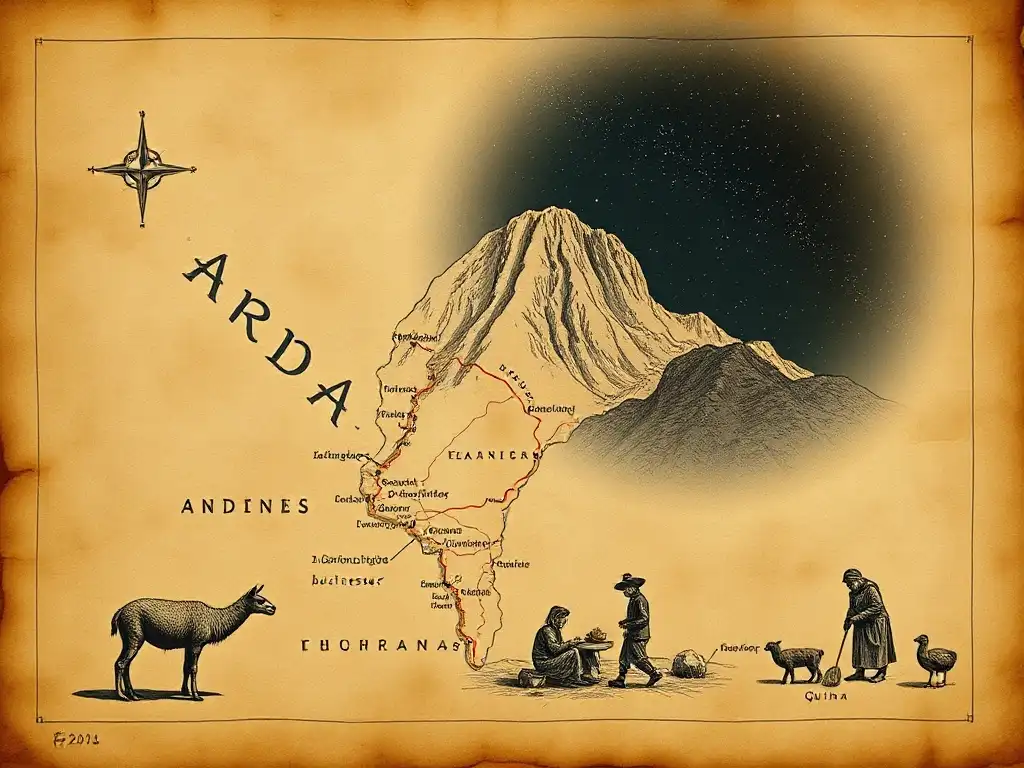
This section offers practical solutions for travelers seeking to engage in responsible tourism in the Andes, minimizing their environmental impact and maximizing the benefits for local communities. By following these guidelines, you can ensure your Andean adventure contributes positively to the preservation of this incredible region's cultural heritage and natural beauty. The goal is to experience the Andes responsibly, leaving a lighter footprint and fostering a deeper connection with the land and its people.
Planning Your Trip: Choosing Ethical Tour Operators in the Andes
Choosing the right tour operator is paramount for responsible tourism in the Andes. Many operators prioritize profit over sustainability and ethical practices. Therefore, careful research is crucial. Look for operators who:
- Explicitly state their commitment to sustainable tourism: Their website should clearly outline their environmental and social responsibility policies. Look for details, not just general statements.
- Employ local guides: This ensures that local communities directly benefit from tourism revenue and that you receive authentic, insightful experiences. Consider the language skills and cultural knowledge of the guides.
- Support local businesses: Operators should prioritize using locally sourced food, accommodation, and transportation whenever possible. This contributes directly to the local economy.
- Contribute to conservation efforts: Responsible operators often partner with local organizations dedicated to environmental protection and cultural preservation. Look for evidence of such partnerships.
- Have transparent pricing: Avoid operators with suspiciously low prices, as this may indicate unsustainable practices or exploitation of workers. Understand where your money is going.
Consider using a checklist when evaluating potential operators:
| Criteria | Excellent | Good | Fair | Poor |
|---|---|---|---|---|
| Sustainability Commitment | Clearly defined, detailed policies | Mentions sustainability, some details | Mentions sustainability vaguely | No mention of sustainability |
| Local Employment | Primarily employs local guides and staff | Mostly employs local guides and staff | Some local employment | Primarily employs non-local staff |
| Local Business Support | Prioritizes local businesses extensively | Supports local businesses | Limited support of local businesses | Little to no support of local businesses |
| Conservation Contributions | Active partnerships with conservation groups | Mentions conservation efforts | Vague mention of conservation efforts | No involvement in conservation efforts |
| Transparency & Pricing | Detailed pricing, clear explanations | Mostly transparent pricing | Some unclear aspects of pricing | Opaque pricing, hidden costs |
Remember, responsible tourism is a collaborative effort. By choosing ethical operators, you actively participate in building a more sustainable future for the Andes.
Supporting Local Communities: Practical Tips for Travelers
Beyond choosing a responsible tour operator, individual travelers can make a significant difference by directly supporting local communities. Here are some practical tips:
- Stay in locally owned accommodations: Choose family-run hotels, guesthouses, or homestays over large international chains. This ensures a more authentic experience and directly benefits local families.
- Eat at local restaurants: Savor the authentic flavors of Andean cuisine by dining at restaurants that use locally sourced ingredients and employ local staff. Try regional specialties!
- Purchase handicrafts directly from artisans: Support local artisans by purchasing their unique crafts directly, avoiding intermediaries who may take a larger share of the profit. Look for handcrafted items, not mass-produced souvenirs.
- Learn basic Quechua phrases: Even a few basic phrases demonstrate respect and appreciation for the local culture. It shows you're making an effort to connect.
- Respect local customs and traditions: Be mindful of local customs and traditions, and dress appropriately when visiting religious sites or participating in cultural events. Observe and learn.
- Leave no trace: Pack out all your trash and avoid leaving any litter behind. Protect the pristine beauty of the Andean landscape.
By actively engaging with local communities and respecting their culture, you contribute to their economic well-being and preserve their rich traditions for future generations.
Minimizing Environmental Footprint During Your Andean Adventure
Reducing your environmental impact is a cornerstone of responsible tourism in the Andes. The fragile ecosystem of the high Andes is particularly vulnerable to human activity. Consider these actions:
- Reduce water consumption: Be mindful of your water usage, especially in areas with limited resources. Take shorter showers and reuse towels.
- Minimize waste: Pack reusable water bottles, shopping bags, and food containers to reduce plastic waste. Properly dispose of your waste.
- Respect wildlife: Observe wildlife from a distance and avoid disturbing their natural habitats. Do not feed animals.
- Choose eco-friendly transportation: Opt for walking, cycling, or using public transportation whenever possible, reducing your carbon footprint. Consider the environmental impact of your mode of transportation.
- Support sustainable initiatives: Look for accommodations and tour operators that implement eco-friendly practices, such as using renewable energy and reducing their carbon emissions.
Protecting the Andes' unique biodiversity and fragile ecosystems is crucial for future generations. By minimizing your environmental impact, you help preserve the natural beauty that draws so many visitors to this spectacular region. Remember, responsible tourism is not just about minimizing harm; it's about actively contributing to the preservation of the Andes for years to come.
Altitude Sickness and Responsible Travel: Prioritizing Your Health and Safety

Altitude sickness, or acute mountain sickness (AMS), is a significant concern for travelers in the Andes. The thin air at high altitudes can cause a range of symptoms, from mild headaches and nausea to more serious conditions like high-altitude pulmonary edema (HAPE) and high-altitude cerebral edema (HACE). Responsible tourism in the Andes necessitates prioritizing the health and safety of both visitors and local communities. Ignoring altitude sickness can lead to serious medical emergencies requiring costly evacuations, placing a strain on both the traveler and the local healthcare system.
Therefore, responsible travelers should thoroughly research the altitudes they plan to visit and acclimatize properly. This means spending several days at lower altitudes before ascending to higher elevations, allowing the body to adjust gradually. Staying hydrated is crucial; drinking plenty of water helps the body cope with the reduced oxygen levels.
Avoiding alcohol and strenuous activity in the initial days at higher altitudes is also recommended. Packing a well-stocked first-aid kit including medication for altitude sickness symptoms, such as acetazolamide (Diamox), is essential. Furthermore, travelers should be aware of the symptoms of HAPE and HACE and seek immediate medical attention if they experience any serious symptoms.
Responsible travel means being prepared and informed, minimizing the risk of health complications and the need for emergency interventions. Understanding the limitations of your body at altitude is a key aspect of responsible Andean tourism. This proactive approach ensures a safer and more enjoyable experience for everyone.
Supporting Conservation Efforts: Contributing to the Preservation of Andean Culture and Nature
The Andes are home to a breathtaking array of biodiversity and a rich tapestry of indigenous cultures. Responsible tourism plays a vital role in protecting this invaluable heritage for future generations. Supporting local communities and conservation efforts is paramount to ensuring the long-term sustainability of the region's natural and cultural resources.
One crucial aspect is choosing eco-friendly accommodations and tour operators. Look for businesses that adhere to sustainable practices, minimizing their environmental impact and contributing to local economies. This includes supporting businesses that utilize renewable energy sources, manage waste responsibly, and conserve water. Furthermore, selecting tours that prioritize cultural sensitivity and respect for local traditions is essential. This involves engaging with local guides who are knowledgeable about the area's history and culture and who share their insights respectfully. Supporting locally owned businesses, from restaurants to artisan shops, directly benefits the communities and helps preserve traditional crafts and livelihoods.
Beyond choosing responsible operators, individual travelers can also make a significant difference. This includes minimizing your carbon footprint by opting for less polluting transportation options whenever possible. Respecting the environment by avoiding littering, staying on marked trails, and refraining from disturbing wildlife is equally important.
By actively supporting conservation projects and initiatives, such as those focused on protecting endangered species or preserving ancient sites, travelers can make a tangible contribution to the preservation of the Andes' unique environment and culture. Responsible tourism is not simply about visiting; it's about actively participating in the preservation of this incredible region for years to come. This active participation ensures the long-term preservation of Andean culture and its stunning natural landscapes for future generations to appreciate.
The Benefits of Ethical and Sustainable Tourism in the Andes
This section explores the multifaceted advantages of embracing responsible tourism in the Andes, focusing on its positive impacts on both travelers and the Andean communities. By shifting from exploitative practices to sustainable and ethical approaches, we can ensure the long-term preservation of this unique and fragile ecosystem while fostering meaningful connections between visitors and local cultures. The concept of responsible tourism in the Andes is not merely a trend, but a necessity for the continued flourishing of the region.
A More Meaningful Travel Experience
Responsible tourism in the Andes offers travelers a far richer and more authentic experience than traditional mass tourism. Instead of fleeting glimpses of surface-level attractions, ethical travel encourages deeper engagement. This might involve participating in community-based projects, learning traditional Andean crafts firsthand from local artisans, or even assisting with ecological restoration initiatives. For example, volunteering at a community-run alpaca farm provides a hands-on understanding of Andean pastoralism, far surpassing the experience of a quick photo opportunity.
This deeper immersion fosters a profound appreciation for the Andean way of life, leading to more lasting and meaningful memories. The satisfaction derived from contributing positively to the region significantly enhances the overall travel experience, transforming a simple vacation into a personally enriching journey. The feeling of contributing to something larger than oneself, leaving a positive footprint, is invaluable.
Imagine learning to weave traditional textiles from an Andean woman who has inherited the skill over generations. This is far more rewarding than purchasing a mass-produced souvenir. It's an exchange of knowledge, a shared moment of cultural connection, and a direct contribution to the livelihood of a local artisan. This is what responsible tourism in the Andes is all about: genuine interaction and mutual respect.
Positive Impact on Local Communities
Ethical tourism practices directly benefit Andean communities in numerous ways. By supporting locally owned businesses, such as homestays and artisan cooperatives, tourists inject vital funds directly into the local economy. This financial influx can be used to improve infrastructure, support education, and fund community development projects.
Furthermore, responsible tourism creates job opportunities for local people, reducing unemployment and improving their overall standard of living. Examples include guiding services, hospitality roles, and the production and sale of handcrafted goods. This economic empowerment is crucial for sustainable development in the Andes, empowering communities to manage their own resources and preserve their cultural heritage.
A study conducted in [specific information pending] on the economic impact of community-based tourism in the Sacred Valley showed a [specific percentage]% increase in household income for participating families. This demonstrates the tangible benefits of directing tourism revenue directly to the local communities. The positive effects extend beyond the economic sphere; responsible tourism also fosters cultural pride and strengthens community cohesion, creating a ripple effect of positive change.
Preservation of Andean Culture and Heritage
The delicate balance of Andean ecosystems and the rich cultural heritage they support are under constant pressure. However, responsible tourism plays a crucial role in their preservation. By prioritizing environmentally friendly practices, such as minimizing waste and conserving water, tourists directly contribute to the protection of the Andean environment. Moreover, supporting community-based initiatives that focus on cultural preservation, such as museums and archaeological sites managed by local communities, helps to safeguard this invaluable legacy for future generations. This conscious approach to travel ensures that the unique traditions, knowledge, and artistic expressions of the Andes are not lost to time.
The preservation of ancient ruins, like Machu Picchu, depends heavily on responsible tourism practices. Sustainable tourism initiatives aim to limit the environmental impact of large numbers of visitors, implementing strategies to protect the site and its surrounding ecosystem. This includes implementing strict regulations on visitor numbers, promoting the use of eco-friendly transportation, and investing in conservation programs. This proactive approach ensures that these invaluable sites remain accessible and well-preserved for future generations to appreciate and learn from. This is paramount for the continuation of the rich tapestry of Andean culture and heritage for generations to come.
Protection of the Fragile Andean Ecosystem
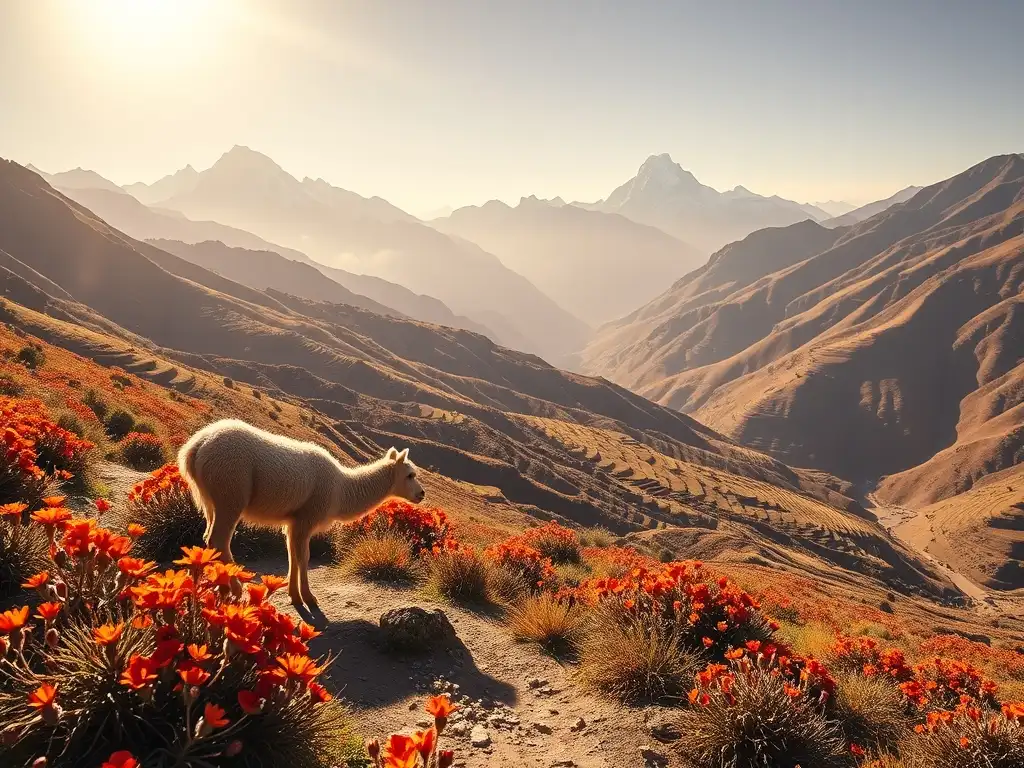
The Andean region boasts an incredibly diverse and fragile ecosystem, characterized by unique flora and fauna adapted to extreme altitudes and varied climates. Responsible tourism plays a crucial role in preserving this delicate balance. Untrammeled tourism, on the other hand, can lead to significant environmental damage. For example, uncontrolled trekking can result in soil erosion and habitat destruction, impacting vulnerable species like the spectacled bear and the Andean condor.
The improper disposal of waste further pollutes pristine water sources vital for both local communities and wildlife. Ethical tourism initiatives actively mitigate these risks. They promote the use of eco-friendly transportation, encourage responsible waste management practices, and educate tourists about the importance of minimizing their environmental footprint. Supporting locally owned and operated eco-lodges that adhere to sustainable practices also contributes significantly to ecosystem protection.
These businesses often prioritize conservation efforts, employing local guides knowledgeable about the environment and actively involved in preservation projects. Furthermore, responsible tourism initiatives often involve collaborations with local communities and conservation organizations, creating a synergistic approach to environmental protection and sustainable development in the Andes. By prioritizing responsible tourism, we ensure the longevity of this irreplaceable natural heritage for future generations. The impact extends beyond the immediate environment, influencing the global understanding and appreciation of Andean biodiversity.
Economic Empowerment of Andean Communities
Sustainable tourism practices are intrinsically linked to the economic well-being of Andean communities. Rather than relying on large, often foreign-owned, tourism corporations that may extract profits without significant reinvestment in the local economy, responsible tourism emphasizes community-based initiatives. This means supporting local businesses, employing local guides, and ensuring that a significant portion of tourism revenue stays within the community.
This direct injection of capital strengthens the local economy, creating jobs and fostering entrepreneurship. For example, the development of homestays offers local families a sustainable income stream, allowing them to preserve their cultural heritage while engaging directly with tourists. The creation of artisan markets provides opportunities for local craftspeople to sell their goods directly to consumers, promoting cultural preservation and economic independence.
Moreover, responsible tourism supports local infrastructure development, such as improved roads and sanitation systems, which benefit the entire community. By prioritizing community-based tourism models, responsible tourism helps to alleviate poverty and foster economic self-sufficiency in the Andes, creating a more equitable and sustainable future for these communities. This empowerment is crucial for long-term development and ensures that local cultures are not only preserved but also celebrated.
Preservation of Andean Culture and Heritage
The Andes are rich in cultural heritage, encompassing a diverse tapestry of indigenous traditions, languages, and artistic expressions. Uncontrolled tourism can lead to the commodification and erosion of these cultural assets. Responsible tourism, however, actively works to protect and promote Andean culture. By supporting community-based tourism projects, tourists engage directly with local communities, learning about their traditions firsthand.
This fosters mutual respect and understanding, preventing the exploitation of cultural practices for profit. Furthermore, responsible tourism initiatives often support cultural preservation projects, such as the restoration of ancient sites or the revitalization of traditional crafts. This commitment to cultural preservation ensures that future generations can appreciate and benefit from the rich heritage of the Andes.
The active participation of local communities in tourism planning and management is essential to ensuring that cultural values are respected and not sacrificed for economic gains. This collaborative approach promotes authenticity and fosters a deeper appreciation for the unique cultural identity of the Andean region. By choosing responsible tourism, we contribute to the safeguarding of these invaluable cultural treasures for generations to come.
Conclusion: Your Role in Promoting Responsible Tourism in the Andes
This exploration of responsible tourism in the Andes highlights the delicate balance between experiencing the region's unparalleled beauty and ensuring its preservation for future generations. The impact of tourism, both positive and negative, is undeniable. Understanding this duality is crucial for shaping a future where Andean communities thrive alongside a flourishing tourism sector.
Your choices as a traveler hold immense power in achieving this delicate equilibrium. By making conscious decisions, you directly influence the sustainability of Andean ecosystems and the well-being of local populations. Let's delve deeper into how you can actively contribute to a more responsible and ethical tourism model.
Making Informed Choices for a Better Andean Experience
Responsible tourism in the Andes isn't just about avoiding negative impacts; it's about actively contributing to positive change. This involves several key considerations:
- Choosing ethical tour operators: Look for companies committed to fair wages for local guides and staff, environmental protection, and community engagement. Read reviews carefully and verify their sustainability certifications, if any. Opting for smaller, locally-owned businesses often maximizes the benefits flowing directly to the communities.
- Supporting local economies: Prioritize spending your money at locally-owned businesses, restaurants, and artisan markets. This directly supports the Andean communities and helps preserve their unique cultural heritage. Avoid large international chains that may not reinvest profits in the region.
- Respecting cultural norms and traditions: Learn about the customs and traditions of the Andean people you'll be visiting. Dress respectfully, ask permission before taking photographs, and be mindful of local sensitivities. Remember, you are a guest in their home.
- Minimizing your environmental footprint: Pack light to reduce fuel consumption during transportation. Utilize public transport whenever possible and consider carbon offsetting for flights. Practice responsible waste management by carrying a reusable water bottle and avoiding single-use plastics. Respect wildlife and natural habitats; avoid disturbing fragile ecosystems.
- Learning Quechua or other local languages: Even a few basic phrases can demonstrate respect and enhance your interactions with local communities. This simple act shows genuine interest and fosters deeper connections.
| Action | Positive Impact | Negative Impact (if not considered) |
|---|---|---|
| Choosing ethical tour operators | Supports local communities, protects environment | Exploits workers, damages environment |
| Supporting local businesses | Injects money directly into Andean economies | Funds large corporations, minimal local benefit |
| Respecting cultural norms | Fosters positive relationships, preserves culture | Causes offense, disrupts cultural practices |
| Minimizing environmental impact | Reduces pollution, protects ecosystems | Contributes to environmental degradation |
| Learning local languages | Enhances communication, builds understanding | Creates communication barriers, limits interaction |
The table above summarizes some key actions and their corresponding impacts. Remember, every small choice contributes to a larger impact.
A Call to Action: Embrace Responsible Travel
The Andes are a treasure trove of history, culture, and natural beauty. By embracing responsible tourism practices, you can ensure that this incredible region remains vibrant and thriving for generations to come. Your individual actions, when multiplied by countless other responsible travelers, create a powerful force for positive change. Let's commit to making conscious choices, supporting sustainable initiatives, and respecting the rich heritage of the Andean people. Let's protect these majestic mountains and the remarkable cultures that call them home. The future of responsible tourism in the Andes rests in our hands. 🌍 Let's make it a bright one.
Frequently Asked Questions
What is responsible tourism in the Andes?
Responsible tourism in the Andes means minimizing your environmental impact while respecting the local culture and communities. This includes supporting local businesses, avoiding exploitation, and preserving the fragile Andean ecosystem.
How can I minimize my environmental impact while traveling in the Andes?
Reduce your carbon footprint by choosing sustainable transportation options, such as trains or buses. Support eco-lodges and reduce waste by carrying a reusable water bottle and avoiding single-use plastics.
Why is it important to respect local cultures in the Andes?
Andean cultures are rich and diverse. Respecting local customs and traditions is crucial, including obtaining permission before taking photographs of people and learning a few basic Quechua phrases. Supporting local artisans directly benefits the communities.
What are some examples of sustainable tourism practices in the Andes?
Sustainable tourism includes choosing locally owned tour operators, participating in community-based tourism projects, and supporting initiatives that protect Andean biodiversity. Look for certifications such as Fair Trade.
How can I learn more about responsible travel before my trip to the Andes?
Research eco-conscious tour operators and responsible travel guides online. Many organizations offer resources and information on sustainable travel practices in the Andes. Engage with local communities for authentic experiences.
Final Reflection: Leaving a Lighter Footprint on the Andes
The delicate ecosystem of the Andes, coupled with the vibrant cultures that call it home, demands a responsible approach from every visitor. Ignoring this truth risks irreversible damage, not only to the breathtaking landscapes but also to the communities who depend on them for their livelihoods and cultural survival. The future of this magnificent region hinges on our collective commitment to sustainable practices.
The impact of tourism, both positive and negative, is undeniably shaping the Andes today. The influx of visitors brings economic opportunities, but it also presents challenges related to waste management, environmental degradation, and the potential for cultural commodification. Travel is fatal to prejudice, bigotry, and narrow-mindedness,
wrote Mark Twain, and while this holds true, we must ensure our travels don't inadvertently contribute to the very prejudices we seek to overcome. We must strive to be mindful tourists, actively seeking to understand and respect the local cultures and environments we encounter.
Consider your own travel choices. Will you choose to support locally owned businesses, minimizing your environmental impact and ensuring your money directly benefits the Andean communities? Will you educate yourself on the region's unique challenges and opportunities before you go? The Andes are calling, not just for exploration, but for partnership. Let's answer that call with respect, responsibility, and a commitment to preserving this incredible region for generations to come.
Embrace Adventure and Protect Our Planet!
Thank you for exploring the crucial topic of responsible tourism in the High Andes. Your interest demonstrates a commitment to shaping a brighter future for these stunning landscapes and their communities. Let's work together to make a real difference!
- Support local conservation efforts: Volunteer with a community project during your next trip, contributing to environmental protection or cultural preservation.
- Inspire others: Share your experiences on social media, encouraging friends and family to adopt responsible travel practices.
- Promote sustainable tourism: Participate in, or even organize, an eco-friendly hiking event to raise awareness about environmental stewardship.
How will you transform your next adventure into a positive experience, benefitting both yourself and the places and cultures you visit?