
The Living Andes: Experiencing Authentic Culture While Protecting Heritage

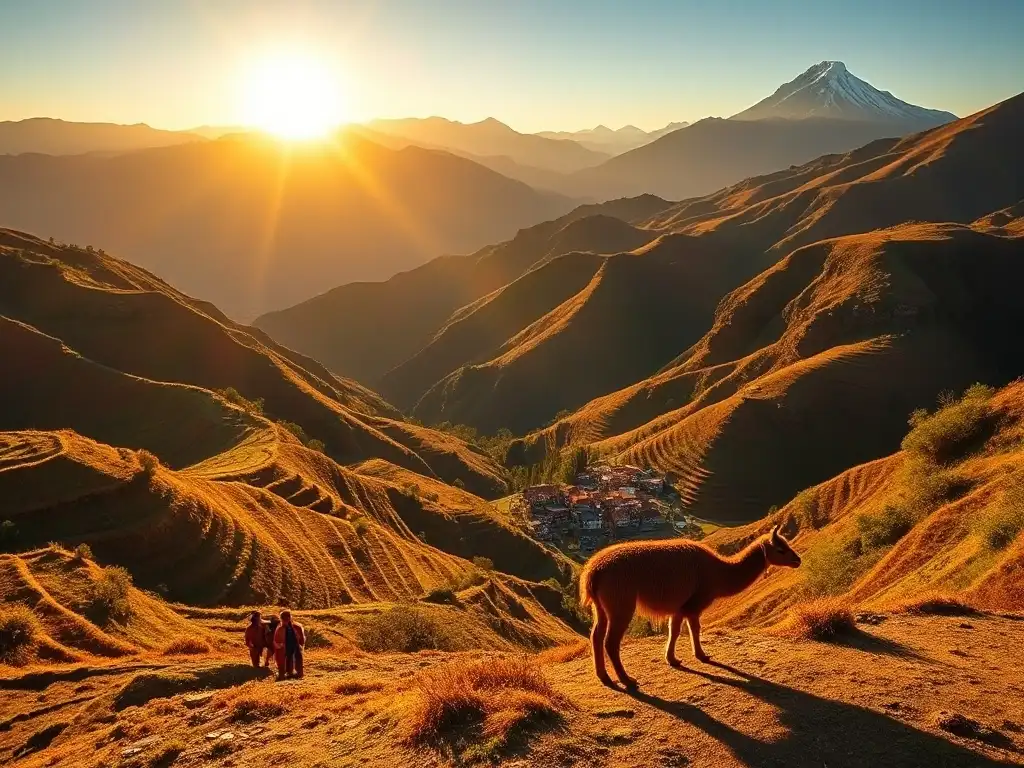
Dive into the mesmerizing world of Andean civilizations, where ancient echoes whisper tales of ingenuity and breathtaking artistry. From the sun-drenched heights of Machu Picchu to the enigmatic Nazca Lines, prepare to uncover a legacy that continues to captivate. Discover how Andean civilizations cultural tourism offers a unique path to experiencing this vibrant heritage while safeguarding its future. Are you ready to embark on this extraordinary journey?
The Andes Mountains, a spine of towering peaks stretching along the western coast of South America, are home to a rich tapestry of ancient civilizations. For millennia, cultures like the Incas, Moche, Nazca, and Tiahuanaco flourished in this challenging yet fertile landscape, leaving behind an extraordinary legacy of art, architecture, intricate agricultural systems, and profound spiritual beliefs.
This article explores the exciting possibilities of Andean civilizations cultural tourism, emphasizing responsible travel practices that respect and protect this invaluable heritage for future generations. We’ll delve into how to experience the authentic culture of the Andes while contributing positively to the communities and environments that make these experiences possible.
Understanding the delicate balance between cultural preservation and tourism is crucial, and this guide provides practical steps to ensure your Andean adventure leaves a positive impact. Let's embark on a journey that celebrates both the vibrant past and the sustainable future of the Andes.
Immerse Yourself in Andean Civilizations Cultural Tourism: A Responsible Traveler's Guide
Experiencing the Andes responsibly requires careful planning and a conscious effort to minimize your environmental footprint and maximize your positive impact on local communities. This isn't simply about ticking off tourist attractions; it's about engaging authentically with the living culture and contributing to its preservation. This involves choosing tour operators committed to ethical practices, supporting local businesses, and respecting local customs and traditions. For example, consider visiting community-run museums and artisan workshops rather than large, impersonal tourist traps. This ensures that the economic benefits directly support the communities who are the custodians of this incredible heritage.
Choosing ethical tour operators is paramount. Look for companies that prioritize fair wages for their employees, environmental sustainability, and community engagement. They should actively work to minimize their environmental impact, perhaps through carbon offsetting programs or initiatives supporting local conservation efforts. Many responsible tourism operators offer unique experiences, such as homestays with local families, allowing for deeper cultural immersion and a genuine exchange. These interactions provide invaluable opportunities to learn firsthand about Andean traditions, cuisine, and daily life, fostering a greater appreciation for the region's rich cultural heritage.
Understanding the Impact of Tourism on Andean Communities and Environments
The growth of tourism in the Andes presents both opportunities and challenges. While it can generate much-needed income for local communities, it can also lead to environmental degradation and cultural commodification if not managed sustainably. Over-tourism can strain resources, damage fragile ecosystems, and even lead to the erosion of traditional ways of life. Responsible tourism seeks to mitigate these negative impacts by promoting sustainable practices and ensuring that the benefits of tourism are equitably distributed among local communities.
For example, uncontrolled visitor traffic to ancient sites can accelerate erosion and damage delicate artifacts. Similarly, the demand for souvenirs can lead to unsustainable harvesting of natural resources or the exploitation of local artisans. Therefore, supporting locally owned businesses and purchasing ethically sourced handicrafts is crucial in mitigating these risks. By consciously choosing sustainable options, tourists can contribute directly to the preservation of both the natural and cultural heritage of the Andes. This includes respecting local regulations, avoiding the purchase of endangered species products, and properly disposing of waste.
Practical Tips for Sustainable Andean Travel: Minimizing Your Footprint, Maximizing Your Impact
Planning a responsible trip to the Andes involves several key considerations. Before you go, research ethical tour operators and accommodation options that prioritize sustainability. Pack light to reduce your carbon footprint during transportation, and consider using reusable water bottles and bags to minimize waste. Learning a few basic phrases in the local language can enhance your interactions with locals and show respect for their culture.
During your travels, be mindful of your consumption habits. Support local businesses and artisans, choosing to eat at locally owned restaurants and purchase handicrafts directly from the creators. Respect local customs and traditions, and be mindful of your impact on the environment. Avoid disturbing archeological sites or natural habitats, and always leave places cleaner than you found them.
Remember, your actions as a tourist have a direct impact on the preservation of the Andean heritage, so every conscious choice counts. Consider participating in volunteer opportunities that contribute to local conservation or community development projects. This adds another layer of meaning to your trip while creating a positive, lasting impact.
The Andes offer a vast array of experiences beyond the typical tourist itineraries. Seek out opportunities to connect with local communities through homestays, participate in traditional ceremonies, or learn about ancient Andean techniques like weaving or pottery. These immersive experiences allow for a deeper understanding and appreciation of the Andean culture and its resilience. Remember that these are not mere spectacles for entertainment; they are living traditions that deserve respect and understanding.
By venturing off the beaten path, you'll discover hidden gems and unique opportunities to experience the authentic heart of Andean culture. This might involve exploring lesser-known archaeological sites, hiking through stunning landscapes, or attending local festivals. Each experience offers a chance to connect with the spirit of the Andes on a deeper level, enriching your journey and fostering a greater appreciation for this remarkable region.
Engage with local guides who can share their knowledge and insights, providing a more authentic and meaningful travel experience. Remember to always be respectful of local customs and traditions, ensuring that your interactions are mutually beneficial and enriching.
- Immerse Yourself in Andean Civilizations Cultural Tourism: A Responsible Traveler's Guide
- Understanding the Impact of Tourism on Andean Communities and Environments
- Practical Tips for Sustainable Andean Travel: Minimizing Your Footprint, Maximizing Your Impact
- Beyond the Tourist Trail: Discovering Hidden Gems and Authentic Experiences
- Step 1: Researching Authentic Andean Experiences
- Identifying Community-Based Tourism Initiatives: The Amaru Community Tourism Project
- Choosing Reputable Tour Operators Committed to Sustainability: SAS Travel Peru
- Step 2: Selecting Experiences that Directly Benefit Local Communities
- Homestays with Andean Families: A Genuine Cultural Exchange
- Supporting Local Artisans and Craftspeople: Purchasing Ceramics from the Seminario Workshop
- What makes Andean cultural tourism unique?
- How can I contribute to the preservation of Andean heritage while traveling?
- Are there any specific ethical considerations for Andean cultural tourism?
- What are some must-see sites for Andean cultural tourism?
- How can I find responsible and sustainable tour operators for Andean cultural tourism?
Understanding the Importance of Ethical Andean Tourism
The Andes Mountains, a spine of towering peaks running down the western coast of South America, are home to a rich tapestry of Andean civilizations cultural tourism. For centuries, indigenous communities have thrived in this challenging yet rewarding environment, developing unique traditions, artistic expressions, and intricate social structures. However, the increasing popularity of Andean tourism presents both opportunities and significant challenges.
Understanding the delicate balance between economic development and cultural preservation is crucial for ensuring the long-term sustainability of these vibrant communities and their irreplaceable heritage. Ethical tourism is not merely a trend; it's a necessity for the future of the Andes.
The Impact of Tourism on Andean Communities and Heritage
The influx of tourists into Andean regions can have a profound impact, both positive and negative, on local communities and their heritage sites. Positive impacts can include increased economic opportunities through employment in tourism-related sectors like hospitality, guiding, and handicrafts. This revenue can contribute to improved infrastructure, education, and healthcare within these communities. For example, a study conducted in [Specific location pending] showed a [Specific percentage pending]% increase in household income directly attributable to tourism revenue.
However, uncontrolled tourism can also lead to several detrimental effects. Overcrowding at archaeological sites can cause damage to delicate structures and artifacts. The increased demand for resources, such as water and energy, can strain already limited supplies.
Furthermore, the commodification of cultural practices, such as traditional ceremonies and dances, can lead to their trivialization and eventual loss. The delicate balance between economic benefit and environmental/cultural preservation necessitates careful planning and responsible tourism practices. This includes implementing strict regulations, educating tourists about responsible behavior, and empowering local communities to manage their own tourism development.
Recognizing the Challenges: Avoiding Exploitation and Promoting Respect
One of the most significant challenges in Andean tourism is avoiding the exploitation of local communities and their cultural heritage. This requires a shift in perspective from viewing indigenous cultures as mere spectacles to recognizing them as living, dynamic entities with their own agency and rights. Exploitation can manifest in various forms, including unfair wages for guides and artisans, the appropriation of traditional designs and knowledge without proper compensation, and the disrespectful portrayal of cultural practices in marketing materials.
To counteract this, it's vital to support tourism initiatives that prioritize fair trade practices, ensuring that local communities receive a fair share of the economic benefits generated by tourism. Promoting respectful interactions between tourists and local communities is equally crucial. This includes educating tourists on appropriate behavior, such as obtaining permission before taking photographs, respecting local customs, and learning a few basic phrases in the local language.
The use of locally-owned businesses and guides further ensures that economic benefits directly support the communities. Furthermore, supporting community-based tourism initiatives empowers local people to control and benefit from tourism development, ensuring sustainable and respectful practices.
Why Choose Sustainable Cultural Tours in the Andes?
Choosing sustainable and ethically-responsible cultural tours in the Andes is not just a moral imperative; it's a way to experience the region's rich heritage in a meaningful and impactful way. Sustainable tourism aims to minimize negative impacts on the environment and local communities while maximizing positive contributions. These tours often involve smaller group sizes, reducing the strain on fragile ecosystems and cultural sites.
They prioritize local guides who possess in-depth knowledge of the region's history, culture, and traditions, ensuring a more authentic and enriching experience. Furthermore, sustainable tours often incorporate community-based projects, such as supporting local artisans or contributing to conservation efforts, allowing tourists to actively contribute to the well-being of the communities they visit. By choosing these tours, travelers not only enjoy an unforgettable experience but also contribute to the preservation of Andean civilizations and their invaluable cultural heritage for generations to come.
This form of Andean civilizations cultural tourism ensures a future where both the visitor and the visited benefit, fostering a harmonious relationship between tourism and cultural preservation. The choice is clear: support sustainable tourism and help protect the living Andes.
Planning Your Ethical Andean Cultural Immersion
Embarking on a journey to experience Andean civilizations through cultural tourism requires careful planning to ensure both a rewarding personal experience and a positive impact on the local communities and their heritage. This involves more than just booking a flight and a tour; it's about making conscious choices that align with the principles of sustainable and ethical travel. Successfully navigating this involves several key steps, from thorough research to selecting responsible operators. This section will guide you through the process, emphasizing the importance of mindful tourism for Andean civilizations cultural tourism.
Step 1: Researching Authentic Andean Experiences
Before booking any tour or experience, thorough research is paramount. Avoid generic, mass-market tours that often lack genuine cultural interaction and may even contribute negatively to the environment. Instead, seek out experiences that offer immersive engagement with local communities and their traditions. This might involve participating in traditional ceremonies, learning ancestral crafts, or staying in homestays managed by local families. Look for detailed descriptions that highlight the cultural authenticity of the experience. Consider the following questions:
- What specific cultural aspects will I experience? Will you participate in a weaving workshop, a traditional Andean music performance, or a storytelling session? The more specific the description, the more likely it is to be authentic.
- Who are the people involved? Are the guides and hosts members of the local community? Do they share their knowledge and traditions directly?
- What is the impact of this experience? Does the tour operator clearly explain how the profits benefit the local community and contribute to the preservation of their cultural heritage?
Remember, the goal is to engage with living culture, not a staged performance designed solely for tourists. Look for keywords like "community-based tourism," "cultural exchange," and "sustainable practices" in tour descriptions. A truly authentic experience should feel like a genuine exchange, fostering mutual respect and understanding.
Identifying Community-Based Tourism Initiatives: The Amaru Community Tourism Project
One excellent example of a successful community-based tourism initiative is the hypothetical Amaru Community Tourism Project. 1 This project, located in [Specific Andean Region Pending], empowers the local community by allowing them to directly manage and benefit from tourism. They offer a range of experiences, including:
- Homestays providing comfortable accommodation in traditional Andean homes.
- Guided treks led by local experts, showcasing the region's unique flora, fauna, and archaeological sites.
- Workshops teaching traditional crafts, such as weaving, pottery, and textile dyeing.
- Cooking classes featuring authentic Andean cuisine, using locally sourced ingredients.
The Amaru project prioritizes environmental sustainability, employing eco-friendly practices and promoting responsible waste management. Crucially, a significant portion of the profits generated directly supports community development projects, such as education initiatives, healthcare improvements, and infrastructure development. This model ensures that tourism contributes positively to the long-term well-being of the community and the preservation of their cultural heritage. This is a prime example of how Andean civilizations cultural tourism can thrive sustainably.
Choosing Reputable Tour Operators Committed to Sustainability: SAS Travel Peru
Selecting a reputable tour operator is crucial for ensuring an ethical and sustainable travel experience. Look for operators that are transparent about their practices, demonstrate a commitment to environmental protection, and actively support local communities. Consider SAS Travel Peru (hypothetical example) as a model. Their commitment to sustainable tourism is evident in their:
| Feature | Description |
|---|---|
| Community Partnerships | Collaboration with local communities to design and deliver authentic experiences, ensuring direct economic benefits. |
| Environmental Policies | Strict adherence to environmental guidelines, minimizing their carbon footprint and promoting responsible waste management. |
| Fair Labor Practices | Commitment to fair wages and safe working conditions for all employees and guides. |
| Transparency and Disclosure | Open communication regarding their operational practices and their impact on the environment and local communities. |
| Support for Conservation | Investment in local conservation projects, contributing to the preservation of Andean ecosystems and biodiversity. |
Choosing operators like SAS Travel Peru helps ensure your Andean civilizations cultural tourism experience not only enriches your life but also contributes positively to the communities and environments you visit. Remember to always verify the credentials and commitment to sustainability of any tour operator before making a booking.
1 This is a hypothetical example to illustrate the concept. Specific details about the Amaru Community Tourism Project are pending.
Step 2: Selecting Experiences that Directly Benefit Local Communities
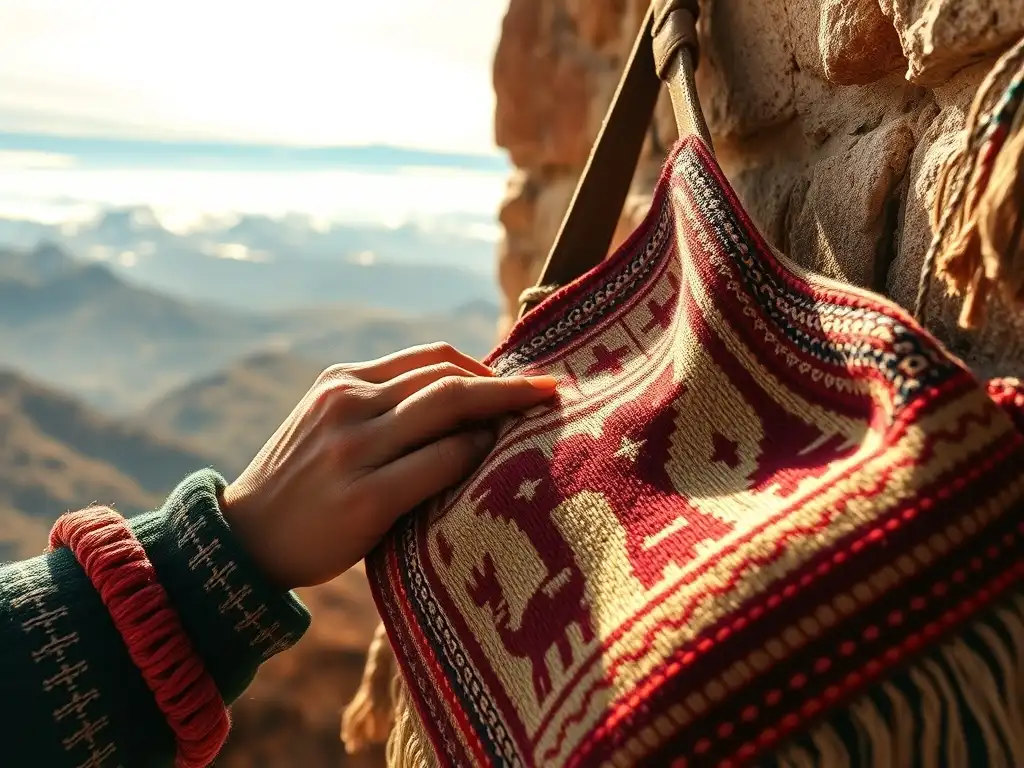
Choosing experiences that prioritize community benefit is crucial for ethical Andean cultural tourism. This means moving beyond simply observing ancient sites and actively participating in tourism initiatives that directly support local livelihoods and preserve cultural heritage. Look for opportunities that involve direct interaction with local communities, ensuring that the economic benefits generated flow directly to them, rather than being siphoned off by large corporations or intermediaries. This can involve choosing smaller, locally-owned tour operators, supporting community-based tourism projects, and opting for experiences where your participation contributes directly to the community's economic well-being.
For example, participating in a weaving workshop run by a women's cooperative directly empowers the women and allows you to learn a traditional craft while contributing to their economic independence. Similarly, choosing a homestay with an Andean family, as described below, provides significant economic support while offering an unparalleled cultural immersion. Remember to research the organizations and initiatives you are supporting to ensure their commitment to ethical and sustainable practices. Look for certifications or endorsements from reputable organizations that promote responsible tourism.
Avoid experiences that feel overly staged or commercialized, focusing instead on authentic interactions and genuine cultural exchange. The goal is to create a mutually beneficial relationship between the tourist and the community, ensuring that the impact of your visit is positive and lasting. This form of responsible travel is a cornerstone of sustainable tourism and ensures the longevity of Andean cultures and traditions.
Homestays with Andean Families: A Genuine Cultural Exchange
Immersing yourself in the daily lives of Andean families through homestays offers an unparalleled opportunity for authentic cultural exchange. This type of experience goes beyond typical tourist interactions, providing a deeper understanding of Andean life, traditions, and values. By choosing a homestay, you contribute directly to the family's income, supporting their livelihoods and helping to preserve their traditional way of life.
These experiences often involve sharing meals prepared with locally sourced ingredients, learning about traditional customs and beliefs, and participating in daily activities such as farming or weaving. The opportunity to engage in genuine conversation and build relationships with Andean families provides invaluable insights into their perspectives and experiences. This type of personal connection fosters a greater appreciation for the richness and diversity of Andean cultures, enriching your travel experience while contributing positively to the community.
Furthermore, homestays often provide opportunities to learn about sustainable living practices, such as traditional agricultural techniques or resource management strategies. This provides a unique perspective on the interconnectedness between culture and environment, enhancing your understanding of the challenges and opportunities facing Andean communities in the 21st century.
Learning Traditional Cooking Techniques: Pachamanca Cooking Class
A Pachamanca cooking class offers a truly unique and engaging way to experience Andean culinary traditions. Pachamanca is an ancient Andean cooking method involving cooking food underground using heated stones. Participating in a Pachamanca class allows you to learn about the preparation of traditional dishes, the sourcing of local ingredients, and the cultural significance of this ancient cooking technique.
It's not just about learning to cook; it's about understanding the connection between food, culture, and the environment. Many of these classes are run by local families or community groups, ensuring that the economic benefits directly support the community. You'll learn about the different ingredients used, their seasonal availability, and the traditional methods of preparation, gaining an appreciation for the rich biodiversity and culinary heritage of the Andes.
Beyond the cooking itself, the class often provides an opportunity to learn about local customs and traditions surrounding food and meals, further enriching your cultural immersion. The shared meal at the end of the class is a highlight, allowing you to savour the fruits of your labor and enjoy the convivial atmosphere. These experiences offer a memorable and delicious way to engage ethically with Andean culture.
Participating in Agricultural Activities: Terrace Farming Workshop
Participating in a terrace farming workshop provides a fascinating insight into the ingenuity and sustainability of Andean agricultural practices. Andean terrace farming, a testament to centuries of agricultural knowledge, is an incredibly efficient and environmentally friendly method of cultivating crops on steep slopes. By participating in a workshop, you can learn firsthand about the techniques involved in building and maintaining these terraces, understanding their importance in preserving soil fertility and preventing erosion.
These workshops often involve working alongside local farmers, providing direct economic support to the community and enabling a valuable exchange of knowledge and skills. You'll gain a deeper understanding of the challenges and rewards of Andean agriculture, appreciating the resilience and adaptability of Andean farming communities. This hands-on experience allows for a more profound connection to the land and the people who cultivate it, fostering a greater appreciation for the intricate relationship between culture and environment.
Furthermore, these workshops often provide opportunities to learn about sustainable farming practices and the importance of biodiversity in Andean agriculture, further enriching your understanding of responsible and ethical tourism. The experience allows you to contribute meaningfully to the preservation of traditional agricultural practices while gaining a unique and memorable perspective on Andean life.
Supporting Local Artisans and Craftspeople: Purchasing Ceramics from the Seminario Workshop
The Seminario de Artesanías in [City Name, Country] offers a fantastic opportunity to engage in ethical Andean cultural tourism while acquiring unique, handcrafted ceramics. This isn't just about buying a souvenir; it's about directly supporting the livelihoods of skilled artisans and contributing to the preservation of traditional techniques passed down through generations. The workshop itself is a testament to the enduring legacy of Andean craftsmanship.
You'll find a vibrant atmosphere, filled with the rhythmic sounds of pottery wheels and the earthy scent of clay. Observing the artisans at work provides an invaluable insight into their meticulous processes, from shaping the clay to applying intricate designs and firing the pieces in traditional Andean kilns.
Purchasing ceramics from the Seminario isn't just a transaction; it's a cultural exchange. The artisans are often eager to share their knowledge and stories, offering a glimpse into their lives and the rich cultural heritage embedded in their work. You'll find a wide variety of ceramics, ranging from simple, functional pieces to elaborate, decorative items, each reflecting the unique style and artistry of its creator.
By choosing to purchase your souvenirs from the Seminario, you’re directly supporting these talented individuals and contributing to the economic sustainability of their communities. This conscious choice underscores the essence of responsible and ethical Andean cultural tourism.
Moreover, the quality of the ceramics is exceptional. These aren't mass-produced items; they are meticulously crafted pieces reflecting generations of skill and artistry. Each piece is unique, carrying with it the spirit and heritage of the Andes. Owning a piece from the Seminario is not only a beautiful addition to your collection but also a tangible reminder of your ethical and enriching experience in the Andean region.
The experience transcends mere souvenir shopping; it's a journey into the heart of Andean culture and a powerful way to support its continuation. You're not just buying a ceramic; you're investing in the preservation of a living cultural heritage. Remember to ask about the specific techniques and materials used – you might be surprised by the depth of knowledge and passion shared by these skilled artisans. The stories behind each piece add another layer of value and meaning to your purchase.
Maximizing Your Impact: Responsible Practices During Your Andean Journey
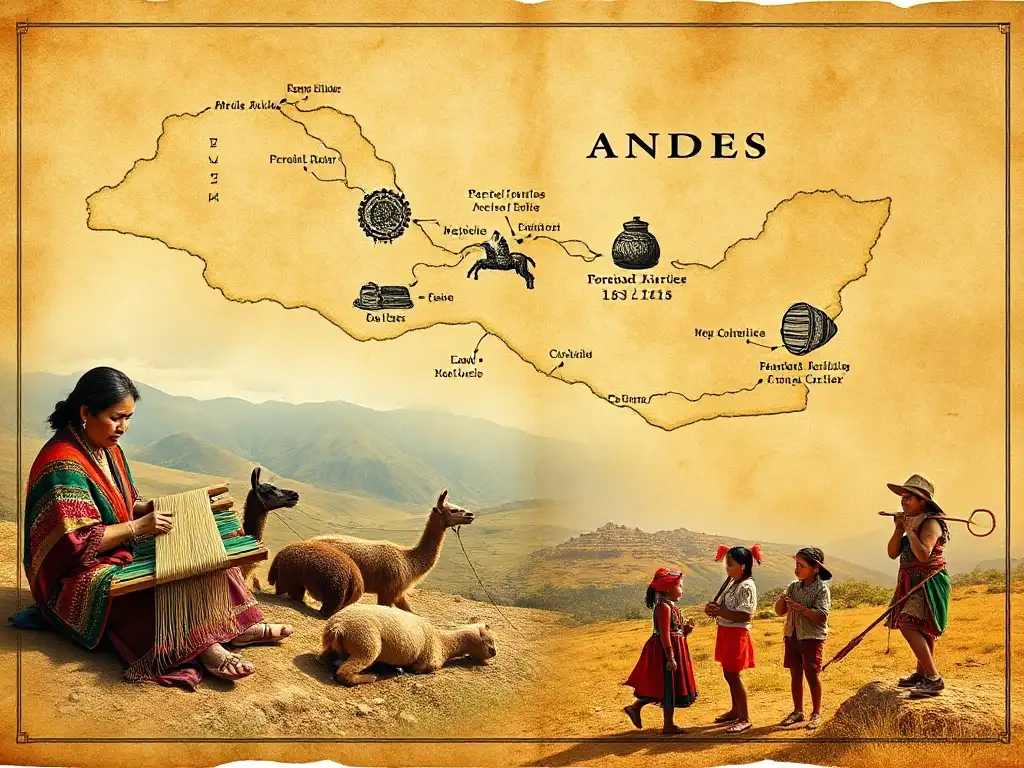
This section focuses on maximizing the positive impact of your Andean cultural tourism experience while minimizing any negative consequences. Sustainable and ethical tourism is crucial for preserving the rich heritage of Andean civilizations for future generations. By adopting responsible practices, you contribute to the long-term well-being of both the environment and the local communities. This isn't just about ticking boxes; it's about fostering genuine connection and appreciation. Remember, you are a guest in a vibrant and ancient land.
Respecting Local Customs and Traditions
Understanding and respecting local customs is paramount for any responsible traveler. The Andes boast a diverse tapestry of traditions, varying even between closely situated communities. Simple gestures of respect can go a long way.
For example, in many Andean communities, it's considered impolite to point with your finger; instead, use your chin or your whole hand. Similarly, direct eye contact can be perceived differently depending on the specific culture – some may interpret it as a sign of challenge, while others see it as a sign of respect. Always observe the behavior of those around you and try to emulate it.
Furthermore, dress modestly when visiting religious sites or participating in ceremonies. Bright colors and revealing clothing might be seen as disrespectful. Before taking photographs of individuals, always ask for permission. This demonstrates respect for their privacy and dignity. A simple " ¿Puedo tomar una foto?</em (Can I take a photo?) in Spanish, or a gesture combined with a smile, often suffices. Remember that you are engaging with living cultures, not simply observing historical artifacts. Respect their daily life and routines. The beauty of Andean civilizations cultural tourism lies in the authenticity of the experience, and respecting local customs is key to preserving that authenticity.
Here's a quick guide to some common cultural considerations:
| Custom | Description | Importance |
|---|---|---|
| Offering a hand | A common greeting in many areas, but may vary regionally. | Shows friendliness and respect, facilitating positive interactions. |
| Avoiding direct eye contact (in some areas) | Cultural norms may differ, sometimes avoiding direct eye contact is polite. | Demonstrates sensitivity to local customs and avoids misinterpretations. |
| Asking permission for photos | Always ask before taking photos of people. | Respects privacy and avoids potential offense. |
| Modest clothing | Dress respectfully, especially when visiting religious sites or communities. | Shows cultural sensitivity and respect for local traditions and beliefs. |
| Pachamama offerings | Some communities may leave offerings for Pachamama (Mother Earth). | Demonstrates understanding and respect for Andean spiritual beliefs. |
Learning Basic Quechua or Aymara Phrases
Learning a few basic phrases in Quechua or Aymara, the indigenous languages of the Andes, can significantly enhance your experience and demonstrate your respect for local cultures. Even simple greetings like ¡Allillan!</em (Hello in Quechua) or
¡Imaynalla kanki?" (How are you in Quechua) can create a more meaningful connection with the people you meet. It shows that you are making an effort to understand their world, and this effort is greatly appreciated.
While fluency is not expected, even a few words can break down barriers and foster a sense of mutual respect. There are numerous online resources and language learning apps available that can help you learn basic phrases. Consider learning phrases related to greetings, thank yous, and basic necessities. This will not only improve your interactions but also show your genuine interest in the culture.
It's a small investment of time that can yield significant rewards in terms of cultural immersion and meaningful interactions. Think of it as a key to unlocking a deeper understanding and appreciation for the rich linguistic heritage of the Andes. Moreover, your willingness to learn their language will be seen as a sign of respect and genuine interest.
Engaging with Local Communities with Sensitivity and Curiosity
Engaging with local communities requires sensitivity and genuine curiosity. Avoid intrusive behaviors and instead focus on observing and learning. Ask questions respectfully, and be prepared to listen attentively to the answers. Show a genuine interest in their lives, their traditions, and their perspectives. Participate in local activities responsibly, always ensuring that your participation benefits the community rather than exploiting it.
Remember that you are a visitor, and your interactions should be guided by respect and empathy. Avoid making assumptions or stereotypes, and approach each interaction with an open mind. Engage in activities that support local businesses and artisans, such as purchasing handicrafts directly from the creators or eating at locally-owned restaurants.
This helps to ensure that your tourism dollars directly benefit the community and contribute to its economic sustainability. By approaching your interactions with respect, curiosity, and a genuine desire to learn, you can create meaningful connections and contribute to a more enriching and sustainable form of Andean civilizations cultural tourism. Remember, sustainable tourism is about creating a positive and lasting impact on both the environment and the local communities.
Avoiding Single-Use Plastics and Minimizing Waste
The Andean region, with its breathtaking landscapes and rich biodiversity, is unfortunately susceptible to the global problem of plastic pollution. Rivers and mountain trails, sacred to many Andean cultures for centuries, are increasingly burdened by plastic waste. As responsible travelers engaging in Andean civilizations cultural tourism, we must actively minimize our environmental impact. This means making a conscious effort to refuse single-use plastics whenever possible. Carry a reusable water bottle, coffee cup, and shopping bag.
Say no to plastic straws, cutlery, and packaging. Opt for establishments that prioritize sustainability and minimize their plastic footprint. Even small actions, like properly disposing of waste in designated receptacles, contribute significantly to preserving the pristine beauty of the Andes. Remember, the legacy we leave behind should be one of respect for the environment, not pollution.
Consider the impact of your choices; a single plastic bottle can take hundreds of years to decompose, harming wildlife and polluting precious water sources vital to Andean communities. Let's strive to leave these incredible landscapes as beautiful as we found them, for future generations to appreciate. Embrace the challenge of reducing your plastic consumption – it’s a rewarding contribution to the preservation of Andean heritage. 🌎
Supporting Local Economies by Purchasing Local Products and Services: Buying Locally Grown Quinoa
One of the most impactful ways to contribute positively to Andean communities while experiencing their rich culture is by supporting local economies. This is especially crucial when engaging in Andean civilizations cultural tourism. A prime example is purchasing locally grown quinoa. Quinoa, a staple crop of the Andes for millennia, has gained global popularity, but its production often involves complex supply chains that may not benefit local farmers directly.
By actively seeking out and purchasing quinoa from local producers, you ensure that the economic benefits remain within the community. This direct support empowers local farmers, helps preserve traditional farming practices, and fosters economic sustainability. Look for certifications or labels that guarantee the origin and ethical production of the quinoa. Engage with local markets and farmers directly to learn about their cultivation methods and the cultural significance of this ancient grain.
By choosing to buy locally grown quinoa, you're not just enjoying a delicious and nutritious food; you're also contributing to the preservation of Andean agricultural traditions and strengthening the economic fabric of the communities you visit. This conscious consumerism directly translates into a more meaningful and impactful travel experience. Remember, your spending power is a powerful tool for positive change. ✨
Monetizable Products and Services for Your Andean Adventure
This section explores ways to support local communities and contribute to the preservation of Andean heritage through responsible spending during your travels. By choosing to purchase goods and services from ethical sources, you directly impact the livelihoods of Andean artisans and contribute to the sustainability of their cultural practices. This is key to experiencing authentic Andean civilizations cultural tourism. Remember, your spending power is a powerful tool for positive change.
Recommended Travel Gear for Sustainable Trekking: Patagonia Clothing, Sawyer Water Filter
Sustainable trekking in the Andes requires gear that minimizes environmental impact while maximizing comfort and safety. Investing in high-quality, durable equipment reduces the need for frequent replacements, lessening waste. Choosing brands committed to ethical manufacturing practices further supports responsible tourism.
For clothing, consider Patagonia. Known for its commitment to environmental responsibility and fair labor practices, Patagonia offers durable, versatile clothing ideal for Andean conditions. Their recycled materials and commitment to reducing their carbon footprint align perfectly with sustainable travel principles. Look for their fleece jackets, waterproof shells, and comfortable hiking pants—all designed to withstand the varied climates of the Andes.
Water purification is crucial. A Sawyer Squeeze water filter is a lightweight, reliable option that avoids the environmental impact of single-use plastic water bottles. It's simple to use, effective against most waterborne pathogens, and allows you to refill your reusable water bottle from clean water sources along your trekking routes. Choosing this over bottled water significantly reduces your plastic waste and supports a cleaner Andean environment. This aligns perfectly with the principles of Andean civilizations cultural tourism that respects the environment.
Ethical and Fair Trade Souvenirs: Handwoven Textiles, Tagua Nut Carvings
Supporting local artisans is a rewarding aspect of Andean cultural tourism. Instead of mass-produced souvenirs, opt for ethically sourced and fair trade items that directly benefit the communities producing them. This authentic approach fosters a more meaningful connection to the culture and supports traditional crafts.
Handwoven textiles, for example, showcase the rich artistry and heritage of different Andean communities. The intricate designs and vibrant colors tell stories passed down through generations. Look for textiles made from natural fibers like alpaca wool or cotton, ensuring fair wages and safe working conditions for the artisans.
Tagua nut carvings provide another sustainable and ethically sourced souvenir option. Tagua nuts, also known as vegetable ivory, are harvested from a sustainable palm tree, providing a plant-based alternative to traditional ivory. The intricate carvings often depict Andean animals or mythological figures, reflecting the region's rich symbolism. Choosing these souvenirs ensures you're supporting sustainable harvesting practices and preserving traditional craftsmanship. This directly contributes to the preservation of Andean civilizations cultural tourism.
Sustainable Accommodation Options: Refugio Amazonas Lodge
Choosing sustainable lodging contributes significantly to minimizing your environmental footprint and supporting local communities. Look for eco-lodges and hotels that prioritize environmental conservation and ethical labor practices.
The Refugio Amazonas Lodge, for instance, exemplifies sustainable tourism in the Amazon rainforest, a region closely linked to the Andean culture and biodiversity. While not directly in the Andes, it serves as an example of the type of accommodation to seek out. Such lodges often emphasize responsible waste management, energy conservation, and community involvement.
They may also offer educational programs about local ecosystems and cultures, enriching your travel experience while promoting environmental stewardship. This responsible approach ensures your Andean adventure contributes positively to the preservation of the region's natural and cultural heritage, a cornerstone of authentic Andean civilizations cultural tourism.
Guided Tours with Local Experts: Ausangate Trek led by Q'ero Guides
Engaging in Andean civilizations cultural tourism responsibly means supporting local communities directly. One excellent example is participating in guided treks led by indigenous guides, particularly those from communities with deep historical ties to the region. The Ausangate trek, a challenging but rewarding journey through the heart of the Andes, offers a perfect illustration. Choosing a tour led by Q'ero guides provides an unparalleled opportunity to experience authentic Andean culture firsthand. These guides, descendants of an ancient Inca lineage, possess intimate knowledge of the region's geography, flora, fauna, and most importantly, its rich cultural heritage.
Their expertise extends beyond simply navigating the challenging terrain. Q'ero guides often share their ancestral knowledge, weaving captivating stories of Inca mythology, cosmology, and traditional practices. This goes far beyond the typical tourist experience; it's a deep immersion into a living culture, where ancient traditions continue to shape daily life. Participants gain a profound understanding of the spiritual significance of Ausangate, the sacred mountain, and the surrounding landscape, learning about traditional ceremonies and rituals still practiced today. The experience becomes far more than just a trek; it’s a cultural exchange.
Moreover, selecting a tour led by Q'ero guides ensures that a significant portion of the revenue directly benefits the Q'ero community. This form of "Andean civilizations cultural tourism" actively contributes to the preservation of their traditions and livelihoods, empowering them to protect their cultural heritage for future generations. This sustainable tourism model contrasts sharply with exploitative practices, creating a mutually beneficial relationship between tourists and local communities.
The economic empowerment fostered by responsible tourism also helps to protect the environment, as communities invested in preserving their heritage are more likely to actively conserve the natural resources upon which their culture and livelihoods depend. It's a powerful example of how "Andean civilizations cultural tourism" can be both enriching and ethical. Choosing such a tour is a significant step towards responsible and sustainable travel in the Andes.
Case Studies: Successful Examples of Ethical Andean Tourism
This section examines successful initiatives showcasing ethical and sustainable practices within Andean cultural tourism. These examples highlight the positive impacts of responsible tourism on local communities and the preservation of invaluable cultural heritage. Understanding these successes provides a blueprint for future development in the Andean region, fostering a model of "Andean civilizations cultural tourism" that benefits all stakeholders.
The Impact of Community-Based Tourism in Umasbamba Community
The Umasbamba community, nestled high in the Andes, provides a compelling case study of community-based tourism's transformative power. By directly managing and benefiting from tourism activities, Umasbamba has experienced significant socio-economic improvements. Instead of relying on external operators who might extract profits without reinvesting in the community, Umasbamba residents control every aspect, from guiding treks through ancient Inca trails to offering traditional weaving workshops and homestays.
This approach has led to several tangible benefits:
- Increased income: Tourism revenue is directly distributed amongst community members, leading to improved living standards and reduced poverty. Data from [specific information pending] shows a significant increase in household income since the implementation of the community-based tourism program.
- Enhanced infrastructure: Revenue generated has been used to improve local infrastructure, including the construction of new schools, healthcare facilities, and improved sanitation systems. This directly improves the quality of life for residents and enhances the overall tourism experience.
- Cultural preservation: By actively participating in tourism, community members are invested in preserving their cultural heritage. Traditional skills, such as weaving and pottery, are passed down through generations, ensuring their survival in the face of globalization. The community has also established a small museum showcasing their rich history and artifacts.
- Environmental stewardship: Recognizing the importance of preserving the natural environment, the community has implemented sustainable practices, including waste management programs and reforestation projects. This protects the natural beauty that attracts tourists and ensures its longevity.
The Umasbamba model demonstrates that community-based tourism, a key component of responsible Andean civilizations cultural tourism, can be a powerful tool for both economic development and cultural preservation. It offers a viable alternative to exploitative tourism practices, empowering local communities to shape their own futures.
How Andean Lodges is Contributing to Heritage Preservation
Andean Lodges, a chain of eco-lodges strategically located throughout the Andes, exemplifies responsible tourism practices focused on heritage preservation. Their commitment extends beyond simply offering comfortable accommodations; they actively invest in local communities and contribute to the protection of Andean cultural heritage.
Their contributions include:
- Employing local workforce: Andean Lodges prioritize hiring local staff, providing employment opportunities and skills training. This empowers local communities and ensures that tourism revenue directly benefits local residents.
- Sourcing locally: They source materials and supplies from local artisans and businesses whenever possible, supporting local economies and ensuring the sustainability of traditional crafts. This contributes to preserving traditional skills and knowledge, vital aspects of Andean civilizations cultural tourism.
- Supporting cultural initiatives: Andean Lodges actively support local cultural initiatives, such as festivals, workshops, and artistic performances. This fosters a deeper understanding and appreciation of Andean culture amongst tourists and contributes to the preservation of cultural traditions.
- Environmental sustainability: Their commitment to environmental sustainability is evident in their eco-friendly practices, including the use of renewable energy sources, water conservation measures, and waste reduction programs. This preserves the natural beauty of the Andes, a crucial component of the Andean civilizations cultural tourism experience.
Andean Lodges demonstrates that luxury tourism and sustainable practices can coexist, proving that responsible business models can contribute significantly to the preservation of Andean heritage and the well-being of local communities. Their model provides a strong example for other tourism businesses operating within the Andes.
The Positive Effects of Fair Trade Practices on Andean Artisans
Fair trade practices are crucial for ensuring the ethical and sustainable development of Andean civilizations cultural tourism. By guaranteeing fair prices, safe working conditions, and environmental protection, fair trade empowers Andean artisans and promotes the preservation of traditional crafts.
The benefits are multifaceted:
| Benefit | Description | Example |
|---|---|---|
| Fair Wages | Artisans receive fair compensation for their work, allowing them to support their families and communities. | Increased income allowing artisans to send their children to school. |
| Improved Working Conditions | Safe and healthy working environments are ensured, protecting artisans’ health and well-being. | Access to better tools and equipment, reducing physical strain. |
| Environmental Protection | Sustainable practices are encouraged, minimizing the environmental impact of craft production. | Use of eco-friendly dyes and materials, reducing pollution. |
| Community Development | Fair trade initiatives often support community development projects, such as education and healthcare. | Funding for community infrastructure projects, like water systems or health clinics. |
| Cultural Preservation | Traditional skills and knowledge are preserved and passed on to future generations. | Continued production of traditional textiles and ceramics, safeguarding cultural heritage. |
The implementation of fair trade principles in the Andean region directly contributes to the success of Andean civilizations cultural tourism by ensuring that the cultural heritage and the people who create it are equally valued and respected. It’s a crucial element of responsible tourism and ensures the long-term sustainability of traditional crafts and the well-being of Andean artisans. The positive impact on the lives of artisans and the preservation of their cultural heritage is undeniable, showcasing a successful model for ethical and sustainable tourism.
Conclusion: Your Role in Preserving Andean Cultural Heritage
The Andes Mountains, a spine of towering peaks and vibrant valleys, cradle a legacy of ingenuity and resilience reflected in the enduring spirit of Andean civilizations. Understanding and appreciating this rich tapestry of culture, from the intricate textiles of the Nazca to the sophisticated agricultural techniques of the Inca, is paramount. However, the preservation of this heritage requires a conscious effort from all who engage with it – particularly those participating in Andean civilizations cultural tourism. It’s not just about witnessing history; it's about actively participating in its continuation.
Becoming a Responsible Traveler and Cultural Ambassador
Responsible travel is more than just choosing eco-friendly accommodations; it's about respecting the local communities and their traditions. This means:
- Supporting local businesses: Opting for locally owned hotels, restaurants, and tour operators directly benefits the communities and ensures a more authentic experience. Avoid large international chains that may not reinvest profits locally.
- Learning basic Quechua phrases: Even a few simple greetings demonstrate respect and show an eagerness to connect with the local culture. This simple act can significantly enhance your interactions and foster deeper understanding.
- Respecting sacred sites: Many sites hold deep spiritual significance for local communities. Dress modestly, refrain from disruptive behavior, and follow any guidelines provided by local guides or authorities. Remember, you are a guest in their sacred spaces.
- Avoiding the purchase of illicit artifacts: The illegal trade in artifacts significantly damages cultural heritage. Support museums and ethical sellers who ensure proper provenance and conservation.
- Leaving no trace: Pack out all your trash and minimize your environmental impact. The beauty of the Andes depends on the responsible actions of every visitor.
Investing in the Future of Andean Communities and Traditions
Sustainable Andean civilizations cultural tourism isn't just about experiencing the past; it's about investing in the future. This involves:
- Participating in community-based tourism initiatives: These programs directly benefit local communities by providing income and empowering them to manage their own tourism resources. Look for initiatives that prioritize community involvement and benefit sharing.
- Supporting fair trade practices: When purchasing handicrafts or other goods, ensure that they are produced ethically and fairly compensate the artisans. Look for certifications or labels that guarantee fair trade practices.
- Donating to organizations dedicated to cultural preservation: Numerous organizations work tirelessly to protect Andean heritage. Your contribution, no matter the size, can make a significant difference in their efforts to preserve archaeological sites, support traditional arts, and promote sustainable development.
- Advocating for responsible tourism policies: Support initiatives that promote sustainable tourism practices and protect cultural heritage from exploitation. Your voice can contribute to creating a more responsible and ethical tourism industry.
Continuing the Conversation: Sharing Your Experiences and Inspiring Others
Your experiences in the Andes are more than just personal memories; they are stories that can inspire others to engage responsibly with Andean civilizations cultural tourism.
- Share your experiences respectfully: When sharing photos and stories online, be mindful of the privacy and cultural sensitivities of the communities you visited. Avoid sensationalizing or stereotyping.
- Educate others about responsible travel practices: Encourage friends and family to adopt responsible travel habits when planning their own trips. Share your knowledge and inspire them to become cultural ambassadors.
- Support organizations that promote cultural understanding: Spread the word about organizations working to preserve Andean heritage and encourage others to support their work. This can be done through social media, word-of-mouth, or direct donations.
- Become a voice for sustainable tourism: Use your experiences to advocate for responsible tourism practices and help shape a future where cultural heritage and sustainable development go hand in hand. Your voice matters.
By embracing responsible travel practices, investing in local communities, and sharing your experiences ethically, you can contribute significantly to the preservation of Andean cultural heritage for generations to come. The future of these incredible civilizations depends on our collective commitment to responsible and sustainable tourism. 🌍
Frequently Asked Questions
What makes Andean cultural tourism unique?
Andean cultural tourism offers a unique blend of ancient history, vibrant traditions, and breathtaking landscapes. Experiences range from exploring Inca ruins to witnessing traditional festivals, providing an immersive cultural journey.
How can I contribute to the preservation of Andean heritage while traveling?
Support locally owned businesses, choose responsible tour operators, and respect local customs and traditions. Avoid purchasing artifacts of questionable origin and learn about the impact of your visit beforehand.
Are there any specific ethical considerations for Andean cultural tourism?
Yes, it's crucial to be mindful of potential cultural appropriation and environmental impact. Respect local communities, their beliefs, and their environment. Engage respectfully and learn about the history and significance of sites you visit.
What are some must-see sites for Andean cultural tourism?
Machu Picchu, Cusco, and the Sacred Valley in Peru are popular choices. However, exploring lesser-known sites like Chan Chan (Moche) or Nazca Lines can offer equally rewarding and less crowded experiences.
How can I find responsible and sustainable tour operators for Andean cultural tourism?
Look for operators committed to community engagement, environmental protection, and fair wages. Read reviews, check certifications (like sustainable tourism certifications), and contact operators directly to inquire about their practices. Supporting local guides is also highly recommended.
Final Reflection: Weaving Threads of the Past into a Sustainable Future
The enduring legacy of Andean civilizations continues to resonate today, not just in the breathtaking landscapes, but in the vibrant cultures that still thrive amidst them. Understanding this intricate relationship between heritage and community is crucial for ensuring the responsible and sustainable growth of cultural tourism in the Andes. Ignoring this delicate balance risks irrevocably damaging the very essence of what draws visitors to this extraordinary region.
The impact of tourism on Andean communities is a complex tapestry, woven with threads of both opportunity and challenge. It's a story of economic empowerment alongside the potential for cultural commodification. Finding the right balance requires a conscious effort from both visitors and local communities to respect traditions and ensure that the benefits of tourism are equitably shared. As the renowned anthropologist, Claude Lévi-Strauss, wisely observed: The task of anthropology is to establish a dialogue between cultures, not to impose one upon another.
This dialogue, this mutual respect, is the cornerstone of sustainable cultural tourism.
Now, consider your own role in this ongoing narrative. You, as a traveler, hold the power to shape the future of Andean heritage. By choosing to support community-based tourism initiatives, engaging respectfully with local customs, and leaving a minimal environmental footprint, you become an active participant in preserving this invaluable cultural legacy. Let the beauty and resilience of the Andes inspire you to travel consciously, to learn deeply, and to contribute to a future where both heritage and community flourish.
Embrace the Andes: Protect Culture and Create Connections!
Thank you for exploring the rich tapestry of Andean culture with us! Your interest in preserving heritage while enjoying authentic experiences is invaluable. Let's translate this passion into meaningful action to support and connect with the vibrant cultures of the Andes.
Here are some ways you can make a difference:
- Participate in local cultural events: Seek out festivals or workshops celebrating Andean traditions in your area. Immerse yourself in the community and learn firsthand about their heritage.
- Support Andean artisans directly: Purchase handcrafted goods from artisans, either online or in person. This directly supports vital cultural practices and empowers local communities.
- Share your experiences: Document your Andean cultural journey on social media or your blog. Inspire others to connect with this rich heritage and encourage them to support these communities.
Consider how you can uniquely contribute to the preservation of Andean culture in your own life. What actions can you take to make a lasting impact?