
The Andean Mosaic: Piecing Together Sustainable Travel Experiences

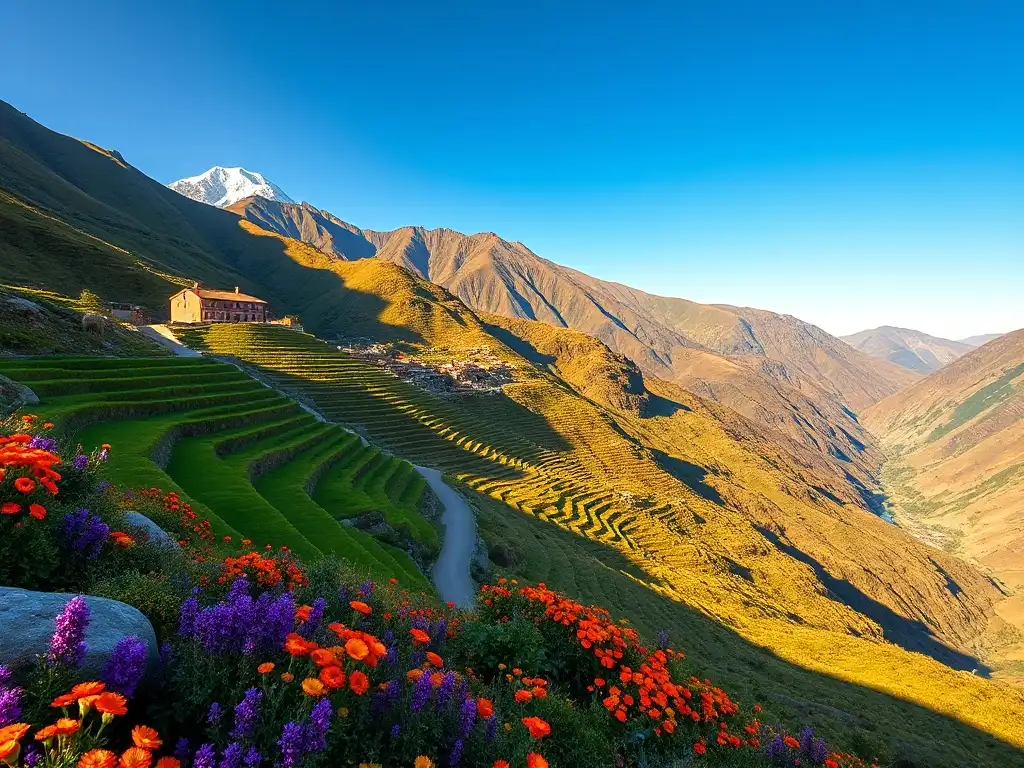
Unravel the mysteries of a lost world. For centuries, the Andes Mountains have whispered tales of ingenuity and resilience. From the intricate artistry of the Nazca lines to the architectural marvels of Machu Picchu, the Andean civilizations left behind a legacy that continues to inspire. But what if you could experience this breathtaking heritage responsibly? Discover how sustainable Andean travel experiences are redefining exploration, allowing you to connect with the ancient heart of the Andes while preserving its future. Dive into our exploration of The Andean Mosaic and uncover the secrets waiting for you.
Exploring the breathtaking landscapes and rich cultural heritage of the Andes Mountains presents an unparalleled opportunity for adventure. However, the increasing popularity of Andean tourism necessitates a responsible approach. This article delves into the concept of sustainable Andean travel experiences, providing a practical guide for planning a trip that minimizes environmental impact, respects local communities, and maximizes the positive contribution of tourism to the region.
We'll explore how to choose ethical tour operators, select eco-friendly accommodations, and pack responsibly, ensuring your journey leaves a positive footprint on this magnificent region. This guide aims to empower travelers to become active participants in preserving the Andes' unique beauty and cultural richness for generations to come, while experiencing the unparalleled wonders of this ancient land. We will focus on creating truly sustainable Andean travel experiences, offering a framework for mindful exploration.
Introduction: Why Choose Sustainable Andean Travel?
The Andes Mountains, home to a captivating tapestry of ancient civilizations and breathtaking biodiversity, are increasingly vulnerable to the pressures of mass tourism. Unsustainable practices can lead to environmental degradation, cultural commodification, and economic disparities within local communities. Choosing sustainable Andean travel is not merely a trend; it's a crucial step towards ensuring the long-term preservation of this precious ecosystem and the well-being of its inhabitants. By opting for sustainable practices, you directly contribute to:
- Environmental Protection: Minimizing your carbon footprint, reducing waste, and supporting conservation efforts.
- Cultural Preservation: Respecting indigenous traditions, supporting local artisans, and avoiding exploitative practices.
- Economic Empowerment: Directing your spending towards local businesses and communities, fostering equitable economic growth.
Choosing sustainable travel is about more than just ticking boxes; it's about engaging in a deeply meaningful and responsible journey that benefits both you and the Andes. It's about experiencing the magic of the Andes while actively contributing to its future. Think of it as a way to leave the Andes better than you found them—a legacy of responsible exploration. 🌎
Planning Your Sustainable Andean Adventure
Planning a sustainable trip to the Andes requires careful consideration and proactive steps. It’s not just about choosing “eco-friendly” options; it’s about integrating sustainability into every aspect of your journey, from the moment you start planning to your final departure. This section provides a step-by-step guide to help you plan your responsible adventure.
Step 1: Researching Ethical Tour Operators
Selecting an ethical tour operator is paramount. Look for operators who:
- Employ local guides and prioritize community engagement.
- Support local businesses and initiatives.
- Implement sustainable practices in their operations, such as minimizing waste and reducing emissions.
- Have a transparent and demonstrable commitment to sustainability.
- Prioritize the well-being of both the environment and local communities.
Thoroughly researching and selecting a responsible tour operator is the foundation of a truly sustainable Andean experience. Don't hesitate to contact operators directly and ask questions about their sustainability practices.
Step 2: Selecting Eco-Friendly Accommodations
Your choice of accommodation significantly impacts your environmental footprint. Prioritize accommodations that:
- Utilize renewable energy sources.
- Implement water conservation measures.
- Minimize waste through recycling and composting programs.
- Support local communities through employment and sourcing.
- Adhere to sustainable building practices.
Consider staying in locally-owned ecolodges or homestays to further support local communities and minimize your impact.
Step 3: Packing Responsibly for the Andes
Packing responsibly minimizes waste and reduces your environmental impact. Consider these tips:
- Pack light to reduce the weight and fuel consumption of transportation.
- Use reusable water bottles and avoid single-use plastics.
- Bring reusable bags and containers.
- Choose biodegradable toiletries and sunscreen.
- Pack clothing made from sustainable materials.
By carefully planning your packing list, you can significantly reduce your environmental footprint during your Andean adventure. Remember, every small action counts!
Engaging in Meaningful Cultural Experiences
Meaningful cultural exchange is at the heart of sustainable Andean travel. It's about more than just observing; it's about actively participating and learning in a respectful way. This involves going beyond the typical tourist traps and seeking out authentic interactions with local communities. This could involve attending a traditional Andean festival, learning about ancient weaving techniques from a local artisan, or participating in a community-based project.
The key is to approach these experiences with humility and a genuine desire to learn and connect. Remember, you are a guest in their world, and respecting their traditions and customs is paramount. Authentic interactions foster deeper understanding and appreciation for the rich tapestry of Andean culture, creating a more enriching experience for both the traveler and the local community. Avoid experiences that feel staged or overly commercialized – seek out genuine connections that allow for mutual learning and respect.
Step 4: Respecting Local Andean Culture
Respecting local culture is fundamental to sustainable Andean travel. This means understanding and adhering to local customs and traditions. Simple acts like dressing modestly when visiting religious sites, learning a few basic Quechua phrases, or asking permission before taking photographs can go a long way in showing respect. It also means being mindful of noise levels, especially in quieter communities.
Furthermore, avoid actions that could be perceived as disrespectful or exploitative, such as taking advantage of locals' generosity or engaging in behaviors that clash with their cultural norms. Remember, you are a visitor in their home, and behaving respectfully demonstrates your appreciation for their way of life. By demonstrating sensitivity and respect, you contribute to a more positive and sustainable tourism experience. The goal is to leave a positive impact, fostering lasting positive relationships between travelers and local communities.
Step 5: Choosing Sustainable Activities
Choosing sustainable activities is crucial for minimizing your environmental impact. This means opting for activities that prioritize conservation and responsible resource management. Instead of choosing activities that exploit natural resources or endanger wildlife, look for eco-friendly alternatives. For instance, choose hiking trails that minimize environmental disruption over activities such as off-road driving.
Prioritize experiences that support local conservation efforts, such as volunteering with a local environmental organization or participating in reforestation projects. Consider the carbon footprint of your chosen activities, opting for activities that involve less travel and energy consumption. By making conscious choices, you can contribute to the preservation of the Andes' unique biodiversity and stunning landscapes for future generations. Remember, responsible choices are key to ensuring the longevity of these incredible natural wonders.
Supporting Local Andean Economies
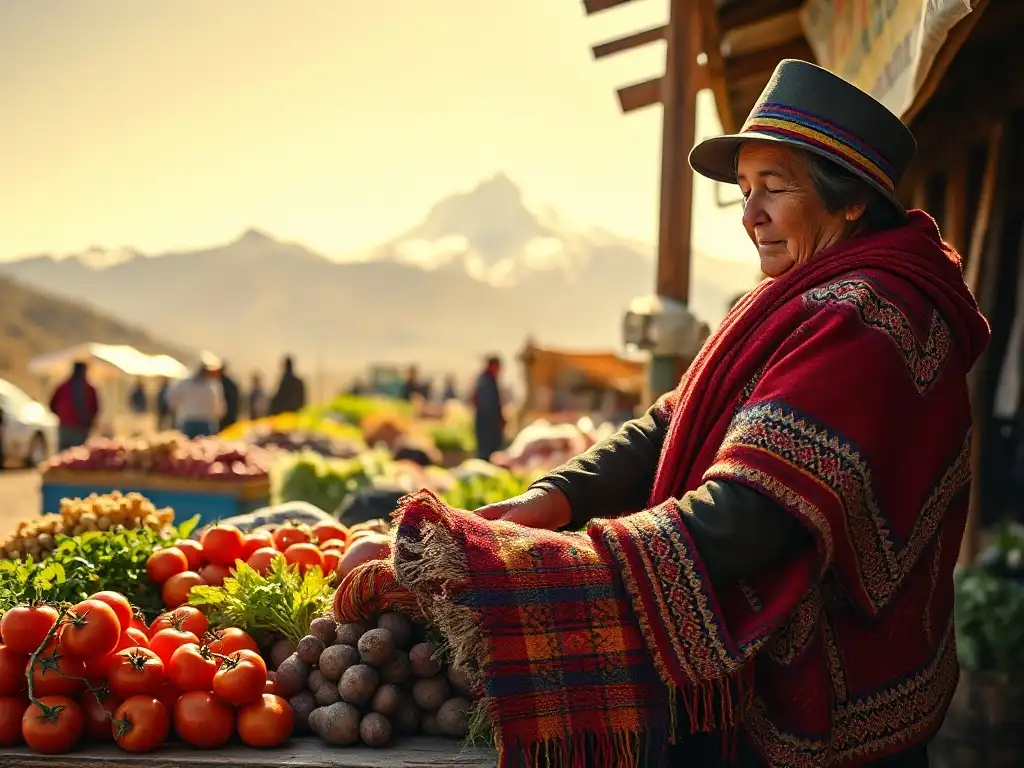
Supporting local economies is an integral part of sustainable Andean travel. This means actively seeking out opportunities to inject your tourism dollars directly into local communities. This is not merely about spending money; it's about ensuring that your tourism dollars contribute to the well-being and economic empowerment of the local population.
By doing so, you help to sustain the cultural heritage of the Andes and ensure the long-term viability of local businesses and communities. This approach directly benefits the communities you visit, creating a more equitable and sustainable form of tourism. It's about creating a positive cycle where the local economy thrives alongside the tourism industry.
Step 6: Buying Local and Supporting Artisans
Supporting local artisans is a powerful way to contribute to the Andean economy and preserve its rich cultural heritage. By purchasing handcrafted goods directly from artisans, you ensure that they receive fair compensation for their work, helping to sustain their livelihoods and traditions. This also helps preserve traditional skills and techniques that might otherwise be lost. Look for cooperatives and artisan markets where you can interact directly with the creators and learn about their craft.
Avoid purchasing mass-produced souvenirs that lack authenticity and often undercut local artisans. Supporting local artisans strengthens the local economy and helps preserve the unique cultural identity of the Andes. Choosing to buy local ensures a more authentic and meaningful travel experience, enriching both your journey and the lives of the people you encounter.
Step 7: Opting for Local Food Experiences
Opting for local food experiences is another crucial aspect of sustainable Andean travel. This means choosing restaurants and food vendors that source their ingredients locally and prepare traditional Andean dishes. By supporting local food producers, you contribute to the sustainability of their farms and businesses, while also experiencing the authentic flavors of the region. Eating locally reduces your carbon footprint by decreasing food miles and supporting sustainable agricultural practices.
Seek out restaurants that highlight seasonal ingredients and traditional cooking methods, and engage with the local culinary culture. This not only supports local economies but also offers a deeper understanding of Andean culture and traditions. Savoring the flavors of the Andes is a delicious way to contribute to a more sustainable and authentic travel experience.
Leaving a Positive Impact on the Andes
Sustainable Andean travel experiences aren't just about minimizing your negative impact; they're about actively contributing to the well-being of the Andean communities and environment. This involves a conscious effort to support local economies, respect cultural traditions, and protect the fragile ecosystems of the Andes. It's about leaving a legacy of positive change, not just footprints. This means moving beyond simply being a tourist and becoming a responsible traveler, one who actively participates in the preservation of this incredible region. Think of it as weaving your journey into the rich tapestry of Andean life, adding a thread of positive impact.
Step 8: Minimizing Your Environmental Footprint
Reducing your environmental footprint in the Andes requires mindful choices at every stage of your trip. This starts before you even leave home. Consider purchasing carbon offsets to compensate for your flight emissions. While in the Andes, prioritize eco-friendly accommodations that implement sustainable practices like water conservation, waste reduction, and renewable energy use. Choose local transportation options whenever possible, opting for walking, cycling, or using public transport instead of private vehicles.
Remember to pack reusable water bottles and bags to minimize plastic waste. Respect the natural environment by staying on marked trails, avoiding littering, and refraining from disturbing wildlife or plant life. Even small actions, when multiplied across many travelers, can make a significant difference in preserving the Andean landscape for future generations. Think of the breathtaking views you'll be helping to protect! 🏞️
Step 9: Continuing Your Sustainable Travel Journey
Your commitment to sustainable travel shouldn't end when you return home. Share your experiences and promote responsible tourism practices among your friends and family. Support organizations dedicated to Andean conservation and community development. Consider volunteering your time or skills to contribute to ongoing projects that protect the region's cultural heritage and natural beauty.
By continuing to engage with sustainable travel principles beyond your trip, you become an advocate for the long-term preservation of this magnificent region. Your journey becomes a story of ongoing commitment, a testament to the power of responsible exploration. Remember, sustainable travel is a journey, not a destination. 🌎
Conclusion: A Mosaic of Responsible Exploration
Sustainable Andean travel experiences are not merely about ticking off destinations on a list; they are about creating a meaningful connection with the Andes – its people, its culture, and its environment. By embracing responsible tourism practices, you become an active participant in preserving the rich tapestry of Andean civilization for generations to come. This mosaic of responsible exploration is one where the beauty of the Andes is protected, and the well-being of its communities is enhanced.
It's a journey that enriches both the traveler and the destination, creating a lasting legacy of positive impact. Let your Andean adventure be a testament to the power of sustainable travel, a vibrant thread woven into the rich fabric of this extraordinary region. ✨
- Introduction: Why Choose Sustainable Andean Travel?
- Planning Your Sustainable Andean Adventure
- Engaging in Meaningful Cultural Experiences
- Supporting Local Andean Economies
- Leaving a Positive Impact on the Andes
- Conclusion: A Mosaic of Responsible Exploration
- What makes Andean travel experiences "sustainable"?
- How can I contribute to sustainable tourism in the Andes?
- Are there any specific eco-friendly tour operators in the Andes?
- What are some ways to experience Andean culture respectfully?
- How can I plan a sustainable trip to the Andes without compromising on adventure?
Frequently Asked Questions
What makes Andean travel experiences "sustainable"?
Sustainable Andean travel prioritizes minimizing environmental impact, supporting local communities, and preserving cultural heritage. This involves choosing eco-friendly accommodations and tour operators committed to responsible practices.
How can I contribute to sustainable tourism in the Andes?
Support locally owned businesses, choose eco-lodges and homestays, and participate in community-based tourism initiatives. Respect local customs and the environment by avoiding single-use plastics and leaving no trace.
Are there any specific eco-friendly tour operators in the Andes?
Yes, many operators focus on sustainability. Look for certifications like Green Globe or Responsible Tourism. Research operators beforehand and read reviews focusing on their environmental and social impact.
What are some ways to experience Andean culture respectfully?
Learn basic Quechua phrases, engage with local communities through meaningful interactions, and purchase authentic handicrafts directly from artisans. Avoid cultural appropriation and always ask permission before taking photos of people.
How can I plan a sustainable trip to the Andes without compromising on adventure?
Many adventure activities, like trekking and rafting, can be done sustainably. Choose operators committed to environmental protection and responsible resource management. Prioritize experiences that benefit local communities.
Final Reflection: Weaving a Sustainable Future in the Andes
The urgent need for sustainable tourism in the Andes is not merely a trend; it's a critical imperative for preserving this breathtaking region's unique cultural heritage and fragile ecosystems. The interconnectedness of local communities, biodiversity, and responsible travel practices has been clearly demonstrated throughout this exploration of sustainable Andean experiences. Ignoring this interconnectedness risks irreparable damage to a landscape and culture deserving of our utmost respect.
The impact of tourism, both positive and negative, is profoundly felt across the Andean communities. The delicate balance between economic development and environmental protection requires constant vigilance and innovative solutions. The greatest threat to our planet is the belief that someone else will save it.
- Robert Swan. This quote underscores the personal responsibility each traveler carries when choosing to explore such a precious region. We must actively seek out and support businesses and initiatives that prioritize sustainability, ensuring that the benefits of tourism are equitably shared and the environment is protected for generations to come.
Now, consider your own travel choices. Will you seek out experiences that prioritize the well-being of the Andean people and their environment? Will you choose to support local businesses, learn about the culture respectfully, and minimize your environmental footprint? The future of sustainable Andean travel rests not only on the initiatives of tour operators and local governments, but also on the conscious decisions of each individual traveler. Let us all strive to be part of a positive and lasting legacy in this magnificent region.
Unveil Your Next Adventure in Sustainable Travel!
Thank you for exploring the vibrant world of sustainable travel in the magnificent Andes. Your commitment to responsible travel enriches your experience and directly supports the conservation of these incredible cultures and landscapes. Now, let's put that commitment into action!
Here's how you can deepen your engagement with sustainable travel:
- Choose a responsible tour operator: Select eco-friendly companies that prioritize local communities and environmental protection. Begin planning your adventure today!
- Share your experience: Document your journey on social media and inspire others to travel responsibly. Tag us with #AndeanSustainableTravel!
- Join our community: Connect with like-minded travelers in our forums. Share tips, experiences, and ask any questions you may have.
What innovative practices could further enhance sustainable tourism in the Andes? We welcome your ideas!