
Guardians of the Andes: How Tourists Can Become Allies in Conservation

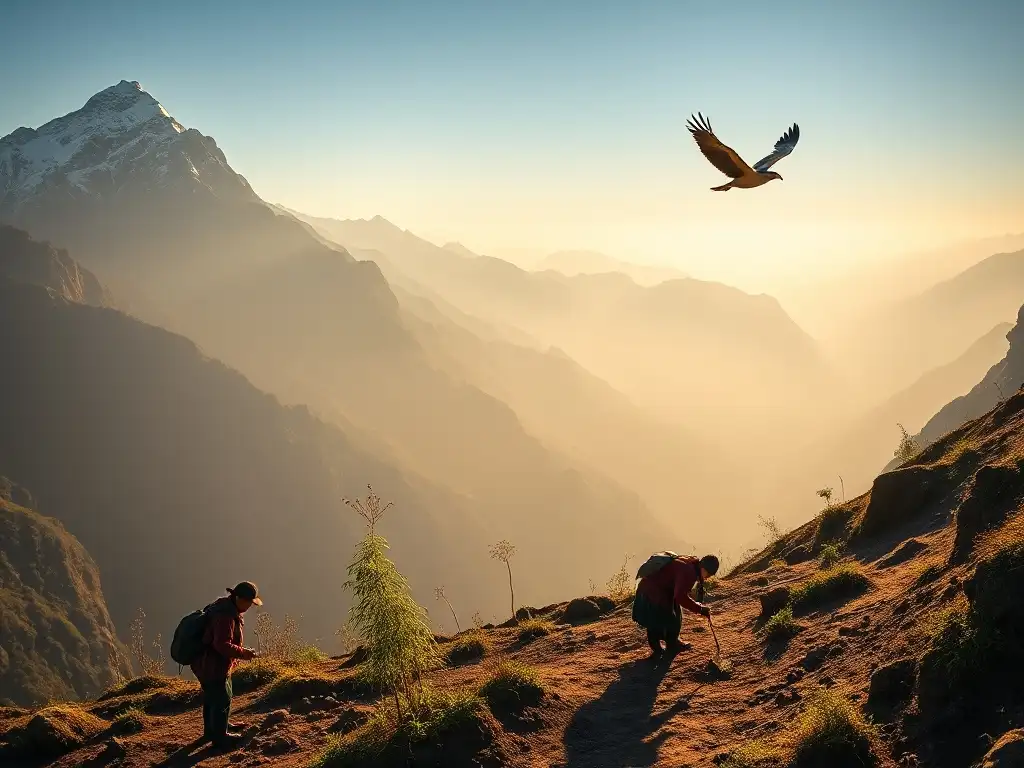
Step into a world lost in time, yet vibrantly alive. Imagine towering Inca citadels, mysterious Nazca lines etched into the desert, and the breathtaking artistry of the Moche. Andean Civilizations invites you on a journey through the heart of ancient South America, revealing its captivating legacy.
But the story doesn't end in the past; discover how you can play a vital role in the future with our exploration of Andean civilization tourism conservation – a crucial path towards safeguarding this incredible heritage for generations to come. Learn how to be a responsible traveler and a true Guardian of the Andes.
The breathtaking landscapes of the Andes Mountains cradle a legacy of remarkable ancient civilizations – the Incas, Moche, Nazca, and Tiahuanaco, among others – whose ingenuity and artistry continue to inspire awe. However, the very allure of these sites and the incredible biodiversity of the Andean region presents a paradox: the influx of tourism, while boosting local economies, also poses significant threats to the fragile ecosystems and invaluable cultural heritage they represent.
This article explores the urgent need for responsible Andean civilization tourism conservation and outlines practical steps tourists can take to become active allies in protecting this precious legacy for future generations. Understanding the delicate balance between economic development and environmental preservation is crucial for ensuring the long-term sustainability of Andean tourism and the safeguarding of its irreplaceable cultural and natural treasures.
We will examine the vulnerabilities of these unique ecosystems and highlight the ways in which responsible tourism can contribute to their protection and the preservation of Andean civilization for years to come.
The Urgent Need for Andean Civilization Tourism Conservation
The Andes face numerous challenges threatening their unique cultural and natural heritage. Uncontrolled tourism can lead to site degradation, pollution, and the erosion of cultural practices. The sheer number of visitors, if not properly managed, can overwhelm fragile archaeological sites, damaging ancient structures and artifacts.
Furthermore, the increased demand for resources, such as water and energy, can strain local communities and negatively impact the environment. The unchecked expansion of infrastructure to accommodate tourism can lead to habitat loss and disrupt delicate ecological balances. This unsustainable approach to tourism threatens not only the physical preservation of Andean sites but also the intangible cultural heritage intertwined with these locations.
The loss of traditional knowledge, practices, and stories associated with these civilizations is an equally significant concern, emphasizing the need for a more responsible and collaborative approach to tourism development. Effective conservation strategies must involve collaborative efforts between governmental bodies, local communities, tourism operators, and, critically, the tourists themselves.
Understanding Andean Ecosystems and Their Vulnerabilities
The Andean region boasts extraordinary biodiversity, encompassing a wide range of ecosystems from high-altitude páramo grasslands to cloud forests and dry puna. These ecosystems are incredibly sensitive to environmental changes, making them particularly vulnerable to the impacts of unsustainable tourism. For example, increased foot traffic on trails can lead to soil erosion and habitat destruction.
Improper waste disposal contributes to pollution of water sources and soil contamination, impacting both wildlife and local communities. The introduction of invasive species through tourism can disrupt existing ecological balances, threatening endemic flora and fauna. Furthermore, climate change exacerbates these vulnerabilities, leading to more frequent extreme weather events that threaten both cultural sites and natural habitats.
A deeper understanding of these vulnerabilities is essential for developing effective conservation strategies that minimize the negative impacts of tourism while maximizing its benefits. This requires careful planning, responsible resource management, and a commitment to sustainable practices at all levels.
The Biodiversity Hotspot of the Andes: A Treasure Under Threat
The Andes are recognized as a biodiversity hotspot, home to a vast array of plant and animal species found nowhere else on Earth. Many of these species are endemic and highly vulnerable to habitat loss and fragmentation. The unique flora of the Andes, including various medicinal plants and unique agricultural crops, faces threats from over-exploitation and habitat destruction.
Similarly, the diverse fauna, including iconic species like the Andean condor and spectacled bear, are threatened by habitat loss, poaching, and human-wildlife conflict. The delicate balance of these ecosystems is easily disrupted by unsustainable tourism practices. Protecting this biodiversity is not only crucial for ecological integrity but also for the long-term economic viability of the region, as many local communities depend on these resources for their livelihoods.
Sustainable tourism practices, therefore, must prioritize the preservation of this biodiversity, ensuring that the region's natural wonders remain intact for future generations. This requires a concerted effort to educate tourists about the importance of responsible travel and to implement effective conservation measures to protect these fragile ecosystems.
Threats to Andean Biodiversity: Deforestation and Overexploitation
The Andes Mountains, a biodiversity hotspot, face significant threats from deforestation and overexploitation, impacting the delicate balance of Andean civilization heritage sites and the surrounding ecosystems. These threats are intricately linked to unsustainable tourism practices if not carefully managed. Deforestation, driven by agricultural expansion, illegal logging, and mining activities, destroys crucial habitats for countless species, many of which are endemic to the region.
The loss of forest cover leads to soil erosion, increased flooding, and changes in local climate patterns, further destabilizing the already fragile Andean environment. This directly impacts the preservation of archaeological sites, many of which are located in or near forested areas. The erosion caused by deforestation can damage ancient structures, while altered water patterns can lead to flooding and damage to invaluable artifacts.
Overexploitation of natural resources, including water, minerals, and plant life, further exacerbates the problem. Unsustainable harvesting of medicinal plants, for example, can deplete local populations and disrupt traditional practices linked to Andean civilization. Similarly, excessive water extraction for agriculture and tourism can strain water resources, impacting both human communities and the delicate ecosystems that support them.
The uncontrolled extraction of minerals, often associated with illegal mining, causes significant environmental damage, including pollution of water sources and soil degradation, thus impacting the delicate balance of the Andean ecosystem and cultural heritage sites. These practices not only threaten biodiversity but also undermine the very foundations of the cultural heritage that draws tourists to the region in the first place.
Sustainable tourism practices must actively address these issues to ensure the long-term preservation of both the natural environment and the rich cultural legacy of the Andes. The connection between environmental sustainability and cultural preservation is paramount for responsible Andean civilization tourism conservation.
- The Urgent Need for Andean Civilization Tourism Conservation
- Understanding Andean Ecosystems and Their Vulnerabilities
- The Biodiversity Hotspot of the Andes: A Treasure Under Threat
- Threats to Andean Biodiversity: Deforestation and Overexploitation
- How can tourism contribute to the conservation of Andean civilizations' sites?
- What are some examples of sustainable tourism practices in the Andes?
- How can I minimize my negative impact as a tourist visiting Andean sites?
- What are the biggest threats to the conservation of Andean heritage?
- Where can I find more information about responsible tourism in the Andes?
Ethical Tourism: A Pathway to Andean Civilization Conservation
Ethical tourism is no longer a niche concept; it's a necessity for the preservation of invaluable Andean heritage. The delicate balance of these ancient ecosystems and the vibrant cultures they nurtured are increasingly threatened by unsustainable practices. By embracing responsible travel, tourists can actively contribute to the conservation of Andean civilization and its remarkable legacy, ensuring its survival for generations to come.
This involves a conscious shift in perspective, moving from passive observation to active participation in the preservation of these unique sites and communities. The goal is to ensure that the influx of tourism benefits, rather than detracts from, the very things that draw visitors to the Andes in the first place. This section explores how tourists can become integral parts of Andean civilization tourism conservation efforts.
Responsible Travel: Minimizing Environmental Footprint
Minimizing your environmental impact during your Andean adventure is paramount. The fragile high-altitude ecosystems are particularly susceptible to damage. Simple choices can make a significant difference. Consider these practical steps:
- Reduce your carbon footprint: Opt for carbon-neutral travel options where possible. This might involve choosing less polluting transportation methods, such as trains over planes where feasible, and offsetting unavoidable emissions.
- Pack light: Heavy luggage requires more fuel for transportation, increasing your carbon footprint. Pack only essential items and choose lightweight, durable materials.
- Respect wildlife and flora: Avoid disturbing natural habitats or interacting with wildlife. Stay on marked trails and refrain from collecting plants or souvenirs from protected areas. The unique biodiversity of the Andes is a treasure to be protected. Remember, even seemingly small actions can have a cumulative impact.
- Waste management: Properly dispose of your waste. Carry a reusable water bottle and avoid single-use plastics. Many areas lack robust waste management systems, so your personal responsibility is crucial.
- Water conservation: Conserve water in your accommodation and during activities. Water is a precious resource in many Andean regions, particularly at high altitudes.
The impact of even a small number of tourists ignoring these practices can be substantial. By adopting responsible travel habits, visitors help to protect the stunning landscapes and unique biodiversity that make the Andes so captivating. The goal is to leave no trace, ensuring that future generations can experience the pristine beauty of the region.
Supporting Local Communities: The Key to Sustainable Tourism
Supporting local communities is another crucial aspect of Andean civilization tourism conservation. This goes beyond simply spending money; it’s about fostering genuine connections and contributing to the economic well-being of the people who call the Andes home. Consider these points:
- Choose locally owned businesses: Patronizing locally owned hotels, restaurants, and tour operators directly benefits the community. This ensures that revenue stays within the region, supporting local livelihoods and preserving traditional crafts and skills.
- Engage with local guides: Local guides offer invaluable insights into the region’s history, culture, and environment. They often possess a deep understanding of the local customs and traditions, enriching your travel experience while providing them with a sustainable income.
- Learn some basic Quechua or Aymara: Learning a few basic phrases in the local languages demonstrates respect and fosters better communication with the local population. It also shows your genuine interest in their culture.
- Respect local customs and traditions: Dress modestly when visiting religious sites and be mindful of local customs and traditions. Showing respect for the local culture is crucial for creating a positive tourism experience.
- Fair trade practices: Support fair trade initiatives by purchasing handcrafted souvenirs and products directly from local artisans. This ensures that artisans receive a fair price for their work and helps to preserve traditional crafts.
By actively supporting local communities, tourists contribute to the long-term sustainability of Andean tourism. This ensures that the economic benefits of tourism are distributed equitably, helping to preserve traditional cultures and livelihoods for future generations. Remember, sustainable tourism is a collaborative effort. By acting responsibly and respectfully, visitors become active participants in the preservation of Andean civilization.
Practical Steps: How Tourists Can Contribute to Andean Conservation
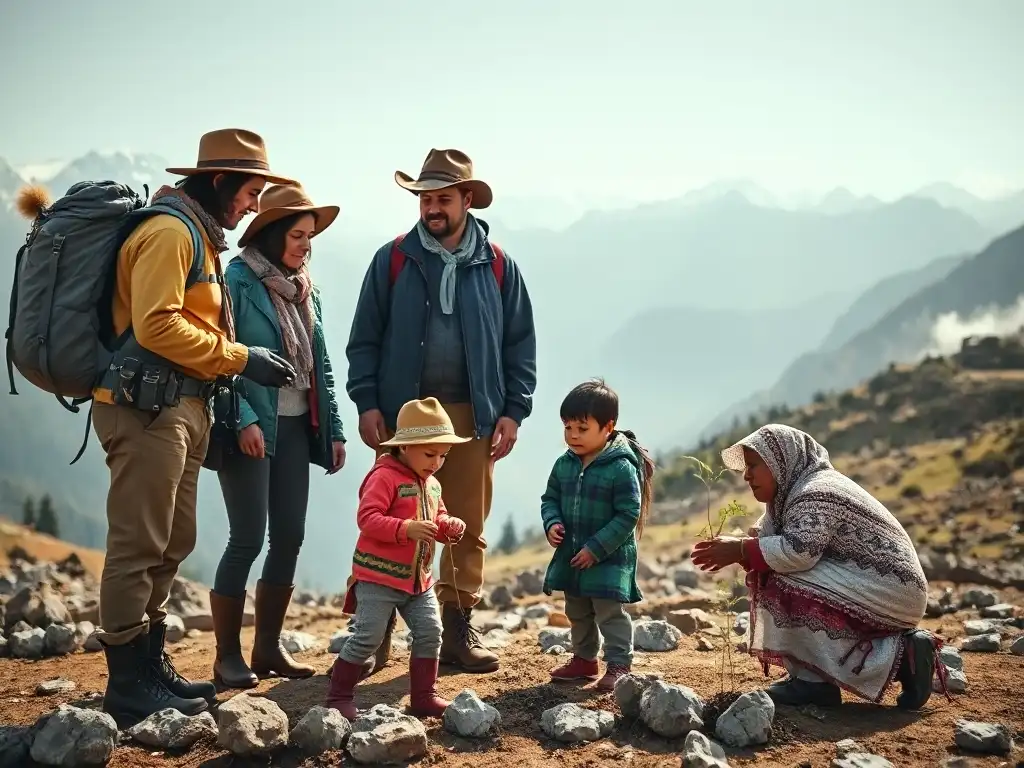
This section details actionable steps tourists can take to support Andean civilization tourism conservation. By making conscious choices, visitors can become active participants in preserving the fragile ecosystems and invaluable cultural heritage of the Andes. Remember, responsible tourism is not just about minimizing your impact; it's about maximizing your positive contribution.
Choosing Responsible Tour Operators: [Example: Amazonas Explorer]
Selecting an ethical tour operator is the cornerstone of responsible Andean civilization tourism. Look for companies actively committed to sustainable practices and community engagement. Avoid operators who prioritize profit over environmental and cultural preservation. A responsible tour operator will:
- Employ local guides: This directly benefits the local community and ensures accurate, culturally sensitive interpretations of the sites.
- Minimize environmental impact: This might involve using eco-friendly transportation, reducing waste, and adhering to strict guidelines regarding site access.
- Support local communities: This could involve purchasing goods and services from local businesses, contributing to community development projects, or employing local people.
- Promote cultural understanding and respect: Responsible operators educate tourists on appropriate behavior and cultural sensitivity, avoiding practices that could harm or exploit the local population.
Consider researching operators like "Amazonas Explorer" (replace with a real example if available; otherwise, this is a placeholder for a hypothetical responsible operator). Examine their websites for details about their sustainability initiatives and community involvement programs. Look for certifications or affiliations with organizations dedicated to sustainable tourism. Don't hesitate to contact the operator directly to inquire about their specific practices. A truly responsible operator will be transparent and happy to discuss their commitment to Andean civilization tourism conservation.
Contributing to Conservation Projects: [Example: The Andean Cat Alliance]
Beyond choosing responsible tour operators, actively contributing to conservation projects significantly amplifies your positive impact on Andean civilization tourism conservation. Many organizations work tirelessly to protect the Andean environment and cultural heritage. Consider donating your time or resources to initiatives aligned with your interests.
For instance, the "Andean Cat Alliance" (replace with a real example if available; otherwise, this is a placeholder for a hypothetical conservation organization) focuses on protecting the endangered Andean cat and its habitat. Such organizations often welcome volunteers for fieldwork, data collection, or educational outreach. Even a small financial contribution can make a substantial difference in their conservation efforts.
Other projects might focus on:
- Archaeological site preservation: Supporting organizations dedicated to the careful excavation, preservation, and documentation of ancient sites.
- Sustainable agriculture: Contributing to initiatives that promote environmentally friendly farming practices among Andean communities.
- Biodiversity conservation: Supporting efforts to protect the unique flora and fauna of the Andean region.
- Community development: Donating to projects focused on improving the livelihoods of local communities, reducing poverty, and fostering sustainable economic opportunities.
By actively participating in these projects, you not only support the preservation of the Andes but also gain a deeper understanding and appreciation of the region and its people. Consider researching organizations focused on Andean civilization tourism conservation and identify a project that resonates with you.
Educating Yourself and Others: Spreading Awareness about Andean Preservation
Responsible Andean civilization tourism conservation extends beyond financial contributions and volunteering. Educating yourself and others about the fragility of the Andean ecosystem and the importance of preserving its cultural heritage is crucial.
- Learn about the history and culture: Engage with documentaries, books, and museums to gain a deep understanding of the rich tapestry of Andean civilizations. This knowledge will enhance your appreciation for the sites you visit and enable you to engage more meaningfully with the local culture.
- Share your experiences: Upon returning from your trip, share your experiences and promote responsible tourism practices among your friends, family, and online communities. Use social media to highlight the beauty of the Andes while emphasizing the importance of its preservation.
- Support sustainable businesses: Encourage friends and family to support businesses committed to sustainable practices when planning their own trips to the Andes. Word-of-mouth marketing can significantly influence consumer behavior and push the tourism industry towards greater responsibility.
- Advocate for policy changes: Contact your elected officials and advocate for policies that support Andean civilization tourism conservation. Your voice can contribute to larger-scale changes that protect the region's invaluable cultural and natural heritage.
By actively participating in these educational initiatives, you contribute to a broader shift towards responsible tourism, fostering a more sustainable future for the Andes and its people. Remember, your actions, no matter how small, can collectively make a significant difference in preserving this incredible region for generations to come.
The Future of Andean Civilization Tourism Conservation
The future of Andean civilization tourism hinges on a delicate balance: preserving the incredible heritage sites while allowing sustainable economic growth for local communities. This requires a multifaceted approach, moving beyond simply admiring the ancient wonders to actively participating in their protection. The concept of "Andean civilization tourism conservation" is not just a buzzword; it's a necessity for the long-term survival of these invaluable cultural landscapes.
We must shift from extractive tourism—where visitors take memories and leave little behind—to regenerative tourism, where every interaction leaves a positive impact. This involves a paradigm shift in how we approach travel and tourism in the Andes.
For example, instead of focusing solely on the number of tourists visiting Machu Picchu, we should prioritize the quality of their visits and their contribution to the site's preservation. This includes minimizing environmental impact, supporting local businesses that prioritize sustainability, and respecting the cultural heritage of the Andean communities.
Effective Andean civilization tourism conservation requires a collaborative effort. Tourists, local communities, and governments all play crucial roles. Tourists must be educated on responsible travel practices, such as staying on marked trails, respecting sacred sites, and supporting locally owned businesses that adhere to sustainable practices. This includes understanding the fragility of the Andean ecosystem and the importance of minimizing their carbon footprint. Think about it: the impact of thousands of tourists traversing the Inca Trail each year necessitates careful planning and management to avoid irreversible damage.
Local communities are the custodians of their cultural heritage and natural resources. They possess invaluable traditional ecological knowledge and should be empowered to participate actively in tourism management and benefit directly from its economic advantages. This means creating opportunities for them to develop and manage sustainable tourism initiatives, fostering a sense of ownership and pride in their heritage. For example, community-based tourism projects, where locals act as guides and share their culture directly with visitors, can be incredibly impactful.
Governments must implement robust policies and regulations to protect heritage sites and ensure sustainable tourism practices. This includes investing in infrastructure that minimizes environmental impact, enforcing regulations against illegal activities such as looting and vandalism, and providing financial support for community-based tourism initiatives. Data-driven decision making, using metrics such as visitor numbers, environmental impact assessments, and community benefit analysis, is essential for effective governance. A well-structured regulatory framework, coupled with consistent enforcement, is vital for the long-term success of conservation efforts.
The Lasting Impact of Responsible Andean Tourism
Responsible Andean tourism isn't just about preserving ancient ruins; it's about safeguarding the entire ecosystem and the vibrant cultures that have thrived in the Andes for millennia. The positive impacts can be far-reaching: sustainable tourism can generate income for local communities, supporting education, healthcare, and other essential services. It can also empower local people to protect their heritage and natural resources, fostering a sense of pride and ownership.
Furthermore, it creates a powerful link between the past and the present, ensuring that the rich cultural heritage of the Andes is not only preserved but also celebrated and shared with the world. This includes supporting initiatives that promote the preservation of traditional crafts, languages, and knowledge systems. Consider the positive ripple effect: a thriving tourism sector that respects local communities and the environment strengthens the entire Andean region.
Concluding Thoughts: Becoming a Guardian of the Andes
Becoming a guardian of the Andes requires a conscious effort from all stakeholders. By choosing responsible travel options, supporting local communities, and advocating for sustainable tourism policies, we can help ensure that the incredible heritage of the Andean civilizations is preserved for generations to come. This is not simply about ticking off destinations on a bucket list; it's about becoming active participants in the conservation of a unique and irreplaceable cultural and natural landscape.
The legacy we leave behind should be one of respect, understanding, and sustainable stewardship, ensuring that the spirit of the Andes continues to thrive. Let's work together to protect these invaluable treasures and ensure that the Andean civilization tourism conservation movement continues to grow and flourish. 🌎 The future of the Andes depends on it.
Frequently Asked Questions
How can tourism contribute to the conservation of Andean civilizations' sites?
Responsible tourism can be a powerful tool for conservation. Revenue from tourism can be reinvested in site preservation and community development projects, directly benefiting the areas and protecting the heritage. Sustainable practices by tourists are also crucial.
What are some examples of sustainable tourism practices in the Andes?
Supporting locally owned businesses, choosing eco-friendly accommodations, and respecting cultural sensitivities are key. Avoiding single-use plastics, participating in responsible guided tours, and contributing to conservation projects are also important.
How can I minimize my negative impact as a tourist visiting Andean sites?
Respect site regulations, avoid touching artifacts, and stay on marked trails. Support local communities by buying handicrafts directly from artisans and respecting their traditions. Reduce your environmental footprint through mindful consumption.
What are the biggest threats to the conservation of Andean heritage?
Climate change, illegal looting, and unsustainable development are major threats. Overtourism can also damage sites and negatively impact local communities if not managed responsibly. Lack of funding for conservation efforts is another serious concern.
Where can I find more information about responsible tourism in the Andes?
Many organizations promote sustainable tourism in the Andes. Look for information from local tourism boards, NGOs focused on cultural heritage preservation, and reputable tour operators committed to eco-friendly practices. You can also research specific sites to understand their conservation needs and initiatives.
The delicate balance between tourism and conservation in the Andes is not merely an academic discussion; it's a critical issue impacting the very survival of this unique ecosystem and its vibrant cultures. The future of the Andean civilization, its breathtaking landscapes, and its rich biodiversity hinges on our collective ability to act responsibly and sustainably. Ignoring this reality would be a profound disservice to generations to come.
The impact of tourism on the Andes is a double-edged sword. While it can provide vital economic opportunities for local communities, it also presents significant challenges to the environment and cultural heritage. The potential for damage is immense, but so is the potential for positive change. As we've explored, responsible tourism can become a powerful force for good, fostering a sense of shared stewardship and empowering local communities to protect their ancestral lands. The greatest threat to our planet is the belief that someone else will save it.
– Robert Swan. This quote underscores the individual responsibility we all share in ensuring the long-term health of the Andes.
You, the reader, hold the key. By choosing to travel consciously, supporting eco-friendly businesses, engaging with local communities respectfully, and advocating for sustainable practices, you can become a true Guardian of the Andes. Consider your next trip: will it be a fleeting moment of impact, or a lasting contribution to the preservation of this extraordinary region? The choice, and the legacy, are yours.
Join the Movement to Protect the Andes!
Thank you for your interest in conserving the magnificent Andes Mountains. Your support is crucial to securing a thriving future for these breathtaking landscapes and the rich cultures they sustain. Let's turn your interest into action.
Here's how you can make a real difference:
- Embrace Sustainable Travel: Choose eco-friendly tour operators and transportation options that minimize your environmental impact. Prioritize businesses committed to responsible tourism practices.
- Support Local Communities: Buy handcrafted goods directly from Andean artisans, helping to strengthen their economies and preserve their traditional skills.
- Spread the Word: Share your experiences and inspire others to join the conservation effort. Use social media and word-of-mouth to raise awareness about the importance of protecting this vital region.
What will be your first step in becoming a champion for the Andes?