
Ancient Wisdom, Modern Journeys: Blending Tradition and Sustainable Tourism in the Andes

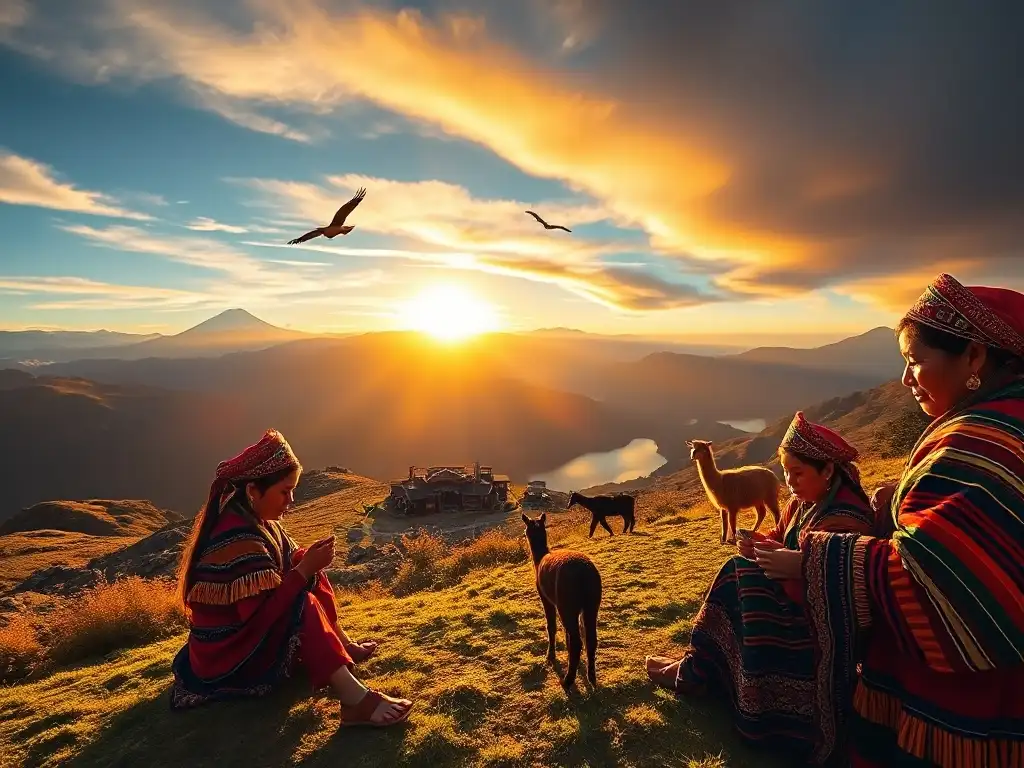
Step into a world lost in time, yet vibrantly alive. Discover the breathtaking legacy of the Andean civilizations—the Incas, Moche, Nazca, and Tiahuanaco—and their astonishing achievements in art, technology, and culture. But this is more than just history; it's a journey into the present. Prepare to be captivated by the concept of sustainable Andean tourism and how it's shaping the future of this ancient land. Are we truly respecting the past while forging a path toward a sustainable future? Explore the Andes today and find out.
The majestic Andes Mountains, a spine of towering peaks and breathtaking valleys stretching along the western coast of South America, are home to a rich tapestry of ancient civilizations. From the Inca Empire's sophisticated road systems to the intricate Nazca Lines etched into the desert floor, the legacy of these Andean cultures continues to captivate and inspire.
However, the increasing popularity of Andean tourism presents a critical challenge: how can we ensure that the influx of visitors benefits local communities and preserves the fragile environment and invaluable cultural heritage for future generations? This article explores the complexities of sustainable Andean tourism, examining the negative impacts of unsustainable practices, and highlighting the innovative solutions being implemented to create a more ethical and responsible approach to exploring this extraordinary region.
We will delve into the crucial balance between economic growth and cultural preservation, ultimately showcasing how a commitment to sustainable tourism can empower local communities and safeguard the irreplaceable wonders of the Andes for years to come. This journey will illuminate the path towards a future where ancient wisdom guides modern journeys, creating a harmonious relationship between tourism and the Andean environment and culture.
The Challenge: Balancing Tourism Growth with Cultural Preservation in the Andes
The Andes face a double-edged sword. Tourism offers significant economic opportunities for Andean communities, particularly in remote areas where alternative income sources are limited. However, unchecked growth can lead to detrimental consequences.
Rapid development often outpaces the capacity of local infrastructure, leading to environmental damage, such as deforestation, water pollution, and habitat loss. Furthermore, the influx of tourists can threaten the authenticity of cultural practices, potentially leading to the commodification of traditions and the erosion of local identities. The delicate balance between economic benefits and environmental and cultural protection is a paramount concern.
This requires careful planning, community involvement, and a shift towards sustainable practices. For example, the increased demand for alpaca wool necessitates ethical sourcing and fair trade practices to prevent overgrazing and exploitation of local artisans. Similarly, the burgeoning interest in ancient sites requires robust management strategies to prevent damage and ensure the preservation of these invaluable historical resources.
Understanding the Impact: Negative Effects of Unsustainable Tourism in Andean Communities
Unsustainable tourism in the Andes has led to a number of documented negative impacts. These include:
- Environmental Degradation: Increased waste generation, pollution of water sources, and habitat destruction from poorly managed infrastructure projects.
- Cultural Commodification: The transformation of authentic cultural practices into staged performances for tourists, losing their original significance and meaning.
- Economic Inequality: Unequal distribution of tourism revenue, with the majority benefiting large corporations rather than local communities.
- Social Disruption: Overcrowding in popular tourist destinations, leading to strain on resources and conflict with local residents.
- Loss of Biodiversity: Disturbance of fragile ecosystems due to increased human activity and habitat fragmentation.
The following table summarizes some specific examples:
| Region | Negative Impact | Specific Example |
|---|---|---|
| Sacred Valley | Overcrowding of Machu Picchu | Long queues, damage to trails, pressure on resources |
| Lake Titicaca | Water pollution from tourism boats | Discharge of waste, disruption of aquatic life |
| Nazca Lines | Soil erosion from increased access | Damage to fragile desert ecosystem |
The Solution: Embracing Sustainable Andean Tourism Practices
The path towards sustainable Andean tourism involves a multifaceted approach that prioritizes community participation, environmental protection, and cultural preservation. Key elements include:
- Community-Based Tourism: Empowering local communities to manage and benefit from tourism initiatives. This involves providing training, supporting local businesses, and ensuring fair distribution of revenue.
- Eco-Tourism Initiatives: Promoting responsible travel practices, minimizing environmental impact, and supporting conservation efforts. This includes reducing waste, conserving water, and protecting biodiversity.
- Cultural Sensitivity Training: Educating tourists about the importance of respecting local customs, traditions, and beliefs.
- Sustainable Infrastructure Development: Investing in environmentally friendly infrastructure that minimizes the impact on the surrounding environment.
- Fair Trade Practices: Ensuring fair wages and working conditions for local guides, artisans, and other tourism service providers.
Implementing these practices requires collaboration between government agencies, tourism operators, local communities, and tourists themselves. Only through a shared commitment to sustainability can we ensure that the ancient wisdom of the Andes continues to inspire and enrich future generations while preserving the breathtaking beauty and cultural heritage of this remarkable region. The journey towards sustainable Andean tourism is an ongoing process, requiring constant evaluation and adaptation to meet the evolving needs of the region and its people.
- The Challenge: Balancing Tourism Growth with Cultural Preservation in the Andes
- Understanding the Impact: Negative Effects of Unsustainable Tourism in Andean Communities
- The Solution: Embracing Sustainable Andean Tourism Practices
Supporting Local Communities: A Cornerstone of Ethical Andean Tourism
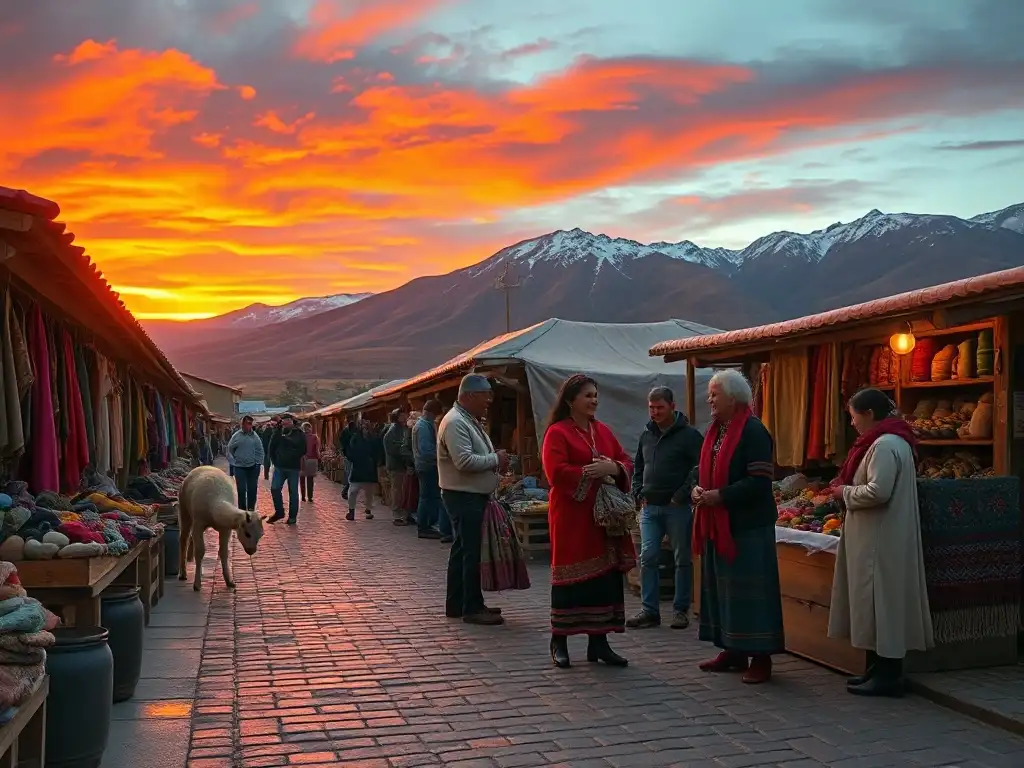
Sustainable Andean tourism isn't just about minimizing environmental impact; it's fundamentally about empowering local communities. True sustainability hinges on ensuring that the economic benefits of tourism directly reach and uplift the people who call the Andes home. This means shifting away from large, impersonal tour operators and embracing initiatives that prioritize community well-being and cultural preservation. By actively choosing to support local communities, tourists become integral partners in the preservation of Andean heritage and the sustainable development of the region. This section explores two key ways to achieve this: supporting community-based tourism operators and purchasing local products.
Choosing Community-Based Tourism Operators
Selecting community-based tourism (CBT) operators is a powerful way to ensure your Andean adventure contributes positively to local economies. These operators are often cooperatives or small businesses owned and managed by Andean communities themselves. This means a larger percentage of your tourism expenditure remains within the community, directly benefiting local families and supporting local initiatives. Look for operators who:
- Employ local guides: Guides who are fluent in their native Quechua or Aymara languages and deeply knowledgeable about their region's history, traditions, and ecology offer a far richer and more authentic experience.
- Prioritize community involvement: The operator's website or brochures should clearly highlight their community engagement efforts, such as supporting local schools, healthcare initiatives, or environmental conservation projects.
- Offer fair wages and benefits: Ethical operators ensure their employees receive fair compensation and benefits, contributing to the overall economic well-being of the community.
- Implement sustainable practices: CBT operators are often at the forefront of sustainable tourism practices, minimizing their environmental footprint and actively contributing to the preservation of the Andean environment.
Choosing a CBT operator not only provides a more authentic and enriching travel experience, but also directly supports the economic and social development of Andean communities. It’s a tangible way to contribute to sustainable Andean tourism and make a real difference in the lives of the people you encounter. Consider researching specific communities and their tourism initiatives to find the best fit for your travel style and ethical priorities. For example, [specific examples of CBT operators in different Andean regions pending].
Purchasing Local Products: Supporting Andean Artisans
Beyond choosing your tour operator wisely, supporting local artisans is another crucial aspect of sustainable Andean tourism. By purchasing handcrafted textiles, ceramics, jewelry, and other local products, you directly contribute to the livelihoods of Andean artisans and help preserve their unique cultural heritage. These handcrafted items often represent generations of traditional skills and knowledge, and acquiring them directly from the artisans supports the continuation of these invaluable traditions.
Consider the following when purchasing local products:
| Criteria | Description |
|---|---|
| Authenticity | Ensure the product is genuinely handcrafted by Andean artisans and not mass-produced imitations. |
| Fair Trade Certification | Look for Fair Trade certifications, guaranteeing fair wages and ethical working conditions for the artisans. |
| Direct Purchase | Whenever possible, purchase directly from the artisans themselves, cutting out intermediaries and maximizing the benefits for the creators. |
| Material Sourcing | Inquire about the materials used; sustainably sourced materials demonstrate a commitment to environmental responsibility. |
Remember, purchasing local products isn't just about acquiring souvenirs; it's about investing in the cultural richness and economic well-being of Andean communities. By making conscious choices, you become a vital part of a sustainable tourism model that benefits both the environment and the people of the Andes. Seeking out artisan markets and cooperatives allows you to connect directly with the creators, learn about their craft, and contribute to the preservation of their unique cultural heritage. This active participation is essential for truly sustainable Andean tourism. 🛍️
Experiencing Authentic Andean Culture: Immersive and Educational Travel

This section delves into the crucial aspect of experiencing Andean culture authentically while promoting sustainable Andean tourism. It's not just about seeing the sights; it's about understanding the history, respecting the traditions, and contributing positively to the communities. This means moving beyond superficial interactions and engaging in meaningful experiences that benefit both the traveler and the local population.
Sustainable Andean tourism thrives on exploring lesser-known destinations. Instead of focusing solely on the popular Inca Trail, consider venturing off the beaten path. Many communities offer unique cultural experiences, such as traditional weaving workshops in remote villages or participation in ancient ceremonies with the guidance of local experts.
These immersive experiences provide a deeper understanding of Andean life and traditions, fostering a sense of respect and appreciation. For example, the communities surrounding Lake Titicaca offer opportunities to learn about their unique boat-building techniques and traditional fishing methods. Similarly, exploring the Colca Canyon beyond the main viewpoints allows for interaction with smaller communities dedicated to sustainable agriculture and alpaca herding.
These interactions provide a more authentic and enriching travel experience, contributing directly to the economic well-being of these communities. This type of tourism generates income that directly benefits the people and supports their efforts to preserve their heritage. The key is to seek out opportunities that minimize environmental impact and maximize cultural exchange.
The economic benefits of this type of sustainable Andean tourism extend beyond direct income generation. It fosters a sense of community pride and ownership, encouraging locals to actively participate in preserving their cultural heritage for future generations. This collaborative approach ensures that the tourism industry does not exploit the local culture but rather works in harmony with it, enriching both visitors and residents. This is a critical component of responsible and sustainable tourism.
Eco-Lodges and Sustainable Accommodations in the Andes
Choosing eco-friendly accommodations is paramount for sustainable Andean tourism. Many lodges and hotels are now adopting sustainable practices, minimizing their environmental footprint and supporting local communities. These accommodations prioritize the use of renewable energy sources, water conservation techniques, and locally sourced materials in their construction and operations. They often employ local staff, further contributing to the economic vitality of the region. Look for certifications that demonstrate a commitment to sustainability, such as those focused on responsible waste management and carbon neutrality. These certifications verify the lodge's adherence to specific environmental and social standards.
Consider the following when selecting your accommodation:
| Feature | Description | Importance |
|---|---|---|
| Renewable Energy | Solar panels, wind turbines, or geothermal energy. | Reduces reliance on fossil fuels and lowers carbon emissions. |
| Water Conservation | Efficient plumbing fixtures, rainwater harvesting, and greywater recycling. | Conserves precious water resources, particularly crucial in arid regions. |
| Local Sourcing | Locally sourced food, building materials, and crafts. | Supports local economies and reduces transportation emissions. |
| Waste Management | Composting, recycling, and responsible waste disposal programs. | Minimizes environmental pollution and promotes responsible resource management. |
| Community Involvement | Employment of local staff, community partnerships, and support for local initiatives. | Ensures that tourism benefits the local community directly. |
By actively seeking out and supporting these eco-lodges, travelers directly contribute to the preservation of the Andean environment and the well-being of its communities. This conscious choice is a fundamental aspect of responsible and sustainable Andean tourism. Choosing sustainable accommodations is not merely a preference; it's a vital step towards ensuring the long-term viability of tourism in the Andes while minimizing its environmental and social impact.
Products and Services that Enhance Sustainable Andean Journeys

This section explores specific products and services contributing to sustainable Andean tourism. By choosing consciously, travelers can minimize their environmental impact and maximize the positive effects of their journey on local communities. Understanding the nuances of responsible consumption is key to achieving truly sustainable Andean tourism.
Essential Gear for Responsible Travel in the Andes
Responsible travel starts with responsible packing. Choosing durable, reusable gear minimizes waste and reduces the demand for single-use plastics often prevalent in less developed areas. Here's a look at essential items that promote sustainability:
- Reusable Water Bottles: Staying hydrated is crucial at altitude. Invest in a high-quality, reusable water bottle to avoid relying on single-use plastic bottles. Consider a filter bottle for areas where water sources aren't always potable. This significantly reduces your plastic footprint.
- Eco-Friendly Sunscreen & Insect Repellent: Protect your skin and prevent insect bites with biodegradable and reef-safe sunscreen and insect repellent. Many conventional products contain chemicals harmful to the delicate Andean ecosystems. Look for products certified as environmentally friendly.
- Durable Backpack & Luggage: Choose durable luggage made from recycled or sustainable materials. A well-maintained backpack will last for many trips, reducing the need for frequent replacements. Avoid cheap, disposable options.
- Reusable Shopping Bags: Pack a few reusable shopping bags to avoid using plastic bags provided by local shops. This simple step significantly reduces plastic waste.
- Repair Kit: A small repair kit can extend the life of your gear, reducing the need for replacements and minimizing waste. Include items like needle and thread, duct tape, and a small multi-tool.
Supporting Conservation Initiatives Through Tourism
Sustainable Andean tourism isn't just about minimizing negative impacts; it's about actively contributing to conservation efforts. Several initiatives allow travelers to directly support the preservation of Andean ecosystems and cultural heritage.
Many communities offer opportunities to participate in reforestation projects, trail maintenance, and wildlife monitoring programs. These initiatives not only preserve the environment but also offer unique and enriching experiences for travelers. For example, some organizations facilitate volunteer work in preserving ancient Inca trails or assisting in the protection of endangered Andean flora and fauna.
Supporting local businesses committed to sustainable practices is another vital aspect. This includes choosing accommodations, restaurants, and tour operators with demonstrably sustainable policies. Look for certifications or evidence of their commitment to fair wages, waste reduction, and environmental protection.
This direct financial support strengthens local economies and encourages environmentally conscious business models, solidifying the foundation for long-term sustainable Andean tourism. Choosing ethically sourced souvenirs, such as handicrafts made from recycled materials or products created using traditional methods, further supports local artisans and promotes cultural preservation. By prioritizing these initiatives, travelers become active participants in the preservation of the Andean region's unique beauty and cultural wealth, actively contributing to the growth of truly sustainable Andean tourism.
The Future of Sustainable Andean Tourism: A Call to Action
The Andes, a breathtaking tapestry woven from towering peaks, vibrant cultures, and ancient legacies, faces a critical juncture. The burgeoning interest in sustainable Andean tourism presents both an unprecedented opportunity and a significant responsibility. Balancing the economic benefits of tourism with the preservation of this fragile ecosystem and the respect for its indigenous communities is paramount. Failure to do so risks irreversible damage, eroding the very essence that draws visitors in the first place.
This section explores actionable steps towards a future where sustainable Andean tourism thrives, ensuring the Andes' vibrant cultural heritage and ecological integrity are preserved for generations to come. This requires a collective effort, encompassing individual travelers, tour operators, and local communities. The success of sustainable Andean tourism hinges on a long-term commitment to responsible practices and a deep understanding of the profound interconnectedness between people and the environment.
Traveling with Intention: Making Conscious Choices
Sustainable Andean tourism begins with each individual traveler. Making conscious choices, however small they may seem, collectively creates a powerful impact. Consider these points:
- Choosing Eco-Friendly Accommodations: Opt for hotels and lodges committed to environmental sustainability. Look for certifications or evidence of responsible waste management, water conservation, and energy efficiency. Many smaller, locally owned establishments prioritize these practices more readily than larger international chains.
- Supporting Local Businesses: By purchasing local handicrafts, eating at family-run restaurants, and utilizing local guides, you directly contribute to the economic well-being of Andean communities. This fosters a sense of ownership and pride in preserving their cultural heritage, strengthening the very fabric of sustainable Andean tourism.
- Minimizing Your Environmental Footprint: Pack light to reduce fuel consumption during transportation. Use reusable water bottles and bags to minimize plastic waste. Respect wildlife and natural habitats, avoiding any disruptive actions. Remember, even small acts of environmental stewardship accumulate to make a significant difference.
- Respecting Local Customs and Traditions: Immerse yourself in the local culture with sensitivity and respect. Learn basic phrases in the local language, dress modestly when visiting religious sites, and be mindful of local customs and traditions. This respectful approach is fundamental to ethical and sustainable Andean tourism.
- Responsible Photography: Avoid disturbing wildlife or sacred sites for the sake of a photograph. Remember that these places hold deep cultural and spiritual significance for the local communities. Responsible photography is an important aspect of respectful travel.
Promoting Responsible Tourism Practices to Fellow Travelers
Your experience in the Andes is an opportunity to become an ambassador for sustainable Andean tourism. Share your positive experiences and responsible travel practices with your friends, family, and online communities. Encourage others to travel ethically and respectfully.
Consider these actions:
- Sharing Your Stories: Share your experiences on social media, emphasizing the importance of sustainable tourism and highlighting the positive impacts of responsible travel. Use relevant hashtags such as #sustainableandeantourism, #responsibletravel, #ethicaltourism.
- Recommending Responsible Tour Operators: Spread the word about tour operators who prioritize sustainability and community engagement. Word-of-mouth referrals are powerful tools for promoting responsible tourism practices.
- Educating Others: Share information about the importance of respecting local cultures and environments. Educating others about the potential negative impacts of irresponsible tourism is crucial for fostering a culture of responsible travel.
- Engaging in Conversations: Participate in online discussions and forums related to sustainable Andean tourism. Share your knowledge and encourage others to adopt responsible travel habits.
This collective advocacy plays a vital role in shaping the future of sustainable Andean tourism, transforming individual actions into a powerful force for positive change.
The Importance of Long-Term Commitment to Andean Communities
Sustainable Andean tourism is not a fleeting trend; it's a long-term commitment to building mutually beneficial relationships between visitors and local communities. This requires a shift from a purely extractive model of tourism to one that prioritizes equitable partnerships and empowers local communities.
- Fair Wages and Working Conditions: Support tour operators and businesses that ensure fair wages and safe working conditions for their employees. This ensures that the economic benefits of tourism are distributed equitably.
- Community-Based Tourism Initiatives: Prioritize community-based tourism projects that directly benefit local communities. These initiatives often offer authentic cultural experiences and empower local people to manage their own tourism resources.
- Investing in Local Infrastructure: Support projects that improve local infrastructure, such as schools, healthcare facilities, and clean water systems. This helps to build stronger, more resilient communities.
- Supporting Conservation Efforts: Contribute to conservation efforts that protect the Andes' unique biodiversity and cultural heritage. This ensures that the natural beauty and cultural richness that attract tourists will be preserved for future generations.
The true measure of sustainable Andean tourism lies in its lasting positive impact on the lives of Andean communities and the preservation of their invaluable heritage. This requires a sustained, collective commitment to responsible practices and a profound respect for the delicate balance between people and the environment.
Frequently Asked Questions
What makes Andean tourism "sustainable"?
Sustainable Andean tourism focuses on minimizing environmental impact, respecting local cultures, and supporting local communities economically. It prioritizes responsible travel practices that benefit both visitors and the Andean region.
How can I contribute to sustainable tourism in the Andes?
Support locally owned businesses, choose eco-friendly accommodations, and participate in tours that prioritize cultural preservation. Respect local customs and the environment during your travels.
Are there any specific examples of sustainable tourism initiatives in the Andes?
Yes, many communities offer community-based tourism projects. These initiatives involve locals directly in tourism, ensuring that benefits are shared fairly. Examples include homestays and guided hikes led by community members.
What are the environmental challenges facing Andean tourism?
The Andes face challenges such as waste management, water conservation, and the impact of infrastructure development. Sustainable tourism aims to mitigate these challenges through responsible practices and planning.
How can I find sustainable tourism options in the Andes?
Look for tour operators and accommodations that explicitly promote sustainable practices. Research certifications and read reviews from other travelers focusing on environmental and social responsibility. Consider booking directly with local communities.
Final Reflection: Weaving a Sustainable Future in the Andes
The ancient wisdom of the Andes, interwoven with the urgent need for sustainable practices, offers a powerful model for responsible tourism in the 21st century. Ignoring this interconnectedness risks not only environmental degradation but also the erosion of invaluable cultural heritage. The delicate balance between preserving tradition and fostering economic growth demands careful consideration, a challenge we must face head-on to ensure a thriving future for both the Andean communities and the planet.
The enduring legacy of Andean cultures, their deep respect for the land, and their intricate understanding of sustainable living offer invaluable lessons for us today. Their practices, often passed down through generations, provide a blueprint for a more harmonious relationship with nature. The earth provides enough to satisfy every man's needs but not every man's greed.
– Mahatma Gandhi. This quote resonates deeply with the challenges faced by Andean communities striving to balance tourism's economic benefits with the preservation of their environment and way of life. The ongoing struggle to protect these fragile ecosystems and cultural treasures underscores the importance of our collective responsibility.
Consider the impact of your travel choices. Will you choose to support businesses committed to sustainable practices, respecting local communities and minimizing their environmental footprint? Will you engage with the culture respectfully, learning from its richness and contributing to its preservation? The future of sustainable Andean tourism rests not only on policy and infrastructure but on the conscious choices we make as travelers. Let us embark on these modern journeys with mindful hearts, ensuring that the ancient wisdom of the Andes continues to inspire and guide us towards a more sustainable and equitable future for all.
Unleash Your Adventure in Sustainable Andean Tourism!
Thank you for exploring the profound connection between ancient Andean wisdom and modern, responsible travel. You've discovered how blending tradition with sustainable tourism enriches your journey and empowers local communities. Now, let's turn that knowledge into action!
Here are a few impactful steps you can take:
- Embark on your own sustainable adventure: Choose an eco-friendly lodge or tour operator in the Andes committed to responsible tourism. Prioritize destinations actively working to protect the environment and support local communities.
- Share your passion: Spread the word about sustainable travel and the importance of preserving Andean cultures through your social media or by engaging with your community.
- Connect with like-minded travelers: Join online forums or participate in local events that celebrate Andean traditions and environmental stewardship. Sharing experiences and learning from others will enhance your journey and broaden your impact.
What aspect of Andean culture excites you most? Let's continue the conversation!