
Tread Lightly: Minimizing Your Impact on the Fragile Andean Ecosystem

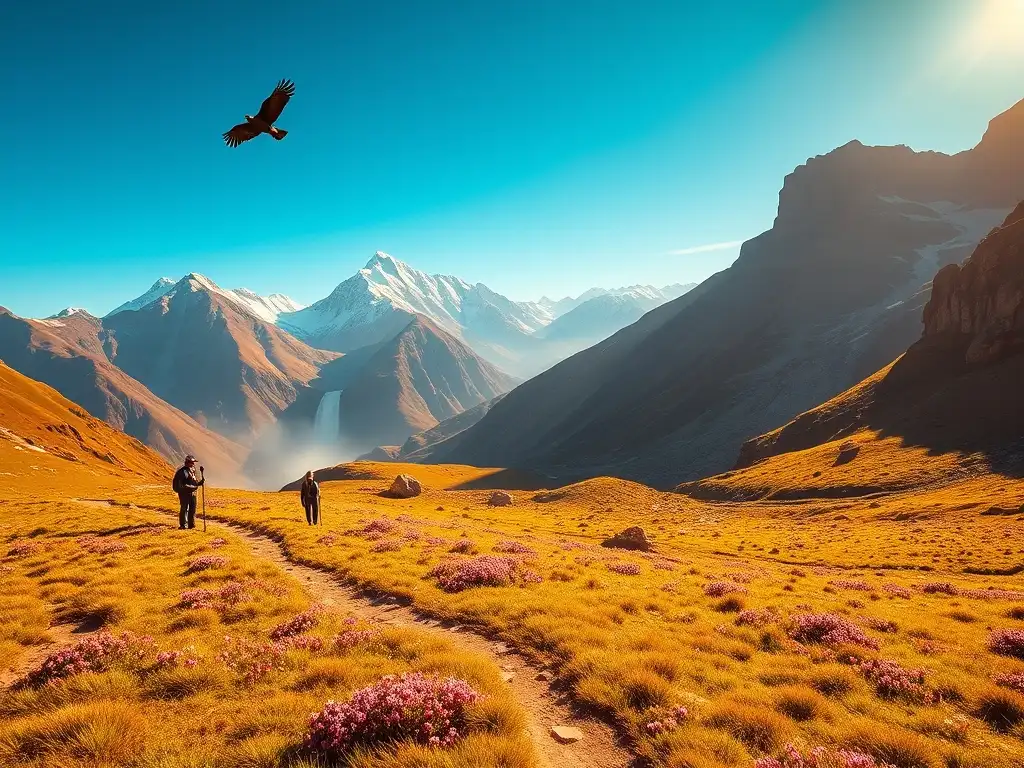
Step into a world lost in time, yet echoing with relevance today. Imagine the ingenuity of the Incas, the artistry of the Nazca, the mysteries of Tiahuanaco – all interwoven within the breathtaking Andean landscape. But how do we responsibly explore this fragile heritage? Discover the crucial role of Andean sustainable tourism in preserving this incredible legacy for generations to come. Dive into our exploration of mindful travel and learn how you can tread lightly on the Andes.
-
Tread Lightly: Minimizing Your Impact on the Fragile Andean Ecosystem - A Guide to Andean Sustainable Tourism
- Understanding the Delicate Andean Environment and the Need for Responsible Travel
- Why is Andean Sustainable Tourism Important? Preserving Heritage and Nature
- Planning Your Eco-Conscious Andean Adventure
- Minimizing Your Footprint While Exploring the Andes
- Supporting Local Communities and Economies Through Ethical Travel
- Specific Examples of Sustainable Tourism in Action
- Beyond the Trip: Continuing Your Support for Andean Conservation
- Conclusion: Your Role in Ensuring a Sustainable Future for the Andes
- Frequently Asked Questions
- Final Reflection: A Legacy of Light Footsteps in the Andes
- Embrace Your Role: Protect the Andean Ecosystem Today!
Tread Lightly: Minimizing Your Impact on the Fragile Andean Ecosystem - A Guide to Andean Sustainable Tourism
The Andes Mountains, a breathtaking tapestry of towering peaks, vibrant ecosystems, and ancient civilizations, face increasing pressure from tourism. While exploring the rich history and stunning landscapes of the Inca, Moche, Nazca, and Tiahuanaco cultures is undeniably enriching, it's crucial to recognize the fragility of this environment and the importance of responsible travel. This guide explores the principles of Andean sustainable tourism, offering practical advice on how to minimize your environmental impact and contribute to the long-term preservation of this invaluable heritage.
We'll delve into the unique challenges facing the Andean ecosystem and highlight the vital role tourists play in shaping its future. By understanding the delicate balance of this region and adopting sustainable practices, we can ensure that future generations can continue to experience the magic of the Andes. This commitment to Andean sustainable tourism is not just a trend; it's a necessity.
Understanding the Delicate Andean Environment and the Need for Responsible Travel
The Andean ecosystem is characterized by incredible biodiversity, unique microclimates, and a complex interplay of ecological factors. From the high-altitude puna grasslands to the cloud forests and arid coastal deserts, each region possesses a distinct flora and fauna adapted to its specific conditions. However, this delicate balance is easily disrupted. Factors such as climate change, habitat destruction, and unsustainable tourism practices pose significant threats.
The high altitude makes the environment particularly sensitive to changes. Soil erosion is a major concern, particularly in areas with high tourist traffic. The removal of vegetation for infrastructure development further exacerbates this issue. Furthermore, the introduction of invasive species and pollution from waste disposal impact the fragile ecosystem.
Responsible travel in the Andes requires a conscious effort to minimize our footprint and support local initiatives dedicated to conservation. Understanding the specific vulnerabilities of each region is crucial for planning a truly sustainable trip. For example, visiting the Nazca Lines requires awareness of the impact of increased vehicle traffic on the surrounding desert ecosystem. Similarly, trekking in the high Andes necessitates careful waste management and adherence to designated trails to avoid damaging sensitive vegetation.
We need to remember that even small actions can have a cumulative effect. By adopting sustainable practices, we can help protect this incredible environment for years to come.
Why is Andean Sustainable Tourism Important? Preserving Heritage and Nature
Andean sustainable tourism is not merely about minimizing environmental damage; it's about actively contributing to the well-being of the local communities and the preservation of their cultural heritage. By choosing sustainable tourism options, travelers directly support local businesses and initiatives that prioritize environmental protection and community development. This approach ensures that the benefits of tourism are shared equitably, empowering local communities to become active stewards of their environment and culture.
The economic benefits of sustainable tourism are significant. It fosters the creation of jobs in environmentally friendly sectors, encouraging investment in renewable energy and waste management systems. It also promotes the development of eco-lodges and community-based tourism enterprises, offering alternative and more sustainable accommodations and experiences. Moreover, sustainable tourism helps to preserve the unique cultural heritage of the Andes by supporting local artisans, promoting traditional practices, and educating visitors about the region's rich history.
This preservation of cultural heritage is intrinsically linked to the protection of the natural environment, as many Andean traditions are deeply rooted in a harmonious relationship with nature. Ultimately, Andean sustainable tourism ensures that the breathtaking landscapes and rich cultural heritage of the Andes remain intact for generations to come. It’s about responsible enjoyment, not exploitation.
Planning Your Eco-Conscious Andean Adventure
Planning a trip to the Andes that minimizes environmental impact requires careful consideration from the outset. Andean sustainable tourism isn't just about visiting; it's about responsible engagement. Before booking flights, consider the carbon footprint of your journey. Choosing a longer, less frequent flight might be a more sustainable option than several short flights.
Think about the overall duration of your trip; a longer stay reduces the per-day impact of your travel. Researching your destinations beforehand is crucial; understanding the local environmental challenges will allow you to make more informed decisions about your activities and choices while on the ground. Remember to factor in travel time between locations— minimizing transportation needs contributes significantly to reducing your carbon footprint and supporting local Andean communities. Prioritize destinations and activities that align with your values and minimize your impact.
Choosing Sustainable Tour Operators: Look for Certifications and Local Involvement
Selecting a tour operator committed to Andean sustainable tourism is paramount. Look for certifications like those offered by the Global Sustainable Tourism Council (GSTC) or similar regional organizations. These certifications often indicate adherence to strict environmental and social standards. Beyond certifications, investigate the operator's local involvement. Do they employ local guides? Do they source supplies and services from within the community?
Do they contribute to local conservation efforts? A truly sustainable operator prioritizes community benefit alongside environmental protection. Read reviews and testimonials from previous travelers to gauge their experiences and the operator's commitment to sustainability. Ask specific questions about their sustainability practices before booking; a reputable operator will be transparent and happy to answer your questions. Consider smaller, locally-owned businesses over large international corporations whenever possible, as they often have a stronger vested interest in the long-term health of their local environment and communities.
Sustainable Accommodation Options: From Eco-Lodges to Community-Based Stays
Accommodation choices directly impact your environmental footprint. Eco-lodges, often found in remote areas, are designed with sustainability in mind. They frequently utilize renewable energy sources, implement water conservation measures, and support local communities. Community-based tourism offers a powerful way to support local economies directly.
Staying in homestays or community-run lodges allows you to experience Andean culture firsthand while directly benefiting local families and preserving traditional ways of life. When choosing accommodation, consider factors like water usage, waste management practices, and energy efficiency. Opting for accommodations with clear commitments to sustainability ensures that your stay doesn't negatively impact the environment or the local people. Look for places that actively reduce their environmental impact, such as composting toilets and solar power.
Packing Light and Smart for Your Andean Trek
Packing light is essential for responsible travel in the Andes. Every extra kilogram adds to the burden on porters and pack animals, and increases the environmental impact of transportation. Choose lightweight, durable clothing and gear made from sustainable materials whenever possible. Avoid single-use plastics like bottled water; instead, invest in a reusable water bottle and purification system.
Packing light also reduces your reliance on motorized transport, further minimizing your carbon footprint. Consider bringing multi-purpose items to reduce the overall quantity of items you pack, thus reducing the overall weight and environmental impact. Remember to check the weather conditions before you pack and only bring necessary items.
Minimizing Your Footprint While Exploring the Andes
Respect for the environment should guide every aspect of your Andean adventure. Sustainable tourism requires mindful actions at every stage of the journey.
Responsible Hiking Practices: Staying on Marked Trails and Respecting Wildlife
Stick to marked trails to minimize erosion and habitat destruction. The Andes' delicate ecosystem is easily damaged by off-trail hiking. Respect wildlife by maintaining a safe distance and refraining from feeding or interacting with animals. Your presence should not disrupt the natural balance of the environment. Avoid disturbing any archaeological sites or cultural heritage locations, respecting their historical and cultural significance. Learn about the local flora and fauna before your trip to better understand the fragile environment you are visiting. Educate yourself about responsible hiking practices to ensure minimal environmental impact.
Waste Management in the Mountains: Pack It In, Pack It Out
The "pack it in, pack it out" principle is crucial for preserving the Andean environment's pristine nature. Bring reusable bags and containers to minimize waste. Dispose of all waste responsibly, taking it with you even if there are trash receptacles available. The improper disposal of trash significantly harms the delicate ecosystem. Avoid using single-use plastics such as water bottles and food packaging. Proper waste management prevents pollution and protects the natural beauty of the Andes for future generations. Plan ahead and prepare for responsible waste management before your trip.
Water Conservation in Arid Andean Regions: Be Mindful of Usage
Water is a precious resource in many Andean regions. Be mindful of your water consumption. Take shorter showers, and reuse towels whenever possible. Avoid wasting water unnecessarily. Support accommodations and businesses that implement water-saving measures. Respect the local water resources and understand the impact of water scarcity in the region. By conserving water, you contribute to the sustainability of the Andean ecosystems and the well-being of local communities. Educate yourself on the importance of water conservation in the specific Andean region you are visiting.
Supporting Local Communities and Economies Through Ethical Travel
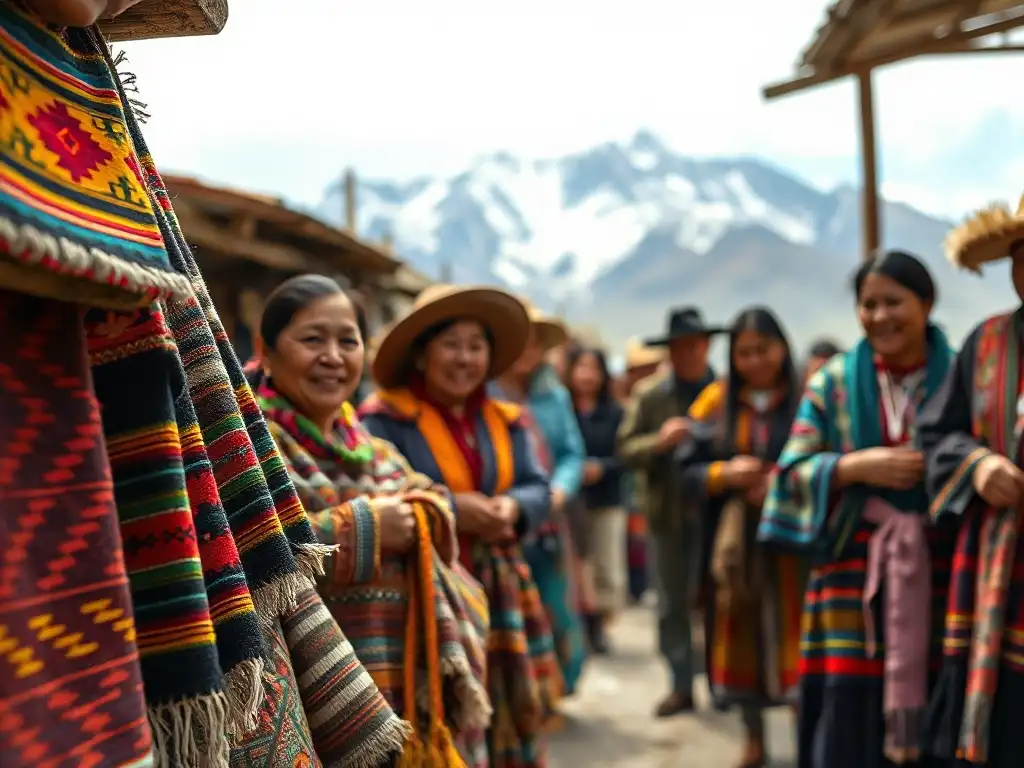
Supporting local communities is paramount for Andean sustainable tourism. By choosing to spend your money within the local economy, you directly contribute to the well-being of the people who call the Andes home. This isn't just about economic benefits; it's about fostering a sense of shared responsibility and mutual respect.
When tourists bypass local businesses in favor of large international corporations, the economic benefits of tourism are often siphoned away, leaving local communities with little to show for the environmental and social impact of tourism. Instead, by prioritizing local businesses, you help to preserve traditional livelihoods and cultural practices, ensuring the long-term sustainability of the Andean region. This also means supporting local initiatives that aim to improve the lives of the community, such as education programs and healthcare initiatives.
The ripple effect of responsible spending can be significant, impacting generations to come. Investing in local communities is an investment in the future of the Andes.
Purchasing Fair Trade Crafts and Goods: Support Local Artisans
Purchasing Fair Trade crafts and goods is a powerful way to directly support Andean artisans and their families. Fair Trade ensures that artisans receive fair wages, safe working conditions, and the opportunity to develop their skills and businesses. By choosing to buy handcrafted textiles, ceramics, jewelry, and other goods directly from the artisans or through certified Fair Trade organizations, you are not only acquiring unique and beautiful items but also contributing to the economic empowerment of these communities. Look for certifications like Fair Trade International or similar labels that guarantee fair labor practices.
Remember that authentic Andean crafts often tell stories, preserving cultural heritage and traditional techniques passed down through generations. Supporting these artisans helps to keep these traditions alive and thriving, enriching the cultural landscape of the Andes. It’s also important to be mindful of potential counterfeits and ensure you are purchasing authentic goods from verified sources.
Choosing Local Restaurants and Food Producers: Savor Authentic Andean Cuisine
Indulging in authentic Andean cuisine is another fantastic way to contribute to Andean sustainable tourism. Choosing local restaurants over international chains helps to support local farmers, food producers, and restaurant owners. This supports local food systems and preserves traditional culinary practices. By sampling local specialties, you're not just satisfying your hunger; you’re experiencing a vital part of Andean culture and supporting the livelihoods of those who produce and prepare it.
Look for restaurants that source their ingredients locally and highlight traditional dishes. Ask about the origin of the food; this shows your interest and supports businesses committed to transparency and sustainability. The vibrant flavors of Andean cuisine are a testament to the region's biodiversity and agricultural ingenuity. Enjoy the experience, and know that your meal is contributing to a more sustainable future for the region.
Respecting Andean Culture and Traditions: Engage with Sensitivity
Respectful engagement with Andean culture is crucial for sustainable tourism. This means learning about local customs and traditions before you visit and behaving appropriately during your trip. This includes being mindful of dress codes, religious practices, and social etiquette. It's essential to avoid actions that could be perceived as disrespectful or insensitive.
Respectful interaction goes beyond simply avoiding offensive behavior; it involves actively seeking to understand and appreciate the richness and diversity of Andean cultures. This might involve taking a cultural tour led by a local guide, participating in respectful cultural events, or simply taking the time to learn a few basic phrases in the local language. Remember that the Andes are home to a multitude of distinct cultures, each with its own unique traditions and beliefs.
By demonstrating respect and understanding, you contribute to a positive and mutually beneficial relationship between tourists and local communities. Learn about the history and significance of the places you visit. This demonstrates respect and appreciation, fostering a more meaningful and sustainable travel experience.
Specific Examples of Sustainable Tourism in Action
Several initiatives showcase the positive impact of sustainable tourism practices in the Andes. These examples demonstrate how responsible travel can benefit both the environment and local communities. These models offer valuable lessons for future sustainable tourism development in the region, highlighting the importance of collaboration and community involvement. By showcasing successful examples, we hope to inspire more responsible travel practices and encourage the adoption of sustainable tourism models in other areas of the Andes.
Case Study: The Success of the Ecolodge Inkaterra Machu Picchu Pueblo Hotel in Peru
The Inkaterra Machu Picchu Pueblo Hotel serves as a prime example of successful ecotourism in Peru. This luxury hotel has implemented numerous sustainable practices, including the use of renewable energy, water conservation measures, and waste reduction strategies. Furthermore, they actively support local communities through job creation and community development initiatives. Their commitment to environmental protection and social responsibility has earned them numerous awards and accolades.
Their success demonstrates that luxury tourism and sustainability can coexist. This model showcases the possibility of creating high-quality tourism experiences that also contribute to the preservation of the environment and the well-being of local communities. Their approach serves as an inspiration for other hotels and businesses in the region.
Recommended Ethical Tours: Amazonas Explorer and Their Commitment to Sustainability
Amazonas Explorer is a tour operator committed to sustainable tourism in the Amazon rainforest and other parts of the Andes. They prioritize responsible travel practices, such as minimizing their environmental impact, supporting local communities, and promoting cultural preservation. Their commitment to sustainability is reflected in their tour offerings, which often involve community-based activities and educational programs that raise awareness about the importance of environmental protection.
Their ethical practices are a testament to the potential of sustainable tourism to generate both economic benefits and positive social and environmental impacts. They serve as a model for other tour operators seeking to implement sustainable practices. Choosing tour operators with similar commitments ensures a more responsible and meaningful travel experience.
Beyond the Trip: Continuing Your Support for Andean Conservation
Even after your Andean adventure concludes, your commitment to Andean sustainable tourism can continue. The impact of responsible travel extends far beyond the duration of your visit; it's about fostering long-term positive change. Consider engaging in ongoing actions that directly support the preservation of the fragile Andean ecosystem and the communities that call it home. This sustained engagement is crucial for ensuring the longevity of these invaluable natural and cultural treasures.
Small, consistent actions can collectively create a significant and lasting impact. Think of it as planting seeds of change that will continue to grow and flourish long after you've returned home. Your dedication to sustainable practices doesn't have to end with your trip; rather, it can become a lifelong commitment to the well-being of the Andes.
Donating to Local Conservation Organizations: The Andean Condor Foundation
One impactful way to contribute to Andean conservation is by donating to reputable local organizations. These groups often work directly with communities and possess in-depth knowledge of the specific challenges and needs of the region. For example, the Andean Condor Foundation plays a vital role in the conservation of this magnificent bird and its habitat. Their work involves habitat restoration, community engagement, and research initiatives focused on the long-term survival of the Andean condor.
Donating to such organizations, regardless of the amount, directly supports their on-the-ground conservation efforts, empowering them to continue their crucial work. Researching and choosing organizations aligned with your values ensures your contribution makes the most significant impact possible. Supporting these local organizations is not just about financial contributions; it's also about acknowledging and amplifying the vital work they do in protecting the Andean ecosystem.
Sharing Your Experience and Promoting Responsible Travel
Your personal experiences can be powerful tools for promoting Andean sustainable tourism. Sharing your positive experiences of responsible travel—highlighting eco-lodges, local guides committed to conservation, and respectful interactions with communities—can inspire others to follow suit. This word-of-mouth advocacy, complemented by sharing your stories on social media platforms, can significantly raise awareness about the importance of sustainable travel practices.
Furthermore, actively engaging in online discussions and forums related to Andean travel allows you to share your knowledge and encourage others to adopt responsible travel behaviors. By sharing your story, you become an ambassador for Andean conservation, encouraging others to tread lightly and contribute to the preservation of this unique and invaluable region. This active participation in spreading awareness is a vital aspect of long-term Andean sustainable tourism.
Conclusion: Your Role in Ensuring a Sustainable Future for the Andes
The Andes, a region of breathtaking beauty and rich cultural heritage, faces significant environmental challenges. However, through responsible travel choices and ongoing commitment to conservation, we can collectively work towards a sustainable future for this incredible ecosystem. By embracing Andean sustainable tourism principles—from choosing eco-friendly accommodations to supporting local communities and actively participating in conservation efforts—you are not merely a visitor, but a vital participant in preserving the Andes for generations to come. Your actions, no matter how small, contribute to a larger movement dedicated to protecting this precious region.
Remember, the future of the Andes depends on the choices we make today. Let's continue to tread lightly and ensure the Andes remain a vibrant and thriving ecosystem for years to come. 🌍
Frequently Asked Questions
What is Andean sustainable tourism?
Andean sustainable tourism focuses on minimizing environmental impact while supporting local communities and preserving the cultural heritage of the Andes. It prioritizes responsible travel practices that benefit both visitors and the region.
How can I practice sustainable tourism in the Andes?
Support locally owned businesses, choose eco-friendly accommodations, and reduce your carbon footprint by using public transport or walking whenever possible. Respect local customs and traditions and avoid disturbing wildlife.
Why is sustainable tourism important for the Andes?
The Andean ecosystem is fragile and vulnerable to overtourism. Sustainable practices help protect biodiversity, preserve ancient sites, and ensure the long-term economic viability of Andean communities.
What are some examples of unsustainable tourism practices in the Andes?
Unsustainable practices include overcrowding popular sites, generating excessive waste, and supporting businesses that exploit resources or workers. Ignoring local customs and disrespecting the environment are also major issues.
How can I find sustainable tour operators in the Andes?
Look for operators who explicitly promote eco-friendly practices, support local communities, and contribute to conservation efforts. Read online reviews and check for certifications demonstrating their commitment to sustainability.
Final Reflection: A Legacy of Light Footsteps in the Andes
The delicate balance of the Andean ecosystem hangs in the precarious balance between responsible tourism and irreversible damage. The choices we make today, as travelers and as a global community, will determine the future of this breathtaking landscape for generations to come. Ignoring the fragility of this environment is not an option; preserving it requires conscious and collective action.
The impact of unsustainable tourism practices in the Andes is a stark reminder of our interconnectedness with the natural world. The vibrant culture and unique biodiversity of the region are inextricably linked to the health of its environment. As we witness the increasing pressure on these fragile ecosystems, we must remember the wisdom of indigenous communities who have lived in harmony with the Andes for centuries. We do not inherit the Earth from our ancestors, we borrow it from our children.
This quote encapsulates the responsibility we bear to protect this precious heritage, not just for ourselves, but for those who will follow.
Consider your own travel choices. Will you contribute to the degradation of this magnificent landscape, or will you be part of the solution? Choose sustainable tourism operators, support local communities, and leave only footprints, taking only photographs. Let us all strive to tread lightly, ensuring that the beauty and wonder of the Andes remain unspoiled for years to come. The future of this incredible ecosystem rests in our hands.
Embrace Your Role: Protect the Andean Ecosystem Today!
Thank you for learning about how we can all lessen our impact on the delicate Andean ecosystem. Your interest is already making a difference!
Now, let's take action. Here's how you can contribute:
- Launch a community-wide zero-waste initiative to promote sustainable practices that protect our environment.
- Partner with local conservation organizations to participate in or lead tree-planting and cleanup projects in your area.
- Share this information with your friends and family—every conversation helps!
What innovative ideas do you have to help preserve the Andes for future generations? Share them in the comments!