
The Andean Tapestry: Weaving Together Adventure and Sustainability

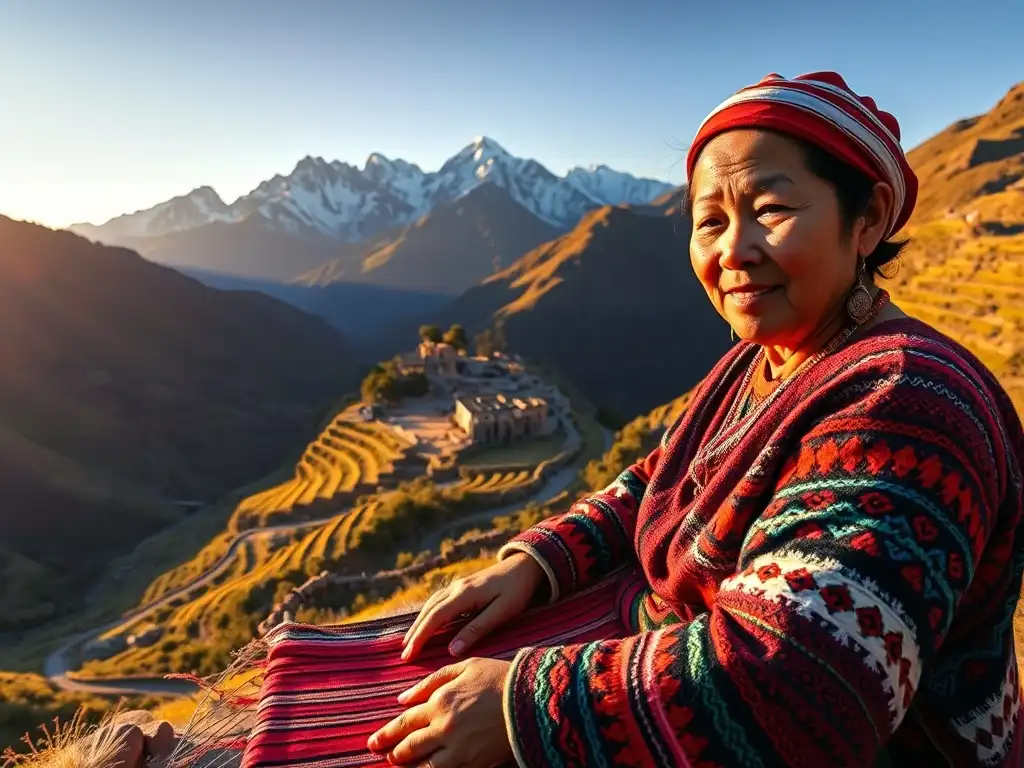
Dive into the mesmerizing world of Andean Civilizations, where ancient ingenuity meets breathtaking landscapes. From the towering heights of Machu Picchu to the enigmatic Nazca Lines, uncover the secrets of empires that thrived centuries ago. But what does their legacy mean for today? Discover how the principles of Andean civilizations sustainable tourism are shaping a future where adventure and preservation go hand in hand—a journey waiting to unfold within the pages of "The Andean Tapestry."
The Andes Mountains, a spine of towering peaks and breathtaking valleys stretching along the western edge of South America, are home to a rich tapestry of ancient civilizations. For millennia, cultures like the Inca, Moche, Nazca, and Tiahuanaco flourished in this challenging yet rewarding landscape, leaving behind an incredible legacy of art, architecture, and intricate social structures. Today, this legacy continues to inspire awe and wonder, attracting travelers from across the globe.
However, the influx of tourism presents a critical challenge: how can we experience the wonders of the Andes while ensuring the preservation of its fragile ecosystems and the vibrant cultures that call it home? This article explores the crucial intersection of adventure and sustainability in Andean tourism, examining how responsible travel can help protect this invaluable heritage for future generations.
We will delve into the principles of sustainable tourism, highlight examples of successful initiatives, and offer practical tips for travelers seeking an ethical and enriching Andean experience. Understanding the delicate balance between exploration and preservation is paramount to ensuring the long-term viability of Andean civilizations sustainable tourism.
Experiencing Authentic Andean Civilizations Through Sustainable Travel
Sustainable tourism in the Andes isn't just a trend; it's a necessity. The region's unique biodiversity and cultural heritage are vulnerable to the impacts of mass tourism. Uncontrolled development, environmental degradation, and the commodification of indigenous cultures pose significant threats. However, a shift towards responsible travel practices offers a powerful opportunity to mitigate these risks and create a positive impact.
This involves supporting local communities, minimizing environmental damage, and respecting the cultural traditions of the Andean people. By choosing to travel sustainably, tourists become active participants in the preservation of this remarkable region. This means actively seeking out tour operators and accommodations committed to ethical practices, such as fair wages for employees, waste reduction initiatives, and community engagement programs.
It also means educating oneself about the local culture and environment before embarking on a journey, demonstrating respect for local customs and traditions, and minimizing one's environmental footprint. The rewards are plentiful: a deeper, more meaningful travel experience, a reduced environmental impact, and the satisfaction of contributing to the preservation of a unique and irreplaceable heritage. Think of the impact of choosing a locally owned hotel over a large international chain – it’s a small choice with a significant, positive ripple effect.
Examples of Sustainable Tourism Initiatives in the Andes
Several organizations and communities are leading the way in sustainable tourism in the Andes. These initiatives focus on various aspects, including community-based tourism, ecotourism, and responsible trekking. Examples include community-run homestays that provide authentic cultural experiences and support local economies, while eco-lodges prioritize environmental conservation and sustainable practices. Furthermore, responsible trekking operators often employ local guides, use sustainable transportation, and minimize their impact on the environment. These initiatives demonstrate that a thriving tourism sector can coexist with the preservation of cultural and natural heritage.
Minimizing Your Environmental Footprint While Exploring the Andes
Reducing your environmental footprint while exploring the Andes is crucial for responsible tourism. This involves several key aspects:
- Choosing eco-friendly transportation: Opting for trains or buses over airplanes reduces carbon emissions. Within the Andes themselves, walking or using public transport whenever possible is ideal.
- Reducing waste: Carrying a reusable water bottle and avoiding single-use plastics significantly reduces waste. Properly disposing of waste is also important to prevent pollution.
- Conserving water and energy: Practicing water conservation in your accommodation and being mindful of energy consumption helps minimize your environmental impact.
- Respecting wildlife and natural habitats: Staying on marked trails, avoiding disturbing wildlife, and respecting the natural environment prevents damage to fragile ecosystems.
The cumulative effect of these small actions makes a substantial difference in protecting the environment for future generations. Remember, every mindful choice contributes to a more sustainable future for the Andes.
- Experiencing Authentic Andean Civilizations Through Sustainable Travel
- Minimizing Your Environmental Footprint While Exploring the Andes
- What makes Andean tourism sustainable?
- How can I contribute to sustainable tourism in the Andes?
- What are some examples of sustainable tourism initiatives in the Andean region?
- Are there any challenges to sustainable tourism in the Andes?
- How can I find sustainable tourism options for my trip to the Andes?
Planning Your Ethical Andean Adventure: A Step-by-Step Guide

This section provides a practical guide for planning a trip to the Andes that minimizes your environmental impact and maximizes the benefits for local communities. Sustainable tourism in the Andean region is crucial for preserving its incredible cultural heritage and fragile ecosystems. By following these steps, you can contribute to the preservation of these magnificent Andean civilizations while experiencing their wonders firsthand.
Step 1: Choosing Eco-Conscious Tour Operators in the Andes
Selecting a responsible tour operator is the cornerstone of ethical Andean tourism. Many operators now prioritize sustainable practices, but careful research is essential. Don't be swayed solely by attractive marketing; dig deeper to understand their commitment to Andean civilizations sustainable tourism.
Booking Responsible Tours: Look for Fair Trade Tourism Certifications and Community Involvement
Look for certifications like Fair Trade Tourism, which verifies commitment to fair wages, environmental protection, and community empowerment. These certifications provide a level of assurance that your money directly benefits local people and the environment. Beyond certifications, investigate the operator's specific practices. Do they prioritize local guides? Do they support community-based projects?
Do they actively work to minimize their environmental footprint through carbon offsetting or other initiatives? For example, a truly committed operator might partner with local artisans to sell their crafts, ensuring fair prices and preserving traditional skills. A responsible operator will also transparently communicate their sustainability initiatives on their website. 🔎 Look for detailed descriptions of their environmental and social policies. Avoid operators that offer activities that negatively impact the environment, such as irresponsible trekking or wildlife interactions.
Step 2: Selecting Sustainable Accommodation Options in the Andean Region
Your choice of accommodation significantly impacts the local economy and environment. Opting for eco-conscious choices ensures your stay contributes positively to the Andean communities and landscapes.
Eco-Lodges and Guesthouses: Supporting Local Economies and the Environment
Eco-lodges and locally owned guesthouses are excellent choices. These establishments often prioritize sustainable practices, such as using renewable energy sources, minimizing water consumption, and sourcing food locally. By choosing these options, you directly support local economies and reduce the environmental impact of your trip. Look for accommodations that actively participate in conservation efforts, perhaps by supporting reforestation projects or protecting endangered species. Consider the location of your accommodation; choosing lodgings situated outside of major tourist hubs can help reduce pressure on sensitive ecosystems.
Many eco-lodges offer unique cultural experiences, giving you a chance to interact directly with local communities and learn about their traditions. This fosters a deeper understanding and appreciation of Andean civilizations and their sustainable way of life. 🦙 Supporting these businesses contributes directly to the preservation of their culture and heritage. Consider factors like waste management practices and water conservation efforts when making your selection.
Step 3: Packing Essentials for Responsible Travel in the Andes
Planning your trip to the Andes involves more than just packing your favorite clothes; it's about packing with intention, minimizing your environmental impact, and respecting the delicate Andean ecosystem. Responsible travel starts with thoughtful packing. Consider the weight of your luggage – heavier bags mean more fuel consumption during transport, contributing to a larger carbon footprint. Opt for lightweight, durable items that serve multiple purposes.
Remember, you'll be navigating varied terrains, from high-altitude mountains to lush valleys, so adaptability is key. Packing light not only benefits the environment, but also makes your journey more comfortable. Think versatile clothing items that can be layered for changing weather conditions.
Eco-Friendly Travel Gear: Reusable Water Bottles, Solar Chargers, and Biodegradable Sunscreen
One of the most effective ways to minimize your environmental impact while exploring the Andes is through the use of eco-friendly travel gear. Reusable water bottles are essential for staying hydrated at altitude and reducing plastic waste. The Andes often have limited access to potable water, so carrying a high-quality reusable bottle is crucial. Furthermore, carrying a solar charger allows you to reduce your reliance on single-use batteries, minimizing electronic waste. Solar power is a clean and sustainable energy source, perfectly suited for the Andean landscape.
Finally, biodegradable sunscreen is vital for protecting your skin from the intense Andean sun while simultaneously safeguarding the delicate ecosystems. Traditional sunscreens contain chemicals harmful to coral reefs and marine life, and even in mountainous regions, these chemicals can enter the water supply. Choose a sunscreen specifically labeled as biodegradable and reef-safe. Remember to check the SPF rating to ensure adequate protection.
Step 4: Engaging Respectfully with Local Andean Communities
Respectful engagement with local Andean communities is paramount for ethical and sustainable tourism. It's not just about visiting; it's about contributing positively to the lives and cultures of the people who call the Andes home. This requires understanding their traditions, customs, and ways of life, and acting accordingly.
Remember that you are a guest in their land, and your actions should reflect that. This includes being mindful of local customs and traditions, seeking permission before taking photographs, and refraining from intrusive behavior. Learning even a few basic phrases in the local languages can go a long way in demonstrating respect and building rapport.
Supporting Local Artisans: Purchasing Handcrafted Textiles, Ceramics, and Musical Instruments
Supporting local artisans is a tangible way to contribute to the economic well-being of Andean communities. By purchasing handcrafted textiles, ceramics, and musical instruments directly from the artisans, you are not only acquiring unique and beautiful items but also ensuring that the traditional skills and knowledge are preserved and passed on to future generations. Look for cooperatives or artisan workshops where you can interact directly with the creators and learn about their craft. Avoid purchasing items from large retailers that may not fairly compensate the artisans.
By choosing to support local artisans, you are directly contributing to the sustainability of their livelihoods and cultural heritage. This fosters a more authentic and meaningful connection with the Andean culture. Remember to haggle respectfully, acknowledging the time and skill involved in creating these beautiful works.
Ethical Interactions: Learning Basic Phrases in Quechua or Aymara
Learning a few basic phrases in Quechua or Aymara, the indigenous languages of the Andes, demonstrates a genuine effort to connect with the local culture. Even simple greetings like "Hola" (Spanish for hello), "Allillanchu?" (Quechua for "How are you? "), or "Suma q'amara?" (Aymara for "How are you?") can significantly enhance your interactions.
This small gesture shows respect and a willingness to engage on their terms. It opens doors to more meaningful conversations and fosters a deeper understanding of the local culture and perspectives. Beyond greetings, learning phrases related to thank you, please, and excuse me are also incredibly helpful for navigating daily interactions. While fluency isn't expected, the effort itself speaks volumes. Consider using a language-learning app or carrying a phrasebook to aid your interactions. Your efforts will be appreciated, creating a more positive and mutually respectful exchange.
Maximizing Your Experience with Sustainable Activities

This section delves into practical ways to experience the wonders of Andean civilizations while actively contributing to their preservation. Sustainable tourism isn't just about minimizing your impact; it's about maximizing the positive effects your visit has on local communities and the environment. By choosing responsible activities and supporting local initiatives, you become a vital part of the Andean tapestry's continued vibrancy. We'll explore how to make your Andean adventure both enriching and ethically sound, focusing on responsible exploration and community engagement.
Hiking Ancient Inca Trails Responsibly: Protecting Archaeological Sites
Hiking the Inca Trail is a bucket-list experience for many, offering breathtaking views and a tangible connection to the Inca civilization. However, the sheer number of visitors necessitates responsible practices to protect these fragile historical sites. Over-tourism can lead to erosion, damage to ruins, and disruption of the delicate ecosystem.
Choosing a reputable tour operator is paramount. Look for companies that adhere to strict guidelines regarding waste management, group size limitations, and respect for archaeological sites. These operators often contribute directly to the preservation efforts through financial support or volunteer work.
It's crucial to understand that unauthorized access to Inca sites is strictly prohibited. Many trails require permits, and entering restricted areas can result in fines or even legal action. Respecting designated paths and avoiding touching or climbing on ancient structures is essential for preserving their integrity for future generations. Remember, you are a custodian of this incredible history during your visit.
Inca Trail Guided Tours: Llama Path and Permit Requirements
Navigating the Inca Trail permit system can be complex. Permits are limited to ensure the sustainability of the trail and to prevent overcrowding. Many tours utilize the "Llama Path," which is less traveled, offering a more tranquil experience while still respecting the delicate balance of the ecosystem. The Inca Trail itself requires permits booked well in advance through an authorized agency. These permits often include porter services, contributing to local employment and reducing the environmental impact of carrying gear.
Understanding the permit process and choosing a reputable agency are crucial steps in ensuring your trek is both memorable and responsible. Failure to obtain the necessary permits can lead to significant issues, hindering your journey and potentially impacting the conservation efforts of the region. Prior planning is key to a successful and ethical Inca Trail experience.
Participating in Community-Based Tourism: Learning Traditional Andean Practices
Community-based tourism (CBT) offers a powerful way to support local communities and immerse yourself in authentic Andean culture. Unlike large-scale tourism operations, CBT initiatives are often run by local people, ensuring that the economic benefits directly support the community. This approach fosters cultural exchange, promotes sustainable development, and provides a far more authentic and meaningful experience than typical tourist activities.
By participating in CBT, you're not just a visitor; you're an active participant in the preservation of Andean traditions and livelihoods.
Andean Community Experiences: Weaving Workshops, Agricultural Tours, and Cooking Classes
Engaging with local communities offers a wealth of opportunities to learn about traditional Andean practices. Participate in weaving workshops to learn the intricate techniques passed down through generations, observe traditional agricultural practices, or take a cooking class to discover the unique flavors of Andean cuisine. These experiences provide invaluable insights into the rich cultural heritage of the Andes while directly supporting local artisans and farmers.
Choosing to participate in these activities contributes directly to the economic well-being of the communities, empowering them to preserve their traditions and protect their environment. It's a mutually beneficial exchange, leaving you with a deeper understanding and appreciation of Andean culture and a positive impact on the region. The benefits extend far beyond a simple souvenir; you'll take away a genuine connection to the heart of Andean life.
The Benefits of Choosing Andean Civilizations Sustainable Tourism
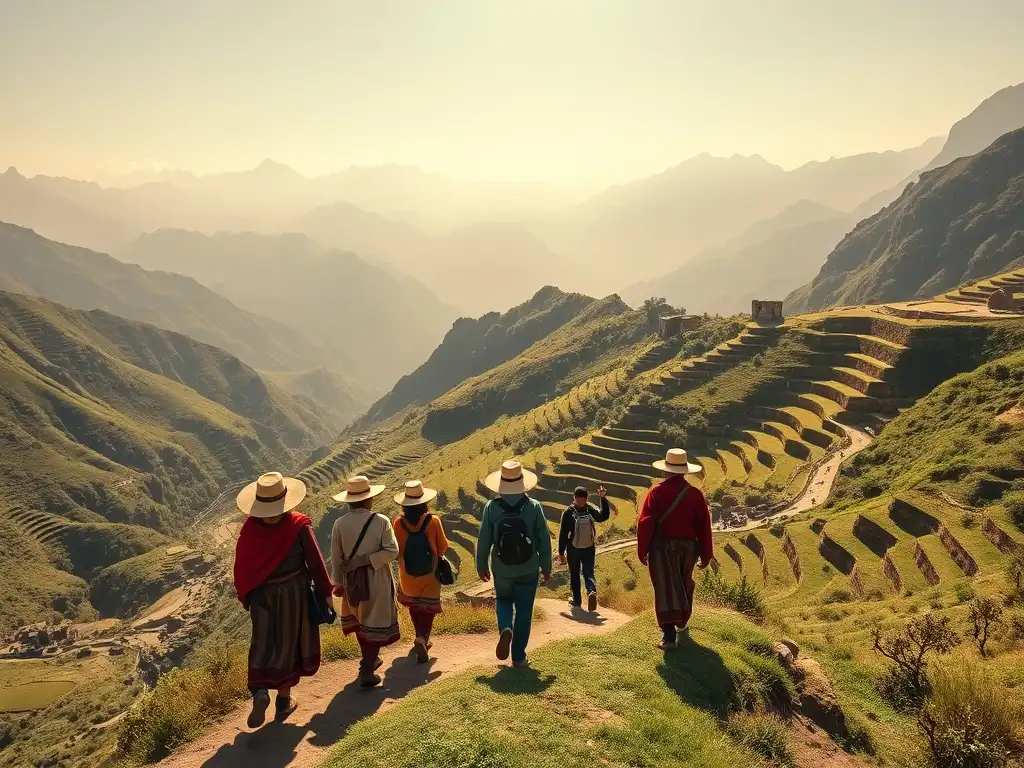
Sustainable tourism in the Andes offers a unique opportunity to experience the rich tapestry of Andean civilizations while contributing positively to the region's future. Choosing sustainable options directly impacts the preservation of cultural heritage, boosts local economies, and protects the fragile Andean ecosystem. This section will delve into the specific benefits of opting for Andean civilizations sustainable tourism, highlighting its multifaceted positive impact.
Preserving Cultural Heritage: Ensuring the Legacy of Andean Civilizations
The legacy of Andean civilizations—from the Incas to the Nazca—is incredibly rich and diverse. Sustainable tourism plays a crucial role in preserving this heritage for future generations. Unlike mass tourism, which can lead to the erosion of cultural practices and the commodification of artifacts, sustainable tourism prioritizes respectful interaction and community involvement. This approach ensures that indigenous communities are not merely passive recipients of tourism but active participants who benefit directly from its economic impact while maintaining control over their cultural narratives.
For example, many sustainable tourism initiatives focus on supporting community-based museums and cultural centers. These initiatives ensure that local artisans and storytellers are compensated fairly for sharing their knowledge and skills, perpetuating traditional crafts like weaving and pottery. This active participation fosters a sense of ownership and pride, preventing the cultural dilution often associated with unchecked tourism.
Furthermore, these initiatives often incorporate educational programs that educate tourists about the significance of Andean cultural heritage, promoting a deeper understanding and appreciation of the region's history. This mindful approach helps to combat the potential for cultural appropriation and ensures that the unique cultural identity of the Andes is protected and celebrated.
Supporting Local Economies: Creating Sustainable Livelihoods
Sustainable tourism in the Andean region directly contributes to the economic empowerment of local communities. By choosing businesses and tours that prioritize local employment and fair wages, tourists can help to create sustainable livelihoods and reduce poverty. This differs significantly from mass tourism, where profits often leak out of the local economy, benefiting primarily large international corporations.
Consider the impact of choosing a locally-owned hotel versus a large international chain. The locally-owned hotel likely employs members of the surrounding community, sourcing goods and services from local businesses. This creates a ripple effect, stimulating economic activity within the community and fostering a sense of self-reliance.
Furthermore, sustainable tourism often supports initiatives focused on fair trade practices, ensuring that artisans and producers receive a just price for their goods, promoting economic justice and equitable distribution of wealth. Data from [specific data on economic impact of sustainable tourism in the Andes pending] would further illustrate the positive economic effects of this type of tourism. This is a significant contrast to the often exploitative nature of unsustainable tourism models.
Environmental Conservation: Protecting the Fragile Andean Ecosystem
The Andean ecosystem is renowned for its biodiversity and fragile beauty. However, unchecked tourism can lead to environmental degradation, including habitat loss, pollution, and the depletion of natural resources. Sustainable tourism, however, actively works to minimize its environmental footprint and promote conservation efforts.
Sustainable tourism operators often prioritize eco-friendly practices, such as reducing waste, conserving water, and using renewable energy sources. They also support initiatives focused on protecting endangered species and preserving natural habitats. For example, many tours incorporate elements of environmental education, raising awareness among tourists about the importance of protecting the Andean ecosystem and promoting responsible travel behaviors. By choosing these tours, tourists directly contribute to conservation efforts.
Moreover, sustainable tourism often invests in community-based conservation projects, empowering local communities to actively participate in the protection of their natural environment. This collaborative approach ensures long-term sustainability and fosters a sense of shared responsibility for the preservation of the Andean region's unique biodiversity. The positive impact of these measures on reducing the carbon footprint of tourism in the Andes is [specific data on environmental impact pending].
Frequently Asked Questions
What makes Andean tourism sustainable?
Sustainable tourism in the Andes focuses on minimizing environmental impact, respecting local cultures, and benefitting local communities economically. This involves responsible travel practices and supporting businesses committed to these principles.
How can I contribute to sustainable tourism in the Andes?
You can contribute by choosing eco-friendly accommodations and tour operators, supporting locally owned businesses, respecting cultural sites and traditions, and reducing your carbon footprint through responsible travel choices.
What are some examples of sustainable tourism initiatives in the Andean region?
Many initiatives exist, including community-based tourism projects, ecotourism lodges, and efforts to preserve ancient sites and protect biodiversity. These projects directly involve local communities in the tourism industry.
Are there any challenges to sustainable tourism in the Andes?
Yes, challenges include balancing economic development with environmental protection, managing the influx of tourists, and ensuring equitable distribution of benefits among local communities. Addressing these requires careful planning and collaboration.
How can I find sustainable tourism options for my trip to the Andes?
Research eco-certified hotels and tour operators online. Look for companies that explicitly highlight their commitment to environmental sustainability and community engagement. Seek out reviews and testimonials to verify their claims.
Final Reflection: Weaving a Sustainable Future in the Andes
The delicate balance between adventure tourism and environmental preservation in the Andes is not merely a niche concern; it's a critical issue shaping the future of this breathtaking region and countless communities. The rapid growth of tourism, while offering economic opportunities, presents a significant challenge if not managed responsibly. Failure to prioritize sustainability risks irreparable damage to the unique ecosystems and cultural heritage that draw visitors in the first place.
The enduring legacy of the Andean civilizations, their profound connection to the land, and their ingenious sustainable practices serve as a powerful reminder of the importance of respecting our environment. Their wisdom echoes through the mountains, whispering lessons in harmony with nature that we must heed. The earth provides enough to satisfy every man's needs but not every man's greed.
– Mahatma Gandhi. This quote, while not specifically about the Andes, perfectly encapsulates the tension between the potential benefits of tourism and the dangers of unchecked exploitation. We must learn from the past to build a better future for the Andes.
Consider the impact of your choices as you plan your next adventure. Will you seek out eco-conscious tour operators? Will you support local communities and their efforts to protect their heritage? Will you leave the Andes more beautiful than you found them? You have the power to be a part of the solution, to weave a thread of sustainability into the vibrant tapestry of Andean tourism. Let your travels be a testament to responsible exploration, ensuring that the magic of the Andes endures for generations to come.
Unveil Your Andean Adventure: A Sustainable Journey
Thank you for joining us on this exploration of the Andes, where adventure and sustainability intertwine. We've uncovered the region's rich natural beauty and cultural heritage, and now it's your turn to discover more!
Here's how you can embark on an unforgettable and responsible adventure:
- Plan a Sustainable Trip: Design your Andean journey with eco-friendly accommodations in mind, choosing options that actively support local communities. Consider staying in locally-owned hotels or ecolodges that prioritize environmental protection and fair labor practices.
- Share Your Passion: Inspire others to travel responsibly by sharing this article and your experiences on social media. Let your friends and followers know about the importance of sustainable tourism and the incredible opportunities available in the Andes.
- Get Involved: Participate in community-based conservation projects or initiatives that protect the Andean region's cultural heritage. Many organizations offer volunteer opportunities, allowing you to contribute directly to the well-being of the local environment and people.
What unique and sustainable experiences are you hoping to create during your Andean adventure?