
Inca Bridges: Suspended Wonders of the Ancient World

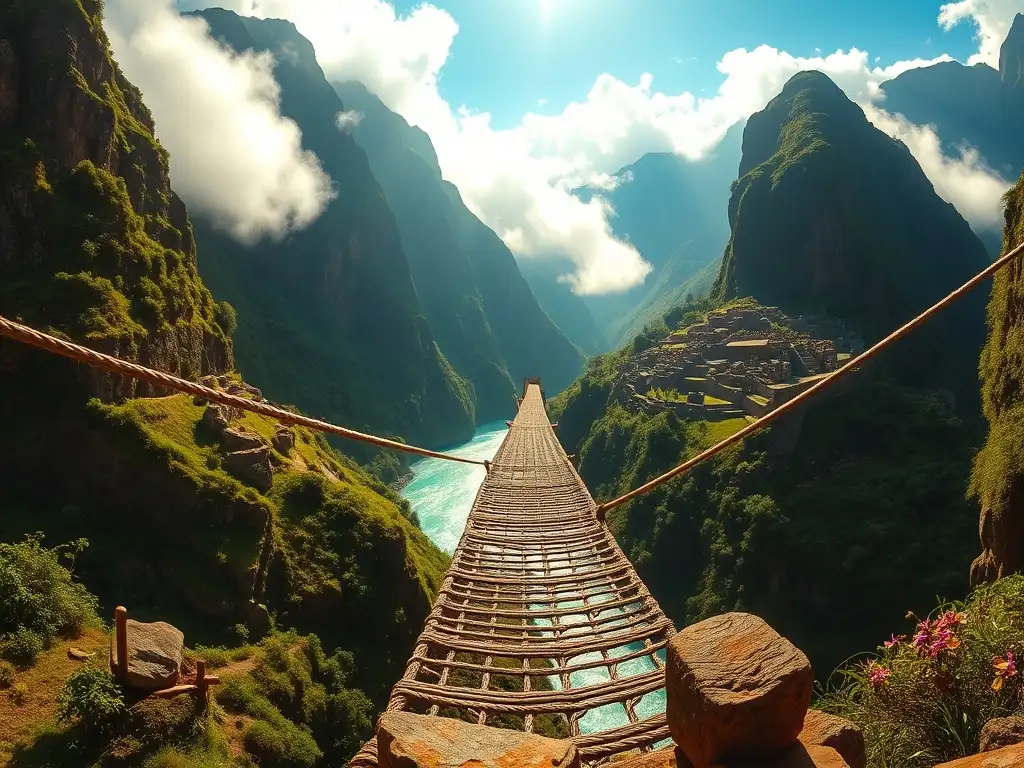
Step into a world lost to time, yet echoing with the ingenuity of a vanished empire. Prepare to be amazed by the remarkable feats of engineering achieved by the ancient Andean civilizations. Forget everything you think you know about bridges – the secrets of the Inca suspension bridges, their construction, and their enduring legacy, await you. Dare to unravel the mysteries of these suspended wonders and delve deeper into the fascinating world of the Inca Empire.
The Inca Empire, renowned for its sophisticated urban planning and architectural prowess, left behind a legacy that continues to fascinate and inspire. Beyond the majestic Machu Picchu and the intricate stonework of Cusco, lies another testament to their ingenuity: their remarkable suspension bridges. These weren't simply crossings; they were vital lifelines, connecting disparate communities across treacherous Andean terrain and facilitating the efficient administration of a vast empire.
This article delves into the fascinating world of Inca suspension bridges, exploring their ingenious engineering, the reasons behind their construction, and their enduring significance as a symbol of Inca innovation and resilience. We will uncover the secrets behind these "suspended wonders" and examine how they reflect the advanced technological capabilities of this remarkable civilization, solidifying their place as a key element in understanding Inca Inca suspension bridges.
The Ingenious Engineering of Inca Suspension Bridges
Inca suspension bridges were marvels of engineering for their time, showcasing a deep understanding of materials science and structural mechanics. Unlike modern suspension bridges that rely on steel cables and sophisticated anchoring systems, Inca engineers utilized readily available natural resources with astonishing skill. The bridges typically consisted of strong, tightly woven ropes made from ichhu (a type of ichu grass) or fibers from other resilient plants, such as agave. These ropes, sometimes hundreds of feet long, were meticulously crafted and then draped across gorges and rivers, often spanning significant distances.
To anchor the ropes, the Inca employed ingenious techniques, utilizing rock crevices, strategically placed stones, and even living trees whose roots provided a secure grip. The bridge deck, often a simple woven platform or a series of planks, was then suspended from these main cables, creating a surprisingly stable and durable structure. The construction process itself must have been a significant undertaking, requiring considerable manpower and expertise in knot-tying and rope-making.
Evidence suggests that the Inca employed specialized rope-makers and bridge builders, indicating the importance of this technology within their society. The precision and durability of these bridges are a testament to the Inca's understanding of tensile strength and load distribution, showcasing a sophisticated level of engineering knowledge far ahead of its time. They were not merely functional; they were also aesthetically pleasing, often integrated seamlessly into the surrounding landscape.
Why Were Inca Suspension Bridges Necessary?
The rugged Andean landscape presented significant challenges to the Inca Empire's logistical operations and communication networks. Deep canyons, fast-flowing rivers, and treacherous mountain passes frequently interrupted travel routes, posing obstacles to trade, military movements, and the overall administration of the empire. Inca suspension bridges provided crucial solutions to these geographical hurdles.
They allowed for the efficient movement of goods, troops, and messengers across otherwise impassable terrain, enabling the Inca to maintain control over their vast territory and facilitate communication between distant communities. The bridges were not just strategically important; they also played a crucial role in facilitating religious pilgrimages and cultural exchange. Many Inca settlements were situated in remote areas, and the bridges served as vital links connecting these communities to the larger empire and enabling the continuity of social and religious practices.
The necessity of these bridges underscores the Inca's remarkable ability to adapt to and overcome the challenges of their environment, using their ingenuity to forge connections and maintain unity across a geographically diverse empire. The strategic placement of these bridges is a clear indication of the empire’s sophisticated understanding of its own geography and needs. The construction of these bridges also speaks to the Inca's ability to mobilize large amounts of labor and resources for projects of national significance.
Materials Used in Inca Bridge Construction
The Inca's mastery of bridge building wasn't just about ingenious design; it was also about resourcefulness. Their bridges, particularly the iconic suspension bridges, relied on a surprisingly limited yet effective palette of materials, primarily sourced from their immediate environment. This sustainable approach speaks volumes about their deep understanding of their ecosystem and their ability to harness its resources effectively.
The most crucial material, undoubtedly, was the ichhu grass, a resilient high-altitude species. But beyond this, they also expertly utilized stone, primarily for anchoring the bridge's ends. The choice of materials directly reflects the Inca's profound connection to their surroundings and their ability to adapt their engineering skills to the available resources.
This practicality is a hallmark of Inca ingenuity, demonstrating a keen understanding of material properties and their suitability for the demanding conditions of the Andean landscape. Their selection wasn't arbitrary; each material played a crucial role in the overall structural integrity and longevity of the bridge.
The Role of Ichu Grass in Inca Bridge Building
Ichu grass ( Stipa ichu) played a pivotal role in Inca bridge construction, forming the very backbone of these awe-inspiring structures. This hardy, high-altitude grass, abundant in the Andes, possessed the perfect combination of strength and flexibility. Its long, tough blades were meticulously woven into thick, strong ropes – a testament to the Inca's advanced weaving techniques. The resilience of ichhu allowed the bridges to withstand the harsh Andean weather, including strong winds, heavy rains, and even occasional snow.
The grass's natural elasticity also contributed to the bridge's ability to flex and absorb stress, enhancing its durability and lifespan. Without this readily available and remarkably robust material, the construction of the impressive Inca suspension bridges would have been inconceivable. The skillful manipulation of this natural resource highlights the Inca's intimate knowledge of their environment and their ability to transform readily available materials into feats of engineering.
Stone Anchors and their Importance
The sturdy stone anchors secured at either end of the Inca rope bridges were critical to the entire structure's stability. Carefully selected and precisely placed, these anchors weren't merely decorative; they were the foundational elements that held the immense tension of the woven ropes. The choice of stone was likely influenced by factors such as the rock's hardness, resistance to weathering, and its ability to withstand significant stress.
The Inca's expertise extended beyond simply finding suitable stones; they also displayed remarkable skill in shaping and securing them into the mountainside, often using intricate techniques to ensure a robust and lasting connection. These anchors acted as powerful counterweights, distributing the load and preventing the bridge from collapsing under the weight of people and pack animals. The meticulous placement and secure anchoring of these stones underscore the precision and structural understanding inherent in Inca engineering.
The Construction Process of Inca Rope Bridges
Building an Inca suspension bridge was a complex undertaking, requiring meticulous planning, specialized skills, and significant community effort. The process wasn't a solitary endeavor but a collaborative one, involving a significant number of individuals with diverse expertise. The construction involved multiple stages, starting with the harvesting and preparation of the ichhu grass. This was followed by the intricate process of rope weaving, a skill passed down through generations.
Simultaneously, the stone anchors were selected, prepared, and securely embedded into the cliffs or rock faces. The final stage involved the careful assembly of the rope structure, ensuring the proper tension and balance. The entire process demanded coordination, precision, and a deep understanding of engineering principles. The efficiency and effectiveness of the process speak to the highly organized and skilled nature of Inca society.
Community Involvement in Bridge Building
The construction of Inca rope bridges was a truly communal effort, highlighting the strong social fabric of Inca society. It was not a task undertaken by a few specialists but rather a collaborative endeavor involving various members of the community. Different individuals would have played specific roles, from harvesting and preparing the ichhu grass to weaving the ropes and assembling the bridge structure.
This collaborative approach fostered a sense of shared responsibility and collective pride in the accomplishment. The construction project also served as an opportunity for social interaction and the transmission of traditional knowledge and skills. This community-based approach underscores the importance of social cohesion and shared responsibility within Inca society, where infrastructure projects were not merely engineering feats but also social events.
The Techniques of Rope Weaving
The Inca's mastery of rope weaving was crucial to their success in bridge building. They didn't merely tie strands together; they employed sophisticated techniques to create incredibly strong and durable ropes from ichhu grass. The exact methods remain partly shrouded in mystery, but evidence suggests they used complex three-ply or even more intricate weaving patterns. This involved carefully twisting and intertwining the grass blades to create ropes capable of supporting significant weight.
The skill and precision required were extraordinary, reflecting years of training and practice. This advanced knowledge of fiber manipulation ensured the structural integrity of their bridges, allowing them to withstand the considerable stresses imposed by the environment and the weight of travelers. The ropes weren't just strong; their flexibility was equally critical to the bridge's ability to withstand the dynamic forces of wind and movement.
Assembling the Suspension Bridge Structure
The final stage of Inca bridge construction – assembling the suspension bridge structure – was a delicate and precise operation. The carefully woven ropes were meticulously attached to the stone anchors, ensuring even tension and distribution of weight. The process likely involved a system of counterweights and adjustments to fine-tune the bridge's alignment and stability. A deep understanding of physics and engineering was essential to avoid imbalances and ensure the safety of the structure.
The builders likely used a series of knots and lashings to secure the ropes, demonstrating advanced knowledge of knot-tying techniques. The successful completion of this stage required not only technical expertise but also a high degree of coordination and teamwork, showcasing the impressive organizational capacity of Inca society. The final product, a seemingly delicate yet remarkably strong suspension bridge, stood as a testament to their engineering prowess and understanding of structural mechanics.
Types of Inca Bridges
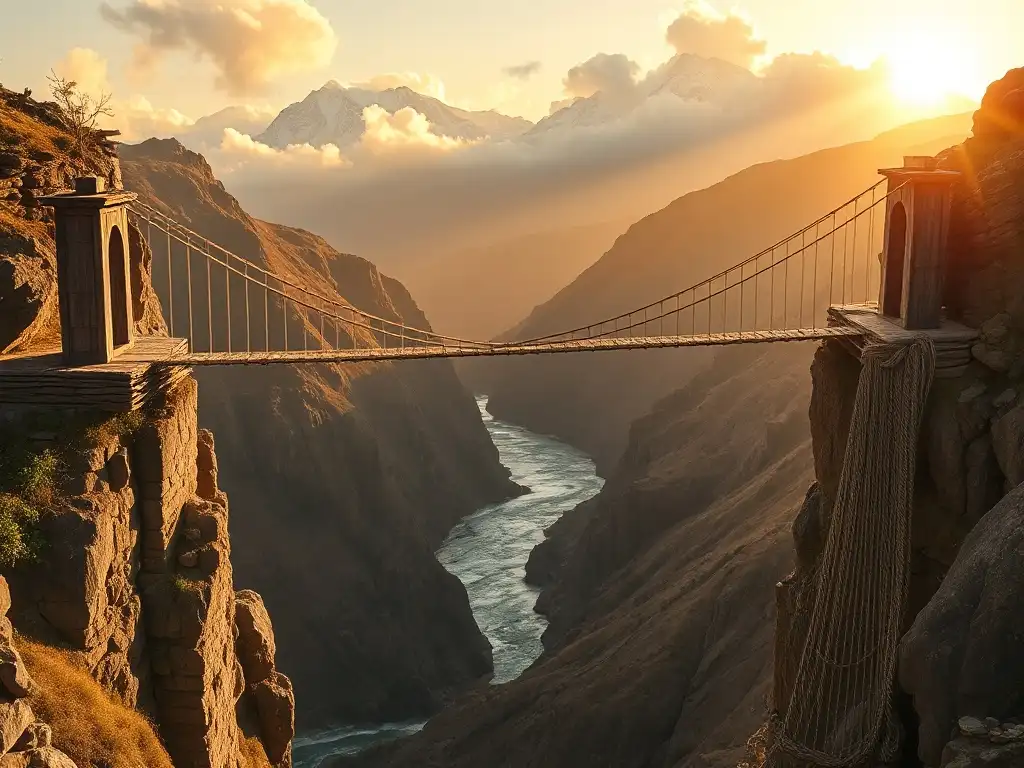
The Inca, renowned for their innovative engineering, constructed various types of suspension bridges, each adapted to the specific geographic challenges and available resources. While the precise classification methods used by the Inca themselves are lost to time, modern analysis reveals two primary categories: simple suspension bridges and more advanced cable bridges. The differences lay primarily in the complexity of their construction and the materials used.
The ingenuity displayed in both types, however, showcases the Inca's deep understanding of physics and their masterful use of readily available materials. Their bridge-building techniques, passed down through generations of skilled artisans, allowed them to traverse treacherous Andean terrain with remarkable efficiency and safety, facilitating trade, communication, and military movements across vast distances.
The construction of these bridges was a testament to their societal organization and engineering prowess, highlighting the importance of infrastructure in their empire. The diversity of bridge types also reflects the adaptability and resourcefulness of Inca engineers in response to varying environmental conditions.
Simple Suspension Bridges
These bridges represent the more basic type of Inca suspension bridge. They often utilized readily available materials such as vines, especially those from the Ichu grass, known for its remarkable tensile strength. These strong, flexible vines were woven together to create thick ropes, which served as the bridge's main suspension cables.
The bridge deck, typically constructed from woven reeds, wood planks, or even bundled brush, was then suspended from these cables. Supporting structures, often simple wooden frameworks anchored into the cliff faces on either side of the chasm, helped to stabilize the bridge and distribute the weight. While simpler in design compared to their more advanced counterparts, these bridges were remarkably effective in spanning smaller gaps and less challenging terrains.
The simplicity of their construction also allowed for relatively quick repairs and reconstruction, making them highly practical for everyday use within the Inca empire. Many examples of these simpler bridges likely existed throughout the empire, but the passage of time and the harsh Andean climate have unfortunately resulted in the loss of many of these structures.
Advanced Cable Bridges
The advanced cable bridges represent the pinnacle of Inca bridge-building technology. These bridges were substantially larger and more robust than their simpler counterparts, capable of spanning much wider and deeper gorges. Instead of relying solely on woven vines, these bridges incorporated a more sophisticated system of multiple suspension cables, often made from a combination of materials including strong fibers, lianas, and potentially even processed animal hides.
The cables were meticulously interwoven and secured to create a highly durable and load-bearing structure. The bridge decks were also more substantial, often using a combination of wood, stone, and woven materials to create a stable and relatively wide platform. Many of these advanced bridges featured intricate suspension systems and carefully engineered anchor points, suggesting a sophisticated understanding of weight distribution and structural mechanics.
Their construction would have demanded significant manpower and skilled artisans, reflecting the importance placed on these vital transport links within the Inca empire. The scale and complexity of these bridges stand as a testament to the advanced engineering capabilities of the Inca civilization.
The Longevity of Inca Suspension Bridges
The longevity of Inca suspension bridges is a testament to the quality of materials and the expertise of the builders. While many bridges have succumbed to the relentless forces of nature—earthquakes, landslides, and the erosion of time—several remarkably well-preserved examples remain, offering tangible evidence of their resilience. The use of durable natural fibers, carefully selected and processed, contributed significantly to their durability. The bridge's design, often incorporating redundant elements and flexible suspension systems, allowed them to withstand significant stress and strain.
The ability to easily repair and replace damaged sections also contributed to their extended lifespan. Moreover, the strategic location of many bridges, often sheltered from the most extreme weather conditions, helped to prolong their useful life. However, the long-term preservation of these structures is an ongoing challenge.
Modern efforts to preserve and restore existing bridges are crucial to ensure that these remarkable feats of engineering continue to inspire awe and wonder for generations to come. Understanding the factors that contributed to their longevity is vital for future conservation strategies and for appreciating the sophisticated engineering principles employed by the Inca. The enduring legacy of these bridges underscores the resilience of Inca technology and their profound understanding of materials and structural design.
Preservation of Inca Bridge Heritage
The preservation of Inca bridges presents unique challenges. These structures, often built with materials readily available in their environment (primarily fiber rope), are susceptible to the elements and the passage of time. The constant wear and tear from weather conditions like heavy rains, strong winds, and intense sun exposure necessitates continuous monitoring and maintenance.
Furthermore, the very nature of these suspension bridges, relying on intricate woven fibers, makes them vulnerable to deterioration and breakage. Efforts to preserve these historical marvels require a delicate balance between respecting the original construction techniques and employing modern preservation methods.
This includes careful documentation of the bridge's structure and materials, as well as the development of sustainable maintenance strategies that minimize disruption to the historical integrity of the site. The challenge is to ensure that these fragile yet significant structures can continue to stand as testaments to the ingenuity of Inca engineers for generations to come.
Modern Reconstructions and Maintenance
Modern efforts to preserve Inca bridges often involve a combination of traditional and modern techniques. While some bridges are left in their natural state, undergoing only minimal intervention to ensure safety, others require more extensive restorative work. Modern reconstructions often utilize traditional materials and techniques, passed down through generations of local communities. This ensures authenticity and respect for the original craftsmanship.
However, modern materials, such as durable synthetic fibers, might be strategically incorporated to strengthen weakened sections without altering the overall aesthetic or structural integrity. Regular inspections, involving skilled artisans and engineers, are crucial for identifying potential problems and implementing timely repairs. This proactive approach is vital to prevent significant damage and ensure the longevity of these remarkable structures. The process is often collaborative, involving archaeologists, historians, and local communities to ensure a balanced and sustainable approach to preservation.
The Legacy of Inca Engineering
The Inca suspension bridges stand as a powerful symbol of the advanced engineering capabilities of the Inca civilization. Their construction demonstrates a profound understanding of physics, materials science, and engineering principles. The ingenuity displayed in these structures is particularly impressive considering the limited tools and technologies available to the Inca builders. This legacy extends beyond the bridges themselves; it speaks to the broader Inca mastery of infrastructure development and their ability to adapt to diverse geographical challenges.
The knowledge and techniques employed in their construction were passed down through generations, demonstrating a sophisticated system of knowledge transfer and community engagement. The study of Inca bridge engineering continues to inspire modern engineers and researchers, offering valuable insights into sustainable and innovative construction methods. Their enduring presence serves as a testament to the enduring skill and innovation of Inca civilization.
Inca Bridge Locations and Routes
Inca bridges were strategically located along important routes throughout the vast Inca Empire, facilitating communication, trade, and military movements. Their placement often involved traversing challenging geographical features, such as deep canyons and raging rivers. The precise locations of many bridges are still being discovered, as some have been lost to time or obscured by vegetation.
However, archaeological research and historical accounts provide valuable information about the network of Inca bridges and their role in the empire's infrastructure. Mapping these locations and understanding their strategic importance is crucial for appreciating the scale and sophistication of the Inca road system. The distribution of these bridges highlights the Inca's remarkable ability to connect disparate regions of their empire, facilitating both cultural exchange and economic activity.
The Qhapaq Ñan and its Bridges
The Qhapaq Ñan, or Inca Road, was a vast network of roads and trails stretching thousands of kilometers across the Andes. This impressive infrastructure project was essential to the functioning of the Inca Empire, enabling efficient communication, transportation, and trade. Inca suspension bridges played a crucial role in this network, allowing the Inca to traverse rivers and canyons that would otherwise have presented insurmountable obstacles.
The strategic placement of these bridges along the Qhapaq Ñan highlights their importance in maintaining control and connectivity throughout the empire. The integration of bridges into the broader road system demonstrates a sophisticated understanding of logistics and infrastructure planning. Studying the Qhapaq Ñan and its associated bridges provides valuable insights into the Inca's organizational capacity and their mastery of engineering and logistical challenges.
The Q'eswachaka Bridge
The Q'eswachaka Bridge, located in the Cusco region of Peru, is a remarkable example of a still-functional Inca suspension bridge. It is unique for its annual reconstruction, a tradition maintained by local communities for centuries. This annual rebuilding ceremony involves intricate weaving techniques, passed down through generations, using only natural materials like ichu grass and local fibers.
The Q'eswachaka Bridge is not only a functioning piece of infrastructure but also an important cultural and historical site, demonstrating the enduring connection between Inca engineering and modern Andean communities. This living example of Inca bridge-building techniques provides invaluable insights into the construction methods and materials used by the Inca, and helps preserve ancient knowledge and traditions. The preservation of this practice is vital for understanding the cultural and historical significance of Inca bridges.
The Apurimac River Bridge
The Apurimac River Bridge, another significant Inca bridge, is notable for its location spanning the powerful Apurimac River. Its construction presented significant engineering challenges given the river's depth and strong currents. The precise details of its construction and the materials used are still under investigation, but the bridge's very existence stands as a testament to the Inca's ability to overcome significant obstacles in their infrastructure projects.
The Apurimac River Bridge’s strategic location likely played a vital role in connecting important settlements and facilitating trade and communication along the river valley. Further research into this bridge could offer valuable insights into the Inca's construction techniques and adaptive strategies for building in challenging environments. The survival of this bridge, even in a partially ruined state, is a significant archaeological discovery, offering a glimpse into the Inca's engineering prowess.
The Significance of Inca Bridges to the Empire
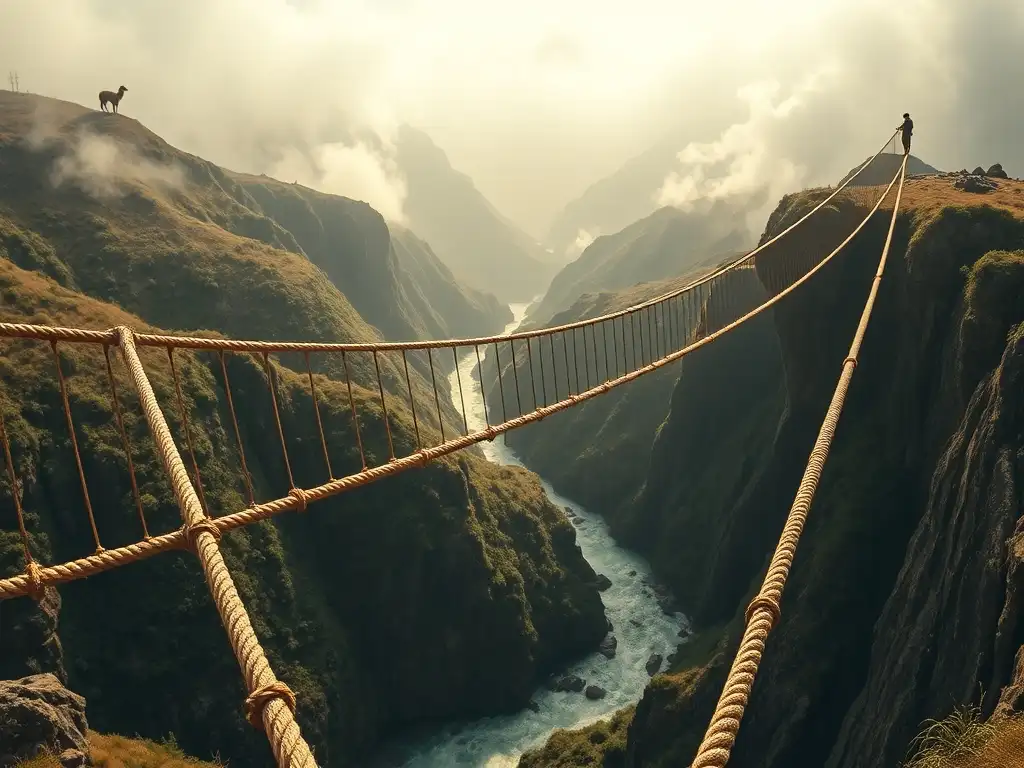
Inca bridges weren't merely functional structures; they were vital arteries of the vast Inca Empire, profoundly impacting its social, economic, and political fabric. Spanning treacherous gorges and raging rivers, these bridges facilitated communication, trade, and military movements across otherwise impassable terrain. Their construction demonstrated the Inca's advanced engineering prowess and their ability to unify their expansive realm.
The sheer scale of the bridge-building project, undertaken across diverse and challenging landscapes, speaks volumes about the Inca's organizational capabilities and their commitment to connecting their far-flung territories. The strategic placement of bridges, often at key points along trade routes or near important settlements, further underscores their importance in maintaining control and stability across the empire.
Without these remarkable feats of engineering, the Inca Empire’s vast reach and intricate network of communication would have been significantly hampered. The impact of the bridges extended beyond mere practicality, contributing to a sense of unity and shared purpose across the diverse populations of the empire.
Communication and Trade Facilitated by Inca Bridges
The Inca Empire's impressive road system, the Qhapaq Ñan, was only as effective as the bridges that connected its various segments. These bridges allowed for the swift transmission of messages, using a sophisticated relay system of runners, chasquis. News, royal decrees, and vital information could traverse vast distances in remarkably short times, maintaining centralized control and facilitating efficient governance. Equally important was the role of bridges in facilitating trade.
Goods, livestock, and other resources could move freely between different regions, enriching the empire's economy and fostering interdependence between its diverse communities. The efficient movement of goods via these bridges contributed to the stability and prosperity of the Inca Empire, strengthening its economic power and enhancing its overall resilience. The construction and maintenance of these bridges required a considerable investment of resources and manpower, reflecting the empire's prioritization of efficient communication and trade networks.
Military and Strategic Importance of Bridges
The strategic placement of Inca bridges played a crucial role in the empire's military capabilities. Bridges were often built at choke points, giving the Inca army a significant advantage in controlling troop movements and defending against potential threats. The ability to quickly deploy troops across otherwise inaccessible terrain proved invaluable in suppressing rebellions, quelling internal conflicts, and repelling external invaders. The construction of bridges in strategically important locations allowed for rapid response to emergencies and the effective consolidation of power across the empire. Furthermore, the control over strategically located bridges could limit the movement of enemies, creating significant obstacles for any forces seeking to challenge the Inca's authority. This strategic advantage significantly contributed to the empire's military success and its ability to maintain control over its vast territory. The bridges served not just as pathways but as critical elements in the Inca's military strategy, enhancing their defense and offensive capabilities.
Inca Bridge Symbolism and Cultural Significance
Beyond their practical applications, Inca bridges held deep cultural and symbolic significance for the Inca people. They represented the Inca's mastery over nature, their ability to overcome seemingly insurmountable obstacles, and their connection to the spiritual realm. The construction of these bridges, often involving intricate techniques and materials, was likely imbued with ritualistic practices, reinforcing their symbolic importance.
The bridges connected not only geographical locations but also different communities, strengthening social bonds and fostering a sense of shared identity. Some scholars suggest that the bridges could have represented pathways to the gods or even symbolized the connection between the earthly and spiritual realms. The enduring legacy of these bridges highlights their importance not only as engineering marvels but also as powerful symbols of Inca culture and beliefs.
The intricate designs and construction methods employed often reflected indigenous knowledge and spiritual beliefs, adding a layer of cultural depth to these remarkable structures. The survival of some bridges to this day serves as a testament to the skill and ingenuity of Inca engineers and the enduring cultural significance of their work.
Comparing Inca Bridges to Other Ancient Bridges
Inca suspension bridges, while sharing some similarities with bridges from other ancient civilizations, possess unique characteristics that set them apart. For instance, while the Romans were masters of arch bridges and the Chinese excelled in beam bridges and early suspension designs using timber, the Inca approach was distinct.
Roman bridges, famously durable and impressive in scale, relied heavily on stone and concrete arches, a technology unavailable to the Inca who instead utilized readily available materials in their environment. The Chinese, particularly during the Song Dynasty, developed impressive suspension bridges, but their construction often involved more sophisticated techniques and materials than those used by the Inca.
The key difference lies in the materials and construction methods. Inca bridges primarily utilized ichu grass rope, a remarkably strong and resilient material adapted to the high-altitude Andean environment. This stands in contrast to the stone, wood, and sometimes iron used in other ancient bridge designs.
The intricate knotting techniques employed by the Inca, allowing for the creation of incredibly strong cables, were also unique. While other cultures utilized rope in bridge building, the Inca's mastery of this technique, coupled with their innovative use of the ichu grass, resulted in bridges capable of supporting significant weight and withstanding harsh weather conditions.
The relative simplicity of the Inca design, compared to more complex suspension bridge designs from other regions, also reflects their ingenious adaptation to available resources and their deep understanding of the properties of the materials they utilized. Further research comparing the tensile strength of ichu ropes to other materials used in ancient bridge construction would provide valuable insights into the engineering prowess of the Inca.
The Future of Inca Bridge Research and Preservation
The study and preservation of Inca suspension bridges represent a crucial area for future research. Many bridges remain largely undocumented, and their condition is often precarious due to the effects of time, weather, and human activity. Detailed surveys, utilizing modern surveying techniques including drone photography and 3D modeling, are needed to fully document the remaining structures and assess their structural integrity. This data is essential for informing preservation efforts.
Furthermore, research into the techniques used by the Inca to construct these bridges is ongoing. Ethnobotanical studies can shed light on the specific type of ichu grass used and its properties, enhancing our understanding of the materials science involved. Analyzing surviving bridge sections using techniques such as radiocarbon dating can provide more precise timelines for bridge construction and repair, refining our historical knowledge of Inca engineering practices.
The development of sustainable preservation methods, minimizing intrusive interventions while ensuring long-term structural stability, is also critical. This could involve the implementation of new materials and techniques that are compatible with the original construction methods, and minimal disruption to the surrounding ecosystem.
Finally, engaging local communities in preservation efforts is vital, ensuring that these remarkable structures are not only protected but also celebrated as a testament to the ingenuity and resilience of the Inca civilization. The ongoing collaboration between archaeologists, engineers, and local communities will be essential for the long-term survival of these incredible Inca suspension bridges.
- The Ingenious Engineering of Inca Suspension Bridges
- Why Were Inca Suspension Bridges Necessary?
- Materials Used in Inca Bridge Construction
- The Construction Process of Inca Rope Bridges
- Types of Inca Bridges
- The Longevity of Inca Suspension Bridges
- Preservation of Inca Bridge Heritage
- Inca Bridge Locations and Routes
- The Significance of Inca Bridges to the Empire
- Inca Bridge Symbolism and Cultural Significance
- Comparing Inca Bridges to Other Ancient Bridges
- The Future of Inca Bridge Research and Preservation
Frequently Asked Questions
What makes Inca suspension bridges so unique?
Inca suspension bridges were remarkably innovative for their time. They utilized a system of strong, woven fibers anchored to cliffs, showcasing advanced engineering and material science. Their design allowed them to span challenging terrain.
How were Inca suspension bridges constructed?
Construction involved weaving incredibly strong ropes from natural fibers like ichu grass. These ropes were then draped across gorges and secured to rock anchors, often with ingenious methods to distribute the weight. Careful planning and execution were essential.
What materials did the Inca use to build their suspension bridges?
The primary material was strong, durable fiber ropes, often made from ichu grass or other locally sourced plants. These were incredibly resilient and capable of supporting significant weight. Stone anchors secured the bridge ends to the cliff faces.
How many Inca suspension bridges still exist today?
While many have been lost to time and the elements, a small number of Inca suspension bridges still survive. Some have been restored, while others remain in a relatively original state, although often requiring maintenance. Their survival is a testament to their robust construction.
Where can I see examples of Inca suspension bridges?
Several locations in the Andes mountains still feature Inca suspension bridges, though access can vary. Specific sites are often found in remote areas within Peru, Bolivia, and Ecuador. Researching specific locations before travel is recommended.
Final Reflection: The Enduring Legacy of Inca Suspension Bridges
The ingenuity of Inca bridge-building remains a testament to human resilience and adaptation, a feat of engineering that continues to inspire awe and wonder in the modern world. These weren't merely pathways across chasms; they were lifelines connecting communities, facilitating trade, and fostering cultural exchange across challenging landscapes. Their enduring presence, even in ruin, speaks volumes about the skill and determination of the Inca civilization.
The impact of these bridges extends far beyond their practical function; they represent a profound connection to the past, a tangible link to a sophisticated civilization that thrived in the face of adversity. Their construction, often utilizing only natural materials with remarkable precision, underscores the deep understanding the Inca possessed of their environment and their ability to harness its resources. The bridges are not just structures; they are stories woven into the very fabric of the Andes, whispering tales of ingenuity and perseverance.
This sentiment encapsulates the enduring power of these architectural marvels to connect us to a rich history and a remarkable culture.
Consider, for a moment, the challenges faced by the Inca builders and the sheer determination required to complete such ambitious projects. Now, reflect on your own life: what seemingly insurmountable obstacles have you overcome? What innovative solutions have you devised to navigate your own challenges?
Let the spirit of Inca ingenuity inspire you to approach your own endeavors with the same resourcefulness, resilience, and unwavering commitment to bridging the gaps in your own life. The legacy of the Inca suspension bridges is not just a historical record; it is a call to action, a reminder of the boundless potential within each of us to build our own bridges to success and connection.
**Discover Your Own Inca Adventure Today! **
Thank you for exploring the breathtaking world of Inca bridges with us! We hope you've gained a deeper appreciation for these astonishing feats of engineering and their rich history. Now, let's turn that inspiration into action!
Here are some ways to delve deeper into the wonders of the Inca civilization:
- **Plan a trip to see an Inca bridge:** Experience the majesty of these architectural marvels firsthand by trekking to one of the many remarkable bridges in Peru. Imagine walking across a structure built centuries ago, a testament to Inca ingenuity.
- **Join a guided cultural tour:** Learn from knowledgeable local guides who can bring the history of the Incas to life with captivating stories and insights. Their expertise will enrich your understanding and appreciation of this fascinating culture.
- **Share your discoveries:** Connect with friends and fellow travelers by sharing the fascinating facts you've learned about Inca bridges on social media. Inspire others to explore this incredible heritage!
Which aspect of Inca engineering captivates you most, and how will you explore it further?