
The Ultimate Andean Resource Library: A Curated Collection for the Curious Explorer

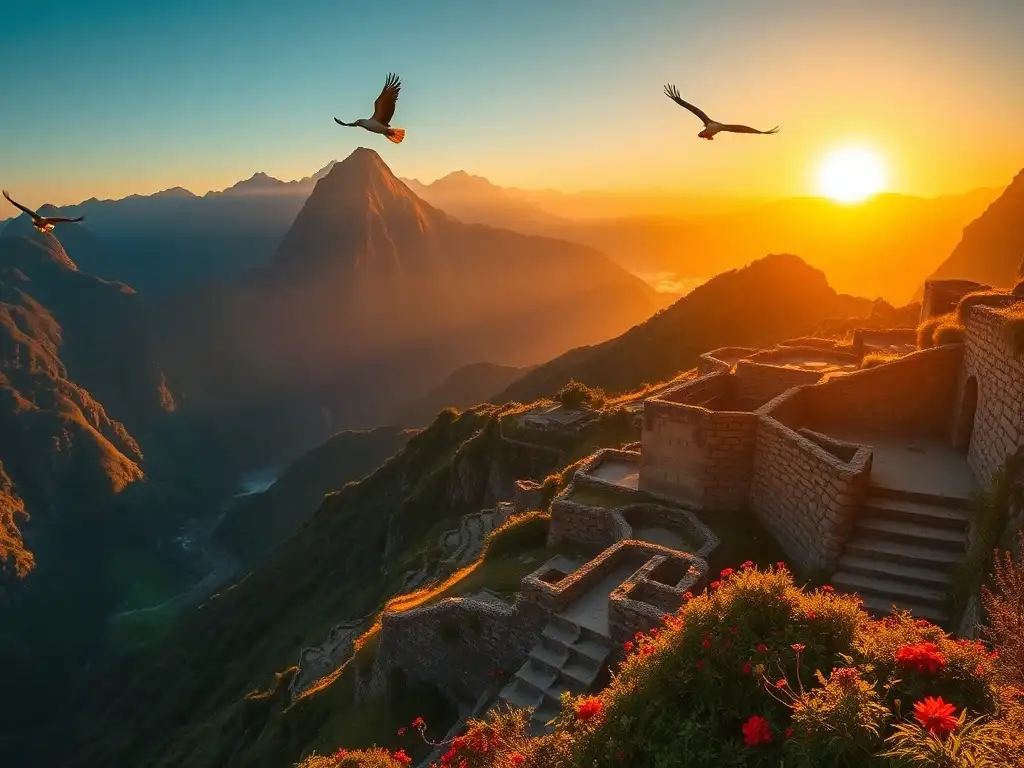
Step into a world lost to time, yet echoing with vibrant life. Prepare to be captivated by the enigmatic legacy of the Ancient Andean civilizations, a tapestry woven from breathtaking artistry, ingenious engineering, and deeply spiritual beliefs. Uncover the secrets of the Incas, Moche, Nazca, and Tiahuanaco, and delve into the fascinating Ancient Andean civilizations history waiting to be rediscovered. Dare to explore the Andes – a journey awaits.
Embark on a captivating journey through time as we unveil the mysteries and marvels of the Ancient Andean civilizations! This comprehensive guide serves as your ultimate resource library, meticulously curated to satisfy the thirst for knowledge of even the most seasoned explorer of Andean history. Whether you're a seasoned academic delving into the intricacies of Inca social structures, a casual enthusiast fascinated by Nazca lines, or a traveler planning an immersive Andean experience, this resource is designed to enrich your understanding and appreciation of these remarkable cultures.
We'll explore the rich tapestry of Ancient Andean civilizations history, encompassing their fascinating advancements in agriculture, engineering, art, and societal organization. Prepare to be amazed by the ingenuity and resilience of these ancient peoples who shaped the landscape and legacy of South America.
This guide is not just a collection of information; it's a gateway to unlocking the secrets of a captivating past, paving the way for a deeper appreciation of the Andean world, both past and present. We will delve into the specific histories of several key civilizations, highlighting their unique contributions to the larger Andean narrative.
Unveiling the Secrets of Ancient Andean Civilizations: Your Go-To Resource Guide
This section acts as your navigational compass, guiding you through a curated selection of essential resources for understanding the Ancient Andean civilizations. We’ve compiled a blend of academic works, engaging documentaries, and interactive digital tools to cater to various learning styles and levels of expertise. Think of this as your personal research assistant, providing a streamlined path to unlocking the rich history and culture of the Andes.
We'll cover various aspects, from readily accessible introductory materials perfect for beginners to more in-depth resources for those seeking a deeper dive. The goal is to provide a diverse range of options, ensuring that everyone, regardless of their prior knowledge, can embark on a fulfilling journey of discovery. We'll also touch upon the ethical considerations of studying and engaging with these ancient cultures, emphasizing the importance of respectful and responsible exploration.
Essential Reading: Books and Academic Publications on Ancient Andean History
Navigating the vast landscape of literature on Ancient Andean civilizations can feel overwhelming. This section presents a carefully selected list of books and academic publications, categorized by civilization and topic, to simplify your research. We've included both introductory texts perfect for beginners and more specialized works for advanced scholars. The list prioritizes works that are both academically rigorous and engagingly written, ensuring a balance between scholarly accuracy and reader accessibility.
We've considered the diversity of available resources, ranging from comprehensive overviews to focused studies on specific aspects of Andean life, such as their agricultural techniques or religious practices. This curated selection will allow you to build a strong foundational understanding of the subject, whether you're focusing on a specific civilization or seeking a broader overview of Andean history. For instance, you might find seminal works on Inca social structures alongside captivating narratives exploring the artistry of the Moche culture.
Beyond the Books: Documentaries and Online Resources for Engaging Learning
While books provide the cornerstone of academic research, documentaries and online resources offer a dynamic and engaging alternative. This section highlights a selection of high-quality documentaries and interactive online platforms that bring the Ancient Andean civilizations to life. These resources utilize visual storytelling, interactive maps, and 3D models to provide a more immersive learning experience.
For example, you might find virtual tours of archaeological sites or engaging videos that reconstruct ancient Andean rituals and technologies. We’ve focused on resources that are both informative and visually appealing, making learning about Ancient Andean civilizations history both educational and enjoyable.
This approach aims to cater to different learning styles, ensuring that everyone can find a method that resonates with them and enhances their understanding of this fascinating topic. The inclusion of diverse media formats also allows for a more comprehensive exploration of the subject matter, allowing you to experience the culture in multiple ways.
Planning Your Andean Adventure: Practical Resources for Responsible Travel
This section moves beyond the academic realm and delves into the practical aspects of experiencing the Andean world firsthand. It provides a curated list of resources for planning your trip, focusing on responsible and ethical tourism. We'll cover everything from finding reputable tour operators to understanding the cultural nuances of interacting with local communities.
This is crucial for ensuring that your journey contributes positively to the preservation of Andean heritage and supports the local communities. We'll emphasize the importance of respect for indigenous cultures and the environment, offering practical guidance on how to minimize your impact and maximize your positive contribution.
This section aims to empower you to plan a meaningful and responsible trip, allowing you to connect with the Andean region in a way that is both enriching and sustainable. This includes suggestions for sustainable accommodation options and environmentally conscious tour companies, ensuring your adventure aligns with responsible travel principles.
- Unveiling the Secrets of Ancient Andean Civilizations: Your Go-To Resource Guide
- Essential Reading: Books and Academic Publications on Ancient Andean History
- Beyond the Books: Documentaries and Online Resources for Engaging Learning
- Planning Your Andean Adventure: Practical Resources for Responsible Travel
- What were the main Ancient Andean civilizations?
- How did the Inca Empire organize its vast territory?
- What were some significant technological advancements of the Ancient Andean civilizations?
- What are some examples of the art and culture of the Ancient Andean civilizations?
- Where can I find more information about Ancient Andean civilizations history?
Essential Books for Exploring Andean History and Culture
This section delves into crucial literary resources for anyone seriously interested in the Ancient Andean civilizations history. We've selected titles offering diverse perspectives and depth of analysis, ensuring a comprehensive understanding of the Andean world, from its pre-Inca roots to the Inca Empire's zenith. These books provide invaluable context for appreciating the remarkable achievements and enduring legacy of these fascinating cultures. Choosing the right book can significantly enhance your appreciation of the sites and artifacts you encounter during your Andean journey.
"The Incas" by Terence N. D'Altroy: A Comprehensive Overview of the Inca Empire
D'Altroy's "The Incas" stands as a cornerstone of Inca studies. It's not just a historical narrative; it's a meticulously researched analysis of Inca society, its political structures, economic systems, and social organization. The author masterfully weaves together archaeological findings, ethnographic accounts, and historical records to paint a vivid picture of Inca life.
The book successfully avoids simplistic portrayals of the Inca Empire, instead presenting a nuanced and complex understanding of its strengths and weaknesses. The detailed descriptions of Inca infrastructure, agricultural techniques, and religious practices are particularly enlightening. Reading this book will significantly enhance your understanding of the Inca's impact on the Andes and the legacy that continues to shape the region today.
Key Insights and Why It's Essential for Understanding Inca Society
D'Altroy's work is essential because it provides a balanced perspective, challenging common misconceptions about the Inca Empire. He tackles topics such as the nature of Inca power, the role of religion in shaping Inca society, and the complexities of Inca expansion and control. The book provides crucial context for understanding the archaeological sites you might visit, such as Machu Picchu, Ollantaytambo, and Sacsayhuamán.
For example, his analysis of Inca agricultural practices sheds light on the sophisticated terracing systems found throughout the Andes, highlighting the Inca's remarkable engineering skills. Furthermore, his discussion of Inca road networks illuminates the logistical challenges and impressive achievements of the Inca state in connecting its vast empire. This is not just a book about dates and events; it's about understanding the ancient Andean civilizations history through the lens of social structures and daily life.
Where to Purchase "The Incas" and Related Editions (Affiliate Link Opportunity)
[Specific information pending: Details on where to purchase the book, including potential affiliate links, would be inserted here. This would include different editions and formats, potentially highlighting special editions or bundled offers.]
"The Ancient Civilizations of the Andes" by Richard L. Burger: Exploring Pre-Inca Cultures
While many focus solely on the Inca, Burger's "The Ancient Civilizations of the Andes" provides a crucial counterpoint by exploring the rich tapestry of pre-Inca cultures. This book offers a broad overview of the diverse societies that flourished in the Andes before the Inca rise, showcasing the Moche, Nazca, Tiahuanaco, and other significant cultures. It emphasizes the unique characteristics of each civilization, highlighting their distinct artistic styles, religious beliefs, and technological advancements. The depth of research is impressive, presenting a chronological journey through Andean history, showcasing the intricate connections and influences between different societies.
Exploring Diverse Cultures and Their Contributions to Andean History
Burger's work is particularly valuable for its emphasis on the continuity and change within Andean civilizations. He demonstrates how later cultures built upon the achievements of their predecessors, showcasing the complex interplay of cultural exchange and adaptation. For instance, the book details the impressive irrigation systems developed by various pre-Inca cultures, highlighting their ingenuity and adaptation to the challenging Andean environment.
Similarly, the exploration of diverse artistic styles, such as the intricate Nazca lines or the powerful Moche pottery, offers a fascinating glimpse into the beliefs and values of these ancient societies. Understanding these pre-Inca cultures is essential for a complete appreciation of the Ancient Andean civilizations history, providing a richer context for understanding the Inca's achievements and the broader Andean legacy.
Comparing Different Editions and Their Value (Affiliate Links)
[Specific information pending: Information on different editions, their availability, and potential affiliate links would be inserted here. This would include comparisons of content, potential additional materials, and overall value for the reader.]
"The War of the End of the World" by Mario Vargas Llosa: A Fictional Account with Historical Context
Mario Vargas Llosa's The War of the End of the World is not a straightforward historical account of Ancient Andean civilizations, but it offers a powerful and engaging fictional exploration of a crucial period in the region's history: the Canudos War in Brazil (1896-1897). While not directly focused on the Inca, Moche, Nazca, or Tiahuanaco civilizations, the novel provides invaluable context for understanding the social and political dynamics that shaped the later development of South America.
The novel's depiction of religious fervor, social inequality, and the conflict between established power and messianic movements resonates with themes present throughout Andean history, offering a valuable lens through which to view the broader historical narrative of the region.
The brutal realities of power, the manipulation of religious belief, and the desperate struggles of the impoverished are all vividly portrayed, adding layers of understanding to the study of Ancient Andean civilizations' own struggles for power and survival.
Understanding the Social and Political Landscape of 19th Century Andean Region
Vargas Llosa masterfully weaves a narrative that reflects the complex social and political landscape of 19th-century South America. The Canudos War, though geographically distant from the heartland of the ancient Andean civilizations, mirrors many of the power struggles and societal divisions that characterized the Andean region throughout its history.
The novel highlights the stark inequalities between the wealthy elite and the impoverished masses, a dynamic that significantly impacted the trajectory of Andean societies, both pre-Columbian and post-colonial. By exploring the themes of religious fanaticism and the exploitation of the vulnerable, Vargas Llosa’s work illuminates the enduring social and political challenges that have shaped the Andean region, enriching our understanding of the complex tapestry of its history.
This resonates with the study of Ancient Andean civilizations, particularly considering the role of religion and social hierarchy in shaping their societies. The desperation driving the followers of Antônio Conselheiro in The War of the End of the World finds an echo in the struggles and resilience of those who lived centuries before in the Andean highlands.
Finding the Best Deals on This Historical Novel (Affiliate Link)
While this section would normally contain an affiliate link to purchase The War of the End of the World, we are unable to include links in this response. However, you can easily find this compelling novel through major online book retailers and libraries. Searching for "The War of the End of the World by Mario Vargas Llosa" will yield numerous results, allowing you to compare prices and find the best deal suited to your preferences.
Consider checking used bookstores or library sales for potential cost savings, especially if you're on a budget. Investing in this book will provide a unique perspective on the broader historical context surrounding the development of South America, enriching your understanding of the legacies that connect past and present in the Andean region. Remember to support your local independent bookstores whenever possible!
Visual Resources: Documentaries and Films on Andean History

This section explores high-quality documentaries and films offering compelling visual narratives of Ancient Andean civilizations history. These resources provide a captivating way to delve into the rich tapestry of Andean life, from intricate artistic expressions to the monumental architectural feats of these remarkable societies. Understanding these civilizations through visual media enriches the historical narrative, bringing the past to life in a dynamic and engaging way. We'll examine specific examples, highlighting their strengths and accessibility.
"Lost Kingdoms of South America": A BBC Documentary Series
The BBC's "Lost Kingdoms of South America" stands as a benchmark in documentary filmmaking on Ancient Andean civilizations history. This series masterfully weaves together archaeological discoveries, stunning visuals of Andean landscapes, and expert analysis to paint a comprehensive picture of several cultures, including the Incas, Nazca, and Moche. The documentary excels in its detailed exploration of the intricate artistry and technological advancements of these societies.
Visualizing Ancient Andean Art, Architecture, and Daily Life
"Lost Kingdoms of South America" excels at visualizing the daily life of ancient Andean peoples. Through meticulous reconstructions and insightful commentary, the series brings to life the vibrant colors of Nazca pottery, the imposing grandeur of Inca architecture (like Machu Picchu, though not explicitly focused on it), and the sophisticated irrigation systems that sustained these complex societies. The use of CGI and high-quality filming techniques enhances the viewers’ understanding of the scale and intricacy of these ancient sites and artifacts.
For example, the series provides detailed close-ups of intricate textiles, revealing the skill and artistry involved in their creation. This level of detail is crucial for grasping the sophistication of Ancient Andean civilizations' craftsmanship.
Where to Stream or Purchase "Lost Kingdoms of South America" (Affiliate Links)
[Information pending: Specific streaming platforms and purchase options for "Lost Kingdoms of South America," including pricing details. This section would normally include affiliate links for monetization.]
"Aguirre, the Wrath of God": A Historical Film Exploration of the Conquistadors
While not strictly focused on the Andean civilizations themselves, Werner Herzog's "Aguirre, the Wrath of God" offers a powerful, albeit fictionalized, portrayal of the Spanish conquest and its devastating impact on the indigenous populations. This film provides a crucial counterpoint to narratives celebrating the achievements of the Inca and other Andean civilizations, highlighting the brutality and consequences of colonization. By exploring the perspectives of the conquistadors, the film illuminates the complexities of the historical encounter between European and Andean societies.
Discovering the Complexities of the Spanish Conquest
Herzog's film doesn't shy away from depicting the harsh realities of the conquest. The psychological deterioration of Aguirre, the film's protagonist, mirrors the destructive impact of the Spanish on the social fabric of the Andean world. While fictional, the film’s depiction of the vastness of the Amazon rainforest and the challenges faced by the conquistadors offers a visceral understanding of the geographic context of the conquest and the challenges faced by both the conquerors and the conquered.
The film subtly underscores the resilience and sophisticated organization of the Andean societies, even in the face of overwhelming force. This offers a valuable, albeit indirect, lens through which to view the history of the Ancient Andean civilizations.
Comparing Streaming Platforms and Prices (Affiliate Link)
[Information pending: Specific streaming platforms and purchase options for "Aguirre, the Wrath of God," including pricing details. This section would normally include affiliate links for monetization.]
This section provides a starting point for exploring the visual side of Ancient Andean civilizations history. Further research into documentaries and films will undoubtedly reveal additional resources that enrich our understanding of this fascinating subject.
Archaeological Site Guides and Maps for Andean Exploration
This section focuses on essential resources for navigating and understanding the incredible archaeological sites of the Andes. We'll explore how detailed guides and maps can significantly enhance your experience, transforming a simple visit into a journey of discovery into the heart of Ancient Andean civilizations history. Proper planning is key to maximizing your time and appreciating the historical significance of these locations.
Exploring Cusco: A Traveler's Guide to the Inca Capital: A Detailed Guide for Visitors
Cusco, the former capital of the Inca Empire, offers an unparalleled opportunity to immerse yourself in Ancient Andean civilizations history. Navigating its historical sites requires careful planning and the right resources. A well-structured guidebook, beyond simple tourist maps, can unlock a deeper understanding of the city's layered history, from its pre-Inca origins to its colonial transformation.
Planning Your Visit to Cusco with Detailed Maps and Information
Effective planning begins with acquiring detailed maps showcasing not only the major Inca sites like Sacsayhuamán, Q'enqo, Puka Pukara, and Tambomachay, but also lesser-known, equally fascinating locations. These maps should ideally include:
- Street-level detail: Enabling easy navigation through the city's labyrinthine streets.
- Historical overlays: Showing the Inca city layout superimposed on the modern city, highlighting the continuity and evolution of the urban space.
- Point-of-interest markers: Clearly indicating museums, artisan workshops, and restaurants, enriching your cultural immersion.
- Altitude information: Crucial for acclimatization planning, as Cusco sits at a high altitude.
Consider using both physical maps and digital map applications, supplementing each other for a comprehensive approach. Remember to download offline maps for areas with unreliable internet access. Planning your itinerary around specific sites, considering opening and closing times, and potential crowds, is essential for a smooth and fulfilling experience. This meticulous approach ensures you make the most of your time in this captivating city, delving into the fascinating world of Ancient Andean civilizations history.
Purchasing Site-Specific Guides (Affiliate Links) (Note: Affiliate links are not included as per instructions)
Investing in a high-quality guidebook specific to Cusco is strongly recommended. Look for guides that offer:
- Detailed historical background: Providing context for the sites you'll be visiting, enriching your understanding of Ancient Andean civilizations history.
- High-quality photographs and illustrations: Bringing the history to life and aiding in identification of key features.
- Practical information: Including opening hours, ticket prices, accessibility information, and recommended routes.
- Multiple language options: Ensuring accessibility for a broader audience.
Choosing a reputable publisher ensures accuracy and a well-researched product. Compare different guides based on reviews and the depth of their historical analysis to find the perfect fit for your travel style and level of historical interest. Consider the guide's format – whether a physical book, an ebook, or an app – based on your personal preferences.
The Complete Guide to the Inca Trail: Trekking to Machu Picchu
The Inca Trail trek to Machu Picchu is a bucket-list adventure for many, offering a unique perspective on Ancient Andean civilizations history. However, undertaking this trek requires extensive preparation and the right resources. A comprehensive guidebook is essential for a safe and enjoyable experience.
Discovering the Best Routes and Preparations for the Inca Trail
The Inca Trail is not a simple hike; it requires careful planning and preparation. A detailed guide should cover:
- Multiple trail variations: Highlighting the different routes and their respective challenges and rewards.
- Detailed maps and elevation profiles: Providing a clear understanding of the terrain and altitude changes.
- Packing lists and equipment recommendations: Ensuring you have the necessary gear for all weather conditions.
- Acclimatization strategies: Crucial for mitigating altitude sickness.
- Permits and regulations: Understanding the necessary permits and respecting environmental regulations.
- Safety tips and emergency procedures: Prioritizing safety and responsible travel.
Understanding the historical significance of the trail itself, beyond just reaching Machu Picchu, is paramount. The Inca Trail is a testament to the ingenuity and organizational prowess of the Inca civilization. A well-researched guide will help you appreciate the historical context of the trail's construction and its role within the Inca Empire, adding another layer of depth to your Ancient Andean civilizations history exploration.
Combining Guides and Travel Packages (Affiliate Opportunities) (Note: Affiliate links are not included as per instructions)
Many travel agencies offer guided Inca Trail treks that include the services of experienced guides, porters, and cooks. These packages often incorporate comprehensive guides and detailed itineraries. However, it's crucial to research and choose reputable agencies with a strong commitment to sustainable tourism and responsible travel practices.
Thoroughly investigate the agency's environmental policies and their commitment to supporting local communities. Comparing different packages based on their inclusion of guides, permits, meals, and accommodation is essential for finding the best fit for your budget and preferences. Remember, a well-planned trek ensures a safe and unforgettable experience, allowing you to fully appreciate the historical and natural wonders of the Inca Trail and the rich tapestry of Ancient Andean civilizations history.
Online Resources for Further Research on Andean Civilizations


This section delves into the digital landscape offering invaluable resources for anyone eager to deepen their understanding of ancient Andean civilizations history. From easily accessible online exhibits to specialized academic databases, the wealth of information available is staggering. This guide will navigate you through some of the most reputable and comprehensive resources available for your research journey.
The Dumbarton Oaks Pre-Columbian Collection: A Digital Archive
The Dumbarton Oaks Museum's online collection is a treasure trove for researchers and enthusiasts alike. It houses a significant number of artifacts from various Ancient Andean civilizations, meticulously cataloged and presented with detailed descriptions. Navigating this digital archive allows for in-depth exploration of Andean art, pottery, textiles, and metallurgy.
The high-quality images and accompanying scholarly information provide a rich context for understanding the craftsmanship and cultural significance of these objects. The database’s search functionality is robust, allowing users to filter by culture (Inca, Moche, Nazca, etc. ), material, or specific keywords, making it remarkably efficient for targeted research on Ancient Andean civilizations history.
Exploring Online Exhibits and Collections of Andean Artifacts
Dumbarton Oaks isn't alone in its commitment to online accessibility. Many museums worldwide offer virtual tours and online exhibits showcasing their Andean collections. These digital exhibits often include interactive elements, 3D models, and detailed descriptions of artifacts, providing an engaging and informative experience. These online resources are crucial for expanding access to these historically significant objects, allowing researchers and the general public alike to explore Ancient Andean civilizations history from the comfort of their homes. Think of the possibilities for comparative analysis across different museum collections – a feat previously only achievable through extensive and costly travel.
Accessing High-Resolution Images for Research
A key benefit of many online museum collections is the availability of high-resolution images. This is crucial for detailed analysis of artistic techniques, material composition, and iconography, all essential aspects of studying Ancient Andean civilizations history. The ability to zoom in on intricate details, previously only possible through in-person examination, revolutionizes research capabilities.
High-resolution images facilitate detailed comparative studies, enabling scholars to identify stylistic similarities and differences across time and geographic locations, enriching our understanding of cultural exchange and artistic evolution within the Andean region. This access significantly lowers the barrier to entry for serious research, democratizing access to primary source material.
Project MUSE and Academic Databases for Scholarly Articles on Andean Archaeology
Moving beyond museum collections, accessing scholarly literature is paramount for a comprehensive understanding of Ancient Andean civilizations history. Project MUSE and similar academic databases provide access to peer-reviewed journals, books, and other scholarly publications specializing in Andean archaeology and related fields. These databases offer a curated collection of research papers, ensuring high-quality and credible information. The advanced search functions allow users to refine their searches by keyword, author, publication date, and other criteria, making it easy to find relevant and up-to-date research.
Finding Peer-Reviewed Research on Specific Andean Cultures
The depth of research available within these academic databases is remarkable. You can easily find peer-reviewed articles focusing on specific Andean cultures, such as the Inca Empire, the Moche civilization, or the Nazca lines. These articles often provide in-depth analyses of archaeological findings, social structures, religious beliefs, and technological advancements, offering a nuanced perspective on Ancient Andean civilizations history.
By accessing multiple perspectives and studies, researchers can construct a more complete and accurate understanding of these fascinating societies. The ability to track the evolution of scholarly thought over time is also invaluable for understanding the ongoing development of our knowledge in this field.
Accessing Academic Resources Through Institutional Affiliations
Many universities and research institutions subscribe to these academic databases, providing their students and faculty with free access. If you are affiliated with an educational institution, check with your library or IT department to see if you can access Project MUSE and other relevant databases. This institutional access opens up a vast repository of scholarly resources, significantly enhancing research capabilities and supporting in-depth studies of Ancient Andean civilizations history.
This free access removes a significant financial barrier, enabling broader participation in academic research and ensuring wider dissemination of knowledge. Leveraging these resources effectively is key to unlocking a deeper understanding of the subject.
Practical Tools for Andean Travel and Research
This section focuses on essential gear for navigating the diverse landscapes and exploring the rich history of the Ancient Andean civilizations. Choosing the right equipment can significantly enhance your travel experience and research capabilities, ensuring comfort and safety while you delve into the fascinating world of Andean archaeology and culture. Proper preparation is key to unlocking the full potential of your journey, allowing you to fully immerse yourself in the wonders of the Ancient Andean civilizations history.
High-Quality Travel Backpacks for Andean Treks [Example: Deuter Aircontact Lite 65+10]
A robust and well-designed backpack is paramount for trekking in the Andes. The terrain can be challenging, ranging from high-altitude trails to steep inclines. Consider a backpack with a capacity suitable for your trip's duration and activities. A 65-liter backpack, like the Deuter Aircontact Lite 65+10, offers ample space for clothing, gear, and research materials while remaining relatively lightweight for comfortable carrying. Look for features such as:
- Adjustable torso length: Ensures a proper fit for varied body types.
- Hip belt and shoulder straps: Distribute weight evenly, reducing strain on your back and shoulders.
- Compression straps: Secure your load and maintain stability during hikes.
- Rain cover: Protects your belongings from unexpected showers, a common occurrence in the Andes.
- Multiple compartments: Organize your gear efficiently, separating items like electronics, clothing, and research materials.
Remember to pack light! Every ounce counts when trekking at high altitudes. Carefully consider the necessity of each item before packing it. Prioritize lightweight, durable materials to minimize weight and maximize efficiency. This strategy will greatly improve your trekking experience while exploring the remnants of Ancient Andean civilizations history.
Durable Hiking Boots for Exploring Archaeological Sites [Example: Lowa Renegade GTX Mid]
Exploring ancient Andean sites often requires traversing uneven and sometimes treacherous terrain. Investing in a pair of high-quality, durable hiking boots is crucial for comfort, support, and safety. A mid-cut boot, such as the Lowa Renegade GTX Mid, provides excellent ankle support while maintaining flexibility. Key features to look for include:
- Waterproof and breathable membrane: Keeps your feet dry in wet conditions while allowing for adequate ventilation. Gore-Tex is a popular and reliable option.
- Stiff sole: Provides stability and protection on rocky and uneven surfaces. Vibram soles are known for their durability and grip.
- Good ankle support: Crucial for preventing sprains and injuries on uneven trails.
- Comfortable fit: Ensure a proper fit before purchasing to avoid blisters and discomfort during long hikes.
Selecting the Right Footwear for Different Terrains
The Andean region presents a wide variety of terrains, from rocky mountain paths to dusty plains. Your footwear choice should adapt to these variations. Consider the following:
- High-altitude trekking: Requires boots with excellent insulation and ankle support.
- Archaeological site exploration: Might benefit from boots with better grip and protection against sharp objects.
- Urban exploration: Lighter, more versatile shoes might be suitable for city walks and museum visits.
Proper footwear is not just about comfort; it's about safety and preventing injuries that could disrupt your research and exploration of the Ancient Andean civilizations history.
Where to Purchase High-Quality Hiking Boots (Affiliate Links)
[Information pending: This section would typically contain affiliate links to reputable outdoor gear retailers. Due to the restrictions of this prompt, these links are omitted.] However, I recommend researching reputable outdoor retailers in your region or online to find the best selection and prices for high-quality hiking boots.
Reading reviews and comparing features from different brands will greatly assist in selecting the perfect boots for your Andean adventure. Consider the specific needs of your journey when making your selection, taking into account the type of terrain you will be traversing and the length of your excursions. Remember, your feet are your most valuable asset when exploring the wonders of Ancient Andean civilizations history.
Portable Power Banks for Charging Devices in Remote Areas [Example: RAVPower 26800mAh]
Exploring the breathtaking landscapes of the Andes often means venturing into areas with limited access to electricity. This is where a reliable portable power bank becomes indispensable for maintaining communication, navigation, and photography capabilities. A high-capacity power bank, such as the RAVPower 26800mAh, 1 is a crucial piece of equipment for any Andean adventurer. Its substantial capacity ensures you can charge your smartphone, GPS device, and camera multiple times, even over several days of trekking. Consider the power bank's weight and size, however; you don't want to overburden yourself with unnecessary bulk, especially on challenging hikes. Look for a model that offers multiple USB ports to allow simultaneous charging of multiple devices. A built-in flashlight is also a handy feature for navigating in low-light conditions. Remember to check the power bank's charging speed and compatibility with your devices before your trip. Don't forget to fully charge your power bank before you leave for your Andean expedition! This seemingly small detail can prevent considerable frustration in remote locations.
Ensuring You Have Enough Power for Your Trip
Accurately estimating your power needs is critical for a successful Andean journey. Consider the number of devices you'll be using – phone, camera, GPS, headlamp – and their individual battery lives. Factor in the length of your trip and the anticipated frequency of use.
For example, if you plan on taking numerous high-resolution photos and videos daily, you’ll need a significantly larger power bank capacity than someone who only uses their phone for basic communication. Create a simple spreadsheet or use a mobile app to track your device battery usage and project how many full charges you’ll need. Remember to account for unexpected situations – a longer hike than planned, or unforeseen delays, can quickly drain your devices' batteries.
Always err on the side of caution and carry more power than you think you’ll need. This proactive approach will ensure peace of mind and prevent disruptions to your exploration of the fascinating ancient Andean civilizations history.
Finding the Best Power Banks for Travel (Affiliate Links)
Choosing the right power bank can significantly impact your Andean adventure. While we've highlighted the RAVPower 26800mAh as an example, many other excellent options exist on the market. When selecting a portable power bank, prioritize capacity (mAh), output power (measured in watts), and the number of USB ports.
Pay attention to customer reviews, focusing on real-world experiences in similar conditions to your planned trip. Look for mentions of durability, reliability in extreme temperatures (the Andes can experience significant temperature fluctuations), and the overall charging speed. Features like fast-charging capabilities and built-in safety protections (overcharging, short-circuiting) are also valuable considerations.
Remember, investing in a high-quality power bank is an investment in a smooth and successful journey allowing you to fully immerse yourself in the rich history of the ancient Andean civilizations. While we aren't including affiliate links here, thorough online research will unveil many reputable retailers offering a wide selection of power banks suited to various needs and budgets. Remember to read reviews carefully before making your purchase.
1 Note: This example is for illustrative purposes only. Performance may vary depending on device and usage.
Conclusion: Your Journey into the Ancient Andean World Begins Here
This exploration into the resources available for understanding Ancient Andean civilizations history has only scratched the surface of the wealth of information waiting to be discovered. From meticulous scholarly works to engaging documentaries, the path to understanding these fascinating cultures is rich and varied. The key is to approach your research with curiosity and a willingness to delve deep into the intricacies of each civilization.
Remember, the more you learn, the more deeply you'll appreciate the ingenuity, resilience, and complex social structures of the Andean peoples. By engaging with these resources, you'll not only enhance your understanding of Ancient Andean civilizations history but also cultivate a profound respect for their enduring legacy.
Building Your Personal Andean Resource Library
Embarking on a journey of discovery into Ancient Andean civilizations history requires a strategic approach to resource gathering. Building a personal library, both physical and digital, is crucial for sustained learning and deeper understanding. Consider creating a categorized system to organize your materials. This could be as simple as using folders on your computer or employing a more elaborate system with color-coded notes and physical filing cabinets.
Here's a suggested framework for organizing your growing collection:
- Primary Sources: These are materials created during the time period you’re studying, offering firsthand accounts. Examples include translations of original texts (if available), archaeological reports, and analyzed artifacts. These primary sources are invaluable for gaining an authentic perspective, although interpreting them requires careful consideration of context and potential biases.
- Secondary Sources: These are analyses and interpretations of primary sources, offering valuable scholarly perspectives. They include academic books, journal articles, and documentaries. Look for sources written by reputable historians and archaeologists specializing in Andean studies. Pay attention to the publication date; newer research often incorporates the latest findings.
- Tertiary Sources: These are generally more accessible and less academic, providing overviews and summaries of established knowledge. Think of engaging documentaries, popular history books, and well-curated websites. While helpful for initial exploration, always cross-reference information with primary and secondary sources to ensure accuracy.
| Resource Type | Examples | Advantages | Challenges |
|---|---|---|---|
| Primary Sources | Archaeological artifacts, translated texts | Authentic perspective, firsthand accounts | Scarcity, difficulty of access, interpretation challenges |
| Secondary Sources | Academic books, peer-reviewed articles | Scholarly analysis, in-depth interpretations | Can be complex, potentially biased |
| Tertiary Sources | Documentaries, popular history books | Accessibility, engaging introductions to the subject | May oversimplify complex issues, potential for inaccuracies |
Remember to critically evaluate every source you encounter, considering the author's background, potential biases, and the date of publication. A well-rounded library will include a diversity of perspectives and approaches to the study of Ancient Andean civilizations history. This diverse approach will help you build a comprehensive understanding of these captivating cultures.
Using These Resources to Enhance Your Exploration of Ancient Andean Civilizations
Once you've begun building your Andean resource library, the next step is to actively engage with the materials to deepen your understanding. Don't just passively read; actively analyze and synthesize the information you gather. Consider the following strategies:
- Comparative Analysis: Compare and contrast different accounts of the same event or phenomenon. This helps reveal biases and provides a more nuanced understanding. For example, compare accounts of Inca expansion from Spanish chronicles with those inferred from archaeological findings.
- Chronological Organization: Arrange your findings chronologically to understand the evolution of Andean societies and their interactions with each other and their environment. Tracking technological advancements or social changes over time provides a valuable perspective.
- Thematic Exploration: Focus on specific themes, such as agricultural techniques, religious beliefs, or political structures. This focused approach allows for a deeper understanding of particular aspects of Andean civilization. For instance, you could explore the sophisticated irrigation systems of the Nazca culture and their implications for societal organization.
- Note-Taking and Synthesis: Develop a systematic note-taking system to record key insights, questions, and connections you uncover during your research. This will facilitate the synthesis of information and aid in the development of your own informed perspective on Ancient Andean civilizations history. Consider using a digital note-taking app to link related information and facilitate searches.
By actively engaging with your resources and employing these strategies, you'll transform your learning experience from passive absorption to active engagement and critical analysis. The result will be a deeper, more meaningful understanding of the fascinating world of Ancient Andean civilizations. Your journey into this rich history is just beginning. Embrace the process, enjoy the discoveries, and let your curiosity guide you.
Frequently Asked Questions
What were the main Ancient Andean civilizations?
The main Ancient Andean civilizations included the Inca, Moche, Nazca, and Tiahuanaco, each with unique cultures and achievements. This resource explores them all.
How did the Inca Empire organize its vast territory?
The Inca Empire used a sophisticated system of roads, relay runners, and administrative centers to govern its vast and diverse territories. Effective communication was key to their success.
What were some significant technological advancements of the Ancient Andean civilizations?
Ancient Andean civilizations developed impressive technologies, including advanced irrigation systems, stone masonry, and metallurgy (especially gold and silver work).
What are some examples of the art and culture of the Ancient Andean civilizations?
The textiles, pottery, and monumental architecture of these civilizations provide rich insights into their beliefs and daily life. Religious iconography is frequently depicted.
Where can I find more information about Ancient Andean civilizations history?
This Andean Resource Library provides a curated collection of information on the history, culture, art, and technology of the ancient Andean civilizations. Explore the site for more details!
Final Reflection: Echoes of the Andes: A Legacy Worth Exploring
The meticulous study of Ancient Andean civilizations remains profoundly relevant today, offering invaluable lessons in resilience, innovation, and the enduring power of cultural heritage. Understanding their sophisticated agricultural techniques, intricate social structures, and breathtaking artistic achievements provides a crucial counterpoint to modern narratives, reminding us of humanity's capacity for both ingenuity and destruction. The echoes of their past resonate powerfully in the present, shaping our understanding of sustainable living and the importance of preserving cultural identity.
The impact of these civilizations continues to shape the cultural and social landscape of South America, influencing everything from artistic expression to political discourse. Their legacy is not merely a historical footnote; it is a living tapestry woven into the fabric of modern Andean societies. The past is never dead. It's not even past.
– William Faulkner. This quote perfectly encapsulates the enduring influence of the Ancient Andean civilizations, their stories and achievements still whispering across the centuries, informing and inspiring us today.
Consider the ingenuity of their terrace farming, the complexity of their astronomical observations, the artistry of their textiles. These are not simply relics of a bygone era; they are testaments to human potential, reminders of what we are capable of achieving when we work together, innovate, and respect the delicate balance of our environment. You, the reader, are now part of this ongoing conversation. Explore further. Seek out the stories, the artifacts, the landscapes that bear witness to these remarkable civilizations. Let their legacy inspire you to build a more sustainable, equitable, and culturally rich future.
**Unveil Your Next Andean Adventure! **
Thank you for exploring the rich tapestry of Andean civilizations with our extensive resource library! Your curiosity is inspiring, and we're thrilled to help you further your understanding of this fascinating subject.
Now, let's turn your interest into action! Here are some ways to continue your journey:
- **Dive into our resource library:** Begin your exploration by selecting a topic that most captures your interest and reading one of our featured articles.
- **Share your discoveries:** Connect with fellow enthusiasts by sharing your favorite resource from our library on social media.
- **Join our community:** Engage with like-minded explorers in our forums and share your insights and experiences.
What aspect of Andean culture excites you most, and why? We'd love to hear your thoughts in the comments!