
The Nazca Aqueducts: Unearthing a Subterranean Water System

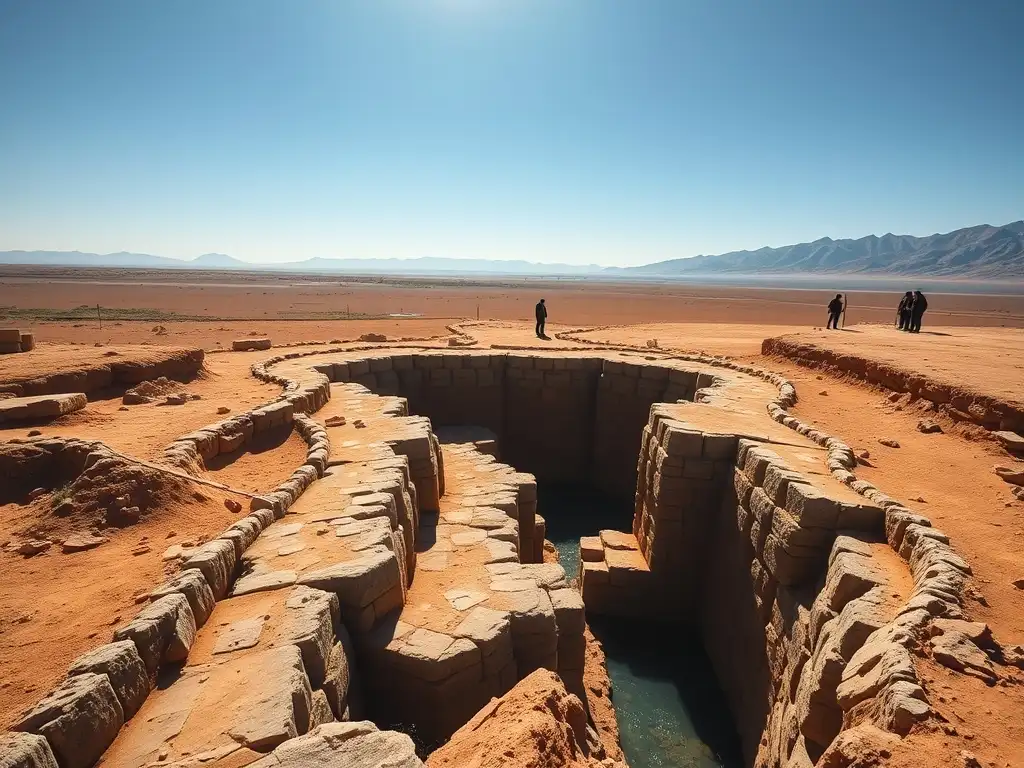
Step into a world lost to time, a world of breathtaking ingenuity and enduring mystery. For centuries, the Andean Civilizations have captivated imaginations, and now, we invite you to uncover their secrets. Prepare to be amazed by the Nazca aqueducts history, a testament to the remarkable engineering prowess of a civilization that thrived in one of the world's most challenging environments. Discover how these subterranean water systems not only sustained a flourishing society but also continue to puzzle archaeologists today. Dive in and explore the astonishing story behind these ancient wonders.
The arid coastal plains of southern Peru, home to the enigmatic Nazca Lines, present a seemingly paradoxical landscape. This seemingly barren desert, however, once thrived thanks to the ingenuity of the Nazca people (c. 100 BCE – 800 CE), who developed a sophisticated subterranean water system – the Nazca aqueducts – to harness scarce water resources.
This article delves into the history of these remarkable structures, exploring their construction, function, and enduring legacy as a testament to the remarkable adaptability and engineering prowess of the Nazca civilization. Understanding the Nazca aqueducts provides crucial insight into their societal organization, resource management, and their profound connection to the challenging environment they inhabited.
This exploration of "Nazca aqueducts history" will reveal a fascinating story of human ingenuity in the face of adversity, highlighting the civilization's remarkable ability to thrive in one of the world's most challenging environments. The study of these aqueducts offers a unique window into the ingenuity and resilience of the Nazca people and their sophisticated understanding of hydraulic engineering.
Construction Techniques of the Nazca Aqueducts
The Nazca aqueducts weren't simply dug channels; they were carefully constructed subterranean conduits, demonstrating a remarkable understanding of hydrology and engineering. Construction involved digging narrow shafts, often several meters deep, into the ground. These shafts were then connected by horizontal tunnels, creating a network that channeled water from underground sources to settlements and agricultural areas. The tunnels were typically lined with stones, sometimes with a layer of clay or mud to prevent water leakage. The precision involved in creating these systems is astonishing, considering the tools and technology available to the Nazca. Archaeological evidence suggests the use of simple hand tools, like stone picks and shovels, yet the consistency and efficiency of the aqueducts point to a well-organized and skilled workforce. The construction process likely involved significant community effort, reflecting the importance of water management in Nazca society. Further research is needed to fully understand the exact methods and the organization behind this impressive feat of engineering.
The meticulous nature of the construction underscores the importance placed on water resource management within Nazca society.
The primary function of the Nazca aqueducts was, of course, to provide a reliable source of water for both domestic use and irrigation. The system allowed the Nazca to cultivate crops in the otherwise arid desert, supporting a relatively dense population. This reliable water supply played a crucial role in the development of their complex society.
The aqueducts weren't just functional; they also had significant social implications. Their construction and maintenance likely required a degree of centralized organization and planning, suggesting a hierarchical social structure with specialized labor. Furthermore, access to water, controlled through the aqueduct system, may have played a role in defining social status and power dynamics within the Nazca community.
The distribution and management of this vital resource undoubtedly shaped the social and political landscape of the region. The aqueducts, therefore, served not just as a practical solution to water scarcity but also as a fundamental element of Nazca social organization.
The Enduring Legacy of Nazca Aqueduct Technology
The Nazca aqueducts stand as a testament to the ingenuity and resourcefulness of the Nazca civilization. Their sophisticated water management system allowed this Andean culture to thrive in a challenging environment for centuries. The remarkable preservation of many sections of the aqueducts provides invaluable insights into their construction techniques and the engineering principles employed.
Moreover, the aqueducts' enduring legacy extends beyond their historical significance. The principles of subterranean water management employed by the Nazca continue to inspire modern water resource management strategies in arid regions. Their ingenuity in harnessing underground water resources offers valuable lessons for sustainable water practices in contemporary contexts.
The study of Nazca aqueducts provides a compelling example of how ancient civilizations adapted to environmental challenges, offering valuable lessons for today's world facing similar issues of water scarcity. The legacy of these remarkable structures continues to inspire awe and admiration for the innovative spirit of the Nazca people.
- Construction Techniques of the Nazca Aqueducts
- The Function and Social Impact of the Nazca Aqueducts
- The Enduring Legacy of Nazca Aqueduct Technology
Understanding the Ingenuity of Nazca Water Management
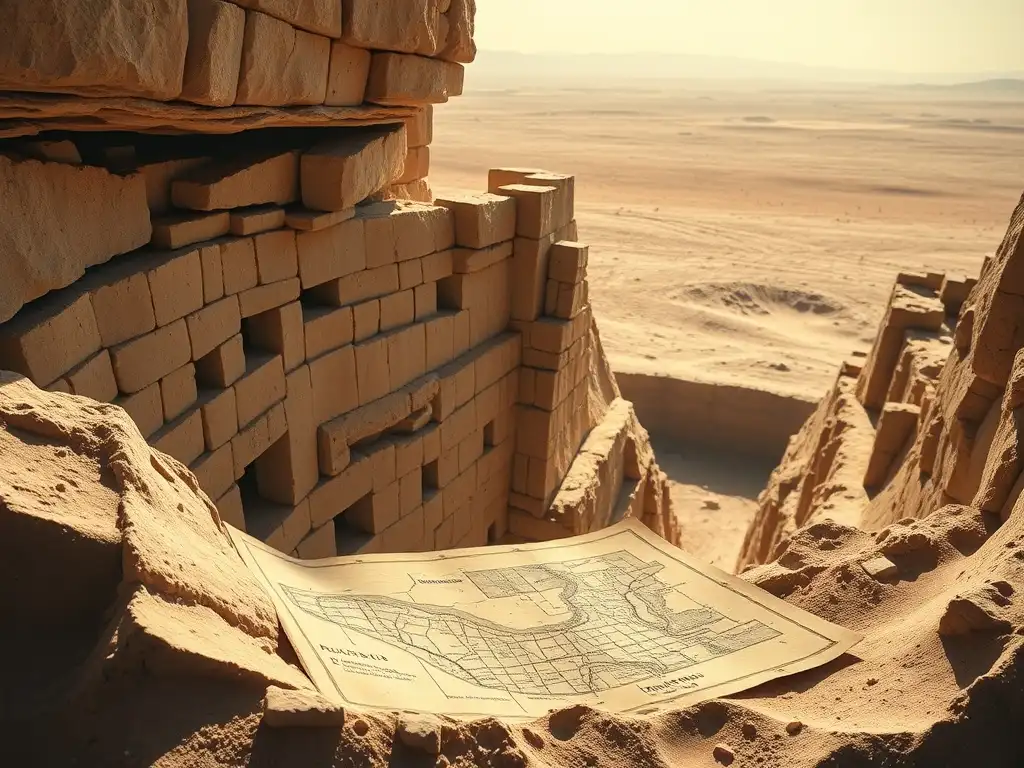
The Nazca people, famed for their enigmatic geoglyphs, also possessed remarkable engineering skills, particularly evident in their sophisticated subterranean water management systems. These systems, known as puquios, represent a testament to their profound understanding of hydrology and their ability to adapt to the harsh desert environment. The Nazca aqueducts history is one of ingenious solutions to the challenges of survival in a seemingly inhospitable land.
Their mastery of water resource management allowed them to flourish in a region where water is scarce, supporting a complex social structure and vibrant culture. This section delves into the intricacies of these remarkable structures and their significance in the context of Nazca civilization. Understanding the Nazca aqueducts provides insight into their resourcefulness and advanced technological capabilities often overlooked in discussions focused solely on the Nazca Lines.
The Arid Landscape of the Nazca Region: A Challenge for Survival
The Nazca desert, located on the southern coast of Peru, is characterized by its extreme aridity. Rainfall is extremely low and unpredictable, making the region a challenging place to sustain life. The annual rainfall averages less than 150 millimeters, often falling in sporadic bursts.
This scarcity of surface water presented a significant obstacle to the development of agriculture and a thriving population. The high evaporation rates further exacerbate the water shortage, demanding innovative solutions for water collection and distribution. The seemingly barren landscape, however, belies a significant subterranean water supply, a resource the Nazca people expertly tapped into.
Their understanding of the water table and the geological formations played a crucial role in their success in harnessing this hidden resource, demonstrating a deep connection with their environment and a remarkable adaptation to its challenges. This mastery of water management was not simply a matter of survival; it was fundamental to the Nazca civilization's social organization, economic stability, and cultural flourishing.
The Need for Water: Agriculture and Sustaining Life in the Desert
Water was, and remains, the lifeblood of the Nazca region. The need for a reliable water source was paramount for the development of agriculture, the foundation of Nazca society. Without consistent access to water, cultivating crops like cotton, maize, and beans – crucial elements of their diet and economy – would have been impossible.
The Nazca aqueducts were instrumental in supporting intensive agriculture, allowing them to cultivate crops successfully in this arid environment. The system not only provided water for irrigation but also facilitated the growth of settlements and population centers. The availability of water directly influenced the population density and the complexity of social organization.
Evidence suggests a strong correlation between the construction and maintenance of the puquios and the prosperity of Nazca settlements. The ability to manage water effectively meant the difference between survival and collapse, shaping the very fabric of Nazca society and its enduring legacy. The ingenuity of their water management systems ensured the continuity of their civilization, a remarkable achievement in the face of such challenging environmental conditions.
The Marvel of Nazca Aqueducts: Puquios and Their Construction
The Nazca aqueducts, a remarkable feat of ancient engineering, stand as a testament to the ingenuity and adaptability of the Nazca civilization. Their mastery of water management, particularly in the arid coastal region of southern Peru, allowed them to thrive for centuries. Understanding the Nazca aqueducts history requires delving into the intricacies of their subterranean water system, known as puquios.
These weren't simply canals; they were a sophisticated network of underground channels designed to capture and distribute water from underground aquifers to sustain agriculture and daily life. This sophisticated system showcases the Nazca's deep understanding of hydrology and their ability to harness scarce resources. The precise methods employed in their construction remain a source of ongoing fascination and research, highlighting their advanced technological capabilities for the time period.
This section will focus on the design and construction of these impressive water systems, unraveling the secrets behind their enduring legacy. The keyword "Nazca aqueducts history" is central to understanding the ingenuity behind this remarkable achievement.
What are Puquios? Exploring the Unique Design of Nazca Aqueducts
Puquios are essentially vertical shafts that tap into underground water sources. These shafts, often lined with stone, lead to a network of horizontal tunnels that channel water to the surface. The ingenious design of the puquios ensured a constant supply of water, even during periods of drought. Several key features contributed to their effectiveness:
- Ventilation Shafts: Many puquios incorporated additional vertical shafts to improve ventilation and prevent the build-up of gases. This ensured the quality of the water and facilitated easier maintenance and access to the tunnels.
- Inclined Tunnels: The horizontal tunnels were not perfectly level but subtly inclined to facilitate the natural flow of water towards the surface. This gentle slope was crucial to ensure a steady and continuous water supply, without the need for pumps or other mechanical devices.
- Multiple Entry Points: The systems weren't built as singular structures; they comprised a complex network of interconnected puquios, ensuring redundancy and resilience against damage or blockage. This network provided multiple access points to the water source, allowing for flexibility and adaptation.
- Maintenance Access: Access points were strategically placed to allow for regular maintenance and cleaning of the tunnels. This ensured the long-term functionality of the system and prevented blockages from sediment or debris.
The design of the puquios showcases a deep understanding of the local geology and hydrology, demonstrating the Nazca's sophisticated knowledge of water management. The entire system was a masterpiece of sustainable engineering, allowing for the efficient and reliable distribution of a precious resource in a challenging environment. The remarkable resilience of these Nazca aqueducts, still functional in some areas, speaks to their effectiveness and durability.
The Construction Process: Techniques Used by the Nazca Engineers
The construction of the puquios was a complex undertaking, requiring precise planning and execution. While the exact techniques remain partially unknown, archaeological evidence suggests a multi-stage process:
- Initial Survey: The Nazca engineers first had to identify suitable underground water sources. This likely involved a combination of observation, local knowledge, and possibly rudimentary surveying techniques. Determining water table levels and the permeability of the soil would have been critical.
- Shaft Excavation: The vertical shafts were excavated using hand tools, likely stone picks and shovels. The depth of these shafts varied depending on the depth of the water table, sometimes reaching considerable depths. The precision required to excavate these shafts, often maintaining a near-perfect verticality, is impressive.
- Tunnel Construction: The horizontal tunnels were carved out using similar hand tools. The tunnels were meticulously constructed, maintaining a consistent width and height to ensure efficient water flow. The challenging nature of the work would have required a highly skilled and organized workforce.
- Lining and Reinforcement: Many puquios were lined with stone slabs or other materials to reinforce the tunnels and prevent collapse. This lining also helped to maintain the water quality and prevent infiltration of surface water.
- Outlet Construction: Finally, the outlets were constructed to deliver the water to the surface for irrigation or domestic use. These outlets were often carefully designed to control the flow of water and prevent erosion.
Materials and Tools: Analyzing the Resources Employed
The construction of the Nazca aqueducts relied on locally available materials and relatively simple tools. While sophisticated in their design, the technology employed was remarkably rudimentary, reflecting the ingenuity of the Nazca people in using what was at hand:
| Material | Use | Source |
|---|---|---|
| Stone | Shaft and tunnel lining, tools | Local quarries |
| Wood | Scaffolds, tools handles | Local forests |
| Bone/Antler | Tools (picks, shovels) | Animal remains |
| Fiber Ropes/Cordage | Lowering tools, supporting structures | Plant fibers |
| Earth/Clay | Filling, sealing gaps | On-site |
The tools used would have been primarily hand-operated, indicating a labor-intensive process. The effectiveness of the system, however, underscores the Nazca's exceptional organizational skills and their deep understanding of both their environment and available resources. Further research is needed to fully understand the specific tools and techniques employed, but the existing evidence clearly indicates the impressive ingenuity and adaptability of the Nazca civilization in their mastery of water management. The enduring legacy of the Nazca aqueducts continues to inspire awe and admiration for their incredible engineering achievements and their strategic importance in the Nazca aqueducts history.
Nazca Aqueducts History: A Legacy of Ancient Engineering
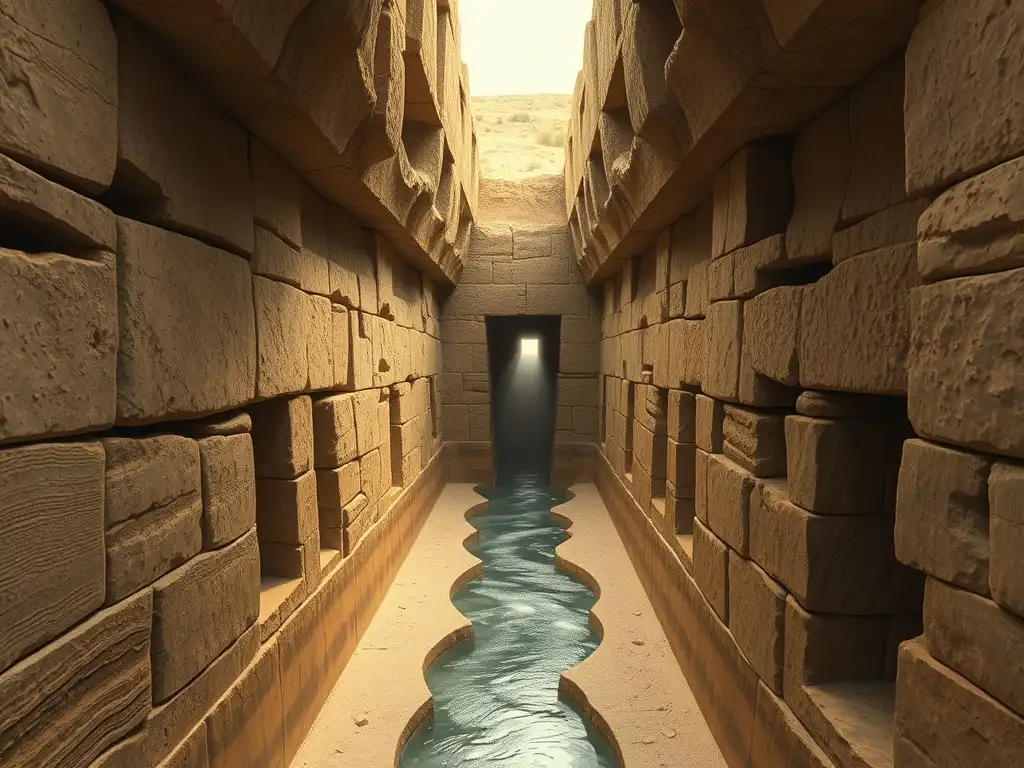
The Nazca aqueducts stand as a testament to the ingenuity and resilience of the Nazca civilization, a pre-Columbian culture that thrived in the arid coastal plains of southern Peru between 100 BCE and 800 CE. These aren't merely channels; they represent a sophisticated understanding of hydrology and engineering, crucial for survival in a harsh desert environment. The history of these subterranean water systems is complex, interwoven with the broader story of Nazca societal development and their adaptation to the challenging Andean landscape.
Understanding the Nazca aqueducts provides invaluable insights into their resource management, social organization, and enduring legacy. The study of these remarkable structures continues to unveil new details about this fascinating civilization, enriching our understanding of their "Nazca aqueducts history."
Dating the Aqueducts: Insights into the Timeline of Construction
Precisely dating the construction of the Nazca aqueducts remains a challenge. Archaeological evidence, including pottery shards and other artifacts found within and near the aqueducts, suggests a gradual development spanning centuries, rather than a single, concentrated building period. Radiocarbon dating of organic material from sediment layers associated with the aqueducts has provided some chronological markers, placing the initial construction phases sometime between 200 BCE and 500 CE. 1 However, many aqueducts show evidence of later repairs and expansions, indicating ongoing maintenance and adaptation over several centuries. The construction process itself likely involved multiple phases, with some sections built earlier and others added later as the population grew and water demands increased. This ongoing evolution is a key aspect of the Nazca aqueducts history. Further research, including more advanced dating techniques and detailed stratigraphic analysis, is needed to refine our understanding of the precise timeline of construction for individual aqueducts and the overall system.
Purpose and Function: Why the Nazca Built These Complex Water Systems
The primary purpose of the Nazca aqueducts was, unsurprisingly, to provide a reliable source of water in an extremely arid environment. The Nazca desert receives minimal rainfall, making access to groundwater crucial for survival. These ingenious systems tapped into underground water sources, channeling precious water to settlements and agricultural fields. The aqueducts weren't simply open ditches; they were carefully constructed subterranean channels, often lined with stones and sealed with clay or other materials to prevent water loss through seepage.
This sophisticated design minimized evaporation in the intense desert sun, maximizing water delivery efficiency. The construction also involved complex ventilation shafts, strategically placed to allow for air circulation and maintenance access. The ingenuity of this design is a defining feature of Nazca aqueducts history. The network's scale and complexity suggest a high level of centralized planning and coordination, indicative of a well-organized society capable of undertaking large-scale public works projects.
The system demonstrates a deep understanding of the local hydrology and geology, allowing the Nazca to identify and exploit viable groundwater sources. This knowledge, combined with their advanced engineering skills, allowed them to create a remarkably sustainable water management system that supported their population and agriculture for centuries.
The Role of the Aqueducts in Nazca Society and Agriculture
The Nazca aqueducts played a vital role in shaping Nazca society and agriculture. Access to a reliable water supply was essential for supporting the relatively large population and intensive agricultural practices of the Nazca civilization. The aqueducts facilitated the cultivation of crops such as cotton, maize, beans, and squash, forming the basis of their economy and diet.
The distribution of water through the aqueduct system likely influenced settlement patterns, with villages and agricultural fields clustered around access points. The maintenance and management of the aqueducts probably involved communal labor, fostering social cohesion and cooperation. The aqueducts were not merely engineering feats; they were integral to the social and economic fabric of Nazca society.
The aqueducts represent a remarkable example of sustainable water management, a legacy that continues to inspire admiration and research today. The impact of these systems on the Nazca civilization's social structure and agricultural practices is a crucial element of Nazca aqueducts history. The careful study of these systems offers valuable lessons for modern water management strategies, particularly in arid and semi-arid regions.
1 Further research is needed to provide more precise dates and clarify the timeline of construction across different aqueducts.
How Nazca Aqueducts Function: A Detailed Look
The Nazca aqueducts represent a remarkable feat of ancient engineering, a testament to the ingenuity of the Nazca people in adapting to their arid environment. Their functionality hinged on a sophisticated understanding of hydrology and an impressive ability to manipulate the subterranean water resources of the Nazca desert. Understanding how these aqueducts functioned requires examining their intricate design and the clever strategies employed to capture, channel, and filter water. The success of the Nazca aqueducts, which remain in use in some areas even today, underscores their enduring legacy and contribution to the study of "Nazca aqueducts history."
The Subterranean Water Channels: Guiding Water Flow
The heart of the Nazca aqueduct system lies in its network of subterranean channels. These weren't simply dug trenches; they were carefully constructed, often using stone and other materials to reinforce the walls and prevent collapse. The channels were typically dug at varying depths, depending on the water table and the topography of the land. This depth, combined with the channels' gentle slopes, ensured a consistent, albeit slow, flow of water.
The precision in their construction is striking; archaeologists have found that many channels follow remarkably straight lines for considerable distances, demonstrating a sophisticated understanding of surveying and alignment techniques. This meticulous approach minimized water loss through seepage and evaporation, maximizing the efficiency of the entire system. The channels themselves varied in size, with some capable of carrying significant volumes of water, especially during periods of higher rainfall or snowmelt in the Andes.
Detailed analysis of the surviving sections reveals the use of different construction materials, possibly reflecting variations in local geology and resource availability. The construction of these channels, a laborious and intricate process, involved a considerable investment of time and manpower, highlighting the importance of water to the Nazca civilization. Understanding the precise methods used in their construction is crucial for a complete understanding of "Nazca aqueducts history."
Filtration Systems: Ensuring Clean and Usable Water
Beyond the ingenious channeling of water, the Nazca aqueducts incorporated rudimentary yet effective filtration systems. The porous nature of the local soil, combined with the design of the channels themselves, acted as a natural filter. As water percolated through the ground and entered the channels, larger sediment particles and debris were largely trapped.
Furthermore, the channels' meandering paths and variations in depth likely contributed to further natural filtration. While no evidence of specifically engineered filters exists, the combined effect of the natural filtration provided by the soil and the channel design ensured that the water reaching the access points was relatively clean and suitable for drinking and irrigation.
The effectiveness of this natural filtration system is supported by the fact that many of the aqueducts remain functional to this day, indicating a sustainable design that prevented the accumulation of harmful contaminants. Further research into the geological composition of the surrounding soil and its interaction with the water could reveal more detailed insights into the natural filtration process and its role in the overall functionality of the aqueducts, enriching our understanding of "Nazca aqueducts history."
Access Points: Spirals and Entrances to the Aqueducts
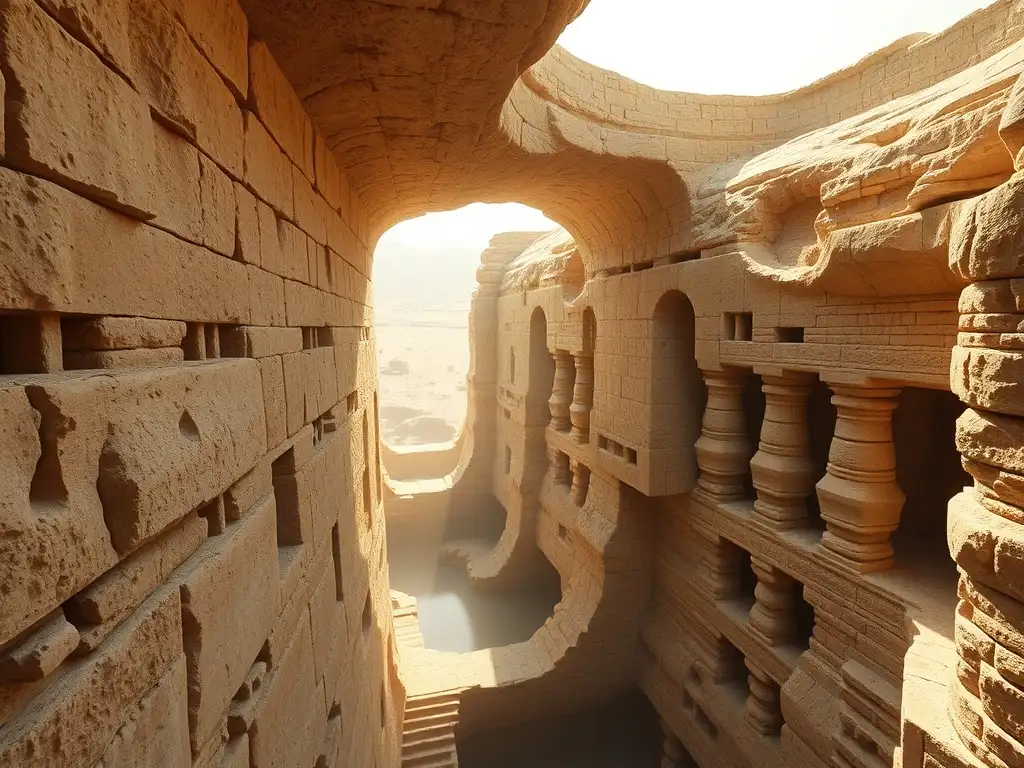
Access to the water within the aqueducts was achieved through carefully constructed access points, often featuring distinctive spiral entrances. These spirals, built from stone, served multiple purposes. First, they provided a convenient means of descending into the underground channels for maintenance and cleaning.
The spiral design likely minimized the impact of erosion on the channel walls, ensuring the longevity of the system. Second, the spirals acted as a type of ventilation system, allowing for the circulation of air within the channels, preventing stagnation and potentially reducing the growth of harmful microorganisms. The construction of these spirals varied in complexity, ranging from simple stone-lined shafts to more elaborate structures, possibly reflecting the size and importance of the particular aqueduct.
The location of these access points was strategically chosen, often situated near agricultural fields or settlements, ensuring easy access to water for the Nazca population. The study of these access points, with their intriguing spiral designs, offers valuable clues about the social organization and engineering skills of the Nazca civilization, adding another layer to the ongoing exploration of "Nazca aqueducts history."
The Impact of Nazca Aqueducts: A Sustainable Water Solution
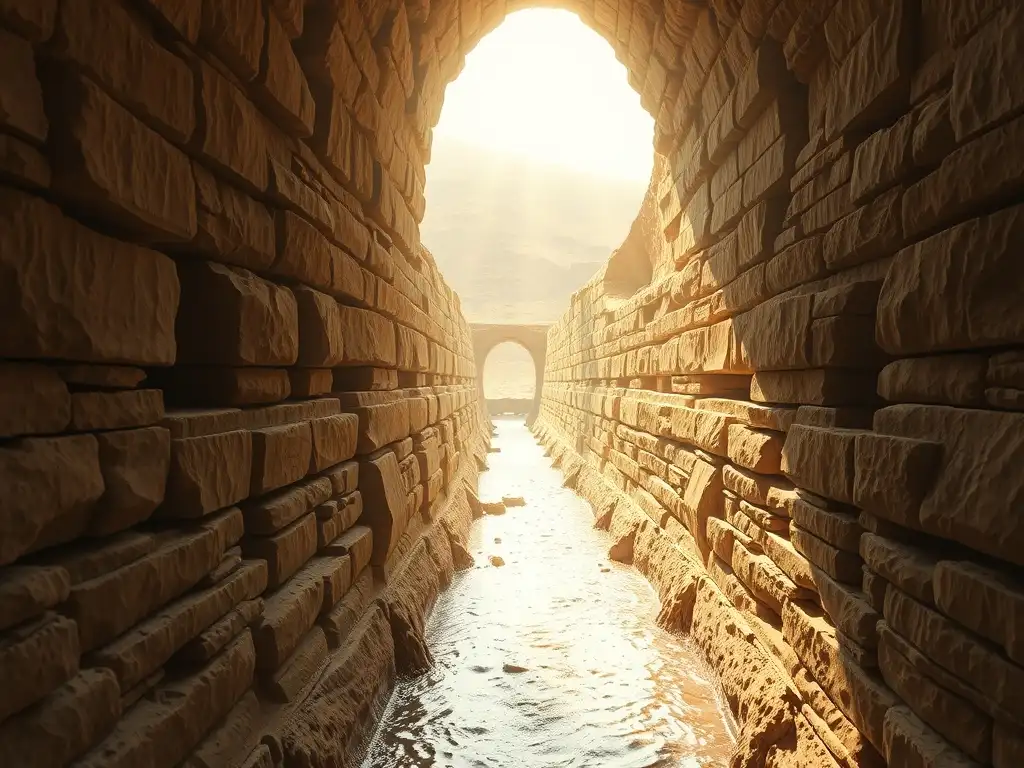
The Nazca aqueducts represent a remarkable feat of ancient engineering, showcasing the ingenuity of the Nazca civilization in adapting to the harsh desert environment of southern Peru. Their impact extended far beyond simply providing water; they fundamentally shaped the social, economic, and cultural landscape of the region. Understanding the Nazca aqueducts history reveals a sophisticated understanding of hydrology and community organization, crucial for survival in a challenging climate.
These subterranean channels, often referred to as puquios, weren't just conduits for water; they were a cornerstone of Nazca society, enabling sustained agricultural production and fostering social cohesion. The effectiveness of this system is evidenced by the flourishing Nazca culture, which thrived for centuries in an otherwise arid region. The ingenious design and construction of these aqueducts allowed the Nazca people to successfully manage water resources, a critical factor in their economic prosperity and cultural development.
Agricultural Productivity: How Aqueducts Transformed Nazca Farming
The Nazca aqueducts were instrumental in transforming the arid coastal plains into productive agricultural lands. Before their construction, farming was likely limited to small, scattered oases dependent on infrequent rainfall. The puquios tapped into underground water sources, providing a reliable and consistent supply of water for irrigation.
This allowed the Nazca to cultivate crops like cotton, maize, beans, and squash on a much larger scale than previously possible. Analysis of pollen and other organic remains found at Nazca archaeological sites demonstrates a significant increase in agricultural output following the widespread adoption of the aqueduct system. The consistent water supply enabled the development of intensive agriculture, supporting a larger and more densely populated society.
This increase in agricultural productivity was a crucial factor in the Nazca civilization's overall success and longevity. The system's efficiency is further highlighted by the fact that many of the aqueducts are still functional today, a testament to their robust construction and ingenious design.
The construction and maintenance of the Nazca aqueducts required significant community effort and cooperation. These weren't simple projects; they involved extensive labor, careful planning, and specialized knowledge. The scale of the undertaking suggests a high degree of social organization and a shared understanding of the importance of water management for the community's well-being.
Evidence suggests that different groups or clans might have been responsible for maintaining specific sections of the aqueduct network. This collaborative effort fostered social cohesion and a sense of shared responsibility. The aqueducts, therefore, acted as a powerful unifying force within Nazca society, promoting social stability and encouraging collective action for the common good.
The intricate system of canals and shafts demanded a high level of cooperation and coordination, reflecting a sophisticated social structure and a deep understanding of the value of communal work. This social aspect of the Nazca aqueducts is as important as their engineering prowess.
The Enduring Legacy: Lessons from Nazca Hydraulic Engineering
The Nazca aqueducts stand as a powerful example of sustainable water management, offering valuable lessons for modern societies facing water scarcity. Their ingenious design, utilizing gravity and subsurface water sources, minimized water loss and maximized efficiency. The system's longevity – some puquios remain in use today – underscores its effectiveness and resilience. The Nazca's approach to water management provides a model for sustainable practices, demonstrating the importance of community involvement, careful planning, and a deep understanding of local hydrological conditions.
Studying the Nazca aqueducts history allows us to appreciate their ingenuity and provides valuable insights into ancient engineering techniques. The sustainable practices employed by the Nazca civilization remain relevant today, offering inspiration for addressing contemporary water challenges. The enduring legacy of the Nazca aqueducts transcends its historical significance; it offers a blueprint for sustainable water management in the face of increasingly arid conditions worldwide.
Modern Research and Preservation of the Nazca Aqueducts
The Nazca aqueducts, a testament to the ingenuity of the Nazca culture, continue to fascinate researchers and inspire awe. Understanding their construction, maintenance, and eventual abandonment requires ongoing investigation, blending archaeological fieldwork with advanced technologies. This section delves into the current state of research and the crucial efforts dedicated to preserving these remarkable subterranean water systems for posterity. The study of Nazca aqueducts history is an ongoing process, constantly revealing new insights into the civilization's remarkable adaptation to the harsh desert environment.
Current Studies and Archaeological Findings
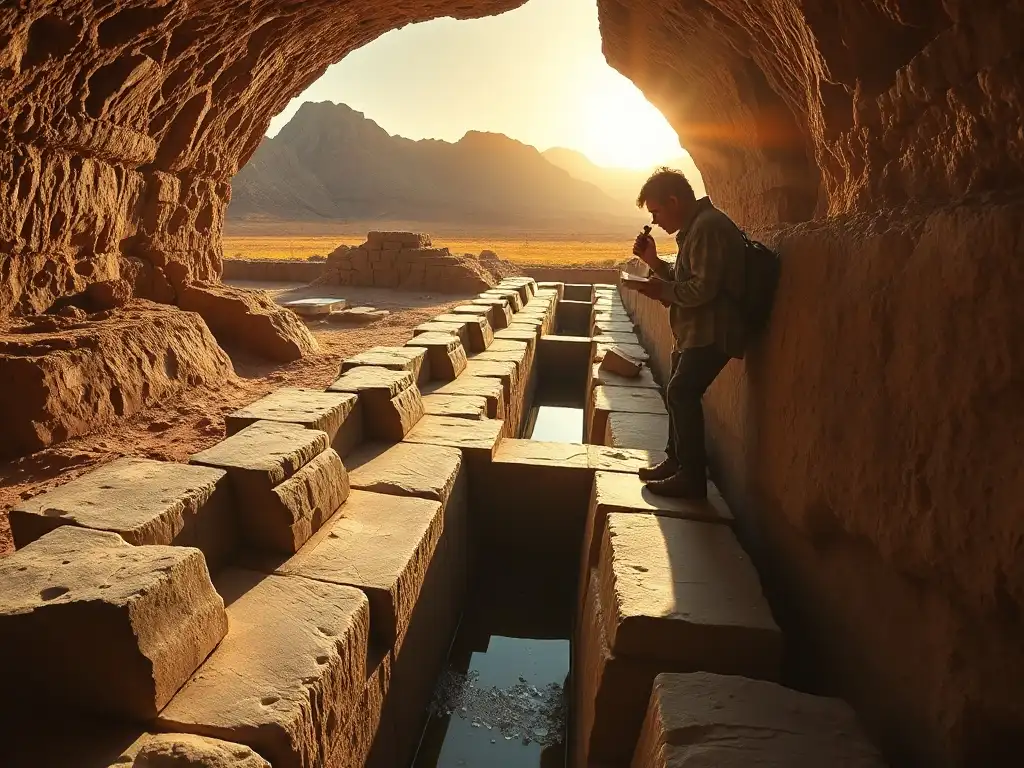
Current studies on the Nazca aqueducts employ a multidisciplinary approach. Archaeologists meticulously excavate sections of the aqueducts, carefully documenting the construction techniques and materials used. This includes analyzing the types of stone, the mortar used to bind them, and the overall engineering principles employed.
Geophysical surveys, such as ground-penetrating radar (GPR), are also utilized to map the extent of the subterranean networks without causing extensive damage to the fragile structures. These non-invasive techniques allow researchers to create detailed three-dimensional models of the aqueducts, revealing previously unknown features and extending our understanding of their complexity. For example, recent GPR surveys have uncovered evidence of previously unknown branches and extensions of the aqueduct system, suggesting a far more extensive network than previously thought.
Analysis of sediment samples extracted from within the aqueducts provides valuable information about water quality and usage patterns over time, helping researchers to reconstruct the environmental conditions and the lifestyle of the Nazca people. Furthermore, the study of pottery shards and other artifacts found within the aqueducts sheds light on the daily lives of those who built and maintained these vital water sources.
Challenges in Preserving These Ancient Structures
Preserving the Nazca aqueducts presents significant challenges. The arid desert climate, while contributing to their relatively good state of preservation, also makes the structures vulnerable to erosion and weathering. Furthermore, the delicate nature of the subterranean channels makes them susceptible to damage from human activity and natural events, such as seismic activity.
Illegal excavation and looting also pose a significant threat, potentially destroying irreplaceable archaeological evidence and compromising the structural integrity of the aqueducts. Another challenge lies in balancing preservation efforts with the needs of the local communities. The limited access to water in the region often creates a tension between preserving the aqueducts as historical sites and allowing for sustainable water usage by modern populations.
This necessitates careful planning and community engagement to ensure that preservation efforts are both effective and respect the needs of present-day inhabitants. Finding sustainable solutions that protect the aqueducts while addressing the water needs of the local population is a critical aspect of ongoing conservation strategies. The delicate balance between preservation and modern needs demands a collaborative and sensitive approach.
The Importance of Protecting Nazca Aqueducts for Future Generations
Protecting the Nazca aqueducts is not merely about preserving ancient structures; it’s about safeguarding a significant piece of human history and engineering ingenuity. These aqueducts stand as a remarkable example of sustainable water management in a challenging environment, offering valuable lessons for contemporary water resource management strategies in arid regions. Their preservation ensures that future generations can learn from the ingenuity of the Nazca people and appreciate the remarkable achievements of this ancient civilization.
Moreover, the aqueducts represent a vital link to the past, contributing to our understanding of the cultural and technological advancements of the Nazca culture and their remarkable adaptation to the harsh Andean landscape. The ongoing research and preservation efforts serve not only to protect these remarkable structures but also to inspire and educate, fostering a deeper appreciation for the achievements of past civilizations and the importance of preserving our shared heritage. The preservation of the Nazca aqueducts is a testament to our commitment to understanding and protecting the rich tapestry of human history.
The legacy of the Nazca people, embodied in these ingenious structures, deserves to be cherished and protected for generations to come. 🌍
Nazca Aqueducts: A Testament to Andean Ingenuity and Adaptation
The Nazca aqueducts stand as a powerful testament to the ingenuity and adaptability of the Nazca people, a pre-Columbian civilization that flourished in the arid coastal plains of southern Peru. Their mastery of water management, particularly in such a harsh environment, is a remarkable feat of engineering and a key factor in their societal success. Understanding the history of these aqueducts reveals not only advanced technological capabilities but also a deep cultural understanding of water's significance in sustaining life and shaping society.
This section delves into the specifics of the Nazca aqueduct system, focusing on its construction, functionality, and lasting impact on our understanding of Andean civilizations. The keyword "Nazca aqueducts history" is crucial to understanding this remarkable achievement.
The Significance of Water in Andean Culture
Water, in the arid Andean landscape, was far more than a mere resource; it was life itself. Andean cultures, including the Nazca, developed profound spiritual and practical connections with water sources. Rivers, springs, and subterranean water flows were not just utilized for drinking and agriculture but were also deeply interwoven into their religious beliefs and cosmology.
Many Andean deities were associated with water, reflecting its crucial role in sustaining life and the prosperity of their communities. The Nazca, facing the challenges of the desert, developed sophisticated systems to harness and manage this precious resource, a testament to their deep understanding of its importance and their ability to adapt to their environment. This reverence for water is evident in their art, religious practices, and, most notably, in their remarkable aqueducts.
The scarcity of water shaped their societal structures, their agricultural practices, and their worldview. The careful management of water wasn't just a practical matter; it was a matter of survival and spiritual significance.
The Nazca Aqueducts as an Example of Technological Advancement
The Nazca aqueducts are not simply channels; they are a complex subterranean network of ingenious design. These underground channels, known as puquios, were constructed using a combination of techniques demonstrating advanced engineering skills for their time. They typically involved digging vertical shafts down to the water table, then creating horizontal tunnels to channel the water towards the surface. The shafts were often lined with carefully fitted stones, demonstrating a high level of precision and skill in stonework.
The precise orientation and placement of these shafts, often following underground water flows, indicate a sophisticated understanding of hydrology. The functionality of the puquios wasn't solely dependent on the technical skill of construction; it also required a detailed knowledge of the local geology and water table fluctuations. This knowledge was likely passed down through generations, highlighting the importance of communal learning and experience in maintaining this vital infrastructure.
The sheer scale of the Nazca aqueduct system, with its numerous puquios spanning vast distances, is a striking demonstration of their organizational capacity and collaborative effort. The longevity of some of these aqueducts, with sections still functioning today, showcases the durability and effectiveness of their construction techniques. This is a profound example of sustainable engineering, designed to withstand the harsh conditions of the desert for centuries.
Concluding Thoughts: The Enduring Legacy of the Nazca People
The Nazca aqueducts remain a powerful symbol of the Nazca people's remarkable resilience, adaptability, and ingenuity. Their ability to conquer the challenges of the desert environment through sophisticated water management techniques speaks volumes about their understanding of their surroundings and their capacity for innovation. Studying the Nazca aqueducts provides invaluable insights into the technological capabilities, societal structures, and cultural beliefs of this fascinating pre-Columbian civilization.
The enduring legacy of the Nazca aqueducts continues to inspire awe and admiration, highlighting the importance of understanding and preserving the rich history of Andean civilizations. Their ingenious solutions to water scarcity offer valuable lessons for modern societies facing similar challenges, emphasizing the significance of sustainable resource management and the power of human ingenuity in the face of adversity.
The story of the Nazca aqueducts is a story of survival, innovation, and a deep connection to the land, a legacy that continues to resonate today. Further research into the Nazca aqueducts history promises to reveal even more about this remarkable civilization and its unique adaptation to the Andean landscape.
Frequently Asked Questions
What is the significance of the Nazca aqueducts?
The Nazca aqueducts are a remarkable feat of ancient engineering, showcasing the ingenuity of the Nazca people in harnessing scarce water resources in their arid environment. Their construction demonstrates advanced understanding of hydrology and subterranean water flow.
How did the Nazca people build the aqueducts?
The Nazca built their aqueducts using stone and other readily available materials, creating a network of underground channels that tapped into underground water sources. This intricate system involved sophisticated techniques for excavation, construction, and maintenance.
What materials were used to construct the Nazca aqueducts?
The aqueducts primarily utilized stone and clay, though the specific materials varied depending on the availability of local resources. The construction involved carefully fitted stones to create watertight channels. Ventilation shafts were also incorporated.
How did the Nazca aqueducts function?
The aqueducts functioned by using gravity to channel water from underground sources to surface points. The system included vertical shafts for ventilation and cleaning, and access points along the channels. Ingenious design ensured a reliable water supply.
How long did the Nazca aqueducts remain in use?
The Nazca aqueducts were used for centuries, providing a vital water source for the Nazca civilization. While the exact timeframe is debated, evidence suggests they were in use for a substantial period, demonstrating their durability and effectiveness.
Final Reflection: The Enduring Legacy of Nazca Ingenuity
The Nazca aqueducts stand as a testament to the remarkable ingenuity of a pre-Columbian civilization, a feat of engineering that continues to inspire awe and wonder in the face of modern challenges. Their sophisticated design, meticulously crafted to harness scarce water resources in a harsh desert environment, offers a powerful lesson in resource management and sustainable living, a lesson desperately needed in our increasingly water-stressed world. The ingenuity displayed in their construction remains a beacon of human potential, proving that even in the face of seemingly insurmountable obstacles, innovation and perseverance can triumph.
The impact of the Nazca aqueducts extends far beyond their immediate geographical location. Their existence challenges our preconceived notions of ancient civilizations and their technological capabilities, forcing us to re-evaluate our understanding of pre-Columbian societies. The past is never dead. It's not even past.
- William Faulkner. This quote perfectly encapsulates the enduring relevance of the Nazca aqueducts; their story continues to resonate, shaping our understanding of history and inspiring future generations of engineers and archaeologists. The ongoing research and preservation efforts surrounding these remarkable structures highlight the importance of protecting and learning from our shared past.
Consider, for a moment, the ingenuity and dedication required to create such a complex system. Now, consider the challenges we face today in managing our own water resources. What can we learn from the Nazca people?
How can we apply their principles of resourcefulness and sustainability to address the pressing water issues of our time? Let the legacy of the Nazca aqueducts inspire you to seek innovative solutions, to embrace collaboration, and to act responsibly in preserving this precious resource for future generations. The future of water security depends on our ability to learn from the past and act decisively in the present.
Unveil the Secrets of the Nazca Aqueducts!
Thank you for exploring the fascinating world of the Nazca aqueducts with us! You've discovered how these remarkable structures fundamentally shaped Andean water management. Now, let's delve deeper into this rich history and explore how you can continue your journey:
- **Visit the Nazca Lines and Aqueducts:** Plan a trip to Peru to witness these ancient marvels firsthand and experience their ingenuity. The scale and sophistication of the structures are truly breathtaking.
- **Share Your Discoveries:** Discuss your newfound knowledge with friends and family, or share your insights on social media using #NazcaAqueducts to inspire others and spark conversation about this incredible feat of ancient engineering.
- **Join Our Community of Explorers:** Stay connected with fellow enthusiasts by signing up for our newsletter. You'll receive exclusive content and updates on Andean civilizations and their remarkable achievements.
What aspect of the Nazca aqueducts most captivates you? How might the ingenuity of ancient Andean engineers inspire innovative solutions to modern water challenges?