
The Art of Adaptation: How Ancient Cultures Thrived in Extreme Altitudes

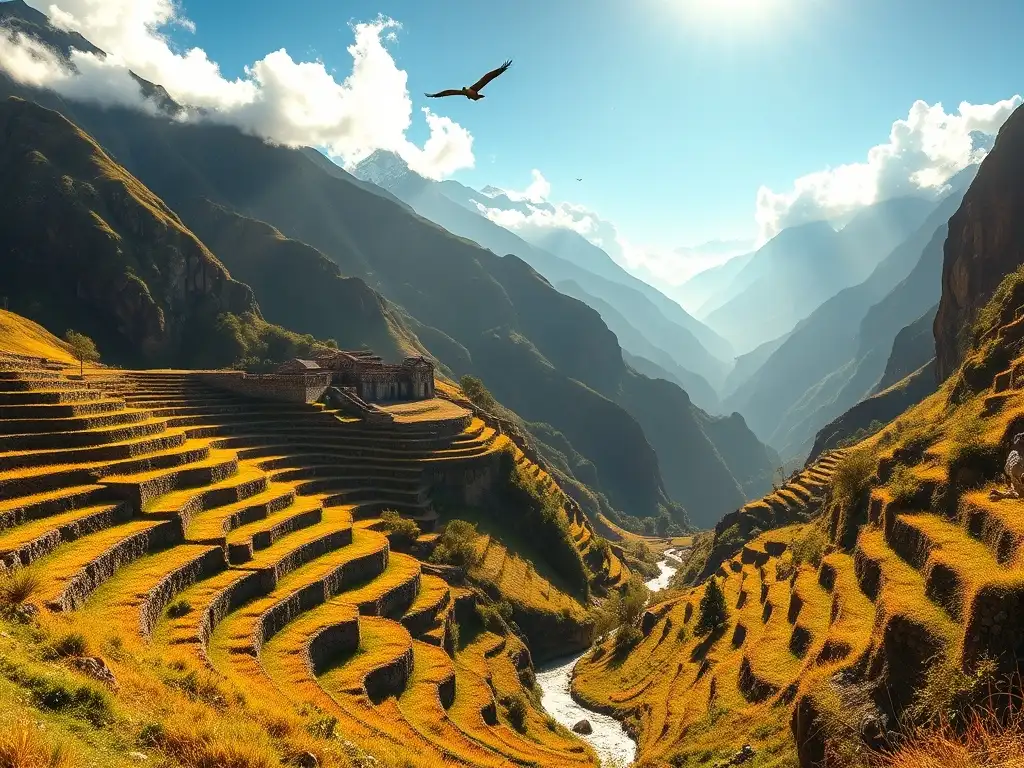
Step into a world lost to time, yet echoing with innovation. Imagine civilizations flourishing in the face of seemingly insurmountable challenges, carving empires from the harsh Andes mountains. Uncover the secrets of Ancient Andean adaptation techniques, ingenious strategies that allowed the Incas, Moche, Nazca, and Tiahuanaco to thrive in extreme altitudes. Their story is one of resilience, ingenuity, and a profound connection to the land – a story waiting to be explored. Prepare to be amazed.
The Andes Mountains, a formidable spine running down the western coast of South America, presented an unparalleled challenge to the ancient civilizations that called it home. From the dizzying heights of the Altiplano to the steep slopes of the valleys, life in the Andes demanded ingenuity and resilience. This article delves into the remarkable adaptation techniques employed by ancient Andean cultures – including the Incas, Moche, Nazca, and Tiahuanaco – to not only survive but thrive in one of the world's most extreme environments.
We will explore their innovative solutions to the challenges of high altitude, demonstrating a deep understanding of their relationship with their environment and the remarkable ingenuity that shaped their societies. Understanding these “Ancient Andean adaptation techniques” offers a fascinating glimpse into human adaptability and the remarkable achievements of these often overlooked cultures.
Introduction to Andean High-Altitude Living
Life at high altitudes in the Andes is far from easy. The thin air, dramatic temperature swings, and scarce resources created a harsh environment that demanded innovative solutions for survival. Ancient Andean cultures, however, didn't just survive; they flourished, developing sophisticated agricultural practices, architectural marvels, and social structures perfectly suited to their challenging surroundings.
Their achievements stand as a testament to human ingenuity and the power of adaptation in the face of adversity. This section will lay the groundwork for understanding the specific challenges these cultures faced and how they overcame them. The sheer scale of their accomplishments, considering the limitations of their technology, is truly awe-inspiring.
Understanding the Challenges of Extreme Altitudes in the Andes
The Andean environment presents a unique set of challenges, significantly impacting the survival and development of its inhabitants. These challenges were multifaceted and demanded holistic solutions, impacting everything from agriculture and architecture to social organization and religious beliefs.
Low Oxygen Levels and Their Impact
One of the most significant challenges was the lower partial pressure of oxygen at high altitudes. This hypoxia leads to altitude sickness, characterized by shortness of breath, headaches, and fatigue. Ancient Andean populations, however, developed physiological adaptations over generations, including increased lung capacity and a higher red blood cell count. Furthermore, their societal structures likely incorporated strategies to mitigate the effects of hypoxia, such as pacing work activities and optimizing settlement locations to minimize exposure. [Specific data on physiological adaptations pending] Further research is needed to fully understand the extent of these genetic and cultural adaptations.
Extreme Temperature Variations
The Andes are characterized by significant diurnal temperature variations – extreme differences between day and night temperatures. These fluctuations could range from scorching heat during the day to freezing temperatures at night, posing significant challenges to agriculture and daily life. Ancient Andean cultures addressed this through clever architectural designs, such as utilizing thick walls for insulation and strategically positioning settlements to maximize solar gain during the day and minimize heat loss at night. Their clothing styles also reflected this adaptive approach, incorporating layers to regulate body temperature efficiently. [Specific examples of architectural and clothing adaptations pending]
Limited Resources and Arable Land
The mountainous terrain of the Andes limited the availability of arable land and other vital resources. Steep slopes, rocky soil, and unpredictable weather patterns made agriculture a constant struggle. Ancient Andean societies overcame these limitations through sophisticated terracing techniques, irrigation systems, and the cultivation of hardy, high-altitude crops like potatoes and quinoa.
These agricultural innovations were not only crucial for food security but also played a vital role in shaping their social structures and political organization. The ingenuity and precision involved in these systems are testaments to their deep understanding of their environment and their ability to optimize limited resources. [Specific examples of Andean agricultural techniques and their effectiveness pending]
- Introduction to Andean High-Altitude Living
- Understanding the Challenges of Extreme Altitudes in the Andes
- What environmental challenges did ancient Andean civilizations face?
- How did ancient Andean people adapt to high altitudes?
- What agricultural techniques did Andean civilizations employ?
- What role did llamas and alpacas play in Andean adaptation?
- How did Andean societies adapt their architecture to the environment?
Ancient Andean Adaptation Techniques: Overcoming Environmental Obstacles
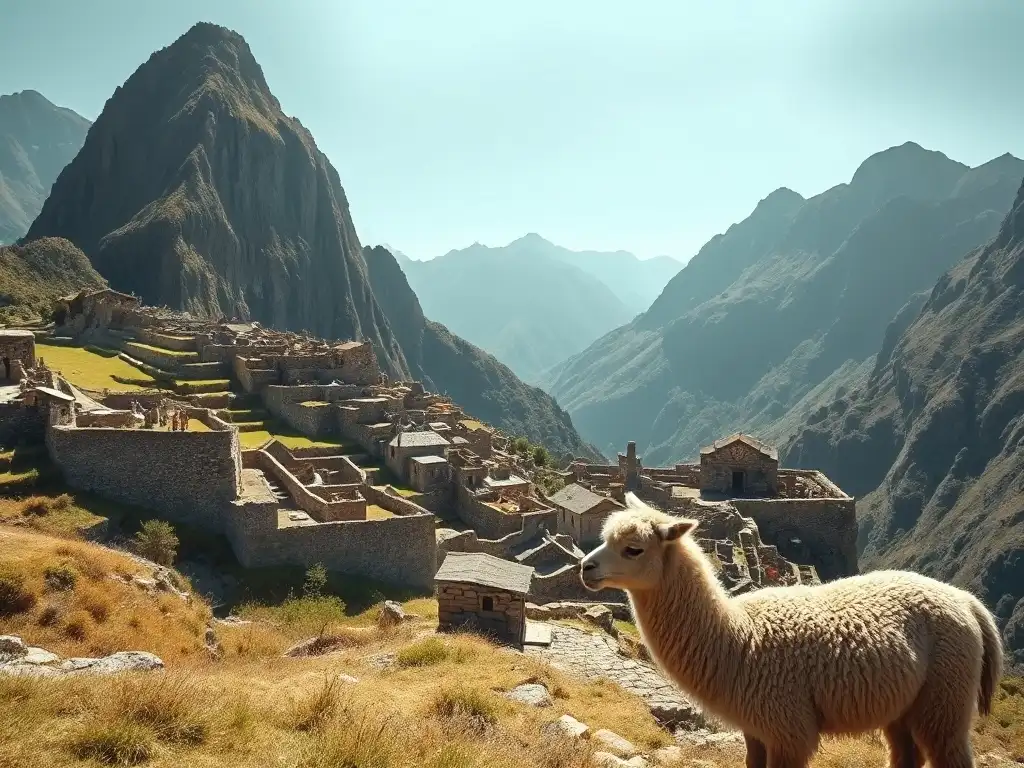
The Andes Mountains present a formidable challenge to human habitation, characterized by extreme altitudes, steep slopes, unpredictable weather patterns, and limited arable land. Yet, ancient Andean cultures not only survived but thrived in this harsh environment, developing sophisticated adaptation techniques that allowed them to flourish for centuries. Understanding these "Ancient Andean adaptation techniques" reveals a remarkable ingenuity and deep connection to their surroundings. This section will explore some key examples of their remarkable achievements.
Agricultural Innovations for High-Altitude Farming
The success of Andean civilizations hinged on their ability to produce sufficient food in challenging conditions. Their agricultural innovations were crucial to their survival and prosperity, demonstrating a profound understanding of both the environment and agricultural principles.
Terraced Farming Systems
Perhaps the most visually striking example of Andean agricultural ingenuity is the widespread use of terraced farming. These meticulously constructed terraces, carved into the steep mountain slopes, transformed otherwise unusable land into productive farmland. The terraces not only increased the amount of cultivable land but also reduced soil erosion and water runoff, maximizing water retention and crop yields.
The precise construction, often involving complex stonework and retaining walls, varied depending on the specific location and the slope's angle, showcasing a remarkable understanding of engineering principles. The scale of some terraced systems, like those found in the Sacred Valley of the Incas, is breathtaking, a testament to the organizational capacity and labor invested in these projects. The size and complexity of these systems varied greatly, demonstrating a sophisticated understanding of local topography and soil conditions.
Crop Diversification and Selection
Andean farmers didn't rely on a single crop. They practiced extensive crop diversification, cultivating a wide array of plants adapted to different altitudes and microclimates. This strategy minimized the risk of crop failure due to unpredictable weather or pests. They carefully selected crops—potatoes, maize, quinoa, beans, and various other tubers and grains—that were highly resilient to the harsh conditions.
The potato, in particular, became a staple crop, with thousands of varieties developed to thrive in diverse Andean environments. This genetic diversity proved crucial in ensuring food security and adapting to changing environmental conditions. The selection process was refined over generations, resulting in crops uniquely adapted to the specific challenges of high-altitude farming.
Advanced Irrigation Methods
Water scarcity is a major constraint in high-altitude environments. Andean civilizations developed ingenious irrigation systems to manage water resources effectively. These systems included canals, ditches, and aqueducts that channeled water from rivers and springs to fields, often over considerable distances and across challenging terrain. Some systems incorporated sophisticated techniques such as water storage reservoirs and diversion channels to optimize water distribution. The construction of these irrigation systems required advanced planning, engineering skills, and a detailed understanding of hydrology. The effectiveness of these systems is evident in the agricultural productivity achieved in otherwise arid regions of the Andes.
Use of Microclimates
Andean farmers expertly exploited the diversity of microclimates found within the mountainous landscape. They understood that different slopes, aspects, and elevations offered varying conditions of sunlight, temperature, and humidity. This knowledge allowed them to strategically plant different crops in locations best suited to their specific needs, further enhancing crop yields and minimizing risk. This nuanced understanding of their environment highlights the depth of their ecological knowledge and their capacity to adapt to the complexities of the Andean landscape. This strategic approach maximized the use of available resources and demonstrated a deep understanding of the interplay between climate and agriculture.
Architectural and Engineering Marvels
The architectural and engineering achievements of Andean civilizations are equally impressive, showcasing their ability to adapt building techniques and designs to the challenging environment.
Construction Materials and Techniques
Andean builders skillfully utilized locally available materials, adapting their techniques to the specific properties of these resources. Stone, adobe bricks, and thatch were commonly used, with construction methods varying depending on the altitude, climate, and the availability of materials. They developed sophisticated stone-cutting and masonry techniques, creating incredibly precise and durable structures that withstood the test of time. The precise fitting of stones without mortar in many structures is a testament to their advanced engineering skills. Examples include impressive structures like Machu Picchu and Sacsayhuamán.
Building Design for Thermal Regulation
Andean architecture demonstrates a remarkable understanding of thermal regulation. Building designs often incorporated features that minimized heat loss in the cold Andean nights and maximized ventilation during the day. Thick walls, small windows, and strategically placed ventilation shafts helped maintain a comfortable interior temperature. The use of specific materials also played a role in thermal regulation, with some materials offering better insulation than others. The effectiveness of these designs is evident in the longevity and habitability of Andean structures, even in extremely harsh weather conditions.
Strategic Placement of Settlements
The placement of settlements was not arbitrary. Andean communities strategically located their settlements to take advantage of favorable microclimates, access to water resources, and defensible positions. Settlements were often built on terraces or slopes that provided protection from strong winds and offered optimal solar exposure. This careful consideration of environmental factors ensured the safety and sustainability of settlements. The integration of settlements into the landscape demonstrates a deep understanding of the environment and its impact on human life.
Road and Infrastructure Networks
The impressive road and infrastructure networks developed by Andean civilizations, particularly the Inca, facilitated trade, communication, and the movement of people and goods across vast distances and challenging terrain. These networks included sophisticated suspension bridges, paved roads, and strategically placed way stations. The construction of these networks required advanced engineering skills and a profound understanding of the Andean landscape. These infrastructure projects not only supported economic activity but also played a crucial role in maintaining political and social stability across the empire. The durability and effectiveness of these networks are a testament to their engineering prowess and resourcefulness.
Physiological Adaptations and Cultural Practices
Ancient Andean populations developed remarkable physiological adaptations and cultural practices to thrive in the challenging high-altitude environment. These adaptations weren't solely biological; they were a complex interplay of genetics, acclimatization, and learned behaviors passed down through generations. The thin air, intense solar radiation, and unpredictable weather patterns demanded innovative solutions for survival and prosperity. Understanding these adaptations reveals the ingenuity and resilience of these remarkable cultures.
Their success wasn't merely a matter of chance; it was a testament to their deep understanding of their environment and their ability to work with it, not against it. This holistic approach, encompassing both biological and cultural aspects, allowed them to flourish in one of the planet's most demanding ecosystems. The interplay between these factors allowed for the development of sophisticated agricultural techniques, complex social structures, and a vibrant cultural heritage.
Acclimatization and Genetic Factors
High-altitude adaptation in the Andes involved both acclimatization – the body's short-term adjustment to altitude – and genetic adaptations developed over millennia. Acclimatization processes, such as increased red blood cell production and changes in lung capacity, allowed individuals to cope with lower oxygen levels. However, long-term survival and reproductive success required genetic adaptations that enhanced these responses. Studies suggest that certain gene variations, particularly those affecting hemoglobin production and oxygen transport, became more prevalent in Andean populations over time.
These genetic adaptations complemented acclimatization, significantly improving their ability to thrive at high altitudes. The interplay between these genetic and physiological processes highlights the complexity of human adaptation to extreme environments, showcasing the remarkable capacity for biological change in response to selective pressures. Further research continues to unravel the specific genetic mechanisms involved in high-altitude adaptation among Andean populations.
Dietary Adaptations and Food Preservation
The harsh Andean climate presented challenges for food production and preservation. Dietary adaptations played a crucial role in ensuring sufficient nutrition at high altitudes. The staple crops, such as potatoes, quinoa, and maize, were carefully selected and cultivated to thrive in the thin soils and unpredictable weather. These crops provided essential nutrients and calories necessary for survival in the challenging environment.
Innovative food preservation techniques, including freeze-drying (chuño) and sun-drying, extended the shelf life of food, mitigating the risks associated with unpredictable harvests. These methods allowed for the storage of essential food supplies during lean seasons, guaranteeing food security throughout the year. The ingenious preservation methods coupled with the cultivation of high-altitude adapted crops ensured the nutritional needs of Andean communities were met, even in the face of adversity. This highlights the critical role of agricultural innovation in their long-term success.
Clothing and Textile Technology
The extreme temperature fluctuations and intense solar radiation of the Andes demanded sophisticated clothing and textile technology. Andean cultures developed remarkable skills in weaving, using alpaca and llama wool to create warm, durable garments. These textiles were not merely functional; they also served as important social markers, indicating status and identity. The intricate weaving techniques, often incorporating vibrant colors and complex designs, demonstrate a high level of artistic skill and technological sophistication.
The development of specialized clothing, such as layered garments and hats with ear flaps, provided protection against the harsh elements, significantly enhancing survival rates and comfort in extreme conditions. This mastery of textile technology was essential to their ability to inhabit such a challenging environment, demonstrating a deep understanding of both material science and human needs. Their clothing wasn't just a shield against the elements; it was a testament to their ingenuity and cultural expression.
Social and Communal Organization for Resource Management
The success of ancient Andean cultures in adapting to high-altitude environments was intrinsically linked to their social and communal organization. Resource management was not an individual effort but a collective responsibility, with intricate systems in place to ensure equitable distribution and sustainable use of resources. Complex irrigation systems, terraced agriculture, and cooperative labor practices were essential for maximizing crop yields and mitigating the risks of environmental variability.
These systems fostered social cohesion and strengthened community bonds, enhancing their resilience in the face of environmental challenges. The social structures were not only efficient in resource management but also fostered a sense of shared identity and purpose, contributing to the overall stability and prosperity of Andean societies.
This communal approach to resource management stands as a testament to the power of social cooperation in overcoming environmental obstacles. Their success underlines the importance of collective action in adapting to and thriving within challenging environments.
Specific Examples of Andean Civilizations and Their Adaptation Strategies
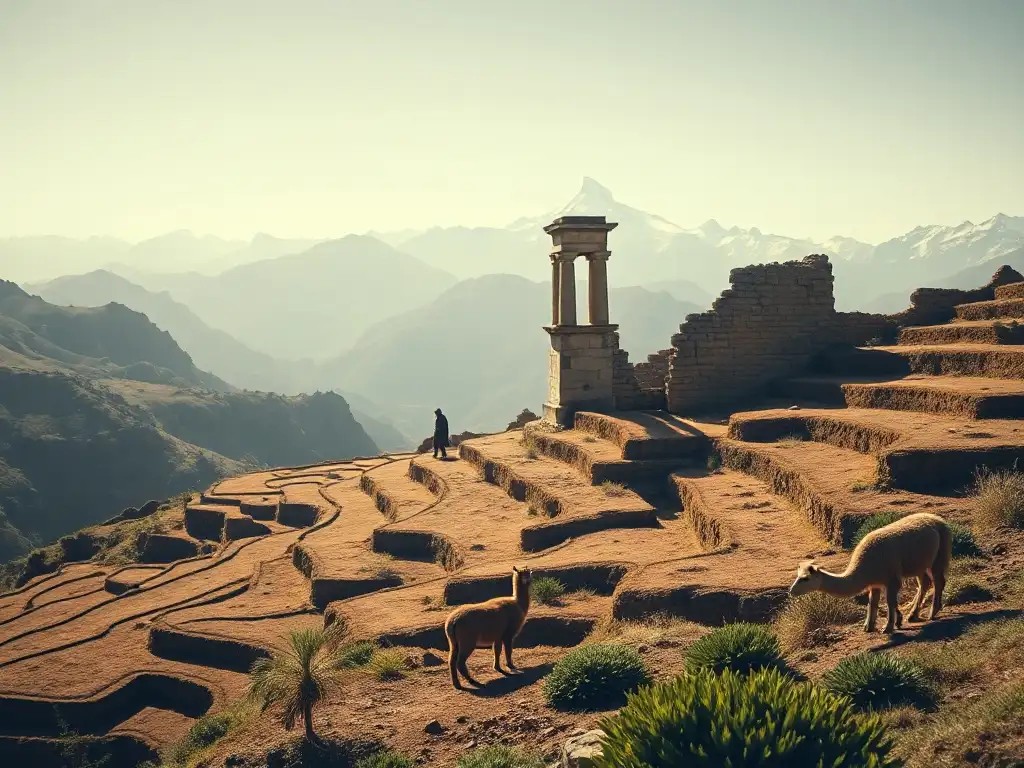
This section delves into the remarkable adaptation strategies employed by specific Andean civilizations, showcasing their ingenuity in overcoming the challenges of the high-altitude environment. Understanding these techniques provides crucial insight into the resilience and sophistication of these ancient cultures. We will explore how the Incas and Tiahuanaco cultures, among others, mastered the art of survival and prosperity in the harsh Andean landscape, offering compelling examples of Ancient Andean adaptation techniques.
The Inca Empire and Their Mastery of High-Altitude Agriculture
The Inca Empire, renowned for its vast territorial expanse and sophisticated political organization, also demonstrated exceptional agricultural prowess. Their success in cultivating food at extreme altitudes was pivotal to their dominance and longevity. This achievement was not merely a matter of luck but rather a testament to their understanding of the environment and their capacity for innovation. Their agricultural practices represent a pinnacle of Ancient Andean adaptation techniques.
The Use of Raised Fields (Waru Waru)
One of the most impressive Inca agricultural innovations was the waru waru system. These raised fields, constructed from earth and organic matter, created microclimates that were warmer and better drained than the surrounding areas. This allowed for increased yields, even in areas prone to flooding or frost. Evidence suggests that waru waru fields were not just for crop production; they also played a role in water management and soil fertility enhancement.
The construction and maintenance of these fields required significant labor and planning, highlighting the Inca's commitment to agricultural productivity. Analysis of surviving waru waru systems reveals complex designs tailored to specific micro-environments, showcasing a deep understanding of hydrology and soil science. This intricate system stands as a powerful example of sophisticated Ancient Andean adaptation techniques.
The Development of Freeze-Dried Food (Chuño)
Another vital Inca adaptation to the high-altitude environment was the development of chuño, a freeze-dried potato. This preservation technique allowed the Incas to store potatoes for extended periods, mitigating the risks associated with unpredictable harvests and ensuring food security throughout the year. The process, involving repeated freezing and thawing cycles, removes moisture from the potatoes, significantly extending their shelf life.
The production of chuño was not merely a preservation method; it was an integral part of the Inca food system, allowing them to sustain large populations in challenging environments. The widespread use of chuño across the Inca Empire underscores its importance as a critical element of their Ancient Andean adaptation techniques. Furthermore, the nutritional value of chuño remained largely intact, providing a reliable source of carbohydrates and essential nutrients even during lean times.
The Tiahuanaco Culture and Their Ingenious Engineering
The Tiahuanaco culture, flourishing in the Altiplano region of the Andes, also developed remarkable adaptation strategies. Their achievements in engineering and water management are particularly noteworthy, showcasing their profound understanding of their environment and their ability to harness its resources. These sophisticated techniques are further evidence of the ingenuity behind Ancient Andean adaptation techniques.
Construction of Raised Platform Mounds
The Tiahuanaco people constructed massive raised platform mounds, serving multiple purposes. These structures were not simply ceremonial sites; they also played an important role in agricultural production and water management. The elevated platforms provided better drainage and warmer microclimates for crops, while also providing protection from frost and strong winds.
The scale and precision of these constructions demonstrate a high level of organizational ability and engineering expertise. The construction of these mounds required a significant mobilization of labor and resources, reflecting the importance of agriculture in Tiahuanaco society. These impressive structures stand as a testament to the ingenuity of Ancient Andean adaptation techniques.
Sophisticated Canal Systems for Water Management
In addition to raised platforms, the Tiahuanaco culture developed sophisticated canal systems to manage water resources. These canals, expertly engineered to channel water from distant sources, provided irrigation for agriculture and also served domestic purposes. The precise alignment and construction of these canals indicate a deep understanding of hydraulics and engineering principles.
The effectiveness of these systems is evident in the successful cultivation of crops in an otherwise arid environment. The Tiahuanaco canal systems, therefore, serve as a compelling example of the remarkable Ancient Andean adaptation techniques employed by this advanced civilization. The intricate network of canals demonstrates a sophisticated understanding of water resource management, crucial for survival in the high-altitude environment.
Other Andean Cultures and Their Unique Approaches
The Andes Mountains presented a diverse range of environmental challenges, demanding ingenuity and flexibility from the cultures that inhabited them. While the Inca, Moche, Nazca, and Tiahuanaco civilizations are frequently highlighted for their remarkable adaptations, numerous other groups developed equally impressive strategies for survival and prosperity in this demanding landscape. Understanding these diverse approaches reveals a rich tapestry of human resilience and innovation in the face of extreme environmental conditions.
The specific techniques varied greatly depending on the altitude, climate, and available resources of each region, highlighting the remarkable adaptability of Andean peoples. These adaptations weren't simply about survival; they were integral to the development of complex social structures, sophisticated technologies, and vibrant cultural expressions. The ingenuity of these ancient Andean communities continues to inspire awe and admiration.
The Wari and Their Terraced Agricultural Expansion
The Wari civilization, flourishing between the 6th and 10th centuries CE, demonstrated exceptional skill in managing their agricultural resources. Unlike some of their contemporaries who focused on localized strategies, the Wari expanded their agricultural production through a sophisticated system of terraced farming. This involved carving intricate terraces into steep hillsides, creating level platforms for cultivation.
This wasn't just a matter of increasing arable land; the terraces also served crucial hydrological functions. They helped to control water flow, preventing erosion and ensuring consistent irrigation, even in areas with limited rainfall. The Wari's mastery of terracing is evident in the extensive remains found throughout the Andes, showcasing their remarkable engineering capabilities and their understanding of both agricultural and hydrological principles.
The scale of their terraced agriculture suggests a highly organized society capable of undertaking large-scale collaborative projects, reflecting a powerful centralized state with sophisticated planning and management systems. The effectiveness of their system allowed for significant population growth and the expansion of their influence across a vast territory.
The Chachapoya and Their Cloud Forest Adaptation
The Chachapoya, known as the "Cloud People," inhabited the cloud forests of northern Peru. Their adaptation strategies differed significantly from those of cultures living in higher, drier altitudes. The cloud forest, characterized by its unique microclimates and abundant rainfall, presented both opportunities and challenges. The Chachapoya developed sophisticated techniques for exploiting the rich biodiversity of the cloud forest.
They cultivated a variety of crops adapted to the humid conditions, and their knowledge of medicinal plants was renowned. Their settlements, often perched on dramatic cliffsides, were strategically located to take advantage of the natural resources and offer protection. Remarkably, they also constructed impressive suspension bridges across deep gorges, demonstrating their advanced engineering skills and their ability to navigate the challenging terrain.
These bridges were not just feats of engineering; they facilitated trade, communication, and social interaction across geographically isolated communities. The Chachapoya's adaptation to the cloud forest highlights the remarkable diversity of Andean strategies, demonstrating that successful adaptation involved not only mastering agriculture but also understanding and utilizing the unique characteristics of a specific environment. Their ingenuity allowed them to thrive in a challenging, yet resource-rich, ecosystem.
The Legacy of Ancient Andean Adaptation
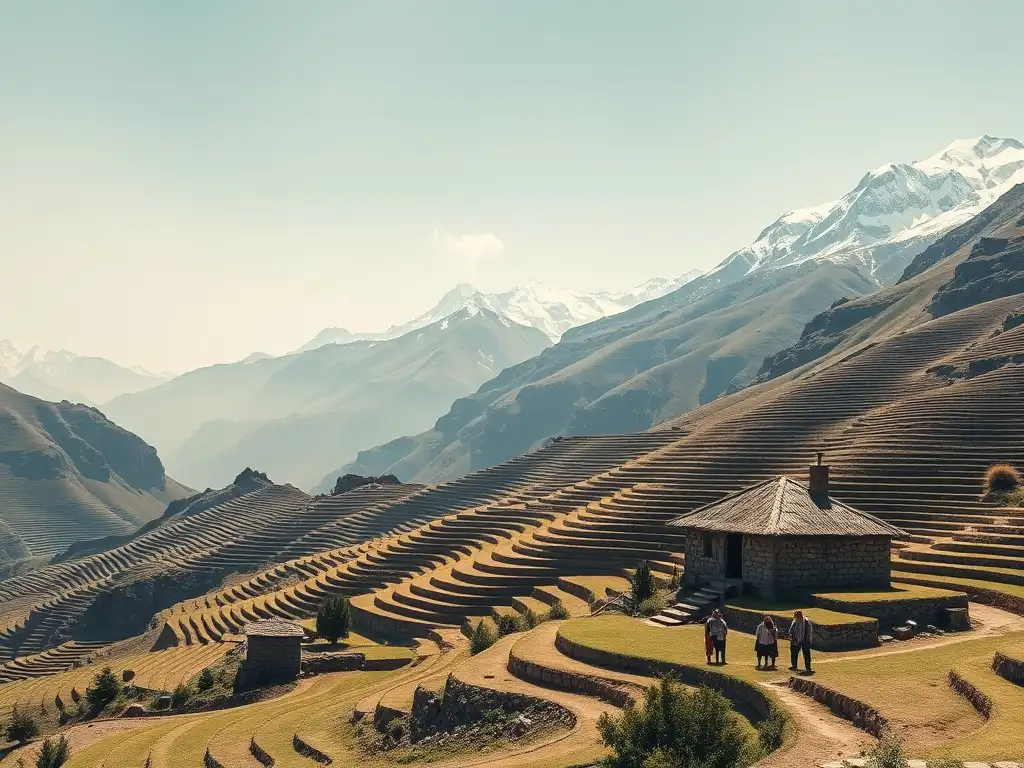
The ingenuity of ancient Andean civilizations in adapting to the extreme altitudes of the Andes Mountains continues to fascinate and inspire. Their sophisticated techniques weren't merely survival strategies; they were integral to the development of complex societies, vibrant cultures, and remarkable achievements in agriculture, engineering, and social organization. Understanding these ancient Ancient Andean adaptation techniques offers valuable insights into human resilience and provides a rich source of knowledge for addressing contemporary environmental challenges. The legacy extends beyond historical accounts; it's woven into the very fabric of Andean life today.
Lessons for Modern Sustainability
Ancient Andean societies faced environmental constraints similar to those we confront today: resource scarcity, climate variability, and the need for sustainable practices. Their solutions, often rooted in deep ecological understanding, offer valuable lessons for modern sustainability initiatives. For example, the waru waru agricultural system, characterized by raised beds and irrigation channels, significantly increased crop yields while conserving water—a crucial technique in arid and high-altitude environments. This system, still practiced in some areas, demonstrates the effectiveness of ancient techniques in mitigating drought and enhancing food security.
Similarly, their terracing methods, meticulously carved into mountain slopes, prevented soil erosion and maximized arable land. These weren't simply agricultural practices; they were holistic approaches to land management that ensured long-term productivity. Analyzing these Ancient Andean adaptation techniques reveals principles of resource efficiency and ecological balance that are directly applicable to contemporary sustainable agriculture and water management.
The use of locally sourced materials in construction, minimizing environmental impact, also stands out. The Incas, for instance, masterfully utilized stone and other readily available resources in their impressive architectural feats, showcasing a deep understanding of sustainable building practices. This approach contrasts sharply with modern practices often reliant on resource-intensive, unsustainable materials. Studying these methods can inspire the development of environmentally conscious building techniques, reducing our carbon footprint and promoting ecological harmony.
The Enduring Impact on Andean Culture
The Ancient Andean adaptation techniques weren't merely technological achievements; they were deeply intertwined with the cultural and spiritual beliefs of these societies. Their understanding of the environment was not separate from their worldview; it was integrated into their social structures, religious practices, and artistic expressions. This holistic approach fostered a profound respect for the natural world, a perspective that continues to shape Andean cultures today. Many indigenous communities retain traditional agricultural practices, preserving ancient knowledge and demonstrating the enduring relevance of these techniques.
This cultural continuity is not merely historical; it’s a living testament to the effectiveness and resilience of these ancestral methods. The knowledge is passed down through generations, ensuring that these valuable Ancient Andean adaptation techniques remain relevant and adaptable to changing environmental conditions. The preservation of this cultural heritage is crucial for understanding the long-term sustainability of these methods and their application in modern contexts.
Preserving the Knowledge of Ancient Adaptation Techniques
Preserving and promoting the knowledge of ancient Andean adaptation techniques is critical for several reasons. First, it safeguards a valuable cultural heritage, ensuring the continuity of traditional practices and knowledge systems. Second, it offers a rich source of inspiration for addressing modern environmental challenges, providing sustainable solutions rooted in ancient wisdom. Third, it promotes a deeper understanding of the intricate relationship between human societies and their environment, highlighting the importance of ecological balance and resource management.
However, challenges remain. The transmission of this knowledge is often oral, relying on elders and community members, making it vulnerable to loss. Documentation efforts, community-based initiatives, and the integration of traditional knowledge into modern educational systems are crucial for preserving and disseminating this invaluable legacy.
Furthermore, supporting indigenous communities in the continued practice and innovation of these methods is essential to ensuring the long-term survival of these vital Ancient Andean adaptation techniques. The future of sustainable development hinges, in part, on recognizing and utilizing the wisdom embedded within these ancient practices. Active preservation efforts are not just about the past; they are crucial for a sustainable future.
Conclusion: A Testament to Human Ingenuity
The ingenuity of the ancient Andean civilizations in adapting to their challenging environment is truly remarkable. Their sophisticated agricultural techniques, innovative architectural designs, and complex social structures all served as powerful tools for survival and prosperity in the face of extreme altitudes, unpredictable weather patterns, and scarce resources. The legacy of these adaptations continues to inspire awe and admiration, demonstrating the remarkable capacity of human beings to overcome seemingly insurmountable obstacles.
Their achievements serve as a powerful reminder of the importance of understanding and respecting the delicate balance between human societies and their environment. Studying these ancient Andean adaptation techniques provides invaluable lessons for contemporary societies grappling with similar challenges, such as climate change and resource scarcity. The enduring impact of their innovations underscores the lasting power of human resilience and creativity in the face of adversity.
Their story is a testament to the remarkable ability of human ingenuity to not only survive but thrive, even in the most challenging of circumstances. The sophisticated understanding of their environment and the development of sustainable practices offer a rich tapestry of knowledge for modern societies seeking to create a more sustainable future. Their success stands as a powerful example of the profound connection between human innovation and environmental adaptation.
Frequently Asked Questions
What environmental challenges did ancient Andean civilizations face?
The Andean civilizations faced extreme altitudes, variable climates, and scarce resources such as water and arable land. These factors significantly impacted their survival and development.
How did ancient Andean people adapt to high altitudes?
Andean populations adapted through physiological changes over generations, developing increased lung capacity and higher red blood cell counts. They also used agricultural techniques suited to the thin air and steep slopes.
What agricultural techniques did Andean civilizations employ?
They developed sophisticated techniques like terracing, irrigation systems, and crop diversification to maximize food production in challenging terrains. Waru Waru agricultural systems were particularly effective.
What role did llamas and alpacas play in Andean adaptation?
Llamas and alpacas provided essential resources like meat, wool, and transportation. Their adaptability to high altitudes made them invaluable to Andean economies and survival.
How did Andean societies adapt their architecture to the environment?
Andean architecture skillfully utilized locally sourced materials and adapted to the landscape. Stone structures were built to withstand earthquakes and harsh weather conditions, demonstrating remarkable engineering skills.
Final Reflection: Echoes of Resilience in the Andes
The ingenuity of ancient Andean civilizations in adapting to extreme altitudes remains a powerful testament to human resilience, a lesson urgently relevant in our era of accelerating climate change. Their innovative solutions, from sophisticated agricultural techniques to breathtaking architectural marvels, offer invaluable insights into sustainable living and resource management, challenges we face with increasing intensity today. Understanding their strategies is not simply an academic exercise; it's a crucial step towards building a more sustainable future.
The enduring legacy of Andean adaptation continues to shape the cultural landscape of the region, influencing everything from agricultural practices to spiritual beliefs. The profound connection between the people and their environment, a relationship forged through centuries of adaptation, is a powerful reminder of our own interconnectedness with the natural world. The mountains are not just mountains, but the very foundation of our being.
- This sentiment, though paraphrased, captures the deep-seated relationship between the Andean people and their environment, a relationship that underscores the importance of respecting and understanding the delicate balance of ecosystems.
Consider the challenges faced by these ancient cultures – scarce resources, harsh climates, and treacherous terrain – and reflect on the resourcefulness they demonstrated. You too possess an innate capacity for adaptation, a resilience that can be harnessed to overcome obstacles and build a more sustainable and fulfilling life. Embrace the spirit of innovation and ingenuity that characterized these ancient societies; let their story inspire you to find creative solutions to the challenges you face, and to contribute to a future where human ingenuity and environmental stewardship work hand-in-hand.
Embrace the Challenge: Thrive in New Heights!
Thank you for exploring the fascinating ways ancient cultures thrived in extreme altitudes. You've discovered valuable lessons in resilience and adaptation that can enrich your own life. Now, let's put these insights into practice.
Here are some powerful ways to embrace new challenges:
- Reflect on your personal obstacles: Identify a current personal or professional challenge. Consider how the adaptive strategies of ancient civilizations—their resourcefulness, community support, and innovative problem-solving—can help you overcome it.
- Connect with others: Join a community group or online forum focused on personal growth or overcoming challenges. Sharing your experiences and learning from others can provide valuable support and fresh perspectives.
- Step outside your comfort zone: Plan a hike in the mountains, try rock climbing, or engage in another activity that pushes your physical and mental limits. Experiencing the challenges of a new environment can be incredibly rewarding.
What's a challenge you've overcome that led to personal growth? Share your story below and inspire others!