
The Story of Andean Weaving: A Chronicle of Adaptation

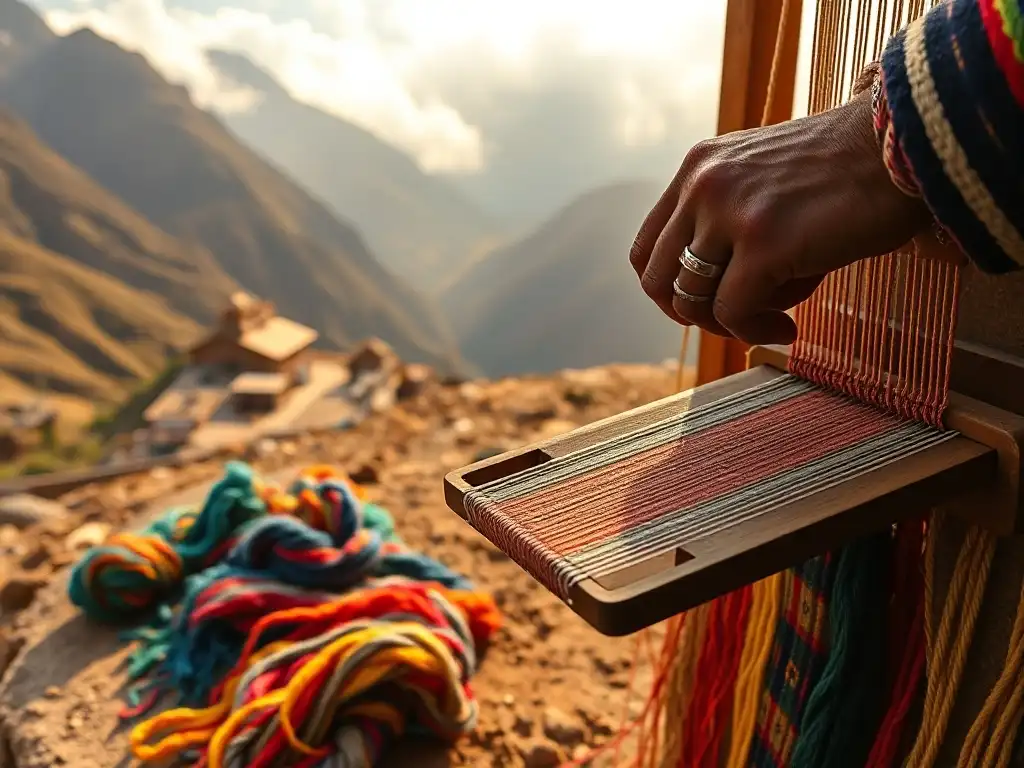
Unravel the mysteries of a lost world where vibrant threads whispered tales across millennia. Dive into the captivating story of Andean textiles, a testament to ingenuity and adaptation in the face of challenging environments. Discover how the intricate artistry of Andean weaving reflects not only breathtaking skill, but also a profound connection to the land and the cosmos. Prepare to be amazed by the secrets woven into the very fabric of Andean history—a journey through time awaits.
The Andes Mountains, a colossal spine running down the western coast of South America, presented ancient civilizations with a formidable yet fertile challenge. Harsh, high-altitude environments demanded ingenuity and adaptation in all aspects of life, and nowhere is this more evident than in the remarkable story of Andean textiles.
This article delves into the fascinating history of Andean weaving, exploring its origins, evolution, and the profound relationship between textile production and the unique Andean landscape. We will examine how the ingenuity of Andean cultures transformed readily available resources into stunningly intricate and durable textiles, reflecting not only their artistic prowess but also their deep understanding of their environment and the practical necessities of survival in challenging conditions.
From the earliest known examples to the complex tapestries of the Inca Empire, Andean textiles offer a compelling narrative of human resilience, creativity, and adaptation, providing a rich tapestry – quite literally – of insights into the "Andean textiles history."
The Origins of Andean Textiles: A Deep Dive into Ancient Techniques
The earliest evidence of textile production in the Andes dates back millennia, pushing the boundaries of our understanding of early human innovation. Archaeological discoveries, particularly in Peru, reveal a sophisticated understanding of fiber preparation and weaving techniques that predate many other cultures. Early Andean peoples skillfully utilized readily available fibers such as cotton and camelid wools (alpaca, llama, and vicuña), mastering techniques like spinning, dyeing, and weaving to create functional and decorative textiles.
The development of these techniques was not merely a matter of artistic expression; it was crucial for survival. Textiles provided warmth in the frigid mountain air, protection from harsh weather conditions, and served as essential components in daily life, from clothing and shelter to ritual objects and trade goods.
The intricate nature of some of the earliest surviving textiles suggests a level of communal knowledge and specialized labor, hinting at the social and economic significance of textile production within these early Andean societies. Further research is needed to fully understand the evolution of specific techniques, particularly those related to complex dyeing processes, but the evidence clearly points towards a long and continuous tradition of textile innovation.
Early Andean Weaving Traditions: The Paracas Culture and its Textile Legacy
The Paracas culture (ca. 800-100 BCE), flourishing on the south coast of Peru, left behind an extraordinary textile legacy. Paracas textiles are renowned for their vibrant colors, intricate designs, and the exceptional skill demonstrated in their creation.
Unlike many other ancient cultures, the Paracas people employed a wide range of weaving techniques, including tapestry, embroidery, and gauze, showcasing a remarkable mastery of textile artistry. Their textiles featured complex iconography, often depicting mythical creatures, deities, and scenes from daily life, providing invaluable insights into their beliefs, social structures, and worldview. The use of richly colored natural dyes, derived from plants and minerals found in the Andean landscape, further highlights the close relationship between the Paracas culture and its environment.
The sheer quantity and quality of Paracas textiles unearthed from their elaborate burial sites underscore the importance of textiles in their society, suggesting a strong connection between textile production, social status, and religious practices. The legacy of Paracas weaving techniques and designs continues to inspire and influence textile artists today, serving as a testament to their enduring creativity and ingenuity.
The Development of Andean Textile Art: Materials and Dyes in Ancient Times
The mastery of Andean textile art wasn't solely about technique; it was also deeply intertwined with the selection and processing of materials. The Andes provided a diverse range of fibers, each with its unique properties. Cotton, grown in warmer valleys, provided softness and absorbency, while the wools of various camelids offered warmth and durability, their qualities varying depending on the animal and its altitude of origin. The preparation of these fibers involved meticulous processes, including cleaning, carding, and spinning, often carried out using rudimentary tools yet achieving remarkable results.
The creation of vibrant and long-lasting dyes was equally impressive. Andean artisans skillfully utilized a wide palette of natural dyes extracted from plants, insects, and minerals found throughout the region. Cochineal insects, for example, yielded a brilliant crimson, while various plants provided a spectrum of yellows, browns, and greens.
The precise recipes and techniques for preparing these dyes remain partially unknown, but the surviving textiles demonstrate a deep understanding of both color chemistry and the art of achieving rich, lasting hues. The combination of diverse materials and sophisticated dyeing techniques allowed Andean weavers to create textiles of unparalleled beauty and complexity, reflecting not only their artistic skill but also their profound connection to the Andean environment. The use of these natural resources and the development of sophisticated dyeing processes are crucial aspects of the story of Andean textiles, illustrating the ingenuity and resourcefulness of Andean civilizations.
Natural Fibers in Andean Textile Production: Alpaca, Llama, and Cotton Resources
The remarkable Andean textiles are a testament to the ingenuity of ancient Andean peoples in harnessing the resources available in their challenging environment. The high altitude Andean landscape offered unique fiber sources, primarily from camelids. Alpaca, renowned for its incredibly soft and luxurious fleece, was highly prized, producing yarns of exceptional fineness and warmth. This made alpaca textiles both luxurious and practical for the harsh Andean climate.
Llama fiber, coarser than alpaca but still durable and warm, provided a more readily available and affordable alternative, used extensively for clothing and everyday items. The resulting textiles varied in texture and quality, reflecting the social status of the wearer. Finely woven alpaca garments signified wealth and prestige, while llama wool was incorporated into textiles for the broader population.
Beyond camelid fibers, cotton thrived in the warmer, lower altitudes of the Andes. Different varieties of cotton, each possessing unique characteristics in terms of length, strength and softness of the fiber, allowed for the creation of textiles with diverse qualities. This crucial plant provided lighter and more breathable fabrics, ideal for warmer climates and often used in combination with camelid fibers to create garments suitable for a wide range of temperatures.
The skillful blending of cotton and camelid fibers demonstrates a profound understanding of material properties and the needs of diverse Andean communities. Evidence suggests careful selection and cultivation of both cotton and camelid species, reflecting a sophisticated agricultural system deeply intertwined with textile production. The ability to cultivate and process these different fibers showcases the adaptability and resourcefulness of Andean cultures in leveraging the unique features of their environment.
The Significance of Natural Dyes in Andean Fabric Art: Cochineal, Indigo, and Plant-Based Dyes
The vibrant colors of Andean textiles are not merely decorative; they are deeply symbolic, reflecting social status, religious beliefs, and regional identity. The achievement of these stunning hues relied on a mastery of natural dyes derived from a variety of sources. Cochineal, a scale insect found on prickly pear cacti, yielded a rich, intense crimson, highly prized and often associated with royalty and elite status.
The production of cochineal dye was a complex process, requiring careful cultivation of the host plants and meticulous harvesting and processing of the insects. This resource-intensive process further emphasizes the high value placed on the resulting vibrant red color.
Indigo, a deep blue dye obtained from the indigo plant, was another crucial colorant. The process of indigo dyeing involved multiple steps and required specialized knowledge to achieve the desired shade. The variations in shades of blue, from light to dark, were often used to convey different meanings within the textile art. Beyond cochineal and indigo, a vast array of plant-based dyes contributed to the rich palette of Andean textiles.
These included various barks, roots, flowers, and insects, each providing a unique hue and showcasing the extensive botanical knowledge of Andean communities. The precise recipes and techniques for dye preparation were often closely guarded secrets passed down through generations, adding an element of mystique and cultural significance to the art of Andean dyeing. The durability and brilliance of many of these ancient dyes are a testament to the skill and expertise of the Andean dyers.
Andean Weaving Techniques: From Basic Looms to Complex Patterns
Andean weaving techniques represent a sophisticated technological achievement, evolving over centuries to produce textiles of extraordinary complexity and beauty. While basic backstrap looms were widely used, particularly in rural areas, more advanced techniques and loom types were also employed. The development of these technologies was directly influenced by the available resources and the needs of the communities. The backstrap loom, a portable and versatile device, allowed weavers to produce textiles in a variety of sizes and designs. Its simplicity belies the skill and precision required to operate it effectively.
The creation of intricate patterns, geometric designs, and representational motifs required mastery of advanced weaving techniques. These included supplementary weft techniques, where additional threads were woven into the fabric to create intricate designs, and tapestry weaving, which allowed for the creation of multi-colored images. The precision and complexity of these techniques are remarkable, showcasing a deep understanding of textile construction and design.
The use of different types of knots, as well as the incorporation of varied fiber types and weights, added to the richness and complexity of the textiles. The diversity of techniques and designs found across different Andean regions reflects both local innovation and the exchange of ideas among different communities. The legacies of these ancient weaving practices continue to inspire contemporary textile artists and serve as a powerful testament to the ingenuity and artistry of Andean cultures.
The Backstrap Loom: A Fundamental Tool in Andean Textile History
The backstrap loom represents a cornerstone of Andean textile history, a testament to the ingenuity and adaptability of Andean cultures. This simple yet incredibly effective device, utilizing the weaver's own body weight and a sturdy backstrap, allowed for the creation of intricate and durable textiles for millennia. Its portability facilitated weaving in diverse Andean environments, from high-altitude plains to coastal valleys. The backstrap loom's enduring presence across various Andean cultures underscores its significance in their daily lives and spiritual practices.
Its use wasn't limited to a single ethnic group; rather, it became a unifying thread—pun intended—connecting diverse communities through a shared technological and artistic heritage. Variations in loom construction and weaving techniques emerged across different regions, reflecting the unique adaptations to specific ecological niches and cultural preferences. The backstrap loom's adaptability is evident in the sheer variety of textiles produced: from everyday garments and blankets to ceremonial cloths and intricate tapestries.
Its continued use in some Andean communities today serves as a living link to a rich and ancient past, showcasing the enduring power of this simple yet sophisticated technology. Studying the backstrap loom allows us to better understand the resourcefulness and innovative spirit that shaped Andean textile traditions and their remarkable longevity. The mastery of this tool is a crucial element in appreciating the depth and complexity of Andean textile history.
Andean Textile Patterns and Symbolism: Decoding the Woven Messages
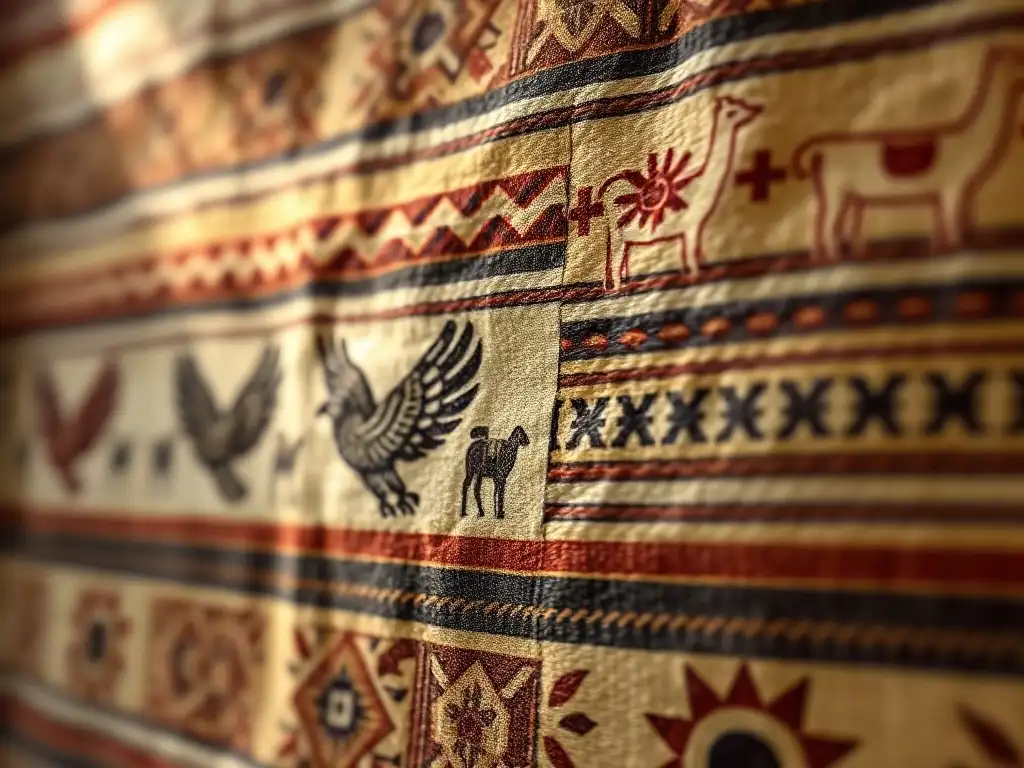
Andean textiles are far more than mere fabrics; they are vibrant repositories of cultural memory, storytelling through color, texture, and design. The patterns woven into these textiles are not arbitrary; they are rich with symbolism, conveying complex narratives about cosmology, social structures, and spiritual beliefs. Scholars have dedicated years to deciphering these intricate visual codes, uncovering layers of meaning embedded within seemingly simple motifs. For example, geometric patterns often represent the Andean worldview, reflecting the interconnectedness of the cosmos and the importance of balance between the earthly and spiritual realms.
Zoomorphic and anthropomorphic figures, woven with meticulous detail, frequently depict deities, ancestral spirits, or mythical creatures crucial to Andean mythology. The use of specific colors also holds deep symbolic weight, often linked to specific deities, seasons, or social status. Analyzing the patterns and colors together provides a holistic understanding of the messages encoded within each textile.
The careful study of Andean textile patterns has significantly contributed to our understanding of Andean cosmology, social organization, and religious practices. This intricate weaving of visual language demonstrates the sophisticated intellectual and artistic capabilities of Andean civilizations. The rich symbolism embedded in Andean textiles underscores their profound cultural significance and importance in understanding Andean "textiles history".
Symbolic Representations in Andean Textiles: The Chakana and its Meanings
Among the most recognizable symbols in Andean textiles is the Chakana, also known as the Inca cross. This potent symbol transcends mere aesthetic appeal; it carries deep cosmological and spiritual significance within Andean cultures. The Chakana's four arms, often depicted with stepped or terraced designs, represent the four cardinal directions, the four elements (earth, air, fire, water), and the four levels of reality in Andean cosmology: the underworld (Ukhu Pacha), the human world (Kay Pacha), and the upper world (Hana Pacha).
Its central point often symbolizes the axis mundi, the connection between these different realms. The Chakana's presence on textiles signifies a connection to the cosmos, a reflection of the Andean worldview that emphasizes the interconnectedness of all things. Variations in its depiction across different Andean cultures reveal subtle differences in interpretation and meaning, reflecting the diverse expressions of Andean spirituality.
The Chakana’s enduring presence in contemporary Andean art and culture highlights its continuing significance as a powerful symbol of Andean identity and spiritual heritage. The study of the Chakana in Andean textiles provides invaluable insights into the Andean worldview and its enduring influence on Andean art and culture, offering a compelling lens through which to examine the rich tapestry of Andean "textiles history". Its complex symbolism continues to fascinate and inspire, demonstrating the profound depth of Andean spiritual thought.
The Role of Andean Textiles in Society: Status, Ritual, and Daily Life
Andean textiles were far more than just clothing; they were integral to the social fabric of Andean societies, playing a significant role in daily life, signifying social status, and holding deep ritualistic importance. The production and use of textiles permeated all aspects of Andean life, from the humblest peasant to the most powerful emperor. The intricate designs, vibrant colors, and the sheer artistry involved in creating these textiles reflected the sophisticated understanding of the Andean worldview and their relationship with the environment.
Even the materials themselves—alpaca, llama, vicuña wool, and cotton—held symbolic meaning, with the rarer fibers often associated with higher social standing. The techniques employed, passed down through generations, represented a profound connection to ancestral knowledge and traditions. This deep-rooted connection to the land and the meticulous craftsmanship involved elevated textiles beyond mere utilitarian objects, transforming them into powerful symbols of identity and cultural continuity.
The very act of weaving itself was often a communal activity, fostering social bonds and reinforcing community ties. Understanding the multifaceted roles of Andean textiles is crucial to grasping the complexity and richness of Andean societies.
The Inca Empire, at the height of its power, utilized textiles as a powerful tool to reinforce social hierarchies. The elite, including the Sapa Inca (emperor) and the royal family, wore garments made from the finest vicuña and alpaca wool, often adorned with intricate gold and silver embellishments. These garments were not simply clothing; they were visual representations of power and authority.
The colors, patterns, and types of fiber used strictly adhered to a complex system of codes, instantly communicating the wearer's status and position within the social structure. For example, the toca, a type of headdress, varied significantly in design and material depending on the wearer's rank. Similarly, the llantu, a type of woven shawl, was a key indicator of social standing, with intricate designs and rare fibers reserved for the Inca royalty and high-ranking officials.
The production of these elite textiles was often overseen by specialized workshops, employing highly skilled artisans who were considered essential to the functioning of the Inca state. The control and distribution of these garments served as a powerful mechanism for maintaining social order and reinforcing the Inca's authority. The surviving examples of Inca elite textiles are testament to their extraordinary artistry and serve as invaluable sources for understanding Inca social structure.
Ritualistic Use of Andean Textiles: Shrouds, Offerings, and Ceremonial Garments
Beyond their everyday and social functions, Andean textiles played a crucial role in religious practices and rituals. Textiles were used to create shrouds for mummies, often adorned with intricate designs and symbols relating to the afterlife and the Andean cosmology. These textiles weren't simply burial cloths; they were integral parts of the funerary rites, intended to accompany the deceased on their journey to the spirit world.
Furthermore, textiles were frequently used as offerings to deities, often found in sacred sites and burial contexts. These offerings, sometimes intricately woven and richly colored, were believed to appease the gods and ensure the prosperity of the community. Ceremonial garments, worn by priests and participants in religious ceremonies, were also highly significant, often featuring elaborate designs and symbolic motifs representing deities, mythical creatures, and cosmological concepts.
The use of specific colors and patterns in these garments held deep symbolic meaning, reflecting the Andean worldview and the intricate relationship between the human and spiritual realms. The meticulous craftsmanship and symbolic richness of these ritual textiles highlight the profound religious significance of textiles within Andean culture, illustrating their role in mediating the relationship between the living and the spiritual world. The discovery of these textiles in archaeological contexts provides invaluable insights into Andean religious beliefs and practices.
Andean Textile Trade and Exchange: Its Impact on the Region
The vibrant tapestry of Andean textile history is inextricably linked to a complex network of trade and exchange that spanned vast distances and diverse cultures. The movement of textiles wasn't simply a matter of commerce; it was a powerful force shaping social structures, political alliances, and artistic expression across the Andes. From the coastal regions, where cotton flourished, to the high altitudes where camelids provided wool, the exchange of raw materials and finished goods fueled economic growth and cultural interaction.
This trade wasn't limited to the exchange of physical goods; it also facilitated the dissemination of weaving techniques, dyeing methods, and artistic motifs, leading to a remarkable degree of stylistic diversity and yet shared aesthetic principles across different Andean societies. The scale of this trade is evident in archaeological discoveries of textiles from distant regions found in tombs and elite contexts, demonstrating the reach and importance of these networks. For instance, the presence of coastal cotton textiles in highland sites, and vice versa, highlights the extensive trade routes and the interconnectedness of Andean societies.
The economic power derived from controlling these trade routes often translated into political influence, contributing to the rise and fall of various Andean civilizations. This dynamic interplay between trade, politics, and artistic expression profoundly shaped the development of Andean textile traditions. The sheer volume of textiles traded, along with the sophistication of the designs and techniques involved, underscores the significance of textile production and exchange in the overall Andean economy and social fabric.
The Influence of Trade on Andean Textile Designs: The Introduction of New Motifs
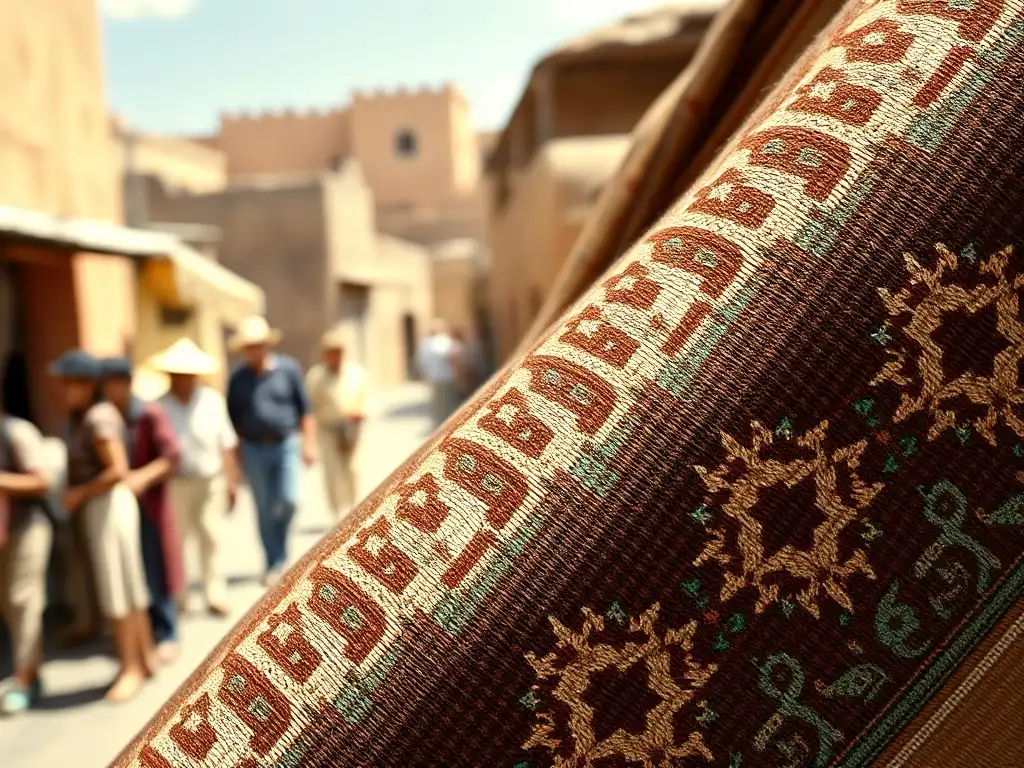
The exchange of textiles across the Andes wasn't merely a transfer of goods; it was a conduit for the transmission of artistic ideas and motifs. As different Andean cultures interacted through trade, they also exchanged aesthetic concepts, resulting in a fascinating blend of stylistic influences in their textile designs. New motifs, colors, and weaving techniques were introduced, enriching the existing artistic vocabularies of each culture.
For example, the vibrant colors and intricate patterns of coastal textiles might have influenced the highland styles, while the unique camelid wools of the highlands may have inspired new techniques in coastal weaving. The presence of certain motifs in geographically distant locations suggests the widespread dissemination of particular designs, perhaps through trade networks or intermarriage between communities. This cross-cultural exchange wasn't a simple process of copying; rather, it involved a creative adaptation and reinterpretation of existing motifs, resulting in unique regional styles that nevertheless shared a common Andean aesthetic.
The study of these shared designs and their variations across different regions provides valuable insight into the complex dynamics of Andean trade and cultural exchange. Analyzing the evolution of specific motifs over time helps to trace the flow of ideas and artistic influences across the vast Andean landscape. The subtle variations in design, color, and technique reflect the unique cultural adaptations and the ongoing process of creativity and innovation within the context of trade and exchange.
The Inca Empire and its Impact on Andean Textile Production
The Inca Empire's rise in the 15th century marked a significant turning point in Andean textile production. The Incas, known for their sophisticated administrative system and centralized control, standardized many aspects of textile production, creating a vast and well-organized system of textile workshops ( yacu ) throughout the empire. This standardization, however, didn't eliminate regional diversity. While imperial workshops produced textiles for the elite and for official use, featuring standardized designs and colors often employing imperial symbols, local styles and traditions continued to flourish in many areas.
The Inca state controlled the production and distribution of textiles, using them as a powerful tool for political control and social stratification. Fine textiles, often featuring intricate designs and using rare materials, were reserved for the Inca elite, while simpler textiles were produced for the common people. The Inca's organization of textile production facilitated the creation of massive quantities of textiles for clothing, ritual objects, and administrative purposes. Archaeological evidence shows the impressive scale of Inca textile production, with vast quantities of textiles found in storage facilities and royal tombs.
The Inca's mastery of textile technology and their centralized control over production significantly impacted the development of Andean textile traditions, creating a legacy that persists to this day. The standardization and control exerted by the Incas, while imposing certain limitations, also ensured the continuity and widespread dissemination of weaving techniques and artistic styles across the vast Andean empire. The Inca legacy in textile production is not just about standardization; it also highlights the empire's skillful management of resources and its ability to integrate diverse regional styles into a unified, yet varied, imperial aesthetic.
Inca Textile Standardization: The Implementation of Tapestry Weaves and their Distribution
The Inca Empire, known for its meticulous organization and control, extended its influence to the realm of textile production. Unlike the preceding cultures who often displayed regional stylistic variations in their weaving, the Inca implemented a system of standardization, particularly noticeable in the widespread use of tapestry weaves. This technique, involving the weaving of multiple colored threads together to create intricate designs, allowed for the mass production of textiles with consistent patterns and quality. This standardization wasn't simply an aesthetic choice; it served a crucial administrative purpose.
The Inca utilized textiles as a powerful tool for social control, distributing standardized clothing and textiles to different social strata. Royal garments, easily identifiable by their intricate designs and use of high-quality materials like vicuña wool, served as markers of status and power. Similarly, the distribution of standardized textiles to commoners served to unify the vast empire and reinforce Inca authority. The scale of this operation was remarkable, requiring a complex system of resource management, skilled artisans, and efficient distribution networks.
Archaeological evidence, such as the discovery of large quantities of standardized textiles in Inca storehouses, supports the scale of this imperial project. The standardization of Andean textiles under Inca rule represents a fascinating interplay between technological advancement, social engineering, and imperial control. This system, while imposing uniformity, also ensured the widespread availability of essential textiles throughout the vast Andean empire.
The Legacy of Andean Weaving: Continuity and Change
The Inca Empire's fall did not mark the end of Andean textile traditions. Rather, it ushered in a period of adaptation and evolution. While the centralized control of the Inca was gone, the intricate techniques and stylistic elements developed over centuries continued to influence textile production. Post-Inca communities creatively adapted existing techniques, incorporating new influences and developing regional variations.
For instance, the vibrant colors and intricate designs of earlier Andean cultures continued to appear, albeit often with modifications reflecting changing social structures and beliefs. The use of natural dyes, a hallmark of Andean textile production for millennia, persisted, with communities continuing to refine and experiment with different plant and insect-based pigments. The Spanish conquest introduced new materials and styles, leading to a fascinating fusion of indigenous and European influences. However, even in the face of colonization, Andean weavers demonstrated remarkable resilience, maintaining core aspects of their ancient traditions while adapting to new circumstances.
The continuity of Andean weaving traditions through periods of significant social and political upheaval highlights the enduring importance of textiles in Andean cultures. Their ability to adapt and innovate ensured the survival and evolution of this ancient craft. The legacy isn't just a matter of technique; it's a testament to cultural resilience and creative adaptation.
Andean Textile Traditions Today: Preserving the Ancient Craft
Andean textile traditions continue to thrive in the 21st century. While facing challenges such as globalization and the competition of mass-produced textiles, communities across the Andes are actively working to preserve and revitalize their ancient crafts. Many communities maintain traditional weaving practices, passing down knowledge and skills from one generation to the next. This transmission of knowledge often occurs within families, with women playing a particularly vital role.
Efforts to document and preserve traditional techniques are underway, with researchers and artisans collaborating to create detailed records of weaving methods and designs. Furthermore, the growing global appreciation for handcrafted textiles has created new opportunities for Andean weavers. The sale of traditional textiles provides income for communities, helping to support the continuation of these ancient practices. However, challenges remain.
The competition from mass-produced textiles, economic pressures, and the loss of traditional knowledge pose threats to the sustainability of these traditions. Efforts to support Andean textile traditions today involve not only preserving traditional techniques but also finding ways to integrate them into modern markets, ensuring the economic viability of this ancient craft for future generations. This ensures that the rich history and cultural significance of Andean textiles continue to flourish. The preservation of these traditions is crucial not only for economic reasons but also to safeguard a significant part of Andean cultural heritage.
Modern Interpretations of Andean Textile Design: Nilda Callanaupa Alvarez
Nilda Callanaupa Alvarez stands as a prominent figure in the contemporary revival and reinterpretation of Andean textile traditions. Her work isn't simply a replication of ancient techniques; it's a powerful conversation between past and present, a vibrant dialogue that honors ancestral knowledge while forging new paths in textile art. Callanaupa Alvarez, hailing from the Chinchero region of Peru, a place deeply rooted in textile history, masterfully blends traditional Andean weaving methods with modern artistic sensibilities.
Her designs often incorporate bold colors, innovative patterns, and contemporary themes, while always retaining a deep respect for the intricate techniques passed down through generations. This approach allows her to create textiles that resonate with both traditional Andean aesthetics and a global audience.
Her commitment to sustainability is another defining aspect of her work. She utilizes natural dyes derived from plants and minerals found in the Andean landscape, thereby minimizing environmental impact and maintaining a connection to the land that has shaped Andean textile traditions for millennia. This commitment extends to her sourcing of materials; she prioritizes locally sourced alpaca and llama fibers, supporting local communities and promoting ethical production practices.
This dedication to sustainability underscores the profound relationship between Andean textiles and the environment, a relationship that has been crucial to the survival and cultural expression of Andean communities for centuries. The very fibers she uses tell a story of adaptation, resilience, and the enduring bond between humans and nature in the Andes.
Callanaupa Alvarez’s influence extends beyond her individual artistry. She actively works to preserve and promote Andean weaving traditions through workshops and educational initiatives. By teaching younger generations these intricate techniques, she ensures that the knowledge and skills necessary to create these magnificent textiles are not lost.
She serves as a vital link between the past and the future, safeguarding a cultural heritage that is both exceptionally rich and deeply intertwined with the unique characteristics of the Andean environment. Her work is a testament to the enduring power of Andean textile traditions and their remarkable capacity for adaptation and reinvention.
The vibrant colors and intricate designs of her textiles are not merely aesthetic achievements; they are a powerful narrative of cultural preservation, sustainable practices, and the enduring spirit of Andean artistry. Her work serves as a compelling example of how ancient techniques can be reinterpreted and reimagined for a contemporary audience, while still preserving the essence of their rich history and cultural significance within the broader context of Andean textiles history.
- The Origins of Andean Textiles: A Deep Dive into Ancient Techniques
- Early Andean Weaving Traditions: The Paracas Culture and its Textile Legacy
- The Development of Andean Textile Art: Materials and Dyes in Ancient Times
- Natural Fibers in Andean Textile Production: Alpaca, Llama, and Cotton Resources
- The Significance of Natural Dyes in Andean Fabric Art: Cochineal, Indigo, and Plant-Based Dyes
- Andean Weaving Techniques: From Basic Looms to Complex Patterns
- The Backstrap Loom: A Fundamental Tool in Andean Textile History
- Andean Textile Patterns and Symbolism: Decoding the Woven Messages
- Symbolic Representations in Andean Textiles: The Chakana and its Meanings
- The Role of Andean Textiles in Society: Status, Ritual, and Daily Life
- Andean Textiles as Markers of Social Status: The Inca Elite and their Clothing
- Ritualistic Use of Andean Textiles: Shrouds, Offerings, and Ceremonial Garments
- Andean Textile Trade and Exchange: Its Impact on the Region
- The Influence of Trade on Andean Textile Designs: The Introduction of New Motifs
- The Inca Empire and its Impact on Andean Textile Production
- Inca Textile Standardization: The Implementation of Tapestry Weaves and their Distribution
- The Legacy of Andean Weaving: Continuity and Change
- Andean Textile Traditions Today: Preserving the Ancient Craft
- Modern Interpretations of Andean Textile Design: Nilda Callanaupa Alvarez
Frequently Asked Questions
What makes Andean textiles historically significant?
Andean textiles are historically significant due to their remarkable craftsmanship, complex iconography, and use of unique techniques passed down through generations, reflecting the societies that created them. They provide invaluable insights into Andean cultures.
How did the environment influence Andean textile production?
The diverse Andean landscape profoundly impacted textile production. Access to different fibers like alpaca, llama, and cotton, dictated the types of textiles produced and their characteristics. Altitude and climate also played a crucial role in the dyeing processes.
What are some key characteristics of ancient Andean textiles?
Ancient Andean textiles are characterized by their intricate designs, vibrant colors, and the use of advanced weaving techniques such as tapestry, brocade, and resist dyeing. These techniques were highly sophisticated for their time.
Which Andean cultures are most known for their textiles?
Many Andean cultures excelled at textile production, but the Inca, Moche, Nazca, and Paracas are particularly renowned for their sophisticated techniques and artistic styles. Each culture developed its own unique aesthetic.
Where can I learn more about the history of Andean textiles?
You can explore museums with Andean textile collections, research academic publications on Andean archaeology and textile history, and visit websites dedicated to Andean culture. Many resources delve into the specific techniques and symbolism within these textiles.
Final Reflection: The Enduring Threads of Andean Weaving
The vibrant artistry of Andean textiles continues to resonate today, a testament to the ingenuity and resilience of a culture that has adapted and thrived for millennia. These aren't simply historical artifacts; they are living legacies, reflecting a deep connection to the land, a sophisticated understanding of natural dyes, and an unparalleled mastery of intricate weaving techniques that continue to inspire awe and admiration. The enduring power of these textiles speaks volumes about the enduring spirit of the Andean people.
The impact of Andean weaving extends far beyond the realm of aesthetics. It represents a profound connection to ancestral knowledge, a system of storytelling passed down through generations, and a powerful symbol of cultural identity. The intricate designs, often imbued with deep spiritual and symbolic meaning, continue to inform contemporary art and fashion, demonstrating the timeless appeal of this ancient craft. The threads themselves are a history, a living record of the Andean people's journey through time.
– (This quote needs to be replaced with a relevant quote from your research or a quote you create that fits the tone). This legacy demands our respect and understanding.
Consider, for a moment, the intricate patterns, the vibrant colors, the sheer skill involved in creating these masterpieces. Now, imagine the stories woven into each thread, the lives lived and lessons learned, passed down through generations. You, too, can become a part of this enduring narrative. Seek out opportunities to learn more about Andean weaving, support artisans who continue this tradition, and appreciate the rich cultural heritage embedded within each piece. Let the threads inspire you to connect with your own heritage and the rich tapestry of human creativity.
Embrace the Art of Andean Weaving Today!
Thank you for exploring the incredible world of Andean weaving! We hope you've discovered the rich history and cultural significance of this ancient craft. Now, let's put your inspiration into action and become part of this vibrant tradition.
Here are some ways you can get involved:
- Support Andean weavers by purchasing their unique creations at local artisan markets or online shops. Your purchases directly help preserve this age-old craft.
- Share your appreciation of Andean weaving with friends and family. Host a gathering to discuss its history and beauty, celebrating this rich cultural heritage together.
- Learn to weave! Consider taking a weaving workshop, either in person or online. This hands-on experience will deepen your understanding and appreciation of the craft and its cultural importance.
What aspect of Andean weaving inspires you most, and how will you continue to celebrate this beautiful tradition? We'd love to hear your thoughts!