
The Secrets of Andean Textile Production: Adapting to the Climate

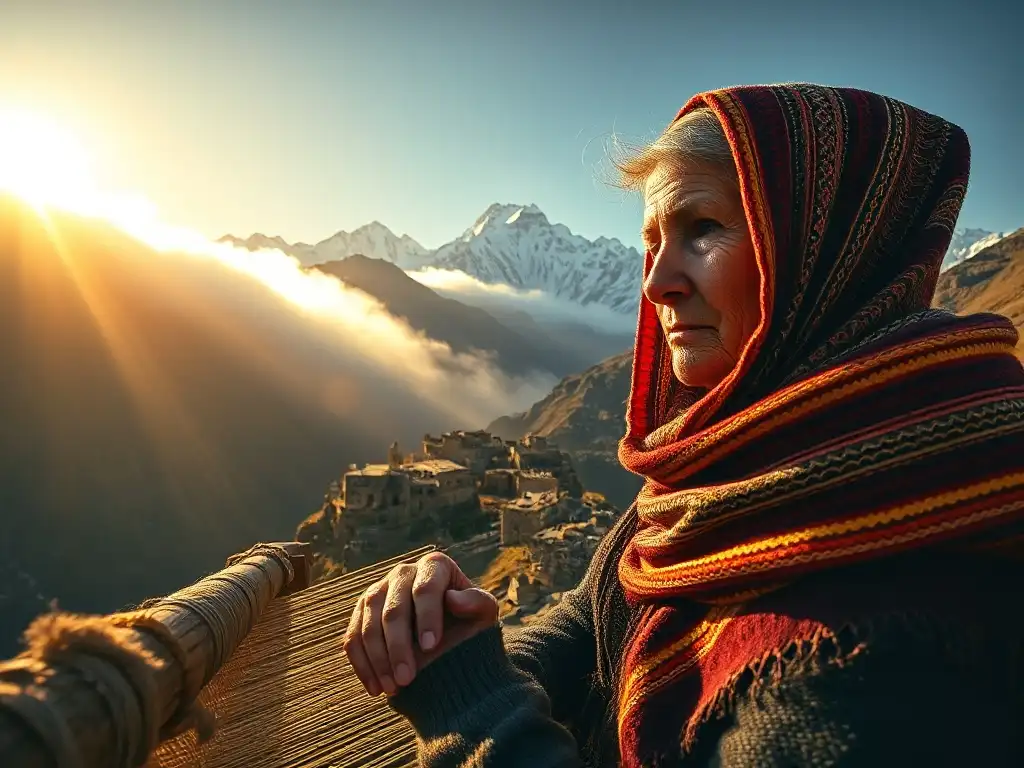
Step into a world woven from threads of ingenuity and resilience. For centuries, the Andean civilizations mastered the art of textile production, creating masterpieces that not only adorned their lives but also reflected their deep understanding of the challenging Andean environment. Discover how their innovative techniques in Andean textiles climate adaptation allowed them to thrive in the face of extreme conditions. Unravel the secrets behind their extraordinary achievements – a story of survival, artistry, and remarkable adaptation that will leave you captivated.
The Andes Mountains, a spine of towering peaks and diverse ecosystems, presented ancient Andean civilizations with a formidable yet inspiring challenge: how to thrive in a landscape of extreme climatic variation. This article delves into the ingenious strategies employed by these cultures, focusing on their textile production as a microcosm of their broader adaptation to the environment.
From the high-altitude puna grasslands to the coastal deserts, the ingenuity of Andean textile production reflects a deep understanding of their environment and a remarkable ability to harness its resources. We'll explore how climate directly influenced fiber selection, dyeing techniques, and the very structure of the textiles themselves, revealing the intricate relationship between Andean textiles and climate adaptation.
Understanding this connection unveils a fascinating story of human resilience and innovation in the face of environmental adversity, showcasing the profound impact of climate on Andean culture and technology. The remarkable legacy of Andean textiles stands not only as a testament to artistic skill but also as a powerful example of sustainable living in challenging conditions, offering valuable lessons for contemporary societies grappling with climate change.
Andean Textile Heritage and Environmental Challenges
Andean textile production represents a sophisticated interplay between human ingenuity and environmental constraints. The diverse climates of the Andes – ranging from arid coastal regions to frigid alpine zones – dictated the availability of raw materials and influenced the techniques used to process and weave them. The high altitude, characterized by intense solar radiation, freezing temperatures, and unpredictable weather patterns, presented significant challenges.
These conditions influenced everything from the types of fibers used (alpaca, llama, vicuña, cotton) to the intricate weaving techniques developed to create durable and protective garments. Furthermore, the availability of water, essential for dyeing and processing, varied considerably across different regions, necessitating resourceful approaches to water management in textile production. The complex relationship between Andean textile production and the environment is beautifully illustrated by the diversity of textiles themselves, each reflecting the specific climatic and ecological conditions of its origin.
The textiles themselves weren't just clothing; they were statements of cultural identity, economic status, and adaptation to a challenging landscape. For example, the thick, warm textiles of the high Andes contrast sharply with the lighter, breathable fabrics produced in the warmer coastal areas. This diversity underscores the adaptability and resilience of Andean cultures.
The Role of Climate in Andean Fiber Selection
The choice of fiber was paramount in Andean textile production, directly influenced by the prevailing climate of the region. In the high-altitude puna, where temperatures fluctuate dramatically, camelids like alpaca and llama provided the ideal fibers. Their fleece, naturally insulating, offered protection against the harsh cold and strong winds. The longer, finer vicuña fiber, prized for its softness and warmth, was reserved for elite members of society, reflecting its scarcity and the challenging conditions of its harvesting.
In contrast, the warmer coastal regions allowed for the cultivation of cotton, a more lightweight and breathable fiber suited to the milder climate. The selection of these fibers wasn't arbitrary; it was a carefully considered response to the specific climatic conditions. Furthermore, the processing of these fibers also reflected climate adaptation. The methods employed for spinning, dyeing, and weaving were often tailored to the available resources and environmental limitations.
For example, the drying processes for fibers would vary significantly depending on the level of humidity and sunlight in a particular region. The ingenuity of these adaptations highlights the profound understanding of the Andean people concerning their environment and its impact on their craft. This intimate relationship between climate, fiber selection, and textile production is a crucial element in understanding the remarkable resilience and adaptability of Andean civilizations.
High Altitude Wool: Alpaca and Llama Fiber Characteristics
The Andes Mountains, with their dramatic variations in altitude and climate, presented unique challenges and opportunities for textile production. High-altitude pastoralism, practiced for millennia, provided the foundation for the remarkable Andean textile tradition. Two key animals, the alpaca and the llama, supplied the crucial raw material: wool. These camelids, uniquely adapted to the harsh conditions of the Andes, offered fibers with distinct characteristics ideally suited to the region's climate.
The skillful manipulation of these fibers allowed Andean artisans to create textiles that were not only beautiful but also remarkably functional, providing warmth, protection, and durability in a challenging environment. The importance of these animals to the Andean economy and culture cannot be overstated; their wool provided the basis for intricate textiles used in clothing, religious ceremonies, and everyday life. The quality and diversity of these fibers contributed significantly to the sophistication and artistry of Andean textile production.
Alpaca Wool: Thermal Insulation and Softness
Alpaca wool is renowned for its exceptional softness and insulating properties, making it perfectly suited to the cold, high-altitude environments of the Andes. Its fine, hollow fibers trap air, creating an effective barrier against the cold. Unlike sheep's wool, alpaca wool lacks the coarse outer layer, resulting in a luxurious, smooth texture. This softness is not just a matter of aesthetic appeal; it also contributes to the wool's comfort and warmth.
The different alpaca breeds, such as the Suri and Huacaya, exhibit variations in fiber diameter and crimp, affecting the overall texture and warmth of the resulting yarn. The exceptional thermal insulation provided by alpaca wool allowed Andean peoples to create garments that offered protection from the extreme cold of the high Andes, ensuring survival in challenging climatic conditions. This is a key factor in understanding "Andean textiles climate adaptation".
Llama Wool: Durability and Strength for Andean Textiles
While alpaca wool provided softness and warmth, llama wool offered a different set of valuable properties: strength and durability. Llama fiber is coarser than alpaca fiber, making it less soft to the touch but significantly more resilient. This strength was crucial for creating textiles that could withstand the rigors of daily life in the rugged Andean terrain.
Llama wool was often used in the creation of sturdy fabrics for bags, ropes, and textiles intended for heavy use, such as blankets and ponchos that needed to endure harsh weather conditions and frequent wear. The combination of llama and alpaca wool in a single textile, a common practice amongst Andean weavers, allowed for the creation of garments that balanced warmth, softness, and durability. This ingenious combination demonstrates a sophisticated understanding of fiber properties and their optimal application in response to the challenges of the Andean climate.
Cotton in Coastal Andean Regions: Adapting to Arid Environments
While the high Andes relied on camelid fibers, the coastal regions of Peru and other parts of the Andean world utilized cotton as their primary textile material. The coastal climate, characterized by aridity and intense sunlight, presented a different set of challenges for textile production. However, the various cotton species cultivated in these regions were remarkably well-suited to these conditions.
Coastal cotton thrived in the desert environment, requiring minimal water and tolerating the intense heat. The long, strong fibers of these cottons allowed Andean artisans to create durable and lightweight fabrics ideal for the warm climate. These fabrics were often woven into intricate designs and used to create clothing, textiles for ceremonial purposes, and even forms of currency.
The cultivation and processing of cotton along the coast represent another remarkable example of Andean ingenuity in adapting to the diverse climatic conditions of the region, emphasizing the adaptability that lies at the heart of "Andean textiles climate adaptation". The ability to cultivate and process cotton in a desert environment showcases a deep understanding of agriculture and textile production, tailored to the specific needs of the coastal climate. This adaptation is crucial to understanding the sophisticated techniques and resilience of Andean cultures.
Natural Dyes and Pigments: Utilizing Andean Flora for Color
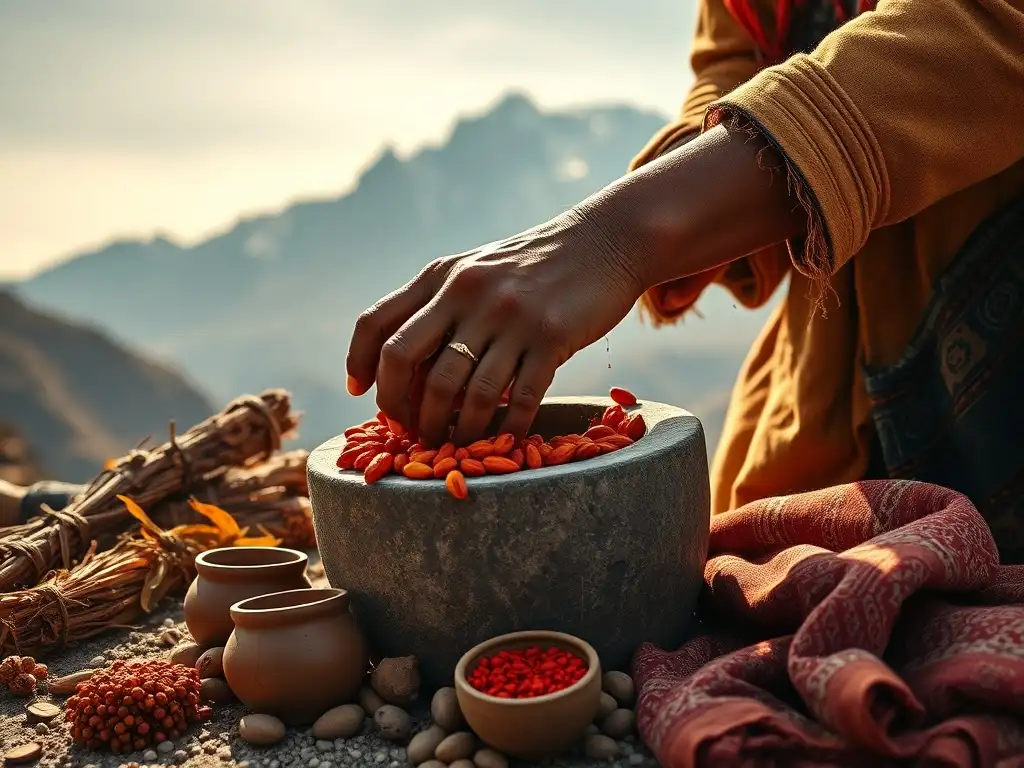
The vibrant colors characteristic of Andean textiles weren't achieved through synthetic dyes. Instead, ancient Andean civilizations expertly harnessed the rich biodiversity of their environment, using plants, insects, and minerals to create a stunning array of hues. This ingenious use of natural resources demonstrates a deep understanding of the local flora and its potential for dyeing fibers.
The process was not only aesthetically significant but also deeply intertwined with the spiritual and social fabric of Andean societies. The colors themselves often held symbolic meaning, reflecting the importance of nature in their worldview. For example, certain shades might represent specific deities or agricultural cycles.
The careful selection and preparation of these natural dyes were often guarded secrets, passed down through generations of skilled artisans. The availability of these resources varied depending on altitude and geographical location, leading to regional variations in textile colors and patterns. This nuanced approach to dyeing further highlights the intricate connection between the Andean people and their environment.
Plant-Based Dyes: Achieving a Spectrum of Colors
The Andean highlands and valleys boast a remarkable diversity of plants, many of which yielded vibrant and durable dyes. Among the most commonly used were various species of Rubia tinctorum (madder), producing reds and pinks; Indigofera species, for blues; and various lichens for yellows and oranges. The process of extracting these dyes was often laborious, involving careful harvesting, processing, and fermentation.
For example, cochineal insects, a source of brilliant crimson, required meticulous collection and preparation. The color intensity and shade could be subtly adjusted by altering the mordant – a substance used to fix the dye to the fibers – or by manipulating the dyeing process itself.
This allowed Andean weavers to achieve a remarkable range of colors, from delicate pastels to deep, saturated tones, all reflecting the unique characteristics of the plants they used. The precise recipes and techniques were often closely guarded family secrets, passed down through generations of artisans.
Mineral Pigments: Sources of Earth Tones
Beyond plant-based dyes, Andean artisans also utilized mineral pigments to create a range of earthy tones. These pigments, derived from minerals found throughout the Andes, provided a contrasting palette to the brighter colors obtained from plants. Ochres, for example, provided yellows and browns, while clays offered a spectrum of reds, oranges, and even purples. The availability of these mineral resources varied geographically, influencing the color palettes used in different regions.
The use of mineral pigments often required different techniques than plant-based dyes, reflecting the distinct properties of these inorganic substances. The preparation of mineral pigments frequently involved grinding, mixing, and sometimes even heating the minerals to achieve the desired color and consistency. The durability of these mineral pigments contributed to the longevity of many Andean textiles, ensuring their preservation through centuries.
Weaving Techniques and Their Adaptations to the Andean Climate
Andean textile production wasn't just about the dyes; the weaving techniques themselves were remarkably adapted to the challenging Andean climate. The harsh weather conditions, ranging from intense sun and cold winds to frequent rain and snow at higher altitudes, demanded resilient and practical weaving methods. The choice of fiber, the structure of the weave, and the overall design of the textiles all reflected these environmental considerations.
The ingenuity of Andean weavers in developing techniques to overcome these challenges is a testament to their deep understanding of their environment and their remarkable adaptability. The resulting textiles were not only beautiful but also functional, providing warmth, protection, and durability in a challenging landscape.
Backstrap Loom: Portable and Efficient for Andean Weavers
The backstrap loom is a quintessential example of Andean ingenuity in adapting to the environment. This portable loom, requiring only a backstrap and a simple frame, allowed weavers to work virtually anywhere – in their homes, fields, or while traveling. Its portability was essential in a region where settlements were often dispersed and travel could be challenging.
The backstrap loom's simple design didn't compromise on complexity; skilled weavers could create intricate patterns and textures using this seemingly rudimentary tool. Its compactness and ease of transport made it ideal for the nomadic or semi-nomadic lifestyles of many Andean communities, enabling them to continue their craft regardless of their location. The backstrap loom's adaptability and efficiency continue to be appreciated by Andean weavers today.
Complex Weaving Patterns: Reflecting Environmental Knowledge
The intricate weaving patterns found in Andean textiles are not merely decorative; they often encode deep knowledge of the Andean environment. Geometric designs, for example, might represent agricultural practices, celestial events, or the topography of the surrounding landscape. The use of specific colors and motifs could also reflect the seasonal cycles, religious beliefs, or social status of the wearer.
These complex patterns, woven with remarkable precision, demonstrate a sophisticated understanding of the natural world and a deep connection between the Andean people and their environment. The intricate detail and symbolic richness of these textiles showcase the advanced skills of Andean weavers and their profound knowledge of their surroundings. Studying these patterns reveals a wealth of information about Andean cosmology, social structures, and agricultural practices, offering invaluable insights into their rich cultural heritage.
Textile Production as a Response to Andean Climate Variability
Andean textile production wasn't merely an artistic endeavor; it was a sophisticated response to the region's highly variable climate. The Andes boast a diverse range of microclimates, from arid coastal deserts to frigid high-altitude plains and lush cloud forests. This climatic diversity directly impacted the availability of raw materials and the techniques employed in textile creation. For example, the alpaca, llama, and vicuña, crucial sources of fiber, thrived at different altitudes and required specific husbandry practices adapted to their respective environments.
Farmers and herders developed intricate systems of transhumance – seasonal migration of livestock – to exploit the best grazing areas at various times of the year. This directly influenced the type and quantity of fiber available for textile production, leading to regional variations in textile styles and qualities. The availability of dyes also varied across the Andes, with certain plants and minerals only found in specific ecological niches.
This resulted in a rich palette of colors, with some hues associated with particular regions and climates. The knowledge of these resources and their seasonal availability was meticulously passed down through generations, ensuring the continuity of textile production despite the challenges posed by the Andean climate. This intimate relationship between climate, resource management, and textile production highlights the ingenuity and resilience of Andean societies.
Andean Textiles as a Form of Climate Communication
Andean textiles served not only as clothing and adornment but also as powerful tools for communicating environmental knowledge. The intricate patterns woven into fabrics often encoded information about weather patterns, agricultural cycles, and resource management strategies. This form of communication transcended linguistic barriers, allowing for the transmission of vital information across diverse communities and generations.
The complex interplay between design, color, and fiber choice conveyed subtle yet significant messages about the prevailing climate conditions and the strategies employed to adapt to them. The use of specific colors, for instance, could indicate the abundance or scarcity of particular resources, signifying the impact of climatic events on local economies and livelihoods. The skillful integration of symbolic representations of weather phenomena, such as rain, snow, or drought, further enhanced the communicative power of Andean textiles.
This "climate communication" played a crucial role in fostering community resilience and ensuring the long-term sustainability of Andean societies in the face of environmental challenges. The intricate relationship between textile design and environmental factors demonstrates the deep understanding and respect Andean cultures held for their environment.
Textile Patterns and Symbolic Representations of Weather
The patterns woven into Andean textiles often held deeper meanings related to weather phenomena and agricultural cycles. Specific motifs, such as stylized representations of rain, lightning, or snow, conveyed information about past weather events and predicted future conditions. For example, the presence of recurring geometric patterns might represent the regular rhythm of the rainy season, while the inclusion of more abstract or chaotic designs could indicate unpredictable weather events like droughts or floods.
Color also played a significant role in conveying this information. Bright, vibrant hues might symbolize the abundance of a good harvest, while muted or darker colors could represent periods of scarcity or hardship. The use of specific fiber types also contributed to the symbolic representation of weather.
For instance, the use of thicker, warmer fibers in textiles might indicate a colder climate or the anticipation of a harsher winter. Analyzing these patterns and their symbolic meanings offers valuable insights into the Andean understanding of climate variability and their ability to adapt to its challenges. The intricate level of detail in these patterns reflects a sophisticated knowledge of meteorology and environmental cycles.
Transmission of Environmental Knowledge Through Weaving
The intricate art of Andean weaving served as a critical mechanism for transmitting invaluable environmental knowledge across generations. The knowledge of fiber preparation, dyeing techniques, and weaving patterns wasn't simply passed down orally; it was deeply embedded within the very fabric of their culture. The process of learning to weave was a long and arduous one, often beginning in childhood and continuing throughout a person's life.
Through this hands-on apprenticeship, young people absorbed not only technical skills but also the traditional knowledge associated with each pattern and motif. This knowledge encompassed not only the practical aspects of textile production but also the deeper cultural and ecological significance of the materials and techniques employed. The elders' role in guiding this process was essential, ensuring that the accumulated wisdom of centuries was preserved and transmitted.
This intergenerational knowledge transfer ensured the sustainability of Andean textile production and its capacity to adapt to the ever-changing conditions of the Andean environment. The continuity of these practices reflects the enduring resilience of Andean culture and its deep connection to the natural world. The weaving itself became a living archive of their environmental understanding and adaptation strategies.
Preservation and Modern Relevance of Andean Textile Traditions
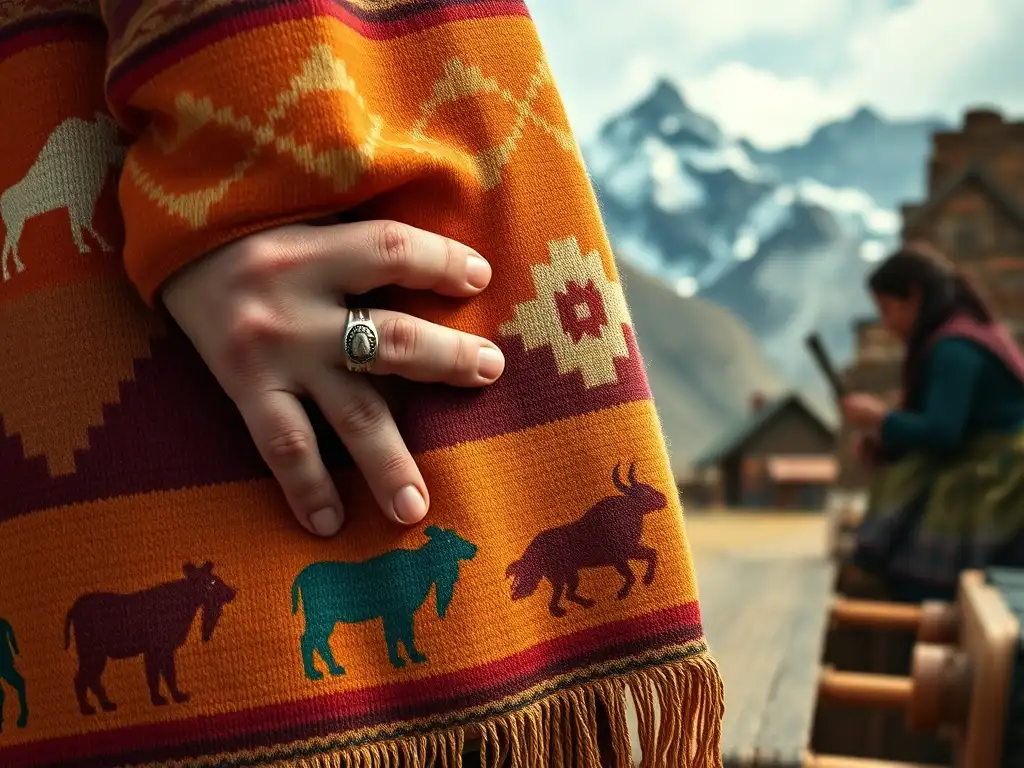
The remarkable Andean textile traditions, honed over millennia in response to the challenging Andean climate, continue to hold immense cultural and economic significance. These aren't merely historical artifacts; they are living traditions, passed down through generations and adapted to modern contexts. The intricate weaving techniques, vibrant dyes derived from natural sources like cochineal insects and plants, and the symbolic designs woven into the textiles all contribute to their enduring appeal.
Many communities actively preserve these techniques, establishing workshops and training programs to ensure the continuity of their ancestral knowledge. This preservation effort is not only crucial for cultural heritage but also for economic empowerment, as Andean textiles command high value in both domestic and international markets. The unique designs and craftsmanship inherent in these textiles make them highly sought-after items, supporting the livelihoods of many Andean communities.
Furthermore, the resurgence of interest in traditional Andean crafts fuels tourism, creating opportunities for cultural exchange and economic growth in the region. The intricate knowledge embedded in these textiles, from fiber preparation to final design, represents an invaluable repository of ancestral wisdom, connecting the past to the present.
Sustainable Practices in Contemporary Andean Textile Production
Contemporary Andean textile production increasingly emphasizes sustainability, reflecting a deep-rooted connection to the environment. Traditional practices, already inherently sustainable due to their reliance on locally sourced materials and minimal environmental impact, are being consciously preserved and enhanced. For example, the use of natural dyes, minimizing water pollution, is a hallmark of sustainable Andean textile production.
Furthermore, the focus on using locally sourced alpaca and llama fibers, reducing transportation costs and carbon emissions, is becoming increasingly prominent. Many communities are actively working to promote fair trade practices, ensuring that artisans receive fair compensation for their work and that the economic benefits are distributed equitably within the community. This commitment to sustainability extends beyond the environmental aspects, encompassing social and economic dimensions, ensuring the long-term viability of these traditions.
The growing awareness of the environmental impact of fast fashion has led to a renewed appreciation for the slow, sustainable practices inherent in Andean textile production, positioning these textiles as a viable alternative in the global market. Efforts to document and share these sustainable practices with a wider audience are underway, aiming to inspire similar sustainable practices in other textile industries.
Case Study: The Aymara Culture and its Textile Adaptation
The Aymara people, inhabiting the high Andes of Bolivia and Peru, offer a compelling case study of textile adaptation to extreme climates. Their textiles, renowned for their durability and warmth, are specifically designed to withstand the harsh conditions of the Altiplano. The Aymara utilize primarily alpaca and llama fibers, known for their insulating properties, expertly weaving them into thick, tightly woven fabrics that provide protection against cold winds and intense sun. Their intricate designs, often incorporating geometric patterns representing their cosmology and social structures, are created using natural dyes extracted from local plants and minerals.
These dyes not only provide vibrant colors but also contribute to the textiles' durability. The Aymara's weaving techniques, passed down through generations, are highly specialized, reflecting a deep understanding of fiber properties and weaving structures. For example, they employ specific techniques to create waterproof textiles for use in the rainy seasons.
The Aymara's remarkable ability to adapt their textile production to the challenges of the high-altitude environment showcases the resilience and ingenuity of Andean cultures in their harmonious coexistence with the environment. The continued thriving of Aymara textile traditions serves as a testament to the adaptability and sustainability of their practices, offering valuable lessons for contemporary textile production worldwide. Their techniques and designs continue to inspire modern designers and artisans, highlighting the enduring relevance of their cultural heritage.
Future of Andean Textiles in the Face of Climate Change
The future of Andean textile production faces significant challenges due to climate change. The already unpredictable weather patterns in the Andes – characterized by fluctuating temperatures, erratic rainfall, and increased frequency of extreme weather events – directly impact the availability of raw materials like alpaca and llama fleece. Changes in pastureland productivity, caused by droughts and unpredictable frosts, threaten the very foundation of this ancient craft. Alpaca and llama herders are already adapting their practices, but the scale of the climate crisis demands innovative and collaborative solutions.
One crucial aspect is the development of climate-resilient alpaca and llama breeds. Research into genetic diversity and selective breeding programs can lead to animals better adapted to the changing conditions. This involves identifying and promoting breeds that are more tolerant to drought, heat stress, and disease outbreaks, all exacerbated by climate change. Such initiatives require significant investment and collaboration between researchers, herders, and government agencies. Successful implementation will ensure the long-term viability of the livestock that provides the core material for Andean textiles.
Furthermore, the future hinges on sustainable practices throughout the textile production chain. This includes responsible grazing management to prevent overgrazing and land degradation, efficient water usage in processing, and the adoption of eco-friendly dyes and finishing techniques. The shift towards organic and sustainable practices not only mitigates environmental impacts but also enhances the value and appeal of Andean textiles in the global market, potentially attracting a clientele conscious of ethical and sustainable sourcing. This shift requires education and support for artisans, alongside the development of certification schemes that guarantee the authenticity and sustainability of the products.
The preservation of traditional knowledge is equally vital. The intricate techniques and designs passed down through generations are invaluable assets. Documenting this knowledge, supporting workshops for younger generations, and integrating these techniques into modern design innovations are crucial for ensuring the continuity of Andean textile traditions. This involves not only teaching the technical skills but also the cultural significance and stories embedded in each piece, preserving a rich heritage for future generations.
The preservation of this cultural heritage is intrinsically linked to the economic sustainability of the textile industry. The unique artistry and cultural significance of Andean textiles can be leveraged to attract a broader market, ensuring the economic viability of the craft in the face of climate change. This requires a concerted effort to promote Andean textiles as a valuable cultural resource and a sustainable economic activity.
- Andean Textile Heritage and Environmental Challenges
- The Role of Climate in Andean Fiber Selection
- High Altitude Wool: Alpaca and Llama Fiber Characteristics
- Cotton in Coastal Andean Regions: Adapting to Arid Environments
- Natural Dyes and Pigments: Utilizing Andean Flora for Color
- Weaving Techniques and Their Adaptations to the Andean Climate
- Textile Production as a Response to Andean Climate Variability
- Andean Textiles as a Form of Climate Communication
- Preservation and Modern Relevance of Andean Textile Traditions
- Sustainable Practices in Contemporary Andean Textile Production
- Case Study: The Aymara Culture and its Textile Adaptation
- Future of Andean Textiles in the Face of Climate Change
- How did Andean civilizations adapt their textile production to different climates?
- What role did climate play in the choice of fibers used in Andean textiles?
- How did Andean textile technology reflect an understanding of climate?
- Were there regional variations in Andean textile production due to climate?
- What is the significance of Andean textile production in relation to climate adaptation?
Frequently Asked Questions
How did Andean civilizations adapt their textile production to different climates?
Andean textile production showed remarkable climate adaptation. Different regions utilized distinct fiber sources (alpaca in highlands, cotton in lowlands) and weaving techniques suited to the local conditions. This ensured both availability of materials and suitability of clothing.
What role did climate play in the choice of fibers used in Andean textiles?
The climate directly influenced fiber selection. High-altitude regions favored alpaca and llama wool for warmth, while coastal areas utilized cotton for its breathability. This reflects a deep understanding of the relationship between environment and material.
How did Andean textile technology reflect an understanding of climate?
Andean technology showcased ingenious solutions to climate challenges. Techniques like double-weaving provided insulation in cold climates, while specific dyeing processes protected fabrics from harsh weather. This demonstrates a sophisticated grasp of environmental factors.
Were there regional variations in Andean textile production due to climate?
Yes, significant regional variations existed. The highland textiles were often thicker and warmer, using alpaca wool, while coastal textiles were lighter and used cotton. This reflects the diverse climatic conditions across the Andean region.
What is the significance of Andean textile production in relation to climate adaptation?
Andean textile production offers a compelling example of successful climate adaptation. The sophisticated techniques and material choices reflect a deep understanding of the environment and a remarkable ability to create sustainable clothing solutions. This cultural adaptation ensured survival and prosperity across diverse climates.
Final Reflection: Weaving Resilience into the Future
The intricate artistry of Andean textiles isn't merely a historical artifact; it's a living testament to humanity's enduring capacity to adapt to a changing climate. The techniques and materials employed by Andean weavers for centuries offer invaluable lessons for sustainable practices in the face of modern environmental challenges. Their ingenuity, passed down through generations, provides a powerful model for a more resilient future.
The profound impact of climate change on Andean communities, and the ingenious ways they have countered its effects through their textile production, is a story that resonates far beyond the Andes. Their ability to utilize locally sourced, sustainable materials and adapt weaving techniques to fluctuating weather patterns underscores the importance of respecting traditional knowledge. The earth provides us with everything we need; we must only learn to use it wisely.
– This ancient wisdom, though not directly attributed to a specific Andean source, perfectly encapsulates the ethos behind their sustainable textile production. Understanding this connection between culture, environment, and resource management is crucial for global sustainability efforts.
Consider the intricate details of Andean textile production, the careful selection of fibers, the precise dyeing techniques, the enduring designs. These aren't simply aesthetic choices; they are reflections of a deep understanding of the environment and a commitment to resourcefulness. You, too, can weave resilience into your own life. By making conscious choices about consumption, supporting sustainable practices, and appreciating the wisdom of traditional cultures, you become part of a larger movement towards a more environmentally responsible future. Let the legacy of Andean textile production inspire you to create a more sustainable world, one thread at a time.
Unveil Your Creative Potential with Andean Textiles!
Thank you for exploring the fascinating world of Andean textile production! We hope you've gained valuable insights into the unique techniques and artistry that make these textiles so special. Now it's time to put that inspiration to work!
Here are some ways you can get involved and explore this rich cultural heritage:
- Create your own textile art: Experiment with Andean-inspired techniques to create your own unique piece. Gather your materials and let your creativity flow!
- Support local artisans: Visit local artists or workshops specializing in traditional textile crafts. Supporting these artisans helps preserve this beautiful art form and connects you directly to its origins.
- Share your passion: Discuss what you've learned about Andean textiles with friends, family, or on social media. Spreading awareness helps keep these vibrant traditions alive.
What aspect of Andean textile production most captivates you, and how will you further explore it?