
The Importance of Water in Andean Cosmology and Culture

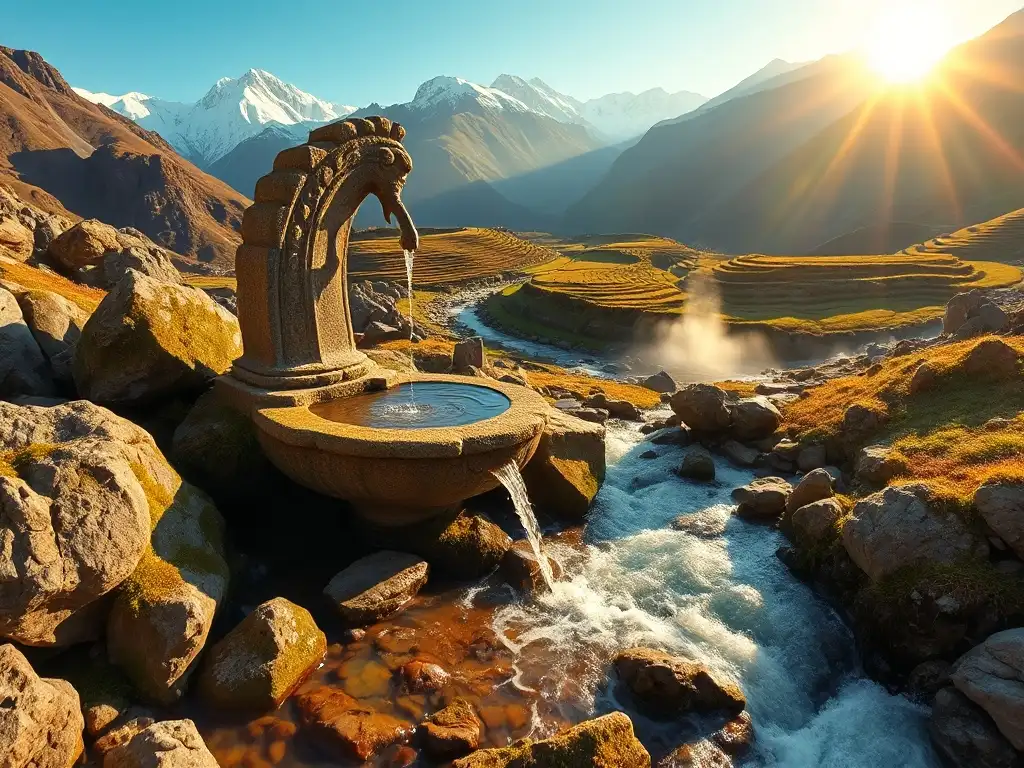
Step into a world lost to time, yet echoing with the whispers of ancient wisdom. Imagine a civilization where water wasn't just a resource, but a sacred force, the very lifeblood of their cosmology. This is the captivating story of Andean water spirituality, a profound connection between the people of the Andes and the life-giving waters that shaped their existence. Uncover the secrets held within this intricate relationship and delve into the fascinating world of the Andean civilizations—from the Incas to the Nazca—and their profound reverence for the sacred rivers and lakes that sustained them. Prepare to be amazed.
- The Profound Role of Water in Andean Cosmology and Culture
- The Significance of Water in Andean Rituals and Ceremonies
- The Andean Understanding of Water Sources
- Water Deities and Mythological Figures in Andean Cultures
- Andean Perspectives on the Cycle of Water
- The Legacy of Andean Water Spirituality in Modern Times
- Frequently Asked Questions
- Final Reflection: The Enduring Flow of Andean Water Spirituality
- **Embrace Your Connection to Water: Dive Deeper! **
The Profound Role of Water in Andean Cosmology and Culture
Water, the lifeblood of the Andes, played a far more significant role than mere sustenance for the ancient Andean civilizations. This article delves into the profound spiritual and cultural importance of water in the cosmology and daily lives of societies like the Inca, Moche, Nazca, and Tiahuanaco, exploring how their understanding of this precious resource shaped their beliefs, rituals, and societal structures.
We will examine how their adaptation to the challenging Andean landscape was intrinsically linked to a deep reverence for water, demonstrating the intricate relationship between their environment and their spiritual world. Understanding Andean water spirituality provides crucial insight into the ingenuity and resilience of these remarkable civilizations, highlighting their sophisticated understanding of hydrology and their profound connection to the natural world.
This exploration will reveal how water wasn't simply a resource, but a sacred element woven into the very fabric of Andean life, deeply influencing their worldview and shaping their unique cultural identity. The keyword "Andean water spirituality" will be examined through various lenses, from agricultural practices to religious ceremonies.
Introduction to Andean Water Spirituality
Andean water spirituality is not a monolithic concept; rather, it represents a complex tapestry of beliefs and practices that varied across different cultures and regions within the Andes. However, certain common threads unite these diverse expressions. Water, often personified as a powerful deity or spirit, was viewed as a source of life, fertility, and purification.
Its cyclical nature – from rainfall to rivers to underground aquifers – mirrored the cyclical patterns observed in Andean cosmology, connecting the earthly realm to the celestial. The intricate canal systems, terraced agriculture, and sophisticated water management techniques developed by these civilizations weren't merely feats of engineering; they were also deeply spiritual acts, demonstrating a profound respect for and understanding of the sacred nature of water. The abundance or scarcity of water directly impacted agricultural success and, consequently, the overall well-being of the community, further solidifying its importance in their spiritual worldview.
This deep connection fostered a profound sense of responsibility towards water conservation and management, a practice that continues to resonate in Andean communities today. Furthermore, many sacred sites, such as springs and waterfalls, were considered portals to the spirit world, places where offerings were made and communication with the divine was sought.
Water as a Sacred Element in Andean Beliefs
The sacredness of water in Andean beliefs is evident in numerous aspects of their culture. Many deities were associated with water, reflecting its vital role in sustaining life. For example, [Specific Andean deity associated with water pending] was often depicted in iconography related to water sources, highlighting the deity's power and influence. Rituals centered around water were common, including offerings of coca leaves, food, and other precious items to appease water spirits and ensure a bountiful supply.
These ceremonies weren't merely superstitious practices; they were integral to maintaining a harmonious relationship between humans and the natural world, reflecting a deep understanding of the delicate balance necessary for survival in the challenging Andean environment. Additionally, the construction of intricate irrigation systems, like those found in the Nazca lines region, demonstrates not only remarkable engineering skills but also a profound respect for water as a sacred resource. The meticulous planning and execution of these projects suggest a communal effort guided by a shared belief in the sacredness of water and its vital role in sustaining their communities.
The careful management of water resources wasn't just a practical necessity; it was a spiritual obligation, a testament to the deep-seated reverence for this life-giving element. The importance of water in Andean cosmology and culture was not merely symbolic; it was a fundamental aspect of their daily lives, deeply embedded in their spiritual beliefs and shaping their interactions with the environment. 🌊
The Significance of Water in Andean Rituals and Ceremonies

Water, far from being a mere resource, held a profoundly sacred position in Andean cosmology and culture. Its life-giving properties, its cyclical nature mirroring the rhythms of the cosmos, and its transformative power imbued it with a spiritual significance deeply interwoven with religious practices and daily life.
Understanding Andean water spirituality requires appreciating this intrinsic link between the physical and the spiritual realms, where water acts as a conduit, a mediator, and a symbol of divine power. This section will explore the vital role of water in Andean rituals and ceremonies, illuminating the complex relationship between the people and their environment.
Andean Water Rituals: A Connection to the Divine
Andean rituals involving water were not simply acts of propitiation or appeasement; they were profound expressions of a deeply felt connection to the divine. These rituals, often performed at sacred springs, lakes, or rivers – considered apus (mountain spirits) in themselves – served to maintain a harmonious relationship with the spiritual world.
The act of offering water, or performing ceremonies within the water, was believed to strengthen this bond, ensuring the continued flow of blessings and abundance. Many rituals involved specific prayers, chants, and offerings, carefully choreographed to honor the apus and other deities associated with water.
For example, the Inca would perform elaborate ceremonies at the source of the sacred rivers, ensuring the fertility of the land and the prosperity of their empire. These ceremonies, often involving priests and high-ranking officials, would include the presentation of coca leaves, llama sacrifices, and the pouring of chicha (a fermented corn beverage) into the water as a sacred offering.
The Importance of Water Offerings in Andean Practices
Water offerings, a cornerstone of Andean spirituality, were not limited to grand ceremonies. They permeated daily life, demonstrating the pervasive influence of Andean water spirituality on the individual and community levels. Farmers would make small offerings of water to ensure successful harvests, while families would offer water during domestic rituals to safeguard their well-being.
These offerings weren't merely symbolic; they were seen as a way to actively participate in the continuous flow of energy and reciprocity between the human and spiritual worlds. The act of offering water was understood as a form of communication and exchange, a way to express gratitude and seek blessings from the divine forces associated with water.
The quantity and type of offering varied depending on the context, ranging from simple libations to more elaborate arrangements involving flowers, coca leaves, and other sacred items. The act itself, more than the material offering, was considered crucial in establishing this vital connection.
Water and its Role in Andean Agricultural Cycles
Andean agriculture was intimately linked to water management and spiritual practices. The cyclical nature of water, mirroring the Andean agricultural calendar, reinforced its sacred significance. The careful channeling and distribution of water through irrigation systems were not merely engineering feats; they were also spiritual acts, reflecting a deep understanding of the interconnectedness of the cosmos and the land.
The planting and harvesting seasons were marked by specific water rituals, ensuring the fertility of the land and the abundance of crops. These rituals often involved prayers to the apus and other water deities, seeking their blessings for a bountiful harvest. Moreover, the maintenance of irrigation canals and other water infrastructure was viewed as a sacred duty, a way of respecting the life-giving power of water and ensuring its continued flow for the benefit of the community.
This holistic approach, integrating spirituality with practicality, reveals the profound significance of Andean water spirituality in shaping the agricultural practices and the overall societal structure of Andean civilizations. The successful cultivation of crops was not solely dependent on technical knowledge but also on maintaining a harmonious relationship with the spiritual forces associated with water. This deep-seated respect for water, therefore, was fundamental to the survival and prosperity of Andean societies.
The Andean Understanding of Water Sources
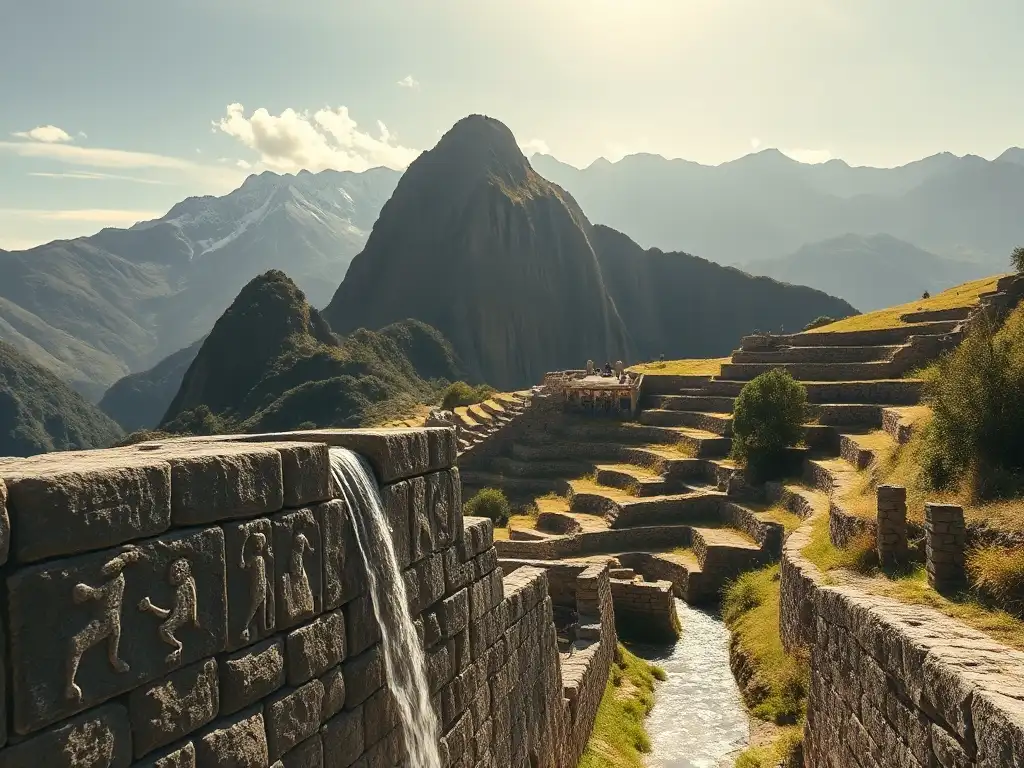
The Andes Mountains, a formidable and awe-inspiring landscape, shaped not only the physical lives of Andean civilizations but also their profound spiritual beliefs. Water, a precious and often scarce resource in this high-altitude environment, held a central place in their cosmology and daily practices. Understanding their perspective requires recognizing the interconnectedness they perceived between the physical world and the spiritual realm, a worldview deeply intertwined with their relationship to water sources.
This section explores the diverse ways Andean cultures viewed and interacted with different types of water sources, highlighting the sacredness imbued in each. The scarcity of water, coupled with its life-giving properties, elevated its status beyond mere sustenance, transforming it into a powerful symbol of life, fertility, and divine power. This understanding of Andean water spirituality is crucial to grasping their sophisticated water management systems and their enduring cultural legacy.
Mountains, Lakes, and Rivers: Sacred Waterways of the Andes
Andean cultures viewed mountains, lakes, and rivers not simply as geographical features but as sacred entities, imbued with spiritual power. Mountains, often considered apu (sacred mountains), were seen as the dwelling places of powerful deities and the source of life-giving waters. Glacial meltwater cascading down their slopes fed rivers and lakes, sustaining agricultural practices and providing essential resources for survival. These waterways weren't just conduits of water; they were considered veins of Pachamama (Mother Earth), pulsating with life force.
The lakes, often situated high in the Andes, were revered as mirrors reflecting the celestial world and holding the spirits of ancestors. Many Andean communities performed rituals and ceremonies at these lakes, offering prayers and gifts to appease the water spirits and ensure continued abundance. Similarly, rivers were perceived as dynamic, flowing entities, carrying the energy of the mountains to the valleys below.
Their paths were often revered, and their banks became sites for sacred rituals and agricultural activities. The intricate relationship between the apu, lakes, and rivers demonstrates the holistic Andean understanding of water as a sacred element, inextricably linked to the cosmos and the well-being of the community. This interconnectedness is a key aspect of Andean water spirituality, highlighting the deep respect and reverence held for these natural resources.
The Connection Between Water and Pachamama (Mother Earth)
Pachamama, the Andean concept of Mother Earth, is central to understanding the spiritual significance of water. Water was not merely a substance; it was the lifeblood of Pachamama, essential for her fertility and the prosperity of her children. The relationship between water and Pachamama was symbiotic: the earth provided water through springs and rivers, while water nourished the earth, enabling agriculture and sustaining life. Rituals involving water were performed to honor Pachamama, ensuring her continued generosity and protection.
These ceremonies often involved offerings of coca leaves, food, and other sacred objects, cast into rivers or lakes as acts of gratitude and appeasement. The health of Pachamama was directly linked to the availability and purity of water. Droughts and water scarcity were interpreted as signs of Pachamama's displeasure, prompting communities to perform intensified rituals to restore her favor and ensure the return of life-giving waters.
This deep connection between water, Pachamama, and the well-being of the community underscores the profound spiritual significance of water within Andean cultures. The concept of Andean water spirituality is fundamentally rooted in this reciprocal relationship.
Andean Water Management and its Spiritual Implications
The sophisticated water management systems developed by Andean civilizations weren't merely practical feats of engineering; they were deeply intertwined with their spiritual beliefs. The construction of andenes (terraces), canals, and aqueducts was not just about maximizing agricultural yields; it was also about harmonizing human activity with the natural world and honoring Pachamama. These systems were carefully designed to mimic the natural flow of water, respecting the sacredness of the waterways and avoiding unnecessary disruption.
The maintenance of these systems was a communal responsibility, reflecting the collective understanding of water as a shared resource. Rituals were often performed during the construction and maintenance of these structures, ensuring the continued flow of water and the blessing of Pachamama. The intricate network of canals and aqueducts wasn't just a technological achievement; it was a testament to the Andean worldview, where spiritual harmony and practical functionality were seamlessly integrated.
Understanding this intricate relationship allows us to appreciate the depth of Andean water spirituality and its lasting impact on the landscape and culture of the Andes. The meticulous planning and communal effort behind these systems demonstrate a profound respect for water and its essential role in their worldview. This holistic approach to water management is a powerful example of sustainable practices rooted in deep spiritual conviction.
Water Deities and Mythological Figures in Andean Cultures
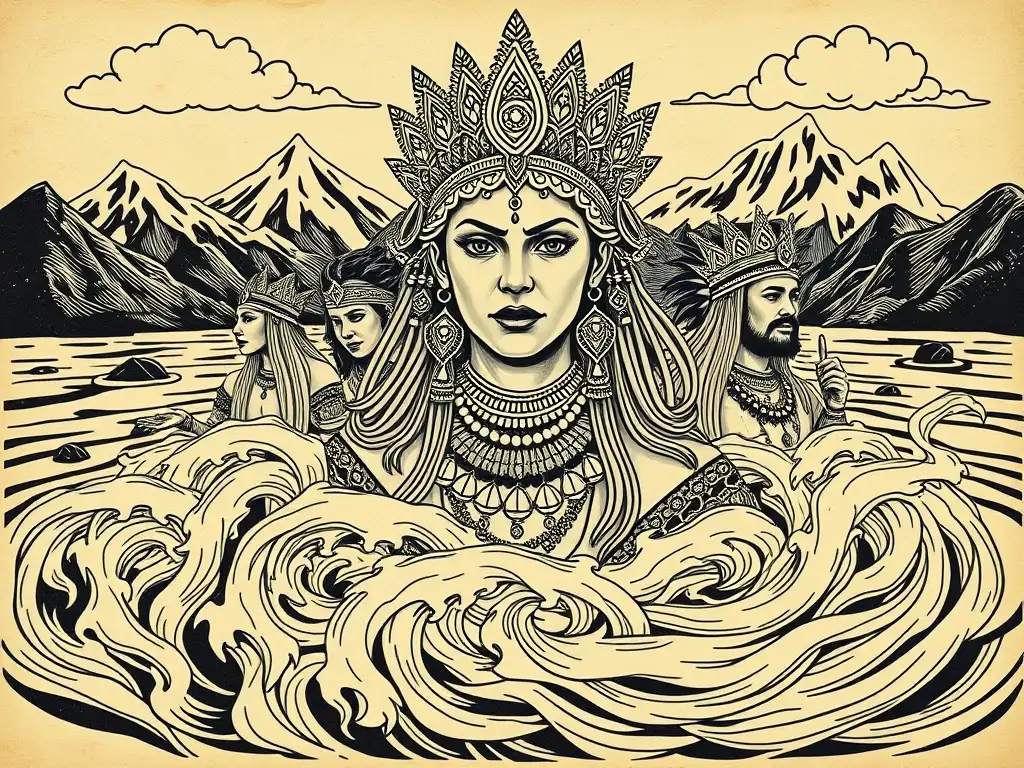
Andean water spirituality is deeply intertwined with the region's challenging yet life-giving landscape. The scarcity and abundance of water shaped not only the practical aspects of Andean life but also their cosmology, mythology, and artistic expressions. Understanding the reverence for water is key to understanding the Andean worldview.
The diverse cultures – Inca, Moche, Nazca, Tiahuanaco, and many others – each developed unique narratives and beliefs surrounding water, yet common threads of respect and dependence weave through them all. This section explores the prominent water deities and mythological figures that played a crucial role in shaping Andean societies' relationship with this vital resource. The reverence for water wasn't merely a matter of survival; it was a fundamental aspect of their spiritual beliefs.
The Role of Water Spirits in Andean Mythology
Water, in its various forms – from rushing rivers and tranquil lakes to life-giving rains and underground springs – was imbued with spiritual significance. Andean mythology is replete with stories of apu (mountain spirits) who controlled water sources, and numerous lesser spirits inhabiting rivers, lakes, and waterfalls. These spirits weren't simply benevolent or malevolent; their actions were often unpredictable, reflecting the capricious nature of water itself. This unpredictability fostered a complex relationship characterized by both reverence and apprehension.
Farmers and communities engaged in rituals and offerings to appease these spirits, ensuring a bountiful harvest and protection from floods or droughts. The constant negotiation with the spiritual world surrounding water reveals a sophisticated understanding of the environment and its inherent power. This wasn't passive worship; it was an active engagement with the forces shaping their lives.
The stories passed down through generations served not only as explanations for natural phenomena but also as guides for sustainable resource management. Oral traditions, preserved through centuries, highlight the importance of respecting and conserving water, a lesson that remains relevant today. The intricate relationship between humans and water spirits reflects a deep understanding of ecological interdependence.
Mama Cocha and Yakumama: Prominent Water Deities
Among the many water deities venerated across the Andes, two stand out: Mama Cocha and Yakumama. Mama Cocha, the "Mother Lake," is a powerful deity associated with the ocean and large bodies of water. She is often depicted as a benevolent figure, providing sustenance and protection. However, her power is immense, and her wrath could bring devastating floods. The Inca, for example, made elaborate offerings to Mama Cocha, seeking her favor and avoiding her displeasure.
Similarly, Yakumama, the "Mother Serpent," is a powerful water spirit often associated with rivers and springs. Representations of Yakumama often emphasize her serpentine form, symbolizing the flow of water and the life it sustains. She is sometimes depicted with children clinging to her, symbolizing the abundance and fertility associated with water. Both Mama Cocha and Yakumama highlight the dual nature of water: its capacity to nurture and destroy.
Their presence in Andean mythology underscores the vital role of water in the region's ecosystems and the importance of maintaining a respectful relationship with this powerful force. The stories surrounding these deities reveal a nuanced understanding of the hydrological cycle and the interconnectedness of life. Further research is needed to fully understand the regional variations in the worship of these deities and the specific rituals practiced in their honor. [Specific information pending on regional variations in worship practices].
The Influence of Water Mythology on Andean Art and Iconography
The reverence for water deities and spirits is vividly reflected in Andean art and iconography. Pottery, textiles, and metalwork often depict scenes of water deities interacting with humans or controlling the flow of water. For instance, Moche pottery frequently portrays scenes of water spirits engaged in dramatic interactions, showcasing their power and the precarious balance between human life and the forces of nature. The intricate detail and expressive style of these depictions reveal a deep understanding of the significance of water in Andean culture.
These artifacts weren't mere decorations; they served as powerful reminders of the spiritual power associated with water and the importance of respecting this vital resource. The symbolic representation of water in Andean art offers valuable insights into their cosmology and worldview, revealing a deep connection between the spiritual and the material world. Furthermore, the stylistic variations across different Andean cultures demonstrate the diversity of beliefs and artistic expressions surrounding water, highlighting the richness and complexity of Andean spirituality. Analyzing this art provides a window into the beliefs and practices of past Andean societies, offering valuable information for contemporary understanding of Andean water spirituality.
The persistence of water imagery in modern Andean art further emphasizes the enduring significance of this element in Andean culture. The continued reverence for water, both materially and spiritually, reflects a profound connection to the land and its resources. 🌊
Andean Perspectives on the Cycle of Water
This section explores the profound significance of water in Andean cosmology and culture, focusing on the unique perspectives and beliefs surrounding the water cycle and its symbolic representation within Andean spirituality. Understanding Andean water spirituality requires recognizing the deep connection between the physical and spiritual realms, where water is not merely a resource but a sacred element imbued with life-giving power. This perspective shaped their societal structures, agricultural practices, and religious rituals. We will examine how the cyclical nature of water mirrored their understanding of life, death, and rebirth, fundamentally influencing their worldview.
The Andean View of the Water Cycle: A Cosmic Perspective
The Andean view of the water cycle transcends a purely scientific understanding. It’s a cosmic process reflecting the continuous flow of energy and life force throughout the universe. For Andean communities, the movement of water—from the high mountain glaciers ( apus ) down through rivers and streams to irrigate fields and eventually return to the sea—was seen as a sacred journey, mirroring the cyclical nature of life itself.
This perspective is reflected in numerous myths and legends, often featuring deities associated with water sources, like the Mamacocha (Mother Lake) or the mountain spirits who control the flow of water. The cycle wasn't merely evaporation, condensation, and precipitation; it was a sacred dance of life, death, and regeneration, deeply intertwined with the celestial bodies and the spiritual realm. This understanding informed their agricultural practices, ensuring respect for the water's journey and its vital role in sustaining life.
They developed sophisticated irrigation systems, not just as engineering feats, but as expressions of their reverence for this sacred flow. The precise details of water management varied among different Andean cultures, reflecting their unique environments and beliefs, but the underlying principle of respect for the cosmic water cycle remained constant.
Water as a Symbol of Life, Fertility, and Renewal
Water, in Andean spirituality, is far more than a mere liquid; it's a potent symbol of life, fertility, and renewal. Its presence is inextricably linked to the abundance of crops, the health of livestock, and the overall prosperity of the community. The life-giving properties of water are profoundly intertwined with the concept of Pachamama (Mother Earth), who is seen as a nurturing entity providing sustenance and life.
Water, flowing from the apus (mountain spirits), is considered a direct manifestation of Pachamama's generosity and life-giving force. This understanding profoundly impacted agricultural rituals and ceremonies, where offerings and prayers were made to ensure the continued flow of water and the fertility of the land. The connection between water and fertility is also evident in Andean mythology, where water deities are often associated with procreation and abundance.
For example, [Specific examples of Andean deities associated with water and fertility pending]. These beliefs fostered a deep respect for water conservation and sustainable practices, demonstrating a sophisticated understanding of the delicate balance between human needs and environmental preservation, long before modern ecological awareness.
The Interconnectedness of Water, Land, and Community in the Andes
The Andean worldview emphasizes the interconnectedness of water, land, and community. Water wasn't just a resource to be exploited; it was a shared element that bound communities together, shaping their social structures and interactions. Access to water sources often determined the location of settlements and influenced the distribution of land.
The management of water resources required collaboration and cooperation, fostering a strong sense of communal responsibility. This understanding is reflected in the intricate ayllu system, a traditional Andean social organization based on kinship and reciprocity, where access to and management of water resources were key aspects of community life. The ayllu system demonstrated a sophisticated understanding of water rights and equitable distribution, ensuring that all members of the community had access to this essential resource.
Conflicts over water were rare, testament to the strength of communal bonds and the shared understanding of water's sacred significance. This holistic perspective, recognizing the vital role of water in sustaining both the environment and the community, provides a valuable lesson in sustainable resource management and social harmony. The deeply ingrained respect for Andean water spirituality continues to inspire contemporary efforts in water conservation and community development in the region.
The Legacy of Andean Water Spirituality in Modern Times
The reverence for water deeply ingrained in Andean cosmology continues to resonate in contemporary Andean communities. While the formal structures of ancient religious practices may have evolved or been overlaid by other belief systems, the fundamental respect for water as a life-giving force remains a powerful cultural element. This enduring spiritual connection profoundly influences how Andean communities manage and interact with their water resources.
Understanding this legacy is crucial to appreciating the complexities of modern Andean water management and conservation efforts. The perception of water isn't merely utilitarian; it's interwoven with their worldview, shaping their social structures, agricultural practices, and even their artistic expressions. This profound connection is often referred to as Andean water spirituality, a term encompassing a wide range of beliefs and practices.
Preserving Traditional Andean Water Practices
Many Andean communities actively work to preserve traditional water management systems, often referred to as sistemas de riego (irrigation systems). These aren't simply engineering marvels; they are living expressions of their deep-rooted respect for water. For example, the intricate canal systems built by the Inca and maintained by subsequent generations demonstrate a sophisticated understanding of hydrology and a commitment to community cooperation.
The collective responsibility for maintaining these systems fosters a strong sense of shared stewardship. These practices aren't static; they adapt to changing environmental conditions and societal needs, demonstrating remarkable resilience. However, the pressures of modernization and population growth pose significant threats to these traditional practices.
The encroachment of unsustainable agricultural methods and the impacts of climate change are forcing communities to grapple with new challenges in balancing traditional wisdom with modern necessities. Documentation and preservation of these ancient knowledge systems are crucial for ensuring their continuity. Ethnohydrological studies are increasingly important in understanding and supporting these efforts, highlighting the importance of indigenous knowledge in water management.
The Relevance of Andean Water Wisdom for Contemporary Challenges
The principles underlying Andean water spirituality offer valuable lessons for addressing contemporary water challenges, not just in the Andes but globally. The emphasis on community cooperation, equitable distribution, and respect for the environment provides a powerful framework for sustainable water management. The concept of ayni, reciprocal exchange, is central to many Andean communities' approach to resource management. This principle emphasizes the interconnectedness of all living things and the importance of giving back to the environment.
In contrast to many modern approaches that prioritize individual gain, ayni promotes a sense of collective responsibility that is essential for addressing the challenges of water scarcity and pollution. This holistic perspective, deeply rooted in Andean water spirituality, offers a valuable alternative to the often-fragmented and unsustainable approaches prevalent in many parts of the world. The wisdom embedded in these traditional practices could inform the development of more equitable and environmentally sustainable water policies.
Water Scarcity and Glacier Melt: Modern Challenges in the Andes
The Andes face significant challenges related to water scarcity and glacier melt. Climate change is accelerating the melting of Andean glaciers, which serve as vital sources of water for millions of people. This poses a direct threat to water security and agricultural productivity. The impact on communities reliant on glacial meltwater is severe, leading to increased water stress and impacting livelihoods.
Furthermore, erratic rainfall patterns exacerbate the situation, creating periods of both drought and flooding. These challenges highlight the urgent need for innovative and sustainable water management strategies. The integration of traditional Andean knowledge with modern scientific techniques is crucial for developing effective solutions.
It is vital to acknowledge the interconnectedness of these issues – the spiritual connection to water is not separate from the practical reality of its scarcity. Addressing the challenges requires a multi-faceted approach, combining scientific understanding with a deep respect for the cultural significance of water in the Andean region. The future of Andean water security depends on a balance between technological advancements and the preservation of traditional practices rooted in Andean water spirituality.
Frequently Asked Questions
What role did water play in Andean spirituality?
Water held a central role in Andean spirituality, representing life, fertility, and purity. It was considered a sacred element, vital for both physical and spiritual well-being.
How did Andean cultures utilize water resources?
Andean civilizations developed sophisticated irrigation systems and water management techniques to support agriculture and sustain their populations in challenging terrain. They revered water sources as sacred sites.
Were there specific deities associated with water in Andean religions?
Yes, various Andean cultures worshipped deities associated with water, such as the rain god (depending on the specific culture). These deities often played crucial roles in their cosmologies.
How did Andean art reflect the importance of water?
Andean art frequently depicts water in various forms, reflecting its sacred significance. Ceramics, textiles, and other artifacts often feature water motifs, symbolizing life and abundance.
What evidence exists to support the importance of water in Andean culture?
Archaeological evidence, such as extensive irrigation systems, religious iconography, and written accounts (where available) all support the central role of water in Andean cosmology and culture. The physical infrastructure itself shows the prioritization of water.
Final Reflection: The Enduring Flow of Andean Water Spirituality
The reverence for water in Andean cultures isn't just a historical curiosity; it's a vital lesson for our increasingly water-stressed world. Understanding this deep-rooted spirituality offers crucial insights into sustainable resource management and a more harmonious relationship with nature, a relationship desperately needed in the face of climate change and dwindling resources.
The enduring power of Andean water spirituality lies in its ability to connect the physical act of survival with a profound spiritual understanding. It reminds us that water is not merely a resource to be exploited, but a sacred entity deserving of respect and protection. Water is the lifeblood of the Andes, the source of all creation, and the embodiment of the sacred.
This sentiment, though paraphrased, echoes through generations, highlighting the interconnectedness of life and the vital role water plays in maintaining that balance. The ongoing struggle for water rights and access in the Andes serves as a stark reminder of the continuing relevance of this ancient wisdom.
Consider the profound implications of this ancient wisdom for your own life. How can you integrate a deeper appreciation for water into your daily actions? From conserving water in your home to supporting sustainable water management practices in your community, every conscious choice contributes to a more respectful and sustainable relationship with this precious resource. Let the enduring flow of Andean water spirituality inspire you to become a steward of this life-giving element, ensuring its abundance for generations to come.
**Embrace Your Connection to Water: Dive Deeper! **
Thank you for exploring the vital role water plays in Andean cosmology and culture. Understanding its significance connects you with the Andes' rich traditions and inspires you to honor and protect this precious resource. Let's delve even deeper!
Here are some ways to strengthen your connection and understanding:
- **Engage with Your Community:** Participate in a local water conservation project to promote awareness and sustainable practices. Consider volunteering your time or expertise to help build a stronger, more water-wise community.
- **Explore Further:** Learn more about Andean traditions and their relationship with water by visiting a museum exhibit, exploring online resources, or reading books on the subject. Immersing yourself in this rich cultural heritage will deepen your appreciation.
- **Share Your Insights:** Spread awareness by discussing what you've learned with friends, family, and colleagues. Sharing this knowledge on social media can also spark important conversations about cultural preservation and environmental responsibility.
What water-related practices or traditions do you believe are crucial to protect in our modern world?