
The Andean Legacy: Sustainable Practices for the Modern World

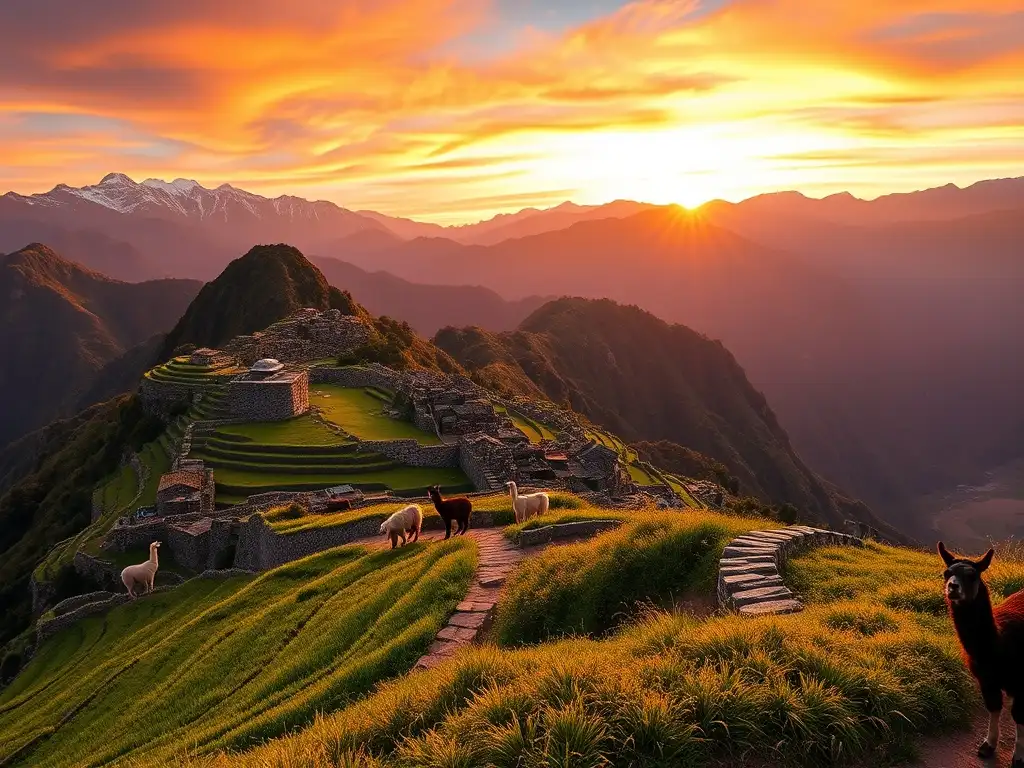
Uncover the secrets of a lost world where ingenuity thrived in harmony with nature. For centuries, the Andean civilizations mastered sustainable practices far ahead of their time. But how did they achieve this remarkable feat? Dive into the fascinating world of Andean civilizations sustainable practices and discover the ancient wisdom that holds valuable lessons for our modern world – a legacy waiting to be rediscovered.
The Andes Mountains, a spine of towering peaks running down the western coast of South America, have fostered some of the most remarkable civilizations the world has ever known. For millennia, cultures like the Inca, Moche, Nazca, and Tiahuanaco thrived in this challenging environment, developing sophisticated strategies for survival and sustainable living that continue to inspire awe and offer valuable lessons for our modern world.
This article explores the ingenuity of Andean civilizations, focusing on their remarkable achievements in sustainable practices, and examines how their wisdom can inform our contemporary efforts to build a more environmentally responsible future. We will delve into the specific techniques employed by these ancient societies, showcasing their profound understanding of ecological balance and resource management, highlighting the enduring relevance of their Andean legacy for addressing the pressing environmental challenges of today.
Understanding their approaches to agriculture, water management, and resource utilization is crucial in understanding how Andean civilizations not only survived but flourished for centuries, leaving behind a legacy of sustainable practices that we can learn from and adapt to modern contexts.
Introduction to Andean Civilizations and Environmental Wisdom
The Andean civilizations weren't simply conquerors or builders of impressive structures; they were masterful stewards of their environment. Their survival depended on a deep understanding of the delicate balance of their ecosystems. Facing harsh conditions—high altitudes, unpredictable weather patterns, and steep slopes—they developed innovative techniques to manage resources efficiently and sustainably. This wasn't merely a matter of survival; it was woven into their cultural fabric, their spiritual beliefs, and their social structures.
Their success was intrinsically linked to their ability to live in harmony with their environment, a concept that resonates powerfully in our current era of environmental crisis. This deep connection with nature is reflected in their sophisticated agricultural practices, intricate water management systems, and a holistic worldview that prioritized the well-being of the entire ecosystem. The ingenuity of these ancient Andean people provides a compelling case study in sustainable living, offering valuable insights for contemporary society.
Ancient Andean Techniques for Sustainable Agriculture
Andean agricultural practices were not merely about producing food; they were about creating a resilient and self-sustaining ecosystem. The harsh conditions of the Andes demanded innovative solutions, and the ingenuity of the Andean peoples led to the development of techniques that are still relevant today. These weren't isolated practices; they were interconnected elements of a holistic system designed to maximize yields while minimizing environmental impact. The efficiency and sustainability of these methods are particularly striking when considered in the context of the challenging terrain and limited resources available to these ancient societies.
Terraced Farming: Maximizing Arable Land in the Andes
The iconic terraced fields cascading down Andean slopes are a testament to the ingenuity of these ancient cultures. These meticulously engineered terraces transformed steep, unusable land into productive agricultural plots. By creating level platforms, they prevented soil erosion, conserved water, and maximized arable land.
The terraces were not simply stacked; they were carefully designed to capture sunlight and optimize water drainage, adapting to the specific microclimates of each slope. The construction of these terraces was a monumental undertaking, requiring considerable labor and sophisticated engineering knowledge, showcasing the importance of agriculture to their societies. The effectiveness of terraced farming is still evident today, with many Andean communities continuing to utilize this ancient technique.
Crop Rotation and Diversification for Soil Health
To maintain soil fertility in the challenging Andean environment, Andean farmers employed sophisticated crop rotation and diversification techniques. They understood the importance of varying crops to prevent soil depletion and pest infestations. This wasn't a random process; they carefully selected crop combinations based on their nutritional needs and their impact on the soil.
This practice, combined with the use of organic fertilizers like guano (bat and seabird droppings), ensured the long-term productivity of their land. This holistic approach to agriculture stands in stark contrast to many modern intensive farming practices that often lead to soil degradation and environmental damage. The Andean approach demonstrates the long-term benefits of biodiversity and sustainable agricultural practices.
Water Management: Irrigation Systems and Aqueducts
Water scarcity is a major challenge in the Andes, and the Andean civilizations developed ingenious solutions to manage this precious resource. They constructed intricate irrigation systems, including canals, aqueducts, and reservoirs, to channel water from rivers and streams to their fields. These systems were not simply functional; they were often integrated into their religious and social structures, reflecting the importance of water in their lives.
The precise engineering and sophisticated understanding of hydrology displayed in these systems are truly remarkable. The effectiveness of these water management systems is evident in the prosperity of these civilizations, demonstrating the crucial role of water management in sustainable agriculture and societal development. Many of these systems are still in use today, a testament to their enduring effectiveness and ingenuity.
Andean Resource Management and Conservation
Sustainable Use of Natural Resources
Andean civilizations developed sophisticated strategies for sustainable resource management, reflecting a deep understanding of their environment's limitations. Their agricultural practices, for instance, were finely tuned to the unique challenges of the Andes, utilizing techniques like terracing to maximize arable land and minimize soil erosion. This wasn't merely a matter of survival; it represented a conscious effort to ensure the long-term productivity of the land.
Evidence suggests careful management of water resources through intricate irrigation systems, channeling water to crops in a controlled and efficient manner. This prevented water scarcity and ensured consistent agricultural yields, even in arid regions. The careful selection and cultivation of specific crops adapted to high altitudes and varied climates further demonstrate a nuanced understanding of sustainable resource use.
These practices weren't static; they evolved and adapted over centuries, reflecting a dynamic relationship between people and their environment. The integration of crop rotation and fallow periods minimized soil depletion and prevented the buildup of pests and diseases, ensuring sustainable agricultural practices across generations.
The Andean Concept of Pachamama and Respect for Nature
Central to Andean resource management was the concept of Pachamama, the Earth Mother. This wasn't simply a deity; it represented a profound worldview that emphasized the interconnectedness of all living things and the need for respectful interaction with nature. The Andean worldview instilled a sense of responsibility towards the environment, viewing natural resources not as commodities to be exploited, but as sacred entities deserving of care and protection.
This spiritual connection fostered sustainable practices, as the well-being of the community was intrinsically linked to the health of the Pachamama. Rituals and ceremonies were often performed to honor and appease Pachamama, reinforcing the importance of environmental stewardship.
This deep-seated respect for nature influenced all aspects of Andean life, from agriculture to construction, ensuring practices that minimized environmental impact and promoted long-term sustainability. The concept of reciprocity, ayni, further cemented this relationship, highlighting the exchange between humans and nature and the need for balance.
Traditional Andean Practices for Biodiversity Preservation
Andean civilizations didn't just manage resources sustainably; they actively promoted biodiversity. Their agricultural practices, far from being monocultures, involved the cultivation of a wide variety of crops, creating a diverse and resilient agricultural system. This biodiversity provided insurance against crop failure, ensuring food security even in the face of environmental challenges. Furthermore, Andean societies actively managed and protected wild plant and animal populations, recognizing their importance to the ecosystem.
This understanding extended beyond mere subsistence; it recognized the interconnectedness of species and the role of biodiversity in maintaining ecological balance. Specific examples of this include the preservation of sacred groves and the careful management of hunting practices, ensuring that populations were not over-exploited. These practices, deeply embedded in their cultural traditions, ensured the long-term health and productivity of the Andean landscape and fostered a rich tapestry of life.
Building with Nature: Andean Architectural Sustainability
Use of Adobe and Stone in Andean Construction
Andean architecture exemplifies sustainable building practices. The widespread use of adobe (sun-dried brick) and stone demonstrates a commitment to using locally sourced, readily available materials. This minimized transportation costs and environmental impact, reducing the carbon footprint associated with construction. Adobe, in particular, offers excellent thermal properties, regulating indoor temperatures and reducing the need for energy-intensive heating and cooling systems.
The construction techniques employed, often passed down through generations, ensured the durability and longevity of structures. The use of stone, particularly in regions where it was abundant, further exemplifies resourcefulness and a commitment to building with materials that blended harmoniously with the environment. This approach to construction also minimized waste, as materials were carefully selected and used efficiently, reflecting a deep understanding of resource management.
Earthquake-Resistant Andean Construction Techniques
The Andes are a seismically active region. Andean builders developed sophisticated earthquake-resistant construction techniques, demonstrating remarkable engineering prowess. The use of interlocking stones, carefully fitted together, created structures capable of withstanding significant seismic activity. The techniques employed varied depending on the available materials and the specific geographical conditions, showcasing adaptability and ingenuity.
These techniques, often passed down through generations of master builders, ensured the longevity and safety of Andean structures, even in the face of natural disasters. The understanding of seismic forces and the development of responsive building methods highlight the advanced knowledge and practical application of sustainable building practices within Andean societies. This wasn't just about building sturdy structures; it was about minimizing the environmental impact of rebuilding after earthquakes.
Climate-Responsive Design in Andean Architecture
Andean architecture is renowned for its climate-responsive design. Buildings were strategically oriented to maximize solar gain in winter and minimize it in summer, taking advantage of passive solar heating and cooling. The use of thick walls, often made of adobe or stone, provided excellent insulation, regulating indoor temperatures and minimizing energy consumption. Ventilation systems, often integrated into the building design, ensured adequate airflow, preventing overheating and creating comfortable living spaces.
The design also incorporated local materials that were well-suited to the specific climatic conditions of the region, further enhancing energy efficiency. Roof designs were often adapted to manage rainfall and snow, reflecting a deep understanding of local weather patterns. This holistic approach to design ensured that buildings were not only comfortable and durable but also environmentally sustainable, minimizing their impact on the surrounding ecosystem.
Andean Energy Practices and Innovation
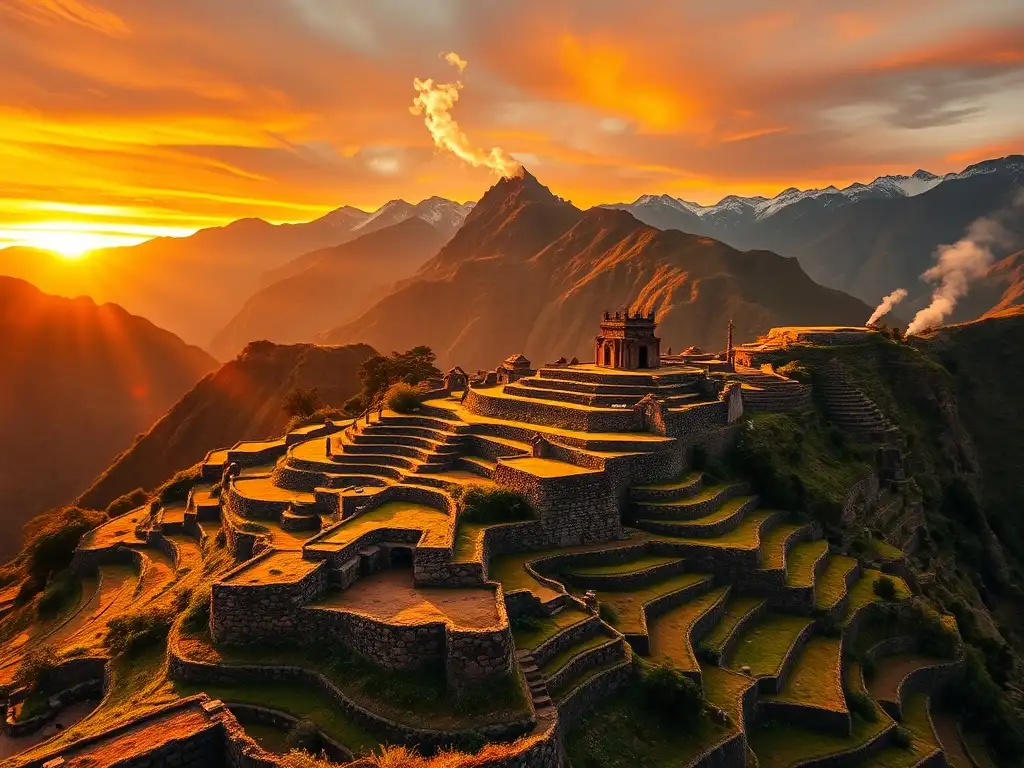
The Andean civilizations, despite lacking the technological advancements of later eras, developed sophisticated methods for harnessing available energy sources. Their ingenuity in adapting to the challenging Andean environment offers valuable lessons for modern sustainable practices. Their understanding wasn't solely about extraction, but about a harmonious relationship with the environment, ensuring long-term resource availability. This holistic approach is crucial in addressing contemporary energy challenges.
The focus wasn't on maximizing output at all costs, but on optimizing energy use within the constraints of their environment. This philosophy is remarkably relevant today as we grapple with climate change and resource depletion. The Andean approach prioritized efficiency and sustainability over sheer power generation.
Harnessing Solar Energy in the Andes
Andean communities cleverly utilized solar energy for centuries. The design of their homes, often oriented to maximize sunlight exposure during colder months and minimize it during hotter periods, is a testament to their understanding of passive solar heating and cooling. The strategic placement of windows and walls, combined with the use of natural materials with high thermal mass, like stone, helped regulate indoor temperatures effectively. This minimized the need for artificial heating or cooling systems, reducing energy consumption significantly.
For example, the construction of many Inca buildings showcases this mastery, with specific orientations and features optimized for solar energy gain. Evidence suggests that the angle of the sun's rays was carefully considered during the planning and construction phases of many structures, showcasing a profound understanding of solar geometry. This showcases a deep understanding of sustainable architecture long before modern technology.
Wind Power and its Traditional Applications
While large-scale wind farms were not part of the Andean landscape, the civilizations skillfully integrated wind power into daily life. The use of wind for tasks such as drying crops and textiles is well-documented. Moreover, the design of certain agricultural terraces and irrigation systems likely took advantage of prevailing wind patterns to aid in ventilation and potentially even enhance crop growth.
The specific ways in which wind was utilized varied across different Andean cultures, reflecting the diverse geographic conditions. Further research is needed to fully quantify the extent of wind energy use, but existing evidence suggests a nuanced and practical approach to harnessing this renewable resource. The observation of wind patterns and its incorporation into daily activities reflects a deep understanding of their environment and its subtle forces.
Andean Understanding of Thermal Efficiency
The Andean civilizations demonstrated a remarkable understanding of thermal efficiency in their building techniques. They used materials like stone and adobe, which have high thermal mass, to regulate indoor temperatures. These materials absorb heat during the day and release it slowly at night, reducing the need for additional heating. This is exemplified in the construction of many Inca structures which maintained relatively stable internal temperatures despite significant external temperature fluctuations.
Their understanding of thermal properties extended to the design of their clothing, with layered garments providing insulation against both cold and heat. This holistic approach to thermal management is a powerful example of passive energy conservation, offering valuable insights for modern sustainable building practices. The integration of thermal considerations into both architecture and clothing highlights a comprehensive understanding of energy efficiency in a challenging environment.
Lessons from the Andes: Applying Ancient Wisdom Today
The sustainable practices employed by the Andean civilizations offer invaluable lessons for contemporary societies grappling with environmental challenges. Their ingenuity in resource management, energy efficiency, and agricultural techniques provides a rich source of inspiration for developing more sustainable and resilient communities. The integration of these ancient practices with modern technology could lead to significant advancements in sustainable development. Examining these ancient methods allows for the development of innovative solutions to modern problems. By studying their successes and failures, we can learn to develop more sustainable systems for ourselves.
The Relevance of Andean Sustainable Practices in Modern Agriculture
Andean agricultural techniques, such as terracing and crop rotation, are highly relevant to modern agriculture, particularly in regions with challenging terrain and limited resources. Terracing, for instance, prevents soil erosion and optimizes water use, while crop rotation maintains soil fertility and reduces pest infestations. These methods are especially valuable in addressing the challenges of climate change and ensuring food security in vulnerable regions.
The integration of these traditional methods with modern agricultural technologies could significantly enhance yields while minimizing environmental impact. Specific examples of successful integration of Andean agricultural techniques into modern farming practices are needed to fully illustrate their effectiveness.
Adapting Andean Resource Management for Modern Challenges
The Andean civilizations' resource management strategies, characterized by a deep respect for the environment and a focus on long-term sustainability, offer valuable insights for addressing contemporary challenges such as resource depletion and waste management. Their understanding of water management, for example, through sophisticated irrigation systems, is particularly relevant in arid and semi-arid regions. Adapting their principles to modern contexts requires a shift in mindset, from prioritizing short-term gains to embracing long-term sustainability.
This requires a collaborative approach incorporating both traditional knowledge and modern scientific understanding. Specific examples of modern adaptations of Andean resource management strategies are needed to illustrate this point.
Integrating Andean Architectural Principles into Contemporary Design
The principles of Andean architecture, characterized by their use of locally sourced materials, passive solar design, and adaptation to the environment, offer valuable insights for contemporary sustainable design. Integrating these principles into modern buildings can reduce energy consumption, minimize environmental impact, and create more comfortable and resilient structures. This involves understanding the specific environmental context, selecting appropriate materials, and employing design strategies that optimize natural resources.
Further research into the application of Andean architectural principles in modern sustainable buildings is needed to fully appreciate their potential. The incorporation of traditional building techniques with modern engineering could lead to significant improvements in energy efficiency and environmental sustainability.
The Future of Sustainability: Learning from Andean Civilizations
The challenges of climate change and resource depletion facing the modern world demand innovative solutions. Looking to the past, and specifically to the ingenious sustainable practices employed by Andean civilizations, offers a wealth of knowledge that can inform our present and future efforts. These ancient societies, facing harsh environmental conditions and limited resources, developed sophisticated systems for managing water, agriculture, and waste that ensured their survival for centuries.
Understanding their approaches to resource management, land use, and community organization can provide valuable insights for creating more resilient and sustainable societies today. The principles of harmony with nature, resource efficiency, and community collaboration, central to Andean life, offer a powerful counterpoint to modern unsustainable practices.
By studying these ancient techniques and adapting them to contemporary contexts, we can develop more effective strategies for addressing global sustainability challenges. This involves not just technological innovation, but also a fundamental shift in our relationship with the environment and with each other, mirroring the interconnectedness valued by Andean communities.
Reconnecting with Nature: The Andean Path to Sustainability
The Andean approach to sustainability was fundamentally rooted in a deep respect for and interconnectedness with the natural world. Unlike the exploitative relationship often seen in modern industrial societies, Andean cultures viewed themselves as integral parts of their ecosystems. Their agricultural practices, such as terracing and crop rotation, were designed to minimize environmental impact and maximize yields.
Water management systems, like the intricate canal networks of the Inca, showcased a sophisticated understanding of hydrology and a commitment to equitable water distribution. These systems weren't simply engineering feats; they were expressions of a worldview that valued balance and harmony between humans and nature. This holistic perspective, emphasizing the interconnectedness of all living things, offers a powerful lesson for modern societies struggling with environmental degradation.
Reconnecting with nature, understanding the delicate balance of ecosystems, and adopting practices that minimize our environmental footprint are crucial steps toward achieving true sustainability. This requires a shift away from anthropocentric views towards a more biocentric perspective, recognizing the intrinsic value of all living beings and ecosystems.
Case Study: The Ollantaytambo Community and Water Management
Ollantaytambo, a remarkable Inca site in the Sacred Valley of Peru, provides a compelling case study of sustainable water management. The community's intricate network of canals, aqueducts, and irrigation systems, built centuries ago, still functions effectively today. These systems demonstrate remarkable engineering skill and a deep understanding of the local hydrology.
The Inca expertly harnessed water from mountain springs and rivers, distributing it efficiently to agricultural terraces and urban areas. Their design incorporated features that minimized water loss and promoted equitable distribution, ensuring that all members of the community had access to this essential resource. The success of the Ollantaytambo water management system highlights the importance of community participation and long-term planning in sustainable resource management.
The system's longevity is a testament to the resilience and adaptability of traditional Andean practices. Modern communities can learn from this example by emphasizing community-based approaches to water management and incorporating traditional knowledge into contemporary solutions.
Conclusion: The Enduring Legacy of Andean Sustainable Practices
The sustainable practices of Andean civilizations offer a powerful legacy for the modern world. Their ingenuity in adapting to challenging environments, their respect for the natural world, and their commitment to community collaboration provide valuable lessons for addressing the sustainability challenges of our time. By studying their techniques and integrating their principles into contemporary approaches, we can develop more effective and equitable strategies for managing resources, protecting ecosystems, and building resilient communities.
The enduring relevance of Andean sustainable practices lies not just in their technological achievements, but also in the underlying philosophy that emphasizes harmony with nature and the interconnectedness of all living things. Embracing this holistic perspective is crucial for creating a truly sustainable future.
The Andean legacy serves as a powerful reminder that sustainable development is not merely an economic or technological endeavor, but a fundamental shift in our relationship with the environment and with each other. It is a call to reconnect with nature, to learn from the past, and to build a future where humans and the environment thrive together.
- Introduction to Andean Civilizations and Environmental Wisdom
- Ancient Andean Techniques for Sustainable Agriculture
- Andean Resource Management and Conservation
- Building with Nature: Andean Architectural Sustainability
- Andean Energy Practices and Innovation
- Lessons from the Andes: Applying Ancient Wisdom Today
- The Future of Sustainability: Learning from Andean Civilizations
- What sustainable practices did the Andean civilizations employ?
- How did the Andean people manage their resources sustainably?
- What role did religion play in Andean sustainable practices?
- Did the Andean civilizations face any environmental challenges?
- How can we learn from Andean sustainable practices today?
Frequently Asked Questions
What sustainable practices did the Andean civilizations employ?
Andean civilizations implemented ingenious water management systems, like terraces and canals, to optimize agriculture. They also practiced crop rotation and intercropping, maximizing land use and minimizing soil depletion. These methods ensured food security and minimized environmental impact.
How did the Andean people manage their resources sustainably?
Their approach to resource management was holistic. They utilized llama dung as fertilizer, demonstrating a closed-loop system. Careful planning and organization of communities ensured equitable access to resources, preventing overuse.
What role did religion play in Andean sustainable practices?
Religious beliefs often reinforced sustainable practices. Reverence for nature and mountain spirits (Apus) promoted responsible resource use, viewed as vital for maintaining a harmonious relationship with the environment.
Did the Andean civilizations face any environmental challenges?
Yes, they faced challenges like droughts and floods. Their innovative irrigation techniques and adaptive farming methods were crucial for mitigating these risks and ensuring the long-term sustainability of their agricultural systems.
How can we learn from Andean sustainable practices today?
By studying their integrated approach to resource management, we can gain valuable insights. Their techniques, emphasizing local adaptation and community involvement, offer valuable lessons for modern sustainable development strategies, particularly in challenging environments.
Final Reflection: Echoes of the Andes: A Legacy of Sustainability
The ingenious sustainable practices of the Andean civilizations resonate powerfully today, offering crucial lessons as we grapple with the urgent challenges of climate change and resource depletion. Their sophisticated understanding of water management, agricultural techniques, and community-based resource allocation provides a stark contrast to our often unsustainable modern practices, highlighting the critical need for a paradigm shift in our relationship with the environment.
The enduring influence of Andean ingenuity is undeniable; their innovative approaches to living in harmony with nature continue to inspire contemporary solutions to global issues. Their deep respect for the interconnectedness of all living things, a philosophy deeply embedded in their worldview, serves as a potent reminder of our own responsibility. The Earth provides enough to satisfy every man's needs but not every man's greed.
- Mahatma Gandhi. This quote, though not directly related to the Andes, perfectly encapsulates the core message of sustainable living that the Andean civilizations so effectively embodied.
Consider the wisdom embedded in their practices. Imagine the potential if we, too, embraced community-based resource management, prioritized biodiversity, and developed a deeper understanding of the delicate balance within our ecosystems. You have the power to make a difference. Start by exploring sustainable practices in your own life – from reducing your carbon footprint to supporting ethical and sustainable businesses. Let the echoes of the Andes inspire you to build a more sustainable future, one where harmony with nature is not a distant ideal, but a lived reality.
Embrace Sustainable Living Today!
Thank you for joining us on this exploration of the remarkable sustainable practices employed by Andean civilizations. We hope you were inspired by their methods and gained valuable insights into creating a more sustainable lifestyle. Now, let's put that knowledge into action!
Here are some practical steps you can take to honor the Andean legacy and build sustainability into your daily life:
- Grow your own food: Even a small herb garden on a windowsill, or participation in a community garden, connects you to nature and reduces reliance on mass-produced food.
- Share your knowledge: Learn more about sustainable Andean practices through books, articles, or local workshops. Then, share what you've learned with friends and family to inspire others.
- Support local craftspeople: Buy handcrafted goods from local artisans who use sustainable materials and methods. This benefits both the environment and your community.
What sustainable practice from the Andean civilizations inspires you most? We'd love to hear your thoughts!