
How Ancient Andean Societies Managed Scarce Resources

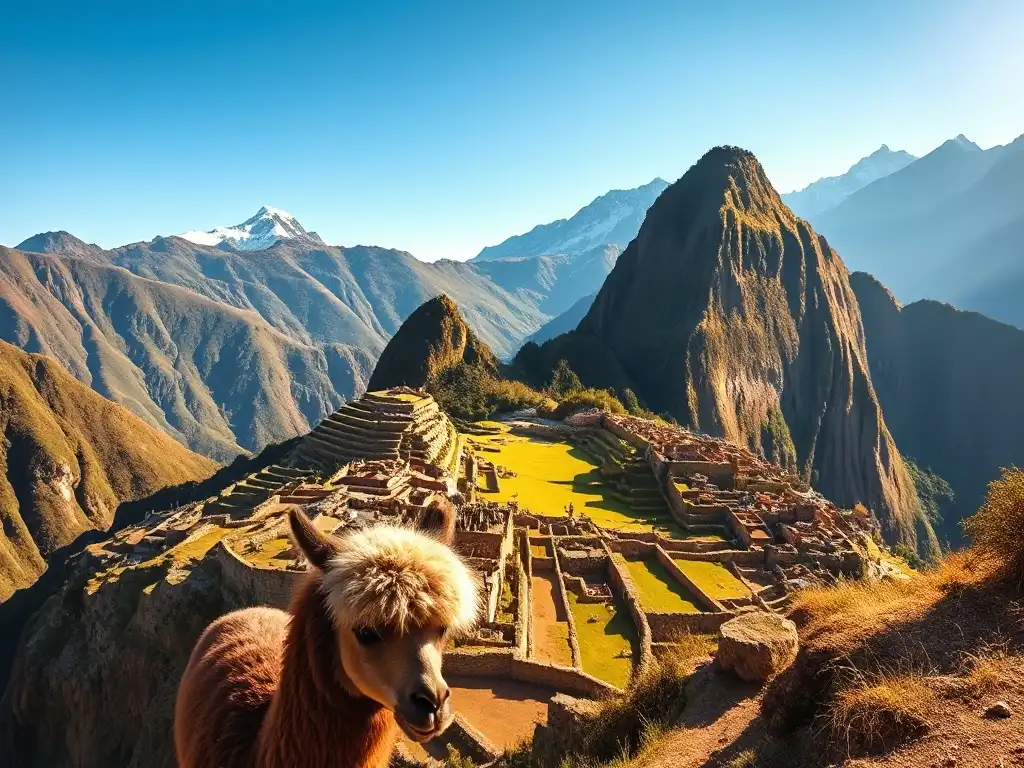
Step into a world lost to time, yet echoing with innovation. For centuries, the towering Andes Mountains challenged the ingenuity of their inhabitants. Discover how the ancient Andean civilizations, including the Incas, Moche, and Nazca, not only survived but thrived in this unforgiving landscape. Unravel the secrets of their remarkable ancient Andean resource management strategies – a testament to human resilience and a fascinating glimpse into a sophisticated past. Prepare to be amazed by their ingenuity and the lessons they hold for us today.
- Ancient Andean Resource Management: Strategies for Survival
- Innovative Agricultural Practices in Ancient Andean Societies
- Resource Allocation and Distribution Systems
- Sustainable Practices and Environmental Awareness
- Case Studies of Specific Andean Cultures
- Lessons from the Past: Relevance of Andean Resource Management Today
-
Frequently Asked Questions
- How did ancient Andean societies manage water scarcity, a crucial resource?
- What role did llamas and alpacas play in Andean resource management?
- How did the Inca Empire manage its vast agricultural resources effectively?
- What innovative agricultural techniques did Andean civilizations employ?
- How did ancient Andean societies manage their limited metal resources?
- Final Reflection: Echoes of Ingenuity in the Andes
- Discover Your Path to Sustainable Resource Management!
Ancient Andean Resource Management: Strategies for Survival
The Andes Mountains, a breathtaking yet unforgiving landscape, presented significant challenges to the ancient civilizations that thrived there. From the arid coastal deserts to the high-altitude altiplano and the lush cloud forests, resource availability varied dramatically, demanding ingenious strategies for survival.
This article explores the remarkable resource management techniques employed by ancient Andean societies—including the Incas, Moche, Nazca, and Tiahuanaco—highlighting their adaptability and ingenuity in the face of scarcity. Understanding their approaches offers valuable insights into sustainable practices and the complex interplay between human societies and their environment, crucial for interpreting the rise and fall of these fascinating cultures and relevant to modern-day challenges of resource management.
We will delve into the specific environmental limitations, the innovative solutions developed, and the lasting impact of these ancient practices on our understanding of sustainable living. This exploration of "ancient Andean resource management" will reveal a sophisticated understanding of their world and its limitations.
The Challenge of Andean Resource Scarcity
The Andean environment presented a complex tapestry of challenges. Water, arguably the most precious resource, was often scarce. Arid coastal regions received minimal rainfall, while high-altitude areas experienced intense freeze-thaw cycles that impacted soil fertility and agricultural yields. Suitable land for agriculture was limited, often confined to narrow valleys and terraces carved into steep slopes.
Furthermore, the distribution of essential resources like minerals, timber, and fertile land was uneven, creating regional disparities and necessitating complex trade networks. The scarcity of resources wasn't simply a matter of quantity; it was also a matter of accessibility and seasonal availability. For example, certain crops thrived only at specific altitudes, requiring sophisticated knowledge of microclimates and careful planning of agricultural practices.
The need for efficient resource management was paramount for the survival and prosperity of these ancient societies. This wasn't just about surviving; it was about thriving in a demanding environment. The ingenuity displayed in their solutions is a testament to their understanding of their world and their ability to adapt.
Understanding the Andean Environment and its Limitations
The diverse geography of the Andes significantly influenced resource management strategies. The coastal deserts, characterized by extreme aridity, required sophisticated irrigation systems to support agriculture. The development of sophisticated canal systems, like those of the Nazca, allowed for the cultivation of crops in otherwise barren lands. In contrast, the high-altitude altiplano presented different challenges.
The thin air, intense solar radiation, and short growing seasons limited agricultural possibilities. Here, the cultivation of hardy crops like potatoes and quinoa, adapted to these harsh conditions, became crucial. The steep slopes of the Andes presented further obstacles. The development of terracing techniques, meticulously crafted stone walls that created level platforms for agriculture, allowed for increased arable land and reduced soil erosion.
This intricate system of terraces not only increased agricultural yields but also helped to manage water resources efficiently. The varied altitude zones, each with its unique microclimate and resources, further necessitated a sophisticated understanding of environmental limitations and the development of region-specific strategies. The successful management of these varied and often challenging environments reveals the depth of ecological knowledge possessed by these ancient Andean cultures.
Innovative Agricultural Practices in Ancient Andean Societies

Ancient Andean societies faced the formidable challenge of cultivating food in a geographically diverse and often harsh environment. Their success hinged on the development of ingenious agricultural practices that maximized resource utilization and ensured food security. Mastering techniques like terracing, irrigation, and crop diversification allowed these civilizations to thrive in the face of scarce resources, a testament to their remarkable adaptability and ingenuity.
This section delves into these innovative approaches, showcasing the ingenuity of ancient Andean resource management. Understanding these methods provides crucial insights into the sustainability and resilience of these remarkable cultures. The keyword "ancient Andean resource management" is central to this exploration.
Terraced Farming: Maximizing Arable Land in the Andes
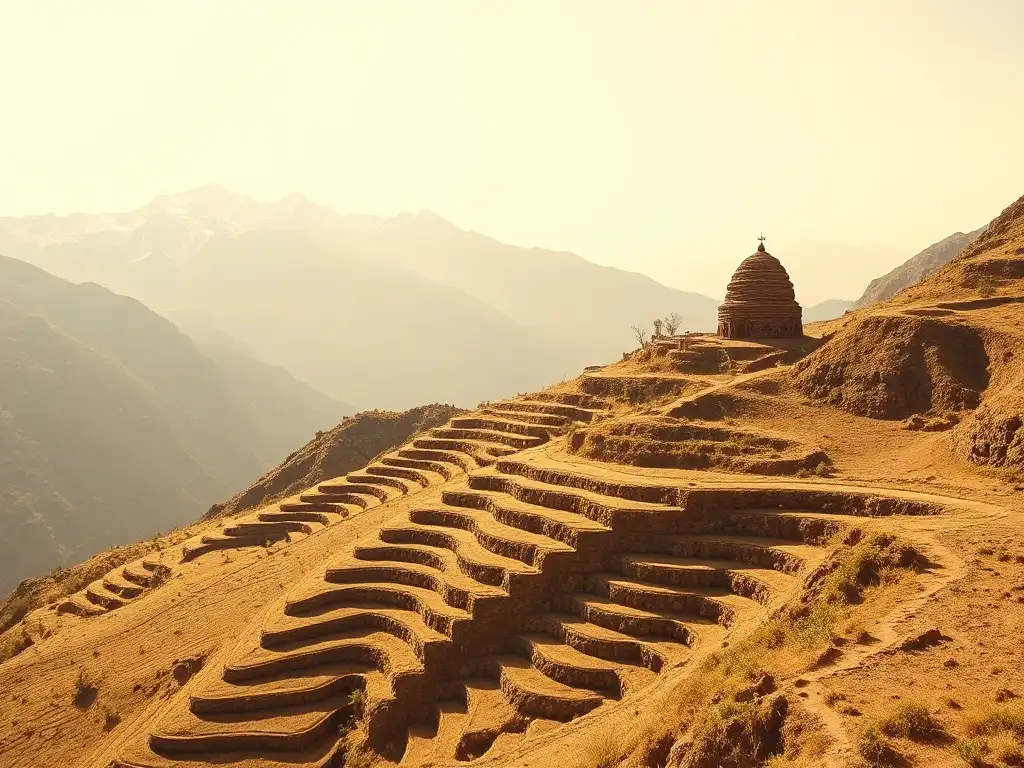
The steep slopes of the Andes presented a significant obstacle to agriculture. However, Andean communities overcame this challenge through the masterful creation of terraced farming systems. These weren't simply haphazard slopes carved into steps; they were meticulously engineered landscapes. Terraces dramatically increased the amount of arable land available for cultivation.
By reducing erosion and improving water retention, they transformed otherwise unusable land into productive agricultural areas. The size and complexity of these terraces varied depending on the specific environment and the needs of the community. Some terraces were small, supporting family plots, while others were vast, indicating large-scale agricultural projects undertaken by larger communities or even states.
The construction of these terraces was a labor-intensive process, requiring careful planning and significant community effort, underscoring the vital role of cooperation in ancient Andean resource management. The precision and scale of these projects are a testament to the advanced engineering skills and sophisticated understanding of their environment possessed by these ancient cultures. The enduring legacy of these terraces is visible even today, a striking example of sustainable ancient Andean resource management practices.
Irrigation Systems: Water Management Techniques of the Incas and other Andean Cultures
Water scarcity was another major challenge faced by Andean civilizations. To address this, they developed sophisticated irrigation systems that channeled water from rivers and streams to fields, even across considerable distances. The Incas, in particular, were renowned for their extensive canal networks, often built across steep terrain.
These weren't just simple ditches; they were carefully designed systems with aqueducts, reservoirs, and sophisticated distribution networks. The Inca system is well-documented, but other Andean cultures also developed their own unique irrigation techniques adapted to their specific environments. For example, the Nazca culture, known for its mysterious lines, also constructed elaborate irrigation canals in the arid coastal regions.
These systems often involved intricate networks of underground channels ( puquios) that tapped into underground water sources. The effectiveness of these irrigation systems was crucial for the success of Andean agriculture, enabling the cultivation of crops even in arid and semi-arid regions. These sophisticated water management strategies highlight the advanced understanding of hydrology and engineering within ancient Andean resource management.
Crop Diversification: Adapting to Different Altitudes and Climates
The Andean region’s diverse geography, encompassing a wide range of altitudes and climates, presented both challenges and opportunities. Ancient Andean societies responded by practicing crop diversification, cultivating a wide variety of crops adapted to different ecological niches. This strategy minimized risks associated with crop failure due to adverse weather conditions or pests. This approach ensured food security and provided a balanced diet rich in nutrients.
Andean Crops: Potatoes, Quinoa, and Maize
The three most important crops cultivated in the Andes were potatoes, quinoa, and maize. Potatoes, with their remarkable adaptability to different altitudes and climates, were a staple food source. Quinoa, a highly nutritious grain, thrived in challenging conditions and provided essential protein and minerals. Maize, while more challenging to grow at higher altitudes, supplemented the diet and held cultural significance in many Andean societies.
Beyond these three staples, Andean farmers cultivated a wide array of other crops, including beans, squash, tomatoes, and various fruits, creating a remarkably diverse agricultural system. This agricultural diversification was a cornerstone of ancient Andean resource management, demonstrating their deep understanding of ecology and their capacity for sustainable food production in a challenging environment. The resilience of these crops and the sophisticated agricultural techniques employed are a compelling example of successful ancient Andean resource management. 🥔 🌽 🌱
Resource Allocation and Distribution Systems
Ancient Andean societies, renowned for their ingenuity in adapting to the challenging Andean landscape, developed sophisticated systems for managing scarce resources. These systems weren't simply about acquiring resources; they were deeply interwoven with social structures, religious beliefs, and political power. Understanding these intricate networks is crucial to appreciating the resilience and complexity of these civilizations.
The efficient management of resources, including water, arable land, and food supplies, was paramount to their survival and prosperity, influencing everything from agricultural practices to social hierarchies. The success of these systems is evident in the longevity and impressive achievements of cultures like the Inca, Wari, and Tiwanaku. Effective resource management was, in essence, the backbone of their societal stability and success.
This section will delve into the key mechanisms employed by these societies to ensure the equitable distribution and sustainable use of vital resources. The keyword "ancient Andean resource management" perfectly encapsulates the core theme of this analysis.
The Andean reciprocity system, ayni and minka, formed the cornerstone of resource allocation and distribution. Ayni encompassed a system of mutual exchange of goods and labor, creating a strong sense of community and interdependence. Neighbors helped each other with agricultural tasks, construction projects, or any other needed assistance.
This wasn't simply altruism; it was a reciprocal agreement built on the understanding that future assistance would be forthcoming. Minka, on the other hand, involved communal labor organized by local authorities for public works projects, such as irrigation systems, temple construction, or road maintenance. Participation was often obligatory, reflecting a strong social obligation to the community.
These systems ensured that resources were not only shared but also contributed to the collective well-being, fostering a sense of unity and cooperation crucial for survival in harsh environments. The effectiveness of ayni and minka is illustrated by the impressive infrastructure projects undertaken by Andean societies, such as extensive terrace farming and intricate irrigation canals, which wouldn't have been possible without widespread community participation. These systems are prime examples of effective ancient Andean resource management.
Storage and Preservation Techniques: Ensuring Food Security
Food security was paramount in the Andes, where unpredictable weather patterns and challenging terrain made agriculture a constant struggle. Ancient Andean societies developed ingenious techniques for storing and preserving food to mitigate the risks of crop failure and seasonal shortages. This involved a sophisticated understanding of agricultural practices, combined with advanced storage technologies.
For instance, the construction of qollqas, underground storage facilities, allowed for the preservation of grains, potatoes, and other staples for extended periods. These structures were often strategically located to take advantage of natural temperature variations, helping to maintain the quality and longevity of stored food. Additionally, techniques like freeze-drying (chuño) extended the shelf life of potatoes, a staple crop, allowing for year-round consumption.
The meticulous planning and execution of these preservation methods demonstrate a deep understanding of agricultural cycles and environmental conditions, showcasing remarkable resourcefulness in ancient Andean resource management. The success of these preservation methods is evidenced by the ability of Andean communities to withstand periods of drought and other environmental challenges.
The Role of the State in Resource Management: Examples from Inca and Wari Cultures
The Inca and Wari empires, with their centralized political structures, played a significant role in resource management. The Inca, for example, implemented a complex system of redistribution, collecting surplus agricultural produce from various regions and then redistributing it to areas in need. This involved a vast network of storehouses ( qollqas) and a highly organized bureaucracy responsible for monitoring and managing the flow of goods.
The mit'a labor system, while often viewed as a form of forced labor, also served as a crucial mechanism for resource management, mobilizing a large workforce for public works projects and agricultural production. Similarly, the Wari state engaged in extensive infrastructure development, including irrigation systems and road networks, which facilitated resource distribution and enhanced agricultural productivity. While the specifics differed between empires, both the Inca and Wari demonstrated the capacity of a centralized state to effectively manage and allocate resources across a large and diverse territory.
This state-level control significantly improved the efficiency and resilience of ancient Andean resource management. The scale of their achievements underscores the importance of strong centralized governance in ensuring the long-term sustainability and prosperity of these complex societies.
Sustainable Practices and Environmental Awareness

Ancient Andean societies, despite facing challenging environmental conditions, developed sophisticated strategies for resource management. Their success wasn't solely based on technological prowess, but also on a deeply ingrained respect for the environment and a commitment to sustainable practices. This holistic approach, interwoven with their spiritual beliefs, ensured the long-term viability of their communities. Understanding their methods offers valuable lessons for modern societies grappling with resource scarcity and environmental degradation. The keyword "ancient Andean resource management" is central to this understanding, highlighting the innovative and sustainable approaches employed.
Understanding the Importance of Pachamama: The Andean Concept of Mother Earth
The Andean worldview centered on the concept of Pachamama, the Earth Mother, a powerful deity representing the fertile land, providing sustenance and life. This wasn't a mere religious belief; it was a fundamental principle governing their interaction with the environment. Respect for Pachamama permeated all aspects of Andean life, influencing agricultural practices, resource allocation, and even social structures.
The belief that the Earth was a living entity demanding respect fostered a sense of responsibility towards its preservation. This reverence directly translated into sustainable practices, ensuring that resources were utilized responsibly and not exploited. For example, the careful selection of planting locations, the use of terraces for agriculture, and the avoidance of overgrazing all stemmed from a deep-seated understanding of the interconnectedness between humans and nature.
Evidence suggests that rituals and ceremonies were regularly performed to honor Pachamama and to ensure continued fertility and abundance. This spiritual connection to the land shaped their resource management strategies, providing a powerful incentive for long-term sustainability. The concept of ayni, reciprocity, further solidified this ethic, emphasizing the need to give back to the Earth what was taken.
Minimizing Waste: Techniques for Reusing Resources
Ancient Andean civilizations were masters of resourcefulness, employing various techniques to minimize waste and maximize the utility of available resources. Their ingenuity in reusing materials is evident in their architecture, textiles, and agriculture. For instance, the intricate construction of their stone buildings often utilized reclaimed materials, repurposing stones from previous structures.
Similarly, textile production involved meticulous recycling of fibers and threads, minimizing waste and extending the lifespan of garments. In agriculture, the use of manure and compost enriched the soil, reducing the need for external inputs and promoting long-term soil fertility. The careful selection and storage of seeds, a practice passed down through generations, minimized the need for constant replanting and conserved valuable genetic diversity.
Detailed records of these practices, though not always readily accessible, are crucial for understanding the nuanced techniques used to achieve maximum resource efficiency. Further research into specific techniques used by different Andean cultures (such as the Nazca or Incas) is necessary to obtain a more complete picture of their resource management strategies. Accurate data on the specific materials reused and the scale of this reuse is still under investigation, but preliminary evidence suggests a remarkable level of resourcefulness.
Long-Term Sustainability: Lessons from Ancient Andean Resource Management
The success of ancient Andean societies in managing scarce resources over centuries underscores the importance of holistic approaches to environmental stewardship. Their strategies, rooted in a deep understanding of their environment and a spiritual connection to the land, offer valuable lessons for modern societies facing similar challenges. The emphasis on long-term sustainability, minimizing waste, and respecting the interconnectedness of ecosystems are principles that resonate strongly today.
By understanding the principles of Pachamama and ayni, we can gain valuable insights into achieving a more sustainable future. The integration of traditional ecological knowledge with modern scientific understanding can provide powerful tools for addressing contemporary environmental issues. Studying ancient Andean resource management techniques provides a compelling case study in sustainable development, demonstrating that thriving societies can exist in harmony with their environment.
Further research into the specific agricultural techniques, water management systems, and social structures that underpinned their success is needed to fully grasp the depth and complexity of their sustainable practices. The legacy of ancient Andean resource management serves as a powerful reminder of the importance of respect for the environment and the long-term consequences of unsustainable practices. The keyword, "ancient Andean resource management," encapsulates the key theme of this sustainable approach.
Case Studies of Specific Andean Cultures
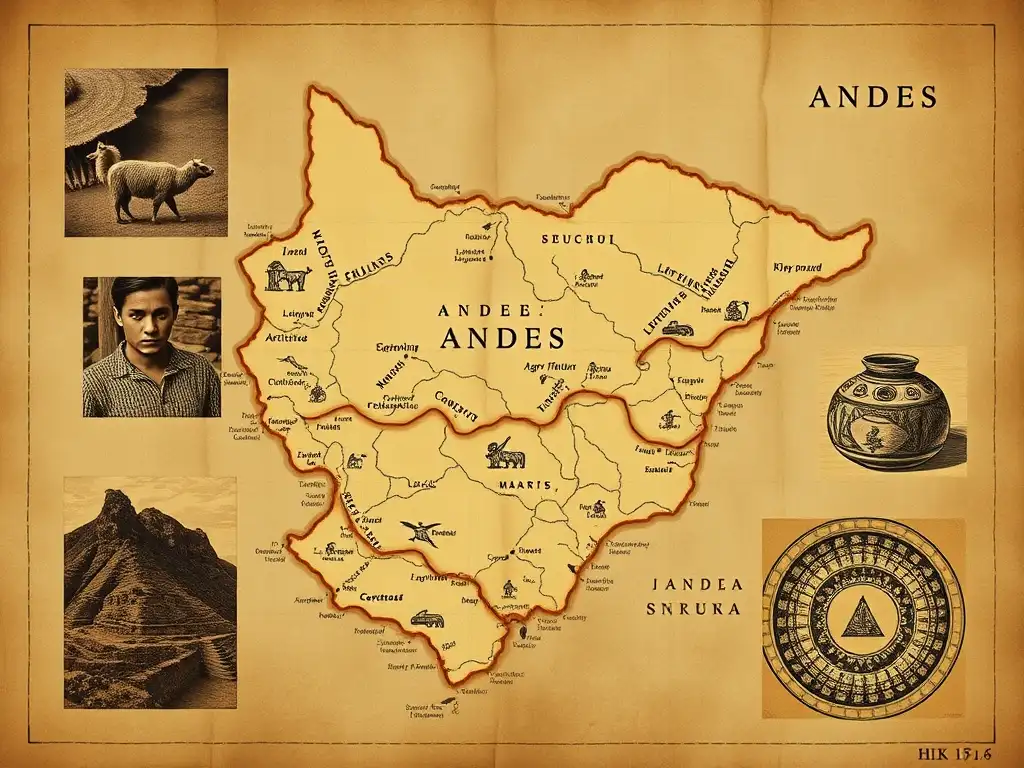
This section delves into the specific strategies employed by several prominent Andean cultures to manage scarce resources, highlighting their ingenuity and adaptability to the challenging Andean environment. Understanding these diverse approaches provides a richer perspective on the complexities of "ancient Andean resource management". We will examine the unique techniques implemented by the Moche, Nazca, and Inca civilizations, showcasing their remarkable achievements in overcoming environmental limitations.
The Moche and their Water Management Techniques
The Moche civilization (circa 100-800 CE), flourishing along the arid northern coast of Peru, faced extreme water scarcity. Their survival hinged on sophisticated water management systems, reflecting a deep understanding of hydrology and engineering. They developed extensive canal networks, drawing water from rivers and diverting it to irrigate their agricultural lands. These canals weren't simple ditches; they were carefully engineered structures, often featuring intricate systems of reservoirs, aqueducts, and filters. Evidence suggests the Moche employed advanced surveying techniques to ensure the precise alignment and gradient of their canals, maximizing water flow and minimizing water loss through evaporation or seepage.
The Moche also understood the importance of water storage. They constructed large reservoirs, some capable of holding significant volumes of water, to provide a buffer during periods of drought. These reservoirs weren't just simple pits; many were lined with clay or other materials to prevent leakage and maintain water quality. The construction of these impressive hydraulic works required a high degree of social organization and cooperation, demonstrating the Moche's ability to mobilize labor and resources for large-scale infrastructure projects.
Their success in managing water resources was critical to their agricultural productivity and the overall prosperity of their society. The ingenuity of their water management systems stands as a testament to their advanced technological capabilities and their profound understanding of their environment. This sophisticated approach to "ancient Andean resource management" allowed the Moche to thrive in one of the most challenging environments on Earth.
The Nazca and their Agricultural Innovations
The Nazca culture (circa 100 BCE – 800 CE), also inhabiting the arid coastal region of southern Peru, faced similar challenges of water scarcity. However, their approach to resource management differed from that of the Moche, emphasizing innovative agricultural techniques. Their famous Nazca Lines, while visually stunning, were likely not solely for ceremonial purposes. Some researchers suggest that certain lines may have been related to water management, possibly acting as channels or markers for underground water sources.
More importantly, the Nazca mastered techniques of subsurface irrigation. By carefully observing the landscape, they identified underground water sources and developed intricate systems of subterranean canals (puquios) to bring water to the surface. These puquios were remarkably effective, allowing them to cultivate crops even in extremely dry conditions. The construction of these underground canals required significant expertise in engineering and hydrology, as well as a deep understanding of the local geology.
Evidence suggests that the Nazca used a variety of techniques to maintain the integrity of their puquios, including the use of stones, clay, and other materials to prevent collapse and water leakage. Their success in developing these innovative agricultural strategies demonstrates their adaptive capacity and their ability to overcome seemingly insurmountable environmental obstacles. This represents a uniquely Nazca contribution to "ancient Andean resource management".
The Inca Empire and its Centralized Resource Control
The Inca Empire (1438-1533 CE) implemented a highly centralized system of resource management, reflecting their vast territorial control and sophisticated administrative structure. Unlike the Moche and Nazca, who focused on localized strategies, the Inca employed a state-controlled approach to resource allocation. Their system, known as mita, involved the mobilization of labor for public works projects, including irrigation systems, road construction, and agricultural production.
The Inca maintained detailed records of resources and population, using a complex system of knotted strings called quipus to track agricultural yields, labor contributions, and storage levels. This meticulous record-keeping allowed them to effectively manage resources across their vast empire, ensuring equitable distribution and preventing shortages. They also developed extensive storage facilities, called qollqas, strategically located throughout their territory to store surplus agricultural products and other essential resources.
These storage facilities played a crucial role in ensuring food security during times of drought or other calamities. The Inca's centralized system of resource management, while demanding, proved remarkably effective in supporting a large and complex empire.
Their approach to "ancient Andean resource management" stands as a model of state-controlled resource allocation and its importance in maintaining social stability and political power. The Inca's success was rooted in a combination of sophisticated administrative structures, detailed record-keeping, and an effective system of resource distribution.
Lessons from the Past: Relevance of Andean Resource Management Today
The ingenuity of ancient Andean societies in managing scarce resources offers invaluable lessons for contemporary resource management strategies. Their sophisticated techniques, developed over millennia in response to the harsh realities of the Andes, provide a compelling case study for sustainable development. Understanding how these civilizations thrived in challenging environments can inform our approaches to addressing modern resource scarcity, climate change, and environmental degradation.
The ancient Andean approach wasn't simply about survival; it was about creating resilient and sustainable communities. This involved a deep understanding of their environment and a profound respect for its limitations. This holistic approach contrasts sharply with many modern exploitative practices.
Addressing Modern Resource Challenges: Applying Ancient Wisdom
Ancient Andean resource management techniques, such as terracing, irrigation systems, and crop diversification, offer practical solutions to modern challenges. For example, the intricate waru waru agricultural system, employing raised beds and canals, demonstrates remarkable water management capabilities, highly relevant in today's context of increasing water scarcity and drought. This system not only maximized water retention but also improved soil fertility and minimized erosion.
Similarly, the sophisticated understanding of Andean societies regarding microclimates allowed them to cultivate a vast array of crops at different altitudes, a strategy that can be adapted to modern agricultural practices to enhance biodiversity and resilience. The integration of livestock management into their agricultural practices further illustrates a holistic approach, minimizing waste and maximizing resource utilization. The efficient use of resources, minimizing waste and maximizing output, is a crucial aspect of ancient Andean resource management that modern societies could greatly benefit from adopting.
The Importance of Sustainable Practices for Future Generations
The long-term sustainability of ancient Andean resource management practices underscores their relevance for future generations. These societies understood the importance of maintaining ecological balance for the continued prosperity of their communities. Their practices were not merely about short-term gains but about ensuring the long-term health of the environment and the well-being of future generations. This long-term perspective is a stark contrast to many modern practices that prioritize immediate economic gains over environmental sustainability.
The consequences of unsustainable practices are becoming increasingly evident, making the wisdom of the ancient Andean approach all the more crucial. By studying and implementing these sustainable practices, we can contribute towards creating a more resilient and equitable future, ensuring the availability of resources for generations to come. The emphasis on community-based management and collective responsibility for resource allocation also offers valuable insights for contemporary governance structures.
Concluding Remarks on the Ingenuity of Ancient Andean Resource Management
The study of ancient Andean resource management provides a compelling narrative of human ingenuity and adaptation. Their innovative strategies, developed in response to environmental constraints, offer valuable lessons for modern societies grappling with resource scarcity and environmental challenges. From sophisticated irrigation systems to diverse agricultural practices and community-based management, their achievements demonstrate the power of integrating environmental knowledge with social organization.
The enduring legacy of these civilizations highlights the importance of sustainable practices and a long-term perspective in resource management, ensuring the well-being of both present and future generations. The continued research and application of their techniques remain crucial for navigating the complexities of modern resource management and creating a more sustainable future. Understanding the interplay between environmental adaptation and social organization within ancient Andean societies provides crucial insights for tackling contemporary challenges related to ancient Andean resource management.
Frequently Asked Questions
How did ancient Andean societies manage water scarcity, a crucial resource?
Ancient Andean societies developed sophisticated water management systems, including canals, aqueducts, and reservoirs, to irrigate crops and supply settlements. They also employed techniques like terracing to conserve water and prevent erosion.
What role did llamas and alpacas play in Andean resource management?
Llamas and alpacas provided essential resources like wool, meat, and transportation. Their dung was used as fertilizer, contributing to sustainable agriculture. Careful herding practices prevented overgrazing.
How did the Inca Empire manage its vast agricultural resources effectively?
The Inca utilized a complex system of state-controlled agriculture, including mit'a labor and storehouses (qollqas) for food storage. This ensured equitable distribution and mitigated the impact of crop failures.
What innovative agricultural techniques did Andean civilizations employ?
Andean civilizations developed advanced techniques like terracing, raised fields, and waru waru to optimize land use and maximize crop yields in challenging environments. These techniques helped them adapt to diverse terrains and climates.
How did ancient Andean societies manage their limited metal resources?
Andean societies developed sophisticated metallurgy, recycling and reusing metals like gold and copper. They carefully controlled metal production and distribution, often associating metals with religious and elite status.
Final Reflection: Echoes of Ingenuity in the Andes
The ingenious resource management strategies employed by ancient Andean societies remain profoundly relevant today, offering crucial lessons for navigating our own era of environmental challenges and resource scarcity. Their sophisticated understanding of water distribution, agricultural techniques, and community organization provides a powerful counterpoint to modern unsustainable practices, reminding us that thriving civilizations can be built on principles of sustainability and cooperation, not just exploitation.
The enduring legacy of Andean ingenuity is evident in the continued use of some of their techniques, even if adapted to modern contexts. Their deep understanding of their environment and the intricate relationship between people and nature serves as a potent reminder of our own interconnectedness. The earth does not belong to us; we belong to the earth.
This sentiment, though not directly from an Andean source, perfectly encapsulates the holistic worldview that underpinned their successful resource management. Their approach offers a powerful alternative to the anthropocentric view that often dominates modern resource exploitation.
Consider the challenges we face today: climate change, water stress, food security. The solutions may not lie solely in technological advancements, but also in a renewed appreciation for the wisdom of past civilizations. You, the reader, are now equipped with a deeper understanding of the Andean approach.
I urge you to reflect on how these principles of sustainable living can be incorporated into your own life, your community, and your advocacy for a more equitable and sustainable future. Let the echoes of Andean ingenuity inspire you to build a world where resource management is not a struggle for survival, but a celebration of human ingenuity and environmental stewardship.
Discover Your Path to Sustainable Resource Management!
Thank you for exploring how ancient Andean societies thrived despite limited resources. You've gained valuable insights that offer inspiration for modern solutions. Let's use this knowledge to make a positive impact today.
Here's how you can take action:
- Implement sustainable practices: Begin by evaluating your own resource consumption at home and at work. Identify practical ways to reduce waste, reuse materials, and recycle effectively.
- Share your knowledge: Discuss sustainable resource management with friends, family, and colleagues. Share what you've learned and encourage environmentally conscious behaviors in your community.
- Get involved: Join or start a local community group dedicated to sustainability. Participate in workshops and events that promote resource-efficient practices.
What's one small change you can make this week to become a better steward of our shared resources?