
Inca Myths and Legends: Tales of Creation and Heroic Deeds

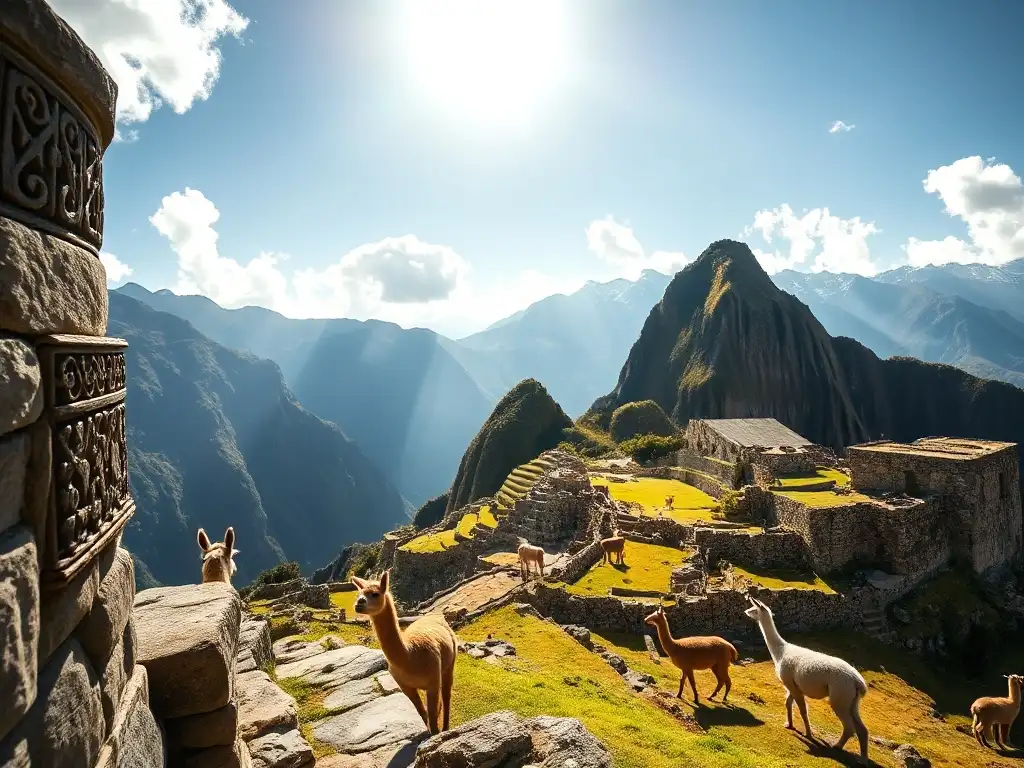
Unravel the mysteries of the Andes! Journey with us into a world of breathtaking landscapes and even more breathtaking stories. Prepare to be captivated by the intriguing Inca creation myths and legends, tales woven from the very fabric of their awe-inspiring civilization. Discover how these ancient narratives shaped their beliefs, their society, and their remarkable achievements. Are you ready to delve into the heart of the Inca Empire and uncover the secrets whispered on the wind across the mountains?
Inca Creation Myths and Legends: Tales of Creation and Heroic Deeds
The Inca Empire, a civilization that flourished in the Andes Mountains, left behind a remarkable legacy of intricate societal structures, breathtaking architecture, and a captivating tapestry of myths and legends. This article delves into the fascinating world of Inca creation myths and legends, exploring the stories that shaped their worldview and provided a framework for their understanding of the cosmos, their origins, and their place within it. We will journey through tales of legendary beginnings, powerful creator gods, and heroic figures, uncovering the rich symbolism and enduring power of Inca mythology, focusing specifically on the narratives surrounding their creation myths and the legendary figures that populate their rich oral tradition.
Understanding these myths provides invaluable insight into the Inca's social structures, religious beliefs, and overall understanding of the world. This exploration will illuminate the profound connection between Inca cosmology and their societal organization, revealing how their beliefs directly influenced their daily lives and governance.
We will examine how these stories served not only as entertaining narratives but also as powerful tools for social control and the legitimization of Inca power. The keyword "Inca creation myths legends" is central to this exploration.
The Origins of the Inca People: Legendary Beginnings
Inca mythology offers several accounts of the origins of their people. One prominent narrative centers around the emergence of the Inca from a cave, often associated with the legendary figure of Manco Cápac and Mama Ocllo. These siblings, often depicted as emerging from Lake Titicaca, were considered the founders of the Inca civilization.
Their journey from the lake to the valley of Cuzco, where they established the Inca capital, is filled with symbolic meaning and represents the expansion and consolidation of Inca power. The narrative emphasizes the divine mandate granted to Manco Cápac and Mama Ocllo, establishing the legitimacy of their rule and the subsequent Inca dynasty. These stories, passed down through generations, served to unite the diverse populations under Inca rule, providing a shared sense of origin and destiny.
The details surrounding their emergence vary slightly across different accounts, highlighting the dynamic and evolving nature of oral traditions. Further research is needed to fully understand the regional variations in these origin stories and their implications for Inca identity.
Inca Cosmogony: Understanding the Inca Worldview
Inca cosmology, deeply intertwined with their creation myths, provides a framework for understanding their worldview and their relationship with the natural world. The Inca believed in a structured cosmos, encompassing a complex interplay of celestial bodies, earthly realms, and the underworld. This understanding influenced their social organization, agricultural practices, and political structures.
Their deeply spiritual beliefs were reflected in their daily lives, from religious ceremonies to the construction of monumental sites like Machu Picchu. The Inca worldview was not simply a set of abstract beliefs; it was a living reality that guided their actions and shaped their society. Their reverence for nature and their understanding of the cosmos were fundamental to their existence.
The Three Worlds of Inca Cosmology: Hanan Pacha, Kay Pacha, and Uku Pacha
The Inca cosmos was divided into three distinct realms: Hanan Pacha (the upper world), Kay Pacha (the earthly world), and Uku Pacha (the underworld). Hanan Pacha was the realm of the gods, the sun, and the celestial bodies. Kay Pacha was the world of humans, where daily life unfolded. Uku Pacha, the underworld, was associated with death, spirits, and the ancestors.
The interaction and balance between these three realms were crucial to the Inca worldview, influencing their beliefs, rituals, and social organization. The concept of the three worlds reflects the Inca's profound understanding of the interconnectedness of all things. This intricate cosmology demonstrates their sophisticated understanding of the universe and their place within it. The constant interaction and balance between the three worlds was crucial to their belief system and shaped their worldview in profound ways.
Viracocha: The Creator God in Inca Mythology
Viracocha, the supreme creator god in Inca mythology, holds a central position in Inca cosmology and creation myths. Depicted as a powerful and benevolent deity, Viracocha is credited with creating the world, the sun, the moon, and humanity. Different narratives describe Viracocha's creation acts in varying ways, highlighting the fluid and evolving nature of oral traditions. Viracocha's role extended beyond creation; he was also seen as a source of wisdom, justice, and order.
His image was revered throughout the Inca Empire, and his worship played a significant role in Inca religious practices. The importance of Viracocha in Inca mythology underscores the significance of divine authority and cosmic order in Inca society. Further research into the diverse regional representations of Viracocha could reveal important insights into the cultural variations within the Inca Empire.
Inti: The Sun God and his Importance in Inca Beliefs
Inti, the sun god, held immense importance in Inca religion and society. As the son of Viracocha, Inti was considered a powerful deity, whose life-giving energy sustained the Inca world. The Inca emperors claimed descent from Inti, legitimizing their rule and reinforcing the divine connection between the rulers and their subjects. The worship of Inti was central to Inca religious practices, with elaborate ceremonies and festivals dedicated to the sun god.
The Inca's deep reverence for Inti reflects the crucial role of the sun in their agricultural society and their understanding of the cosmos. The sun's life-giving power was central to their agricultural practices and their overall survival. The Inca's meticulous observation of the sun's movements also contributed to their advanced astronomical knowledge.
Key Inca Creation Myths: Stories of Origin
Inca creation myths, deeply woven into the fabric of their society, provided explanations for the world's origins and the Inca's place within it. These narratives weren't merely stories; they served as powerful tools for legitimizing Inca rule, reinforcing social structures, and shaping religious beliefs. The myths often involved supernatural beings, powerful ancestors, and dramatic events that shaped the landscape and the destiny of the Inca people. The cyclical nature of many of these myths reflects the Inca worldview, emphasizing the constant renewal and regeneration of life.
Understanding these creation stories offers a crucial window into the Inca worldview and their sophisticated cosmology. The stories were passed down through generations, primarily through oral tradition, with variations existing across different regions of the vast Inca empire. This oral transmission ensures that the myths maintained their vitality and relevance, adapting to the changing socio-political landscape.
The Myth of Manco Capac and Mama Ocllo: Founding of Cusco
The myth of Manco Capac and Mama Ocllo is perhaps the most well-known Inca creation story. It recounts the emergence of these two siblings, often described as divine beings or descendants of the sun god Inti, from the sacred lake Titicaca. Their mission, divinely ordained, was to establish a great civilization.
Armed with a golden staff, Manco Capac was tasked with finding the perfect location to found the city of Cusco, the future capital of the Inca empire. Wherever the staff sank into the earth, it signified the chosen spot. Legend states that the staff sank in the location where Cusco was eventually built, demonstrating divine approval and solidifying the legitimacy of the Inca's rule.
Mama Ocllo, meanwhile, taught the people agriculture and domestic skills, fostering the development of Inca society. This foundational myth provided a powerful narrative for the Inca's claim to authority and their control over the vast territories they conquered. The story's enduring popularity speaks to its central role in shaping Inca identity and ideology.
The Emergence of the Inca from Pacaritambo: The Cave of Origin
Another significant creation myth centers around the emergence of the Inca from the cave of Pacaritambo. This cave, located in a region considered sacred, is depicted in the myth as the birthplace of the Inca lineage. The story describes the ancestors of the Inca emerging from this cave, ready to establish their dominion. This myth, unlike the Manco Capac and Mama Ocllo narrative, often focuses on the ancestral origins of specific Inca lineages, highlighting the importance of lineage and heredity in Inca society.
Different versions of the myth exist, each emphasizing the connection between specific clans and the sacred cave of Pacaritambo. The cave itself remains a site of pilgrimage and reverence, even today, demonstrating the enduring power of this creation myth. The varying accounts suggest a rich tapestry of oral tradition, adapted and embellished over time to reflect the evolving power dynamics within the Inca empire.
The Great Flood and the Rebirth of Humanity in Inca Lore
The Inca, like many other cultures, incorporated a great flood narrative into their mythology. This story describes a catastrophic flood that wiped out much of humanity. However, unlike many other flood myths, the Inca version focuses less on divine punishment and more on the subsequent rebirth and renewal of life. The narrative often features a few survivors who repopulate the earth, signifying resilience and the cyclical nature of existence.
This myth underscores the Inca's understanding of the natural world and their ability to adapt to its challenges. The story also emphasizes the importance of community and cooperation in rebuilding society after a catastrophic event. The details of the flood myth varied across different regions of the Inca empire, reflecting the diverse interpretations of this significant event. The enduring presence of this myth highlights the Inca's understanding of both destruction and renewal as integral parts of the cosmic order.
Inca Legends of Heroic Deeds: Tales of Power and Courage
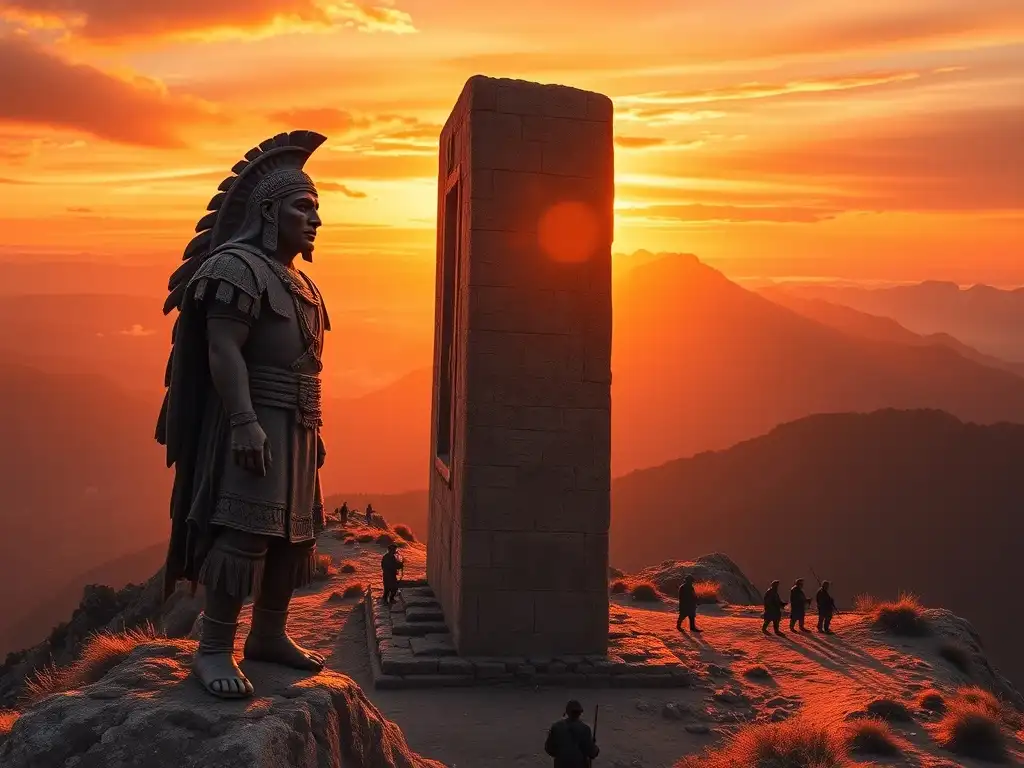
Inca legends of heroic deeds celebrate the achievements of powerful rulers, skilled warriors, and cunning strategists. These stories, passed down through generations, served to inspire loyalty, instill courage, and reinforce the Inca's image as a divinely chosen and exceptionally capable people. The legends often embellished historical events, transforming them into larger-than-life narratives that highlighted the Inca's military prowess, administrative skills, and unwavering determination.
The Legend of the Ayar Brothers: The Journey to Cusco
The legend of the Ayar brothers is a captivating tale of rivalry, ambition, and the ultimately successful quest to establish Cusco. The story describes four brothers, each possessing unique abilities, who embarked on a journey from their ancestral home to found a new city. Their journey is fraught with challenges, sibling rivalry, and supernatural occurrences.
The story’s intricate plot highlights the themes of leadership, cunning, and the importance of divine favor in achieving success. Only one brother, ultimately, succeeds in establishing Cusco, highlighting the intense competition for power and influence within early Inca society. The story emphasizes the struggles and sacrifices involved in building a great empire.
Inca Warriors and Military Prowess: Stories of Conquest
Inca legends frequently recount the military triumphs of their armies. These stories, often passed down through oral tradition, emphasized the Inca's superior tactics, weaponry, and organization. They portrayed Inca warriors as courageous, disciplined, and highly skilled fighters, capable of conquering vast territories.
The legends often focused on specific battles and campaigns, highlighting the strategic brilliance of Inca commanders and the unwavering loyalty of their soldiers. These narratives served to boost morale, inspire future generations of warriors, and solidify the Inca's reputation as a formidable military power. The stories are frequently embellished with supernatural elements and miraculous events, further emphasizing the Inca's divine right to rule.
Pachacuti: The Inca Ruler and His Legendary Reign
Pachacuti Inca Yupanqui's reign is legendary, often portrayed as a golden age in Inca history. Legends describe him as a brilliant strategist, a skilled administrator, and a powerful ruler who expanded the Inca empire significantly. Stories of his military victories, his administrative reforms, and his building projects are frequently recounted, highlighting his transformative impact on Inca society. The legends surrounding Pachacuti often include supernatural elements, emphasizing his divine connection and his role in fulfilling Inca prophecies.
His reign became a benchmark for future rulers, a standard of excellence to emulate. The widespread reverence for Pachacuti underscores his crucial role in shaping the Inca empire’s identity and its enduring legacy. His name itself, meaning "transformer of the world," reflects the profound changes he brought about.
The Role of Myths and Legends in Inca Society
Myths and legends played a crucial role in Inca society, serving as a powerful tool for social cohesion, political legitimacy, and religious instruction. They weren't simply entertaining stories; they were integral to the fabric of Inca life, shaping their worldview, values, and social structures. These narratives provided explanations for natural phenomena, the origins of the Inca people, and the justification for the emperor's authority.
The intricate web of myths and legends reinforced the Inca worldview, ensuring the continuity of their traditions and beliefs across generations. The stories were not static; they evolved and adapted over time, reflecting the changing social and political landscape of the empire.
Their dynamism reveals the adaptive nature of Inca culture and its capacity to integrate new experiences into its existing framework of understanding. The power of these narratives lay in their ability to connect the past, present, and future, creating a sense of shared identity and purpose among the Inca people.
Inca Religious Practices and Mythological Influence
Inca religious practices were deeply intertwined with their mythology. Many rituals and ceremonies directly referenced characters and events from their creation myths and legends. For example, the Inti Raymi, the festival dedicated to the sun god Inti, was a major event that reenacted the sun god's journey and power.
The myths provided a framework for understanding the divine realm and the relationship between humans and the supernatural. Priests played a critical role in interpreting these myths and ensuring their proper observance in religious rituals. The precise details of many rituals remain somewhat obscure, lost to time and the destruction of Inca records, but archaeological evidence and surviving accounts from Spanish chroniclers provide valuable glimpses into these practices and their connection to the mythological narratives.
The religious elite used these stories to maintain their authority and influence, linking their power to the divine order established in the myths. Their interpretation of the myths provided legitimacy to their actions and shaped the religious landscape of the Inca Empire.
Inca Oral Traditions and the Transmission of Legends
The transmission of Inca myths and legends relied heavily on oral traditions. Before the Spanish conquest, the Inca did not possess a written language in the way that many other civilizations did. Instead, stories were passed down through generations via skilled storytellers, known as amautas, who memorized and recited epic poems and narratives.
These amautas were highly respected members of society, responsible for preserving and transmitting the cultural heritage of the Inca. Their performances were often accompanied by music and dance, enhancing the emotional impact of the stories and ensuring their memorability. The oral nature of the tradition allowed for flexibility and adaptation, with stories changing slightly over time to reflect the experiences and perspectives of different communities.
This fluidity is reflected in the variations found in different versions of the same myth, even today. The survival of some of these narratives is a testament to the effectiveness of oral transmission in preserving cultural knowledge across vast distances and long periods.
The Significance of Inca Myths in Understanding their Culture
Understanding Inca myths is crucial for grasping the complexities of their culture. These stories reveal much about their social structures, political systems, religious beliefs, and values. The myths offer insights into their cosmology, their understanding of the natural world, and their relationship with the divine. Analyzing the recurring themes and motifs in these narratives helps to illuminate the core values that shaped Inca society.
For instance, the emphasis on reciprocity and balance in many myths reflects the importance of these principles in their social organization and agricultural practices. By studying these narratives, we gain a deeper appreciation for the rich tapestry of Inca culture and the worldview that underpinned their society. The study of Inca mythology provides invaluable context for interpreting other aspects of their civilization, such as their art, architecture, and political institutions.
Exploring the Inca Legacy Through Their Stories
The Inca legacy extends far beyond their impressive architectural achievements and sophisticated administrative system. Their myths and legends represent a vital part of their enduring cultural heritage, offering a window into their beliefs, values, and worldview. These stories are not merely historical artifacts; they continue to resonate with contemporary Andean communities, providing a sense of continuity and identity.
The narratives reflect a rich tapestry of human experience, exploring themes of creation, heroism, sacrifice, and the struggle between good and evil. These stories remain relevant because they address fundamental human questions about our place in the universe and the meaning of life. Preserving and studying these narratives is essential for understanding the full scope of Inca civilization and its lasting impact on the world.
Inca Creation Myths and Legends: A Window into their Beliefs
Inca creation myths often depict a world emerging from chaos, shaped by the actions of powerful deities. These myths provide insights into their cosmology and their understanding of the origins of the universe, humankind, and the Inca people themselves. The stories often feature powerful creator gods, such as Viracocha, and explain the creation of the sun, moon, stars, and the earth itself.
The narratives frequently emphasize the importance of lineage and ancestry, tracing the origins of the Inca royal family back to divine beings. Analyzing these creation stories provides critical clues about their religious beliefs, their social hierarchy, and their understanding of their place within the cosmic order. These myths were not static; they were fluid and dynamic, reflecting the changing political and social landscape of the Inca Empire.
The Enduring Influence of Inca Narratives
The influence of Inca narratives persists even today. Many of their myths and legends are still recounted in contemporary Andean communities, demonstrating their enduring cultural significance. These stories have been passed down through generations, often blending with later traditions and beliefs. The continuity of these narratives highlights the profound impact of Inca culture on the region and its people.
Their influence can be seen not only in oral traditions but also in contemporary art, literature, and music. Understanding the enduring impact of Inca myths is essential for appreciating the rich cultural heritage of the Andes and the continuing relevance of Inca traditions in modern society. Their stories serve as a powerful reminder of the richness and complexity of Andean history.
The Interpretation of Inca Mythology Through an Anthropological Lens
Anthropological study of Inca mythology provides invaluable insights into their social structures, political systems, and religious beliefs. By analyzing the themes, symbols, and narratives found in these stories, anthropologists can gain a deeper understanding of Inca worldview and the values that shaped their society. This interdisciplinary approach, combining historical, archaeological, and ethnographic evidence, allows for a more nuanced and comprehensive interpretation of Inca mythology.
The anthropological lens helps to contextualize these narratives within a broader understanding of Andean cultures and their interactions with other civilizations. This approach acknowledges the diversity of interpretations and avoids imposing modern frameworks onto ancient beliefs and practices. By engaging with these stories through an anthropological lens, we can move towards a more accurate and respectful understanding of Inca culture and its enduring legacy.
Frequently Asked Questions
What are some popular Inca creation myths?
The most well-known Inca creation myth involves Viracocha, the creator god, who emerged from Lake Titicaca and shaped the world and its inhabitants. Other myths detail the creation of the world from a cosmic egg or a dark void. These narratives explain the origins of humanity and the cosmos.
How did Inca legends shape their society?
Inca legends reinforced their social hierarchy and religious beliefs. Stories of powerful rulers and divine beings legitimized the Inca empire and its authority. They also provided moral guidance and explanations for natural phenomena.
What role did Viracocha play in Inca mythology?
Viracocha is considered the supreme creator god in many Inca creation myths. He's often depicted as a powerful figure who created the world, the sun, the moon, and humanity. His influence permeates various aspects of Inca culture and religion.
Are there any Inca legends about heroes or heroic deeds?
Yes, many Inca legends celebrate the achievements of their ancestors, often deified as powerful figures. These stories highlight courage, strength, and cunning, often involving overcoming obstacles, battles, or natural disasters. These legends served to inspire and unite the people.
Where can I learn more about Inca creation myths and legends?
You can explore various academic resources, books, and museums dedicated to Andean cultures. Many websites also offer detailed information on Inca mythology, including translations of ancient texts and interpretations of archaeological findings. Look for resources specializing in Inca history and mythology.
Final Reflection: Echoes of the Andes: A Legacy Woven in Myth
The enduring power of Inca myths and legends resonates deeply in the modern world, offering not just historical insights but a profound understanding of human nature and our relationship with the cosmos. These stories, passed down through generations, continue to shape our understanding of Andean culture and provide a rich tapestry of narratives that speak to universal themes of creation, heroism, and the search for meaning. Their survival, despite centuries of colonial influence, is a testament to their inherent strength and enduring appeal.
The legacy of Inca mythology extends far beyond the realm of academic study; it permeates the cultural landscape of Peru and beyond, influencing art, literature, and even contemporary social structures. These stories, with their vibrant characters and fantastical elements, continue to inspire awe and wonder. They remind us of the importance of preserving cultural heritage and recognizing the rich diversity of human experience. Myth is a powerful thing. It shapes our understanding of the world, our place in it, and our relationship to each other.
This quote encapsulates the enduring impact of these ancient narratives, shaping our perceptions and fostering a deeper appreciation for the past.
Consider, for a moment, the echoes of these stories in your own life. What myths and legends have shaped your understanding of the world? How can we, as individuals and as a society, better preserve and celebrate the rich tapestry of human storytelling that enriches our lives and connects us to our shared past?
Let the enduring power of Inca myths and legends inspire you to explore your own cultural heritage and to recognize the timeless wisdom woven into these ancient narratives. Embrace the legacy, and let it guide you toward a deeper understanding of yourself and the world around you.
Unleash the Wisdom of Inca Myths and Legends!
Thank you for exploring the captivating world of Inca myths and legends! You've discovered tales brimming with cultural richness and wisdom that shaped a remarkable civilization. Let's continue this journey and explore ways to bring these stories to life.
Here are some inspiring ideas:
- Share a Legend! Discuss your favorite Inca myth with a friend or family member. A collaborative exploration might reveal surprising new interpretations.
- Explore Further! Visit a local museum or online resource dedicated to Andean civilizations. Immerse yourself in the history and artifacts to deepen your understanding of these ancient narratives.
- Get Creative! Write your own short story inspired by Inca legends. Whether it's a poem, a short story, or a play, let your imagination soar!
Which Inca myth resonates most with you, and how will you integrate its wisdom into your daily life?