
The Inca's View of Time: Cyclical Patterns and Cosmic Order

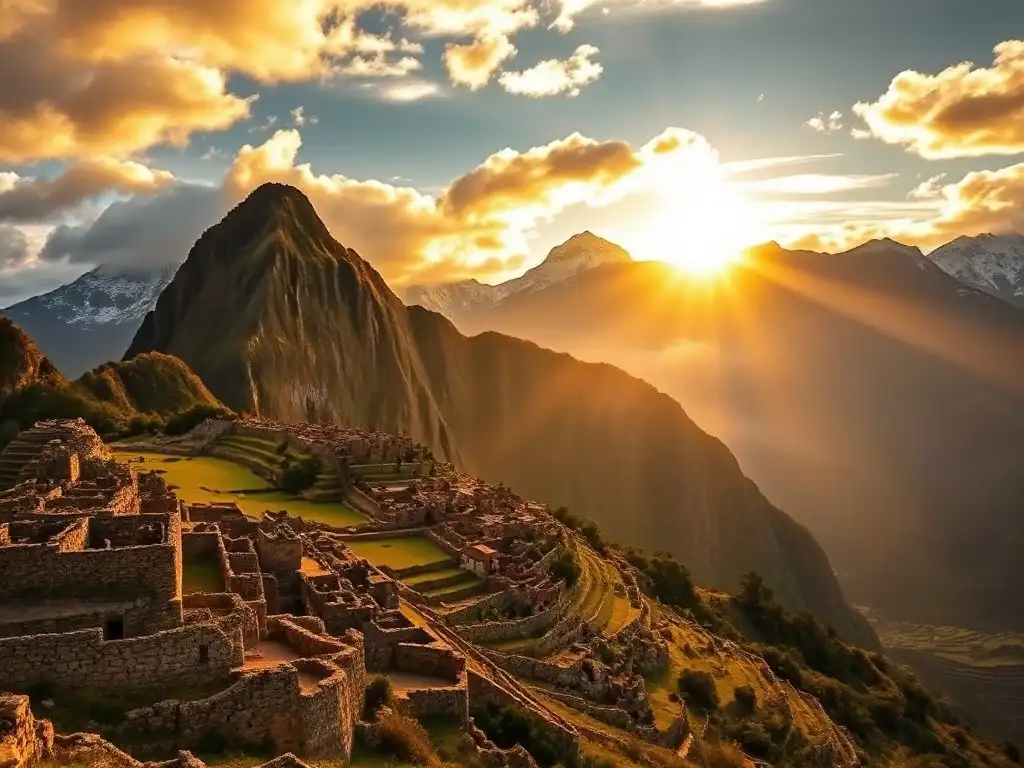
Step into a world lost to time, yet echoing with the whispers of a magnificent civilization. Imagine a society where time wasn't linear, but a cyclical dance between the heavens and the earth. Unravel the mysteries of Inca time perception and its cyclical patterns, a concept intricately woven into the very fabric of their cosmic order. Dare to delve deeper and discover how this unique worldview shaped their lives, their beliefs, and their breathtaking legacy. Prepare to be amazed.
The Inca Empire, a civilization renowned for its sophisticated engineering and intricate social structures, possessed a unique understanding of time profoundly different from the linear perception prevalent in many Western cultures. This article delves into the Inca's fascinating view of time, exploring its cyclical nature and its inextricable link to the cosmic order. We will examine how their perception of time, deeply rooted in agricultural cycles and celestial observations, shaped their societal organization, religious beliefs, and administrative practices.
Understanding Inca time perception is crucial to grasping the complexities of their government and the enduring legacy of their civilization. This exploration will reveal how the Inca's cyclical understanding of time wasn't merely a method of tracking days and years, but a fundamental framework that underpinned their entire worldview and informed their governance. The concept of "Inca time perception cyclical patterns" becomes clearer when we appreciate its cosmological and agricultural dimensions.
Understanding Inca Time Perception
Unlike the linear progression of time often associated with Western thought, the Inca perceived time as a cyclical process, a continuous flow of recurring events mirroring the rhythms of nature. Their understanding wasn't solely based on a rigid calendar system; rather, it was interwoven with their agricultural practices, religious beliefs, and astronomical observations. The Inca meticulously observed the celestial bodies, particularly the sun, moon, and stars, using their movements to mark the passage of time and predict agricultural cycles.
This intricate relationship between the cosmos and their daily lives profoundly influenced their perception of time's cyclical nature. The accurate prediction of seasons, crucial for successful harvests, was a testament to their advanced astronomical knowledge and its integration into their temporal framework.
Their ability to predict these cycles demonstrates not only a sophisticated understanding of astronomy but also a deep connection with the natural world. This connection permeated all aspects of their society, from agricultural planning to religious ceremonies.
The Cyclical Nature of Inca Time
The Inca worldview emphasized the cyclical repetition of events, reflecting the natural cycles of life, death, and rebirth. This cyclical perception of time is reflected in their mythology, religious practices, and even their administrative structures. They saw time as a continuous flow of events, constantly repeating and renewing themselves, similar to the agricultural cycles that sustained their empire.
This cyclical perspective provided a framework for understanding the world and their place within it. The Inca’s understanding of time wasn't simply a matter of measuring intervals; it was a philosophy that guided their actions and shaped their society. Their meticulous record-keeping, often utilizing quipu (knotted strings), helped them track these cycles and manage resources effectively.
Pachakuti: The Concept of Temporal Cycles
The concept of Pachakuti, a Quechua term meaning "transformation" or "inversion," encapsulates the Inca understanding of cyclical time. Pachakuti represented not just a change in time but a complete upheaval of the existing order, a period of chaos followed by renewal. These cyclical transformations were seen as natural and necessary parts of the cosmic order, mirroring the cycles of the seasons and the natural world.
The Inca believed that understanding and adapting to these cycles was crucial for maintaining balance and prosperity. This understanding of Pachakuti influenced their governance, as rulers were expected to adapt to changing circumstances and maintain equilibrium within the empire. The cyclical nature of Pachakuti is also reflected in Inca mythology, where periods of upheaval and transformation are followed by periods of stability and prosperity.
The Role of the Sun in Inca Timekeeping
The sun played a central role in Inca timekeeping and their understanding of cyclical patterns. The Inca meticulously tracked the sun's movements, using its position to mark solstices and equinoxes, pivotal points in the agricultural calendar. These celestial events were not simply astronomical occurrences; they were deeply embedded in their religious beliefs and societal practices.
The sun's annual journey across the sky was viewed as a reflection of the cyclical nature of time itself, symbolizing rebirth and renewal. The Inca's sophisticated astronomical observations allowed them to accurately predict these cycles, ensuring the timely planting and harvesting of crops. The Inca’s reverence for the sun is evident in their architecture, with many structures aligned with the sun's path.
This alignment demonstrates the importance the sun held not just in their timekeeping but also in their overall worldview. The sun, therefore, was not merely a celestial body; it was a powerful symbol of the cyclical nature of time and the cosmic order.
Inca Calendars and Time Measurement
The Inca civilization, despite lacking a written language in the way we understand it, possessed sophisticated methods for tracking time. Their system wasn't based on a single, monolithic calendar like the Gregorian calendar we use today, but rather on a complex interplay of observations of the sun, moon, and stars, intricately woven into their agricultural practices and religious beliefs.
This intricate system allowed them to predict seasonal changes with remarkable accuracy, vital for their agricultural success and the planning of crucial religious ceremonies. Their understanding of celestial movements wasn't merely a scientific endeavor; it was deeply embedded in their worldview, reflecting a profound connection between the human realm and the cosmos.
This holistic approach to timekeeping is a testament to their keen observational skills and their ability to integrate practical knowledge with spiritual beliefs. The Inca's understanding of time profoundly influenced their social and political organization, shaping their agricultural practices, religious rituals, and even their governance structures.
The Inca Solar Calendar: Inti Watana
The Inti Watana, often translated as "Sun Stone," was a crucial element in the Inca solar calendar. These structures, found throughout the Inca Empire, weren't simply decorative; they served as sophisticated astronomical instruments. Many Inti Watana were carefully aligned with the solstices and equinoxes, allowing Inca priests to precisely track the sun's movements throughout the year.
The precise orientation and design of these structures allowed for accurate predictions of the solstices and equinoxes, events of great religious and agricultural significance. For example, the Inti Watana at Sacsayhuamán near Cusco is believed to have been used to mark the solstices, providing a precise marker for the beginning of planting and harvest seasons.
The Inti Watana's role extended beyond mere timekeeping; they were integral to religious rituals and ceremonies, symbolizing the Inca's profound reverence for the sun god, Inti, a central figure in their pantheon. These structures represent a masterful blend of astronomical knowledge and religious symbolism, reflecting the Inca's deep understanding of the cosmos and their place within it.
The Lunar Calendar and its Significance
Alongside the solar calendar, the Inca also meticulously observed the lunar cycle. While the solar calendar dictated the agricultural year, the lunar calendar played a significant role in regulating social and religious events. The phases of the moon were closely monitored, influencing the timing of festivals, ceremonies, and even some agricultural practices.
The precise length of the lunar month was carefully tracked, and this knowledge was likely passed down through generations of priests and astronomers. The influence of the moon on tides and plant growth likely contributed to its importance in Inca society. However, the exact way the lunar calendar interacted with the solar calendar remains a subject of ongoing research.
We know that the Inca calendar was not a rigid system; instead, it was a flexible and nuanced system, with the sun and the moon serving as interconnected celestial guides. This interplay between solar and lunar observations underscores the complexity and sophistication of Inca timekeeping.
Agricultural Cycles and Time
The Inca's understanding of time was inextricably linked to their agricultural practices. The agricultural calendar was paramount, dictating the planting and harvesting of crops. The timing of these activities was crucial for their survival, and the Inca developed a detailed understanding of the seasonal variations in temperature, rainfall, and sunlight. This knowledge was not only practical but also deeply spiritual, reflecting their belief in the interconnectedness of the human and natural worlds.
The Inca's sophisticated irrigation systems and terracing techniques allowed them to maximize their agricultural output, and the timing of these activities was carefully coordinated with the solar and lunar cycles. This integration of astronomical knowledge and agricultural practices demonstrates the Inca's remarkable ability to adapt their environment and manage resources effectively. The success of their agricultural system was directly tied to their precise understanding of time and its cyclical nature.
Inca Rituals and the Passage of Time
Inca rituals were intricately interwoven with their perception of time. Their worldview emphasized cyclical patterns, reflecting a belief in the constant renewal and regeneration of life. The passage of time wasn't viewed as a linear progression but rather as a continuous cycle of birth, death, and rebirth, mirrored in the annual cycle of the sun and the agricultural seasons.
This cyclical perspective was reflected in their numerous festivals and ceremonies, which marked key temporal moments throughout the year. The precise timing of these rituals was crucial, reinforcing the Inca's connection to the cosmos and their ancestors. The rituals weren't merely symbolic; they were vital for maintaining cosmic balance and ensuring the prosperity of the empire.
Festivals Marking Key Temporal Moments
The Inca calendar was punctuated by numerous festivals, each marking a significant point in the agricultural cycle or in the celestial movements. These festivals were elaborate affairs, involving processions, sacrifices, feasts, and various performances. The Inti Raymi, the festival of the sun, celebrated the winter solstice and was one of the most important events in the Inca calendar. Other festivals marked the planting and harvesting seasons, the rainy season, and other significant celestial events.
These festivals served not only as occasions for celebration but also as vital moments for reinforcing social bonds and reaffirming the Inca's connection to their deities and ancestors. The precise timing of these festivals showcases the Inca's meticulous observation of both the celestial and the agricultural cycles. The scale and importance of these festivals highlight the significance of timekeeping in Inca society.
The Importance of Ancestor Veneration and Time
Ancestor veneration was a central aspect of Inca religion and deeply influenced their perception of time. The Inca believed that their ancestors continued to exert an influence on the living world, and maintaining a connection with them was considered crucial. Ancestor veneration wasn't limited to specific times of the year; it was a continuous practice integrated into daily life.
However, festivals and ceremonies provided opportunities for more elaborate expressions of respect and remembrance. Through offerings, prayers, and other rituals, the Inca sought to honor their ancestors and ensure their continued support. This emphasis on ancestor veneration underscores the Inca's belief in the cyclical nature of time, where the past, present, and future were interconnected.
The continuous remembrance of ancestors served to reinforce the continuity of Inca society and its connection to the broader cosmic order. The importance of ancestor veneration in Inca society further emphasizes the holistic and cyclical nature of their understanding of time.
The Inca Concept of Cosmic Order and Time
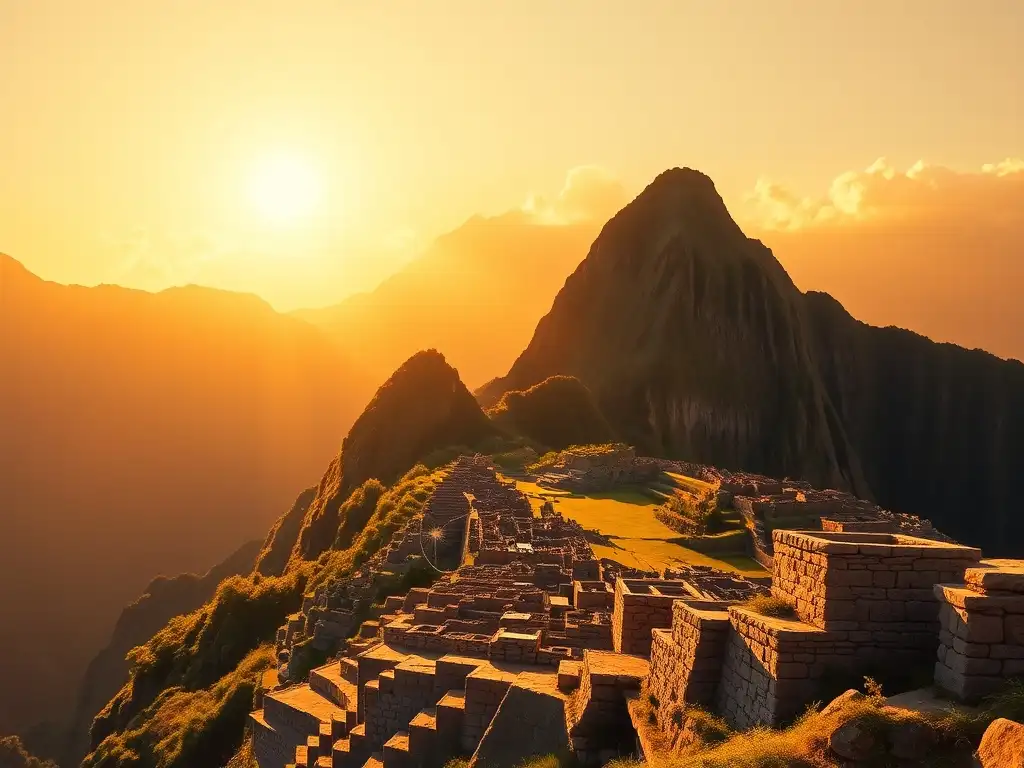
The Inca worldview was deeply intertwined with a profound understanding of cosmic order and its cyclical nature. Time wasn't perceived as a linear progression, as in many Western cultures, but rather as a continuous, repeating cycle mirroring the celestial movements and the natural rhythms of the Andean landscape. This cyclical perspective permeated all aspects of Inca life, from agriculture and governance to religious rituals and societal structures.
The Inca believed that maintaining harmony with this cosmic order was essential for the well-being of their empire and the prosperity of its people. Disruptions to this balance, whether through natural disasters or human actions, were seen as serious threats requiring immediate attention and ritualistic rectification.
Understanding this cyclical view of time is key to deciphering the Inca's sophisticated administrative systems and their remarkable achievements in engineering and social organization. Their intricate calendar system, for instance, wasn't simply a tool for tracking days and seasons; it was a sacred instrument reflecting the celestial rhythms that governed their lives.
The Relationship Between the Cosmos and Inca Time
The Inca's perception of time was inextricably linked to the cosmos. The sun, moon, and stars were not merely celestial bodies but powerful deities whose movements dictated the agricultural cycle, influenced social activities, and determined the timing of important rituals. The Inca meticulously observed these celestial events, using their observations to create a highly accurate calendar system that guided their agricultural practices and religious ceremonies.
The solstices and equinoxes marked crucial points in the agricultural year, triggering specific rituals and communal activities. The movements of the constellations also held significance, often associated with specific deities and mythical narratives. This intimate connection between the cosmos and their temporal understanding shaped their worldview, emphasizing the interconnectedness of the earthly and celestial realms.
The cyclical nature of the cosmos, with its recurring patterns of day and night, seasons, and celestial movements, directly informed their understanding of time as a repetitive and predictable cycle. This cyclical understanding differed vastly from Western linear conceptions of time, which often emphasize progress and irreversible change.
Sacred Geography and Temporal Markers
The Inca integrated their understanding of time into the very fabric of their landscape. Sacred sites, such as mountain peaks, springs, and caves, served as tangible markers of time and space, often associated with specific deities or mythical events. These sites weren't simply geographical locations; they were imbued with spiritual significance, acting as focal points for rituals and ceremonies that marked important temporal events.
The construction of monumental structures, such as temples and agricultural terraces, further reinforced this connection between geography and time. These structures were often aligned with celestial events, highlighting the Inca's sophisticated astronomical knowledge and their ability to integrate their understanding of the cosmos into their physical environment.
For instance, the precise alignment of Machu Picchu with the solstices suggests a deliberate intention to create a site that served as both an astronomical observatory and a sacred center marking the passage of time. The careful planning and execution of these projects underscore the importance of timekeeping and its integration into their daily lives and spiritual beliefs.
Inca Time Perception Cyclical Patterns: A Synthesis
The Inca's perception of time can be summarized as a complex interplay of cyclical patterns reflecting the movements of the cosmos and the natural rhythms of the Andean environment. This cyclical understanding contrasted sharply with linear concepts of time prevalent in other cultures.
Their sophisticated calendar systems, meticulously aligned with celestial events, served as more than just timekeeping devices; they were integral to their religious practices, agricultural cycles, and social organization. The cyclical nature of their worldview emphasized the interconnectedness of all things, reinforcing the importance of maintaining harmony between the human world and the cosmos.
This holistic perspective shaped their approach to governance, agriculture, and religious beliefs, fostering a deep sense of community and a remarkable capacity for adaptation to the challenges of the Andean environment. The integration of timekeeping into their sacred geography further cemented this cyclical worldview, transforming their landscape into a living testament to their unique perception of time.
How Inca Time Differed from Linear Time
In stark contrast to the linear perception of time common in many Western cultures, the Inca viewed time as a cyclical process, a continuous repetition of patterns mirroring the cycles of nature and the cosmos. Linear time emphasizes progress, irreversibility, and a unidirectional flow from past to future. Inca time, however, lacked this sense of forward momentum. Instead, it was characterized by repetition, renewal, and a focus on maintaining equilibrium within the cyclical flow of existence.
This difference profoundly impacted their worldview and societal structures. While Western linear conceptions often emphasize individual achievement and progress, the Inca's cyclical view prioritized the collective well-being and the maintenance of harmony within their community and with the natural world. This fundamental difference in temporal perception shaped their social organization, religious practices, and their remarkable ability to adapt to the challenges of their environment.
The Lasting Legacy of Inca Time Concepts
The Inca's sophisticated understanding of cyclical time and its relationship to the cosmos continues to resonate today. Their intricate calendar systems, meticulously aligned with celestial events, stand as a testament to their advanced astronomical knowledge.
The integration of their timekeeping into sacred geography, evident in the precise alignment of monumental structures, highlights their ability to connect their worldview to their physical environment. While the Inca Empire may have fallen, their unique perception of time remains a valuable lens through which to understand their remarkable achievements in governance, engineering, and social organization.
The cyclical patterns they observed and incorporated into their lives offer a powerful alternative to linear conceptions of time, prompting us to consider the interconnectedness of humanity and the natural world and the importance of maintaining balance within the cyclical rhythms of existence. Their legacy serves as a reminder of the diverse ways in which cultures have understood and experienced time, enriching our comprehension of human history and the enduring power of different worldviews.
The Impact of Inca Timekeeping on Society and Governance
The Inca's sophisticated understanding of time, deeply intertwined with their cyclical worldview and celestial observations, profoundly impacted their societal structure and governance. Their intricate system wasn't merely a method of tracking days and years; it was a fundamental organizing principle that dictated agricultural practices, labor allocation, religious ceremonies, and even the administrative hierarchy.
The precision of their calendar, combined with their keen awareness of seasonal changes, allowed for efficient resource management and the successful organization of a vast and complex empire. This understanding facilitated the planning and execution of large-scale projects, such as the construction of extensive road networks and impressive agricultural terraces, showcasing the vital role of timekeeping in their societal achievements.
Their ability to predict agricultural cycles ensured food security, a cornerstone of their political stability and social harmony. The Inca’s mastery of time wasn't just about practicality; it was a reflection of their deep connection to the cosmos and their belief in a divinely ordained order.
Organizing Labor and Resources Through Time
The Inca's system of mita, a form of mandatory labor service, was intricately linked to their perception of time. The mita system wasn't arbitrary; it was carefully scheduled according to agricultural cycles and the needs of the empire. Specific tasks, such as farming, road construction, or textile production, were assigned during optimal times of the year, maximizing efficiency and output.
This temporal organization ensured that resources were allocated effectively and that labor was utilized strategically. For instance, during the planting season, a significant portion of the population would be involved in agricultural activities, while during the dry season, attention could shift to other projects like building or crafting. This cyclical allocation of labor, synchronized with the Inca calendar, allowed for the completion of vast projects while minimizing disruption to agricultural production—a testament to the sophisticated integration of timekeeping into their resource management strategies.
The meticulous planning involved in this system highlights the Inca's profound understanding of both human capabilities and the natural rhythms of their environment. The success of the mita system, in large part, stemmed from its careful temporal organization.
The Inca's Use of Time in Administration
Inca administration relied heavily on their precise understanding of time. Their calendar, based on both solar and lunar cycles, provided a framework for organizing administrative tasks and ensuring the smooth functioning of the empire's bureaucracy. Officials at all levels used the calendar to schedule tax collection, tribute payments, and the distribution of goods.
This temporal structuring minimized administrative chaos and ensured the efficient flow of resources throughout the vast empire. The accuracy of their timekeeping allowed for the precise coordination of activities across different regions, minimizing delays and optimizing the effectiveness of their governance. Furthermore, the Inca's cyclical view of time likely influenced their approach to long-term planning.
They likely viewed administrative tasks not as isolated events, but as part of a continuous cycle, contributing to their long-term stability and the sustainability of their empire. The precise synchronization of administrative tasks with the agricultural calendar underscores the central role of timekeeping in the Inca’s administrative strategies.
The Inca View of Time: Connecting the Past, Present, and Future
The Inca perception of time wasn't linear, like the Western concept; instead, it was profoundly cyclical. They saw time as a continuous loop, with recurring patterns mirroring the cycles of nature – the seasons, the sun, and the moon. This cyclical worldview connected the past, present, and future in a seamless continuum. The past was not simply something to be left behind; it was a source of knowledge and wisdom, informing present actions and shaping the future.
Rituals and ceremonies played a crucial role in this cyclical understanding, reinforcing the connection between the past, present, and future. For example, agricultural festivals celebrated past harvests while ensuring a bountiful future. This cyclical perspective fostered a sense of continuity and stability, contributing to the long-term success of their society.
The Inca's worldview emphasized the importance of respecting the rhythms of nature and learning from the past to create a prosperous future, a philosophy deeply embedded in their societal practices and beliefs. This holistic understanding of time is a key element in understanding the Inca's remarkable achievements and their enduring legacy. 🎉
- Understanding Inca Time Perception
- The Cyclical Nature of Inca Time
- Inca Calendars and Time Measurement
- Inca Rituals and the Passage of Time
- The Inca Concept of Cosmic Order and Time
- Inca Time Perception Cyclical Patterns: A Synthesis
- The Impact of Inca Timekeeping on Society and Governance
- The Inca View of Time: Connecting the Past, Present, and Future
Frequently Asked Questions
What was the Inca concept of time?
The Inca did not perceive time as a linear progression, but rather as a cyclical process deeply connected to the agricultural cycles and the movements of celestial bodies. Their understanding was interwoven with their spiritual beliefs and cosmology.
How did the Inca's cyclical view of time influence their society?
Their cyclical time perception shaped their social structures, rituals, and agricultural practices. Agricultural cycles directly mirrored their understanding of the cosmos and influenced their festivals and governance. This cyclical worldview provided stability and meaning.
What role did the sun and stars play in the Inca's perception of time?
The sun and stars were crucial in the Inca's understanding of time, marking agricultural seasons and guiding their religious ceremonies. Celestial observations informed their calendar system and reinforced their belief in a cosmic order.
How did the Inca measure and record time?
The Inca used a complex system of knotted cords called quipus to record events, agricultural cycles, and tribute. While not a written language in the traditional sense, quipus provided a way to track the passage of time and maintain records.
How does the Inca's cyclical view of time differ from Western linear concepts?
Western concepts often view time as a linear progression from past to future. The Inca's perspective was cyclical, emphasizing repetition, renewal, and the interconnectedness of past, present, and future within a cosmic framework.
Final Reflection: Echoes of the Andes: Time, Cycles, and Our Modern World
The Inca understanding of time, a cyclical dance between the cosmos and human life, remains profoundly relevant today. In a world obsessed with linear progress, their perspective offers a powerful counterpoint, reminding us of the enduring rhythms of nature and the importance of cyclical renewal. We are, after all, still bound to the seasons, the sun's journey, and the ever-turning wheel of life and death.
The Inca's deep connection to the cyclical nature of time resonates deeply with me, highlighting the limitations of our own often-rigid, linear perception. Their worldview, interwoven with agricultural cycles and celestial observations, fostered a profound respect for the natural world and a sense of harmony within it. Time is not a line, but a circle,
a concept that transcends mere historical interest and speaks to the fundamental interconnectedness of all things. This wisdom, often lost in the relentless pace of modern life, offers a valuable antidote to the anxieties of a future-obsessed society.
Consider the Inca's wisdom. Embrace the cyclical nature of life – the ebb and flow, the seasons of growth and rest. Let their understanding of time inspire you to find balance, to appreciate the present moment, and to recognize the beauty of renewal within the larger cosmic order. By acknowledging the cyclical patterns that shape our lives, both personally and globally, we can cultivate a deeper appreciation for the interconnectedness of all things and build a more sustainable and harmonious future.
Embrace the Wisdom of the Inca: Transform Your Understanding of Time!
Thank you for exploring the fascinating world of Inca cosmology and their unique perspective on time! You've discovered insights that not only reflect ancient wisdom but also offer valuable tools for enriching your modern life. Now, let's put this knowledge into practice and deepen your connection with the natural rhythms of the universe.
Here are some powerful ways to integrate this wisdom:
- **Reflect on your life's patterns:** Take time to identify recurring cycles in your daily routines, work habits, and relationships. How can you better harmonize your actions with these natural rhythms, perhaps by prioritizing rest during periods of low energy or increased focus during peak productivity?
- **Keep a journal:** Document your observations of cyclical patterns in your life. Note how your energy levels fluctuate, how your moods shift, and what insights emerge as you track these patterns over time. This process can reveal valuable information about your personal rhythms and help you make better decisions aligned with your natural cycles.
- **Share your discoveries:** Discuss the Inca perspective on time with friends and family. Explore how this ancient wisdom can influence your shared views on time management, productivity, and overall well-being. Sharing your insights can deepen your understanding and inspire others to connect with the natural world.
How will a more cyclical understanding of time reshape your approach to daily life and long-term goals? Consider how aligning yourself with natural rhythms might lead to greater balance, fulfillment, and a deeper appreciation for the interconnectedness of all things.