
Andean Music and Dance: Experiencing Cultural Performances During Your Trip

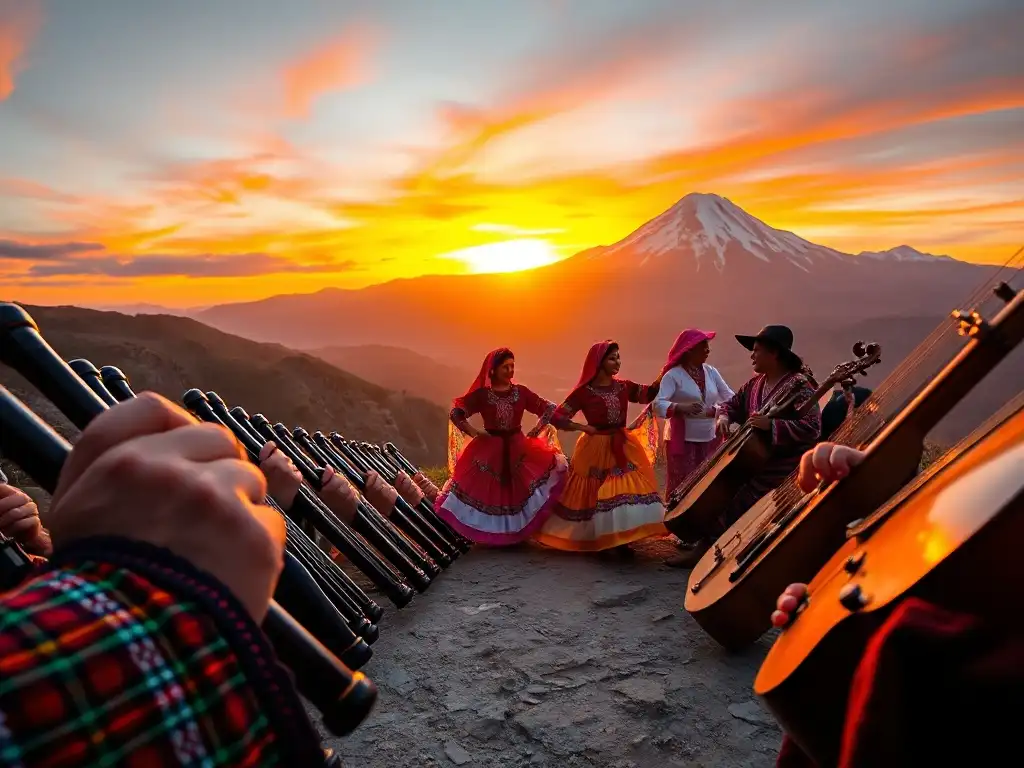
Step into a world lost in time, yet vibrantly alive. Imagine the echoes of ancient Andean rhythms, the captivating sway of ceremonial dances, and the legacy of a civilization that shaped a continent. This isn't just history; it's an experience waiting to be discovered. Prepare to be mesmerized by the Andean music and dance tours we unveil, offering a unique glimpse into the heart of Andean culture – a journey that transcends time and transports you to the soul of the Andes. Explore the vibrant tapestry of ancient traditions and modern expressions, and embark on an unforgettable adventure.
- Andean Music and Dance Tours: A Guide to Authentic Cultural Experiences
- Planning Your Andean Music and Dance Tour: Key Considerations
- Booking Your Andean Music and Dance Experience: A Step-by-Step Guide
- Enhancing Your Andean Cultural Experience
- Conclusion: Creating Lasting Memories Through Andean Music and Dance
-
Frequently Asked Questions
- What types of musical instruments are commonly featured in Andean music?
- Are there specific dances associated with Andean music?
- Where can I experience authentic Andean music and dance performances?
- What is the best time of year to visit for Andean music and dance tours?
- How can I book an "Andean music and dance tour"?
- Final Reflection: The Enduring Rhythm of the Andes
- **Immerse Yourself in Andean Culture Today! **
Andean Music and Dance Tours: A Guide to Authentic Cultural Experiences
Exploring the breathtaking landscapes of the Andes is an unforgettable experience, but to truly understand the heart of this region, you must delve into its vibrant cultural tapestry. This article serves as your comprehensive guide to Andean music and dance tours, offering insights into the profound significance of these performances and how to incorporate them into your Andean adventure. We'll explore the soul of the Andes through the rhythms and movements that have echoed through the mountains for centuries, helping you plan an enriching and authentic journey that goes beyond the typical tourist trail.
This guide will equip you with the knowledge to choose the best Andean music and dance tours, ensuring your trip is filled with immersive cultural experiences that resonate long after you've returned home. Prepare to be captivated by the power of Andean music and dance!
Unveiling the Soul of the Andes: Why Cultural Performances Matter
Andean music and dance are not merely entertainment; they are living expressions of history, spirituality, and community. These performances offer a window into the beliefs, values, and daily lives of Andean peoples, revealing a rich cultural heritage that has endured for millennia. Witnessing a traditional performance is like stepping back in time, connecting with the ancestral spirits and understanding the deep-rooted traditions that shape the identity of the region.
From the intricate steps of the huayno to the soulful melodies of the yaraví, each movement and note tells a story, weaving a narrative of resilience, celebration, and connection to the land. The energy of these performances is palpable, creating an atmosphere of shared joy and cultural pride.
Choosing to participate in an Andean music and dance tour allows you to become an active participant in this living cultural heritage, forging a deeper connection with the Andes than simply sightseeing could ever provide. It's an opportunity to experience the true spirit of the Andes, a spirit that resonates through every note and every step.
Understanding the Importance of Andean Music and Dance
The significance of Andean music and dance extends far beyond mere artistic expression. These art forms play a crucial role in social cohesion, religious ceremonies, and the transmission of cultural knowledge across generations. For example, many dances depict historical events, agricultural cycles, or mythological stories, acting as a form of oral history passed down through generations.
The music itself often incorporates traditional instruments and vocal styles unique to specific Andean communities, reflecting the diverse cultural landscape of the region. Furthermore, participation in music and dance is often a communal affair, strengthening social bonds and fostering a sense of shared identity. Many festivals and celebrations are centered around these performances, providing opportunities for community gatherings and the reinforcement of cultural values.
Understanding this profound significance enhances the experience of attending a performance, transforming it from mere observation into a meaningful engagement with a living culture. The emotional depth and historical weight of these traditions are undeniable, adding a layer of richness and authenticity to any Andean journey.
The Role of Traditional Andean Instruments in Performances
The unique soundscape of Andean music is intrinsically linked to the traditional instruments used in performances. These instruments are not simply tools; they are integral parts of the cultural heritage, each with its own history and symbolic meaning. The haunting melodies of the zampoña (panpipes), the resonant tones of the charango (a small guitar-like instrument), and the rhythmic beat of the tarka (a type of flute) all contribute to the distinctive character of Andean music.
Many of these instruments are crafted from natural materials, reflecting a deep connection to the environment. For instance, the pututo (a long horn made from a conch shell) was traditionally used for ceremonial purposes, its sound echoing across the mountains to announce important events. Observing the musicians skillfully playing these instruments during a performance adds another layer of appreciation for the artistry and cultural significance of Andean music.
The intricate craftsmanship and unique sounds of these instruments are a testament to the enduring traditions and creative ingenuity of Andean cultures. Understanding the roles of these instruments enhances your appreciation of the music and deepens your understanding of the Andean cultural heritage.
Exploring Diverse Rhythms: From Panpipes to Charangos
Andean music is incredibly diverse, reflecting the vast geographical and cultural landscape of the region. The instruments themselves tell a story of ingenuity and adaptation to the environment. The haunting melodies often played on panpipes, or siku in Quechua, evoke the high altitude plains and the vastness of the Andes. These instruments, made from carefully tuned reeds, create a unique sonic texture, capable of expressing both joy and sorrow with equal power.
Different regions have their own styles of siku playing, resulting in a rich tapestry of musical traditions. For example, the siku music of the Bolivian Altiplano differs significantly from the sounds produced by siku players in the Peruvian Andes, showcasing the regional variations within this seemingly singular instrument. The variations in tuning, playing style, and even the number of pipes used contribute to this fascinating diversity.
Beyond the siku, the charango, a small lute-like instrument, plays a crucial role in Andean musical ensembles. Its distinctive, high-pitched sound is instantly recognizable, often providing a bright counterpoint to the deeper tones of other instruments. Made traditionally from the carapace of an armadillo (though modern versions use other materials), the charango is a testament to the resourcefulness of Andean artisans.
The intricate carvings and decorations often adorning these instruments are also a testament to the artistic skill of the region. The charango's nimble fingers produce a variety of sounds, from delicate arpeggios to driving rhythms, making it a versatile instrument perfectly suited to the dynamic nature of Andean music.
Learning to distinguish the sounds of a charango from other similar Andean instruments is a key part of appreciating the nuances of Andean musical traditions. Many Andean music and dance tours will incorporate demonstrations and even hands-on experiences with these instruments, providing a deeper understanding of their construction and musical capabilities.
The rhythmic complexity of Andean music is another striking feature. While some pieces feature simple, repetitive patterns, many others boast intricate polyrhythms, with multiple rhythmic layers intertwining to create a captivating sonic experience. This complexity is often further enhanced by the incorporation of percussion instruments such as drums ( tambor), rattles ( sonajas), and handclaps, all contributing to the overall energy and dynamism of the performance. The rhythmic interplay between instruments and dancers is a key characteristic of traditional Andean performances.
It is not merely accompaniment but a dialogue, an active exchange between musicians and dancers. Understanding this interplay is crucial to fully appreciating the holistic nature of Andean musical and dance traditions. Many guided Andean music and dance tours explicitly highlight this rhythmic interaction, giving tourists a deeper appreciation for the subtleties of the performances.
Planning Your Andean Music and Dance Tour: Key Considerations
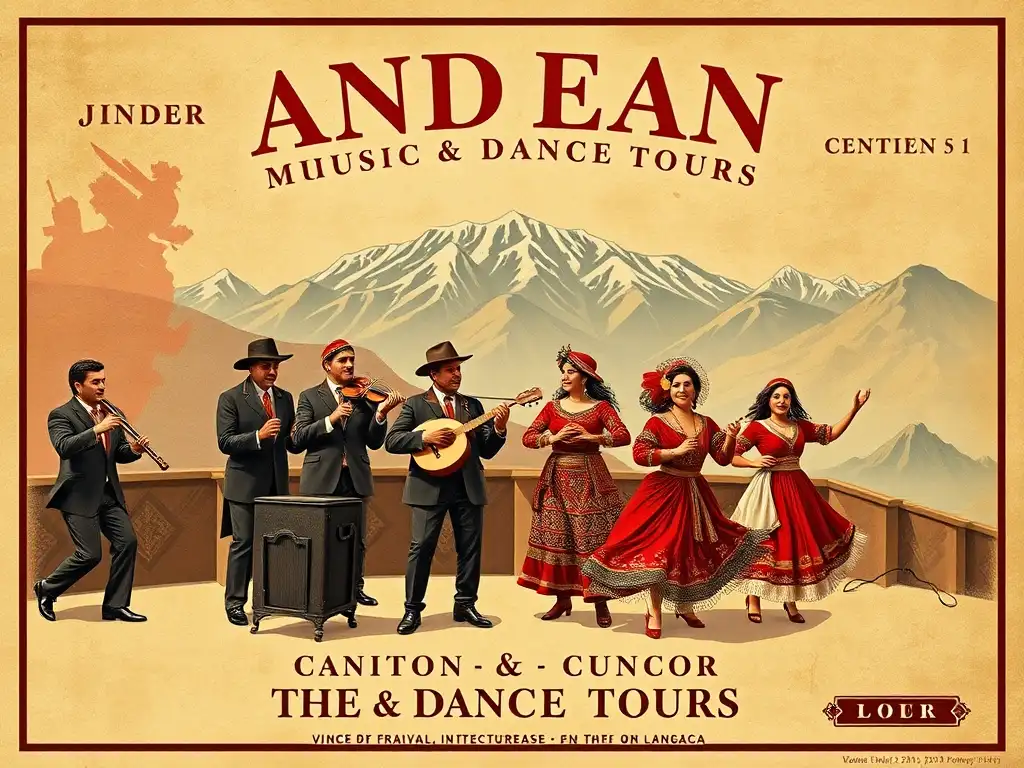
This section delves into the practical aspects of planning an Andean music and dance tour, ensuring you have a truly immersive and authentic experience. Choosing the right tour is crucial for maximizing your enjoyment and cultural understanding. We'll explore key factors to consider when selecting your Andean music and dance tours.
Choosing the Right Andean Cultural Tour: What to Look For
Selecting the perfect Andean music and dance tour requires careful consideration of several factors. Don't just settle for the first option you find; take the time to research and compare different tour operators. Look for tours that prioritize authenticity, cultural sensitivity, and a respectful approach to the local communities. Read reviews from past participants and check the tour operator's credentials.
A reputable company will be transparent about their practices and committed to sustainable tourism. Consider the tour's impact on the local environment and economy. Does the tour directly benefit the communities whose music and dance it showcases? Choosing a responsible tour operator contributes to the preservation of Andean cultural heritage.
Authenticity vs. Tourist Traps: Spotting Genuine Performances
The difference between a genuine Andean cultural performance and a tourist trap can be significant. Tourist traps often offer watered-down versions of traditional music and dance, lacking the depth and authenticity of a real community performance. Look for tours that feature performances by local artists, preferably in their own villages or communities. Genuine performances often involve participation from multiple generations, demonstrating the enduring legacy of the traditions.
Be wary of tours that heavily promote costumes and elaborate staging over genuine musical expression and storytelling. Inquire about the performers' backgrounds and their connection to the traditions they present. A true Andean music and dance performance should feel intimate and deeply connected to the cultural heritage of the region.
Small Group vs. Large Group Andean Music Tours: Which is Better?
The size of your tour group significantly impacts your experience. Small group tours (typically under 12 participants) offer a more intimate and personalized experience. You'll have more opportunities for interaction with the performers and fellow travelers, fostering a deeper connection to the culture. Large group tours, while often more affordable, can feel impersonal and less immersive.
You might find yourself distant from the performances and unable to fully appreciate the nuances of the music and dance. Consider your personal preferences and budget when deciding which size group is right for you. Small group tours often allow for more flexibility and opportunities for spontaneous interactions.
Duration and Itinerary: Matching Your Travel Style
The duration and itinerary of your tour should align with your travel style and available time. Shorter tours offer a taste of Andean music and dance, while longer tours provide a more in-depth exploration. Carefully review the itinerary to ensure it aligns with your interests and expectations. Consider the pace of the tour; some tours are fast-paced, while others allow for more leisurely exploration.
Factor in travel time between locations, as this can significantly impact your overall experience. Ensure the itinerary includes sufficient time for appreciating the performances and interacting with local communities. A well-planned itinerary balances cultural immersion with opportunities for relaxation and personal reflection.
Best Destinations for Immersive Andean Music and Dance Experiences
Several locations offer exceptional opportunities for experiencing Andean music and dance. Each location boasts unique styles and traditions, reflecting the diverse cultural tapestry of the Andes.
Cusco, Peru: The Heart of Andean Traditions
Cusco, the former Inca capital, is a vibrant hub of Andean culture. Numerous opportunities exist to witness traditional music and dance performances, often interwoven with historical narratives and cultural demonstrations. The city itself resonates with Andean heritage, providing a rich backdrop for experiencing the music and dance. You'll find performances ranging from intimate gatherings to larger-scale spectacles, offering diverse ways to engage with the local traditions. The energy and passion of the Cusquenian performers are infectious, creating a truly memorable experience.
Lake Titicaca, Peru/Bolivia: Island Rhythms and Folklore
The unique cultural traditions of the islands on Lake Titicaca offer a distinct Andean music and dance experience. The indigenous communities maintain their traditional ways of life, and their music and dance reflect their close connection to the lake and their ancestral heritage. You might witness ceremonies, festivals, or intimate performances showcasing the unique rhythms and styles of this region. Experiencing the music and dance on the islands offers a profound connection to the ancient traditions of the Andes, away from the hustle and bustle of larger cities.
Ecuadorian Highlands: Unique Indigenous Music and Dance
The Ecuadorian Highlands also offer a rich tapestry of indigenous music and dance. Different ethnic groups, each with their own unique cultural expressions, inhabit this region. You'll discover distinctive musical instruments, dance styles, and costumes, reflecting the diverse cultural heritage of the Ecuadorian Andes. Exploring the highlands allows you to encounter unique Andean music and dance traditions that might differ significantly from those found in Peru or Bolivia. The region’s rugged beauty provides a stunning backdrop for these vibrant cultural expressions.
Booking Your Andean Music and Dance Experience: A Step-by-Step Guide
This section provides a practical guide to booking your Andean music and dance tour, ensuring a memorable and authentic cultural experience. Planning ahead is key to securing the best tours and avoiding disappointment. We'll cover finding reputable operators, comparing prices, and understanding what to look for in a high-quality Andean music and dance tours experience.
Finding Reputable Andean Music Tour Operators
Choosing a reputable tour operator is crucial for a safe and enriching Andean music and dance experience. Avoid fly-by-night operators; their lack of experience can negatively impact your trip. Thorough research is essential before committing to any Andean music and dance tours.
Online Reviews and Testimonials: Gauging Tour Quality
Before booking, meticulously check online reviews and testimonials on platforms like TripAdvisor, Google Reviews, and specialized travel blogs. Look for consistent positive feedback regarding aspects like:
- Musical authenticity: Does the tour feature genuine Andean instruments and musical styles?
- Dance expertise: Are the dancers skilled and knowledgeable about the cultural significance of the dances?
- Guide knowledge: Is the guide knowledgeable about Andean music, dance, and cultural context?
- Organization and punctuality: Were the tours well-organized and did they run on time?
- Customer service: Was the customer service responsive and helpful before, during, and after the tour?
Pay close attention to negative reviews, too. Recurring negative themes indicate potential problems. A diverse range of positive reviews from different sources strengthens the operator's credibility.
Checking Tour Operator Credentials and Certifications
Look for evidence of the tour operator's legitimacy and experience. Reputable operators often hold relevant certifications or licenses. This might include:
- Tourism board registration: Check if they're registered with the local tourism authority.
- Insurance coverage: Confirm they have appropriate liability and travel insurance.
- Membership in tourism associations: Affiliation with professional tourism associations indicates a commitment to quality and ethical practices.
Requesting documentation before booking is perfectly acceptable and shows your due diligence. This proactive approach minimizes risks and ensures a smoother, more enjoyable Andean music and dance tours experience.
Comparing Prices and Inclusions: Maximizing Value
Prices for Andean music and dance tours vary significantly. Don't automatically choose the cheapest option. Compare packages carefully, considering what's included:
- Transportation: Is transportation to and from the performance site included?
- Meals: Are meals or refreshments provided?
- Duration: How long does the tour last?
- Group size: Smaller groups often provide a more intimate and personalized experience.
- Additional activities: Do they include other cultural experiences, such as visits to local artisans or museums?
Creating a table comparing different options helps visualize the value proposition of each Andean music and dance tours package. Prioritize value over mere cost. Remember that a slightly higher price might translate to a far superior experience.
Booking Platforms and Affiliate Links
Several reputable online platforms facilitate booking Andean music and dance tours. These platforms often offer secure payment gateways and customer support.
Viator: Book Your Andean Cultural Tour Here
Viator is a popular platform offering a wide selection of tours worldwide, including many focused on Andean music and dance. Their user-friendly interface and detailed tour descriptions make finding the perfect fit easier. They often offer various filtering options to refine your search based on price, duration, and other preferences.
Llama Path: Explore Llama Path's Andean Music and Dance Packages
Llama Path might offer specialized packages focusing on immersive Andean cultural experiences, potentially including music and dance elements within broader itineraries. Check their website for detailed information on their tour offerings and specific inclusions.
World Nomads: Protect Your Trip with Travel Insurance
While not directly related to booking a tour, securing adequate travel insurance is vital. World Nomads offers comprehensive travel insurance plans that can cover unforeseen circumstances, such as trip cancellations or medical emergencies, providing peace of mind during your Andean adventure. Protecting your investment in your Andean music and dance tours is a wise precaution.
What to Expect During an Andean Music and Dance Performance
Andean music and dance performances are vibrant and engaging cultural experiences. Expect a captivating blend of traditional instruments and energetic movements that tell stories of history, mythology, and daily life. The atmosphere is usually festive and participatory, though the specific style varies greatly depending on the region and the specific group performing.
You might encounter anything from intimate gatherings featuring traditional panpipes and heartfelt singing to large-scale spectacles with elaborate costumes and complex choreographies. The music itself often incorporates distinctive Andean instruments like the charango (a small lute), zampoña (panpipes), quena (a flute), and drums. The dances frequently involve intricate footwork, graceful movements, and sometimes even symbolic gestures.
The performances are often accompanied by storytelling or narratives, enriching the overall experience and providing valuable cultural context. Remember that the duration of a performance can vary; some may be short and sweet, while others might extend for hours, offering a truly immersive experience. Be prepared to be moved by the passion and artistry of the performers.
Interacting with Local Musicians and Dancers: Respectful Engagement
Engaging with the performers is encouraged, but always with respect for their culture and traditions. Approaching them after the performance to express your appreciation is generally welcomed. A simple "muchas gracias" (thank you in Spanish) goes a long way. However, avoid interrupting a performance to take photos or videos unless explicitly permitted. Remember that these are often sacred rituals or expressions of cultural identity.
Asking permission before taking photos is crucial, and always be mindful of not disrupting the flow of the performance. Refrain from touching instruments or costumes without explicit invitation. If you're unsure about something, it's always best to observe and ask politely for clarification. Learning a few basic Quechua phrases (the language of the Inca Empire and still spoken in parts of the Andes) can also show respect and enhance your interaction.
Understanding Performance Context: Cultural Significance
Andean music and dance are not merely entertainment; they are deeply rooted in the region's rich history and spiritual beliefs. Many dances and songs recount historical events, celebrate harvests, or commemorate ancestral traditions. Understanding this context enhances the appreciation of the performance. For instance, a dance might depict a historical battle, a courtship ritual, or a celebration of a specific deity. The costumes themselves often hold symbolic meaning, with colors and patterns representing specific communities or beliefs.
Researching the specific group or style of music and dance you'll be witnessing beforehand can significantly deepen your understanding and appreciation. Look for information about the region of origin, the history of the group, and the meaning behind the specific pieces performed. This added knowledge transforms a simple performance into a profound cultural immersion. This understanding contributes to a more respectful and meaningful experience for both you and the performers.
Capturing Memories: Photography and Videography Tips
Capturing memories of your Andean music and dance experience is highly recommended, but do so respectfully. Always prioritize the experience itself over obtaining the perfect shot. Use your camera's flash sparingly, as it can be disruptive to the performers and the atmosphere. Consider using a longer exposure time or a higher ISO to capture images in low-light conditions without using flash. If you are using a video camera, keep the recording discreet to avoid distracting others.
When taking photos or videos, be mindful of not blocking the view of others. Avoid using zoom excessively, as it can sometimes distort the image or video quality. And most importantly, remember that the most valuable memories are often not the ones captured by a camera, but the ones etched in your heart. Focus on immersing yourself in the performance and allowing the music and dance to move you.
Enhancing Your Andean Cultural Experience
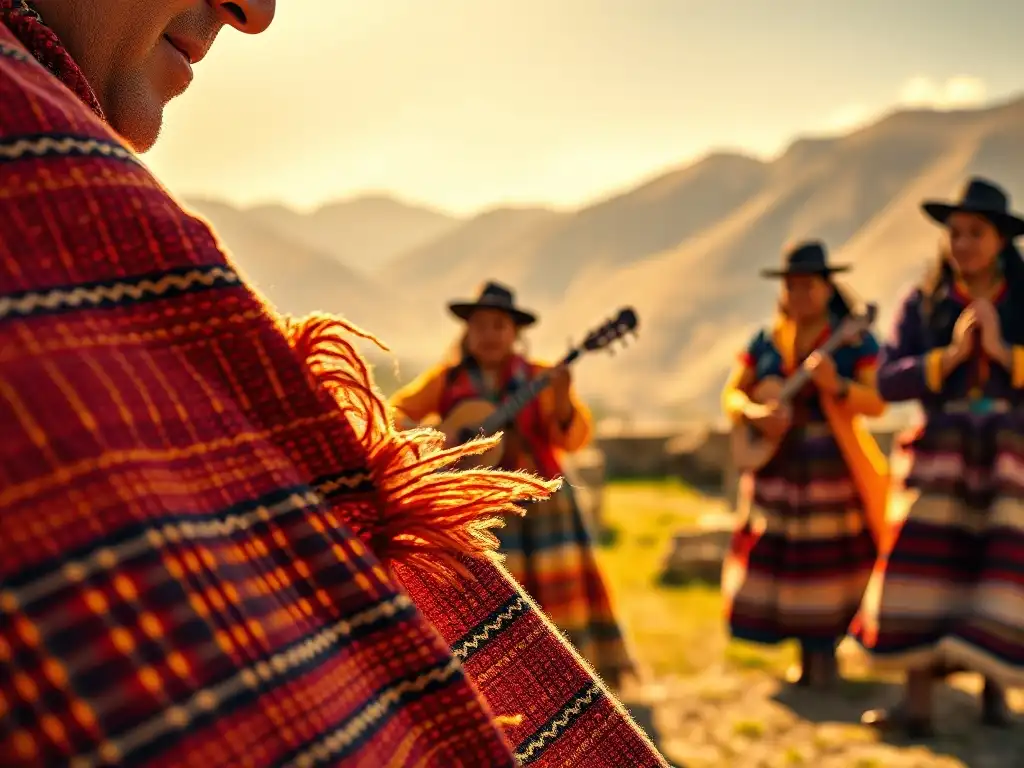
This section focuses on enriching your Andean adventure beyond just sightseeing. By actively engaging with the local culture through language, crafts, and music, you'll deepen your appreciation for the region's vibrant heritage and contribute to its preservation. Experiencing Andean music and dance tours is only part of the immersion; actively participating in these cultural exchanges elevates your journey to a truly unforgettable experience.
Learning Basic Quechua or Aymara Phrases: Showing Respect
Learning a few basic phrases in Quechua or Aymara, the indigenous languages of the Andes, demonstrates respect and opens doors to deeper connections with the local people. While fluency isn't expected, even simple greetings like "Sumaj kawsay" (Quechua for "good life") or "Kusisimi" (Quechua for "happy") can significantly enhance your interactions. Consider downloading a language learning app or purchasing a phrasebook before your trip. Practicing pronunciation beforehand will make a noticeable difference.
Don't be afraid to attempt these phrases – locals will generally appreciate the effort, even if your pronunciation isn't perfect. This simple act of cultural sensitivity can transform your interactions from transactional to meaningful. It's a small gesture that speaks volumes about your respect for the Andean culture and its rich linguistic heritage. Remember, learning even a few words shows a genuine interest in their culture and opens up opportunities for more authentic interactions.
Purchasing Authentic Andean Crafts and Musical Instruments: Supporting Local Artisans
Supporting local artisans by purchasing authentic Andean crafts and musical instruments is a wonderful way to contribute directly to the Andean economy and preserve traditional skills. Look for items made with natural materials and traditional techniques. Be wary of mass-produced souvenirs; genuine handicrafts often bear unique characteristics and tell a story of their creation.
Consider purchasing items like hand-woven textiles, intricately carved wooden figures, or traditional musical instruments like the charango or panpipes. By supporting these artisans, you're not only acquiring beautiful and unique pieces but also contributing to the preservation of valuable cultural traditions. Many artisans are proud to share their skills and stories; engaging with them directly adds another layer to your experience.
The Andes Trading Post: Authentic Andean Instruments
One example of a place to find authentic instruments is the (fictional) "Andes Trading Post". This hypothetical location represents the many smaller shops and markets where you can find high-quality, handcrafted instruments. These establishments are often family-run, passing down generations of craftsmanship. When purchasing an instrument, take the time to learn about its creation.
Ask about the wood used, the techniques employed, and the cultural significance of the instrument. This interaction adds to the value of your purchase, transforming it from a mere souvenir into a treasured piece of Andean heritage. Remember to negotiate respectfully, understanding that these artisans rely on their craft for their livelihood.
The experience of selecting and purchasing an instrument directly from an artisan is far more enriching than buying a mass-produced version. You'll be supporting a living tradition and carrying a piece of Andean culture with you long after your trip concludes. Consider the zampoña (panpipes) or the antara (vertical panpipes) for truly authentic Andean sounds.
This section provides a starting point for enriching your Andean experience beyond simply observing. By actively engaging with the local culture, your Andean music and dance tours will become even more meaningful and memorable. Remember to respect local customs and traditions at all times.
Trying Traditional Andean Cuisine: A Complete Cultural Immersion
Indulging in traditional Andean cuisine is an integral part of experiencing the vibrant culture of the region. More than just sustenance, food in the Andes reflects centuries of adaptation to the challenging geography and a deep connection to the land. A culinary journey through the Andes offers a profound understanding of the people and their history. From the simple yet hearty potato dishes—the Andes boast thousands of varieties!—to the flavorful stews simmered with locally sourced meats and vegetables, each bite tells a story.
The preparation methods often remain unchanged for generations, passed down through families and communities. This preservation of culinary traditions ensures authenticity and a taste of history. For example, the pachamanca, a traditional earth oven cooking method, has been used for centuries by Andean communities. This involves heating stones in a pit, layering food on top, and covering it with earth and leaves to slow-cook the meal. The result is a tender, smoky flavor that’s uniquely Andean. Many restaurants and tour operators offer authentic pachamanca experiences, allowing you to participate in the preparation and enjoy the delicious outcome.
Beyond the pachamanca, a vast array of dishes awaits the adventurous palate. Cuy (guinea pig), a delicacy in some Andean regions, might seem unusual to some, but its tender meat and unique flavor make it a must-try for the culturally curious. Various types of corn, another staple crop, are incorporated into many dishes, from humitas (steamed corn cakes) to chicha, a traditional fermented corn beverage.
The use of indigenous grains like quinoa and amaranth adds to the nutritional and cultural richness of the cuisine. These grains, prized for their high nutritional value, have been cultivated in the Andes for thousands of years.
Don't forget the desserts! Sweet treats like picarones (pumpkin and sweet potato fritters) and alfajores (sandwiches of sweet biscuits filled with dulce de leche) offer a delightful end to a culinary adventure. Pairing these treats with a cup of mate de coca, a traditional coca leaf tea known for its energizing properties, completes the experience.
Remember that exploring Andean cuisine is not just about trying new flavors; it's about understanding the cultural significance of each ingredient and dish, further enriching your Andean music and dance tours. Consider taking a cooking class to actively participate in the preparation process and learn the stories behind the recipes, thus deepening your appreciation for Andean culture.
Conclusion: Creating Lasting Memories Through Andean Music and Dance
This journey through the vibrant world of Andean music and dance has hopefully ignited your curiosity and desire to experience these captivating performances firsthand. From the haunting melodies of the panpipes to the rhythmic energy of the huayno, the cultural richness embedded in these art forms is undeniable. A deep dive into Andean music and dance tours offers a unique lens through which to understand the history, beliefs, and social structures of these fascinating ancient civilizations.
Beyond the entertainment value, engaging with these traditions provides a profound connection to the past and a deeper appreciation for the enduring legacy of Andean culture. Remember, experiencing Andean music and dance isn't just about witnessing a performance; it's about participating in a living history.
The Impact of Cultural Tourism on Local Communities
The growth of Andean music and dance tours has a significant impact on the local communities that create and perform these traditions. Responsible cultural tourism can be a powerful engine for economic development, providing income for musicians, dancers, artisans, and local businesses. This economic boost can contribute to the preservation of cultural heritage by making it financially viable for communities to continue their traditions. However, it's crucial to ensure that tourism benefits are equitably distributed and that the cultural integrity of the performances isn't compromised for commercial gain.
Studies show that well-managed tourism can lead to improved infrastructure, educational opportunities, and healthcare access in these communities. Conversely, poorly managed tourism can lead to the commodification of culture, the erosion of traditional practices, and environmental degradation. Therefore, choosing ethical and sustainable Andean music and dance tours is paramount.
Your Role in Preserving Andean Traditions
As a traveler engaging with Andean music and dance, you play a crucial role in preserving these invaluable cultural expressions. By choosing tours that prioritize authenticity, respect local customs, and support local communities, you actively contribute to their sustainability. This means seeking out tours that employ local musicians and dancers, support local businesses, and promote responsible environmental practices. Furthermore, showing genuine appreciation and respect during performances, learning a few basic Quechua phrases, and engaging respectfully with local artisans all contribute to a positive and mutually beneficial exchange.
Remember to be mindful of cultural sensitivities, avoid intrusive photography, and always ask for permission before taking pictures or videos. Your respectful participation ensures that these vibrant traditions can continue to thrive for generations to come. Supporting ethical Andean music and dance tours is more than just a vacation; it's an act of cultural preservation.
Ready to Experience the Magic of Andean Music and Dance?
The allure of Andean music and dance is undeniable. The rhythmic pulse, the captivating melodies, and the expressive movements all contribute to an unforgettable cultural experience. From the soaring heights of the Andes to the bustling city squares, opportunities abound to witness and participate in these stunning performances. Planning your trip with a focus on Andean music and dance tours guarantees an enriching and memorable journey.
By selecting responsible tour operators and engaging respectfully with local communities, you can ensure that your experience contributes positively to the preservation of this invaluable cultural heritage. So, embark on your Andean adventure, immerse yourself in the rhythm of the Andes, and create lasting memories that will resonate long after your return. 💃🕺🎶
Frequently Asked Questions
What types of musical instruments are commonly featured in Andean music?
Andean music utilizes a diverse range of instruments. You'll often hear the panpipes (zampoñas), charango (a small guitar), and various drums like the tinku. These instruments create unique and vibrant sounds.
Are there specific dances associated with Andean music?
Yes, Andean dances are deeply intertwined with the music. Many dances are ritualistic or celebratory, reflecting the rich cultural heritage. Expect to see lively movements and colorful costumes.
Where can I experience authentic Andean music and dance performances?
Many cultural centers and festivals throughout the Andes region offer authentic performances. Consider exploring locations in Peru, Bolivia, Ecuador, and Colombia for immersive experiences. Guided tours can also provide access to more remote or specialized performances.
What is the best time of year to visit for Andean music and dance tours?
The best time depends on specific locations and preferences. Generally, the dry season (May-September) offers pleasant weather for outdoor performances and travel. However, festivals occur year-round, so research specific events for ideal timing.
How can I book an "Andean music and dance tour"?
You can book tours through various online travel agencies, local tour operators, or even directly with cultural centers hosting performances. Look for tours that emphasize authenticity and cultural immersion. Read reviews before booking to ensure a quality experience.
Final Reflection: The Enduring Rhythm of the Andes
The vibrant tapestry of Andean music and dance isn't merely a tourist attraction; it's a living, breathing testament to a rich cultural heritage that continues to resonate globally. These ancient traditions, passed down through generations, offer a powerful connection to a history deeply rooted in the land and its people. Experiencing these performances firsthand is not just entertainment; it's a journey into the heart and soul of Andean civilization.
The impact of Andean music and dance extends far beyond the stage or plaza. It's a powerful force shaping identity, community, and artistic expression. The intricate rhythms, the evocative melodies, and the expressive movements tell stories of resilience, spirituality, and the enduring human spirit. As I witnessed these performances, I was struck by the profound sense of community they fostered, a shared experience that transcended language and cultural barriers. Music is the universal language of mankind.
– Henry Wadsworth Longfellow. This quote rings especially true when considering the unifying power of Andean music and dance.
Now, as you reflect on your own travel plans or perhaps even on past experiences, consider the depth of cultural immersion that awaits you. Don't just visit a destination; engage with its heart. Seek out authentic performances, learn a few steps, and allow yourself to be swept away by the energy and emotion of these ancient traditions. Let the rhythm of the Andes move you, and carry a piece of this vibrant culture with you long after your journey ends.
**Immerse Yourself in Andean Culture Today! **
Thank you for exploring the rich tapestry of Andean music and dance. We hope you've gained a deeper appreciation for this vibrant culture. Now, let's turn that inspiration into action!
Here are some ways you can embrace the Andean experience:
- **Book a local performance:** Attend an authentic Andean music and dance show. Experience the rhythms and stories firsthand, connecting with the local performers and culture.
- Share your excitement about Andean culture with friends and family on social media. Inspire others to learn more.
- **Join a workshop:** Participate in a local class or event to learn Andean dance or music. This is a fantastic way to engage with the community and learn a new skill.
What aspect of Andean culture are you most excited to experience? Share your thoughts below!