
Permits and Regulations: Navigating Access to Andean Archaeological Parks

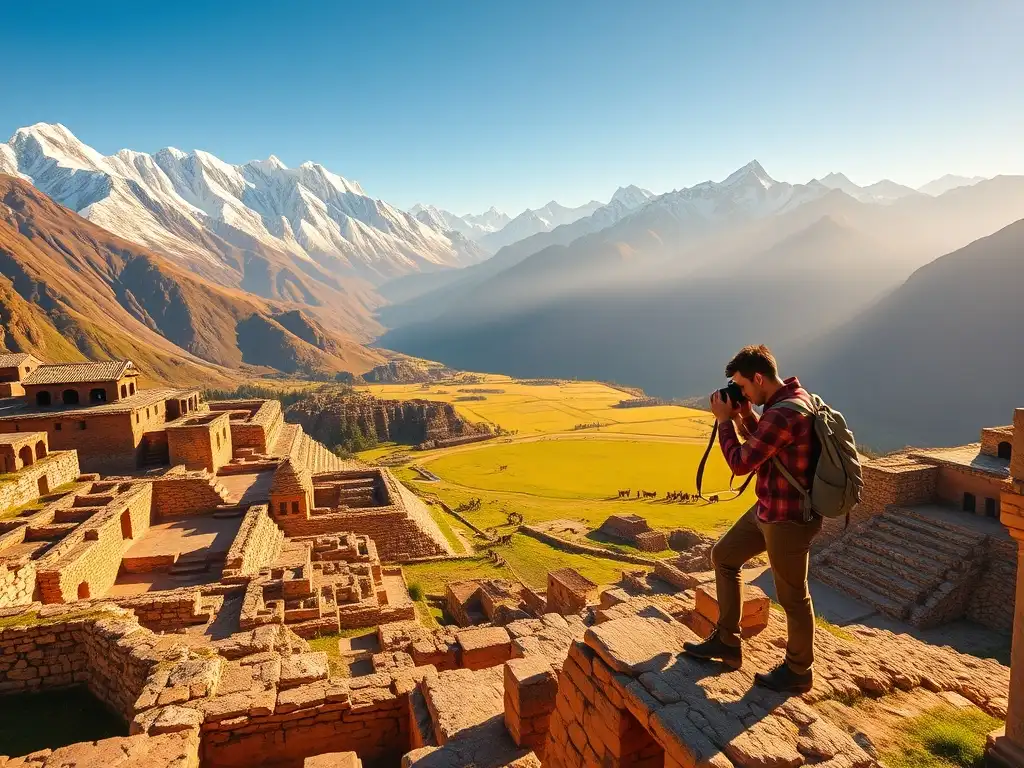
Uncover the secrets of a lost world. For centuries, the majestic Andes have guarded the legacies of the Incas, Moche, Nazca, and Tiahuanaco. But exploring these breathtaking archaeological wonders requires careful planning. This is where understanding Andean archaeological park permits becomes crucial – your key to unlocking access to these incredible sites. Dive in and discover how to navigate the regulations and ensure a responsible and unforgettable journey through time.
-
Andean Archaeological Park Permits: Your Guide to Accessing Ancient Wonders
- Understanding the Need for Permits: Why Are They Necessary?
- Navigating Regulations: A Step-by-Step Guide to Andean Site Access
- Types of Permits for Andean Archaeological Sites
- How to Obtain Your Andean Archaeological Park Permit
- Key Regulations and Restrictions in Andean Parks
- Avoiding Common Pitfalls When Applying for Permits
- Recommended Travel Agencies for Permit Assistance and Guided Tours
- Maximizing Your Visit to Andean Archaeological Parks
- Andean Archaeological Site Entrance Fees and Permit Costs
- Staying Informed: Updates and Changes to Regulations
- Conclusion: Enjoying the Andean Archaeological Heritage Responsibly
-
Frequently Asked Questions
- What types of permits are required to access Andean archaeological parks?
- How far in advance should I apply for an Andean archaeological park permit?
- Are there any restrictions on photography or filming within Andean archaeological parks?
- What are the penalties for violating permits or regulations in Andean archaeological parks?
- Where can I find reliable information about Andean archaeological park permits and regulations?
- Final Reflection: Unlocking the Past, Protecting the Future
- **Unveil New Adventures in Andean Archaeology! **
Andean Archaeological Park Permits: Your Guide to Accessing Ancient Wonders
Exploring the breathtaking archaeological parks of the Andes is a journey through millennia of human history and ingenuity. From the majestic ruins of Machu Picchu to the enigmatic lines of Nazca, these sites offer unparalleled glimpses into the lives and achievements of the Inca, Moche, Nazca, and Tiahuanaco civilizations.
However, accessing these invaluable cultural treasures requires careful planning and adherence to specific regulations. This comprehensive guide will clarify the process of obtaining Andean archaeological park permits, ensuring a respectful and enriching experience for every visitor while safeguarding these irreplaceable historical legacies for future generations.
Understanding the permit system is crucial not only for legal compliance but also for contributing to the preservation of these incredible sites and supporting the local communities that work to protect them. We'll delve into the reasons behind permit requirements, provide a step-by-step guide to obtaining the necessary documentation, and highlight the importance of responsible tourism in preserving Andean heritage.
Understanding the Need for Permits: Why Are They Necessary?
The implementation of permit systems for accessing Andean archaeological parks is essential for several key reasons. Firstly, it helps manage the flow of visitors, preventing overcrowding and minimizing the potential for damage to delicate structures and artifacts. Over-tourism can lead to erosion, pollution, and the unintentional destruction of invaluable historical evidence. Think of the delicate Nazca Lines; uncontrolled access could easily damage these fragile geoglyphs.
Secondly, permits contribute directly to the conservation and preservation efforts of these sites. The fees associated with permits often go directly towards funding crucial maintenance, restoration projects, and research initiatives. This ensures the long-term survival of these historical wonders for future generations to appreciate. The revenue generated also frequently supports local communities, creating economic opportunities connected to the preservation and interpretation of their cultural heritage.
Finally, permits help ensure responsible tourism. By requiring visitors to obtain permits in advance, authorities can educate them about the importance of respecting the sites, following designated paths, and refraining from any activities that could cause damage. This fosters a sense of responsibility among visitors, transforming the experience from simple sightseeing into a mindful engagement with history. This responsible approach is crucial for protecting the integrity of these invaluable archaeological treasures. The system also allows for monitoring visitor numbers, helping authorities to manage the impact of tourism on the environment and local communities.
Securing the necessary permits to visit Andean archaeological parks can vary depending on the specific site and the country. However, the general process usually involves the following steps:
- Research: Identify the specific archaeological park you wish to visit. Each site will have its own regulations and permit requirements. Thorough research is crucial to avoid any surprises or delays. This may involve checking official government websites, contacting tourism boards, or consulting with local tour operators.
- Application: Once you've identified the necessary permits, you'll need to complete an application form. These forms often require personal information, travel dates, and the number of visitors in your group. Be sure to provide accurate and complete information.
- Payment: Most archaeological park permits involve a fee. Payment methods may vary, with some sites accepting online payments while others may require payment upon arrival.
- Confirmation: After completing the application and payment, you should receive confirmation of your permit. Keep a copy of this confirmation readily available, as you may be required to present it upon arrival at the archaeological park.
- On-Site Regulations: Remember that obtaining a permit is only the first step. Upon arrival at the site, be sure to familiarize yourself with any additional on-site regulations, such as designated walking paths, restricted areas, and appropriate behavior. Respecting these regulations is crucial for preserving the integrity of the site and ensuring a positive experience for all visitors. Remember, you are a guest in a place of immense historical significance. Let's treat it with the respect it deserves! 🌎 Careful planning and adherence to these steps will ensure a smooth and enriching experience while helping protect these incredible sites for years to come.
Types of Permits for Andean Archaeological Sites
Access to Andean archaeological sites is carefully managed to ensure the preservation of these invaluable cultural heritage locations. Therefore, obtaining the correct permit is crucial before your visit. The type of permit required depends on several factors, including the specific site, the purpose of your visit, and the duration of your stay. Understanding these variations is key to a smooth and legal exploration of these ancient wonders. Failure to obtain the necessary permits can result in fines and even legal repercussions. The authorities are increasingly vigilant in protecting these fragile sites from damage and misuse.
National vs. Regional Permits: Knowing the Difference
The Andean region encompasses several countries, each with its own regulatory framework for archaeological sites. A national permit might be required for access to sites under national jurisdiction, often encompassing larger, more prominent parks and ruins. These permits are usually issued by the national cultural heritage agency of the respective country. In contrast, regional permits are issued by local or regional authorities for access to smaller, less nationally significant sites, potentially managed at a provincial or municipal level.
The specific requirements and application processes for national and regional permits will vary considerably. It's essential to confirm the governing authority for the specific site you plan to visit to determine the correct permit type. Navigating this distinction is critical for ensuring compliance with all applicable regulations.
Specific Site Permits: Examples like Machu Picchu Permits and Choquequirao Permits
Certain high-profile sites, such as Machu Picchu and Choquequirao in Peru, have their own unique permitting systems. These sites often require advance booking and might involve additional fees beyond those associated with a general national or regional permit. For instance, Machu Picchu permits are notoriously sought-after and require pre-purchase through an official online booking system, often months in advance, especially during peak season. These permits often restrict the number of visitors allowed per day to help manage the site's preservation.
Similarly, Choquequirao permits, while less restrictive than Machu Picchu, still necessitate advance booking and adherence to specific entry times and guidelines. It's advisable to research the specific permit requirements for each site well in advance of your planned visit. Failing to do so could significantly impact your travel plans. Always check official government websites for the most up-to-date information.
Research Permits: Applying for Academic Access
Researchers and academics requiring access for scholarly study or excavation need to apply for special research permits. These permits are typically granted after a rigorous review process, often involving submission of a detailed research proposal outlining the scope of the study, methodologies, and potential impact on the site. These applications often need to be supported by relevant academic institutions and may involve collaborations with local authorities.
The approval process can be lengthy, requiring substantial lead time. These permits are distinct from tourist permits and have significantly more stringent requirements. The research permit application process prioritizes responsible and sustainable research practices, ensuring the site's long-term protection.
How to Obtain Your Andean Archaeological Park Permit
Securing your Andean archaeological park permit is a vital step in planning your trip. The process varies depending on the site and the type of permit required. However, there are two primary routes: online applications and in-person applications. Both methods require careful attention to detail and adherence to specific guidelines.
Online Application Processes: A Detailed Overview
Many Andean archaeological sites now offer online permit applications, simplifying the process and allowing for advance booking. These online portals typically require you to create an account, provide personal information, specify the site you intend to visit, select your visit dates, and pay the applicable fees. It is crucial to carefully review all information before submitting your application.
Once submitted, you will usually receive a confirmation email containing your permit, which you should print and carry with you during your visit. Online systems may offer real-time availability checks and allow you to select specific entry times, making it easier to plan your itinerary. Always check the official website for the latest information regarding online procedures and any updates to the system.
In-Person Application Procedures: When and Where to Go
Some sites may still require in-person applications for permits. This often involves visiting a designated office or visitor center, typically located near the archaeological site itself. You will need to provide the required documentation, including proof of identity and potentially other relevant information. The office staff will guide you through the application process and help you complete the necessary forms.
In-person applications may involve longer processing times compared to online applications. It's recommended to contact the site's management office in advance to confirm their operating hours and any specific requirements for in-person applications. Be prepared for potential queues and allow ample time to complete the process. Planning ahead is crucial to avoid last-minute complications.
Key Regulations and Restrictions in Andean Parks
Understanding the regulations governing access to Andean archaeological parks is crucial for a smooth and respectful visit. These regulations are designed to protect these invaluable historical sites for future generations, ensuring their preservation and minimizing environmental impact. Specific rules vary significantly depending on the park and the governing authority (national or regional). For instance, some parks might have limited daily visitor numbers, while others may restrict access to certain areas entirely. Some sites might require guided tours, restricting independent exploration.
These restrictions are not intended to be obstacles, but rather a framework for responsible tourism. Failure to comply can result in fines or even expulsion from the park. Always check the official park website or contact the relevant authorities well in advance of your visit to obtain the most up-to-date information. It's always better to be over-prepared than caught unaware.
Entry Requirements and Time Restrictions
Many Andean archaeological parks impose entry requirements beyond simply possessing a permit. These can include presenting valid identification documents, proof of travel insurance, and even evidence of pre-booked accommodation in nearby communities. This last requirement often supports local economies and encourages sustainable tourism practices. Beyond entry, time restrictions are common. Some sites have designated opening and closing times, often influenced by daylight hours or conservation needs.
Overnight stays within the park itself are usually prohibited, requiring visitors to plan their itineraries accordingly. Additionally, some trails or sections of the park might have specific time limits, designed to manage visitor flow and minimize environmental impact. Always adhere to these time restrictions; exceeding them could lead to penalties. Remember to factor these limitations into your travel plans and avoid rushing your visit.
Photography and Drone Policies: What You Need to Know
The use of photography and drones in Andean archaeological parks is often subject to strict regulations. While capturing the beauty of these sites is encouraged, it must be done responsibly. Flash photography might be prohibited in certain areas to protect delicate artifacts and murals. Tripods and other bulky equipment may also be restricted in sensitive locations to avoid overcrowding and potential damage. Regarding drones, their use is almost universally banned due to the risk of damage to the sites and disruption to the fragile ecosystem.
Even seemingly innocuous drone flights can disturb wildlife and potentially damage irreplaceable artifacts. Always check the specific park's regulations before bringing any photographic or drone equipment. Unauthorized use can lead to significant fines and the confiscation of your equipment. Respecting these regulations ensures the preservation of these incredible sites for future visitors.
Prohibited Activities: Protecting the Archaeological Heritage
A range of activities are usually prohibited within Andean archaeological parks to protect their integrity. These prohibitions often include touching or climbing on ancient structures, removing artifacts, even small stones or pottery shards, and disturbing the natural environment. Littering is strictly forbidden, and visitors are expected to leave the site as they found it. The consumption of alcohol or drugs is generally banned, as is any activity that could endanger the site or other visitors.
These rules are in place to ensure the long-term preservation of these irreplaceable historical treasures. Violation of these rules can result in substantial fines and legal repercussions. Responsible behavior is not just a matter of courtesy; it's a legal obligation.
Avoiding Common Pitfalls When Applying for Permits
Securing permits for Andean archaeological parks can be a straightforward process, but neglecting certain details can lead to delays or rejections. Understanding the application process thoroughly, including required documentation and deadlines, is crucial. Providing incomplete or inaccurate information is a common mistake that can result in delays or even rejection. Therefore, meticulously double-check all information before submitting your application.
Another frequent error is underestimating the processing time. Allow ample time for processing, especially during peak tourist seasons. Finally, failing to confirm your application's status can lead to unnecessary stress. Regularly checking the status of your application will help you address any potential issues promptly.
Early Application Recommendations: Planning Ahead
Applying for Andean archaeological park permits well in advance is highly recommended. Especially during peak seasons (typically between June and August), permits can be scarce. Submitting your application months in advance ensures a higher chance of securing the necessary permits for your desired dates. This early application allows ample time to address any potential issues or delays. Moreover, early planning gives you more flexibility in adjusting your itinerary if necessary. Remember, securing your permit is only the first step in ensuring a successful visit.
Understanding Permit Validity and Extensions
Andean archaeological park permits typically have a specific validity period. This period indicates the dates for which the permit is valid and should be adhered to strictly. Extensions are generally not granted easily and might require a compelling reason and additional documentation. Therefore, carefully review the permit's validity period and plan your visit accordingly. Misunderstanding the validity period could result in denied entry and wasted travel plans. Always confirm the validity period and plan your trip accordingly to avoid any complications.
Dealing with Unexpected Delays or Rejections
Despite careful planning, unexpected delays or rejections of permit applications can occur. If you encounter a delay, promptly contact the relevant authorities to inquire about the status of your application and address any issues. If your application is rejected, understand the reasons for the rejection and address them in a resubmitted application, if possible. Having backup plans is crucial in such situations. This could include exploring alternative sites or adjusting your travel dates. Remember, patience and proactive communication are key to resolving any unexpected issues.
Recommended Travel Agencies for Permit Assistance and Guided Tours
Choosing a reputable travel agency can significantly ease the process of obtaining Andean archaeological park permits. These agencies often handle the complex permit applications, saving you time and potential headaches. They also frequently offer guided tours led by knowledgeable experts, enhancing your understanding and appreciation of the sites. Several agencies specialize in this niche, providing various levels of service and support.
Llama Path: Specializing in Cultural Tours and Permits
Llama Path is known for its deep understanding of Andean culture and its commitment to sustainable tourism. They offer a range of cultural tours, focusing on the historical and anthropological aspects of the sites. Their permit acquisition services are streamlined and reliable, ensuring a smooth experience for their clients.
They prioritize small group sizes for a more personalized and immersive experience, often including interactions with local communities. The cost of their services, which typically includes permits, transportation, and accommodation, varies depending on the chosen itinerary and duration of the tour. They have a strong focus on responsible tourism, educating clients on the importance of respecting the sites and local communities.
Peru Treks: Providing Comprehensive Travel Packages
Peru Treks provides comprehensive travel packages that include permits for various Andean archaeological parks. They offer a wider range of tour options, from budget-friendly backpacking trips to luxurious all-inclusive adventures. Their expertise extends beyond permit acquisition to include logistical support, such as transportation and accommodation arrangements. Their packages often include guided tours led by experienced archaeologists and historians, providing in-depth insights into the history and significance of each site.
The price range is extensive, catering to a diverse clientele with varying budgets. They also offer customizable itineraries, allowing clients to tailor their experiences to their interests and preferences. Their commitment to customer satisfaction is a key factor in their success.
Benefits of Booking with an Agency vs. Applying Individually
While it's possible to apply for Andean archaeological park permits independently, booking through a reputable agency offers several key advantages. Agencies handle the often-complex paperwork, reducing the stress and potential delays associated with navigating bureaucratic processes. They possess valuable local knowledge and connections, often securing permits more efficiently than individual travelers. Furthermore, agencies typically include transportation, accommodation, and guided tours in their packages, creating a seamless and comprehensive travel experience.
However, booking through an agency will usually result in a higher overall cost compared to independently arranging permits and travel. The decision depends on your budget, time constraints, and desired level of convenience. The added value of expert guidance and stress-free planning often makes the increased cost worthwhile for many travelers.
Maximizing Your Visit to Andean Archaeological Parks
Planning your visit to Andean archaeological parks requires careful consideration to ensure a fulfilling and enriching experience. This involves more than just securing the necessary permits; it requires understanding the logistics and maximizing your time efficiently.
Combining Permits for Multiple Sites: Creating an Efficient Itinerary
Many travelers wish to visit multiple Andean archaeological parks during their trip. Planning an efficient itinerary that combines permits for several sites is crucial to minimize travel time and maximize exploration. Careful consideration of geographical locations and proximity is vital. It’s advisable to group sites that are geographically close together to avoid unnecessary backtracking and wasted travel time.
For example, combining visits to sites within the Sacred Valley of the Incas allows for a more efficient and immersive experience. Booking tours that cover multiple sites can also simplify the logistical aspects, ensuring seamless transitions between destinations. Thorough research and planning are key to creating a well-structured and enjoyable itinerary.
Hiring Local Guides: Enriching Your Experience
Hiring a local guide significantly enhances the experience of visiting Andean archaeological parks. Guides possess in-depth knowledge of the sites' history, culture, and significance, enriching your understanding and appreciation. They can provide context and insights that are often missed by independent visitors. Local guides also contribute to the local economy, supporting the communities that maintain and preserve these invaluable historical sites.
Choosing a licensed and experienced guide is crucial to ensure the quality and accuracy of the information received. Their expertise can also help navigate the sites efficiently, ensuring you don't miss key features or overlook important details. The added value of a local guide often outweighs the additional cost, providing an unparalleled level of immersion and understanding.
Respecting the Environment and the Cultural Heritage
Responsible tourism is paramount when visiting Andean archaeological parks. Respecting the environment and cultural heritage is crucial for preserving these sites for future generations. This includes adhering to all park regulations, such as staying on marked trails and refraining from touching or removing artifacts. It's important to minimize your environmental impact by properly disposing of waste and avoiding actions that could damage the delicate ecosystems surrounding the sites.
Supporting local communities through responsible spending also contributes to the preservation of these cultural treasures. By respecting the environment and cultural heritage, you contribute to the long-term sustainability of these incredible sites, ensuring they remain accessible and inspiring for visitors for years to come. This responsible approach is essential for ensuring that these invaluable sites remain preserved for future generations to appreciate and learn from.
Andean Archaeological Site Entrance Fees and Permit Costs
Andean archaeological park permits and entrance fees vary significantly depending on the site, the time of year, and whether you're part of a guided tour or visiting independently. Some sites, particularly those managed by national governments, have standardized pricing, while others, especially privately managed or smaller sites, may have more flexible pricing structures. For instance, access to Machu Picchu requires a combined entrance ticket and a designated time slot reservation, significantly impacting the overall cost. This contrasts with smaller, less-visited sites which might have significantly lower entrance fees, often payable directly at the site's entrance.
The cost also often includes access to associated museums or interpretive centers which provide crucial context to the archaeological remains. It's essential to research specific site fees well in advance of your trip to avoid unexpected expenses. Remember that fees can change, so always double-check the most up-to-date information before your visit.
Understanding the Price Structure for Different Sites
The price structure for Andean archaeological park permits reflects several factors. Larger, more popular sites like Machu Picchu or Sacsayhuamán near Cusco, command higher prices due to the infrastructure required for visitor management and conservation efforts. These sites frequently implement tiered pricing, with higher fees for foreign visitors compared to domestic tourists. Smaller sites, often located in more remote areas, tend to have lower fees.
However, even these sites may include additional costs for guided tours or special access permissions. Some sites also offer combination tickets providing access to multiple sites within a region at a discounted rate. Planning your itinerary strategically and purchasing combination tickets can significantly reduce your overall expenditure on Andean archaeological park permits. Always inquire about any potential discounts available for students, seniors, or groups.
Budgeting Tips for Archaeological Park Visits
Budgeting for your Andean archaeological park visits requires careful planning. Factor in not only the entrance fees and permit costs but also the cost of transportation to and from the sites. Remote sites often necessitate hiring a taxi or using local buses, adding to the overall cost. If you plan to use a guided tour, remember to budget for the tour fees, which can be significant, especially for popular sites.
Consider purchasing your permits and tickets well in advance, as this can sometimes result in lower prices or avoid potential lines and delays on arrival. Remember to include spending money for meals and refreshments while visiting the sites, as options may be limited or more expensive within the archaeological park itself. Finally, factoring in potential unexpected costs, such as emergency transportation or unforeseen expenses, is always a wise approach to ensure a smooth and enjoyable trip.
Payment Methods Accepted for Permits and Entrance Fees
Payment methods accepted for Andean archaeological park permits and entrance fees vary considerably. Major credit cards are generally accepted at larger, more tourist-oriented sites, but it's always advisable to carry local currency, particularly soles (PEN) in Peru, as a backup. Some smaller sites may only accept cash payments, and ATMs may not be readily available near all locations. It's therefore crucial to plan your finances accordingly and carry sufficient cash for any unforeseen circumstances.
Additionally, be aware that some sites may offer online booking systems accepting credit cards, while others might require on-site payment. Always check the official website of the specific site you plan to visit to confirm the accepted payment methods before your arrival. This will help avoid any potential frustrations or delays during your visit.
Staying Informed: Updates and Changes to Regulations
Staying informed about the latest regulations and updates concerning Andean archaeological park permits is crucial for a smooth and legal visit. Regulations can change unexpectedly due to conservation efforts, seasonal variations, or unforeseen circumstances. Therefore, relying solely on outdated information can lead to disappointment and potential issues upon arrival. It is essential to continuously check for updated information from reliable sources to ensure a hassle-free experience.
Checking Official Sources for the Latest Information
The most reliable source for up-to-date information on Andean archaeological park permits and regulations is the official website of the governing body responsible for managing each site. These websites typically provide detailed information on entrance fees, opening hours, permit requirements, and any recent updates or changes to regulations. In many cases, these official sources also offer online ticketing services, allowing you to purchase permits and reserve your entry time in advance, avoiding long queues at the site. Always prioritize information from these official channels, as they provide the most accurate and current details.
Consulting Travel Forums and Blogs for Current Insights
While official sources are paramount, consulting travel forums and blogs can offer valuable supplementary information. These platforms often contain firsthand accounts from recent visitors, detailing their experiences, including any unexpected changes or challenges encountered. This crowdsourced information can provide valuable context and insights into the current situation at specific sites. However, always treat information from these sources with a degree of caution and cross-reference it with official information to ensure accuracy. Remember that personal experiences can be subjective and may not always reflect the current official regulations.
Sign up for Updates from Official Sources
Many official tourism websites and park management organizations offer email newsletters or other update services. Signing up for these updates ensures you receive timely notifications about any changes to permits, regulations, or opening hours. This proactive approach minimizes the risk of encountering unexpected issues during your visit and allows you to plan your trip accordingly. This is particularly useful for popular sites where regulations and availability can change frequently, ensuring you stay well-informed and prepared for your visit to these fascinating Andean archaeological parks.
Conclusion: Enjoying the Andean Archaeological Heritage Responsibly
Visiting Andean archaeological parks offers an unparalleled opportunity to connect with a rich and fascinating past. These sites are not just collections of stones; they are living testaments to the ingenuity, resilience, and cultural depth of the Andean civilizations. By understanding and respecting the permits and regulations governing access, we ensure the preservation of these invaluable historical treasures for future generations. Failure to do so risks damaging irreplaceable artifacts and disrupting delicate ecosystems. Responsible tourism is paramount.
It's about appreciating the beauty and significance of these sites while actively contributing to their protection. This involves not only adhering to the rules but also supporting local communities and initiatives involved in conservation efforts. Remember, your visit is a privilege, not a right. Let's ensure that future explorers can experience the wonder of the Andes as we have.
The Importance of Following Regulations
Obtaining the necessary permits for Andean archaeological parks is not merely a bureaucratic formality; it's a crucial step in responsible tourism and the preservation of cultural heritage. These regulations exist to protect the sites from damage, looting, and uncontrolled visitation. Unpermitted access can lead to significant damage to delicate structures, artifacts, and surrounding environments.
For example, increased foot traffic in sensitive areas can cause erosion and damage to fragile pathways and ancient structures. Furthermore, unauthorized activities can lead to the theft or destruction of priceless artifacts, irrevocably erasing important pieces of history. Following regulations, such as staying on marked paths and refraining from touching or removing artifacts, directly contributes to the long-term preservation of these invaluable sites.
Strict adherence to these rules ensures the continued enjoyment of these wonders for future visitors. The penalties for non-compliance can be significant, ranging from fines to legal action, further highlighting the importance of responsible behavior.
Contributing to the Preservation of Andean Culture
Respecting Andean archaeological park regulations is intrinsically linked to supporting the preservation of Andean culture. These sites are not just historical landmarks; they are integral to the cultural identity of Andean communities. By following the rules and obtaining the necessary permits, visitors contribute to the sustainable management of these sites, benefiting local communities that often rely on tourism for their economic well-being.
Responsible tourism helps to create a mutually beneficial relationship between visitors and local populations, fostering respect and understanding. Moreover, many archaeological parks engage in active conservation and research programs. By visiting responsibly, you contribute to the funding and support of these vital efforts, ensuring the continued study and protection of Andean heritage.
This ultimately helps to preserve not just the physical sites, but also the intangible cultural heritage associated with them, ensuring its legacy for generations to come. This responsible approach allows for a deeper, more meaningful engagement with the Andean cultural heritage, ensuring its protection and accessibility for all.
Frequently Asked Questions
What types of permits are required to access Andean archaeological parks?
The specific permit requirements vary depending on the archaeological park and the type of activity planned (research, tourism, filming, etc.). Some parks require pre-booked guided tours, while others may have entry fees only. Always check with the park's official website or local authorities.
How far in advance should I apply for an Andean archaeological park permit?
Applying well in advance is strongly recommended, especially during peak season. Processing times can vary, so allowing several weeks or even months is advisable to avoid disappointment. Contact the relevant authorities to inquire about current processing times.
Are there any restrictions on photography or filming within Andean archaeological parks?
Many parks have restrictions on photography and filming, particularly for professional purposes. Specific permissions might be needed, and some areas may be completely off-limits to capture images. Check the park's regulations or contact park authorities for clarification.
What are the penalties for violating permits or regulations in Andean archaeological parks?
Penalties for violating permits or regulations can be severe, ranging from fines to arrest and even prosecution. Respecting the rules protects these invaluable sites and ensures their preservation for future generations.
Where can I find reliable information about Andean archaeological park permits and regulations?
The most reliable information comes from the official websites of the respective archaeological parks and the national tourism authorities of the relevant country (Peru, Bolivia, Ecuador, Colombia, etc.). Avoid relying on unofficial or outdated sources.
Final Reflection: Unlocking the Past, Protecting the Future
The complexities of accessing Andean archaeological parks, as highlighted throughout this article, remain a critical issue today, directly impacting both responsible tourism and the preservation of invaluable cultural heritage. The bureaucratic hurdles and varying permit requirements across different sites underscore the need for a more streamlined and accessible system, one that balances the public's desire to experience these wonders with the urgent need to protect them from damage and exploitation.
The impact of poorly managed access extends far beyond simple inconvenience; it shapes the very narrative surrounding these sites. The experience of navigating permits, or the lack thereof, profoundly influences how visitors perceive and interact with the archaeological parks. This, in turn, affects the long-term sustainability of these fragile ecosystems and the communities that live alongside them. The past is never dead. It's not even past.
– William Faulkner. This quote rings true for Andean archaeological parks; their past continues to shape their present and future, and how we manage access directly influences that future.
Consider the implications of your next visit to an Andean archaeological park. Will you be a passive observer, simply taking in the sights, or will you be an active participant in its preservation? Take the time to understand the permit process, to respect the regulations, and to engage with the local communities. By doing so, you become not just a visitor, but a steward, ensuring that these incredible sites remain accessible and inspiring for generations to come.
**Unveil New Adventures in Andean Archaeology! **
Thank you for exploring the intricate world of Andean archaeological parks with us! Your understanding of permits and regulations is vital to appreciating the profound history these magnificent sites hold. Let's enhance your journey with practical steps to deepen your connection to these ancient wonders.
- **Begin your adventure** by planning a visit! Research specific Andean archaeological parks, such as Machu Picchu or Tiwanaku, and familiarize yourself with their permit requirements for a seamless experience.
- Connect with other enthusiasts! Joining or forming a local exploration group allows you to share knowledge and experiences about Andean sites with like-minded individuals.
- Expand your network by exploring online communities dedicated to Andean cultures. These platforms offer opportunities to exchange tips, stories, and discover lesser-known sites.
What incredible discovery are you most excited to make on your next Andean adventure? Share your thoughts below!