
The Influence of Ancestral Spirits: Their Continuing Presence

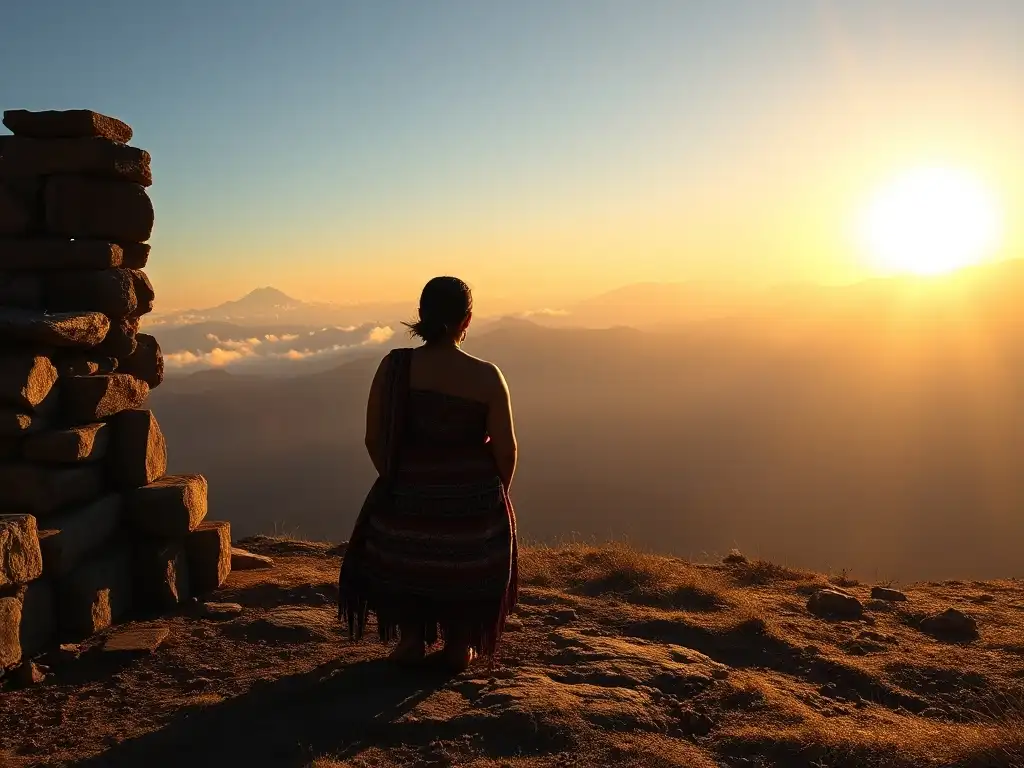
Step into a world where the echoes of ancient empires still resonate. The Andean Civilizations website invites you on a journey through time, uncovering the breathtaking artistry, sophisticated engineering, and profound spirituality of the Incas, Moche, Nazca, and Tiahuanaco. But what if their legacy extends beyond magnificent ruins?
Prepare to be captivated as we delve into the fascinating question of Andean spirits influence today, exploring how these ancestral forces continue to shape the lives and beliefs of modern communities. Discover the enduring power of their traditions in our exploration of Andean Religion and Cosmovision – a story waiting to unfold.
-
The Influence of Ancestral Spirits: Their Continuing Presence in Andean Culture
- Understanding Andean Spirituality: A Foundation for Ancestral Influence
- The Concept of "Apus" and Mountain Spirits in Andean Belief
- Ancestral Spirits: The "Mallquis" and Their Role in Daily Life
- The Living Presence of Ancestral Spirits: Manifestations and Interpretations
- Andean Spirits Influence Today: Continuity and Adaptation
- The Impact of Ancestral Beliefs on Art, Music, and Storytelling
- Preserving Andean Heritage: The Importance of Understanding Ancestral Influence
- Conclusion: The Enduring Legacy of Andean Ancestral Spirits
-
Frequently Asked Questions
- How did Andean spirits influence daily life in ancient civilizations?
- What forms did the worship of Andean spirits take?
- Are Andean spirits still relevant in contemporary Andean culture?
- How do contemporary Andean communities interact with their ancestral spirits?
- What is the significance of the "Pachamama" in the context of Andean spirits?
- Final Reflection: Echoes of the Apus: A Living Legacy
- **Embrace Your Ancestral Connection Today! **
The Influence of Ancestral Spirits: Their Continuing Presence in Andean Culture
The Andes Mountains, a majestic spine running down the western edge of South America, are not merely geographical features; they are the very embodiment of Andean spirituality. For millennia, the indigenous peoples of this region have held a profound reverence for the pachamama (Mother Earth) and the ancestral spirits who inhabit both the earthly and spiritual realms. This deep-seated belief system, far from being a relic of the past, continues to shape the lives and cultural practices of Andean communities today.
This article explores the enduring influence of ancestral spirits, specifically focusing on how their presence permeates contemporary Andean life and thought, examining the profound impact they have on daily routines, rituals, and worldview. We will delve into the concept of Apus, the sacred mountains and the practices that honor these powerful entities, offering a glimpse into the vibrant and enduring connection between the living and the spirits of their ancestors.
Understanding this connection is key to understanding the rich tapestry of Andean culture and its continued relevance in the modern world. The enduring influence of Andean spirits today is a testament to the enduring power of tradition and the deep spiritual connection with the land.
Understanding Andean Spirituality: A Foundation for Ancestral Influence
Andean spirituality is deeply animistic, meaning that it attributes spirits to natural elements and phenomena. This worldview isn't confined to a distant past; it's a living tradition. The belief in the interconnectedness of all things—the living, the dead, and the natural world—forms the bedrock of Andean cosmology.
Ancestral spirits, far from being forgotten, are considered active participants in the lives of their descendants. They are believed to offer protection, guidance, and even influence the success of harvests and other important aspects of life. This isn't a passive belief; it actively shapes daily life, from agricultural practices to social structures and even political decision-making.
The respect shown to ancestors is not simply a matter of tradition; it's a fundamental aspect of maintaining balance and harmony within the pacha. This intricate web of relationships between the living and the spirits of their ancestors illustrates the dynamic nature of Andean spirituality and its continuing relevance.
This interconnectedness is reflected in various aspects of Andean life, from the intricate designs woven into textiles to the meticulous ceremonies performed during important agricultural cycles. The vibrant colors and symbols found in Andean art often depict interactions with these spirits, showcasing their integral role in the community’s identity and wellbeing. The continuing presence of these beliefs emphasizes the enduring strength of Andean cultural heritage.
The Concept of "Apus" and Mountain Spirits in Andean Belief
The Apus are considered powerful mountain spirits, revered as protectors and deities. These are not simply inanimate peaks; they are sentient beings, imbued with spiritual power and agency. Many Andean communities have specific Apus that they consider their guardians, offering prayers and tributes to ensure their continued favor.
The reverence for Apus extends beyond mere respect; it's a recognition of their influence on the well-being of the community, their land, and its resources. This deeply rooted belief system connects the spiritual world with the physical landscape, emphasizing the sacredness of the natural environment. The Apus, therefore, are not just geographical features; they are integral parts of the Andean spiritual ecosystem.
The belief in the power of the Apus is not confined to remote villages; its influence extends to urban areas as well. Many city dwellers maintain connections with their ancestral mountain spirits, even if they live far from their traditional homelands. This persistent belief underscores the enduring impact of Andean spirituality on the lives of its people.
The Sacred Mountains: Home to Powerful Spirits
The Andes Mountains themselves are considered sacred, each peak possessing its own unique spirit and power. These mountains are not just sources of water and minerals; they are living entities, dwelling places of powerful spirits, and vital to the ecological and spiritual balance of the Andean world. The relationship between the people and the mountains is symbiotic; the mountains provide sustenance and protection, while the people offer respect and reverence through rituals and offerings.
This intricate relationship underscores the deep-rooted connection between the Andean people and their environment. Many ancient ruins and ceremonial sites are located on mountaintops or high-altitude areas, further emphasizing the spiritual significance of these locations. The physical presence of these sites serves as a constant reminder of the ongoing significance of the ancestral spirits.
Offerings and Rituals to Honor the Apus
Offerings to the Apus are a crucial aspect of maintaining harmony and balance. These offerings, which can range from coca leaves and alcohol to llama fetuses (in some cases), are not simply gifts; they are acts of respect and appeasement, ensuring the continued protection and blessing of the mountain spirits. These rituals are often performed collectively, reinforcing the communal aspect of Andean spirituality and the shared responsibility for maintaining a harmonious relationship with the spiritual world.
The continuity of these traditions is a powerful indicator of the enduring influence of ancestral spirits in contemporary Andean life. The precise nature of these offerings and rituals varies greatly depending on the specific community and the particular Apus being honored, highlighting the rich diversity of Andean spiritual practices. The consistent performance of these rituals demonstrates the ongoing importance of maintaining a strong connection to the ancestral world.
Ancestral Spirits: The "Mallquis" and Their Role in Daily Life
The Andean worldview deeply integrates the concept of mallquis, ancestral spirits who continue to exert a powerful influence on the lives of their descendants. These aren't simply ghosts; mallquis are active participants in the daily lives of Andean communities, their presence felt in the success of harvests, the health of family members, and the overall well-being of the community. The mallquis are not necessarily benevolent deities, but rather powerful forces that must be respected and appeased.
Their influence is interwoven into the fabric of daily life, impacting decisions large and small, from choosing a planting date to resolving interpersonal conflicts. Failure to acknowledge their presence can lead to misfortune, while respectful behavior can bring prosperity and good health. The concept of mallquis highlights the deep connection between the living and the dead, a continuity that shapes the social and spiritual landscape.
Their influence isn't confined to the spiritual realm; it directly affects the practical aspects of Andean life, demonstrating the seamless integration of the spiritual and material worlds in this cosmovision. The strength of the mallquis' influence is directly proportional to the strength and respect of the family lineage.
The Importance of Lineage and Family in Andean Cosmovision
In the Andean cosmovision, lineage and family are not merely social constructs; they are fundamental components of the spiritual realm. The family unit extends beyond the living, encompassing generations of ancestors whose spirits, the mallquis, remain actively involved in the lives of their descendants. A strong family lineage is seen as a source of power and protection, as the accumulated spiritual strength of the ancestors provides a shield against misfortune and enhances the well-being of the living.
Conversely, a fractured or disrespected lineage can weaken the connection to the mallquis, leaving the family vulnerable to negative influences. This emphasis on lineage fosters a strong sense of community and responsibility, where individuals are deeply connected to their ancestors and future generations.
The health and prosperity of the family are intrinsically linked to the respect shown to the mallquis, underscoring the enduring importance of family ties in Andean culture. Maintaining harmony within the family is not just a social imperative; it's a spiritual necessity for ensuring the continued support and protection of the ancestral spirits.
Honoring the "Mallquis": Rituals and Practices
Honoring the mallquis is a central aspect of Andean life, manifested in a variety of rituals and practices designed to maintain a positive relationship with these powerful ancestral spirits. These rituals vary depending on the specific community and the nature of the request or offering. Common practices include leaving offerings of food, drink, coca leaves, and other items at significant locations, such as ancestral burial sites or sacred mountains.
Prayers and chants are also integral parts of these rituals, invoking the mallquis and seeking their blessings. The annual cycle is punctuated by significant ceremonies, often tied to agricultural cycles, where communities gather to honor their ancestors and seek their favor for a bountiful harvest. These rituals are not merely symbolic; they are believed to directly influence the lives of the participants, ensuring good health, prosperity, and protection from harm.
The continuity of these traditions highlights the enduring importance of the mallquis in shaping the cultural and spiritual landscape of the Andes. The meticulous nature of these rituals underscores the deep reverence and respect held for the ancestral spirits.
The Living Presence of Ancestral Spirits: Manifestations and Interpretations
The influence of mallquis is not limited to formal rituals; their presence is subtly, yet powerfully, felt in the everyday lives of Andean communities. Their influence manifests in a variety of ways, from seemingly coincidental events to profound spiritual experiences. Many Andeans believe that the mallquis communicate through dreams, visions, and natural phenomena.
A sudden change in weather, a peculiar animal sighting, or a recurring dream can all be interpreted as messages from the ancestral spirits. These interpretations are often guided by shamans or healers who possess the knowledge and skills to decipher the meaning of these subtle signs. The belief in the continued presence of mallquis fosters a deep sense of connection to the past and a profound respect for the natural world.
This constant awareness of the spiritual realm shapes the worldview and daily actions of Andean communities. The interpretation of these manifestations is crucial in understanding the ongoing dialogue between the living and the dead.
Dreams and Visions as Channels of Communication with the Ancestors
Dreams and visions are considered particularly important channels of communication with the mallquis. Andean cultures place great significance on the interpretation of dreams, believing that the ancestors use this realm to communicate guidance, warnings, or messages related to important life decisions. Vivid or recurring dreams are often seen as direct messages from specific ancestral spirits, providing insights into the future or offering solutions to current problems.
The interpretation of these dreams often requires the expertise of a shaman or healer who possesses the knowledge to understand the symbolic language used by the mallquis. The ability to interpret these dreams is highly valued within the community, as it allows for a deeper understanding of the ancestral spirits' desires and guidance.
This practice highlights the importance of the spiritual realm in shaping the lives of Andean individuals. Dreams aren't simply fleeting images; they are considered powerful conduits for communication with the spirit world.
The Role of Shamans and Healers in Connecting with the Spirit World
Shamans and healers play a crucial role in mediating the relationship between the living and the mallquis. They possess specialized knowledge and skills that allow them to communicate with the spirit world, interpret messages from the ancestors, and perform rituals to ensure the well-being of the community. Their role extends beyond simple healing; they serve as spiritual guides, advisors, and interpreters of the complex relationship between the living and the dead.
Shamans are often responsible for performing rituals to appease the mallquis, ensuring their continued protection and blessings. Their expertise is highly valued, and they hold a position of significant authority within their communities.
The shaman's ability to navigate the spiritual realm is essential for maintaining harmony between the living and the ancestors, highlighting the importance of spiritual leadership in Andean culture. Their role underscores the deep integration of the spiritual and physical worlds in Andean cosmovision and the importance of maintaining a balance between them.
Andean Spirits Influence Today: Continuity and Adaptation
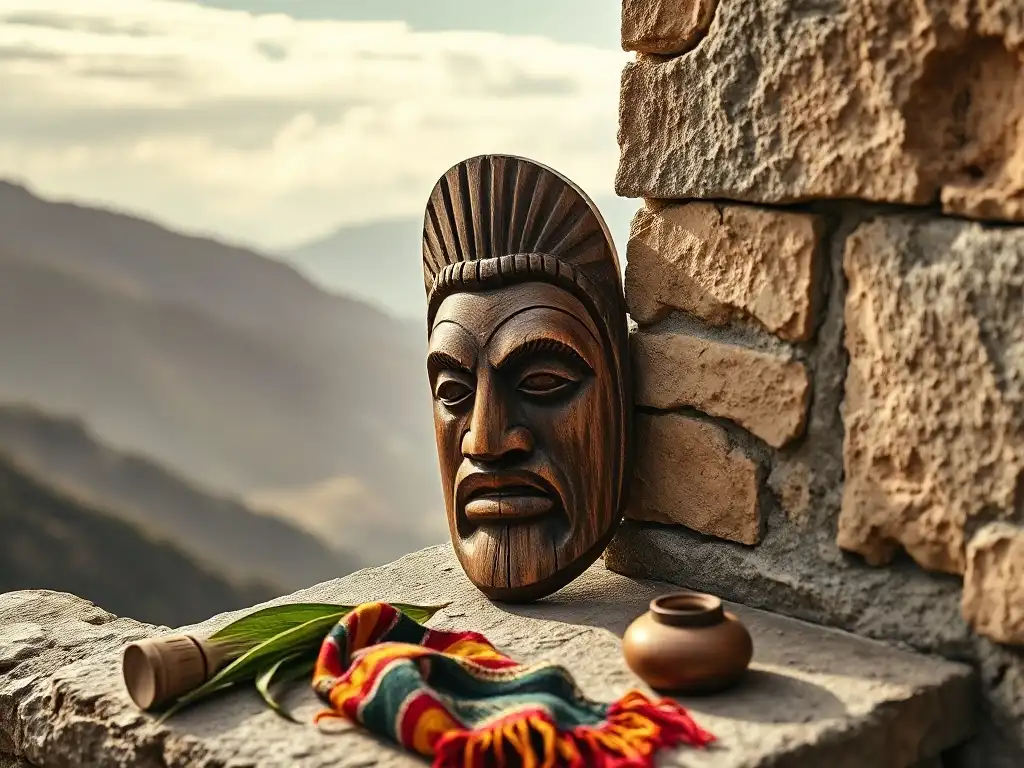
The influence of Andean spirits on contemporary Andean life is undeniable. While the forms of expression and practice may have evolved, the fundamental beliefs and reverence for ancestral spirits persist, shaping daily life, cultural practices, and even political landscapes. This enduring influence isn't simply a matter of tradition; it's a dynamic interplay between ancient beliefs and modern realities, a testament to the resilience and adaptability of Andean cosmovision.
The continued presence of these beliefs highlights the deep connection between the past and the present, showing how ancient spiritual systems can remain relevant and impactful in a rapidly changing world. This enduring connection serves as a powerful force, influencing everything from agricultural practices to community governance. The spiritual world isn't separate from the physical; it's deeply interwoven into the fabric of daily existence.
How Traditional Beliefs Shape Contemporary Andean Communities
Traditional Andean beliefs continue to inform social structures and community decision-making processes. Many communities still consult with spiritual leaders, or yatiri, for guidance on important matters, from crop planting to resolving conflicts. These spiritual advisors act as intermediaries between the living and the spirit world, offering insights and interpretations based on ancestral knowledge and practices.
This reliance on spiritual guidance reflects a deep-seated trust in the power of ancestral spirits to influence the course of events and ensure the well-being of the community. For example, decisions regarding land use, resource management, and even political leadership often incorporate spiritual considerations, reflecting a holistic worldview that integrates the spiritual and the material. This approach ensures that community decisions are guided not only by practical considerations but also by the wisdom of past generations, ensuring the continuity of traditional values and practices.
The Integration of Ancient Practices into Modern Life
The integration of ancient practices into modern life is a striking feature of contemporary Andean culture. While modernization has brought significant changes, many traditional practices continue to thrive, often adapting to new contexts. For instance, the use of medicinal plants, a practice rooted in ancient Andean knowledge, continues to be prevalent, often alongside modern medical treatments.
Similarly, traditional agricultural techniques, informed by an understanding of the cycles of nature and the influence of spirits, are still employed in many regions, demonstrating a pragmatic blend of traditional wisdom and modern advancements. This fusion reflects a nuanced approach to life, where ancient practices are not abandoned but rather integrated into the fabric of modern existence, demonstrating remarkable adaptability and resilience.
The Pachamama Ceremony and its Relevance to Modern Andean Life
The Pachamama ceremony, a ritual honoring Mother Earth, remains a central practice in many Andean communities. This ceremony, involving offerings and prayers to the Earth, is not simply a historical relic; it's a living tradition that continues to hold significant meaning for contemporary Andean people. The Pachamama is not just revered as a deity; she is seen as a vital force that sustains life, a source of abundance and fertility.
The ceremony is often performed during planting and harvesting seasons, seeking blessings and protection for the crops. This practice demonstrates the enduring relevance of ancestral beliefs in the everyday lives of Andean communities, highlighting the deep-rooted connection between humanity and the natural world. The vibrant continuation of this ceremony, even in urban settings, underlines its profound importance and enduring influence.
The Impact of Ancestral Beliefs on Art, Music, and Storytelling
Andean ancestral beliefs have profoundly shaped the region's artistic expressions, music, and storytelling traditions. These forms of cultural production act as conduits, transmitting ancestral knowledge, values, and spiritual understanding across generations. The continuity of these traditions showcases the enduring power of Andean cosmovision, demonstrating its ability to adapt and evolve while retaining its core tenets. Through these artistic mediums, the influence of ancestral spirits remains palpable, weaving its way into the very fabric of Andean identity.
Artistic Representations of Spirits and Deities
Andean art is replete with representations of spirits and deities, reflecting the profound importance of the spiritual world in Andean culture. From intricate textiles depicting mythical beings to ceramics portraying supernatural figures, these artistic expressions serve as powerful visual representations of ancestral beliefs. These artistic creations not only depict spirits but also embody the values and cosmology of Andean civilizations, transmitting knowledge and stories across generations.
The artistry involved is not merely decorative; it's a sacred act, imbued with spiritual significance. The intricate detail and symbolism found in these works reveal a deep understanding of the spiritual world and its relationship to the human experience.
Music and Dance as Forms of Spiritual Expression
Music and dance play a crucial role in Andean spiritual expression. Traditional music often incorporates instruments and melodies linked to specific deities or spirits, invoking their presence and seeking their blessings. Similarly, dances are frequently performed as offerings or acts of veneration, serving as a means of communication with the spirit world.
These performances are not simply entertainment; they are sacred acts, connecting the performers and audience to the ancestral realm. The rhythmic movements and evocative melodies act as vehicles for spiritual connection, transmitting ancient knowledge and spiritual energies. The continuation of these musical and dance traditions underscores the enduring importance of spiritual expression in Andean culture.
Storytelling and Oral Traditions: Passing Down Ancestral Knowledge
Storytelling and oral traditions are vital mechanisms for preserving and transmitting ancestral knowledge in Andean communities. These narratives recount the deeds of heroes, the origins of the world, and the interactions between humans and spirits. These stories are not merely tales; they are repositories of wisdom, ethical guidance, and spiritual understanding. Through storytelling, the influence of ancestral spirits is perpetuated, shaping values, beliefs, and worldview. The continued practice of oral traditions demonstrates the resilience of Andean cultural heritage, ensuring the transmission of ancestral knowledge to future generations and preserving the rich tapestry of Andean cosmovision.
Preserving Andean Heritage: The Importance of Understanding Ancestral Influence
Understanding the enduring influence of ancestral spirits is paramount to preserving the rich tapestry of Andean heritage. The beliefs and practices surrounding these spirits are deeply interwoven with the cultural identity of Andean communities, shaping their social structures, agricultural practices, and artistic expressions. Ignoring this spiritual dimension risks a significant loss of cultural understanding and a disconnect from the historical context that has shaped these societies for millennia.
For example, the intricate designs found in Andean textiles often depict mythological figures and scenes from their cosmology, reflecting a deep reverence for their ancestors and the spiritual world. These designs are not merely decorative; they are powerful visual representations of their beliefs and traditions. The continued practice of these traditions, from the vibrant ceremonies honoring Pachamama (Mother Earth) to the intricate rituals associated with specific deities, ensures the preservation of a unique worldview and its profound connection to the land.
Failing to understand this profound spiritual connection leads to an incomplete and superficial understanding of Andean culture, potentially causing irreparable damage to the delicate balance between tradition and modernity. The vibrant traditions are not merely relics of the past; they are living expressions of a spiritual heritage that continues to shape the present.
Challenges and Threats to Traditional Belief Systems
The influence of globalization and modernization presents significant challenges to the preservation of traditional Andean belief systems. The encroachment of Western ideologies and the allure of consumerism often lead to the marginalization of indigenous spiritual practices. Younger generations, exposed to different value systems and lifestyles, may find themselves increasingly disconnected from the ancestral traditions of their forebears.
This disconnect threatens the transmission of knowledge and practices crucial for maintaining cultural continuity. Furthermore, the exploitation of natural resources and the destruction of sacred sites directly impact the spiritual landscape of Andean communities, disrupting the delicate balance between humanity and nature that underpins their worldview. The loss of traditional knowledge holders, often the elders within communities, further exacerbates this issue, leaving a gap in the transmission of invaluable cultural and spiritual heritage.
Economic pressures and migration to urban centers also contribute to the erosion of traditional practices, as individuals struggle to balance the demands of modern life with the observance of ancestral customs. These challenges necessitate proactive measures to protect and safeguard these vulnerable belief systems.
Efforts to Protect and Promote Andean Spiritual Heritage
Various initiatives are underway to protect and promote Andean spiritual heritage. Many Andean communities actively work to preserve their traditions through educational programs, cultural festivals, and the establishment of protected areas around sacred sites. These efforts aim to foster a renewed appreciation for ancestral beliefs and practices among younger generations.
Organizations and researchers are collaborating with indigenous communities to document and archive traditional knowledge, ensuring its preservation for future generations. The use of digital technologies is playing an increasingly significant role in this process, allowing for broader dissemination of information and increased accessibility to cultural resources. Furthermore, advocacy groups are working to raise awareness of the challenges facing Andean spiritual heritage and advocating for policies that protect indigenous rights and cultural diversity.
These efforts emphasize the importance of respecting and valuing the unique spiritual contributions of Andean cultures to the global landscape. The preservation of this heritage is not merely a matter of historical preservation but also a recognition of the continuing importance of these beliefs in shaping the lives and identities of Andean communities today. The ongoing engagement and collaboration between communities, researchers, and policymakers are crucial for ensuring the long-term survival and flourishing of Andean spiritual traditions.
Conclusion: The Enduring Legacy of Andean Ancestral Spirits
The influence of Andean ancestral spirits continues to shape the cultural landscape of the Andes today. From the vibrant ceremonies honoring Pachamama to the intricate designs adorning Andean textiles, the enduring legacy of these spirits is undeniable. Understanding this profound spiritual connection is essential for appreciating the richness and complexity of Andean culture.
While modernization and globalization present challenges to the preservation of traditional beliefs, ongoing efforts to document, protect, and promote Andean spiritual heritage offer hope for the future. The enduring power of these ancestral spirits reflects the deep-rooted connection between the Andean people and their land, a connection that continues to inspire and shape their lives. Protecting this heritage is not only a matter of preserving history, but also of recognizing the vital role that ancestral spirits play in the continued cultural vibrancy of Andean communities.
The preservation of these beliefs is crucial for maintaining the unique identity and cultural continuity of the Andean region for generations to come. Their legacy is not just a part of the past; it is a living force shaping the present and future of Andean culture.
Frequently Asked Questions
How did Andean spirits influence daily life in ancient civilizations?
Ancient Andean societies deeply integrated ancestral spirits into their daily lives. Spiritual practices permeated all aspects of life, from agriculture and governance to healing and warfare, with rituals designed to appease and honor them. Ancestor veneration was central to their worldview.
What forms did the worship of Andean spirits take?
Worship involved various rituals and offerings, including elaborate ceremonies, the construction of sacred sites, and the creation of offerings of food, textiles, and precious objects. These actions were performed to maintain harmony and seek their favor.
Are Andean spirits still relevant in contemporary Andean culture?
Yes, ancestral veneration remains a significant aspect of Andean life today. Many communities still practice traditional rituals and maintain close ties to their spiritual heritage, demonstrating the enduring influence of these beliefs.
How do contemporary Andean communities interact with their ancestral spirits?
Modern interactions can include pilgrimages to sacred sites, performing ceremonies, and making offerings. These practices help maintain a connection to the past and ensure the continued well-being of the community. Oral traditions also play a crucial role in transmitting knowledge of these spirits.
What is the significance of the "Pachamama" in the context of Andean spirits?
"Pachamama," meaning "Mother Earth," is a central figure in Andean spirituality. She is considered a powerful deity and a life-giving force, representing the interconnectedness of all living beings and the importance of respecting the natural world. Honoring her is crucial for maintaining balance and prosperity.
Final Reflection: Echoes of the Apus: A Living Legacy
The reverence for ancestral spirits in Andean cultures isn't a relic of the past; it's a vibrant, evolving force shaping lives and landscapes today. The enduring power of these beliefs, from the intimate rituals of family life to the broader socio-political landscape, demonstrates the profound and lasting impact of a spiritual connection that transcends generations.
The influence of the Apus, the mountain spirits, and other ancestral entities continues to permeate Andean society, shaping everything from agricultural practices to political discourse. Their presence is felt not just in remote villages clinging to ancient traditions, but also in the bustling cities where modern life collides with ancient beliefs. The mountains are not just rocks; they are living beings, our ancestors, our protectors.
This sentiment, echoed across generations, highlights the enduring spiritual connection that underpins Andean identity and resilience.
Consider the ways in which your own heritage and beliefs shape your present. How do the stories and traditions passed down from your ancestors influence your choices and perspectives? Let the enduring legacy of the Andean spirits inspire you to explore your own ancestral roots, to honor the wisdom of those who came before, and to find strength and guidance in the echoes of the past. Embrace the power of connection, for it is in these threads of heritage that we find our deepest sense of belonging and purpose.
**Embrace Your Ancestral Connection Today! **
Thank you for exploring the profound influence of our ancestors. Understanding their impact can reshape your perspective and illuminate your life's path. Now, let's deepen that connection.
Here are some meaningful steps you can take:
- **Reflect on your heritage:** Take some quiet time to meditate or journal about your family history and the lessons learned from previous generations. What wisdom can you glean and apply to your daily life?
- **Share your discoveries:** Connect with others by sharing your insights and experiences. Discuss the influence of ancestry with friends, family, or in online communities.
- **Create a memorial:** Dedicate a space in your home to honor your ancestors. Include meaningful objects that represent their lives and contributions, fostering a stronger connection to their guidance.
How will you honor and connect with your ancestors this week? Share your plans below!