
Beyond the Veil: Exploring the Supernatural Powers of Andean Shamans

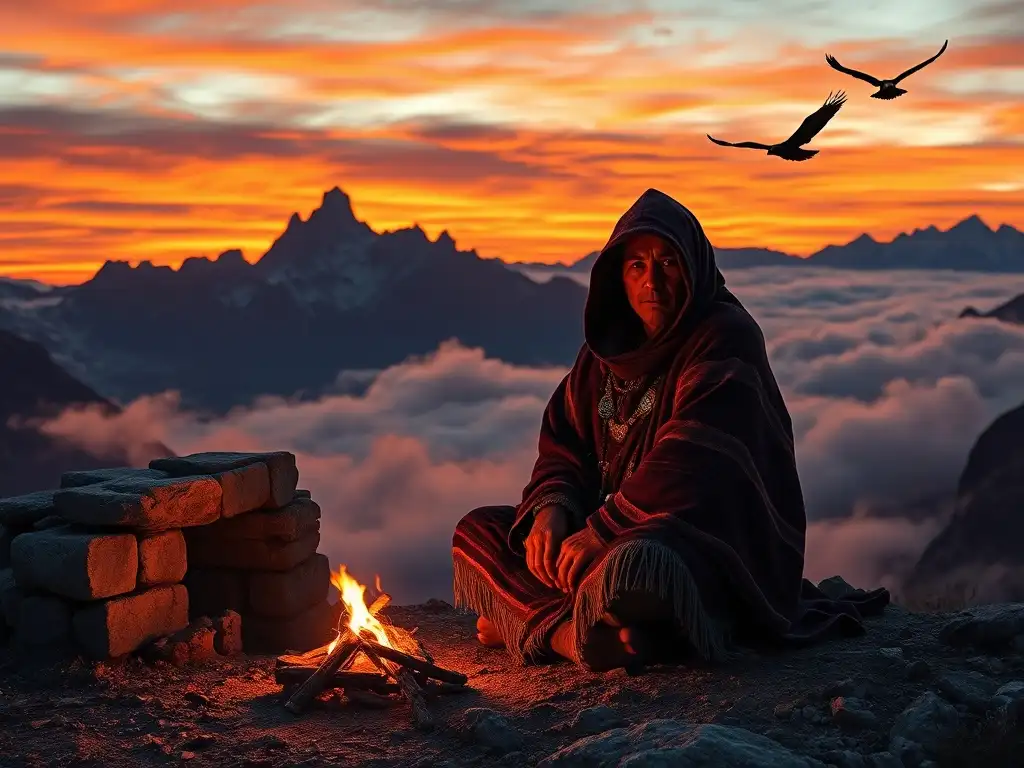
Step into a world shrouded in mystery and wonder. For centuries, the towering peaks of the Andes have held secrets, whispered on the wind and etched into ancient stones. This is where the Andean shaman held sway, wielding supernatural powers that defied comprehension. Dare to uncover the truth behind their legendary abilities—their connection to the cosmos, their mastery over the natural world—and journey with us Beyond the Veil. Unravel the enigma of Andean shaman supernatural powers; your exploration begins now.
- Andean Shaman Supernatural Powers: An Exploration Beyond the Veil
- Understanding the Role of Andean Shamans in Ancient Civilizations
- The Spectrum of Supernatural Abilities in Andean Shamanism
- Exploring the Rituals and Practices that Enhance Shamanic Powers
- The Legacy of Andean Shamanism: From Ancient Times to Today
- The Ethics and Respect Surrounding Andean Shamanic Traditions
- Conclusion: The Enduring Power of Andean Shamanic Practices
- Frequently Asked Questions
- Final Reflection: The Enduring Legacy of Andean Shamanism
- **Unveil Your Inner Power Today! **
Andean Shaman Supernatural Powers: An Exploration Beyond the Veil
The Andes Mountains, a spine of imposing peaks piercing the South American sky, were not merely a geographical feature to the ancient Andean civilizations. They were a living, breathing entity, a landscape imbued with spiritual power, where the veil between the human and supernatural worlds was thin.
Central to this vibrant cosmology were the shamans, powerful intermediaries who navigated this liminal space, wielding supernatural abilities to heal the sick, commune with spirits, and influence the course of events. This article delves into the fascinating world of Andean shamanism, exploring the diverse and often awe-inspiring supernatural powers attributed to these enigmatic figures, examining their roles within Andean society and their enduring legacy.
We will explore how these powers were understood, practiced, and perceived by the various Andean cultures, including the Incas, Moche, Nazca, and Tiahuanaco, revealing a complex tapestry of beliefs and practices that continue to fascinate and inspire. Understanding the Andean shaman's supernatural powers provides a crucial window into the heart of Andean spirituality and its profound impact on the development of these remarkable civilizations.
The Power of Healing: Restoring Balance and Harmony
Andean shamans were renowned for their healing abilities, viewed not merely as medical practitioners but as spiritual healers capable of restoring balance to a person's physical and spiritual well-being. Illness wasn't solely a physical ailment; it was often attributed to an imbalance in the individual's relationship with the spiritual world – a disruption in the harmonious flow of energy.
Shamans, through rituals, divination, and the use of medicinal plants, sought to diagnose the root cause of the imbalance and restore harmony. Their methods included herbal remedies, physical manipulation, and spiritual cleansing ceremonies aimed at expelling malevolent spirits or restoring the flow of camay, a concept encompassing life force and vitality.
Detailed accounts from chroniclers and archaeological evidence suggest a sophisticated understanding of medicinal plants and their properties, demonstrating a profound connection between the spiritual and the physical realms in their healing practices. The shaman's power lay not only in their knowledge of remedies but also in their ability to channel spiritual energy to facilitate healing.
Divination and Prophecy: Unveiling the Mysteries of the Future
Many accounts detail the Andean shaman's ability to predict the future and communicate with the spirit world. Divination techniques varied greatly across different cultures, but commonly involved the interpretation of natural phenomena, such as the flight of birds or the patterns in coca leaves. The shaman's ability to interpret these signs was considered a crucial skill, providing guidance for important decisions affecting the community, such as planting cycles, warfare, or even the selection of rulers.
Some shamans were believed to possess the power of clairvoyance, allowing them to see events unfold in distant places or perceive the intentions of others. These prophetic abilities solidified their position as vital advisors and leaders within their communities, influencing social and political structures. The accuracy of their prophecies, often interwoven with symbolic language and ritualistic practices, further enhanced their perceived supernatural powers and authority.
Control over Nature: Harnessing the Forces of the Andes
The Andean shaman's power extended beyond the human realm, encompassing control over the forces of nature. They were believed to be capable of influencing the weather, summoning storms, or ensuring bountiful harvests. This control was not merely a matter of manipulating the elements; it stemmed from a deep understanding of the interconnectedness between the human and natural worlds.
Shamans acted as mediators, negotiating with the spirits inhabiting mountains, rivers, and other natural features, ensuring the continued prosperity and well-being of their communities. This control was often demonstrated through elaborate rituals and ceremonies involving offerings and prayers, highlighting the shaman's intimate relationship with the spiritual forces shaping their environment. The ability to harness these forces further cemented their status as powerful figures capable of maintaining the delicate balance between the human and supernatural realms.
The Shaman's Tools: Artifacts and Ritual Objects
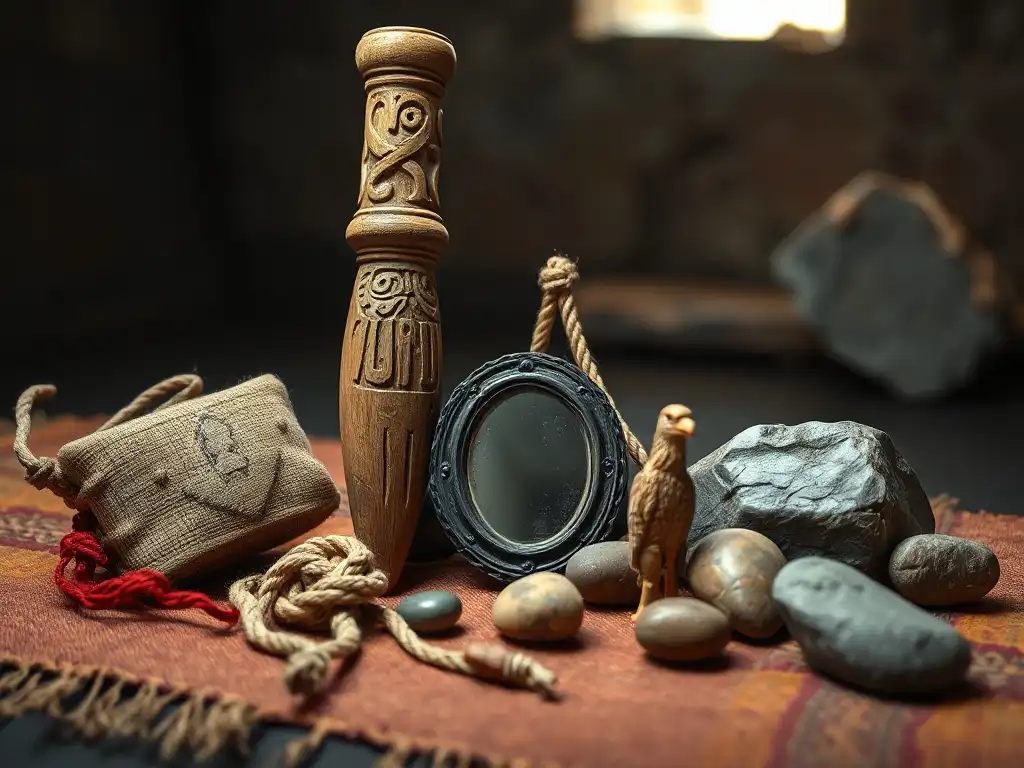
The effectiveness of the Andean shaman's supernatural powers was often linked to the use of specific tools and artifacts. These objects, ranging from intricately carved staffs and ceremonial vessels to hallucinogenic plants and sacred stones, served as conduits for spiritual energy, enhancing the shaman's abilities and facilitating communication with the spirit world. The shaman's attire, often adorned with feathers, beads, and other symbolic elements, also played a significant role, visually representing their connection to the supernatural.
These ritual objects were not mere tools but powerful symbols imbued with spiritual significance, acting as tangible links between the shaman and the world of spirits. Archaeological discoveries continue to shed light on the variety and complexity of these artifacts, highlighting the importance of material culture in Andean shamanistic practices.
The Enduring Legacy: Shamanism in Modern Andean Culture
The legacy of Andean shamanism extends far beyond the ancient civilizations. While practices have evolved, many elements of traditional shamanism persist in contemporary Andean cultures, reflecting the enduring power of these beliefs and traditions. Modern Andean shamans continue to play vital roles in their communities, providing spiritual guidance, healing, and maintaining connections to the ancestral past.
The understanding and appreciation of their supernatural powers remain an integral part of Andean identity, highlighting the enduring influence of these ancient traditions on the cultural landscape of the Andes. The continued relevance of shamanism underscores the enduring power of these ancient beliefs and the deep-rooted connection between the Andean people and their spiritual heritage.
Understanding the Role of Andean Shamans in Ancient Civilizations
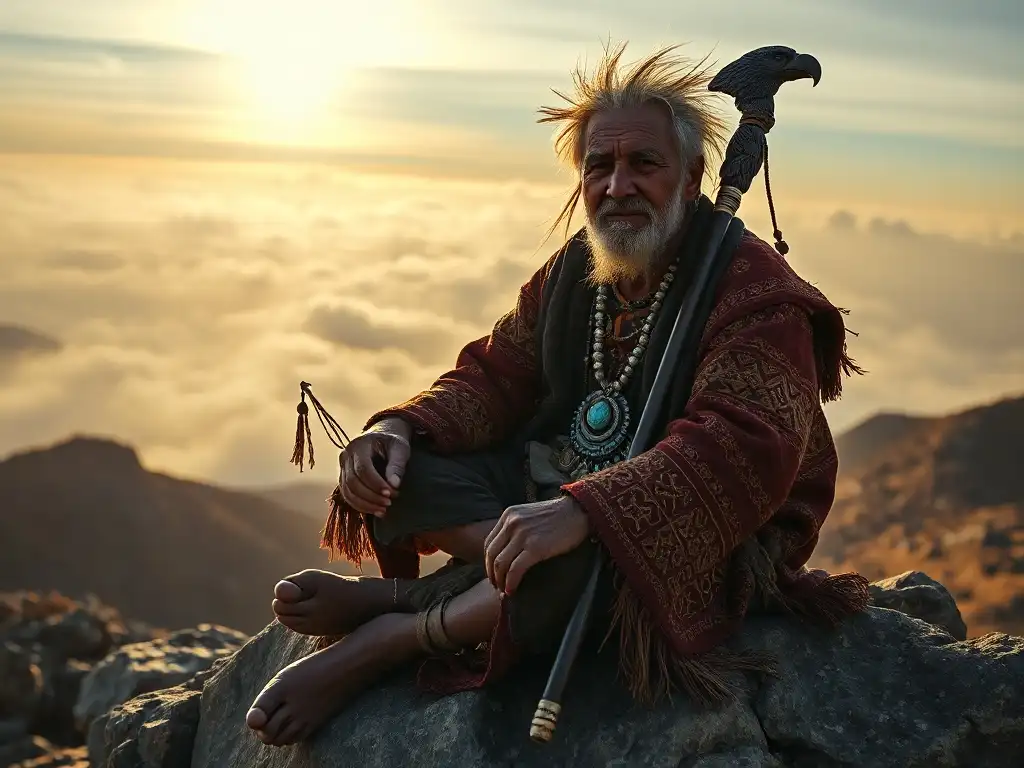
This section delves into the multifaceted roles of Andean shamans, exploring their influence on ancient Andean societies and their profound connection to the supernatural. Understanding their practices provides crucial insight into the complex religious and social structures of civilizations like the Inca, Moche, Nazca, and Tiahuanaco. The power attributed to Andean shamans wasn't merely spiritual; it deeply impacted the political, economic, and daily lives of their communities.
Their abilities were seen as vital for maintaining cosmic balance, ensuring successful harvests, and mediating between the human and spirit worlds. The very fabric of Andean society was interwoven with the shaman's perceived abilities.
The Significance of Shamans in Andean Cosmovision
Andean cosmovision, a holistic worldview encompassing the interconnectedness of all living things and the spiritual realm, placed shamans at its core. They weren't simply religious figures; they were intermediaries, healers, and advisors, wielding influence that extended far beyond spiritual matters. Their understanding of the natural world, combined with their purported ability to communicate with spirits and deities, made them essential for interpreting natural phenomena, predicting the future, and resolving conflicts.
Consider, for example, the Moche culture's elaborate depictions of shamans in their ceramics. These portrayals often depict shamans in ritualistic contexts, suggesting their crucial role in ceremonies aimed at ensuring successful harvests or appeasing powerful deities. This highlights the deeply ingrained belief in the Andean shaman's supernatural powers and their crucial role in maintaining societal harmony.
The intricate relationship between the shaman and the community was a complex dance of faith, power, and mutual dependence. Their influence permeated every aspect of life, from agricultural practices to political decisions. The shaman's interpretation of dreams, omens, and natural events directly shaped community actions.
The power of Andean shamans stemmed not just from their ritualistic practices but also from their profound knowledge of medicinal plants and herbs. Their expertise in herbal remedies, often combined with spiritual practices, played a critical role in healing both physical and spiritual ailments. This blend of medicinal and spiritual healing further solidified their position as essential figures within the community, underscoring their profound influence on the health and well-being of the people. The prestige and authority associated with this knowledge contributed significantly to the perception of their supernatural powers.
Andean Priests and Their Connection to the Spiritual World
While often conflated, Andean shamans and priests held distinct, yet overlapping, roles. Priests, typically associated with temple complexes and formal religious institutions, focused on maintaining established religious practices and rituals. They were often part of a hierarchical structure, responsible for conducting ceremonies and maintaining the sanctity of sacred spaces.
Their connection to the spiritual world was formal and institutionalized, in contrast to the more fluid and personalized relationship between shamans and their communities. However, the line between shaman and priest could be blurry, particularly in smaller communities where one individual might fulfill both roles. The distinction often depended on the specific ritual or social context.
The priests' connection to the spiritual world often involved elaborate ceremonies, the use of specific objects (like ritual vessels and textiles), and the recitation of sacred texts. They played a crucial role in maintaining the social order and reinforcing the existing power structures. While they didn't possess the same level of direct, personalized interaction with spirits as shamans, their role in maintaining the established religious framework was equally vital.
Their authority derived from their connection to the temple and their mastery of religious traditions, ensuring the continuity of Andean religious practices across generations. The intricate relationship between Andean priests and the spiritual world played a key role in maintaining social cohesion and reinforcing the existing power structures within Andean societies.
Further research is needed to fully understand the nuances of this relationship and the extent of their influence in different Andean cultures. [Specific information pending: comparative analysis of priestly roles across different Andean cultures].
The Spectrum of Supernatural Abilities in Andean Shamanism
Andean shaman supernatural powers were multifaceted and deeply interwoven with the intricate cosmology of the Andes. Shamans weren't simply healers; they were intermediaries between the human world and the spirit realm, possessing a range of abilities believed to stem from their connection to the supernatural. This section delves into the diverse manifestations of these powers, highlighting their significance within Andean society and religious practices.
Understanding the breadth of these abilities provides crucial insight into the profound role shamans played in shaping Andean cultures. The belief in these powers permeated all aspects of life, from daily routines to major societal events. The effectiveness of these abilities wasn't solely based on ritualistic performance; it was fundamentally rooted in the shaman's spiritual strength and connection to the Andean pantheon.
Divination Practices: Unveiling the Future and the Unknown
Divination formed a cornerstone of Andean shamanistic practices. Shamans weren't just passive interpreters of the divine; they actively sought answers from the supernatural through various techniques. These methods varied regionally and across different Andean cultures, but some common practices included:
- Reading coca leaves: The coca leaf, a sacred plant in Andean culture, was used extensively in divination. Shamans would carefully interpret the arrangement and patterns of the leaves to glean insights into the future, diagnose illnesses, or guide decision-making. The intricate system of reading coca leaves required years of training and deep understanding of their symbolic meanings. Even subtle variations in leaf shape or arrangement held profound significance.
- Interpreting dreams: Dreams were considered powerful windows into the spiritual realm. Shamans possessed the ability to interpret dreams, uncovering hidden messages and guidance from spirits or ancestors. This interpretation often involved symbolic analysis and understanding of the dreamer's personal context. The accuracy and importance of dream interpretation solidified the shaman's position as a spiritual leader.
- Using other divination tools: Other tools, such as knotted strings ( quipus), bone divination, or water scrying, were also employed depending on the specific shaman and cultural context. The use of these tools varied significantly across different Andean groups, reflecting the diverse expressions of shamanic practices within the region. [Specific examples of regional variations in divination tools pending].
Healing Powers: Spiritual and Physical Restoration by Andean Shamans
Andean shaman healing transcended purely physical ailments; it addressed spiritual imbalances believed to be the root cause of many illnesses. Shamans weren't just healers; they were spiritual surgeons, manipulating energies and interacting with spirits to restore harmony within individuals and communities. Their healing practices involved a complex interplay of:
- Herbal medicine: A deep knowledge of medicinal plants formed a crucial component of Andean shamanic healing. Shamans possessed extensive knowledge of the properties of various plants and their applications in treating a wide range of illnesses. This knowledge was often passed down through generations, forming a rich pharmacopoeia unique to Andean cultures.
- Spiritual cleansing: Rituals designed to cleanse individuals from negative energies or spiritual afflictions were commonplace. These rituals often involved the use of sacred plants, chants, and offerings to appease or redirect harmful spirits. The effectiveness of these cleansing rituals was deeply rooted in the belief in the shaman's ability to manipulate spiritual forces.
- Bone setting and surgery: Beyond spiritual healing, some Andean shamans displayed remarkable surgical skills, particularly in bone setting and trauma care. Evidence suggests sophisticated techniques were used, highlighting the advanced medical knowledge within certain Andean communities. [Further research is needed to fully document the extent of surgical practices among Andean shamans].
Shapeshifting and Animal Transformations: A Closer Look
The ability to shapeshift or transform into animals was a powerful attribute often associated with Andean shamans, reflecting their deep connection with the natural world and the animal spirit realm. This ability was not merely a display of magic; it was seen as a crucial tool for:
- Accessing the spirit world: Transforming into an animal allowed shamans to traverse between the human and spirit worlds more easily, facilitating communication with spirits and accessing vital information. The specific animal chosen often held symbolic meaning related to the shaman's purpose or the nature of the task at hand.
- Healing and protection: Shapeshifting into animals with protective qualities could provide enhanced healing or shield communities from harm. The shaman, in their animal form, could directly interact with the forces threatening the community, neutralizing them or guiding them away. [Specific examples of animals associated with protective powers and healing pending].
- Communicating with nature: The transformation into animals allowed for a deeper connection with the natural environment, facilitating a symbiotic relationship between the shaman and the ecosystem. This connection was essential for understanding the balance of nature and maintaining harmony within the community.
The belief in Andean shaman supernatural powers underscores the intricate relationship between spirituality, healing, and the natural world within Andean civilizations. The depth and complexity of these abilities highlight the profound role shamans played in their societies. Further research is needed to fully understand the nuances and variations of these practices across different Andean cultures and time periods.
Communicating with Spirits: Andean Shamans as Intermediaries
Andean shamans weren't simply religious leaders; they were vital intermediaries between the living world and the spirit realm. Their ability to communicate with spirits, both benevolent and malevolent, formed the cornerstone of their power and influence within their communities. This communication wasn't a passive observation; it was an active engagement, demanding years of rigorous training and intense spiritual discipline. Shamans employed various techniques to achieve this connection, often involving altered states of consciousness induced through ritualistic practices.
One crucial aspect of this communication involved the use of hallucinogenic substances like San Pedro cactus or ayahuasca. These substances weren't recreational drugs; they were sacred tools used to facilitate shamanic journeys into the spirit world. By ingesting these plants, shamans could transcend the limitations of ordinary perception and directly interact with spirits, receiving messages, guidance, and insights into the causes of illness or misfortune.
The experience was often described as a profound and transformative one, allowing the shaman to gain knowledge inaccessible through conventional means. The specific visions and interactions varied greatly depending on the individual shaman, the plant used, and the context of the ritual.
Beyond hallucinogens, other methods of spirit communication were also employed. These included intricate rituals involving chanting, drumming, and the use of symbolic objects. The rhythmic drumming, for instance, was believed to create a vibrational frequency that resonated with the spirit world, opening a channel for communication.
Chants, often in ancient Quechua or Aymara languages, served as powerful incantations that summoned specific spirits or invoked protective energies. The use of symbolic objects, such as carved figurines or specific feathers, further enhanced the ritual's effectiveness, acting as conduits for spiritual energy. These objects often held deep cultural and spiritual significance, representing specific deities or powerful forces within the Andean cosmology.
The effectiveness of a shaman's communication with spirits was crucial to their role as healers and advisors. Illness, for example, was often attributed to spiritual imbalances or the influence of malevolent spirits. By communicating with these spirits, shamans could determine the root cause of the illness and then perform the appropriate rituals or ceremonies to restore balance and health.
Similarly, shamans could offer guidance on important decisions, predict future events, or provide insights into the spiritual realm, thereby playing a critical role in the social and spiritual well-being of their communities. The ability to effectively communicate with the spirit world was, therefore, not merely a supernatural power; it was the very foundation of a shaman's authority and influence within Andean society. The intricate details of these communication methods remain a fascinating area of study, revealing the depth and complexity of Andean spiritual practices.
Exploring the Rituals and Practices that Enhance Shamanic Powers
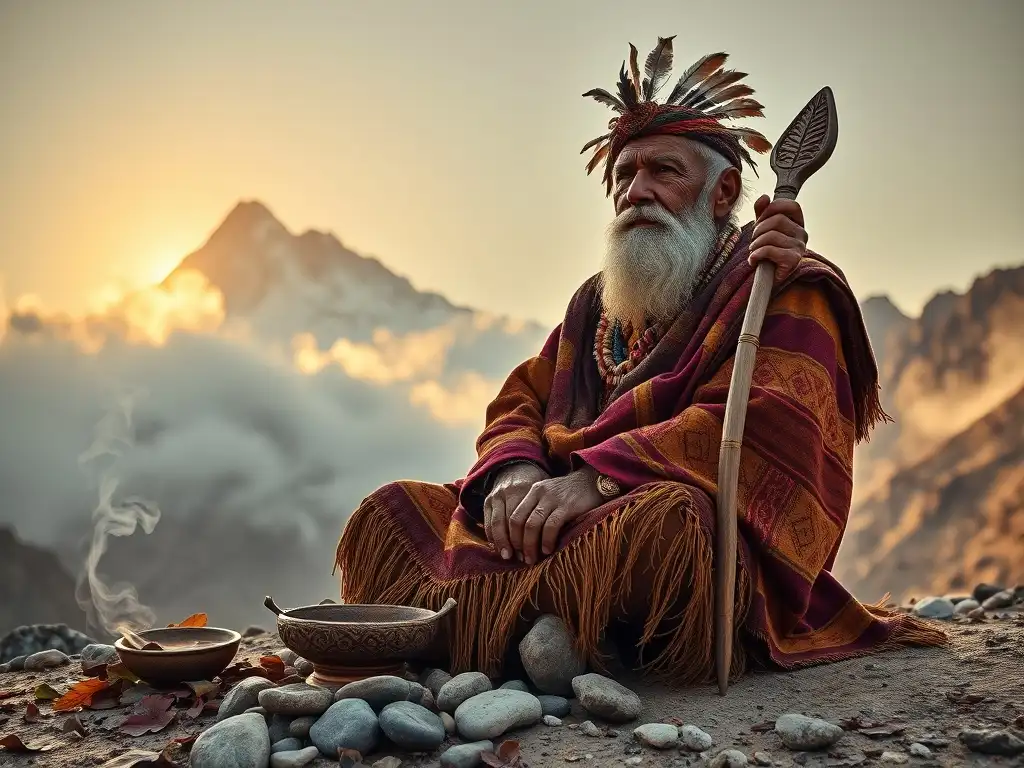
The power attributed to Andean shamans wasn't solely innate; it was meticulously cultivated through rigorous training and participation in specific rituals and practices. These practices aimed to bridge the gap between the human and spiritual realms, allowing shamans to access and manipulate supernatural forces for healing, divination, and social control. Understanding these rituals is crucial to comprehending the extent of Andean shaman supernatural powers. The effectiveness of these rituals rested on a complex interplay of sacred plants, music, dance, and carefully orchestrated ceremonies.
Sacred Plants and Their Role in Andean Shamanic Practices
The use of plantas sagradas (sacred plants) was fundamental to Andean shamanic practices. These plants, including coca, ayahuasca, and various cacti, were not merely recreational substances; they were considered intermediaries facilitating communication with the spirit world. The shaman's ingestion of these plants wasn't haphazard; it was a carefully orchestrated process, often involving specific preparations and rituals designed to maximize their effects and minimize risks.
For instance, the coca leaf, chewed ritually throughout the Andes for centuries, wasn't just a stimulant; it was believed to enhance clarity, focus, and the ability to perceive spiritual energies. The preparation of the coca, the specific time of day for consumption, and even the type of leaf used were all significant factors determining the efficacy of the ritual.
Similarly, ayahuasca, a powerful brew known for its hallucinogenic properties, was used in carefully controlled settings to induce visionary states, allowing shamans to journey to other realms and interact with spirits. The precise composition of the ayahuasca brew, the accompanying chants and prayers, and the preparation of the participant were all critical elements determining the outcome of the ritual.
Specific knowledge of plant properties, preparation techniques, and the appropriate timing for their use constituted a significant part of a shaman's training and authority. The power derived from these plants wasn't inherent in the plants themselves, but rather unlocked through the shaman's knowledge and ritual mastery.
The Use of Music and Dance in Rituals for Supernatural Connection
Music and dance were integral components of Andean shamanic rituals, acting as conduits for spiritual energy. The rhythmic beats of drums, the haunting melodies of panpipes, and the hypnotic movements of dancers were believed to create a vibrational resonance that opened pathways to the supernatural. The music wasn't simply entertainment; it was a structured language, capable of summoning spirits, altering consciousness, and manipulating the flow of energy.
Different rhythms and melodies were associated with specific deities or spirits. The shaman's mastery of these musical forms was a critical element of their power. They didn't just play instruments; they orchestrated a sonic landscape designed to induce altered states of consciousness in both themselves and the participants. Complex patterns of dance, often involving elaborate costumes and symbolic gestures, further amplified this effect.
These movements weren't arbitrary; they were meticulously choreographed to represent specific spiritual narratives or to physically embody the energies being manipulated. The synergy between music and dance created a powerful atmosphere conducive to shamanic experiences. Detailed ethnographic studies reveal the profound complexity and significance of this aspect of Andean shamanic practice.
Ceremonies and Offerings to Invoke Spirits and Powers
Andean shamanic rituals often involved elaborate ceremonies and offerings designed to appease, honor, or solicit the assistance of various spirits. These ceremonies were not spontaneous events but carefully planned and executed rituals that involved specific procedures, locations, and offerings.
The offerings varied depending on the spirit being addressed and the purpose of the ritual. They could include coca leaves, chicha (fermented corn beer), food, textiles, or even precious metals. The location of the ceremony was also significant, often chosen for its perceived spiritual significance, such as a sacred mountain or a place with particular energetic properties.
The shaman's role in these ceremonies was multifaceted: they acted as intermediaries, interpreters, and manipulators of spiritual forces. Their knowledge of the proper procedures, offerings, and invocations was crucial for the success of the ritual. Failure to follow these protocols could have dire consequences, highlighting the high stakes involved in shamanic practice.
The effectiveness of these ceremonies rested on a deep understanding of Andean cosmology and the complex relationships between the human and spiritual worlds. The precise details of many of these ceremonies remain shrouded in mystery, however, the available evidence points to their profound significance in shaping Andean society and worldview.
The Legacy of Andean Shamanism: From Ancient Times to Today
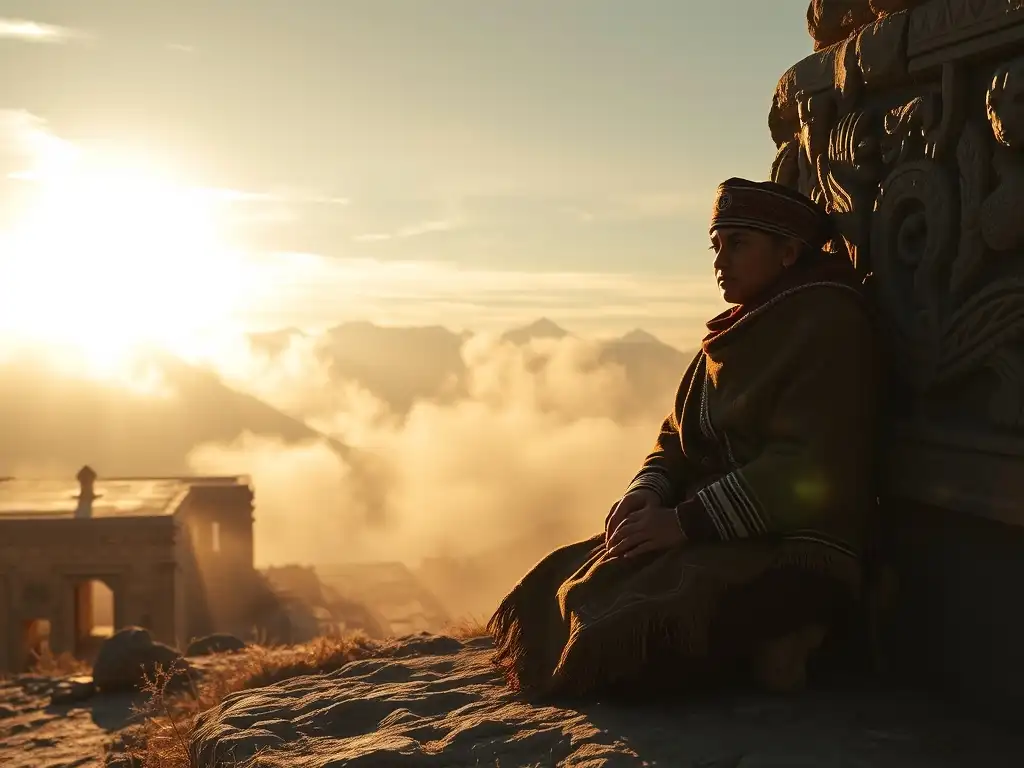
Andean shamanism, a complex and multifaceted system of beliefs and practices, boasts a rich and enduring legacy. Its roots stretch back millennia, interwoven with the vibrant tapestry of Andean cultures. Evidence suggests that shamanic traditions existed long before the Inca Empire, with practices evolving and adapting across various Andean societies like the Moche, Nazca, and Tiwanaku.
These early shamans weren't simply healers; they were intermediaries between the human and spiritual worlds, wielding supernatural powers to influence events, communicate with deities, and maintain cosmic balance. Their influence permeated all aspects of Andean life, from agriculture and warfare to healing and social organization. The enduring power of Andean shamanism is evident in its continued practice today, albeit in a form that has been influenced by centuries of cultural exchange and adaptation.
The core principles, however, remain remarkably consistent, highlighting the resilience and adaptability of this ancient tradition. Understanding this legacy provides crucial context for appreciating the contemporary manifestations of Andean shamanism and its continued relevance in the modern world. The core beliefs surrounding the interaction between the human and spiritual realm, the use of ritualistic practices to harness supernatural powers, and the role of shamans as spiritual guides, all remain central to the Andean shamanic tradition.
Contemporary Andean Shamans and Their Practices
Contemporary Andean shamans, often called yatiri or paqos, continue to play vital roles in their communities. Their practices often involve the use of sacred plants like coca leaves for divination and healing, alongside intricate rituals and ceremonies. These rituals frequently involve the use of huacas, sacred places imbued with spiritual power, and the invocation of ancestral spirits and deities. While the specific practices vary regionally, a common thread runs through them all: the belief in the shaman's ability to access and manipulate supernatural powers for the benefit of their community.
For example, a yatiri might be consulted to cure illnesses believed to be caused by spiritual imbalances, to ensure a successful harvest, or to bring good fortune to a family. Their knowledge is often passed down through generations within families, maintaining a strong connection to ancestral practices. The use of specific tools, such as staffs, rattles, and ceremonial attire, further enhances the ritualistic experience and aids in the shaman's connection to the spiritual realm.
The effectiveness of these practices is deeply rooted in the belief system of the community, where faith plays a crucial role in the success of the shaman's interventions. The continued presence and active role of contemporary Andean shamans serve as a powerful testament to the enduring influence of this ancient tradition. Studies show a resurgence of interest in these practices, even among younger generations, indicating a renewed appreciation for traditional Andean spiritual knowledge.
Preserving the Ancient Knowledge of Andean Supernatural Abilities
The preservation of ancient Andean shamanic knowledge is a crucial undertaking, facing challenges from modernization and globalization. Efforts are underway to document and safeguard this invaluable cultural heritage. Ethnographic studies, oral histories, and the meticulous recording of rituals are vital tools in this process.
Furthermore, initiatives aimed at supporting and training new generations of yatiri and paqos are essential to ensuring the continuity of these traditions. These training programs often involve a rigorous apprenticeship under experienced shamans, combining practical experience with the study of ancient texts and oral traditions. However, the challenge lies in balancing the preservation of authenticity with the need to adapt to the changing social and political landscape.
The delicate balance between protecting the sacred knowledge and making it accessible to a wider audience requires careful consideration and collaboration between researchers, practitioners, and community members. The documentation of plant-based medicines used in shamanic practices is also critical, particularly in light of the potential for these plants to offer valuable insights into modern pharmacology. The ongoing research and preservation efforts are crucial for understanding the full extent of Andean supernatural abilities and their profound impact on Andean culture and spirituality.
The Impact of Andean Shamanism on Modern Spirituality
Andean shamanism's influence extends far beyond the Andes, impacting modern spirituality in diverse ways. Its emphasis on interconnectedness with nature, reverence for ancestral spirits, and the pursuit of spiritual balance resonates deeply with many contemporary spiritual seekers. Elements of Andean shamanic practices, such as energy healing and plant medicine ceremonies, have been integrated into various modern spiritual and therapeutic modalities.
This cross-cultural exchange has led to a growing interest in understanding the underlying principles of Andean shamanism and its potential benefits for personal growth and well-being. However, it's crucial to approach this cross-cultural exchange with respect and sensitivity, avoiding cultural appropriation and ensuring that the practices are understood and implemented within their proper cultural context. The increasing popularity of Andean shamanic practices highlights a growing global recognition of the importance of indigenous knowledge systems and their potential to offer alternative perspectives on spirituality and healing.
The enduring appeal of Andean shamanism reflects a broader search for meaning and connection in an increasingly complex world. This continued interest underscores the relevance and power of this ancient tradition in shaping contemporary spiritual landscapes.
The Ethics and Respect Surrounding Andean Shamanic Traditions
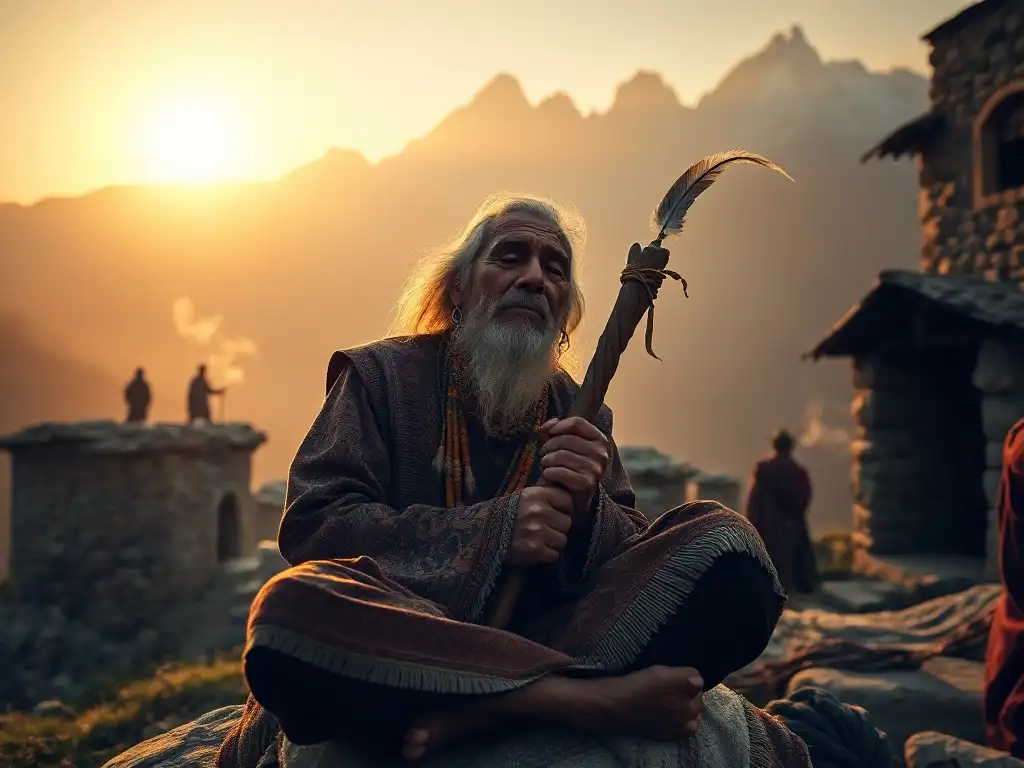
Understanding the profound spiritual significance of Andean shamanism requires acknowledging its inherent sacredness and the ethical responsibilities involved in its study and portrayal. Approaching this topic demands a deep respect for the living traditions and the legacy of those who came before. It's not simply about observing rituals or analyzing artifacts; it's about recognizing the enduring spiritual power embedded within these practices and the communities that uphold them. This section explores the ethical considerations crucial to responsible engagement with Andean shamanic traditions, promoting respectful research and accurate representation.
Understanding the Sacredness of Andean Shamanic Practices
Andean shamanic practices are not mere historical curiosities; they are living, breathing expressions of a profound spiritual connection to the Pachamama (Mother Earth) and the Apus (mountain spirits). These practices are often deeply personal and intimately tied to the well-being of individuals and communities. The use of sacred plants, like coca leaves, and the performance of rituals are not simply actions; they are powerful expressions of faith and connection with the spiritual realm.
Misrepresenting or trivializing these practices demonstrates a profound lack of respect and can cause significant harm to the cultural integrity of the Andean communities who maintain these traditions. Responsible engagement involves acknowledging the spiritual power inherent in these practices and approaching them with humility and reverence. This includes understanding that shamanic knowledge is often passed down through generations within families and communities, and it should be treated with the utmost respect.
The sharing of this knowledge is often conditional upon trust and a demonstrated commitment to ethical principles. The sacredness of these practices cannot be overstated; it forms the very foundation of Andean cosmovision and worldview.
The Importance of Cultural Sensitivity When Studying Andean Shamanism
Cultural sensitivity is paramount when exploring Andean shamanism. It requires moving beyond a purely academic approach and embracing a perspective that values the lived experiences and beliefs of the Andean people. Ethnographic research must be conducted with the utmost respect for the communities involved, ensuring their active participation and informed consent at every stage. This includes obtaining permission before recording ceremonies, photographing sacred objects, or sharing any information that could compromise the privacy or safety of the individuals and communities involved.
Researchers must avoid exploiting or commodifying Andean shamanic traditions for personal gain or academic advancement. The focus should always be on enhancing understanding and promoting respectful dialogue. Furthermore, it's crucial to challenge stereotypes and misconceptions about Andean shamanism that may be prevalent in wider society.
Accurate and nuanced representations are essential to combat harmful stereotypes and foster a more accurate and respectful understanding of these complex and vital traditions. The goal is not simply to study Andean shamanism, but to learn from it, contributing to a richer appreciation of the vibrant cultural heritage of the Andes. Any research should be guided by ethical principles, ensuring the preservation and respect of this invaluable cultural legacy.
Conclusion: The Enduring Power of Andean Shamanic Practices
The study of Andean shamanic practices reveals a complex and fascinating interplay between the natural and supernatural worlds. Far from being mere superstition, these practices represent a sophisticated understanding of the human condition, the cosmos, and the power dynamics inherent in the relationship between humans and the spirit world. Understanding the supernatural powers attributed to Andean shamans offers a crucial lens through which to interpret the rich tapestry of Andean culture and its enduring legacy.
The ability to manipulate the forces of nature, heal illnesses, and commune with the spirit world were not merely mystical abilities but integral aspects of social organization, political power, and spiritual well-being. The evidence suggests a deeply integrated system, where the shaman's role extended beyond the purely spiritual, encompassing aspects of leadership, conflict resolution, and societal cohesion. The continued interest in and practice of Andean shamanism today underscores its enduring power and relevance.
Recap of the Key Supernatural Powers of Andean Shamans
Andean shamans were believed to possess a range of supernatural powers, often intricately linked to their mastery of medicinal plants and their ability to enter altered states of consciousness. Central to their abilities was huaca communication. This involved interacting with huacas – sacred places, objects, or spirits – to gain insights, influence events, or request assistance. This communication wasn't passive observation; shamans were believed to actively negotiate and manipulate the energies emanating from these huacas.
Another key power was healing. Shamans weren't simply healers in the modern medical sense; their treatments encompassed spiritual and physical dimensions. They used a combination of herbal remedies, ritualistic practices, and spiritual interventions to address ailments believed to stem from imbalances in the body or disruptions in the spiritual realm. This holistic approach demonstrates a sophisticated understanding of the interconnectedness of the physical and spiritual worlds.
Furthermore, many accounts describe shamans' ability to control weather phenomena. This wasn't about predicting rain but about actively influencing it, a power highly valued in an agrarian society heavily reliant on predictable weather patterns for survival. This control, often attributed to their communication with specific weather-related huacas, highlights the shaman's significant role in maintaining social harmony and ensuring the community's well-being.
Finally, some accounts suggest the ability to predict the future and influence the course of events, further solidifying their position as essential figures within Andean society. These powers, often intertwined and mutually reinforcing, demonstrate the multifaceted nature of Andean shamanism and its profound impact on Andean societies.
The Continuing Relevance of Andean Shamanism in the 21st Century
Despite the passage of centuries, the legacy of Andean shamanism continues to resonate today. While the specific practices may have evolved, the core principles – the belief in a spiritual world intimately connected with the physical, the power of ritual, and the importance of maintaining harmony between humans and the cosmos – remain deeply ingrained in Andean cultures. The persistence of shamanic practices in contemporary Andean communities highlights their enduring relevance in addressing modern challenges.
Many still seek shamanic guidance for healing, spiritual growth, and navigating life's complexities. This enduring appeal speaks to the inherent human need for meaning, connection, and a sense of belonging, needs that Andean shamanism has effectively addressed for millennia.
The study of contemporary Andean shamanism provides valuable insights into the adaptive capacity of spiritual traditions and their ability to remain relevant in a rapidly changing world. The ongoing research into these practices offers valuable perspectives on both ancient and contemporary Andean societies, enriching our understanding of human spirituality and its enduring power.
Frequently Asked Questions
What were the main supernatural powers attributed to Andean shamans?
Andean shamans were believed to possess a range of supernatural powers, including healing, communication with spirits, divination, controlling weather, and shape-shifting. These abilities were crucial to their role in Andean societies.
How did Andean shamans acquire their powers?
Shamans typically underwent rigorous initiation rituals and spiritual training, often involving hallucinogenic plants like ayahuasca or San Pedro cactus to induce altered states of consciousness and connect with the spirit world. Years of apprenticeship were also common.
What role did hallucinogens play in Andean shamanic practices?
Hallucinogenic plants were essential tools for Andean shamans, facilitating communication with spirits, diagnostic journeys, and healing rituals. These plants allowed them to access and manipulate the spiritual realm.
How did the belief in Andean shamanic powers impact daily life?
Belief in shamanic powers deeply impacted daily life, influencing agriculture, warfare, healing practices, and social structures. Shamans were highly respected figures, holding considerable authority and influence within their communities.
Were all Andean cultures' shamanic practices the same?
While many Andean cultures shared common beliefs in supernatural powers and the use of rituals and hallucinogens, specific practices varied significantly between different groups like the Incas, Moche, Nazca, and Tiahuanaco. Each culture had its own unique traditions.
Final Reflection: The Enduring Legacy of Andean Shamanism
The enduring power of Andean shamanic practices resonates deeply with our modern world, reminding us of the interconnectedness between the spiritual and physical realms. While scientific understanding continues to evolve, the profound impact of these traditions on the lives of individuals and communities remains undeniable, challenging our Western-centric perspectives on healing and spirituality. The mysteries surrounding these practices continue to fascinate and inspire, urging us to explore the rich tapestry of human experience beyond the confines of conventional understanding.
The exploration of Andean shamanism reveals a profound understanding of the natural world and its inherent power, a wisdom that feels increasingly relevant in a time of ecological crisis and spiritual searching. These practices, passed down through generations, offer a powerful counterpoint to the often isolating and materialistic aspects of modern life. The shaman is not a magician, but a mediator between worlds, a bridge between the seen and the unseen.
This quote encapsulates the essence of their role, highlighting their ability to connect individuals with the healing forces of nature and the spirit world. Their practices offer a pathway to self-discovery and a deeper connection with the planet, reminding us of our place within a larger, interconnected cosmos.
Consider the profound wisdom embedded within these ancient traditions. You too can cultivate a deeper connection with your inner self and the world around you. Embrace the opportunity to explore the rich tapestry of human experience, to question limiting beliefs, and to discover the healing power that lies within both yourself and the natural world. Let the legacy of Andean shamanism inspire you to seek a more holistic and meaningful understanding of life, death, and the mysteries that lie beyond the veil.
**Unveil Your Inner Power Today! **
Thank you for exploring the fascinating world of Andean shamans with us! Your interest in their unique traditions and practices opens a path to deeper understanding and connection with ancient wisdom. Let's continue this journey together and fully embrace this knowledge.
- **Participate in a local workshop or online course** to experience shamanic practices firsthand. Many excellent resources are available, offering a range of learning styles and levels of commitment.
- **Share this article** with friends who share your interest in spirituality and engage in meaningful conversations about what you've discovered.
- Consider incorporating a **daily meditation practice** inspired by Andean rituals to cultivate your inner strength and well-being. Even a few minutes a day can make a significant difference.
What aspects of Andean shamanism most intrigue you, and how will you integrate these insights into your life?