
The Priest's Role in Maintaining Social Order and Justice in Andean Communities

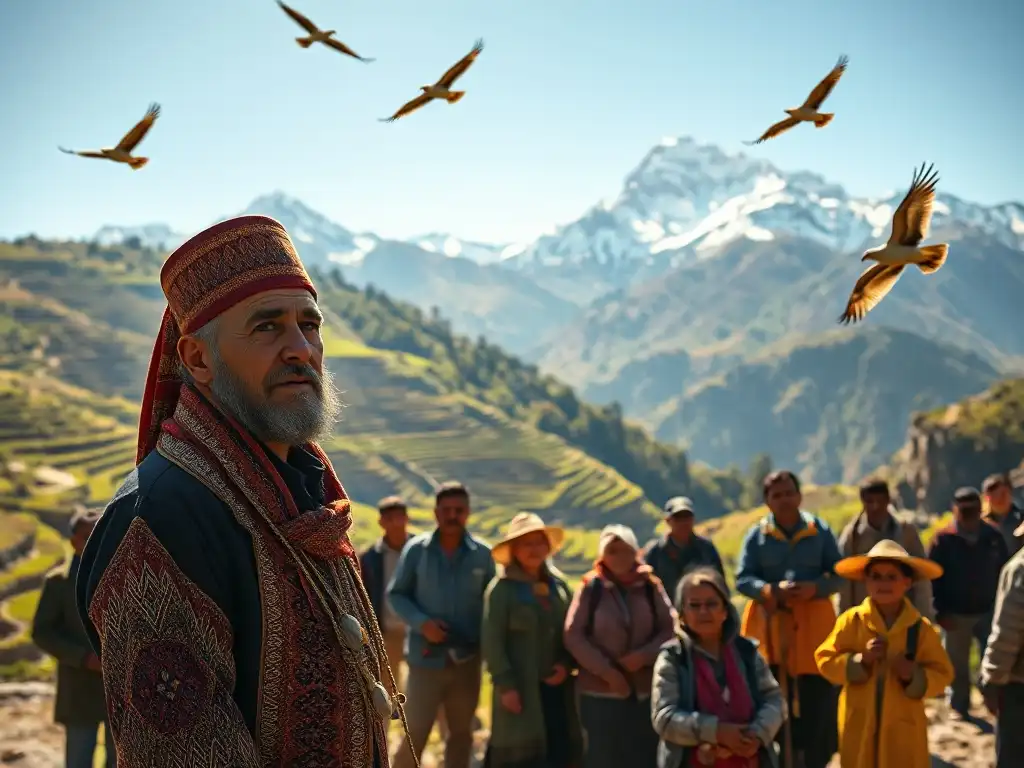
Uncover the secrets of a lost world where the mountains whispered wisdom and the stars dictated destiny. Journey into the heart of the Andes, a land shaped by powerful civilizations and their intricate social structures. How did the Andean priest social order maintain balance and justice across vast empires? Prepare to be captivated by a story far more complex than you ever imagined, a story waiting to be unveiled within the pages of "Andean Religion and Cosmovision."
- The Andean Priest: A Pillar of Social Order and Justice
- Maintaining Harmony: The Priest as a Guardian of Social Order
- The Priest as an Agent of Justice in Andean Communities
- The Andean Priest and the Cycle of Life
- The Legacy of Andean Priests in Modern Societies
- Frequently Asked Questions
- Final Reflection: The Enduring Legacy of Andean Priests
- **Uplift Your Community: Act for Social Justice! **
The Andean civilizations, renowned for their sophisticated engineering feats like Machu Picchu and intricate textiles, also possessed a complex social structure intricately interwoven with religious beliefs. This article delves into the crucial role Andean priests played in maintaining social order and dispensing justice, exploring their influence far beyond the purely spiritual realm.
We will examine how these religious leaders acted as mediators, advisors, and even judges, shaping the daily lives and societal norms of communities across diverse Andean cultures, from the Incas to the less-studied Moche and Nazca. Understanding the Andean priest's multifaceted role offers a crucial key to unlocking the secrets of these remarkable ancient societies and their enduring legacy.
The concept of "Andean priest social order" is not simply a descriptive phrase; it represents a fundamental aspect of Andean societal organization, where the spiritual and the secular were deeply intertwined. This exploration will reveal the intricate connection between religious authority and social control in these captivating civilizations.
Understanding the Dual Role of Andean Priests
Andean priests weren't simply spiritual intermediaries between the human and divine realms; they were active participants in the everyday lives of their communities. Their influence extended far beyond ritualistic practices. They served as interpreters of the will of the gods, advising rulers on matters of state and offering guidance to the common people on issues ranging from agriculture to conflict resolution. This dual role – spiritual leader and social arbiter – highlights the deeply integrated nature of religion and society in the Andes.
Consider the Inca empire, for example. The amautas, highly educated priests, were responsible for preserving and transmitting knowledge, including legal codes and historical accounts. Their expertise in astronomy, agriculture, and medicine also contributed significantly to the stability and prosperity of the empire. Similarly, in other Andean cultures, priests held positions of significant authority, often acting as mediators in disputes and ensuring the adherence to customary laws.
Their pronouncements carried considerable weight, shaping social norms and maintaining a sense of order within their communities. The intricate system of ayllus (kinship groups) relied heavily on the priests' authority to resolve internal conflicts and maintain social harmony. This wasn't simply about religious dogma; it was about practical governance and social engineering.
The Andean priest's influence on social structure was profound and multifaceted. Their control over sacred knowledge, resources, and rituals gave them considerable power. This power was often used to reinforce existing hierarchies and social structures, but it also served as a mechanism for social control and the maintenance of justice. The priests acted as moral guides, shaping social behavior through religious teachings and rituals that emphasized community values and adherence to social norms.
For instance, the elaborate ceremonies and festivals overseen by Andean priests reinforced social cohesion and reinforced the legitimacy of the ruling elite. These events served as powerful reminders of the shared beliefs and values that bound the community together. Furthermore, the priests played a key role in the distribution of resources, particularly in times of scarcity, thereby maintaining social stability and preventing unrest.
Their knowledge of agricultural cycles and celestial events also allowed them to predict harvests and prepare for potential crises, a function vital for social order. Evidence suggests that in some Andean societies, priests even participated directly in the administration of justice, resolving disputes and imposing punishments according to customary law.
This direct involvement in legal matters cemented their position as key figures in maintaining social order. The intricate balance of spiritual and secular authority in the hands of the Andean priests underscores the unique character of Andean societies and their sophisticated social organization.
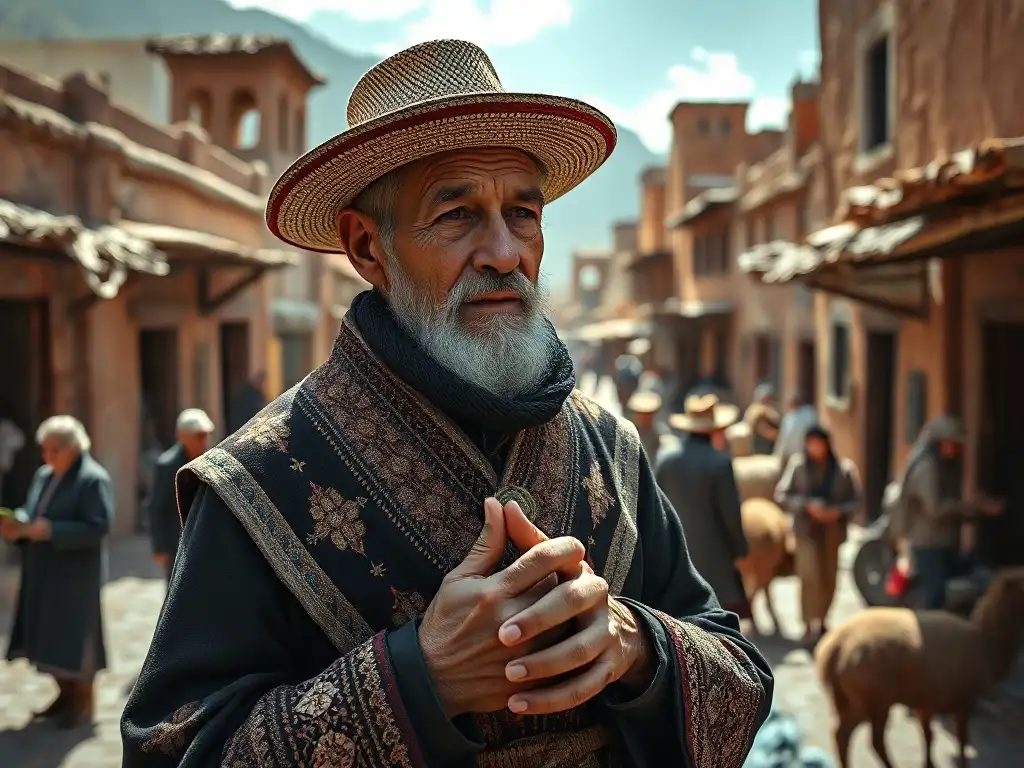
The Andean priest, far from being a mere religious figurehead, played a crucial role in maintaining social order and justice within their communities. Their influence extended beyond the spiritual realm, deeply intertwining with the daily lives and social structures of the Andean civilizations. This influence stemmed from their perceived connection to the supernatural, their intimate knowledge of Andean cosmology, and their ability to interpret omens and divine will. The priest acted as a vital link between the human and spiritual worlds, ensuring the continued prosperity and harmony of the community.
This wasn't simply a matter of religious practice; it was a fundamental aspect of Andean governance and social control. Understanding the Andean priest's role requires acknowledging their multifaceted influence across various social spheres. The concept of "Andean priest social order" is therefore not just about religious rites, but about a complex system of social control and conflict resolution.
Andean Priest's Role in Rituals and Community Cohesion
Rituals were central to maintaining social cohesion in Andean societies. The priest, as the conductor of these rituals, played a pivotal role in reinforcing social bonds and promoting community unity. Elaborate ceremonies, often involving sacrifices, offerings, and communal participation, served to reaffirm shared beliefs, values, and social hierarchies.
For example, the capac hucha (royal mummies) of the Inca empire were a focal point of ritual activity, reinforcing the legitimacy of the ruling dynasty and the social order it represented. These rituals weren't merely symbolic; they actively shaped social relations, solidifying the power structures and fostering a sense of collective identity. The priest’s expertise in performing these rituals correctly ensured the continued favor of the gods and the prosperity of the community, thereby reinforcing their authority and importance within the social structure.
The meticulous preparation, the precise execution of the rituals, and the careful interpretation of their outcomes all contributed to the priest's overall influence in maintaining Andean social order. The intricate details of each ritual, passed down through generations, served as a powerful mechanism for cultural transmission and social control. Failure to perform rituals correctly could be seen as a disruption of the cosmic balance and could lead to social unrest or misfortune, further highlighting the priest's pivotal role.
Mediation and Conflict Resolution by Andean Religious Leaders
Beyond ritual performance, Andean priests often acted as mediators and arbitrators in resolving conflicts within the community. Their knowledge of customary law, combined with their perceived connection to the supernatural, gave them considerable authority in settling disputes. They were not simply judges; they were seen as interpreters of divine will, capable of discerning the truth and dispensing justice in a way that was both fair and spiritually significant. This authority extended to various types of conflicts, from interpersonal disagreements to disputes over land or resources.
The priest's role in conflict resolution often involved negotiation, reconciliation, and the imposition of penalties or sanctions, reflecting a deeply integrated system of religious and social control. By resolving conflicts peacefully, the priest helped prevent escalation and maintain social harmony. The process often involved symbolic gestures, offerings, and pronouncements that were intended to restore balance and appease the offended deities.
Detailed records of these mediations, though scarce, would reveal a complex system of justice deeply intertwined with Andean religious beliefs. Further research into Andean legal practices is needed to fully understand the priest’s specific methods and the extent of their judicial power. The evidence suggests, however, that they were key figures in maintaining social order through peaceful conflict resolution.
The Priest's Role in Upholding Moral Codes
Andean priests were instrumental in upholding moral codes and ethical standards within their communities. They served as moral guides, interpreting religious beliefs and cosmological principles to define acceptable behavior. Their teachings often emphasized the importance of reciprocity, community cooperation, and respect for the natural world. These moral codes weren't abstract ideals; they were directly linked to the well-being of the community and the maintenance of social order.
Deviation from these codes could be viewed as a disruption of the cosmic balance and could lead to social unrest or divine punishment. The priest, through their teachings and pronouncements, reinforced these values and sought to ensure that individuals behaved in ways that were conducive to social harmony. The emphasis on collective responsibility and the interconnectedness of all things within the Andean worldview made the priest's role in upholding moral codes particularly significant.
This role extended beyond simple instruction; it involved active participation in shaping social norms and values through ritual, storytelling, and direct interaction with community members. The specific moral codes varied across different Andean cultures, but the priest's role in disseminating and enforcing them remained consistent, contributing significantly to the maintenance of social order in Andean communities. The intertwining of religious belief and social control is a key element in understanding the "Andean priest social order" dynamic.
The Priest as an Agent of Justice in Andean Communities
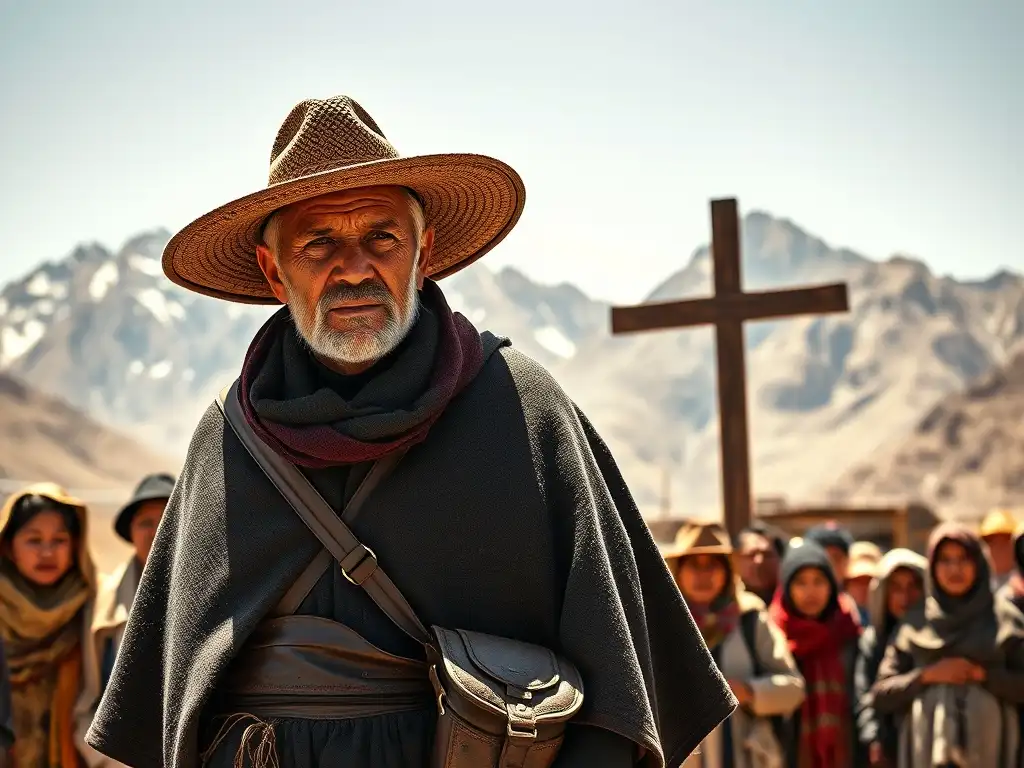
The Andean priest, far from being merely a religious figure, played a crucial role in maintaining social order and dispensing justice within their communities. Their authority stemmed not only from their spiritual knowledge and connection to the divine but also from their deep understanding of customary law and social norms. This dual role – spiritual leader and judicial arbiter – ensured a cohesive and relatively stable society, particularly in the absence of centralized, formal legal systems in many Andean cultures.
The concept of ayni (reciprocity) and mita (labor tribute) were deeply intertwined with religious practices, and priests often oversaw their equitable distribution and enforcement, acting as mediators and ensuring fairness. Understanding the Andean priest's role in justice requires examining their involvement in practical judicial processes, their interpretation of divine law, and the specific examples of their mediation in community conflicts.
The influence of the Andean priest on social order is a significant aspect of understanding Andean civilizations, often overlooked in favor of narratives focused solely on their religious practices. The keyword "Andean priest social order" accurately encapsulates this multifaceted role.
The Priest’s Participation in Andean Judicial Practices
Andean judicial practices were largely informal and community-based. Formal courts as we understand them today didn't exist. Instead, disputes were often resolved through negotiation, mediation, and arbitration, with priests frequently acting as key mediators.
Their participation wasn't simply advisory; they held considerable authority, able to influence decisions and impose sanctions. This authority wasn't imposed through force but derived from their spiritual standing within the community. Their pronouncements were seen as reflecting the will of the gods, adding weight to their judgments and promoting compliance.
The process often involved rituals and ceremonies, reinforcing the sacred nature of justice and the importance of upholding community harmony. Different Andean cultures may have had variations in their specific practices, but the central role of the priest in conflict resolution remained consistent. For instance, in Inca society, local authorities, often working closely with priests, handled minor disputes, while more serious cases might involve higher-level officials, still guided by priestly interpretations of divine will.
Divine Law and the Andean Priest's Interpretation of Justice
The concept of "divine law" in Andean societies wasn't a codified legal text but rather a set of principles and beliefs derived from their cosmology and mythology. The Andean worldview emphasized the interconnectedness of the natural and spiritual worlds. Justice, therefore, wasn't simply a human construct but a reflection of cosmic order.
Priests, as interpreters of this cosmic order, played a vital role in applying divine principles to earthly disputes. Their decisions were often framed as upholding the balance of nature and ensuring the continued well-being of the community. This framework meant that breaches of social harmony were also seen as offenses against the divine, adding a significant moral and spiritual dimension to legal matters.
Evidence suggests that priests used oracles, divination, and other ritualistic practices to discern the divine will and guide their judgments, solidifying their authority and the perceived legitimacy of their decisions. This deep intertwining of religion and law is a defining characteristic of Andean social organization.
Examples of Land Disputes Resolved by Priests
Land disputes were common sources of conflict in Andean communities, given the importance of agriculture and access to resources. Priests often acted as mediators in these disputes, leveraging their understanding of customary land tenure systems and their spiritual authority to reach resolutions. Consider, for example, [specific example of a land dispute resolved by a priest in a specific Andean culture pending].
This example would likely involve the priest’s interpretation of ancestral claims, consideration of community needs, and potentially the use of ritualistic practices to ratify the agreement. Another potential scenario could involve a dispute between different ayllus (kinship groups) over irrigation rights. [Specific example of an irrigation rights dispute resolved by a priest pending].
These examples highlight how priests not only resolved immediate conflicts but also contributed to the long-term stability and sustainability of Andean communities by ensuring the fair allocation of essential resources. Their role underscores the intricate relationship between religion, law, and resource management in Andean societies. The successful resolution of these disputes, facilitated by the priest's influence, directly contributed to the maintenance of “Andean priest social order”.
The Andean Priest and the Cycle of Life
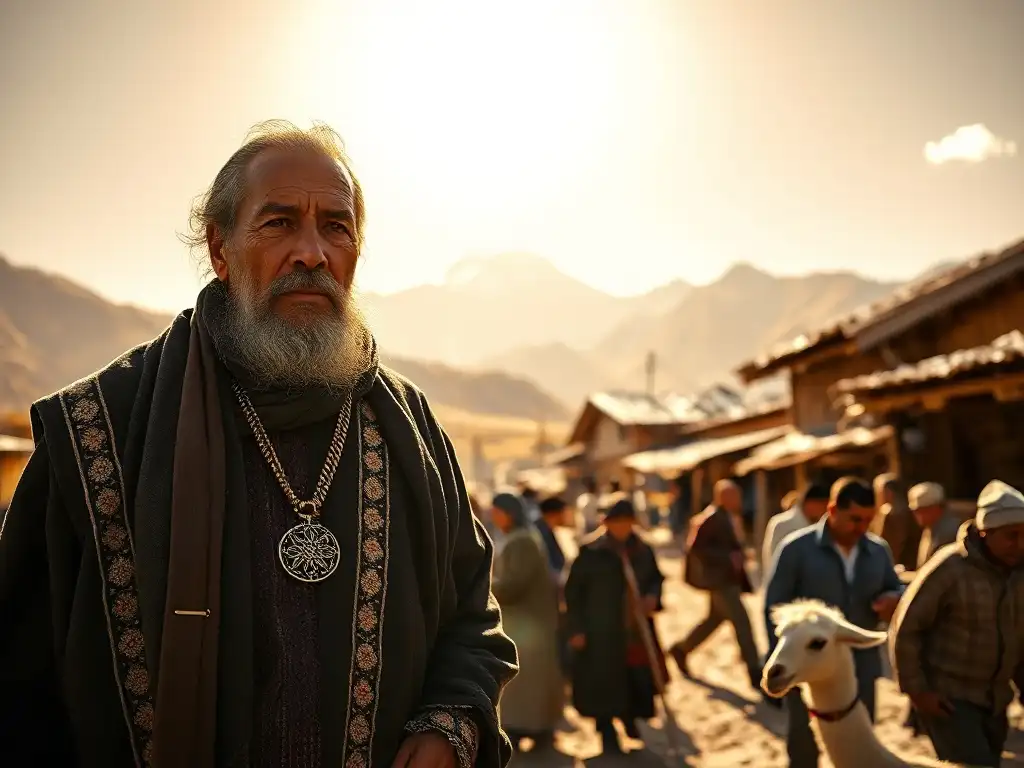
The Andean priest, far from being a mere religious figure, occupied a central position in the social fabric of Andean communities. Their influence extended far beyond the spiritual realm, deeply intertwining with the daily lives of their people and acting as a crucial mechanism for maintaining social order and justice. The priest's authority stemmed from their perceived connection to the supernatural world and their ability to interpret the will of the gods, influencing everything from agricultural practices to conflict resolution.
Understanding the Andean priest’s role requires examining their involvement in the cyclical nature of life, their influence on agricultural prosperity, and their custodianship of ancestral knowledge. The phrase "Andean priest social order" accurately reflects this complex and pervasive influence.
The Priest's Role in Birth, Marriage, and Death Rituals
The Andean priest played a pivotal role in the most significant life cycle events: birth, marriage, and death. Birth rituals were often elaborate affairs, with priests performing ceremonies to ensure the safe passage of the child into the world and to invoke blessings for its future health and prosperity. These rituals frequently involved the use of coca leaves, chicha (fermented corn beer), and other sacred objects. The priest's presence legitimized the birth, integrating the newborn into the community's social structure.
Marriage ceremonies, similarly, were overseen by priests, who ensured the ritual's proper execution, thereby validating the union within the community's social hierarchy. These ceremonies often involved complex negotiations and agreements between families, with the priest acting as a mediator and ensuring compliance with customary laws. Failure to adhere to these traditions, as interpreted by the priest, could have significant social consequences.
Death, the final stage of the cycle, was also deeply imbued with religious significance. Andean priests conducted elaborate funeral rites, aimed at guiding the deceased's spirit to the afterlife and ensuring the continued well-being of the surviving family members. The preparation of the body, the offerings made to the spirits, and the specific burial practices were all carefully orchestrated by the priest, reinforcing the social order even in death.
The priest's authority extended to the distribution of inheritance, mediating potential disputes and preventing social unrest. The meticulous nature of these rituals demonstrates the profound impact of the Andean priest on the social fabric of life and death.
How Priests Influenced Agricultural Practices and Harvest
The Andean priest’s influence extended significantly to agriculture, the lifeblood of Andean societies. Their knowledge of the cyclical patterns of nature, combined with their understanding of celestial events, enabled them to advise on planting times, irrigation techniques, and other crucial agricultural practices. The priest's predictions, often based on observations of the stars and other natural phenomena, were critical for ensuring successful harvests. A good harvest meant social stability; a bad harvest could lead to famine and social unrest.
For example, the priest's role in determining the appropriate time for planting was paramount. This decision wasn't arbitrary; it was based on careful observation of the weather patterns, the position of the stars, and the priest's interpretation of these signs. This intricate connection between the priest, the cosmos, and the agricultural cycle underscores the priest's crucial role in maintaining social order through ensuring the community's sustenance.
Failure to heed the priest's advice could be seen as defying the divine order, leading to social sanctions. The concept of “Andean priest social order” thus hinges on their ability to predict and influence the agricultural cycle.
Andean Priest’s Link to Ancestral Traditions and Knowledge
Andean priests served as custodians of ancestral traditions and knowledge, acting as repositories of historical memory and cultural practices. This role was essential for maintaining social cohesion and transmitting societal values across generations. They were responsible for preserving and interpreting oral histories, myths, and legends, ensuring the continuity of cultural identity and social norms. This preservation of knowledge reinforced the established social hierarchy and power structures.
The priests were often skilled in various crafts and technologies, passing down these skills to younger generations. This ensured the continuation of essential practices like weaving, pottery, and metalworking, all integral to the Andean way of life. This transmission of knowledge not only sustained the community economically but also reinforced social bonds and hierarchies.
The priest's authority in this domain established them as key figures in maintaining social order through the continuity of tradition and the dissemination of essential skills. This aspect of the "Andean priest social order" highlights the priest's role as a cultural gatekeeper and a vital component of social stability.
The Legacy of Andean Priests in Modern Societies
The influence of Andean priests extends far beyond the collapse of the great empires. Their legacy continues to shape social structures, spiritual beliefs, and cultural practices in modern Andean communities. Understanding this enduring impact requires examining how their roles transformed over time and how their authority continues to resonate in contemporary spiritual practices. The enduring respect for these figures, and the knowledge they held, serves as a testament to the deep-rooted connection between Andean cosmology and societal order. The Andean priest's role in maintaining social order, a key aspect of their influence, is still felt today.
Transformation of the Priest’s Role Over Time
The role of the Andean priest wasn't static. It evolved significantly across different Andean civilizations and through historical periods. In the Inca Empire, for instance, the wilaq uma, or high priest, held immense political power, advising the Sapa Inca on matters of state and religious significance. Their authority was intertwined with the emperor's, contributing to the stability of the empire.
However, with the Spanish conquest, the traditional structure of Andean priesthood underwent a dramatic shift. The Spanish sought to suppress indigenous religions, leading to the syncretism of Catholic and Andean beliefs. Many traditional practices were driven underground, with priests adapting their roles to survive. This resulted in a more decentralized and less overtly political form of Andean priesthood, often integrating into community life in subtle ways.
The knowledge and practices were passed down through generations, often within families, maintaining a continuity of spiritual authority, albeit in a transformed context. The shift from a centralized, highly visible religious authority to a more dispersed, community-based system reflects the resilience and adaptability of Andean spiritual traditions. This adaptation, however, didn't diminish the priest's importance within their communities; rather, it redefined their role within a changing social and political landscape.
Influence of Andean Priests on Contemporary Spiritual Practices
The enduring influence of Andean priests is evident in various contemporary spiritual practices. Many Andean communities still maintain traditions of shamanic healing and ritual practices that are deeply rooted in pre-Columbian beliefs. These practices often incorporate elements of ancestral veneration, divination, and the use of medicinal plants, all of which were central to the roles of ancient Andean priests.
For example, the use of coca leaves in Andean rituals, a practice with ancient origins, is still prevalent today, often overseen by individuals who act as spiritual guides, inheriting aspects of the traditional priest's role. While the formal structure of the ancient priesthood might be gone, the essence of their knowledge and practices persists, adapted and integrated into the fabric of contemporary Andean spirituality. The continuity of these practices underscores the enduring relevance of Andean cosmology and the ongoing importance of spiritual leaders within Andean communities.
This influence is not limited to rural areas; aspects of Andean spirituality are increasingly incorporated into urban settings, further demonstrating the adaptability and enduring nature of these traditions. The spiritual role and its connection to the community are paramount.
The preservation of Andean priestly wisdom and authority is a crucial aspect of maintaining cultural identity and continuity. Many communities actively work to document and transmit traditional knowledge through oral histories, ritual practices, and apprenticeships. Efforts to revive and protect ancient sites and artifacts also play a significant role in preserving the legacy of Andean religious figures.
This work is essential not only for historical understanding but also for the continued relevance of Andean spirituality in modern society. The ongoing efforts to document and understand the roles of Andean priests are crucial for preserving the rich tapestry of Andean culture and ensuring that future generations can appreciate and learn from their profound contributions to Andean society. This ongoing preservation highlights the deep respect and appreciation for the legacy of these influential figures and their enduring impact on Andean culture and spirituality.
Furthermore, the active engagement in preserving this legacy ensures the continuation of vital traditions and knowledge. The active role of communities in safeguarding this heritage is a testament to the enduring value placed upon the wisdom and authority of their ancestors.
Frequently Asked Questions
What was the role of Andean priests in society?
Andean priests held significant power, acting as intermediaries between the divine and human realms. Their influence extended to social order, justice, and agricultural practices, shaping daily life. They were deeply involved in maintaining the balance.
Priests played a vital role in maintaining social harmony by interpreting omens and prophecies, advising rulers, and conducting ceremonies that reinforced community values and social structures. Their pronouncements carried significant weight.
What was the relationship between Andean priests and the ruling class?
The relationship was often close and intertwined, with priests advising rulers and participating in important state ceremonies. Priests held considerable influence, sometimes even surpassing that of military leaders in their power and prestige.
Did Andean priests administer justice?
While not directly judges, priests often played a role in resolving conflicts and dispensing justice by interpreting divine will and offering guidance based on sacred beliefs and traditions. Their pronouncements influenced settlements.
Andean priests occupied a position of high social standing, often comparable to or even surpassing that of the ruling elite. Their specialized knowledge and connection to the spiritual world ensured their privileged place within the community.
Final Reflection: The Enduring Legacy of Andean Priests
The role of the Andean priest in maintaining social order and justice remains profoundly relevant today, a testament to the enduring power of spiritual leadership intertwined with community well-being. While the specific rituals and practices may have evolved, the fundamental principles of social cohesion and ethical guidance offered by these figures continue to resonate within Andean communities and offer valuable lessons for societies worldwide grappling with similar challenges.
The influence of the Andean priest extends far beyond the purely religious sphere; their authority shaped legal systems, conflict resolution, and even economic distribution. Their wisdom, often rooted in deep ecological understanding and ancestral knowledge, provided a framework for sustainable living and social harmony. The priest was not merely a religious figure, but a vital component of the social fabric, a mediator between the human and spiritual worlds.
This quote encapsulates the multifaceted nature of their influence, highlighting their crucial role in navigating the complexities of Andean life. Their legacy continues to inform contemporary discussions on community governance, environmental stewardship, and the importance of integrating spiritual and secular aspects of life.
Consider the enduring power of these traditions. How can we, in our own lives and communities, foster a similar sense of shared responsibility and ethical leadership? You, the reader, hold the power to cultivate a more just and harmonious world, inspired by the enduring wisdom of the Andean priest. Let the insights gleaned from this exploration inspire you to seek out and champion ethical leadership in your own sphere of influence, building bridges of understanding and cooperation within your community.
Thank you for exploring the vital role of faith leaders in fostering social justice within Andean communities. Your interest reveals a deep commitment to understanding the complex interplay of culture, faith, and societal well-being. Now, let's translate that understanding into action!
Here are some ways you can make a meaningful contribution:
- **Volunteer** your time with local organizations working to advance social justice and community development in Andean regions. Many organizations are actively seeking dedicated individuals to support their initiatives.
- Deepen your understanding by exploring the impact of spiritual leadership in contemporary society. There are numerous books, documentaries, and academic articles that offer valuable insights into this crucial topic.
- **Share your knowledge** with friends, family, and colleagues. Spark conversations about the importance of community engagement and collective action in building a more just and equitable society.
How can you uniquely contribute to strengthening social bonds and promoting justice in your community?