
The Concept of "Sumaq Kawsay": Living in Harmony with Nature and the Divine

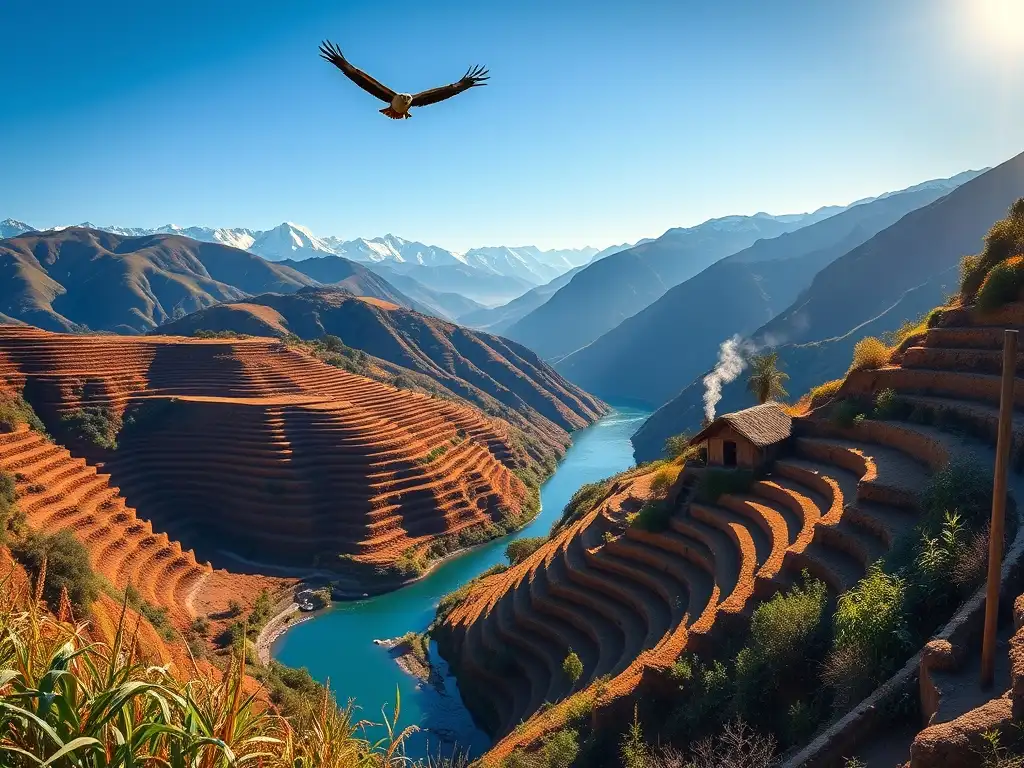
Step into a world lost to time, yet echoing with vibrant life. Discover the secrets of the Andean civilizations, from the awe-inspiring architecture of the Incas to the enigmatic Nazca lines. But prepare to be truly captivated by Sumaq Kawsay, the Inca philosophy that reveals their profound connection to nature and the divine. What can this ancient wisdom teach us about living in harmony with the world around us? Journey with us to uncover the answers.
- Sumaq Kawsay: Exploring the Andean Philosophy of Living in Harmony
- The Meaning of "Sumaq Kawsay": Beyond Simple Translation
- Sumaq Kawsay and Nature: A Sacred Relationship
- Sumaq Kawsay and the Divine: Spiritual Dimensions
- Living Sumaq Kawsay in Modern Times
- The Legacy of Sumaq Kawsay: Inspiring Future Generations
- Frequently Asked Questions
- Final Reflection: Weaving the Threads of Sumaq Kawsay into Modern Life
- Embrace the Essence of Sumaq Kawsay Today!
Sumaq Kawsay: Exploring the Andean Philosophy of Living in Harmony
Sumaq Kawsay, a Quechua term often translated as "to live well" or "living in harmony," represents far more than a simple lifestyle choice for the Andean civilizations. It encapsulates a profound philosophical and spiritual worldview that intricately intertwined the physical and spiritual realms, emphasizing a harmonious relationship between humanity, nature, and the divine. This concept, central to the Inca Empire and preceding Andean cultures, profoundly influenced their social structures, agricultural practices, and artistic expressions.
Understanding Sumaq Kawsay offers a key to unlocking the complexities of Andean cosmovision and appreciating the sophisticated societal structures they developed within their unique environmental context. This article delves into the core tenets of Sumaq Kawsay, exploring its significance within the Inca worldview and its enduring relevance today.
We'll examine how this philosophy shaped the Inca's relationship with the natural world and their spiritual beliefs, revealing a sophisticated understanding of ecological balance and societal well-being rarely seen in other ancient civilizations. The exploration of Sumaq Kawsay provides a compelling insight into the depth and richness of Inca philosophy, challenging our modern perspectives on sustainability and interconnectedness.
Understanding Sumaq Kawsay: The Core of Andean Cosmovision
Sumaq Kawsay wasn't merely about individual well-being; it was a holistic concept encompassing the flourishing of the entire community and the environment. It involved a deep respect for Pachamama, Mother Earth, and the interconnectedness of all living things. The Incas believed that maintaining a balance within this interconnected web was crucial for ensuring prosperity and avoiding kawsay pacha, or disharmony.
This harmony extended beyond the physical world; it included a balanced relationship with the Apus (mountain spirits), the celestial bodies, and the ancestors. Achieving Sumaq Kawsay required a commitment to reciprocal exchange – ayni – where individuals and communities contributed to the collective well-being, receiving in return the bounty of the land and the favor of the divine. Failure to uphold this reciprocal relationship was believed to lead to imbalance and misfortune.
The pursuit of Sumaq Kawsay manifested in various aspects of Inca life. Their intricate agricultural systems, such as terracing and sophisticated irrigation techniques, showcased a deep understanding of environmental stewardship and a commitment to sustainable practices. Their elaborate religious ceremonies, often involving offerings to the Apus and Pachamama, reinforced the importance of maintaining a harmonious relationship with the spiritual world.
Even their art and architecture reflected this philosophy, emphasizing symmetry, balance, and the integration of natural elements into their designs. The Inca's understanding of Sumaq Kawsay wasn't simply a belief system; it was a way of life, deeply ingrained in their daily practices and social structures. This holistic approach to life stands in stark contrast to many modern philosophies that often prioritize individual gain over collective well-being and environmental sustainability.
Sumaq Kawsay and the Inca Worldview
The Inca worldview, deeply rooted in Sumaq Kawsay, saw the universe as a complex and interconnected system governed by divine forces. The Inca believed that the emperor, the Sapa Inca, was a direct descendant of the sun god, Inti, and held a sacred responsibility to maintain Sumaq Kawsay throughout the empire. This responsibility extended to ensuring the prosperity of the people and the preservation of the natural environment. The Inca state actively managed resources, implemented sophisticated agricultural techniques, and organized elaborate ceremonies to ensure the continued balance and harmony of the cosmos.
The concept of ayni, reciprocal exchange, was crucial to the Inca understanding of Sumaq Kawsay. This principle dictated that individuals and communities had a responsibility to contribute to the collective good, ensuring that everyone benefited from the abundance of the land and the favor of the gods. This system fostered a strong sense of community and interdependence, promoting social cohesion and stability.
The Inca's emphasis on community and reciprocity stands in contrast to many modern societies that often prioritize individual competition and self-interest, leading to social inequalities and environmental degradation. Understanding the Inca's commitment to ayni offers valuable insights into building more sustainable and equitable societies. The enduring legacy of Sumaq Kawsay reminds us of the importance of considering the interconnectedness of all things and striving for a harmonious relationship between humanity and the natural world – a lesson as relevant today as it was centuries ago.
The Meaning of "Sumaq Kawsay": Beyond Simple Translation
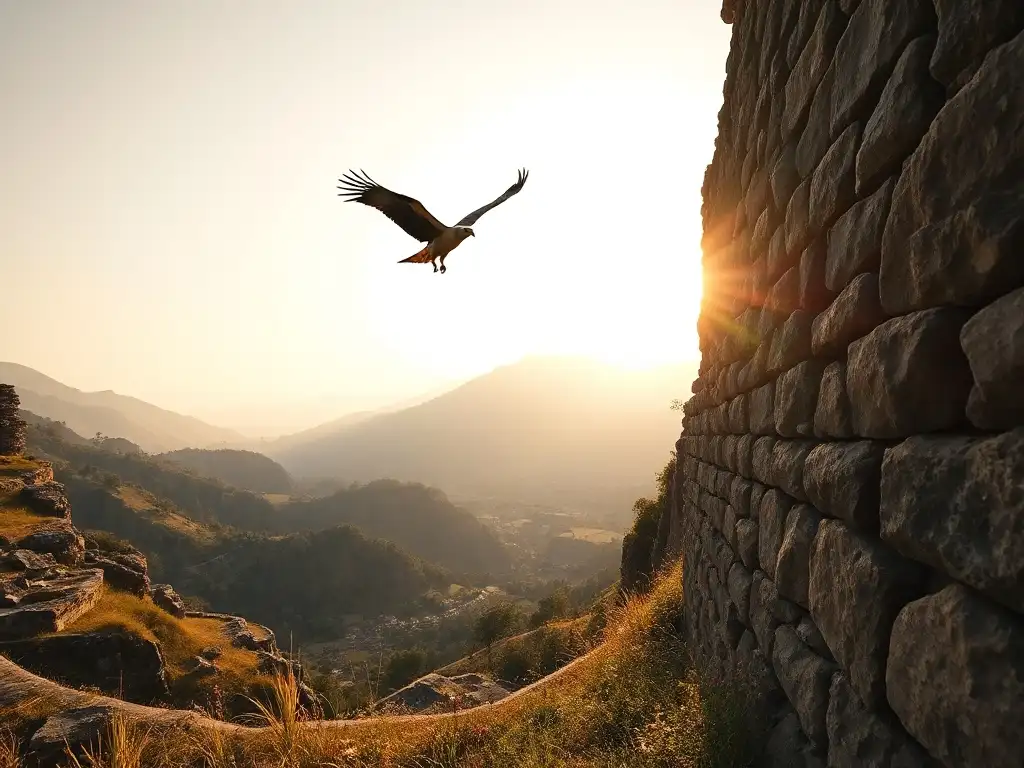
The Quechua term "Sumaq Kawsay" is often translated as "good living" or "living well," but this simplistic rendering fails to capture its profound depth and complexity within Inca philosophy. It's not merely about material comfort or a pleasant existence; Sumaq Kawsay represents a holistic worldview encompassing a harmonious relationship between humanity, nature, and the divine. This Inca concept, central to their societal structure and spiritual beliefs, emphasized a balanced life lived in accordance with the natural order and the will of the Apus (mountain spirits) and other deities.
Understanding Sumaq Kawsay requires moving beyond a superficial translation to grasp its intricate philosophical underpinnings, which profoundly influenced Inca social organization, agricultural practices, and spiritual rituals. The concept's enduring relevance lies in its timeless message of sustainable living and spiritual fulfillment, offering valuable insights for modern society grappling with ecological challenges and a search for meaning.
Think of it as a pathway to a more fulfilling and balanced life, deeply rooted in respect for the environment and a spiritual connection with the cosmos. The pursuit of Sumaq Kawsay wasn't a passive state of being; it was an active engagement with the world, requiring constant effort and mindful living.
Defining "Sumaq Kawsay": A Holistic Approach to Life
Sumaq Kawsay wasn't simply about individual well-being; it was about the collective flourishing of the community and the environment. It encompassed physical health, spiritual well-being, social harmony, and ecological balance. In essence, it was a holistic approach to life, emphasizing the interconnectedness of all things.
For the Inca, individual success was inextricably linked to the prosperity of the entire community and the health of the Pachamama (Mother Earth). This philosophy fostered a strong sense of collective responsibility and promoted cooperation rather than competition. The Inca social structure, with its emphasis on ayllu (extended family groups) and reciprocal labor obligations, directly reflected this principle.
Furthermore, their agricultural practices, including terracing and irrigation systems, demonstrate a deep understanding of ecological balance and a commitment to sustainable resource management – a testament to their commitment to living in harmony with nature. The pursuit of Sumaq Kawsay involved a constant striving for equilibrium, a delicate balance between human needs and the needs of the environment. This equilibrium wasn't static; it was a dynamic process requiring continuous adaptation and adjustment.
The Interconnectedness of All Things in Sumaq Kawsay
A core tenet of Sumaq Kawsay is the belief in the interconnectedness of all living things and the natural world. The Inca viewed themselves as integral parts of a larger cosmic order, where the physical and spiritual realms were intertwined. The Apus, mountain spirits, were considered powerful intermediaries between the human and divine worlds. Respect for the Apus and the Pachamama was paramount, as their well-being was believed to be directly linked to the prosperity of the Inca people.
Rituals and ceremonies played a vital role in maintaining this harmony. For example, the Capac Raymi (the most important Inca festival) celebrated the sun and its life-giving energy, reinforcing the importance of respecting and nurturing the natural world. The Inca's deep understanding of the environment is evident in their sophisticated agricultural techniques. They developed intricate irrigation systems and terraced fields to maximize crop yields while minimizing environmental impact.
These practices demonstrate a profound respect for the land and a recognition of its vital role in sustaining life. Their worldview emphasized a reciprocal relationship with nature, acknowledging that human actions had consequences and that maintaining balance was essential for survival and prosperity. Ignoring this interconnectedness was considered a transgression against the natural order and could lead to misfortune.
Key Principles of Sumaq Kawsay: Reciprocity and Balance
Reciprocity and balance were fundamental principles of Sumaq Kawsay. The Inca believed in a system of mutual exchange between humans, nature, and the divine. This reciprocity extended to all aspects of life, from social interactions to agricultural practices. The ayllu system, based on mutual support and shared responsibilities, exemplified this principle.
Members of the community were expected to contribute their labor and resources to the collective good, ensuring the well-being of all. This cooperative spirit fostered social cohesion and stability. The concept of balance extended beyond social relations to encompass the natural world. The Inca understood the importance of maintaining ecological equilibrium, recognizing that human actions could have significant environmental consequences.
Their agricultural practices were designed to minimize disruption to the natural environment, ensuring the long-term sustainability of their resources. They meticulously managed water resources, prevented soil erosion, and avoided overexploitation of natural resources, demonstrating a deep understanding of the delicate balance of nature. The pursuit of Sumaq Kawsay was a continuous process of striving for harmony and balance in all aspects of life, reflecting a sophisticated understanding of the interconnectedness of the human and natural worlds. This philosophy offers a valuable lesson for modern society, highlighting the importance of sustainable living, social responsibility, and spiritual fulfillment.
Sumaq Kawsay and Nature: A Sacred Relationship
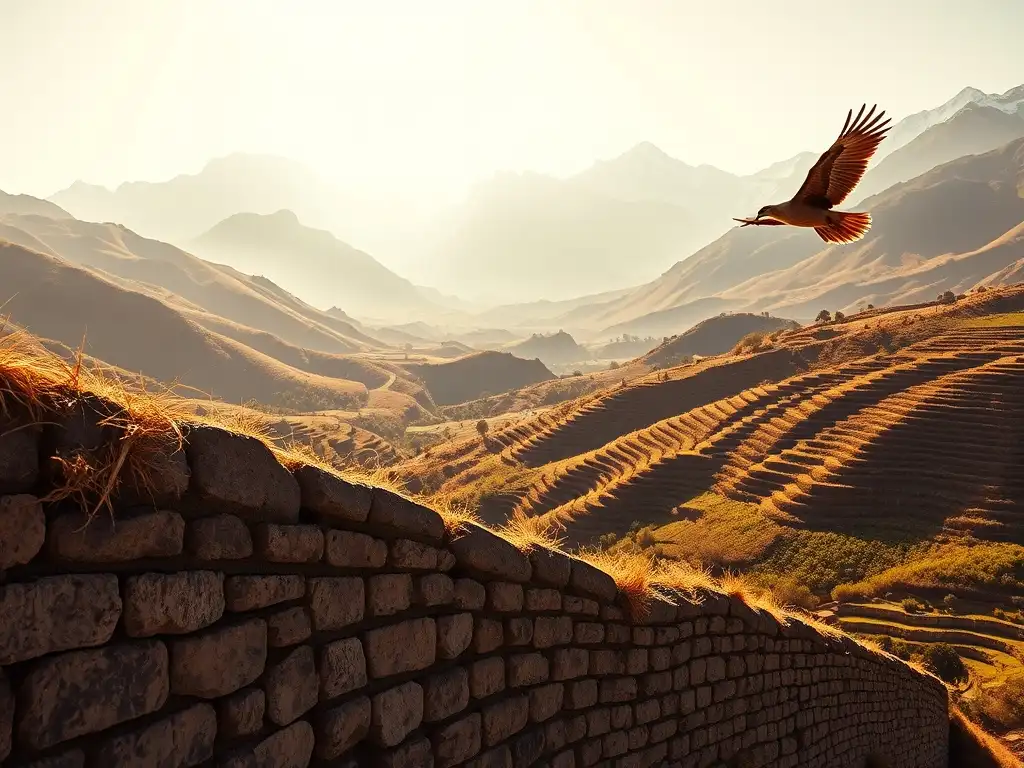
The Inca concept of Sumaq Kawsay, often translated as "living well" or "good living," wasn't merely a philosophical ideal; it was a deeply ingrained worldview inextricably linked to the natural world. For the Inca, nature wasn't something to be conquered but rather a sacred entity with which to live in harmony.
This holistic approach permeated every aspect of Inca life, from agriculture and construction to social organization and spiritual practices. Understanding Sumaq Kawsay requires acknowledging the profound reverence the Inca held for the Pachamama, the interconnectedness of all living things, and the importance of respecting the cyclical nature of the environment.
This section delves into the intricate relationship between Sumaq Kawsay and the natural world, highlighting specific examples of how this philosophy manifested in daily Inca life and contributed to their remarkable achievements in sustainable living. The very notion of achieving Sumaq Kawsay hinged on a delicate balance between human actions and the rhythms of the Pacha.
Pachamama: The Earth Mother and Sumaq Kawsay
The Pachamama, the Earth Mother, was central to Inca cosmology and the pursuit of Sumaq Kawsay. She wasn't simply a deity; she was the very essence of life, providing sustenance and nurturing all living beings. The Inca believed that the Pachamama was a powerful, benevolent force, but also one that demanded respect and reciprocity.
Agricultural practices were deeply intertwined with rituals honoring the Pachamama, ensuring a bountiful harvest. Before planting, offerings of coca leaves, chicha (a fermented corn beverage), and other gifts were made to appease and honor her. Similarly, after the harvest, ceremonies of gratitude were performed, demonstrating a reciprocal relationship built upon mutual respect and acknowledgment of the Earth's generosity.
The concept of Sumaq Kawsay thus emphasized the crucial role of the Pachamama in sustaining life and the responsibility humans had to maintain a harmonious relationship with her. Failure to do so was believed to result in natural disasters, crop failures, and illness—a clear indication of an imbalance in the sacred relationship. This deep-seated belief system fostered a culture of environmental stewardship that is still relevant today.
Respect for Natural Cycles: Living in Accordance with Nature's Rhythms
The Inca's understanding of Sumaq Kawsay extended beyond simply respecting the Pachamama; it encompassed a profound awareness and respect for the natural cycles that governed life in the Andes. Their agricultural practices perfectly illustrate this. The Inca meticulously observed the changing seasons, adapting their farming techniques to maximize yields while minimizing environmental impact.
Terracing, for example, was a masterful technique that allowed them to cultivate crops on steep slopes, preventing soil erosion and optimizing water usage. Their sophisticated understanding of water management, evidenced by their intricate canal and irrigation systems, further demonstrates their deep respect for the natural flow of water and their ability to work with nature, rather than against it. The Inca calendar, closely aligned with agricultural cycles, also played a vital role in regulating their activities, ensuring that planting and harvesting occurred at the optimal times.
This meticulous planning and integration with natural rhythms were essential components of their pursuit of Sumaq Kawsay, demonstrating a sustainable approach to life that continues to inspire. This intimate connection with the environment fostered a deep appreciation for the delicate balance of nature.
Sumaq Kawsay and Sustainable Practices in the Andes
The principles of Sumaq Kawsay underpinned many sustainable practices employed by the Inca. Their agricultural innovations, such as the aforementioned terracing and irrigation systems, are testaments to their ingenuity and their commitment to environmental stewardship. These weren't merely technological advancements; they were expressions of their spiritual connection to the Pachamama and their understanding of the importance of living in harmony with nature.
Furthermore, their resource management practices were remarkably efficient, minimizing waste and maximizing the use of available resources. The Inca's understanding of Sumaq Kawsay fostered a society that valued sustainability not just as a practical necessity but as a spiritual imperative. The enduring legacy of their sustainable practices serves as a powerful reminder of the importance of integrating environmental considerations into all aspects of life, a lesson particularly relevant in our current era of environmental challenges.
The pursuit of Sumaq Kawsay offers valuable insights into achieving a more balanced and sustainable relationship between humanity and the natural world. The Inca's example showcases how a profound respect for nature can lead to innovative and sustainable solutions, contributing to a truly "good life" for all.
Sumaq Kawsay and the Divine: Spiritual Dimensions
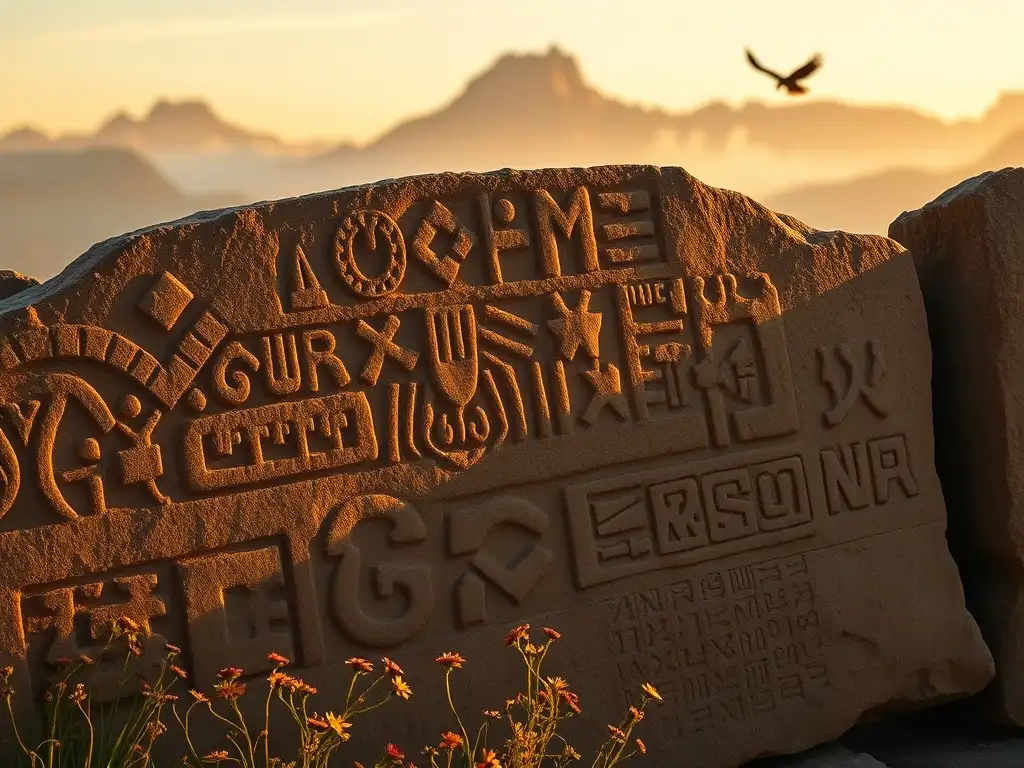
Sumaq Kawsay, often translated as "to live well" or "living in harmony," was not merely a practical philosophy for the Inca and other Andean cultures; it was deeply intertwined with their spiritual beliefs and practices. This concept, central to their worldview, emphasized a harmonious relationship not only with the natural world but also with the divine realm. Understanding Sumaq Kawsay requires acknowledging its profound spiritual dimensions, where the material and spiritual worlds were inextricably linked.
The pursuit of Sumaq Kawsay was a path towards spiritual fulfillment, a journey guided by respect for the interconnectedness of all things. It wasn't simply about material prosperity, but about achieving a balanced and meaningful existence in accordance with the cosmic order.
This holistic approach permeated every aspect of Andean life, from agriculture and governance to personal conduct and spiritual practices. The achievement of Sumaq Kawsay was a reflection of one's alignment with the divine will and the natural rhythms of the Pachamama.
The Role of Apu and Other Deities in Sumaq Kawsay
The Andean worldview was polytheistic, with a vast pantheon of deities playing crucial roles in maintaining the balance of the cosmos and, consequently, in achieving Sumaq Kawsay. Central to this pantheon were the Apus, the mountain spirits considered sacred and powerful intermediaries between the human and divine realms. These majestic peaks were not merely geographical features; they were living entities, imbued with spiritual power and considered protectors of their surrounding communities. Respecting and honoring the Apus through offerings and rituals was integral to ensuring good harvests, favorable weather, and overall well-being – all essential components of Sumaq Kawsay.
Furthermore, other deities, such as the Inti (Sun God), Mama Killa (Moon Goddess), and Pachamama (Earth Mother), played significant roles in the Andean cosmology. The Inti, the source of life and energy, demanded respect and reverence. Rituals dedicated to the Inti were performed to ensure the sun's continued benevolence, essential for successful agriculture and the overall prosperity of the community.
Similarly, Mama Killa represented cycles of life and death, and her influence on agriculture and fertility was acknowledged through rituals and offerings. Pachamama, the Earth Mother, symbolized the fertile earth and its bounty, and her appeasement was crucial for a successful harvest and the continuation of life. The harmonious relationship with these deities and the Apus was fundamental to the Andean concept of Sumaq Kawsay.
Neglecting them could lead to imbalance and misfortune, disrupting the delicate equilibrium necessary for a life lived in harmony. The successful integration of these deities into daily life and communal practices was a key factor in achieving the ideal of Sumaq Kawsay.
The Concept of Energy and Spirit in Andean Thought
Andean cosmology embraced a vibrant concept of energy and spirit, deeply intertwined with the pursuit of Sumaq Kawsay. The Andean worldview wasn't confined to the physical realm; it extended to a spiritual dimension where energy flows, affecting both the natural world and human experience. The concept of kawsay, meaning "life force" or "vital energy," was fundamental to this understanding.
Kawsay was believed to permeate all living things, connecting them in a web of interconnectedness. Maintaining the flow of kawsay was considered essential for individual and communal well-being. Illness, misfortune, and societal imbalance were often attributed to disruptions in this energetic flow.
This belief in an energetic universe impacted various aspects of Andean life. For example, rituals and ceremonies were designed to restore and enhance the flow of kawsay, ensuring the health and vitality of individuals and communities. Traditional Andean healing practices, incorporating medicinal plants and spiritual rituals, aimed to re-establish this energetic balance.
The careful management of natural resources was also linked to this concept, as the exploitation of the environment was seen as disrupting the natural flow of kawsay, leading to negative consequences for both humans and the environment. Respect for nature and its inherent energy was therefore crucial for achieving Sumaq Kawsay. This understanding of energy and spirit is a crucial aspect of understanding the depth and complexity of Sumaq Kawsay Inca philosophy.
Achieving Spiritual Harmony through Sumaq Kawsay
The pursuit of Sumaq Kawsay was fundamentally a spiritual journey. It wasn't merely about material success or political power; it was about achieving a state of harmony and balance between the human world and the divine realm. This harmony was reflected in various aspects of Andean life, from the intricate agricultural techniques that minimized environmental impact to the elaborate rituals and ceremonies that honored the deities and maintained cosmic order.
Achieving spiritual harmony through Sumaq Kawsay involved a multifaceted approach. It demanded a deep respect for the Pachamama, the Earth Mother, and the Apus, the mountain spirits. It required a commitment to living ethically, respecting community values, and contributing to the collective well-being.
It also involved engaging in rituals and ceremonies that strengthened the connection between the human and divine realms, fostering a sense of belonging and purpose within the larger cosmic order. The successful integration of these spiritual practices into daily life was essential for achieving the ideal of Sumaq Kawsay, a state of living well that encompassed both material prosperity and spiritual fulfillment.
This holistic approach to life, deeply rooted in spiritual beliefs and practices, offers valuable insights into the Andean understanding of a meaningful and balanced existence. The pursuit of Sumaq Kawsay reflects a profound connection between the material and spiritual aspects of life, offering a powerful model for achieving a sustainable and harmonious relationship with nature and the divine.
Living Sumaq Kawsay in Modern Times
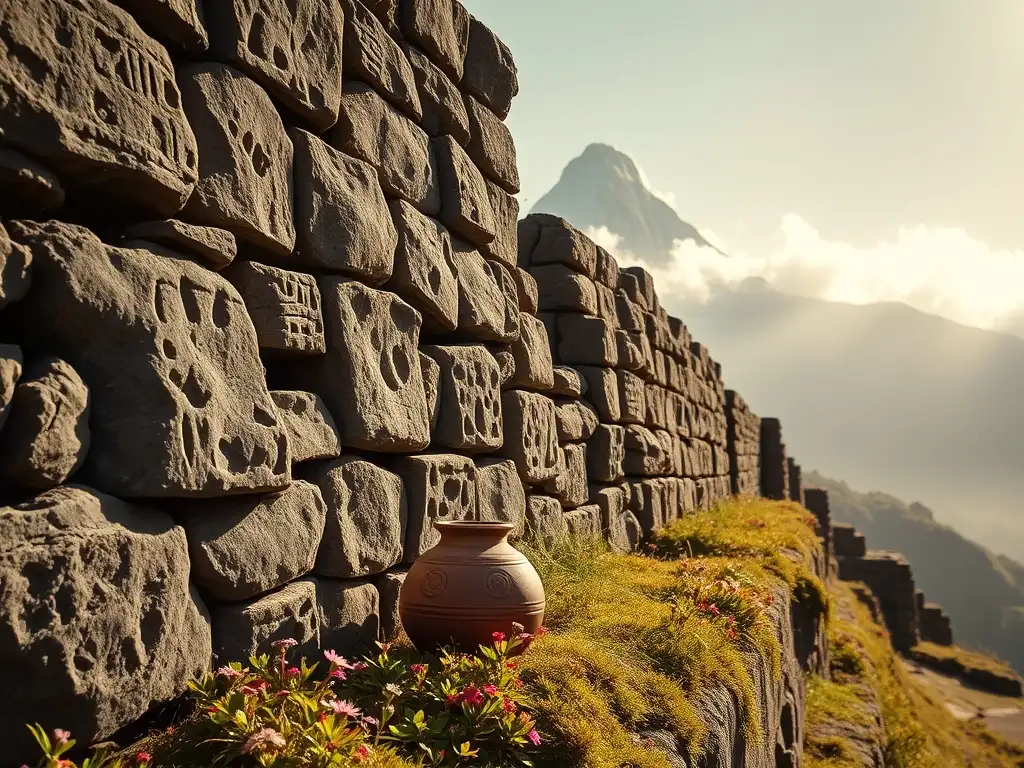
Sumaq Kawsay, meaning "to live well" or "to live in harmony," was not simply a philosophical concept for the Inca; it was a lived reality deeply intertwined with their spiritual beliefs and their relationship with the natural world. While the Inca Empire no longer exists, the principles of Sumaq Kawsay remain relevant and continue to inspire indigenous communities and individuals seeking a more balanced and sustainable way of life. Understanding how these principles manifest in contemporary society requires examining both the challenges and the enduring relevance of this ancient Andean philosophy.
Challenges to Implementing Sumaq Kawsay Today
The application of Sumaq Kawsay principles in the modern world faces significant hurdles. Globalization, with its emphasis on economic growth and technological advancement, often clashes directly with the holistic worldview inherent in Sumaq Kawsay. For example, the extraction of natural resources, a cornerstone of modern economies, directly contradicts the Inca emphasis on respecting and maintaining the ecological balance. Deforestation, mining, and unsustainable agricultural practices all threaten the very environment that Sumaq Kawsay seeks to protect.
Furthermore, the rapid urbanization and migration away from traditional Andean communities have weakened the transmission of ancestral knowledge and practices related to Sumaq Kawsay. Younger generations, often exposed to different cultural influences and lifestyles, may not fully understand or appreciate the importance of living in harmony with nature and the spiritual world. This cultural shift poses a serious threat to the preservation of this valuable philosophy.
The imposition of Western economic models and political structures also creates challenges. Individualistic values often prioritize personal gain over collective well-being, a stark contrast to the communal and reciprocal relationships central to Sumaq Kawsay. This conflict can lead to social inequalities and environmental degradation, undermining the very foundations of a "good life" as envisioned by the Inca. The pressure to adopt Western lifestyles and values often leads to the abandonment of traditional practices, further hindering the implementation of Sumaq Kawsay.
The Relevance of Sumaq Kawsay in a Globalized World
Despite these challenges, the principles of Sumaq Kawsay offer valuable insights for navigating the complexities of a globalized world. In a time marked by environmental crises, social inequalities, and spiritual disconnection, the Inca emphasis on balance, reciprocity, and respect for nature provides a powerful counter-narrative. The concept of ayni, reciprocal exchange, can serve as a model for fostering more equitable and sustainable economic systems. The emphasis on pachamama, Mother Earth, underscores the importance of environmental stewardship and the interconnectedness of all living things.
Sumaq Kawsay's holistic approach to well-being, encompassing physical, emotional, and spiritual dimensions, offers a refreshing alternative to materialistic pursuits. It suggests that a fulfilling life is not solely defined by material possessions but by harmonious relationships with oneself, others, and the natural world. This perspective is particularly relevant in a world grappling with issues of mental health and social isolation.
By re-evaluating our priorities and embracing a more balanced and interconnected way of life, we can draw valuable lessons from this ancient Andean philosophy. The concept of "Sumaq Kawsay Inca philosophy" offers a path towards a more sustainable and just future.
Examples of Indigenous Communities Practicing Sumaq Kawsay
Many indigenous communities in the Andes continue to actively practice principles consistent with Sumaq Kawsay. Their traditional agricultural practices, often involving terracing, crop rotation, and water management systems, demonstrate a deep understanding of ecological balance. These methods ensure sustainable food production while minimizing environmental impact. Furthermore, their ceremonies and rituals reflect a strong connection to the spiritual realm and a deep respect for pachamama.
These communities often maintain strong social networks and reciprocal relationships within their communities, fostering a sense of collective well-being. They prioritize communal decision-making and resource management, ensuring that the needs of all members are met. Studying these communities provides valuable insights into how Sumaq Kawsay can be implemented in practical ways, offering a pathway toward a more sustainable and equitable future.
Their resilience and adaptability in the face of modernization serve as a powerful testament to the enduring relevance of this ancient Andean philosophy. Documenting and supporting these communities is crucial for preserving this valuable cultural heritage and learning from their successful integration of Sumaq Kawsay principles in contemporary life. Their practices offer concrete examples of how to live well, in harmony with nature and the divine, even in the context of a rapidly changing world.
The Legacy of Sumaq Kawsay: Inspiring Future Generations
Sumaq Kawsay, meaning "to live well" or "to live in beauty" in Quechua, wasn't merely a philosophical concept for the Inca; it was a lived reality deeply intertwined with their spiritual beliefs and societal structures. Its enduring legacy continues to resonate today, offering valuable insights for navigating modern challenges. Understanding the Inca's approach to Sumaq Kawsay reveals a sophisticated worldview that prioritized harmony between humanity, nature, and the divine.
This holistic perspective, far from being a relic of the past, provides a framework for building more sustainable and equitable societies. The principles of Sumaq Kawsay, though rooted in the Inca worldview, offer universal lessons applicable to contemporary concerns about environmental sustainability and social justice.
The concept's enduring power lies in its ability to inspire a more balanced and harmonious way of life, one that respects both the natural world and the interconnectedness of all beings. The impact of Sumaq Kawsay extends beyond academic discourse; it actively informs contemporary indigenous movements advocating for environmental protection and cultural revitalization across the Andes.
Sumaq Kawsay and the Preservation of Andean Culture
The enduring relevance of Sumaq Kawsay is evident in its role in contemporary Andean cultural preservation efforts. Indigenous communities continue to draw upon this philosophy to guide their practices and resist the homogenizing forces of globalization. For example, many communities are actively reviving traditional agricultural techniques, emphasizing biodiversity and sustainable resource management—all core tenets of Sumaq Kawsay.
The philosophy serves as a powerful counter-narrative to extractive economic models, promoting instead a more reciprocal relationship between humans and the environment. This revitalization isn't merely nostalgic; it's a conscious effort to maintain cultural identity and protect ancestral knowledge, ensuring the continuity of a worldview that prioritizes harmony and balance. The preservation of traditional textiles, music, and ceremonies, often deeply rooted in Sumaq Kawsay principles, serves as a testament to the living legacy of this ancient philosophy.
The ongoing efforts to protect sacred sites and traditional territories further highlight the philosophy’s enduring power in shaping contemporary Andean identities and social movements. These initiatives demonstrate the practical application of Sumaq Kawsay in navigating the complexities of modern life while preserving valuable cultural heritage.
Lessons from Sumaq Kawsay for a More Sustainable Future
The principles of Sumaq Kawsay offer profound lessons for building a more sustainable future. The Inca's emphasis on reciprocal relationships with nature, avoiding exploitation and prioritizing balance, provides a stark contrast to contemporary unsustainable practices. Their sophisticated agricultural techniques, such as terracing and irrigation, demonstrate an understanding of environmental stewardship that remains relevant today.
The Inca's careful management of resources, coupled with their deep respect for the interconnectedness of all living things, stands as a powerful example of sustainable living. Furthermore, the concept of ayni, reciprocal exchange and mutual support, offers a model for building more equitable and collaborative societies. By embracing the principles of Sumaq Kawsay, we can learn to reduce our ecological footprint, promote social justice, and foster a deeper connection with the natural world.
This holistic approach, emphasizing both environmental and social sustainability, offers a compelling alternative to the often-fragmented and unsustainable models that dominate contemporary society. Adopting the Inca's emphasis on balance and reciprocity can lead to a more harmonious and sustainable future for all.
Sumaq Kawsay: A Path Towards a More Balanced Life
Applying the core principles of Sumaq Kawsay to modern life can lead to a more balanced and fulfilling existence. By fostering a deeper connection with nature, we can cultivate a greater sense of well-being and appreciation for the natural world. Practicing ayni, reciprocal exchange and mutual support within our communities, can strengthen social bonds and foster a sense of belonging.
Embracing a more mindful approach to consumption, prioritizing sustainability and reducing waste, aligns with the Inca emphasis on resource management and respect for the environment. This path towards Sumaq Kawsay is not about abandoning modern conveniences but about integrating them thoughtfully into a more balanced lifestyle. It's about finding harmony between our personal needs and the well-being of the planet and our communities.
It's about cultivating a deeper understanding of our place within the larger web of life, recognizing our interconnectedness with all living beings and the natural world. This holistic approach to life, inspired by the Inca philosophy of Sumaq Kawsay, offers a pathway to a more fulfilling and meaningful existence. It is a journey towards living well, in harmony with nature and the divine, a concept as relevant today as it was centuries ago.
Frequently Asked Questions
What is Sumaq Kawsay?
Sumaq Kawsay, a Quechua term, translates roughly to "to live well" or "harmonious living." It represents a fundamental Inca philosophy emphasizing balance between humans, nature, and the divine. This philosophy guided their societal structures and daily lives.
How did the Incas apply Sumaq Kawsay in their daily lives?
The Incas integrated Sumaq Kawsay into all aspects of life, from agriculture and community organization to religious practices. Their sustainable farming techniques and social structures reflected a deep commitment to living in harmony with their environment.
What is the significance of the term's connection to nature?
Sumaq Kawsay highlights the interdependence between humanity and the natural world. The Incas viewed themselves as part of a larger ecosystem, emphasizing respect for the environment and sustainable resource management. This is reflected in their agricultural practices and worldview.
How does Sumaq Kawsay relate to the Inca's spiritual beliefs?
The Inca's spiritual beliefs were deeply intertwined with Sumaq Kawsay. Their religious practices were aimed at maintaining balance and harmony within the cosmos. Achieving Sumaq Kawsay was seen as essential for spiritual wellbeing and societal prosperity.
How is the concept of Sumaq Kawsay relevant today?
The principles of Sumaq Kawsay offer valuable insights for modern society, promoting sustainable living, community well-being, and respect for the environment. Its emphasis on balance and harmony remains highly relevant in addressing contemporary global challenges.
Final Reflection: Weaving the Threads of Sumaq Kawsay into Modern Life
The ancient Inca philosophy of Sumaq Kawsay, meaning "to live well" in harmony with nature and the divine, offers a powerful antidote to the ecological and social crises of our time. Its emphasis on balance, reciprocity, and respect for all living things resonates deeply with the urgent need for sustainable practices and a more just world. We are witnessing the devastating consequences of ignoring these principles, and the wisdom of Sumaq Kawsay provides a compelling path forward.
The enduring relevance of Sumaq Kawsay lies in its holistic approach to life, a perspective often lost in our fragmented modern world. It reminds us that our well-being is inextricably linked to the well-being of the planet and all its inhabitants. This interconnectedness is not merely an abstract concept but a lived reality, as evidenced by the increasing frequency and severity of environmental disasters and social inequalities. The earth provides enough to satisfy every man's needs but not every man's greed,
a sentiment echoing the core principles of Sumaq Kawsay and highlighting the dangers of unchecked consumption. This philosophy challenges us to reconsider our relationship with the natural world and each other, urging a shift from a mindset of dominance to one of respectful co-existence.
Consider the profound implications of Sumaq Kawsay for your own life. How can you integrate its principles of balance, reciprocity, and respect into your daily choices? What small steps can you take to live more harmoniously with nature and your community? By embracing the wisdom of this ancient philosophy, we can each contribute to a more sustainable and just future, weaving the threads of Sumaq Kawsay into the fabric of our lives and creating a world where all beings can truly thrive.
Embrace the Essence of Sumaq Kawsay Today!
Thank you for exploring the profound concept of Sumaq Kawsay with us! We hope you feel inspired to integrate its principles of harmony with nature and a sense of the divine into your daily life. Now is the perfect time to begin incorporating these values into your actions.
Here are some practical ways to begin:
- Volunteer for a local environmental initiative, contributing to a more harmonious community.
- Cultivate mindfulness through nature by taking a peaceful walk and connecting with the natural world around you.
- Share your newfound understanding of Sumaq Kawsay with friends and family, inspiring them to explore its beauty.
How will you weave the principles of Sumaq Kawsay into your daily life? Share your thoughts in the comments below!