
The Priest's Sacrifice: Appeasing the Gods and Ensuring Cosmic Balance in the Andes

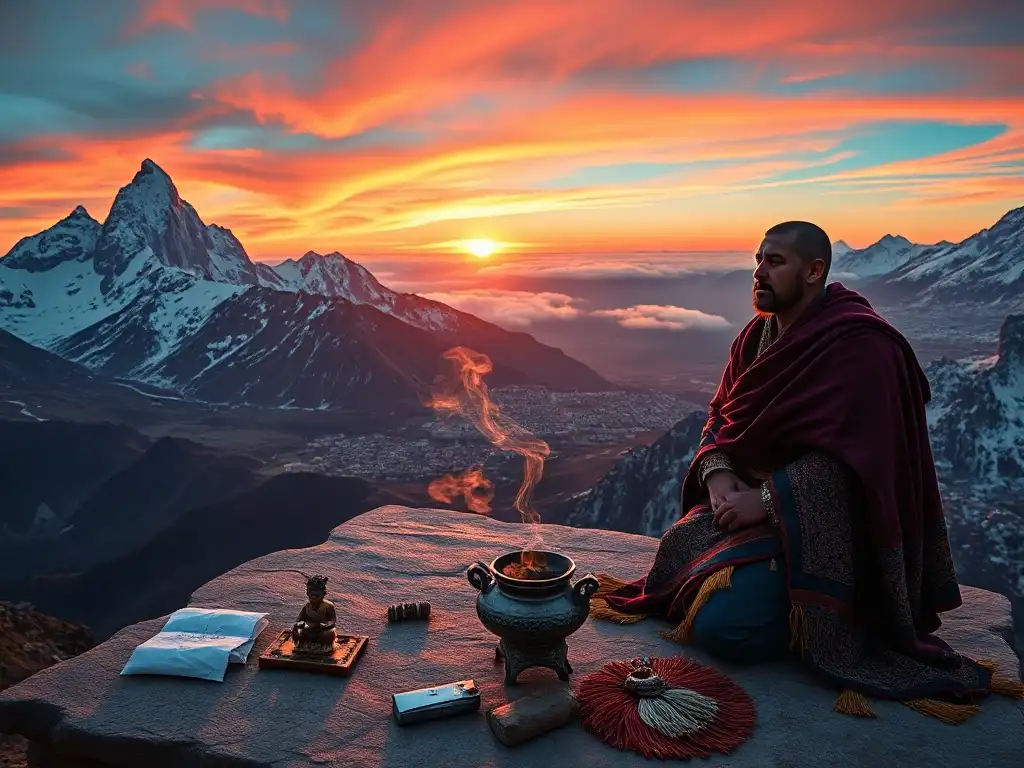
Step into a world shrouded in mystery and breathtaking grandeur. For centuries, the towering peaks of the Andes have guarded the secrets of remarkable civilizations. Discover the intricate tapestry of Andean culture, from the awe-inspiring artistry of the Nazca lines to the sophisticated engineering of the Incas.
But some secrets remain deeply buried... What truly lay behind the chilling practice of Andean civilization priest sacrifices? Unravel the enigma and delve into the complex religious beliefs that shaped these ancient societies; explore the chilling rituals and their profound impact on the Andean worldview. Journey with us to uncover the truth behind the Priest's Sacrifice.
The Andean civilizations, renowned for their intricate social structures and awe-inspiring architectural feats, held a deeply complex religious system centered around the concept of maintaining cosmic balance. This delicate equilibrium, believed to govern the natural world and human existence, required constant attention and appeasement of the numerous gods and spirits inhabiting the Andes. Central to this intricate system were the priests, powerful intermediaries who played a crucial role in mediating between the human and divine realms.
This article delves into the practice of sacrificial offerings, a pivotal aspect of Andean religion, exploring the motivations, rituals, and significance of these actions in ensuring the continued prosperity and well-being of their societies. We will examine the different types of sacrifices employed and analyze their profound impact on the Andean worldview, shedding light on the crucial role of priests in maintaining the cosmic order.
Understanding these practices provides invaluable insight into the deeply spiritual and interconnected nature of Andean civilization. The keyword "Andean civilization priest sacrifices" is central to this exploration.
Understanding the Role of Priests in Andean Societies
Andean priests, often referred to as paqos or yachaq, were not merely religious figures; they were highly respected members of society, wielding significant social and political influence. Their expertise extended beyond religious rituals; they often served as advisors to rulers, healers, and interpreters of dreams and omens.
Their deep understanding of the cosmos and the intricate relationships between the human and spiritual worlds made them essential for maintaining social harmony and ensuring the prosperity of their communities. This influence stemmed from their perceived ability to communicate directly with the divine, offering prayers, conducting ceremonies, and interpreting the will of the gods.
The level of respect and authority bestowed upon them varied across different Andean cultures, but their overall importance in maintaining the delicate balance of the cosmos was universally recognized. Their role was multifaceted, encompassing spiritual guidance, political counsel, and even astronomical observations used to predict agricultural cycles and plan important events.
The Importance of Ritual Sacrifice in Andean Religion
Ritual sacrifice formed the cornerstone of Andean religious practice, a vital act aimed at maintaining the cosmic balance and ensuring the continued favor of the deities. The belief that the gods demanded offerings to sustain their power and maintain the harmonious order of the universe was deeply ingrained in Andean cosmology.
These sacrifices were not simply acts of appeasement but rather a fundamental component of a complex reciprocal relationship between humanity and the divine. By offering gifts – be they precious objects, agricultural products, or even human lives – the Andean people sought to strengthen their connection with the supernatural world and secure blessings of abundance, fertility, and protection.
The success of agricultural cycles, the health of the community, and even the very existence of the cosmos were perceived as dependent on these ritualistic acts. Failure to maintain this sacred exchange was believed to lead to catastrophic consequences, highlighting the critical role of sacrifice in Andean spirituality.
The Cosmic Order and the Need for Sacrificial Offerings
The Andean worldview was deeply interconnected, emphasizing the delicate balance between the earthly and celestial realms. This cosmic order, known as kay pacha (this world), ukhu pacha (the underworld), and hanan pacha (the upper world), required constant attention and interaction. Sacrifices were seen as a way to strengthen the bonds between these three realms, ensuring a harmonious flow of energy and preventing chaos.
The offering, whether a llama, maize, or other precious goods, was seen as a bridge connecting the human world to the divine, renewing the vital energy that sustained life and maintained the cosmic balance. The act itself was not simply a material offering but a symbolic gesture of respect, gratitude, and supplication.
The success of the harvest, the health of the community, and the stability of the empire were all seen as directly linked to the success of these sacrifices. The failure to perform these rituals, or to perform them incorrectly, was believed to lead to calamities such as droughts, disease, and social unrest.
Types of Sacrifices Performed by Andean Priests
Andean priests oversaw a wide range of sacrificial offerings, varying in scale and significance. These ranged from the offering of agricultural produce, such as maize and coca leaves, to precious metals and textiles. Animal sacrifices, particularly llamas and alpacas, were common, often chosen for their symbolic importance within Andean culture. In certain instances, human sacrifice was also practiced, although the frequency and context varied significantly across different Andean cultures and historical periods. These human sacrifices, often involving children or young adults, were typically reserved for significant events, such as the inauguration of a new ruler or during times of crisis. The motivations behind these sacrifices were complex, ranging from appeasement of the gods to the belief that the sacrifice would ensure the prosperity and well-being of the community. 1 Detailed records of these practices, however, are scarce, leaving many aspects of these rituals open to interpretation and further scholarly investigation.
1 Further research is needed to fully understand the nuances of human sacrifice in different Andean cultures.
Andean Civilization Priest Sacrifices: A Deep Dive
Andean civilization priest sacrifices represent a complex and multifaceted aspect of ancient Andean religious practices. These rituals, far from being mere acts of brutality, were deeply embedded in the cosmological beliefs and social structures of various Andean cultures. Understanding these sacrifices requires moving beyond simplistic interpretations and engaging with the intricate web of beliefs surrounding the relationship between the human world and the supernatural realm.
The motivations behind these acts were diverse, ranging from appeasing powerful deities to ensuring the fertility of the land and the prosperity of the community. The types of sacrifices varied greatly, encompassing human sacrifice, animal sacrifice, and the offering of precious goods and materials. The evidence suggests a sophisticated ritualistic framework, with priests playing a central role in orchestrating and conducting these ceremonies.
The study of Andean sacrifices provides invaluable insights into the worldview, social organization, and power dynamics of these ancient societies. Careful analysis of archaeological findings, alongside interpretations of iconography and surviving texts (where available), allows us to piece together a more nuanced understanding of these practices. The sheer variety in the types of sacrifices and the contexts in which they occurred demonstrates the dynamism and adaptability of Andean religious beliefs over time.
Human Sacrifice in Andean Cultures: Motives and Context
Human sacrifice in Andean cultures, while undeniably a grim aspect of their religious practices, was not a random act of violence. Archaeological evidence suggests that the selection of individuals for sacrifice followed specific criteria, often involving the choice of children or young adults deemed to possess particular qualities or representing specific social groups. The motivations behind these sacrifices were complex and varied among different Andean cultures.
In some cases, human sacrifice was believed to ensure the fertility of the land, appease angry deities, or secure victory in war. The Inca, for example, often sacrificed individuals during significant events like the enthronement of a new Sapa Inca or during times of drought or famine. The Moche culture, known for its elaborate iconography, depicted human sacrifices in their ceramic art, suggesting that these events were deeply ingrained in their religious beliefs and social practices.
The exact circumstances and rituals surrounding human sacrifices varied across different Andean societies, highlighting the diverse interpretations and practices within the broader Andean religious landscape. Further research is needed to fully understand the nuances of human sacrifice within specific Andean cultural contexts.
Animal Sacrifices: Symbolic Meanings and Purposes
Animal sacrifices played a significant role in Andean religious practices, complementing and sometimes overshadowing human sacrifices. The animals chosen for sacrifice were not arbitrary; they held symbolic meanings rooted in Andean cosmology. Llamas, alpacas, and vicuñas, crucial to the Andean economy, were frequently offered as sacrifices, possibly symbolizing the connection between the human and animal worlds and ensuring the continued prosperity of livestock.
Other animals, such as birds and guinea pigs, might have held specific symbolic significance related to particular deities or cosmological events. The act of animal sacrifice was not solely about the offering of life; it also involved the consumption of the sacrificed animal by the community, symbolizing a shared communion with the divine and reinforcing social bonds.
The preparation of the animal, the specific rituals involved in the sacrifice, and the subsequent distribution of the meat all contributed to the overall significance of the event. The selection of the animal, its age, and even its color might have held specific symbolic meaning within the context of the ceremony.
Offerings of Goods and Precious Materials
Beyond human and animal sacrifices, the Andean civilizations also practiced the offering of goods and precious materials to the deities. These offerings ranged from everyday objects to highly valuable items such as gold and silver artifacts, textiles, ceramics, and food.
These offerings were often placed in tombs, caves, or other sacred sites, reflecting the belief that these materials could bridge the gap between the human and spiritual realms. The quantity and quality of the offerings often reflected the status of the individual or community making the offering, indicating a hierarchical structure in terms of religious devotion and social standing.
The careful placement and arrangement of the offerings also suggest a structured ritual process, emphasizing the importance of these actions within the religious framework. The inclusion of specific items, such as coca leaves, chicha (fermented maize beverage), or particular types of pottery, may have held specific symbolic meaning related to the occasion or the deity being honored.
The Priest's Role in the Sacrificial Ceremony
The priest played a crucial, multifaceted role in the sacrificial ceremonies of the Andean civilizations. Their expertise in religious rituals, knowledge of cosmology, and understanding of the sacred ensured the proper execution of these complex events. They were not merely executors of the sacrifice; they acted as intermediaries between the human and divine worlds, interpreting divine will and ensuring the efficacy of the ritual. Their social standing was often high, reflecting their importance within the community and their connection to the supernatural.
The training and preparation of priests involved years of study and rigorous rituals, highlighting the specialized knowledge and skills required for their role. Their influence extended beyond the act of sacrifice itself, shaping religious beliefs and practices within their communities. The priests’ actions were central to maintaining cosmic balance and ensuring the well-being of the society.
Preparation and Purification Rituals
Before the sacrificial ceremony could begin, a series of rigorous preparation and purification rituals were undertaken by the priests and participants. These rituals aimed to cleanse both the individuals and the sacred space, creating an environment conducive to communication with the divine. Fasting, bathing, and the use of specific herbs and plants were common practices, symbolizing a physical and spiritual cleansing.
The priests, often adorned in specific garments and ornaments, would lead these purification rituals, using their knowledge of sacred texts and practices to ensure proper execution. The preparation phase was crucial in establishing the appropriate atmosphere for the sacrifice, ensuring that the ritual would be effective in achieving its intended purpose. The details of these preparations varied among different Andean cultures, reflecting the diversity of their religious traditions.
The Priest as Intermediary Between Worlds
The Andean priest served as a crucial intermediary between the human world and the supernatural realm. They possessed the knowledge and skills to communicate with the deities, interpret omens, and ensure the success of the ritual. Their role was not passive; they actively engaged with the divine, interpreting signs and guiding the community through the complexities of their religious beliefs.
This intermediary role was essential in maintaining cosmic balance and ensuring the well-being of the community. The priest’s ability to interpret divine messages and translate them into action was central to the religious and social order of Andean civilizations. Their actions were carefully observed and interpreted by the community, highlighting the significance of their role in maintaining social cohesion and religious harmony.
Performance of the Sacrificial Act
The performance of the sacrificial act itself was a carefully orchestrated ritual, guided by the priest's expertise and knowledge. The specific procedures varied across different Andean cultures and contexts, but the priest always played a central role in directing the ceremony. This included the preparation of the sacrificial offering, the invocation of the deities, and the actual performance of the sacrifice.
The priest's actions were often accompanied by music, chanting, and other ritualistic practices, creating a sacred atmosphere intended to facilitate communication with the supernatural. The priest's mastery of these rituals was essential in ensuring the efficacy of the sacrifice and maintaining the proper relationship between the human and divine worlds. The precise details of the sacrificial act, often shrouded in mystery, continue to be revealed through ongoing archaeological research and careful analysis of existing evidence.
Specific Examples of Priest Sacrifices in Andean Civilizations
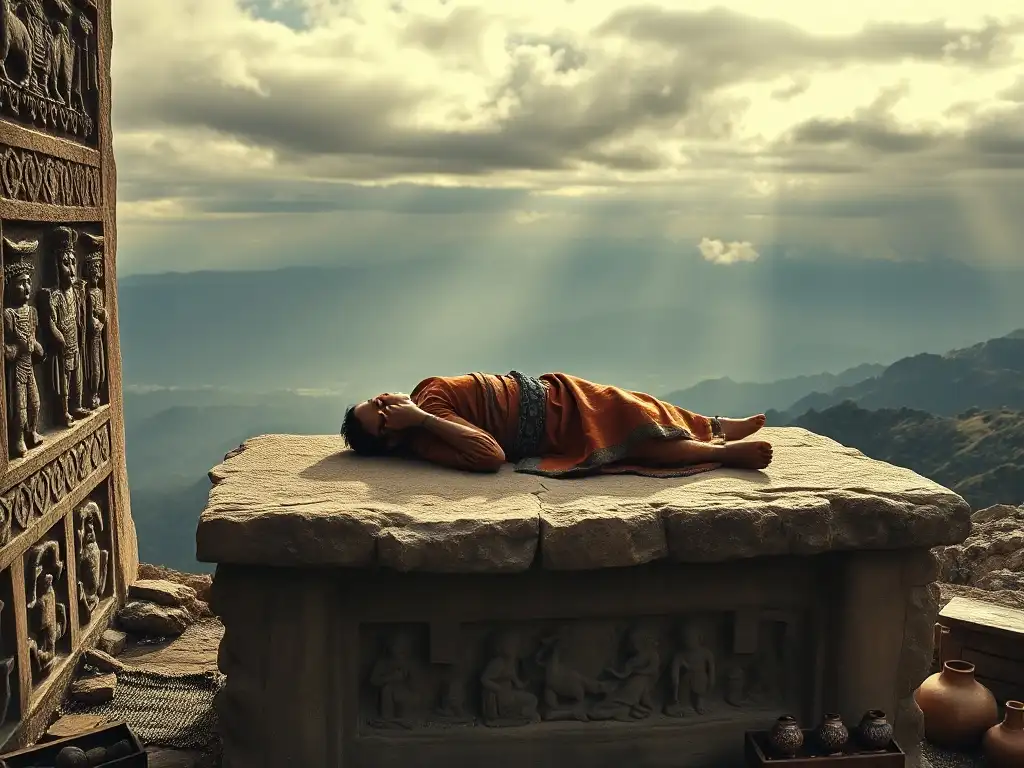
Andean civilization priest sacrifices weren't uniform across all cultures; practices varied significantly depending on the specific civilization and its unique beliefs. While the details are often shrouded in the mists of time and interpretation of archaeological findings, certain trends and common threads emerge. The act of sacrifice, regardless of its form, consistently aimed to maintain a delicate balance between the human world and the sacred realm.
The priests, as intermediaries between these two worlds, played a crucial role in these rituals. Their understanding of the cosmos and their ability to perform the rites correctly were considered vital for the well-being of their communities. The sacrifices weren't simply acts of violence but rather deeply symbolic actions imbued with religious meaning.
The chosen victims, often children or young adults, were seen as particularly pure and capable of carrying the community's prayers to the gods. The meticulous preparation and execution of these rituals underscore their importance within Andean societies. The sheer number of sites where evidence of sacrifices has been found across the Andes highlights the pervasiveness of this practice throughout different regions and time periods.
Inca Sacrificial Practices: The Capacocha Ritual
The Inca civilization's most renowned sacrificial practice was capacocha, a ritual involving the sacrifice of children and young adults, often chosen from the elite classes. These individuals were considered to be offerings to the gods, particularly to the sun god Inti. The capacocha ritual wasn't a simple killing; it was a complex ceremony involving a journey to mountaintops, where the victims were ritually killed and then carefully buried.
Archaeological evidence, such as the mummified remains found at various high-altitude sites, provides invaluable insights into this practice. The careful preservation of the bodies, often adorned with fine clothing and jewelry, suggests the high status of the victims and the reverence with which the ritual was conducted.
The capacocha ritual was likely seen as a way to strengthen the Inca Empire's connection to the divine, maintaining the cosmic balance and ensuring the prosperity of the empire. The selection of individuals was not arbitrary; it was a process involving careful consideration and possibly a sense of honor for the chosen ones, reflecting the intricate social and political structures of the Inca Empire.
Moche Sacrificial Rites: Iconography and Archaeological Evidence
The Moche civilization, known for its elaborate artistry and sophisticated social organization, also practiced human sacrifice. Unlike the Inca capacocha, Moche sacrifices are depicted vividly in their pottery and other artifacts. These depictions often show scenes of ritual sacrifice, providing valuable insights into their religious beliefs and practices.
Archaeological excavations have unearthed numerous burial sites containing the remains of individuals sacrificed in various contexts. The iconography clearly shows the importance of warfare and the capture of prisoners, often depicted as sacrificial victims. The Moche priests' role in these rituals is evident in the artistic representations, which depict priests overseeing the ceremonies.
Analyzing the Moche's iconography, along with the archaeological evidence, reveals a complex system of beliefs involving war, sacrifice, and the appeasement of their gods. The sacrifices weren't just about appeasing the gods; they were also likely connected to political power and social control within the Moche society. The detailed depictions on Moche pottery illustrate the brutal yet ritualistic nature of these sacrifices.
Other Andean Cultures and Their Unique Sacrificial Traditions
Numerous other Andean cultures, including the Nazca and Tiahuanaco, also practiced human sacrifice, each with its own unique characteristics. The Nazca, famous for their geoglyphs, likely performed sacrifices related to their elaborate irrigation systems and agricultural practices. The limited evidence available suggests that these sacrifices aimed to ensure the success of their crops and the well-being of their communities.
The Tiahuanaco, a powerful civilization known for its monumental architecture, likely engaged in elaborate sacrificial rituals related to their complex religious beliefs and cosmology. While the specific details remain unclear due to limited archaeological evidence, it’s clear that sacrifice played a significant role in their religious practices. Further research and archaeological discoveries are crucial to fully understand the diversity of sacrificial practices across the various Andean cultures.
Each culture's unique approach to sacrifice reflects the specific challenges and religious beliefs of its time and place within the Andes. The similarities and differences across cultures provide a rich tapestry of Andean religious practices.
The Significance of Andean Priest Sacrifices for Cosmic Balance
Andean priest sacrifices were not merely acts of violence but deeply symbolic rituals integral to maintaining cosmic balance and ensuring the well-being of their communities. The Andean worldview emphasized a delicate equilibrium between the human world and the supernatural realm. Disruptions to this equilibrium, whether through natural disasters, social unrest, or other calamities, were believed to be caused by displeased deities.
Priest sacrifices served as a means to restore this harmony, appeasing the gods and ensuring the continued prosperity of the society. The priests' expertise in ritual performance and their intimate knowledge of the cosmos were vital in these processes. Their actions were seen as crucial for mediating between the human and divine realms, ensuring the flow of positive energies and preventing negative forces from disrupting the balance.
Maintaining Harmony Between the Gods and Humanity
The primary purpose of Andean priest sacrifices was to maintain harmonious relations between the gods and humanity. It was believed that the gods demanded appeasement to ensure the continued blessings of fertility, good health, and protection from natural disasters. The sacrifices, therefore, acted as a form of tribute, demonstrating the community's reverence and dependence on the divine.
The meticulous preparation and execution of these rituals highlighted the gravity of the situation and the importance of maintaining this relationship. The priests, through their actions, played a critical role in safeguarding the community's well-being by ensuring that the gods remained favorably disposed towards them. The success of the harvest, the health of the community, and even the stability of the political order were all seen as directly linked to the maintenance of this harmonious relationship.
Ensuring Agricultural Fertility and Abundance
Agricultural fertility was paramount in the Andean civilizations, largely dependent on the unpredictable forces of nature. Priest sacrifices were often performed to ensure bountiful harvests and to ward off crop failures. The sacrifice of animals, and in some cases humans, was seen as a way of offering sustenance to the earth and the deities associated with agriculture.
The timing of these sacrifices often coincided with the agricultural calendar, underscoring their direct link to the success of the harvest. The meticulous rituals, often involving the offering of other goods and prayers, were designed to ensure the gods' favor and thereby guarantee a plentiful harvest, sustaining the community's survival. The close connection between religion and agriculture was a defining feature of Andean civilizations, with sacrifices acting as a key mechanism for ensuring agricultural productivity.
The Cycle of Life, Death, and Renewal
The Andean concept of life, death, and renewal was profoundly intertwined with their sacrificial practices. Death wasn't seen as an end but rather as a transition to another realm, a necessary component of the cyclical nature of life. The sacrifice of a chosen individual represented a symbolic offering to the gods, ensuring the continuation of the cycle and the renewal of life. This cyclical perspective emphasizes the importance of balance and the interconnectedness of life and death within the Andean worldview.
The sacrifices were not simply acts of violence but rather rituals that played a crucial role in maintaining this cyclical balance and ensuring the continuity of life within their societies. This perspective provides a deeper understanding of the Andean worldview and the significance of their sacrificial practices within that context. 🎉
Interpreting Andean Sacrifices in Modern Times
Interpreting Andean sacrifices requires a nuanced approach, moving beyond simplistic notions of brutality and acknowledging the complex cosmovision that shaped these rituals. For the Andean peoples, sacrifice wasn't merely about appeasement; it was a fundamental aspect of maintaining cosmic balance and ensuring the prosperity of their communities. The act of offering something precious – be it a llama, a human, or precious artifacts – was seen as a reciprocal exchange with the divine, a way to strengthen the relationship between the human and spiritual realms.
Understanding this requires moving away from a purely Western lens and engaging with Andean perspectives, as revealed through archaeological evidence and ethnohistorical accounts. This involves considering the social status of those sacrificed, the context of the ritual, and the symbolic meaning attached to the offerings. Modern interpretations must grapple with the inherent biases of the available evidence and strive for a more holistic understanding of Andean religious practices.
The challenge lies in acknowledging the profoundly different worldview that underlay these practices, recognizing them not as acts of senseless violence, but as deeply meaningful actions within a specific cultural framework. The goal is not to condone or condemn, but to comprehend.
Archaeological Discoveries and New Perspectives
Recent archaeological discoveries continue to reshape our understanding of Andean sacrifices. Excavations at sites like Cerro Blanco and El Brujo in Peru have unearthed incredible details about sacrificial practices, revealing the sophistication and ritual complexity involved. The discovery of mummified individuals in sacrificial contexts, often accompanied by elaborate grave goods, provides invaluable insights into the social and political implications of these rituals.
These finds, coupled with advanced scientific techniques like DNA analysis and isotopic studies, offer new perspectives on the identities of the sacrificed individuals, their diets, and their origins. For example, the analysis of skeletal remains can reveal whether the sacrificed individuals were local or from distant communities, shedding light on the broader networks of power and exchange within Andean societies.
The ongoing research and technological advancements continue to challenge existing interpretations and provide fresh avenues for understanding the diverse range of sacrificial practices across different Andean cultures. This constant refinement of our knowledge underscores the dynamic nature of archaeological research and its crucial role in shaping our understanding of Andean history and religion.
Ethical Considerations and the Study of Ancient Rituals
The study of Andean sacrifices necessitates careful consideration of ethical implications. The excavation and analysis of human remains raise sensitive questions about respect for the deceased and the potential for cultural appropriation. Researchers have a responsibility to work in collaboration with descendant communities, ensuring that their perspectives are incorporated into the research process and that the remains are treated with dignity and respect.
This involves engaging in meaningful dialogue with community leaders and respecting traditional beliefs and practices surrounding death and ancestor veneration. Transparency in research methodologies and the dissemination of findings are also crucial to fostering mutual understanding and avoiding the perpetuation of harmful stereotypes. Ethical considerations extend beyond the handling of physical remains to encompass the interpretation and representation of ancient rituals.
It is essential to avoid sensationalizing or misrepresenting the findings, and to strive for accuracy and sensitivity in communicating this complex subject matter to a wider audience. The responsible study of Andean sacrifices requires a commitment to ethical practices, cultural sensitivity, and a deep respect for the human dignity of those who lived and died in these ancient societies.
The Legacy of Andean Priest Sacrifices in Contemporary Society
The legacy of Andean priest sacrifices continues to resonate in contemporary society, albeit in transformed ways. While the practice itself is no longer prevalent, its echoes can be seen in various aspects of Andean culture and identity. The enduring importance of ancestor veneration and the continued celebration of traditional festivals reflect the deep-seated spiritual beliefs that underpinned ancient sacrificial practices.
The vibrant textile traditions of the Andes, often incorporating symbolic representations of deities and rituals, serve as a visual reminder of the rich tapestry of Andean religious life. Moreover, the ongoing dialogue surrounding the ethical treatment of ancestral remains and the interpretation of ancient rituals highlights the enduring relevance of these issues in the present day. Discussions about the preservation of archaeological sites and the repatriation of cultural artifacts are directly related to the legacy of Andean sacrificial practices and the need to respect the cultural heritage of indigenous communities.
The ongoing engagement with the past provides opportunities for fostering a deeper understanding of Andean culture and its continuity across time, while also raising important ethical questions about the relationship between past and present. The legacy of these rituals is not merely a historical artifact; it is a dynamic and evolving aspect of Andean identity that continues to shape cultural practices and inspire contemporary discussions.
- Understanding the Role of Priests in Andean Societies
- The Importance of Ritual Sacrifice in Andean Religion
- Andean Civilization Priest Sacrifices: A Deep Dive
- The Priest's Role in the Sacrificial Ceremony
- Specific Examples of Priest Sacrifices in Andean Civilizations
- The Significance of Andean Priest Sacrifices for Cosmic Balance
- Interpreting Andean Sacrifices in Modern Times
Frequently Asked Questions
What role did priests play in Andean civilizations?
Priests held significant power in Andean societies, acting as intermediaries between the divine and human realms. They oversaw religious ceremonies, including sacrifices, and interpreted cosmic events.
Why were human sacrifices performed in the Andes?
Human sacrifice was believed to maintain cosmic balance and appease the gods. These acts were considered necessary to ensure prosperity and ward off calamities, reflecting a complex cosmology.
Were all Andean civilizations involved in human sacrifice?
While evidence suggests widespread practice across various Andean cultures, the frequency and scale varied. The Inca and Moche civilizations, for instance, are known for their sacrificial practices, though the specifics differed.
What types of sacrifices were common in Andean cultures?
Besides human sacrifice, animal sacrifices were also prevalent. Offerings included llamas, alpacas, and other animals, often accompanied by valuable objects. The type of sacrifice could vary depending on the occasion and the deity.
How did Andean priest sacrifices impact society?
These sacrifices profoundly impacted Andean societies, shaping their religious beliefs, social structures, and political power. The rituals reinforced the authority of priests and the elite, influencing daily life and worldview.
Final Reflection: Echoes of Sacrifice, Whispers of Resilience
The chilling rituals of Andean priest sacrifices, though distant in time, resonate powerfully with our modern understanding of power, belief, and the human cost of maintaining order. The intricate tapestry woven from religious fervor, political maneuvering, and the desperate hope for cosmic balance continues to fascinate and unsettle us, forcing a confrontation with the darker aspects of human history. Understanding these sacrifices is not about glorifying the past, but about learning from its complexities.
The enduring legacy of these practices extends far beyond the archaeological record; it permeates the cultural landscape of the Andes, shaping narratives, traditions, and even contemporary perspectives on leadership and community. The echoes of these sacrifices are heard in the hushed reverence still accorded to sacred mountains and the enduring strength of Andean communities. The past is never dead. It's not even past.
– William Faulkner. This quote perfectly encapsulates the persistent influence of these ancient rituals on the present-day Andean world, reminding us that history is not merely a collection of facts, but a living force.
Consider the weight of these sacrifices, the profound beliefs that fueled them, and the enduring questions they raise about the nature of faith, power, and the human condition. You, the reader, are now part of this ongoing conversation. Reflect on the choices we make today, the sacrifices we demand, and the balance we strive to maintain in our own lives and communities. Let the echoes of the past inspire a deeper understanding of the present and a more conscious shaping of the future.
Embrace the Legacy: Connect with the Wisdom of the Andes!
Thank you for exploring the rich tapestry of Andean civilization and the vital role of ritual sacrifice in maintaining cosmic balance. You've gained valuable insights into this incredible culture. Now, let's explore how you can integrate this knowledge into your own life.
Here are some ways to keep the spirit of the Andes alive:
- Delve deeper into Andean traditions: Visit a local museum or cultural center to discover artifacts and learn more about the stories that connect us to this ancient civilization.
- Engage with the Andean community: Join online forums or social media groups dedicated to Andean culture to share your insights and learn from others who share your passion.
- Share your newfound knowledge: Reflect on your discoveries and discuss the importance of understanding cultural rituals and their relevance in the modern world with your friends and family.
What aspect of Andean civilization resonates most with you, and how can you incorporate that inspiration into your daily life?