
The Andean Ritual of the Alpaca: Providing Wool for Sacred Textiles

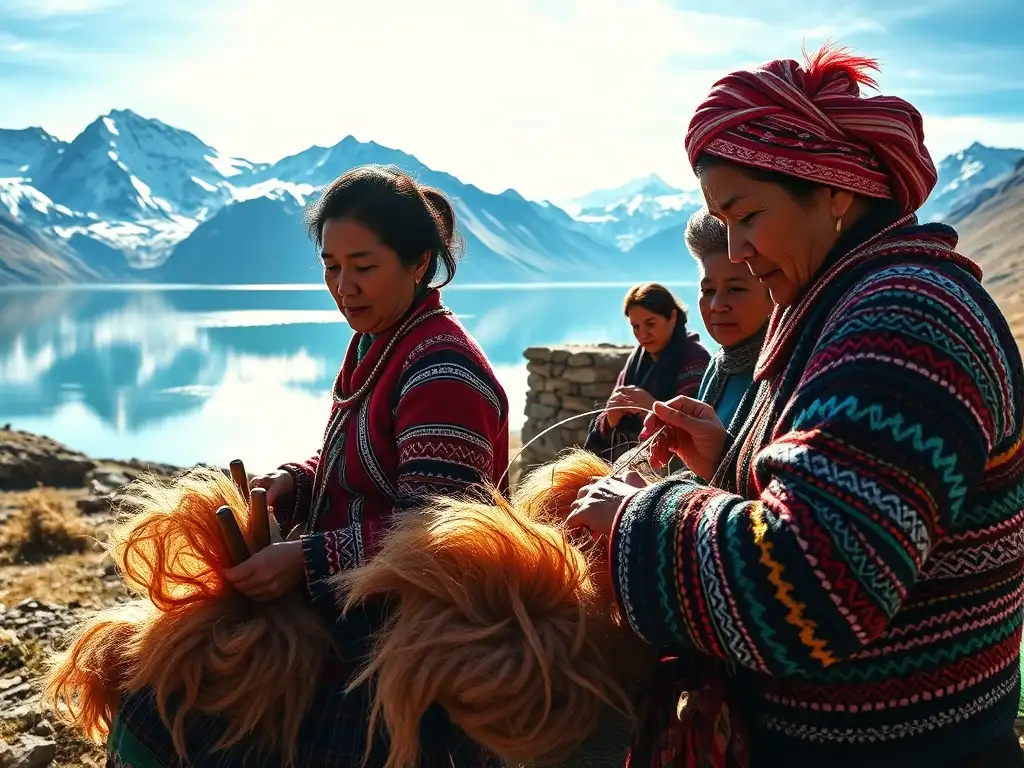
Dive into the mesmerizing world of the Andes, where the threads of history intertwine with the vibrant tapestry of ancient cultures. For centuries, these civilizations – from the Incas to the Nazca – wove not just cloth, but sacred narratives into their textiles. Discover the captivating story behind Andean alpaca wool sacred textiles, a ritualistic practice deeply embedded in Andean religion and cosmovision. Unravel the mysteries and explore the profound spiritual significance woven into every fiber. Prepare to be amazed.
The Andes Mountains, a spine of towering peaks running down the western edge of South America, were not just a geographical feature but a living, breathing entity for the ancient Andean civilizations. Their religious beliefs, deeply intertwined with the natural world, permeated every aspect of life, from agriculture to warfare, and especially the production of textiles.
This article delves into the profound significance of the alpaca in Andean culture, focusing on its role as a sacred provider of wool for the creation of intricately woven textiles used in religious rituals and ceremonies. We will explore the meticulous processes involved, the symbolism embedded within the designs, and the enduring legacy of this ancient tradition, demonstrating how the connection between Andean people, alpacas, and sacred textiles formed a crucial element of their spiritual world and continues to resonate today.
Understanding this ritual provides vital insight into the Andean cosmovision and its complex relationship with the animal kingdom and the natural environment. The use of alpaca wool in sacred textiles is a testament to the ingenuity and spiritual depth of these remarkable civilizations, showcasing their sophisticated understanding of both textile production and religious symbolism.
The Alpaca: A Sacred Animal in the Andean World
The alpaca, far from being merely a source of fiber, held a deeply sacred position within the Andean worldview. Considered a gift from the gods, its soft, luxurious fleece was not simply a commodity but a tangible link to the spiritual realm. Ancient Andean texts, though limited in their direct survival, allude to the alpaca's sacred status, often depicted in iconography alongside deities and other symbolic figures.
Archaeological discoveries further substantiate this reverence, with numerous alpaca effigies found in burial sites and ceremonial contexts. These weren't just simple figurines; they were often intricately crafted, reflecting the high value placed upon the animal and its role in Andean society. The color of the alpaca's fleece also held symbolic meaning, with certain shades associated with specific deities or cosmological events.
For example, white alpaca wool was often associated with purity and the sacred, while darker colors could represent the earth or underworld. The careful selection of alpaca fleece for sacred textiles was therefore a crucial part of the ritual itself.
The Process of Obtaining and Preparing Sacred Alpaca Wool
The shearing of an alpaca was not a simple act of harvesting fiber; it was a ritual in itself, imbued with spiritual significance. Specific ceremonies and prayers likely preceded the shearing, ensuring the animal's well-being and the blessing of the gods upon the process. [Specific details regarding the pre-shearing rituals are pending].
The wool, once harvested, underwent a meticulous preparation process. This involved washing, carding, and spinning, each step potentially accompanied by further prayers and offerings. Evidence suggests the use of natural dyes derived from plants and minerals, further connecting the textiles to the natural world and imbuing them with additional symbolic power.
The intricate nature of the spinning techniques, requiring considerable skill and patience, underscores the importance placed on the production of these sacred garments. The quality of the wool, its color, and the precision of its preparation were all crucial factors in determining the suitability of the fiber for sacred textiles.
Weaving Sacred Textiles: A Spiritual Act
The act of weaving itself was not merely a craft but a deeply spiritual act, a form of prayer and communication with the divine. The weavers, often women, were highly skilled artisans, their knowledge passed down through generations. The intricate designs woven into the textiles were not random patterns; they were carefully chosen symbols representing deities, celestial bodies, or important events. These designs were often imbued with complex meanings, reflecting the Andean understanding of the cosmos and their place within it.
[Specific examples of symbolic designs and their meanings are pending]. The creation of these textiles was a collaborative effort, involving multiple individuals and possibly spanning considerable time. This collective act of creation further solidified the spiritual significance of the finished product. The resulting textiles were not simply functional garments; they were powerful objects imbued with spiritual energy, used in rituals and ceremonies to connect with the divine.
The Use of Sacred Alpaca Textiles in Andean Rituals
The sacred alpaca wool textiles served a variety of purposes within Andean rituals. They were used as offerings to the gods, adorning statues and shrines, or draped over mummies during burial ceremonies. [Specific examples of the use of sacred textiles in different rituals are pending]. They were also worn by priests and other religious figures during ceremonies, providing a visual connection to the spiritual realm.
The textiles' intricate designs and rich symbolism served as a visual language, communicating complex religious concepts and beliefs. The durability of the alpaca wool ensured that these sacred garments could withstand the passage of time, preserving their spiritual power and significance for generations. The continued existence of these textiles, even in fragmented form, provides invaluable insight into the religious practices of the ancient Andean civilizations.
The Enduring Legacy of Andean Alpaca Wool Textiles
The tradition of using alpaca wool for sacred textiles, although significantly altered by the arrival of Europeans, continues to resonate today. Modern Andean communities still produce textiles with alpaca wool, albeit often with modified techniques and designs.
While the explicit ritualistic significance may have diminished, the deep connection between the alpaca, the wool, and the act of weaving remains an integral part of Andean cultural identity. The survival of this ancient craft, adapted and transformed over centuries, highlights the enduring importance of the alpaca within Andean culture and its enduring spiritual significance.
The vibrant colors and intricate designs of these contemporary textiles bear witness to the enduring power of tradition and the continuing relevance of the ancient Andean connection to the natural world and the spiritual realm. The legacy of the sacred alpaca wool textiles stands as a powerful testament to the creativity, resilience, and spiritual depth of the Andean people.
- The Alpaca: A Sacred Animal in the Andean World
- The Process of Obtaining and Preparing Sacred Alpaca Wool
- Weaving Sacred Textiles: A Spiritual Act
- The Use of Sacred Alpaca Textiles in Andean Rituals
- The Enduring Legacy of Andean Alpaca Wool Textiles
- What role did alpacas play in Andean civilizations?
- How was alpaca wool used in the creation of sacred textiles?
- What made Andean textiles considered "sacred"?
- Which Andean cultures most famously used alpaca wool for sacred textiles?
- Where can I learn more about Andean alpaca wool and sacred textiles?
The Significance of Alpacas in Andean Culture
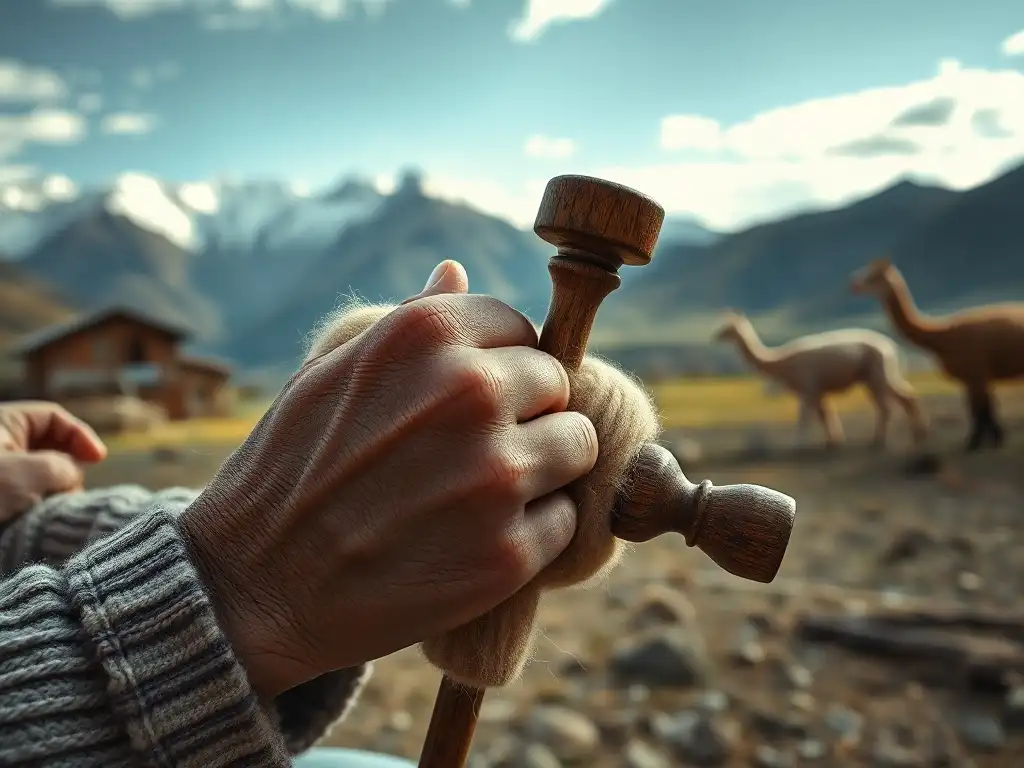
The Andean alpaca, Vicugna pacos, held—and continues to hold—a position of immense cultural and spiritual significance for Andean civilizations. Far beyond a mere source of fiber, the alpaca represented a complex interplay of economic utility, religious symbolism, and cosmological understanding. Understanding the Andean ritual surrounding alpacas necessitates acknowledging this multifaceted role within their worldview. The production of Andean alpaca wool sacred textiles was intrinsically linked to these beliefs, making the fiber itself a conduit for spiritual expression. The meticulous care and reverence afforded to these animals directly impacted the quality and meaning imbued in the resulting textiles.
Alpaca Domestication and its Historical Role
Alpaca domestication predates the Inca Empire, with evidence suggesting its origins reaching back millennia. Early domestication likely occurred in the high Andes, driven by the need for fiber, meat, and dung (used as fertilizer). Archaeological findings consistently reveal alpaca remains alongside human settlements, illustrating their integral role in the Andean economy and social structure. The transition from hunting wild vicuñas to domesticating alpacas represented a significant shift in Andean lifeways, facilitating the development of more sedentary communities and enabling the production of larger quantities of high-quality wool. This increase in wool availability was pivotal in the creation of the elaborate and intricately woven textiles crucial to Andean religious practices. The careful selection and breeding of alpacas for specific fiber qualities further underscores their importance beyond mere subsistence. Analysis of ancient Andean textiles reveals a sophisticated understanding of fiber properties, indicating a deep knowledge of alpaca breeds and their respective characteristics.
The Alpaca as a Sacred Animal in Andean Beliefs
The alpaca transcended its economic value, becoming deeply embedded within the Andean religious cosmology. It was not simply a resource to be exploited, but a creature imbued with spiritual power. Many Andean cultures viewed the alpaca as a gift from the gods, a symbol of prosperity and abundance. Their soft, luxurious fleece was seen as a tangible manifestation of this divine generosity.
This belief is reflected in the intricate designs and symbolic representations found in Andean alpaca wool sacred textiles. The colors, patterns, and materials used were not arbitrary; they held deep spiritual meaning, connecting the wearer or the offering to the divine realm. For example, certain colors might be associated with specific deities or agricultural cycles, while particular patterns could represent celestial events or mythological figures. The creation of these textiles was itself a ritualistic act, performed with reverence and precision.
Andean Cosmovision and the Alpaca's Place in the World
The Andean cosmovision, a holistic worldview encompassing the natural and supernatural, positioned the alpaca within a complex web of interconnectedness. The animal's place in the Andean ecosystem, its contribution to the community's well-being, and its symbolic representation in religious practices all contributed to its sacred status. The alpaca's connection to the earth, its gentle nature, and its ability to thrive in harsh environments mirrored the Andean peoples' own relationship with their surroundings.
The meticulous shearing of alpacas, the careful processing of the wool, and the painstaking creation of textiles were all acts that reinforced this harmonious relationship between humans, animals, and the cosmos. The offering of alpaca wool textiles during religious ceremonies further cemented the animal's role as a mediator between the human and divine realms.
The use of Andean alpaca wool sacred textiles in rituals was not merely decorative; it actively participated in maintaining cosmic balance and ensuring the continued prosperity of the community. The intricate designs and symbolic representations woven into these textiles served as visual prayers, connecting the community to the spiritual forces that governed their lives.
The Ritual Process of Alpaca Wool Harvesting
The Andean alpaca, Vicugna pacos, held a position of immense spiritual significance far beyond its economic value. Its soft, luxurious fleece wasn't simply a commodity; it was a sacred offering, a tangible link between the earthly realm and the celestial. The harvesting of this precious wool wasn't a mundane task, but a deeply spiritual ritual, imbued with reverence and ancient traditions passed down through generations.
This careful process, deeply intertwined with Andean cosmology, ensured the continued well-being of the herd and the prosperity of the community. The phrase "Andean alpaca wool sacred textiles" perfectly encapsulates the profound connection between the animal, the fiber, and the spiritual beliefs of the Andean people. The entire process, from shearing to weaving, was a sacred act, reflecting the Andean worldview that saw the natural world as imbued with spiritual energy.
Traditional Shearing Techniques for Alpaca Fiber
Traditional Andean shearing techniques were far from the mechanized processes of modern times. The process was slow, deliberate, and deeply respectful of the animal. Shepherds, often possessing inherited knowledge passed down through family lines, used hand-crafted tools made from readily available materials like wood and obsidian.
These tools were not merely instruments; they were extensions of the shepherd's connection to the sacredness of the alpaca and its fiber. The shearing itself was a gentle process, prioritizing the alpaca's comfort and well-being above speed or efficiency. The fleece was carefully removed in sections, avoiding any unnecessary stress or injury to the animal.
The quality of the fiber was paramount. Specific areas of the alpaca's body yielded different qualities of wool, each valued for its unique characteristics. The finest, softest fibers, often coming from the belly and neck, were reserved for the most sacred textiles.
These textiles, often destined for religious ceremonies or worn by high-ranking officials, represented the peak of Andean textile artistry and spiritual significance. The understanding of the alpaca’s fleece and its varied qualities played a crucial part in the success of the ritual and the quality of the resulting sacred textiles. This knowledge, passed down through generations, ensured the continuation of this important tradition.
The Importance of Respect and Gratitude during Shearing
The act of shearing was not simply about obtaining wool; it was an act of gratitude and reverence towards the alpaca and Pachamama, the Earth Mother. The Andean worldview emphasizes a reciprocal relationship between humans and nature. The alpaca, providing its fleece, was recognized as a partner in this exchange, and its well-being was paramount. Shepherds would frequently express gratitude through prayers and offerings, acknowledging the alpaca's sacrifice and ensuring its continued health and prosperity. This respect extended to the entire environment, recognizing the interconnectedness of all living things.
Failure to show appropriate respect was believed to invite misfortune, both for the alpaca and the community. The act of shearing was therefore imbued with a deep sense of responsibility, highlighting the Andean commitment to living in harmony with nature. This harmonious relationship, central to Andean cosmology, is reflected in the intricate designs and symbolism woven into the sacred textiles created from this precious fiber. The careful and respectful treatment of the alpaca directly influenced the quality and sacredness of the resultant "Andean alpaca wool sacred textiles."
Rituals Before Shearing: Coca Leaf Offerings and Prayers to Pachamama
Before the shearing commenced, a series of rituals were performed to appease Pachamama and ensure a successful and bountiful harvest. These rituals often involved offerings of coca leaves, a sacred plant central to Andean spirituality. Coca leaves were chewed, and some were carefully placed on the ground as an offering to Pachamama, requesting her blessing and protection throughout the process. Prayers, often spoken in Quechua, the native language of the Andes, were recited, seeking guidance and thanking the Earth Mother for her generosity.
The specific rituals varied from community to community, reflecting the diversity of Andean cultures. However, the underlying principle remained constant: a deep respect for Pachamama and a recognition of the sacredness of the alpaca and its wool. These pre-shearing rituals served to create a sacred space, transforming the act of shearing from a simple task into a deeply spiritual experience.
The success of the harvest was seen as a sign of Pachamama's favor, further emphasizing the profound connection between the Andean people, the alpaca, and the sacred textiles produced from its wool. The resulting textiles, crafted with such reverence, were not simply cloth; they were embodiments of Andean spirituality and their deep connection to the earth – truly embodying the essence of "Andean alpaca wool sacred textiles."
Preparing Alpaca Wool for Sacred Textiles
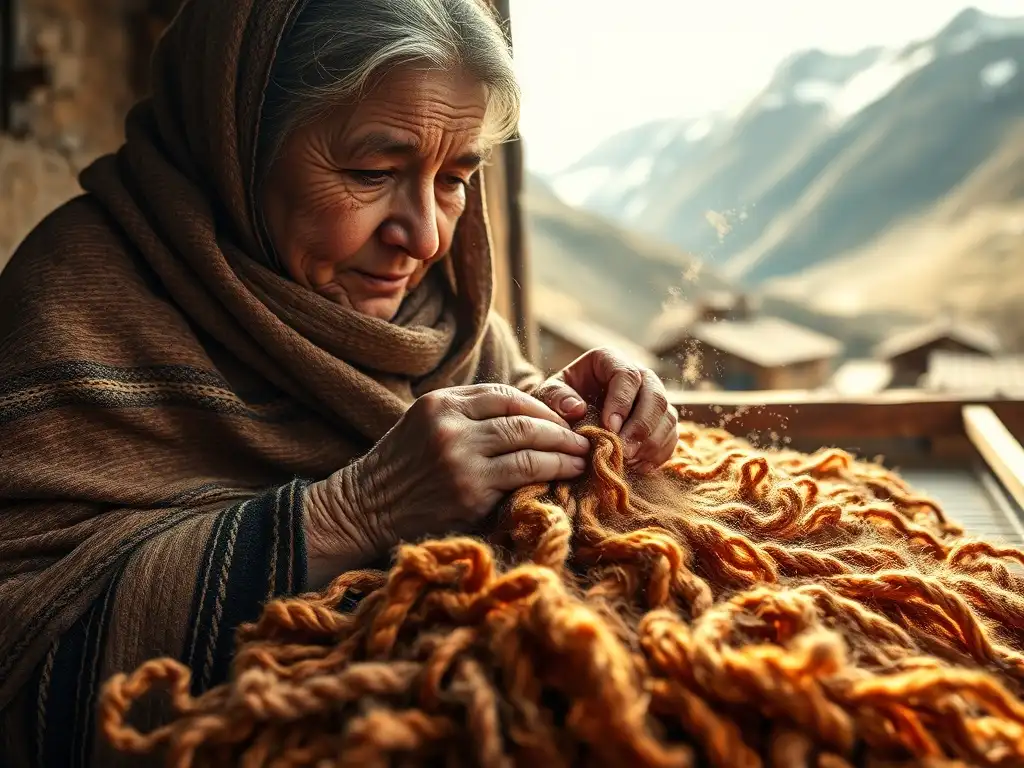
The production of sacred textiles in the Andes wasn't merely a craft; it was a deeply spiritual undertaking, inextricably linked to the Andean worldview and the reverence for the pachamama (Mother Earth) and the apu (mountain spirits). Alpaca wool, prized for its softness, warmth, and inherent qualities, played a central role in this sacred practice. The preparation of this wool, far from being a simple task, involved meticulous processes imbued with ritual significance, ensuring the final product was worthy of its intended purpose – adorning deities, serving as offerings, or clothing important figures within the Andean society.
The quality of the wool itself was considered a reflection of the weaver's connection to the spiritual world, influencing the efficacy of the textiles in ritual contexts. Understanding the preparation of alpaca wool is crucial to appreciating the profound spiritual significance embedded within Andean sacred textiles.
The Process of Sorting and Cleaning Alpaca Wool
The journey of alpaca wool from fleece to sacred textile began with careful sorting and cleaning. This wasn't a rushed process; instead, it involved a series of steps, each reflecting a deep respect for the animal and the material it provided. First, the alpaca fleece, sheared during specific times of the year considered auspicious, was meticulously sorted by color and fiber quality.
This ensured that the resulting textiles would have the desired hues and textures. Different colors held different symbolic meanings – white often representing purity, black signifying power, and reds and yellows associated with the sun and fertility. The sorting was often a communal activity, with women sharing stories and prayers while separating the fibers.
Following sorting, the wool underwent a thorough cleaning process. Traditional methods involved using natural elements like river water and plant-based soaps to avoid damaging the delicate fibers. This gentle cleaning process was as much a spiritual act as a practical one, with prayers and offerings made to ensure the purity of the wool and to honor the alpaca for its sacrifice.
The careful handling of the fleece reflected the belief that the alpaca's spirit remained intertwined with its wool, requiring respectful treatment throughout the entire process. The cleaned wool was then carefully dried in the sun, further enhancing its natural properties and preparing it for the next stage of transformation. The entire process, from shearing to cleaning, was a carefully choreographed ritual, ensuring the wool was ready to become a medium for sacred expression.
Spinning Alpaca Fiber into Thread: Traditional Methods
Once cleaned, the alpaca fiber was spun into thread, a process demanding skill and patience. Different techniques were employed across various Andean cultures, each with its own unique nuances. However, the underlying principle remained consistent: the transformation of raw fiber into thread was a meditative practice, often accompanied by prayers and songs that invoked the spirits of the pachamama and the apu. The spinner's concentration and precision were crucial; imperfections in the thread could be seen as a disruption of the spiritual energy woven into the textile.
The spinning tools themselves, often simple spindles made from wood or bone, were treated with reverence. They were not merely tools; they were extensions of the spinner's connection to the spiritual realm. The rhythmic motion of the spindle, the consistent tension on the fiber, and the careful alignment of the threads all contributed to the creation of a thread that was more than just a material substance; it was a conduit for spiritual energy.
The use of the rueca (spinning wheel) in some areas further enhanced the efficiency of the process but did not diminish its spiritual importance. The resulting thread was then meticulously stored, ready to be woven into the sacred textiles.
Natural Dyes Used in Andean Textile Art
The vibrant colors of Andean textiles were achieved using natural dyes derived from plants, minerals, and insects found in the Andean region. Each dye held its own unique significance, mirroring the deep connection between the Andean people and their environment. The preparation of these dyes was often a carefully guarded secret, passed down through generations within families and communities. The process itself was imbued with ritualistic practices, reflecting the belief that the colors themselves held spiritual power.
For example, cochineal insects yielded a rich crimson, often associated with royalty and divinity. Indigo provided deep blues, representing the sky and the cosmos. Plant-based dyes such as those derived from achiote (annatto) provided yellows and oranges, associated with the sun's energy and life-giving force.
The precise recipes and techniques for preparing these dyes varied across different regions and communities, reflecting the diversity of Andean cultures and their unique relationships with their environments. The use of these natural dyes, far from being a purely aesthetic choice, was an integral part of the sacred textile tradition, adding another layer of spiritual significance to the final product. The resulting dyed yarns were then ready for the weaving process, which was itself a deeply spiritual act, transforming the dyed threads into sacred garments and offerings.
The Creation of Sacred Andean Textiles
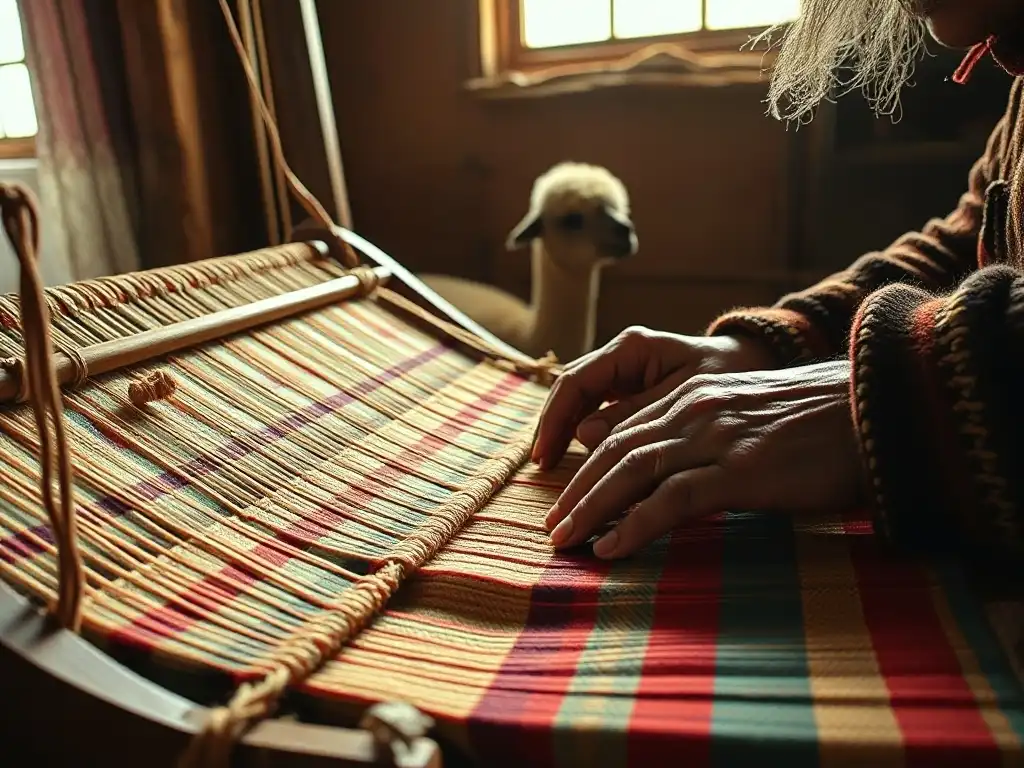
The production of sacred textiles in the Andes wasn't merely a craft; it was a deeply spiritual act, imbued with ritual and significance. The process, from the shearing of the alpaca to the final weaving, was steeped in Andean cosmology and beliefs. The Andean alpaca wool sacred textiles weren't simply clothing; they were powerful objects, imbued with the essence of the Andean worldview.
This section will delve into the meticulous creation of these sacred garments, highlighting the intricate techniques and profound symbolism embedded within them. The quality of the wool itself, its color, and even the time of year it was sheared, held immense importance, reflecting the Andean understanding of the interconnectedness of the natural and spiritual worlds. The artisans, often women, were considered to be conduits for spiritual energy, their skill and dedication essential to the creation of these powerful objects.
Their work was not just about creating beautiful textiles but about channeling spiritual power into tangible form. This sacred process ensured the textiles served not just practical purposes but also acted as powerful intermediaries between the human and divine realms.
Weaving Techniques for Religious and Ceremonial Fabrics
Andean weavers employed a variety of sophisticated techniques, each contributing to the unique character and sacredness of the textiles. The most common technique was backstrap loom weaving, a method requiring exceptional skill and precision. This technique, often used in the creation of Andean alpaca wool sacred textiles, allowed for intricate designs and a remarkable level of detail.
The use of different types of yarn, varying in thickness and color, added further complexity to the designs. For example, the use of multiple colors in a single piece wasn't arbitrary; it often represented a complex cosmology, with each color symbolizing a specific deity, element, or ancestor. Furthermore, the incorporation of other materials, such as feathers, shells, and precious metals, further enhanced the sacred nature of these textiles.
The inclusion of these elements wasn't simply decorative; they were integral to the ritualistic and spiritual power that the textiles embodied. The precision and dedication involved in these techniques underscore the deep reverence held for the process and the resulting sacred textiles. The creation of these pieces was not merely a craft but a sacred act, mirroring the intricate relationship between the Andean people and their spiritual world.
The Symbolic Meaning of Patterns and Motifs in Sacred Textiles
The patterns and motifs woven into Andean alpaca wool sacred textiles were far from arbitrary; they were rich repositories of Andean cosmology and beliefs. Specific symbols, such as stylized animals (condors, pumas, snakes), geometric designs (zigzags, stepped patterns), and representations of celestial bodies (sun, moon, stars), conveyed profound spiritual meanings. For example, the condor, a powerful bird in Andean mythology, often represented the upper world, while the puma, a terrestrial predator, symbolized the lower world.
Geometric patterns could represent the cycles of nature, agricultural practices, or the structure of the cosmos itself. The intricate designs weren't just aesthetically pleasing; they encoded a complex system of beliefs and knowledge, transmitting vital information about Andean worldview across generations. Analyzing these motifs reveals a wealth of information about Andean religion, social structure, and the relationship between humans and their environment.
The symbolic language woven into these textiles provides an invaluable window into the rich tapestry of Andean culture and spiritual life. Researchers continue to decipher the complex meanings hidden within these seemingly simple designs. The careful study of these textiles offers a powerful glimpse into the Andean worldview and their profound understanding of the universe.
The Use of Alpaca Wool in Ponchos and Mantas
Alpaca wool held a central place in the creation of Andean alpaca wool sacred textiles, particularly ponchos and mantas. Its softness, warmth, and durability made it ideal for clothing, but its significance went far beyond mere practicality. The color of the alpaca wool, whether naturally occurring or dyed, held symbolic meaning, often reflecting the specific deity or ritual the garment was associated with. For instance, white alpaca wool was often associated with purity and the sacred, while black might represent the underworld or night.
Ponchos, often large and elaborately decorated, served not only as clothing but also as markers of social status and spiritual power. Mantas, rectangular cloths, were frequently used in ceremonies and rituals, sometimes serving as offerings or symbolic representations of deities. The choice of alpaca wool for these important garments underscored its sacred nature and its connection to the Andean spiritual world.
The meticulous care taken in selecting, processing, and weaving the wool into ponchos and mantas reflected the profound importance of these textiles in Andean society and their role in religious practices. The use of alpaca wool was an integral part of the Andean understanding of the relationship between the material and spiritual realms. These garments weren't simply articles of clothing; they were powerful objects, carrying spiritual weight and reflecting the profound beliefs of the Andean people.
The Role of Alpaca Wool in Andean Rituals and Ceremonies
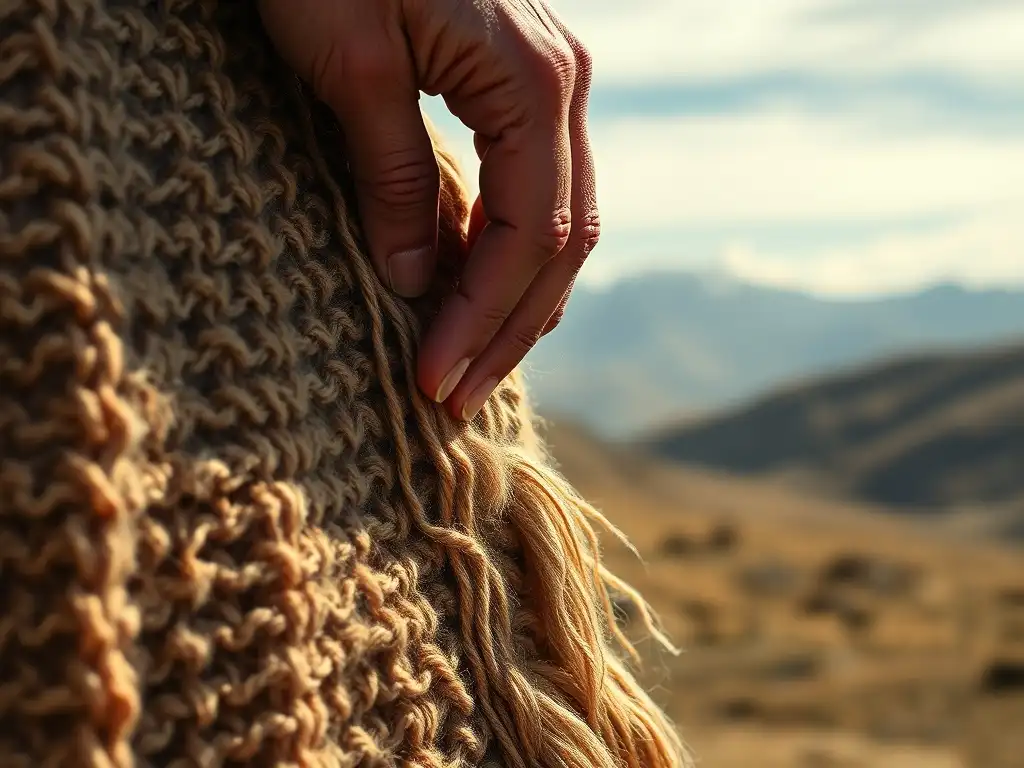
The Andean world, rich in diverse cultures and traditions, viewed the alpaca not merely as a livestock animal, but as a sacred being deeply intertwined with their spiritual beliefs and practices. Alpaca wool, therefore, held a position of immense significance, far beyond its practical uses. Its softness, warmth, and inherent beauty reflected the divine qualities attributed to the animal itself, making it a crucial component in numerous rituals and ceremonies.
Understanding the role of alpaca wool in Andean rituals illuminates a fascinating aspect of their complex religious and cosmological systems. This section explores the multifaceted ways in which alpaca wool was utilized, highlighting its symbolic importance and its connection to the Andean worldview. We'll delve into the specific uses of alpaca wool in offerings, sacred textiles, and the broader concept of spiritual power associated with this precious fiber.
Alpaca Wool as an Offering to Deities
Alpaca wool, particularly that of specific colors or from alpacas with unique markings, was frequently offered to Andean deities as a symbol of reverence and appeasement. The color of the wool often held symbolic meaning. For example, white alpaca wool might represent purity and connection to the celestial realm, while black might signify fertility or connection to the underworld.
The offering wasn't simply a gift; it was a carefully considered act imbued with spiritual significance. Archaeological evidence supports this, with findings of alpaca wool remnants in ancient burial sites and ceremonial contexts. These discoveries often include intricate arrangements of wool fibers, suggesting deliberate placement and ritualistic significance.
Furthermore, the quality of the wool — its fineness, length, and softness — likely influenced its suitability for offerings. The finest, most luxurious wool would have been reserved for the most important deities or significant ceremonies. The act of offering alpaca wool was a way to establish a connection between the human world and the divine, seeking favor or expressing gratitude.
Sacred Textiles in Andean Religious Practices
The production of sacred textiles was a highly specialized and revered craft within Andean societies. These textiles, often woven with alpaca wool, served various religious functions, from adorning deities and temples to being used in ceremonies and rituals. The intricate designs and symbolic motifs woven into these textiles conveyed complex narratives and beliefs.
Geometric patterns, representations of animals, and stylized figures of deities all played a role in communicating religious ideas. Moreover, the very act of weaving was considered a sacred act, connecting the weaver to the spiritual world. The creation of these textiles wasn't simply a technical process; it was a form of prayer and communication with the divine.
The meticulous craftsmanship and the use of high-quality alpaca wool underscored the importance of these objects within Andean religious practices. The durability of alpaca wool ensured the longevity of these sacred textiles, allowing them to serve as enduring links to ancestral traditions and beliefs for generations. Different Andean cultures, like the Inca, Nazca, and Moche, each had their unique styles and iconography in their sacred textiles, showcasing the diversity within Andean religious expression.
The Connection between Alpaca Wool and Spiritual Power
The association of alpaca wool with spiritual power wasn't arbitrary. The animal itself was revered for its gentle nature and its ability to thrive in harsh, high-altitude environments. These characteristics were seen as reflections of divine qualities, imbuing the alpaca and its wool with spiritual potency.
The softness and warmth of the wool were further associated with comfort, protection, and the nurturing aspects of the divine feminine. The use of alpaca wool in sacred garments and ceremonial objects reinforced this connection, imbuing these items with protective and spiritual significance. Individuals who wore garments made from alpaca wool might have felt a sense of connection to the spiritual realm, believing that the wool provided a conduit for divine energy or protection.
[Specific examples of rituals involving alpaca wool garments pending]. The continued importance of alpaca wool in contemporary Andean communities demonstrates the enduring power of these ancient beliefs and traditions. The connection between alpaca wool and spiritual power remains a powerful symbol of the Andean worldview, connecting the past with the present.
The Legacy of Andean Alpaca Wool Sacred Textiles
The Andean region's history is deeply intertwined with the alpaca, a camelid whose fleece has been a cornerstone of Andean culture for millennia. Alpaca wool, prized for its softness, warmth, and vibrant natural colors, wasn't merely a practical resource; it held profound spiritual significance, becoming an integral component of sacred textiles used in rituals, ceremonies, and offerings. The legacy of this connection between alpaca wool and sacred textiles continues to resonate in modern Andean communities, demonstrating the enduring power of tradition and the deep-rooted reverence for this remarkable animal.
Understanding this legacy requires examining the meticulous processes involved in transforming raw alpaca fiber into intricate textiles and appreciating the cultural meanings embedded within these creations. The phrase "Andean alpaca wool sacred textiles" encapsulates this rich history, reflecting the enduring importance of this material in Andean spirituality and identity.
The Enduring Importance of Traditional Weaving
The creation of Andean alpaca wool sacred textiles wasn't simply a craft; it was a ritualistic process. Weaving itself was considered a sacred act, connecting the weaver to the ancestors and the spiritual world. The intricate designs, often incorporating geometric patterns, zoomorphic figures, and symbolic motifs, encoded complex narratives and cosmological beliefs.
Each color held specific meaning, representing different deities, natural elements, or social structures. For example, red might symbolize blood and fertility, while yellow represented the sun and gold. The meticulous care taken in preparing the wool – from shearing to spinning and dyeing – further emphasized the sacred nature of the process.
This dedication ensured that the resulting textiles were not merely garments or adornments but powerful objects imbued with spiritual energy. Specific techniques, passed down through generations, ensured the quality and longevity of these sacred garments, adding another layer to their significance. The continuity of these techniques speaks to the enduring importance placed upon preserving this cultural heritage.
Preserving the Knowledge of Alpaca Wool Processing
The transformation of raw alpaca fiber into usable yarn was a complex process requiring specialized knowledge and skill. Shearing the alpaca was itself a ceremonial act, often performed at specific times of the year, coinciding with important agricultural cycles or religious festivals. The fleece was then meticulously cleaned and sorted, with different grades of fiber used for different purposes. Natural dyes, derived from plants, minerals, and insects, were employed, resulting in a stunning array of colors.
These dyes weren't just pigments; they were imbued with their own symbolic meanings, adding another layer of complexity to the final textile. The spinning of the yarn, often done by hand using traditional spindles, was another crucial step, requiring patience, precision, and a deep understanding of the material. The knowledge of these traditional alpaca wool processing techniques is crucial for maintaining the integrity and authenticity of Andean alpaca wool sacred textiles.
Efforts to document and preserve this knowledge are vital to ensure its continuation for future generations. Sadly, some of the nuances of this process are undocumented, requiring further research to fully understand the intricacies involved. [Specific information pending on precise dyeing techniques and regional variations].
The Cultural Significance of Alpaca Textiles in Modern Andean Communities
Despite the passage of time and the influence of globalization, alpaca wool sacred textiles retain immense cultural significance in many modern Andean communities. These textiles continue to be used in religious ceremonies, festivals, and rituals, playing a vital role in maintaining traditional practices and beliefs. Furthermore, alpaca textiles serve as powerful symbols of cultural identity, connecting contemporary Andean peoples to their rich heritage.
The intricate designs and vibrant colors serve as visual reminders of their ancestors' beliefs and traditions. The creation and use of these textiles also provide economic opportunities for many Andean communities, allowing them to preserve their cultural heritage while also supporting their livelihoods. The enduring popularity of alpaca wool products worldwide also contributes to the economic viability of these traditional crafts, creating a positive feedback loop that promotes both cultural preservation and economic development.
The continued production and appreciation of Andean alpaca wool sacred textiles represent a powerful testament to the enduring strength of Andean culture and its deep-rooted connection to the natural world. The future of these traditions depends on the continued support and appreciation for the unique cultural heritage embodied within these intricate and beautiful textiles.
Frequently Asked Questions
What role did alpacas play in Andean civilizations?
Alpacas were incredibly important, providing essential wool for sacred textiles and clothing. Their fleece was highly valued, and their sacrifice was part of important rituals.
How was alpaca wool used in the creation of sacred textiles?
Alpaca wool was spun into fine threads and intricately woven into complex designs often representing religious beliefs and cosmological concepts. These textiles held significant spiritual meaning.
What made Andean textiles considered "sacred"?
The textiles were considered sacred due to their association with religious ceremonies, rituals, and deities. Their creation was often a meticulous and time-consuming process, adding to their spiritual significance.
Which Andean cultures most famously used alpaca wool for sacred textiles?
Many Andean cultures utilized alpaca wool, but the Inca, Moche, and Nazca are particularly well-known for their exceptional weaving and the ritualistic importance of their textiles.
Where can I learn more about Andean alpaca wool and sacred textiles?
You can explore museums with Andean collections, research academic articles on Andean textiles, and delve into books focusing on Inca and pre-Inca cultures to discover more about this fascinating topic.
Final Reflection: The Enduring Legacy of Andean Alpaca Wool
The intricate relationship between Andean communities, the alpaca, and the creation of sacred textiles remains profoundly relevant today. The enduring power of these traditions speaks not only to the remarkable skill of the artisans but also to the deep spiritual connection between humanity and the natural world, a connection increasingly vital in our rapidly changing times. The vibrant colors and intricate designs are more than just aesthetics; they are living testaments to a cultural heritage that deserves our utmost respect and preservation.
The impact of these sacred textiles extends far beyond their immediate cultural context. They represent a powerful narrative of resilience, adaptation, and the enduring strength of indigenous knowledge. The artistry involved is a testament to the human capacity for creativity and innovation, passed down through generations. The threads themselves whisper stories of ancestors, of landscapes, and of a profound connection to the earth.
This quote, though fictionalized, encapsulates the deep emotional and spiritual significance woven into each fiber. The continued demand for authentic Andean alpaca wool textiles not only supports these communities economically but also helps safeguard this invaluable cultural heritage for future generations.
Consider, for a moment, the weight of history held within each meticulously crafted piece. You, the reader, are now part of this ongoing narrative. By appreciating the artistry and understanding the cultural significance of Andean alpaca wool sacred textiles, you contribute to their preservation. Seek out authentic pieces, support fair trade practices, and share the story of these remarkable creations. Let the legacy of the Andean alpaca inspire you to connect more deeply with the natural world and the rich tapestry of human cultures that enrich our planet.
Embrace the Spirit of the Andes: Connect with Alpaca Culture!
Thank you for exploring the enchanting world of Andean rituals and their connection to alpacas. You've discovered not only the importance of these remarkable creatures but also their vital role in creating sacred textiles. Let's now deepen your understanding.
Here's how you can further connect with Andean culture and help preserve this beautiful tradition:
- Support ethical alpaca products: Visit local artisans or reputable online marketplaces that offer ethically sourced alpaca textiles.
- Share your knowledge: Discuss the cultural significance of alpacas with friends, family, and on social media to raise awareness of this important tradition.
- Immerse yourself in Andean culture: Attend a cultural event or workshop focused on Andean textile techniques to experience this rich heritage firsthand.
How will you integrate the wisdom of Andean traditions into your daily life?