
The Andean Concept of Death: Rituals for the Journey to the Afterlife

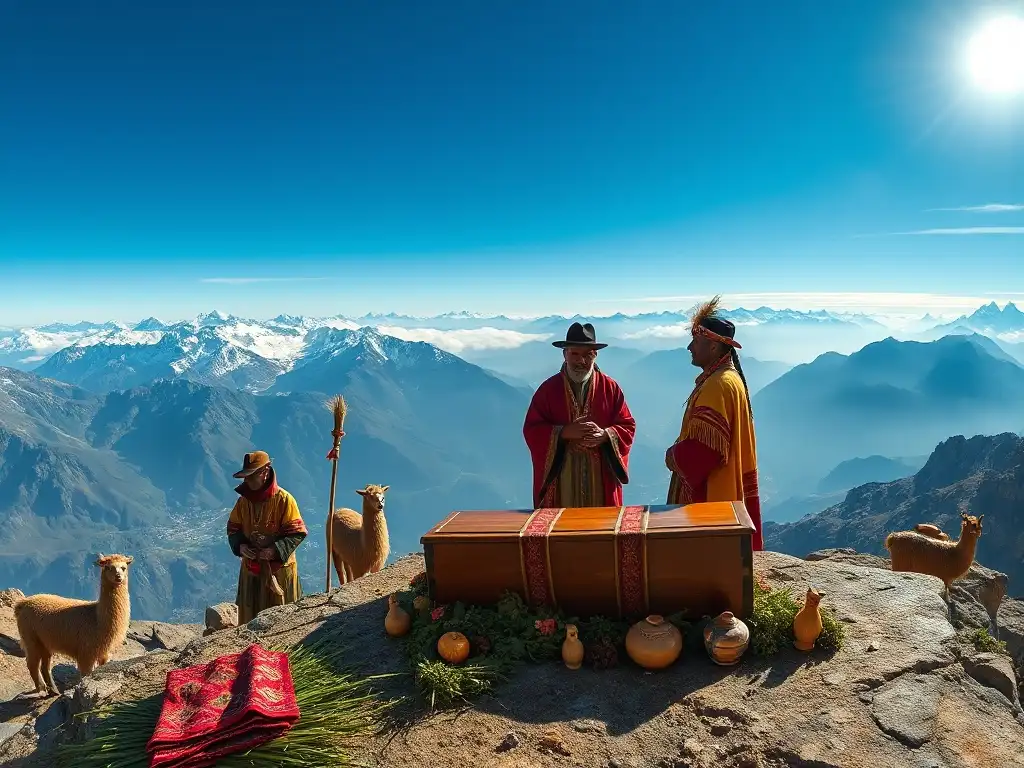
Dive into the enigmatic world of the Andes, where the mountains whisper tales of ancient empires and breathtaking rituals. Forget everything you think you know about death; the Andean afterlife rituals were far more intricate and fascinating than you can imagine. Prepare to unravel the secrets of a civilization that viewed death not as an end, but as a transformative journey – a passage into a vibrant, complex afterlife.
Discover how their beliefs shaped their extraordinary art, technology, and societal structures, and uncover the mysteries surrounding their profound connection to the sacred mountains. Are you ready to explore the captivating world beyond the veil?
The Andes Mountains, a spine of towering peaks stretching along the western coast of South America, have witnessed the rise and fall of numerous impressive civilizations. For millennia, these cultures – including the Incas, Moche, Nazca, and Tiahuanaco – developed complex belief systems deeply intertwined with their environment and a profound understanding of life's cyclical nature. Central to their worldview was a sophisticated concept of death, not as an end but as a transformative journey to the afterlife.
This article delves into the fascinating world of Andean afterlife rituals, exploring the beliefs, practices, and symbolic meanings behind their preparations for this pivotal transition. We will examine how their cosmological views shaped their funerary rites and the profound significance these rituals held within their societies.
Understanding these ancient practices offers a glimpse into the rich tapestry of Andean spiritual life and provides valuable insight into the enduring power of their cultural heritage. The keyword, "Andean afterlife rituals," will be explored through a detailed examination of the various practices and beliefs surrounding death in these remarkable civilizations.
Understanding Andean Beliefs about Death
Andean cultures did not view death as a simple cessation of existence but rather as a transition to another realm. Their beliefs about the afterlife were deeply rooted in their intricate cosmovision, a worldview that encompassed a complex interplay of the physical and spiritual worlds. Unlike many Western perspectives, death wasn't necessarily seen as something to be feared but rather as a natural stage in the continuous cycle of life, death, and rebirth.
This cyclical perspective is reflected in their elaborate burial practices, which often included the provision of goods and offerings intended to sustain the deceased in their journey to the next world. The specific beliefs and rituals varied among different Andean cultures, demonstrating a rich diversity of spiritual expressions across the region. For example, some cultures believed in a subterranean world of the dead, while others envisioned a celestial afterlife.
The preparation of the deceased for their journey often involved meticulous mummification techniques, reflecting the importance placed on preserving the physical body for the afterlife. Evidence suggests that mummification practices were not only reserved for elites but also extended to individuals from various social strata, highlighting the widespread belief in the significance of the afterlife across the social spectrum.
The inclusion of grave goods, such as tools, food, clothing, and ornaments, further emphasizes the belief that the deceased would continue to need these items in the next life. These offerings weren't simply symbolic gestures; they were practical provisions intended to support the deceased's continued existence in the afterlife.
The Andean Cosmovision and the Afterlife
The Andean cosmovision profoundly influenced their understanding of death and the afterlife. Their worldview was structured around a three-tiered cosmos: the hanan pacha (upper world), the kay pacha (present world), and the ukhu pacha (underworld). Death was understood as a passage from the kay pacha to either the ukhu pacha or, in some interpretations, the hanan pacha.
The deceased's journey through these realms was believed to be fraught with challenges, and the rituals surrounding death were designed to assist them in navigating these transitions successfully. The placement of offerings and the elaborate nature of burial sites all point towards a belief in a continued existence for the deceased, requiring provisions for their spiritual well-being.
The apus, or mountain spirits, played a significant role in Andean cosmology and influenced their funerary practices. Mountains were considered sacred entities, often serving as intermediaries between the human world and the spirit world. Many burial sites were strategically located near or within mountains, reflecting the belief that these sacred locations facilitated the passage of the deceased to the afterlife.
The orientation of tombs, the types of offerings included, and even the positioning of the body itself often reflected a deep understanding of the cosmological landscape and the deceased's relationship to the apus and the broader spiritual world. This intricate connection between the physical world and the spiritual realm is central to understanding the complexity of Andean afterlife rituals.
The Significance of Death in Andean Culture
Death in Andean cultures wasn't simply a biological event; it held profound social and spiritual significance. Funerary rituals were not merely individual affairs but rather communal events, reflecting the importance of maintaining connections between the living and the dead. These rituals served to reinforce social structures, reaffirm kinship ties, and strengthen the community's collective identity. The elaborate ceremonies, often involving extended periods of mourning and remembrance, demonstrated the deep respect and reverence accorded to the deceased and their ancestors.
Furthermore, the offerings placed within tombs provided valuable insights into the daily lives and social structures of these societies. The type and quantity of grave goods could reveal information about the deceased's social status, occupation, and personal belongings. By studying these offerings, archaeologists gain a deeper understanding of Andean material culture, social hierarchies, and economic systems.
The meticulous care taken in preparing the deceased for their final journey underscores the importance of maintaining connections with ancestors and acknowledging their enduring influence on the living. The continuing study of Andean afterlife rituals provides invaluable information about these fascinating cultures and their enduring legacy. The systematic analysis of grave goods reveals much about Andean social structures and cultural practices.
- Understanding Andean Beliefs about Death
- The Andean Cosmovision and the Afterlife
- The Significance of Death in Andean Culture
- What were the Andean civilizations' beliefs about the afterlife?
- What role did mummification play in Andean afterlife rituals?
- What types of offerings were included in Andean burial rituals?
- How did Andean afterlife beliefs differ between different cultures?
- Were there any common themes across different Andean afterlife rituals?
Andean Afterlife Rituals: Preparing for the Journey
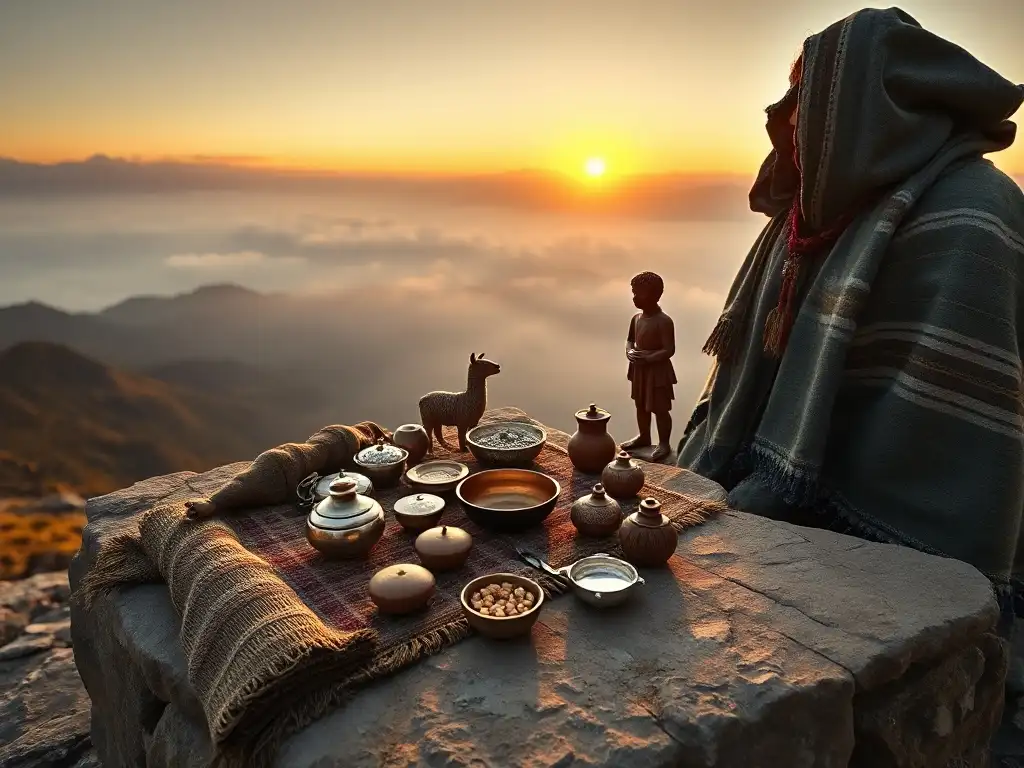
This section delves into the fascinating world of Andean afterlife rituals, exploring the intricate preparations undertaken to ensure a successful transition to the next world. The Andean concept of death wasn't simply an ending, but rather a significant passage, a journey requiring meticulous preparation both for the deceased and their surviving relatives. Understanding these rituals provides invaluable insight into the complex belief systems and social structures of these ancient civilizations.
The practices varied across different Andean cultures, with unique nuances reflecting regional differences and evolving beliefs, but a common thread of ensuring a comfortable afterlife permeated them all. This exploration focuses on the key aspects of these practices, examining the meticulous preparation of the deceased, the elaborate funeral rites, and the crucial role of offerings in facilitating the journey.
Preparing the Deceased: Mummification Practices
Mummification, while perhaps most famously associated with ancient Egypt, was also a significant practice in various Andean cultures, particularly amongst the Inca. However, Andean mummification differed considerably from its Egyptian counterpart. While the Egyptians aimed for near-perfect preservation, Andean mummification often focused on maintaining the deceased's appearance and ensuring their continued presence within the community, even in death.
The process was complex and varied depending on the social status of the deceased. Elite individuals often underwent elaborate procedures, including evisceration (removal of internal organs), desiccation (drying of the body), and the application of various substances like herbs and resins to preserve the remains. The body was then carefully wrapped in textiles, often adorned with intricate designs and precious materials, reflecting the individual's wealth and social standing. Less elaborate procedures were employed for commoners, often involving natural desiccation in arid climates.
The mummies weren't simply stored away; they were often kept within the family home, treated as members of the household, even participating in family events and festivals. This practice highlights the Andean belief in the continued existence of the deceased and their ongoing connection to the living. The mummies served as powerful symbols of family lineage and ancestral heritage, reinforcing social bonds across generations.
The meticulous care given to the mummies demonstrates the profound respect and reverence the Andean people held for their deceased ancestors. Archaeological evidence consistently reveals the significant investment of time, resources, and expertise dedicated to these practices, solidifying their central role in Andean funerary rituals.
Andean Funeral Rites and Ceremonies
Andean funeral rites were far from simple burials. They were elaborate ceremonies, often spanning several days and involving the entire community. The specific rituals varied significantly based on geographic location and the social status of the deceased. However, common elements included processions, offerings, and specific burial practices.
For example, the Inca often held elaborate funeral processions, with the mummy of the deceased carried on a bier, accompanied by mourners who performed ritual chants and dances. These processions were not just somber occasions; they were also opportunities for community bonding and remembrance. The route of the procession itself held symbolic significance, often leading to specific sacred sites or ancestral burial grounds.
Burial practices also varied considerably. Some Andean cultures practiced inhumation (placing the body in the ground), while others employed different methods, such as placing the body in caves or rock-cut tombs. The deceased were often buried with grave goods, reflecting their social standing and providing them with necessities for their journey to the afterlife.
These grave goods included everything from pottery and textiles to tools, weapons, and precious metals. The inclusion of these items underscores the importance of material possessions in the Andean view of the afterlife. The elaborate nature of these ceremonies and burials underscores the significance placed upon the transition into the afterlife and the maintenance of connections between the living and the dead.
The Importance of Offerings in Funerary Rituals
Offerings formed an integral component of Andean funerary rituals, acting as provisions for the deceased on their journey to the afterlife and as appeasements to the spirits of the ancestors. These offerings weren't merely symbolic gestures; they were tangible expressions of respect and a practical means of ensuring the deceased's continued well-being.
The type and quantity of offerings varied according to the social status of the deceased and the specific beliefs of the cultural group. Elite individuals were often buried with lavish offerings, including gold and silver ornaments, fine textiles, and food and drink. Commoners received more modest offerings, reflecting their social standing. However, the intention behind the offerings remained consistent: to provide the necessary sustenance and comfort for the deceased in the next world.
Beyond material goods, offerings also included coca leaves, chicha (a fermented corn beverage), and other ritual items. These offerings facilitated communication with the spirit world, ensuring the deceased's safe passage and fostering a continued connection between the living and the dead. The practice of making offerings highlights the Andean belief in the interconnectedness of the living and the dead and the importance of maintaining harmonious relationships between the two worlds. The continued presence of offerings in archaeological sites serves as compelling evidence of the enduring significance of these practices in Andean culture.
Specific Andean Cultures and Their Death Rituals
This section delves into the diverse funerary practices and beliefs surrounding death across several prominent Andean cultures. While a unifying thread of ancestor veneration runs through many Andean societies, the specifics of their rituals and conceptions of the afterlife varied significantly depending on their geographical location, societal structures, and religious beliefs. Understanding these nuances provides a richer tapestry of the Andean concept of death. The variations in "Andean afterlife rituals" highlight the complexity and richness of these ancient cultures.
Inca Burial Customs and Afterlife Beliefs
Inca funerary practices were elaborate and reflected their hierarchical social structure. Elite members received far more extensive burial rituals than commoners. Mummies, often adorned with gold and silver jewelry and fine textiles, were placed in elaborate tombs, sometimes high in the Andes mountains or within carefully constructed underground chambers.
These tombs often contained food, drink, and other offerings intended to sustain the deceased on their journey to the afterlife. The capacocha sacrifices, involving the offering of young children and adolescents, are a particularly chilling example of Inca ritual practices connected to the afterlife, although the exact significance remains debated by scholars. These sacrifices were believed by some to ensure the continued prosperity and favor of the gods.
The Inca believed in a cyclical view of life and death, with the deceased continuing to exist in a spiritual realm. Ancestor veneration was crucial; deceased family members were believed to continue to influence the living, particularly in matters of prosperity and well-being. Therefore, maintaining contact with the ancestors through offerings and rituals was a paramount concern.
The precise nature of the Inca afterlife is not fully documented, but evidence suggests a belief in a subterranean realm, possibly connected to the underworld and ruled by powerful deities. The careful preservation of mummies underscores the Inca's belief in the continued importance of the deceased in the living world.
The intricate detail in their burial chambers also highlights the significance placed on proper rites to ensure a successful transition to the afterlife. Detailed records of Inca beliefs are scarce, leaving many aspects of their afterlife concepts open to interpretation based on archaeological evidence.
Moche Funerary Practices and Offerings
The Moche civilization, known for its exquisite pottery depicting scenes of daily life and ritual, also held complex beliefs about death and the afterlife. Unlike the Inca, whose burial practices often involved elaborate tombs, Moche burials were more diverse. While some individuals were interred in simple graves, others were given elaborate funerary treatments, reflecting social status.
The Moche are renowned for their elaborate grave goods, including finely crafted ceramics, textiles, and ornaments, indicating a belief in providing the deceased with necessities for their journey and existence in the afterlife. These offerings often included food, drink, and tools, suggesting a continuation of earthly activities in the afterlife.
The Moche often depicted scenes of death and the afterlife in their pottery. These images reveal a complex cosmology, featuring deities and mythical creatures associated with the underworld. Furthermore, the discovery of Moche tombs containing human sacrifices alongside the primary deceased suggests a belief in appeasing supernatural forces to ensure a peaceful transition for the deceased.
The Moche's artistic representations provide valuable insights into their beliefs, offering a visual narrative of their conception of death and the afterlife that complements the archaeological evidence. These vibrant depictions provide a powerful window into the Moche's worldview, contrasting sharply with the more limited textual evidence available for other Andean cultures.
Nazca Rituals for the Deceased
The Nazca culture, famous for its enigmatic geoglyphs, possessed a distinct set of funerary practices. Their beliefs concerning the afterlife remain somewhat elusive due to the limited textual evidence; however, archaeological discoveries shed light on their rituals. Nazca burials frequently included bundles of offerings, indicating a belief in providing the deceased with essential goods for their journey to the next world. These bundles often contained textiles, pottery, and food.
Unlike the Inca's emphasis on elaborate tombs, many Nazca burials were simpler, reflecting perhaps a less stratified social structure or differing beliefs about the afterlife. The presence of grave goods, however, consistently underscores the importance of providing for the deceased's needs in the afterlife. The nature of the Nazca afterlife remains somewhat mysterious, with limited direct evidence.
However, the careful selection and placement of grave goods suggest a belief in a continuation of existence, even if the precise nature of that existence is unclear. Further research and analysis of Nazca burial sites are needed to fully understand their complex funerary rituals and beliefs concerning the "Andean afterlife rituals". The unique characteristics of Nazca burial sites present a valuable opportunity to further refine our understanding of diverse Andean perspectives on death.
Tiahuanaco Burial Traditions
The Tiahuanaco culture, flourishing in the Bolivian Altiplano between approximately 500 and 1000 CE, developed complex and elaborate burial practices reflecting their sophisticated cosmology and worldview. Unlike some other Andean cultures that emphasized mummification, Tiahuanaco burial traditions demonstrate a fascinating blend of practices, highlighting the importance of both the individual and the community in the afterlife.
One striking aspect of Tiahuanaco burials is the variety of grave goods found alongside the deceased. These offerings were not haphazardly placed; rather, they were carefully arranged, suggesting a deliberate intention to provide the deceased with the necessary resources for their journey into the next world. Items included intricately crafted textiles, pottery, and tools, reflecting the individual's social status and occupation in life.
For example, elites were often buried with elaborate gold and silver ornaments, finely woven textiles, and ceremonial objects, demonstrating their elevated position in society even in death. This careful selection of grave goods speaks volumes about the Tiahuanaco belief in a continued existence beyond the physical realm, where the deceased would continue to need and utilize these items.
Furthermore, the construction of the tombs themselves was a significant undertaking. Many Tiahuanaco burials were found in subterranean structures, often featuring complex architectural designs and elaborate stonework. These weren't simply holes in the ground; they were meticulously planned and constructed spaces designed to serve as the deceased's final resting place.
The construction often involved significant labor, reflecting the community's investment in the proper transition of its members to the afterlife. The effort expended suggests a deep-seated belief in the importance of the burial process and its role in ensuring a successful passage to the next world. Archaeological evidence suggests a connection between the design and orientation of these tombs and the Tiahuanaco understanding of the cosmos, further emphasizing the sacred nature of these burial practices.
The positioning of the bodies within the tombs also reveals insights into Tiahuanaco beliefs. While some individuals were found in a flexed position, others were interred in an extended position, indicating potential variations in funerary rites based on social standing or other factors. Further research is needed to fully understand these variations and their significance within the broader context of Tiahuanaco cosmology.
[Specific information pending: More detailed analysis of body positioning and its correlation with social status in Tiahuanaco burials]. The careful placement of the bodies, along with the accompanying grave goods, underscores the structured nature of their death rituals and the importance they placed on the proper conduct of these ceremonies.
The meticulously crafted tombs and the thoughtful arrangement of grave goods paint a picture of a society deeply invested in ensuring a smooth transition for its deceased members into the afterlife. This attention to detail speaks to the centrality of death and the afterlife in Tiahuanaco culture and worldview.
The Role of Ancestors in Andean Society
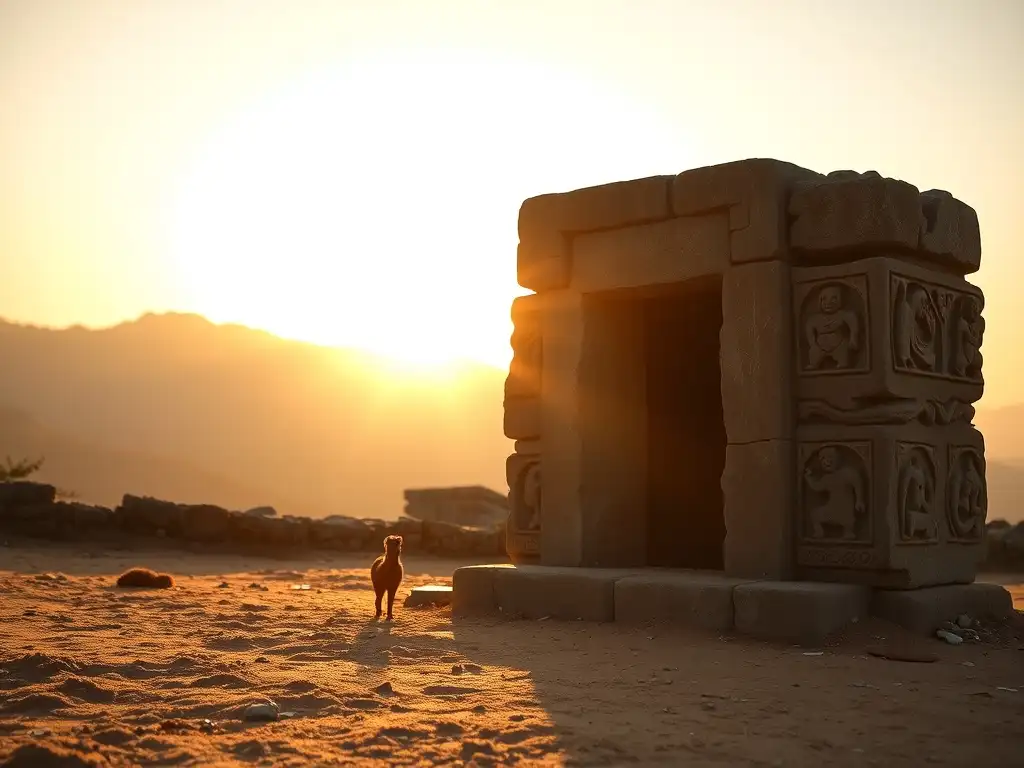
The Andean worldview deeply intertwined the living and the dead. Ancestor veneration wasn't simply a ritual; it was a fundamental aspect of daily life, shaping social structures, political power, and individual identity. The concept of death wasn't an ending, but a transformation, a continuation of existence in a different realm. This belief profoundly influenced Andean afterlife rituals, shaping how the living interacted with and honored their deceased relatives.
Understanding this crucial role of ancestors is key to deciphering the complexities of Andean religious practices and their enduring legacy. The Andean people didn't view death as a cessation of life, but rather a transition to another state of being, where the ancestors continued to exert influence over the living. This perspective informed a wide array of practices, from elaborate burial rituals to daily offerings and prayers.
Honoring the Dead in Andean Communities
Honoring the deceased in Andean communities wasn't a singular event, but an ongoing process woven into the fabric of daily life. Communities actively engaged in maintaining contact with their ancestors through various rituals and practices. These included:
- Regular offerings: Food, drink, coca leaves, and other valuable items were routinely presented at ancestral sites or within the home to appease and maintain a positive relationship with the departed. The frequency and type of offering varied depending on the specific ancestor and the community's needs.
- Mummy maintenance: In some cultures, mummies were kept within the family home, dressed, and even participated in family gatherings. This wasn't viewed as morbid, but rather as a continuation of family life with the deceased still present. The mummies were cared for, receiving regular offerings and being adorned with new clothing.
- Ancestor shrines: Dedicated spaces within homes or in communal areas served as focal points for ancestor veneration. These shrines often contained effigies, offerings, and personal belongings of the deceased, acting as a physical manifestation of the ongoing connection.
- Festivals and celebrations: Annual or periodic festivals incorporated rituals specifically dedicated to ancestor veneration. These events often involved communal feasts, music, dancing, and processions, reaffirming the bond between the living and the dead. Specific offerings and prayers were integral parts of these celebrations.
The meticulous care given to the deceased, even after death, underscores the importance of maintaining a strong connection with the ancestral realm. This dedication wasn't solely a matter of respect; it was a belief that the ancestors continued to influence the living world, offering protection, guidance, and prosperity. The success of a harvest, the health of the community, and even individual fortunes were often attributed to the favor of the ancestors.
Ancestral Veneration and its Impact
Ancestor veneration had a profound impact on various aspects of Andean society. It played a crucial role in:
- Social structure: Family lineages and clan identities were closely tied to ancestral veneration. The status and power of a family or clan were often directly linked to the perceived strength and influence of their ancestors. Maintaining a strong connection with ancestors was crucial for maintaining social standing.
- Political power: Rulers often legitimized their authority through claims of descent from powerful ancestors. This created a sacred connection between the ruler and the populace, reinforcing their legitimacy and power. Elaborate rituals and monumental architecture were used to showcase this connection.
- Land ownership: Access to and control of land were often linked to ancestral claims. Families or clans held rights to specific territories based on their ancestral ties to the land. This created a deep connection between the community, the land, and the ancestors.
- Economic practices: Agricultural practices, trade routes, and even resource allocation were often guided by ancestral guidance. Decisions were often made based on perceived ancestral approval or warnings. This integration of ancestral belief into daily life ensured a cohesive and sustainable society.
The pervasive influence of ancestral veneration shaped Andean societal norms and values, creating a strong sense of community and continuity across generations. The constant interaction with the ancestral realm fostered a deep respect for tradition, history, and the interconnectedness of life and death.
The Connection between the Living and the Dead
The Andean concept of death wasn't a simple binary of life and death, but rather a continuum. The living and the dead co-existed within the same cosmological framework, constantly interacting and influencing each other. This dynamic relationship was maintained through a variety of methods, solidifying the belief that the afterlife wasn't a separate realm, but a continuation of life.
The cyclical nature of Andean agriculture mirrored their understanding of life and death. The planting and harvesting cycles were seen as reflecting the cyclical nature of life, death, and rebirth. Death wasn't an ending, but a transformation, with the deceased taking on a new role within the broader cosmic order. This understanding informed their rituals and beliefs surrounding death and the afterlife.
The deceased were not simply forgotten; they became active participants in the ongoing life of the community, their spirits influencing events and shaping the future. This constant communication between the living and the dead reinforced the importance of honoring and respecting one's ancestors. The vibrant afterlife rituals of the Andes were not simply ceremonies, but essential components of a living, breathing cosmology.
Andean Afterlife Beliefs: A Journey to the Spirit World
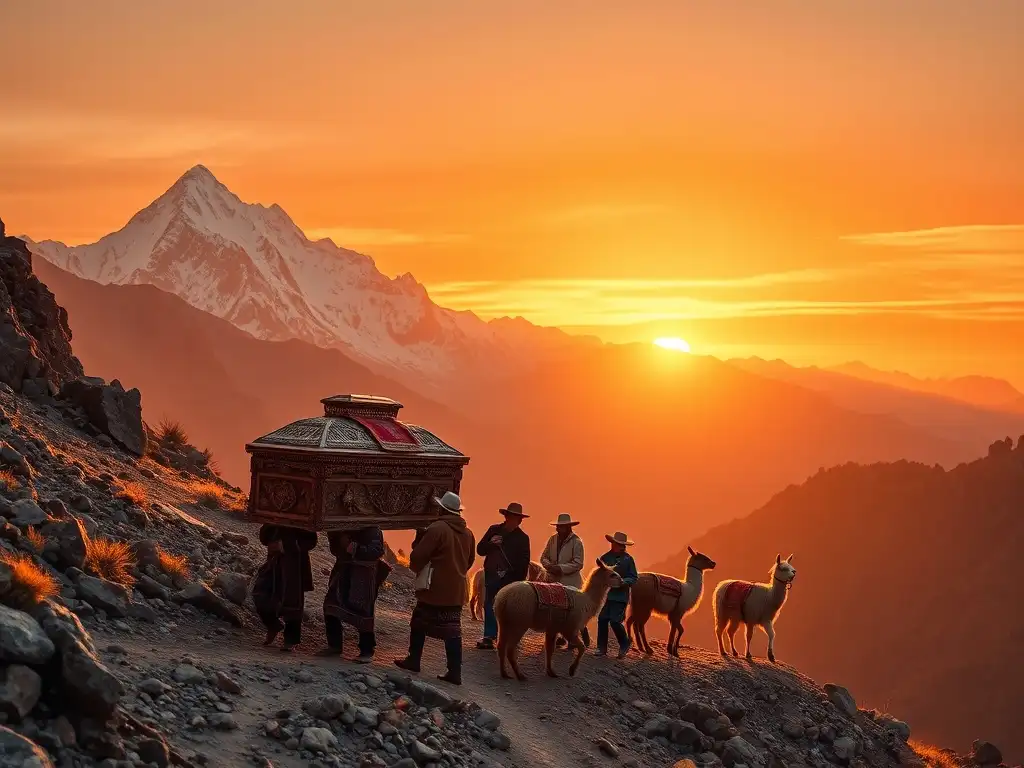
The Andean worldview, encompassing the beliefs and practices of civilizations like the Inca, Moche, Nazca, and Tiwanaku, presented a complex and nuanced understanding of death and the afterlife. Unlike many Western conceptions of a singular heaven or hell, the Andean concept of the afterlife was deeply intertwined with the cyclical nature of life, the cosmos, and the interconnectedness of all living things. Understanding Andean afterlife rituals requires grasping their profound respect for pacha, the interconnectedness of the earthly and spiritual realms, and the belief in a continuous cycle of life, death, and rebirth.
This intricate belief system shaped their funerary practices and offerings, reflecting a vibrant and dynamic vision of the journey to the spirit world. The rituals weren't simply about burial; they were a crucial part of maintaining balance within pacha and ensuring the continued well-being of the living.
This section will delve into the core beliefs that underpinned these significant practices, providing a framework for understanding the specific rituals discussed later. The keyword phrase "Andean afterlife rituals" is central to comprehending the profound significance of these practices within the broader context of Andean cosmology.
The Concept of Pacha and its Relation to the Afterlife
The Andean concept of pacha is fundamental to understanding their beliefs about death and the afterlife. Pacha is not simply "world" or "universe," but rather a complex, interwoven reality encompassing three interconnected realms: hanan pacha (the upper world, home of the gods and celestial beings), kay pacha (the earthly world, where humans reside), and ukhu pacha (the underworld, the realm of the ancestors and spirits). Death, therefore, wasn't seen as an end but as a transition from kay pacha to ukhu pacha, a journey through the spiritual landscape.
The deceased weren't merely gone; they continued to exist in ukhu pacha, maintaining a connection with the living and influencing their lives. This interconnectedness is vividly illustrated in the elaborate funerary rituals, which aimed to facilitate a smooth transition for the deceased and maintain harmony between the three pacha.
These rituals weren't merely symbolic; they were believed to have tangible effects on the balance of the cosmos and the well-being of the community. The successful completion of these rituals was paramount in ensuring that the deceased's spirit found its place in ukhu pacha without causing disruption in the earthly realm.
The Destination of the Soul in Andean Thought
The destination of the soul after death wasn't a singular, predetermined place in Andean belief. Instead, it varied depending on the individual's life, actions, and social standing. While ukhu pacha was the general destination, different parts of this underworld held different significance. Some souls might journey to a peaceful realm of ancestors, while others might face trials or challenges.
The quality of one's life profoundly impacted their afterlife experience. For example, individuals who lived virtuous lives, honored their ancestors, and fulfilled their societal roles were believed to have a smoother transition and a more positive afterlife. Conversely, those who had transgressed societal norms or failed to fulfill their responsibilities might face a less favorable destiny in the underworld.
This belief system encouraged ethical behavior and social harmony, reinforcing the importance of community and respect for tradition. Archaeological evidence, such as the elaborate burials and grave goods, further supports this idea, suggesting a complex system of beliefs surrounding the afterlife and the importance of social status in determining one's fate. The diversity in burial practices across different Andean cultures highlights the nuanced understanding of the soul's journey.
Spiritual Guides and Guardians of the Afterlife
The Andean afterlife wasn't a solitary journey. Spirits, deities, and ancestral figures acted as guides and guardians, assisting the deceased in their transition and navigating the complexities of ukhu pacha. These spiritual entities played a crucial role in ensuring a smooth passage, protecting the deceased from harmful spirits, and helping them find their place in the underworld.
Among the most important were the ahuano, powerful ancestral spirits who could intercede on behalf of the living and protect them from harm. Shamans, with their specialized knowledge and abilities, played a pivotal role in communicating with these spirits and facilitating the journey of the deceased. Their rituals and ceremonies were believed to appease the spirits and ensure the successful transition of the soul.
Furthermore, specific offerings, including food, drink, textiles, and precious objects, were included in the burials to provide sustenance and comfort for the deceased on their journey and to appease the spiritual guardians. The elaborate nature of these offerings underscores the importance of these spiritual intermediaries in Andean beliefs about the afterlife. The careful placement and selection of these items demonstrate a deep understanding of the spiritual landscape and the needs of the deceased in their new realm.
The Legacy of Andean Death Rituals
The Andean concept of death wasn't simply an end, but a transformative journey to the afterlife. This belief system, deeply woven into the fabric of Andean societies, manifested in elaborate and fascinating rituals designed to ensure a smooth passage for the deceased and maintain the balance between the living and the dead. Understanding these rituals provides crucial insight into the Andean worldview, their social structures, and their profound connection to the natural world.
The legacy of these practices continues to resonate in contemporary Andean communities, albeit often subtly integrated into modern life. The richness and complexity of these ancient Andean afterlife rituals are a testament to the enduring power of their beliefs. From the mummification techniques of the Chinchorro culture—predating even the Incas—to the intricate grave goods of the Nazca, the commitment to preparing for the afterlife was a constant across different Andean civilizations, shaping their societal norms and artistic expressions.
The study of these rituals offers a unique window into the spiritual and cosmological perspectives of these ancient cultures. Analyzing the archaeological evidence, such as burial sites and artifacts, allows us to piece together a comprehensive understanding of their beliefs and practices surrounding death. We can observe how these beliefs shaped their daily lives and continue to influence the cultural landscape of the Andes today.
Despite the passage of centuries, elements of ancient Andean death rituals persist in contemporary Andean communities. While large-scale mummification and elaborate tomb construction are largely absent, certain traditions continue to reflect the enduring influence of ancient beliefs. For example, the practice of leaving offerings of food and drink at gravesites, a common feature of ancient Andean burial practices, is still observed in many communities.
These offerings, often accompanied by prayers and symbolic gestures, are intended to nourish the spirit of the deceased and maintain their connection to the living world. The specific offerings vary depending on the region and the family's traditions, but the underlying principle of providing sustenance for the departed remains consistent. Furthermore, the celebration of Día de los Muertos (Day of the Dead), while influenced by Spanish Catholicism, incorporates indigenous Andean elements, demonstrating the resilience of ancestral traditions.
Families often visit cemeteries, decorate graves with flowers and candles, and share meals with the spirits of their ancestors, echoing the ancient Andean emphasis on maintaining a bond between the living and the dead. These contemporary practices, while adapted to modern contexts, provide tangible evidence of the enduring impact of Andean beliefs about the afterlife. Anthropological research continually reveals the subtle yet significant ways in which these ancient rituals continue to shape the cultural landscape of the Andes, offering a powerful connection to the past.
The Enduring Impact of Andean Beliefs
The impact of Andean beliefs about death and the afterlife extends far beyond the realm of ritual practice. These beliefs profoundly shaped social structures, artistic expressions, and even the physical environment. The construction of monumental architecture, such as the impressive stone cities of the Inca and the intricate Nazca lines, can be interpreted through the lens of their beliefs about the cosmos and the afterlife. These structures served not only practical purposes but also symbolic roles, reflecting their cosmological understanding and their relationship with the divine.
Furthermore, Andean art, particularly textiles and pottery, frequently depicted scenes related to death, the afterlife, and the journey of the soul. These artistic representations provide invaluable insights into their beliefs and offer a glimpse into their spiritual world. The meticulous craftsmanship and symbolic imagery found in Andean artifacts demonstrate the importance of these beliefs in their daily lives.
The enduring legacy of these beliefs is also evident in the rich oral traditions and narratives that have been passed down through generations. These stories, often imbued with mythical and spiritual elements, continue to shape the cultural identity of Andean communities, preserving the memory and significance of their ancestors and their beliefs. The study of these various aspects – architecture, art, and oral traditions – reveals the pervasive influence of Andean conceptions of death on their culture and society.
Preserving Andean Death Traditions
The preservation of Andean death traditions is crucial for understanding not only the past but also the present and future of Andean cultures. Efforts to document and protect these traditions involve collaboration between archaeologists, anthropologists, and Andean communities themselves. This collaborative approach ensures that the preservation efforts are respectful and sensitive to the cultural significance of these practices. Documenting burial sites and analyzing artifacts provide invaluable data for researchers, allowing for a more comprehensive understanding of Andean beliefs and practices.
Moreover, working directly with Andean communities to record oral histories and traditional practices helps to safeguard these traditions and ensures their continuation. This collaborative approach is essential for promoting cultural preservation and respecting the cultural heritage of the Andean people. The challenge lies in balancing the need for scientific research with the respect for sacred sites and cultural sensitivities.
By fostering mutual understanding and collaboration, we can work towards a future where Andean death traditions are not only preserved but also celebrated as a vital part of their rich cultural heritage. This involves supporting community-led initiatives, promoting responsible tourism, and educating the wider public about the importance of preserving these traditions. The ongoing work in this area is crucial to understanding the enduring legacy of Andean civilizations and their unique perspective on life, death, and the journey to the afterlife.
Frequently Asked Questions
What were the Andean civilizations' beliefs about the afterlife?
Andean cultures held diverse beliefs about the afterlife, but generally believed in a spiritual realm connected to the physical world. Death wasn't seen as an end, but a transition to another existence. Their rituals reflected this belief.
What role did mummification play in Andean afterlife rituals?
Mummification was crucial, preserving the body for the journey to the afterlife. Elite individuals often received elaborate mummification and burial rituals, showcasing their status. Offerings were placed with the mummies for use in the next life.
What types of offerings were included in Andean burial rituals?
Burials included a wide variety of grave goods, reflecting the deceased's status and the beliefs of their culture. These offerings could include food, textiles, pottery, tools, and even sacrificed animals. The quantity and quality varied greatly.
How did Andean afterlife beliefs differ between different cultures?
While sharing some common threads, Andean cultures exhibited diversity in their beliefs and rituals. The Inca emphasis on ancestor veneration differed from the Moche's focus on warrior-related imagery in their burials. Regional variations were also significant.
Were there any common themes across different Andean afterlife rituals?
Yes, several themes recur. The idea of providing for the deceased in the afterlife was paramount, seen in the abundant grave goods. The importance of maintaining connections between the living and the dead through rituals and offerings was also consistently present.
Final Reflection: Echoes of the Andes: A Journey Beyond Mortality
The Andean understanding of death, far from being a mere cessation of life, represents a vibrant continuation of existence, a journey into the spirit world deeply intertwined with the living. This ancient worldview, with its intricate rituals and profound respect for the deceased, holds a powerful resonance even today, challenging our modern perspectives on mortality and the afterlife. The enduring legacy of these practices offers a compelling counterpoint to the often sterile and detached approach to death prevalent in contemporary society.
The enduring power of Andean death rituals lies not only in their historical significance but also in their capacity to foster a deeper connection with our own mortality. These rituals, with their emphasis on community, remembrance, and the cyclical nature of life and death, offer a profound alternative to the often isolating and individualistic experiences of grief in modern cultures. Death is not an ending but a transformation, a passage to another realm of existence.
This sentiment, echoing through the centuries, speaks to the enduring relevance of the Andean perspective.
Consider, for a moment, the profound implications of this ancient wisdom. How might embracing a more holistic and communal approach to death enrich our lives and the lives of those we love? I urge you to reflect on the Andean concept of death, not as a distant historical curiosity, but as a potential pathway to a more meaningful engagement with life's inevitable end. Let the echoes of these ancient rituals inspire you to create your own personal rituals of remembrance, fostering a deeper appreciation for the preciousness of life and the enduring bonds that transcend mortality.
Embrace the Andean Legacy: Exploring Life and Death
Thank you for exploring the profound rituals and beliefs surrounding death in Andean cultures. You've discovered how these civilizations honor the passage to the afterlife and maintain sacred connections with their ancestors. Let's delve deeper into this rich heritage!
Here are some ways to further your understanding:
- Join a community of like-minded individuals. Participate in a local discussion group or online forum dedicated to Andean cultures to share insights and learn from others.
- Expand your knowledge. Read books or watch documentaries that explore Andean spiritual beliefs and traditions.
- Share your discoveries. Engage friends and family, or use social media, to spark conversations about the Andean perspective on death and the afterlife.
What aspect of the Andean worldview most captivates you, and how can you integrate these insights into your own understanding of life and death?