
The Andean Ritual of the Stars: Connecting with the Celestial Realm

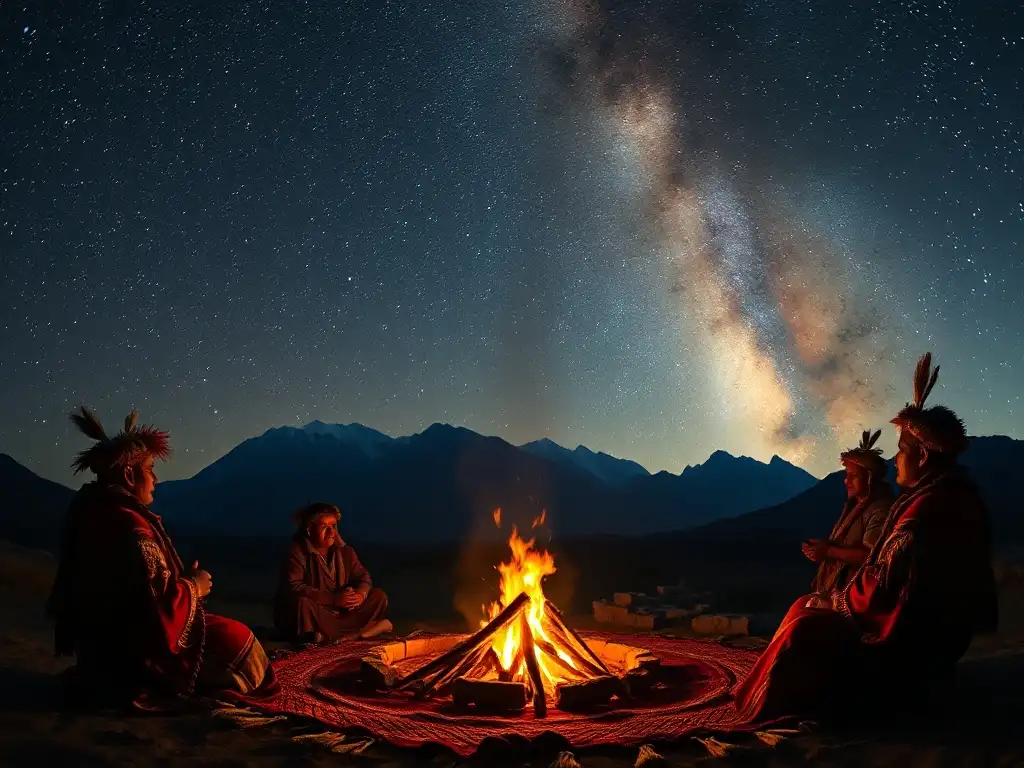
Step into a world lost to time, yet echoing with the whispers of ancient Andean wisdom. For centuries, the majestic Andes mountains held secrets whispered only to the stars. Discover the intriguing world of Andean stargazing rituals, a celestial dance between humanity and the cosmos that shaped the beliefs and practices of civilizations like the Incas, Moche, and Nazca. Prepare to unravel the mysteries of their connection to the heavens – a journey that will leave you questioning everything you thought you knew about these remarkable cultures. Read on to explore the breathtaking legacy of their celestial observations.
- Andean Stargazing Rituals: Connecting with the Celestial Realm
- The Practice of Andean Star Rituals
- Instruments and Tools Used in Andean Stargazing
- The Spiritual Connection of Andean Stargazing Rituals
- Modern Relevance of Andean Stargazing
- Frequently Asked Questions
- Final Reflection: Echoes of the Cosmos in the Andes
- Embrace the Stars and Transform Your Journey!
Andean Stargazing Rituals: Connecting with the Celestial Realm
The Andes Mountains, a spine of towering peaks piercing the sky, have served as a backdrop for millennia of profound spiritual connection between humans and the cosmos. For the ancient Andean civilizations – including the Incas, Moche, Nazca, and Tiahuanaco – the night sky wasn't just a celestial canvas, but a living, breathing entity deeply interwoven with their daily lives, agricultural cycles, and understanding of the world.
This article explores the fascinating world of Andean stargazing rituals, revealing how these cultures observed, interpreted, and interacted with the stars, using them not just for navigation and agriculture, but as a fundamental part of their religious and spiritual beliefs. We will delve into the significance of celestial bodies in their cosmovision, examine the sophisticated astronomical knowledge they possessed, and uncover the mysteries of their ancient observatories and sacred sites dedicated to celestial worship.
Understanding these rituals provides invaluable insight into the rich tapestry of Andean spirituality and its enduring legacy.
The Significance of the Cosmos in Andean Culture
The Andean worldview was profoundly shaped by their understanding of the cosmos. The celestial realm was not separate from the terrestrial but intimately connected, influencing everything from agricultural practices to social structures. The sun, moon, and stars were considered divine entities, powerful forces that dictated the rhythms of life.
Constellations weren't simply patterns of stars; they were perceived as living beings, each with its own story, power, and influence. Specific constellations were associated with deities, animals, and ancestral spirits, playing crucial roles in myths, legends, and rituals. For example, the Pleiades star cluster, known as Collca or Seven Sisters in some Andean languages, held significant importance, often marking the beginning of the agricultural cycle and associated with fertility and abundance.
The detailed observations and interpretations of these celestial events allowed the Andean people to predict seasonal changes, plan their agricultural activities, and maintain a harmonious relationship with the natural world. This intimate connection between the earthly and celestial realms shaped their religious practices, ceremonies, and daily lives in profound ways. The meticulous observation of the celestial bodies was not simply a scientific endeavor but a deeply spiritual practice, reinforcing their connection with the divine and the ancestors.
Understanding Andean Cosmovision and Astronomy
Andean astronomy was not simply a matter of observing the stars; it was deeply intertwined with their complex cosmological beliefs. Their understanding of the cosmos was holistic and interconnected, viewing the celestial and terrestrial realms as one continuous system. The movements of celestial bodies were seen as reflections of the divine will, influencing the lives of humans and the natural world.
This sophisticated understanding of astronomy was not confined to a priestly elite but was widely shared within Andean communities. Evidence suggests a high degree of astronomical knowledge, reflected in the precise alignment of many archaeological sites with significant astronomical events like solstices and equinoxes. This intricate knowledge allowed them to develop accurate calendars, predict agricultural cycles, and organize their social and religious life in accordance with celestial rhythms.
Their astronomical observations were not limited to naked-eye astronomy. While sophisticated instruments like astrolabes are not confirmed to have been used, evidence points to the use of carefully constructed structures and alignments, acting as natural observatories, to track celestial movements with remarkable precision. Further research continues to unravel the complexity and sophistication of their astronomical knowledge.
Ancient Andean Observatories and Sacred Sites
Many archaeological sites throughout the Andes bear witness to the importance of celestial observation in Andean culture. These sites, often located on mountaintops or strategically positioned within landscapes, served as observatories and sacred spaces for rituals and ceremonies related to the stars. For instance, [specific examples of Andean observatories and their significance pending].
These sites are not simply random locations but were carefully selected and constructed to align with specific astronomical events. The precise alignments of structures, windows, and other architectural features with the rising or setting of the sun, moon, and stars demonstrate a remarkable understanding of astronomy and its integration into their religious practices. These sacred sites weren't just places for observation; they were also the locations for rituals aimed at ensuring a bountiful harvest, appeasing deities, and communicating with the spirit world.
The precise astronomical knowledge embedded within these sites serves as a testament to the deep spiritual and cosmological significance of stargazing in Andean culture. The enduring legacy of these sites continues to fascinate researchers and inspire awe in those who visit them today. Further studies are needed to fully understand the complex interplay between astronomy, religion, and social life within these significant locations.
The Practice of Andean Star Rituals
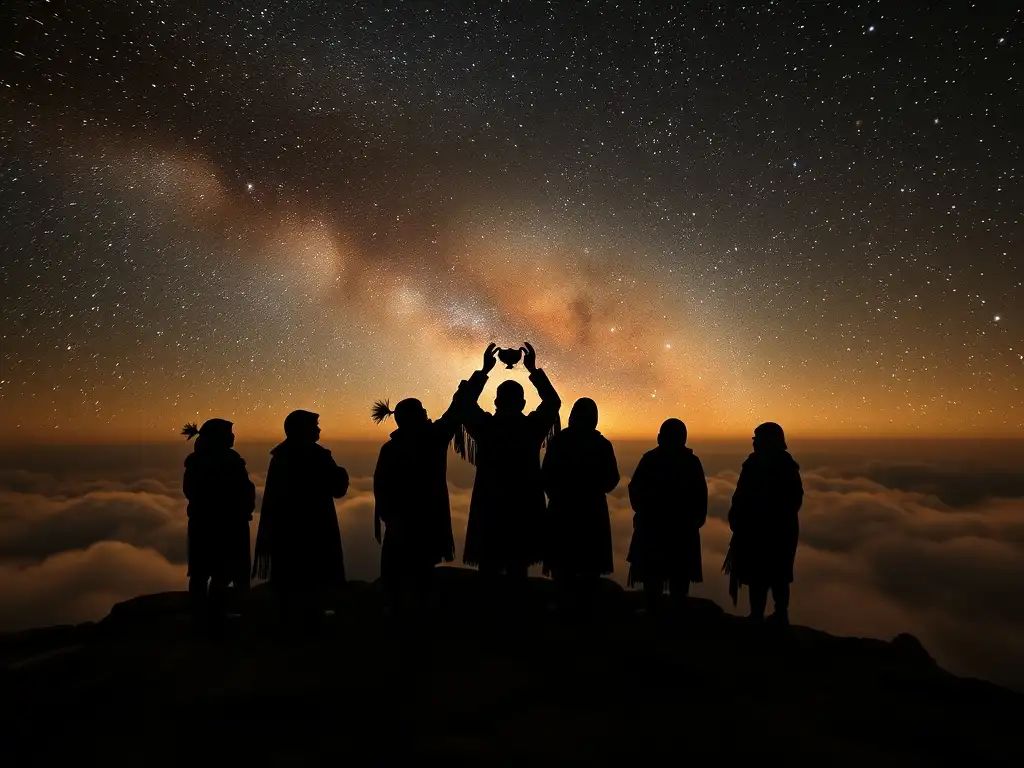
Andean stargazing rituals weren't merely passive observation; they were deeply ingrained in the fabric of daily life and profoundly influenced the agricultural cycle, social structure, and spiritual beliefs of numerous Andean cultures. These practices, passed down through generations via oral traditions and archaeological evidence, reveal a sophisticated understanding of astronomy and its intricate connection to their worldview.
The meticulous tracking of celestial movements allowed Andean peoples to predict seasonal changes, plan agricultural activities, and coordinate communal events with remarkable accuracy. This intimate relationship with the cosmos shaped their perception of time, space, and their place within the larger universe.
Understanding the nuances of these rituals requires appreciating the profound significance the Andean cultures placed on their celestial observations, which transcended simple practicality and delved into the realm of the sacred. The very act of observing the stars became a ritual in itself, a communion with the divine forces believed to reside in the heavens.
Identifying Key Celestial Events in Andean Rituals
Identifying key celestial events in Andean rituals involved a keen observation of the sun, moon, and stars. The solstices and equinoxes were particularly crucial, marking the turning points of the agricultural year and triggering significant ceremonies. For instance, the winter solstice (June 21st) held immense importance, often associated with regeneration and renewal.
The summer solstice (December 21st) similarly marked a significant time for celebration and thanksgiving. The heliacal rising of certain stars, their first appearance in the dawn sky after a period of invisibility, also signified specific times for planting and harvesting. Archaeological evidence, such as the precise alignment of structures like Machu Picchu with significant celestial events, confirms the sophistication of their astronomical knowledge.
Furthermore, the phases of the moon played a vital role in regulating various activities, including agricultural practices and even social interactions. The precise methods used to track these events are still being researched, but evidence suggests the use of sophisticated observation techniques, perhaps aided by simple instruments or markings on the landscape. The accuracy of their predictions underscores the dedication and skill invested in these practices.
The Role of the Sun, Moon, and Stars in Andean Ceremonies
The sun (Inti), moon (Killa), and stars held distinct roles within the Andean cosmology. The sun, as the primary source of life and energy, was venerated as a supreme deity, receiving lavish offerings and elaborate ceremonies throughout the year. The Inti Raymi, the most famous Inca festival, exemplifies this veneration.
The moon, often associated with feminine energy and cycles of fertility, played a crucial role in agricultural practices and was also the subject of rituals and offerings. The stars, viewed as celestial messengers or deities, were believed to influence human affairs and the natural world. Constellations were identified and associated with specific deities or events, further enriching the symbolic meaning of celestial observations.
These celestial bodies weren't simply astronomical phenomena but powerful spiritual entities that directly influenced the lives of the Andean peoples. Their rituals aimed to establish harmony and balance between the earthly and celestial realms, ensuring the continued prosperity and well-being of their communities. The intricate relationship between these celestial bodies and Andean ceremonies provides a fascinating insight into their complex cosmology and spiritual beliefs.
Specific Andean Star Rituals: Inti Raymi
The Inti Raymi, or Festival of the Sun, is perhaps the most well-known Andean star ritual. This grand ceremony, celebrated during the winter solstice, was a time of great feasting, sacrifice, and communal celebration. The Inca emperor, as the intermediary between the earthly and celestial realms, presided over the rituals, offering gifts to the sun god and ensuring the continued abundance of the land.
The precise details of the Inti Raymi varied across different Inca regions, but common elements included processions, music, dance, and the offering of llamas, maize, and other precious goods. The timing of the festival, coinciding with the solstice, highlights the close link between astronomy and Andean religious practices. The Inti Raymi wasn't simply a religious event; it served as a crucial social and political function, reinforcing the authority of the Inca emperor and solidifying the unity of the empire.
Archaeological discoveries continue to shed light on the scale and complexity of this remarkable celebration, underscoring its importance in Inca society and its deep connection to the Andean stargazing rituals. The legacy of Inti Raymi continues to resonate today, serving as a potent symbol of Andean culture and its profound connection with the celestial realm.
Specific Andean Star Rituals: Warachikuy
Warachikuy, meaning "to become a person" in Quechua, was a significant Andean ritual deeply connected to the celestial cycles and the agricultural year. It wasn't solely focused on stargazing in the way some other rituals were, but the timing and significance of the ceremony were intimately linked to the positions of certain constellations and celestial events. This rite of passage, primarily practiced by the Inca, marked the transition of young boys into adulthood, preparing them for their roles within Inca society.
The timing of Warachikuy was crucial, often coinciding with specific agricultural cycles and astronomical events, strengthening the link between the celestial realm and earthly life. The precise dates varied depending on location and specific Inca traditions, but generally occurred during the months corresponding to the southern hemisphere's spring or summer solstice, reflecting the renewed energy and growth of nature mirrored in the young men's transformation.
The ritual itself involved a period of rigorous training and preparation. Young boys, selected based on lineage and physical prowess, would undergo months of intense physical and spiritual discipline. This training included rigorous physical exercises designed to test their endurance and strength, mirroring the challenges they would face as adult warriors and community members.
Equally important was the spiritual aspect, involving instruction in Inca cosmology, history, and the importance of maintaining harmony with the Pachamama (Mother Earth) and the celestial bodies. This instruction often included detailed explanations of the constellations and their significance within the Inca worldview, highlighting the connections between the celestial movements and the earthly cycles of life, death, and rebirth. The boys learned to interpret the movements of the stars as indicators of auspicious times for planting, harvesting, and warfare.
The culmination of the Warachikuy involved a series of ceremonies and trials. These ceremonies involved offerings to the apus (mountain spirits) and other deities, seeking their blessings and protection for the initiates. The trials themselves often included displays of physical strength, endurance, and courage, demonstrating their readiness to take on adult responsibilities.
The successful completion of these trials marked their official transition into manhood, granting them new privileges and responsibilities within their communities. The whole process, from preparation to completion, was deeply intertwined with the Andean understanding of the cosmos and the interconnectedness of the celestial and earthly realms. The careful observation of the stars and their influence on the terrestrial world was integral to the entire ritual, underscoring the importance of Andean stargazing in shaping their social and religious practices.
The timing, training, and ceremonies all served to reinforce the deeply held belief in the celestial influence over all aspects of Andean life. Furthermore, successful completion of the Warachikuy was not just a personal achievement; it reinforced the social order and the continued prosperity of the Inca empire, highlighting the profound connection between individual rites of passage and the broader societal well-being.
Instruments and Tools Used in Andean Stargazing
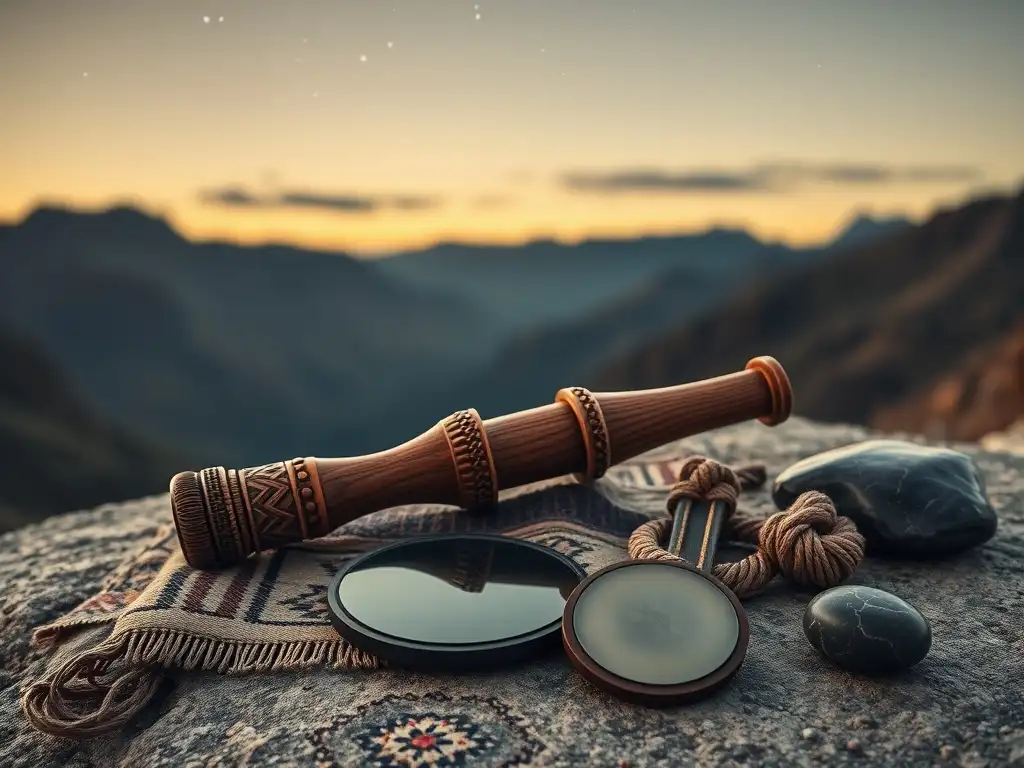
The Andean civilizations, renowned for their sophisticated understanding of astronomy, developed a range of ingenious instruments and techniques for observing the celestial realm. Their astronomical knowledge wasn't merely theoretical; it was deeply intertwined with their religious practices, agricultural cycles, and social structures. Understanding their tools provides crucial insight into their worldview and the importance of Andean stargazing rituals. These weren't simply casual observations; they were meticulously planned and executed ceremonies, reflecting a profound connection between the earthly and celestial realms.
The Use of Intihuatana Stones for Solar Observation
Intihuatana stones, often translated as "Hitching Post of the Sun," are monolithic structures found at various archaeological sites throughout the Andes. While their exact function remains a subject of ongoing research and debate among archaeologists, many scholars believe they served as sophisticated solar observatories. These stones, precisely positioned and often intricately carved, were likely used to track the sun's movements throughout the year, marking solstices and equinoxes with remarkable accuracy.
The precise alignment of these stones with the sun's path suggests a deep understanding of solar geometry and its implications for agriculture and religious calendrical systems. For example, the Intihuatana at Machu Picchu is famously aligned with the winter solstice, highlighting the importance of this celestial event in the Inca worldview.
The detailed carvings on some Intihuatana stones may also represent constellations or other celestial phenomena, further enhancing their role in Andean stargazing rituals. The construction of these impressive structures, often involving significant engineering feats, underscores the high value placed on astronomical observation within Andean societies.
Andean Calendars and their Connection to Celestial Cycles
Andean civilizations didn't rely on a single calendar; instead, they used multiple interconnected systems to track time, all intricately linked to celestial cycles. These calendars were not merely tools for scheduling; they were integral to their religious beliefs and agricultural practices. The Inca khipu, a complex system of knotted strings, is believed to have recorded astronomical data, alongside administrative and census information.
While the precise method of encoding astronomical information remains a subject of research, the sheer quantity of khipu discovered suggests its importance in understanding and predicting celestial events. The Inca calendar, for example, was closely tied to the agricultural cycle, with festivals and ceremonies timed to coincide with specific solar and lunar events.
The accurate prediction of these events, based on careful astronomical observation, was crucial for ensuring successful harvests and maintaining social harmony. Other Andean cultures, like the Moche and Nazca, also developed sophisticated calendrical systems, demonstrating a widespread appreciation for the connection between celestial cycles and earthly life, crucial for their Andean stargazing rituals.
Other Tools and Techniques for Stargazing in the Andes
Beyond Intihuatana stones and complex calendrical systems, the Andean civilizations employed a variety of other tools and techniques for observing the stars. Their keen observational skills allowed them to identify constellations and track the movements of planets with remarkable precision. Evidence suggests the use of simple instruments, like gnomons (vertical sticks casting shadows to measure the sun's position), and possibly more advanced tools whose nature remains a mystery.
Furthermore, the strategic placement of settlements and sacred sites, often aligned with significant celestial features, indicates a deep understanding of the landscape's relationship to the cosmos. Many Andean sites are situated to offer optimal views of the rising and setting sun or specific constellations, showcasing the integration of astronomy into their daily lives and religious practices.
The careful observation of celestial phenomena, passed down through generations of oral tradition and possibly recorded in less well-understood systems, allowed them to predict weather patterns, plan agricultural activities, and conduct their elaborate Andean stargazing rituals. The integration of astronomical knowledge into their society was not merely a scientific pursuit but a fundamental aspect of their spiritual and cultural identity.
The Spiritual Connection of Andean Stargazing Rituals
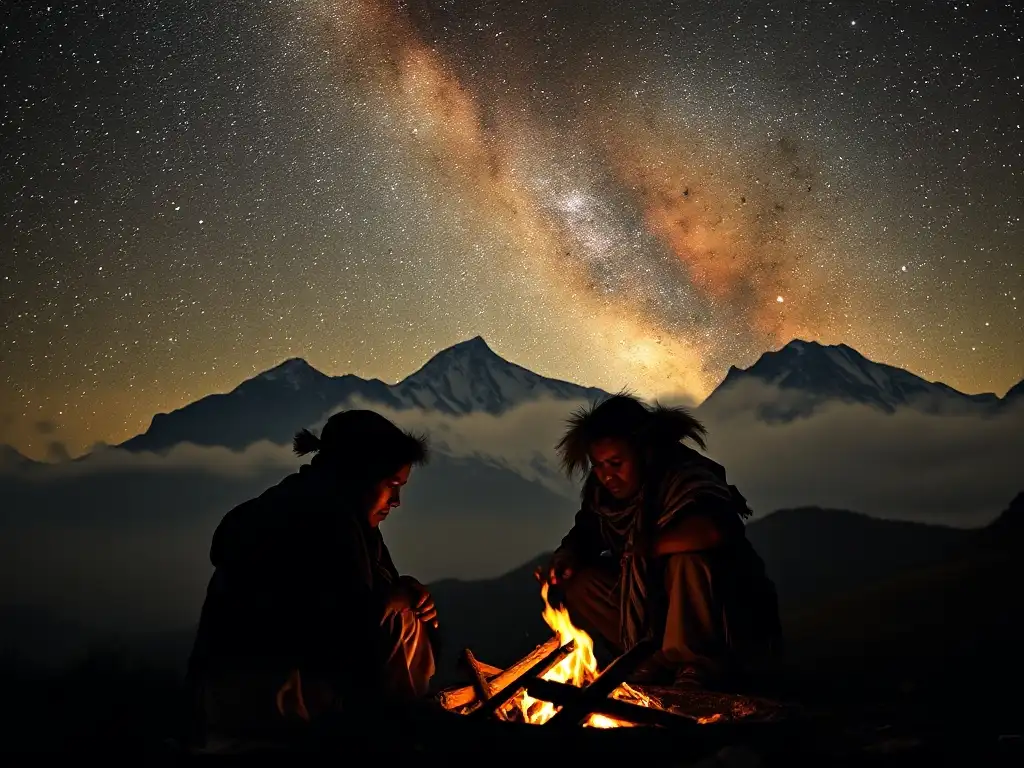
Andean stargazing rituals weren't merely astronomical observations; they were deeply spiritual practices connecting the earthly realm with the celestial. The Andean worldview saw the cosmos as a vibrant, interconnected entity, with the stars playing a crucial role in shaping life, harvests, and the very fabric of existence. This profound connection permeated all aspects of Andean life, from agriculture and governance to personal well-being and spiritual development.
Understanding the celestial movements was crucial for predicting weather patterns, planning agricultural cycles, and even interpreting omens. The precise alignment of constellations, the appearance of comets, and the phases of the moon all held significant symbolic meaning and were intricately woven into the tapestry of Andean religious beliefs and practices.
The intensity of this connection is evidenced by the sophisticated astronomical knowledge possessed by various Andean cultures, which is reflected in their monumental architecture and intricate iconography. This wasn't simply about scientific observation; it was about establishing a direct dialogue with the spiritual forces believed to govern the universe.
The Importance of Pachamama and the Andean Cosmos
Pachamama, the Earth Mother, is central to the Andean worldview, representing the life-giving force of the earth. Andean stargazing rituals weren't isolated events; they were deeply intertwined with Pachamama's power and influence. The celestial bodies were seen as extensions of Pachamama, reflecting her rhythms and energies.
The stars, moon, and sun were not separate entities but active participants in the continuous cycle of life, death, and rebirth. For example, the solstices and equinoxes were celebrated with elaborate ceremonies, reflecting the cyclical nature of Pachamama's influence on agriculture and the overall well-being of the community. These celestial events were not just observed; they were actively engaged with through rituals designed to honor Pachamama and ensure her continued benevolence.
The positioning of sacred sites, such as Machu Picchu, often took into account astronomical alignments, further emphasizing the seamless integration of the earthly and celestial realms within the Andean cosmology. The precise timing of agricultural activities, planting and harvesting, often directly correlated with specific celestial events, showcasing the practical application of their astronomical knowledge in maintaining a harmonious relationship with Pachamama.
Connecting with Ancestors through Celestial Observation
Andean stargazing rituals also served as a vital link to the ancestral realm. The Andean people believed that their ancestors continued to exist in the celestial sphere, influencing the lives of the living. Celestial observations weren't simply about predicting the future; they were about communicating with and receiving guidance from deceased relatives.
Certain constellations were associated with specific ancestral lineages or deities, providing a framework for understanding their ongoing presence and influence. The act of gazing at the stars, therefore, was a form of ancestor veneration, a way of maintaining a connection with those who had come before. This connection was not passive; it was believed that ancestors could communicate through celestial signs and omens, guiding the living in important decisions and offering warnings of impending events.
The meticulous recording of celestial occurrences, often through intricate knot systems (quipus) or other forms of record-keeping, served to preserve this ancestral knowledge and ensure its transmission across generations. This practice ensured the continuity of their traditions and strengthened the bond between the living and their ancestors. The passing down of this astronomical knowledge, generation after generation, underscores the importance of this connection in maintaining cultural identity and social cohesion.
The Shaman’s Role in Andean Star Rituals
The shaman, or paqo, played a central role in Andean stargazing rituals. They possessed specialized knowledge of astronomy and were responsible for interpreting celestial events and communicating with the spiritual world. Their expertise wasn't limited to astronomical observation; they also acted as intermediaries between the community and the celestial realm, conducting ceremonies, offering prayers, and making predictions based on their interpretation of celestial phenomena.
The paqo’s ability to interpret the stars was considered vital for the well-being of the community. Their role extended beyond simple prediction; they guided communities through challenging times, offering spiritual counsel and leading rituals aimed at restoring balance and harmony. Their understanding of the cosmos, combined with their spiritual abilities, allowed them to interpret omens, identify auspicious times for important events, and perform healing ceremonies aligned with celestial cycles.
The paqo’s authority stemmed from their deep knowledge and spiritual connection, making them essential figures in Andean society and highlighting the integral connection between spirituality, astronomy, and social structure. The intricate ceremonies they conducted, often involving offerings and symbolic gestures, underscored the profound significance of Andean stargazing rituals in shaping the lives and beliefs of the Andean communities. Detailed accounts of these ceremonies, though scarce, highlight the shaman's crucial role in mediating between the human and spiritual realms within this rich cultural context.
Modern Relevance of Andean Stargazing
The ancient Andean peoples' profound connection with the cosmos continues to resonate in the 21st century. Their sophisticated understanding of celestial mechanics, reflected in their intricate stargazing rituals, offers valuable insights into astronomy, cultural preservation, and even sustainable living practices. Understanding these rituals is not merely an academic exercise; it holds practical implications for modern society.
For example, the precise agricultural calendars developed through meticulous observation of constellations directly informed planting and harvesting cycles, a knowledge system that remains relevant in addressing contemporary challenges of food security and sustainable agriculture. The Andean approach to living in harmony with nature, deeply intertwined with their celestial observations, provides a compelling model for environmental stewardship in a time of increasing ecological concern.
Preserving Traditional Andean Stargazing Practices
The preservation of traditional Andean stargazing practices faces numerous challenges. The encroachment of light pollution in urban areas significantly hinders visibility of the night sky, diminishing the experiential aspect crucial to these rituals. Furthermore, the globalization of culture often leads to the erosion of indigenous knowledge systems, with younger generations less connected to ancestral practices. Active measures are needed to counteract these trends.
These include establishing designated dark sky reserves in Andean regions, promoting educational programs that integrate Andean astronomy into school curricula, and supporting community-based initiatives that revitalize traditional stargazing ceremonies. Documenting oral histories and astronomical knowledge through meticulous ethnographic research is also vital for preserving this invaluable heritage. The successful preservation of these practices requires a multi-pronged approach that combines technological solutions with cultural sensitivity and community engagement. Failure to do so risks losing a unique and irreplaceable cultural legacy.
The Cultural and Historical Value of Andean Star Rituals
Andean star rituals are not simply ancient practices; they represent a rich tapestry of cultural and historical significance. These rituals were integral to the social fabric of Andean societies, shaping their worldview, social structures, and political organization. The celestial events acted as markers for significant social occasions, like festivals and agricultural cycles.
The intricate astronomical knowledge embedded within these rituals showcases the advanced intellectual capabilities of Andean civilizations, challenging Eurocentric narratives that often underestimate indigenous contributions to science and technology. The sophisticated understanding of celestial movements revealed through archaeological discoveries, such as the precise alignments of structures with astronomical events, demonstrates a deep understanding of mathematics and engineering.
Moreover, the symbolism embedded within these rituals provides invaluable insights into Andean cosmovision, offering a window into their beliefs about the universe, their place within it, and their relationship with the divine. These rituals represent a powerful legacy that continues to inform our understanding of Andean history and culture.
Contemporary Interpretations of Andean Celestial Beliefs
Contemporary interpretations of Andean celestial beliefs are diverse and often reflect a blending of traditional knowledge with modern scientific understanding. Some scholars focus on the practical applications of Andean astronomy, highlighting its role in agricultural planning and resource management. Others delve into the symbolic and religious aspects, interpreting celestial events within the broader context of Andean cosmology and mythology.
There is a growing interest in exploring the connections between Andean stargazing and contemporary ecological movements, recognizing the inherent wisdom embedded within the Andean worldview regarding human’s relationship with nature. Furthermore, the revival of Andean stargazing practices in various communities offers a platform for cultural revitalization and the empowerment of indigenous voices.
These varied approaches illustrate the enduring relevance of Andean celestial beliefs, offering a rich lens through which to examine both past and present perspectives on the cosmos and humanity's place within it. The ongoing dialogue between traditional knowledge and modern scientific inquiry promises to enrich our understanding of Andean cosmology and its continuing significance.
Frequently Asked Questions
What were Andean stargazing rituals?
Andean stargazing wasn't just observation; it was deeply intertwined with religious beliefs and agricultural practices. People used celestial events to predict planting and harvesting seasons, and to guide their lives according to the cosmos. These rituals involved ceremonies, offerings, and the construction of astronomical sites.
How did the Incas use astronomy?
The Inca civilization developed a sophisticated understanding of astronomy, employing it for agricultural planning and religious ceremonies. They tracked the movements of stars and constellations to determine the optimal times for planting and harvesting crops. Sacred sites like Machu Picchu were carefully aligned with celestial bodies.
What role did constellations play in Andean cultures?
Constellations held significant symbolic meaning in Andean cultures, representing animals, deities, and ancestral figures. The constellations were used to tell myths and stories, transmitting cultural knowledge and beliefs across generations. Their positions influenced rituals and daily life.
Were there specific sites dedicated to Andean stargazing?
Yes, many sites across the Andes were specifically designed and oriented for astronomical observation. These include stone structures, temples, and ceremonial centers strategically positioned to align with celestial events. Sacsayhuamán near Cusco is a prime example.
How did Andean stargazing differ from other ancient cultures?
While sharing some similarities with other ancient cultures, Andean stargazing had its own unique characteristics, reflecting the region's specific environment and beliefs. The focus on agricultural cycles and the integration of astronomy with religious cosmology were particularly distinctive features of Andean practices.
Final Reflection: Echoes of the Cosmos in the Andes
The ancient Andean reverence for the celestial realm isn't just a historical curiosity; it's a potent reminder of our enduring connection to the universe. Understanding these stargazing rituals offers a powerful lens through which to examine our own relationship with nature and the cosmos, a relationship often lost in the clamor of modern life. The precision and depth of their astronomical knowledge, woven into the fabric of their daily lives, continues to inspire awe and wonder.
The enduring legacy of Andean stargazing rituals speaks volumes about the human need to find meaning and purpose beyond the mundane. These practices weren't simply about observing the stars; they were a way of life, deeply intertwined with agriculture, spirituality, and social structure. They remind us of a time when humanity felt intimately connected to the natural world, a connection that many yearn to rediscover today. The universe is within you, as you are within the universe.
This ancient wisdom, echoing across millennia, urges us to look inward as well as outward, to find our place within the grand cosmic tapestry.
Consider the profound implications of this ancient wisdom. How can we, in our modern world, reconnect with the natural rhythms of the cosmos? How can we cultivate a deeper appreciation for the universe and our place within it? I invite you to look up at the night sky, to pause, and to reflect on the enduring power of these Andean traditions. Let the stars guide you, not just geographically, but spiritually, reminding you of the vastness and wonder that surrounds us all.
Embrace the Stars and Transform Your Journey!
Thank you for exploring the enchanting world of the Andean Ritual of the Stars! You've discovered valuable insights into our connection with the cosmos, igniting a sense of wonder and reverence for the universe. Now, let's deepen your celestial journey.
Here are some ways to continue your exploration:
- Attend a local stargazing event to immerse yourself in the beauty of the night sky and share your passion with others.
- Learn more about Andean mythology by reading books or watching documentaries about their ancient astronomical traditions.
- Share your newfound knowledge with friends and family. Host a gathering to introduce them to the wonders of the Andean connection to the cosmos!
How will you integrate this celestial wisdom into your daily life? Let's discuss!