
Unveiling the Sun God's Embrace: Inca Rituals of Inti Raymi

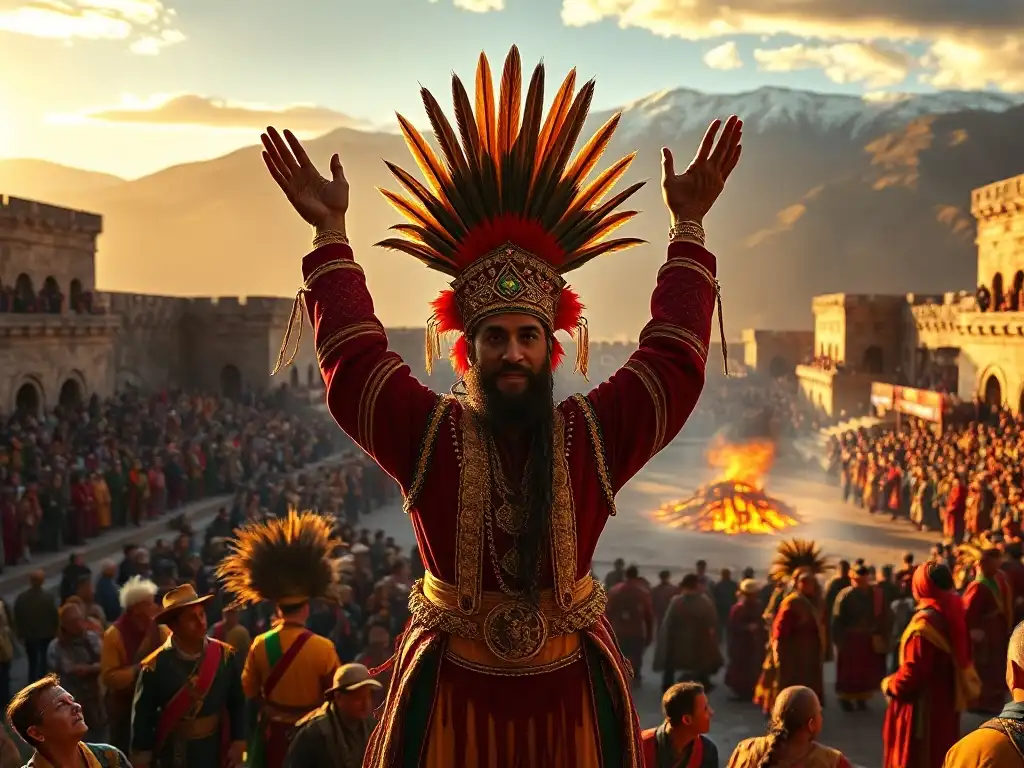
Step into a world lost to time, yet echoing with the power of the Andes. Prepare to be captivated by the vibrant tapestry of ancient Andean cultures – from the intricate artistry of the Nazca lines to the sophisticated engineering of the Incas. But first, let's unravel the mysteries surrounding the Inca Inti Raymi rituals, a celestial celebration of the sun god that reveals the heart of Andean cosmology. Discover the breathtaking spectacle and profound significance of this ancient festival – your journey into the fascinating world of Andean civilizations begins now.
- Unveiling the Sun God's Embrace: Inca Inti Raymi Rituals
- The Significance of Inti Raymi: Honoring the Inca Sun God
- Preparations for the Inti Raymi Ceremony
- The Core Elements of the Inti Raymi Ritual
- The Re-enactment of Inti Raymi Today
- Inti Raymi Rituals: A Legacy of the Inca Civilization
- Frequently Asked Questions
- Final Reflection: The Enduring Legacy of Inti Raymi
- Embrace the Spirit of Inti Raymi Today!
Unveiling the Sun God's Embrace: Inca Inti Raymi Rituals
The Inca Empire, a civilization that flourished in the Andes Mountains for centuries, held a profound reverence for the sun, Inti, considered the supreme deity. Their religious practices were deeply intertwined with agriculture, the cyclical nature of life, and the emperor's divine authority. This article delves into the intricacies of Inti Raymi, the most significant Inca festival, a vibrant celebration honoring the sun god and ensuring the continuation of life-giving bounty.
We will explore the historical context, the elaborate ceremonies, the symbolic meanings embedded within the rituals, and the lasting legacy of this awe-inspiring event, providing a comprehensive understanding of its importance within the Inca worldview and its relevance to the study of "Inca Inti Raymi rituals". Understanding Inti Raymi allows us to grasp the core beliefs and practices that shaped Inca society and its enduring impact on Andean culture.
The Historical Context of Inti Raymi
Inti Raymi, meaning "Festival of the Sun," was not merely a celebration; it was a pivotal religious and political event in the Inca calendar. Celebrated annually during the solstice in June, it coincided with the Inca new year and marked the peak of the harvest season. The festival's origins are shrouded in some mystery, with evidence suggesting its evolution over centuries, incorporating various pre-Inca traditions and beliefs.
The precise dates and details varied across different regions of the empire, reflecting the adaptability and local variations within the Inca religious system. The grandeur of the celebrations, however, remained consistently impressive, showcasing the power and wealth of the Sapa Inca (emperor) and the empire's deep-rooted connection to the natural world.
Archaeological findings, such as the remains of ceremonial sites and depictions on pottery and textiles, offer invaluable insights into the preparations and execution of this monumental event. The sheer scale of the festival speaks volumes about the importance the Inca placed on their relationship with Inti, the sun god, and the cosmic order he represented.
The Elaborate Ceremonies and Rituals of Inti Raymi
The Inti Raymi festival unfolded over several days, each day marked by specific ceremonies and rituals. The celebrations began with processions involving priests, nobles, and commoners, all adorned in vibrant clothing and carrying offerings. These processions often involved symbolic representations of the sun's journey across the sky, reflecting the Inca cosmology and their understanding of the cosmos.
The main event took place at the Sacsayhuamán fortress near Cusco, where the Sapa Inca, acting as the intermediary between the divine and the human world, presided over the central rituals. These rituals typically involved sacrifices—often llamas or other animals—to appease Inti and ensure the well-being of the empire. The sacrifices were not simply acts of violence; they were seen as a sacred offering, a way to sustain the cosmic balance and maintain the flow of life-giving energy.
The heart of the ceremony involved the Inca making offerings of gold and silver to the sun god and performing prayers and chants. The entire event was accompanied by music, dance, and feasting, creating a spectacular spectacle of Andean culture and spirituality. Detailed accounts from Spanish chroniclers, despite their biases, provide valuable, albeit limited, information about the ceremonies' specific details.
Symbolic Meanings and Interpretations
The symbolism embedded within Inti Raymi was rich and multifaceted, reflecting the Inca's sophisticated understanding of the cosmos and their place within it. The sun, of course, represented the source of life and energy, the ultimate power that sustained all living things. The emperor's role as intermediary between the divine and the human realm was central to the festival's religious significance.
The sacrifices were not merely appeasements; they were symbolic representations of the cyclical nature of life, death, and rebirth, mirroring the agricultural cycles that were essential to Inca survival. The vibrant colors of the clothing and the elaborate decorations used during the celebrations held further symbolic meaning, representing the diverse aspects of the Inca worldview.
Scholars continue to debate the precise interpretations of certain elements, but the overall message remains clear: Inti Raymi was a complex and powerful ritual that reaffirmed the Inca's relationship with the divine and the natural world. Further research is needed to fully understand the nuances of the symbolism, particularly concerning the less well-documented aspects of the regional variations.
The Enduring Legacy of Inti Raymi
Despite the Spanish conquest and the suppression of Inca religious practices, Inti Raymi's legacy continues to resonate in modern Peru. A modernized version of the festival is celebrated annually, attracting thousands of visitors and reaffirming the enduring cultural significance of this ancient tradition. The revival of Inti Raymi serves as a powerful reminder of the Inca's rich cultural heritage and their profound connection to the Andes.
This modern celebration, while adapted to contemporary contexts, still retains many of the core elements of the original festival, demonstrating the resilience and enduring power of Inca traditions. The festival's continued popularity underscores the importance of understanding and preserving the rich cultural legacy of the Inca Empire.
Inti Raymi stands as a testament to the ingenuity and spiritual depth of the Inca civilization and its lasting impact on the Andean world. The enduring interest in "Inca Inti Raymi rituals" reflects a growing global appreciation for pre-Columbian cultures and their enduring significance.
The Significance of Inti Raymi: Honoring the Inca Sun God
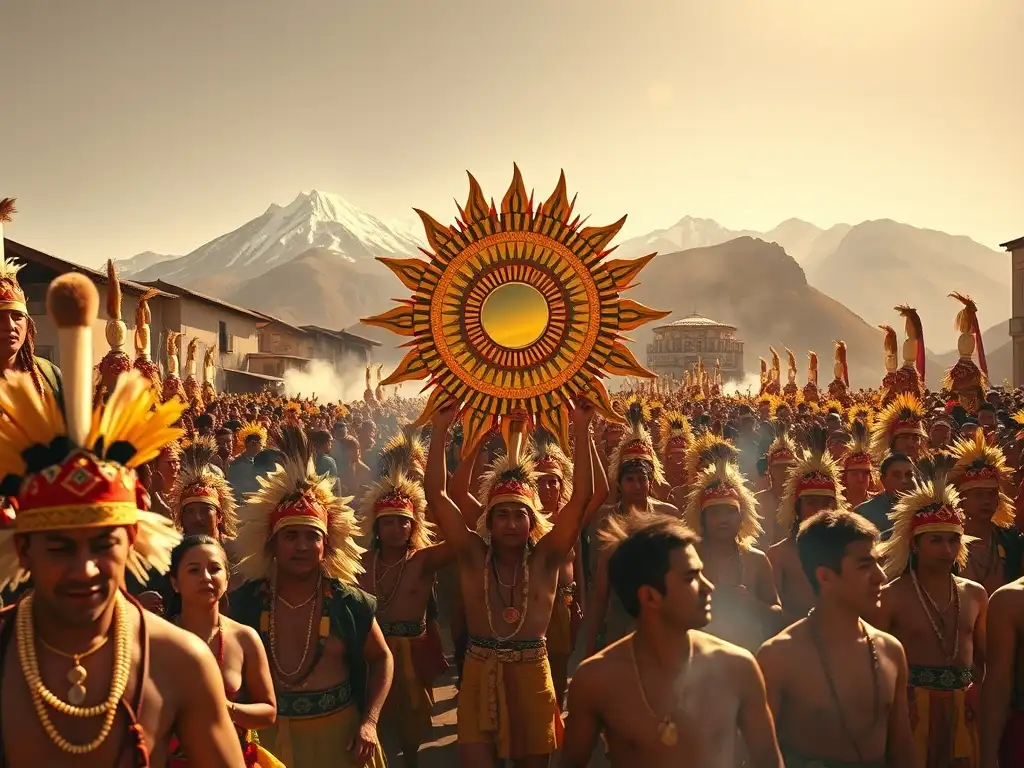
Inti Raymi, meaning "Festival of the Sun," was the most important festival in the Inca Empire, a grand celebration honoring Inti, the Inca sun god. More than just a festive occasion, Inti Raymi was a complex ritual deeply intertwined with the Inca worldview and agricultural cycle. Its significance extended beyond mere religious observance; it reinforced the Inca emperor's divine authority, solidified social structures, and ensured the continued prosperity of the empire.
Understanding the intricacies of Inti Raymi provides crucial insight into the Inca's sophisticated religious practices and their profound connection to the natural world. The meticulous planning and execution of this festival, involving thousands of participants and elaborate preparations, underscores its paramount importance within Inca society. The sheer scale of the event, with its vibrant processions, sacrifices, and feasts, cemented its position as the cornerstone of Inca religious life.
The meticulous attention to detail, from the precise timing aligned with the solstice to the carefully selected offerings, showcases the Inca's deep understanding of astronomy and their profound respect for the forces of nature. Analyzing the surviving accounts and archaeological evidence allows us to reconstruct a vivid picture of this awe-inspiring event, revealing the multifaceted nature of Inca religious belief and practice. The persistence of certain Inti Raymi traditions in modern celebrations further highlights the enduring legacy of this powerful ritual.
Inti, the Divine Father: Understanding the Inca Cosmology
Inca cosmology centered around Inti, the sun god, considered the supreme deity and the father of the Inca emperors. Inti wasn't merely a celestial body; he was the source of life, fertility, and prosperity. The Inca believed that the sun's power sustained all living things, influencing the growth of crops, the health of livestock, and the overall well-being of the empire.
This profound belief is reflected in the elaborate rituals and offerings dedicated to Inti throughout the year, culminating in the grand spectacle of Inti Raymi. The emperor, considered a descendant of Inti, played a crucial role in the festival, acting as an intermediary between the divine and the human realm. His participation legitimized his rule and reinforced the sacred connection between the imperial lineage and the sun god.
The Inca's deep reverence for Inti is further evidenced by the construction of magnificent temples dedicated to him, such as Coricancha in Cusco, which was adorned with gold and precious stones, reflecting the immense value placed upon the sun god. The intricate astronomical knowledge embedded in Inca architecture and calendar systems showcases a sophisticated understanding of the sun's movements and their impact on the agricultural cycle, emphasizing the crucial role of Inti in Inca life. Understanding the Inca's cosmology is essential to fully grasping the significance of Inti Raymi and its place within the broader context of Inca religious belief.
The Winter Solstice and its Importance in Inca Culture
Inti Raymi was precisely timed to coincide with the winter solstice in the southern hemisphere (around June 21st). This date held immense symbolic importance for the Inca, marking the apparent "rebirth" of the sun. After the shortest day of the year, the days began to lengthen again, symbolizing the renewal of life and the promise of a bountiful harvest. The winter solstice was not merely an astronomical event; it was a pivotal moment in the Inca agricultural calendar, marking the beginning of a new cycle of planting and growth.
The Inca meticulously tracked the sun's movements using sophisticated astronomical observation techniques, ensuring the precise timing of the Inti Raymi celebrations. This precise alignment of the festival with the solstice underscores the Inca's deep understanding of astronomy and its integration into their religious practices. The choice of the winter solstice as the date for Inti Raymi highlights the festival's significance as a ritual aimed at ensuring the sun's continued power and influence, guaranteeing the prosperity of the empire and the well-being of its people.
The celebration served as a powerful reaffirmation of the Inca's relationship with the natural world and their dependence on the sun's life-giving energy. The meticulous preparations and elaborate ceremonies surrounding the solstice demonstrate the profound importance attached to this turning point in the annual cycle. The precise calculations and the elaborate preparations involved in the Inti Raymi celebrations highlight the significance of the solstice in the Inca worldview.
Preparations for the Inti Raymi Ceremony
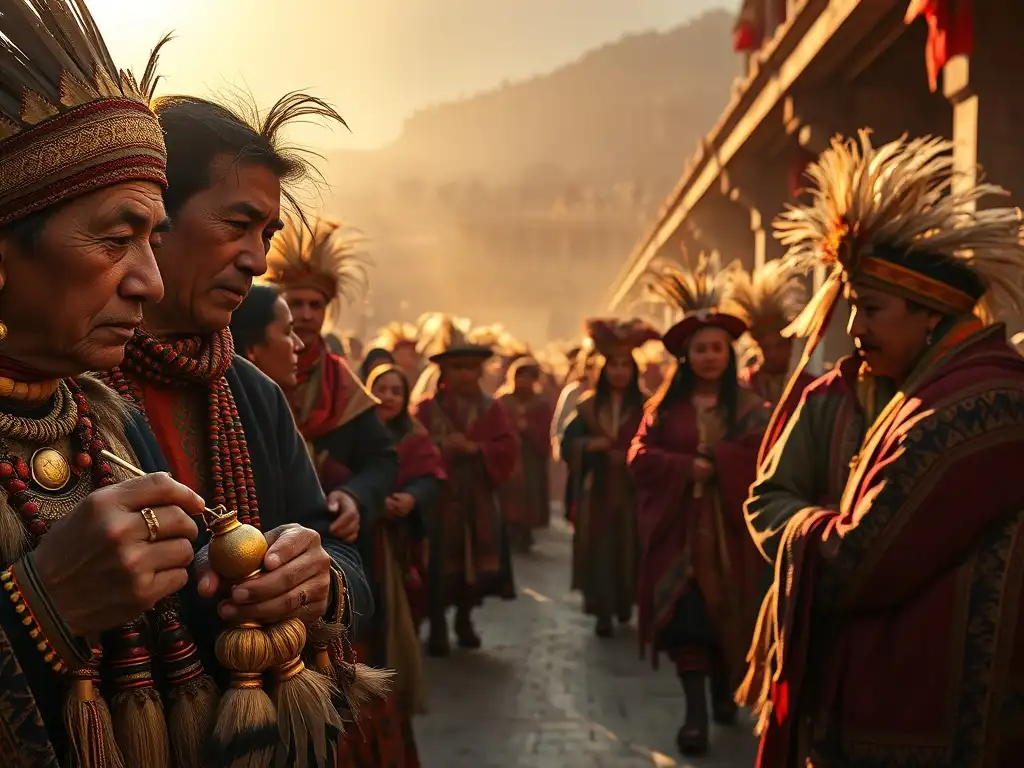
The Inti Raymi, the most important festival in the Inca empire, dedicated to the sun god Inti, was not a spontaneous event. Months of meticulous planning and preparation were undertaken to ensure a successful and auspicious celebration. This involved selecting the perfect location, appointing and preparing the high priest, and meticulously gathering offerings worthy of the sun god's favor.
Understanding these preparations provides crucial insight into the deep-seated religious beliefs and complex social structures of the Inca civilization. The precise nature of these preparations, however, remains partially shrouded in the mists of time, relying on archaeological evidence and interpretations of colonial-era accounts.
Sacsayhuamán: The Selection of the Ritual Location
The imposing fortress of Sacsayhuamán, perched high above Cusco, wasn't merely a military stronghold; it served as a sacred site, profoundly connected to the Inca worldview. Its strategic location, commanding a panoramic view of the city and the surrounding Andes, made it the ideal setting for the Inti Raymi. The choice of Sacsayhuamán was not arbitrary.
The site's association with the sun's power, likely due to its solar alignment and the impressive scale of its construction, made it the perfect place to honor Inti. Archaeological evidence suggests that the main Inti Raymi ceremonies, including the central ritual of the capacocha (human sacrifice), took place within the complex's massive stone enclosures. The immense scale of Sacsayhuamán itself, with its cyclopean walls and strategically placed structures, likely enhanced the awe-inspiring nature of the ceremony, reinforcing the Inca's belief in Inti's overwhelming power.
The precise layout and arrangement of the ritual space within Sacsayhuamán, however, remains a subject of ongoing scholarly debate. Further research is needed to fully understand the spatial dynamics of the ceremony.
The Role of the High Priest: Guiding the Inti Raymi Celebrations
The Willaq Uma, or High Priest, played a pivotal role in the Inti Raymi festivities. He was not merely a religious leader; he was the intermediary between the Inca emperor and the sun god, responsible for ensuring the successful execution of the rituals. His selection was a critical process, likely involving rigorous testing of his knowledge of Inca cosmology, rituals, and prophecies.
Months before the Inti Raymi, the Willaq Uma would undertake a period of intense spiritual preparation, including fasting, meditation, and purification rituals. This preparation was crucial to his ability to connect with the divine realm and successfully conduct the intricate ceremonies. He would oversee the gathering of offerings, the performance of the rituals, and the interpretation of any omens or signs.
His authority was immense, his pronouncements carrying significant weight within the Inca society. The precise methods of selecting and training the Willaq Uma require further investigation, as detailed accounts are scarce.
Gathering of Offerings: Preparing for the Sun God
The offerings presented to Inti during the Inti Raymi were not haphazard; they were carefully chosen items representing the Inca empire's wealth and agricultural abundance. These included:
- Llama and Alpaca: These animals, vital to the Inca economy, were sacrificed in large numbers. Their blood was considered a sacred offering, symbolizing life's essence.
- Gold and Silver: These precious metals, representing the sun's radiant glow, were fashioned into elaborate ornaments and vessels. Their lavish display underscored the Inca's devotion and the empire's prosperity.
- Agricultural Products: Corn, potatoes, and other crops were presented, representing the bounty of the land and the Inca's gratitude for a successful harvest. The quality and quantity of these offerings were crucial, reflecting the empire's agricultural success and the people's well-being.
- Textiles and Pottery: Finely woven textiles and intricately crafted pottery showcased the Inca's artistic skill and dedication to the sun god. These items were not merely decorative; they held symbolic meaning, representing the Inca's connection to the cosmos.
The meticulous preparation of these offerings, their transportation to Sacsayhuamán, and their presentation during the ceremony were all carefully orchestrated events, demonstrating the Inca's profound respect for Inti and their belief in the importance of maintaining cosmic harmony. The precise details of the offerings' preparation and presentation – including any specific rituals or symbolic gestures – remain areas requiring further research. ☀️
The Core Elements of the Inti Raymi Ritual
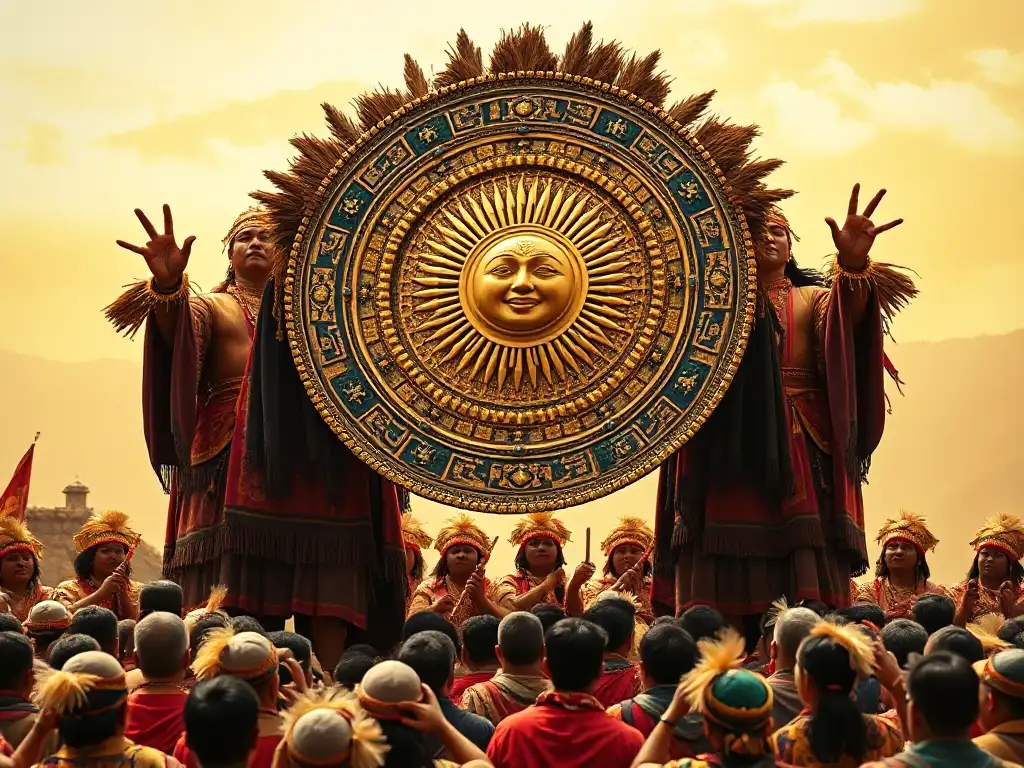
The Inti Raymi, or Festival of the Sun, was the most important religious celebration in the Inca Empire, a vibrant testament to their profound reverence for Inti, the sun god. This festival wasn't merely a spectacle; it was a meticulously orchestrated ritual encompassing a complex interplay of symbolic actions, sacred substances, and offerings, all aimed at ensuring the sun's continued benevolence and the prosperity of the empire. Understanding the core elements of the Inti Raymi reveals a deep insight into the Inca worldview and their sophisticated understanding of their relationship with the cosmos.
The festival's significance extended beyond mere religious observance; it served as a powerful tool for reinforcing social order, consolidating imperial power, and maintaining the delicate balance between the human and divine realms. The meticulous planning and execution of the Inti Raymi highlight the Inca's advanced organizational capabilities and their deep-seated spiritual beliefs.
The meticulous detail invested in each aspect of the ceremony speaks volumes about the importance placed on appeasing Inti and maintaining cosmic harmony. Keywords like Inca Inti Raymi rituals, Inca sun god Inti, and Inti Raymi festival are central to understanding this complex event.
The Procession to Sacsayhuamán: A Symbolic Journey
The procession from Cusco's main square to the imposing fortress of Sacsayhuamán formed the dramatic heart of the Inti Raymi. This wasn't simply a march; it was a carefully choreographed symbolic journey reflecting the Inca understanding of the cosmos. The route itself held significance, passing through specific locations imbued with spiritual power.
The procession involved thousands of participants, including the Sapa Inca (emperor), priests, nobles, and commoners, each playing a defined role in this grand spectacle. The Sapa Inca, adorned in elaborate gold and feather regalia, represented the divine link between the sun god and the earthly realm. His movements and actions were precisely dictated by ritual, each step carrying symbolic weight.
The vibrant costumes, the rhythmic music, and the sheer scale of the procession created an atmosphere of awe and reverence, reinforcing the power and authority of the Inca Empire and the divine right of the Sapa Inca. The journey to Sacsayhuamán, a site strategically positioned overlooking Cusco, symbolized the Inca's conquest of the Andes and their dominion over the land, mirroring the sun's journey across the sky. This powerful visual representation reinforced the Inca's belief in their divine mandate and the sun's life-giving power.
Chicha and Coca: The Use of Sacred Substances in Inca Rituals
The Inti Raymi wasn't just a visual spectacle; it involved the ritual consumption of sacred substances, notably chicha (a fermented corn beverage) and coca leaves. These weren't simply intoxicants; they served as conduits to the divine, facilitating communication with the spirit world and enhancing the participants' connection to Inti. Chicha, brewed according to specific rituals, was offered to Inti as a libation and consumed by participants, symbolizing communion with the sun god.
The act of sharing chicha fostered a sense of community and shared experience, strengthening social bonds within the empire. Coca leaves, chewed throughout the festivities, were believed to provide energy, enhance spiritual awareness, and facilitate communication with the spirit world.
The ritual consumption of coca and chicha underscored the Inca's belief in the power of these substances to bridge the gap between the human and divine realms, making the celebration a profoundly spiritual experience. The precise preparation and consumption of these substances were governed by strict ritual protocols, demonstrating the importance placed on their symbolic and spiritual significance within the Inti Raymi.
Sacrifices and Offerings to Inti: Animal and Symbolic Offerings
A crucial aspect of the Inti Raymi involved sacrifices and offerings to Inti. These weren't acts of brutality, but rather symbolic gestures designed to appease the sun god and ensure continued prosperity. Animal sacrifices, primarily llamas and alpacas, were common, their blood and flesh offered to Inti as sustenance. The choice of animals wasn't arbitrary; llamas and alpacas held significant symbolic importance within Inca culture.
The act of sacrifice wasn't simply about offering life; it was about creating a connection between the human and divine realms, a symbolic exchange that ensured the sun's continued favor. Beyond animal sacrifices, the Inti Raymi involved symbolic offerings, such as precious metals, textiles, and agricultural produce. These offerings represented the abundance of the Inca Empire and symbolized the people's devotion to Inti. The meticulous preparation and presentation of these offerings underscore the importance of demonstrating respect and gratitude to the sun god.
The scale of these offerings, often involving vast quantities of goods, speaks to the Inca Empire's wealth and power, and the deep-seated religious beliefs that underpinned their society. The careful selection and presentation of these offerings underline the importance of ritual precision and the symbolic significance embedded within each act. The practice of sacrifice and offering within the Inti Raymi was intricately woven into the fabric of Inca religion and provided a framework for maintaining cosmic balance and ensuring the well-being of the empire.
The Re-enactment of Inti Raymi Today
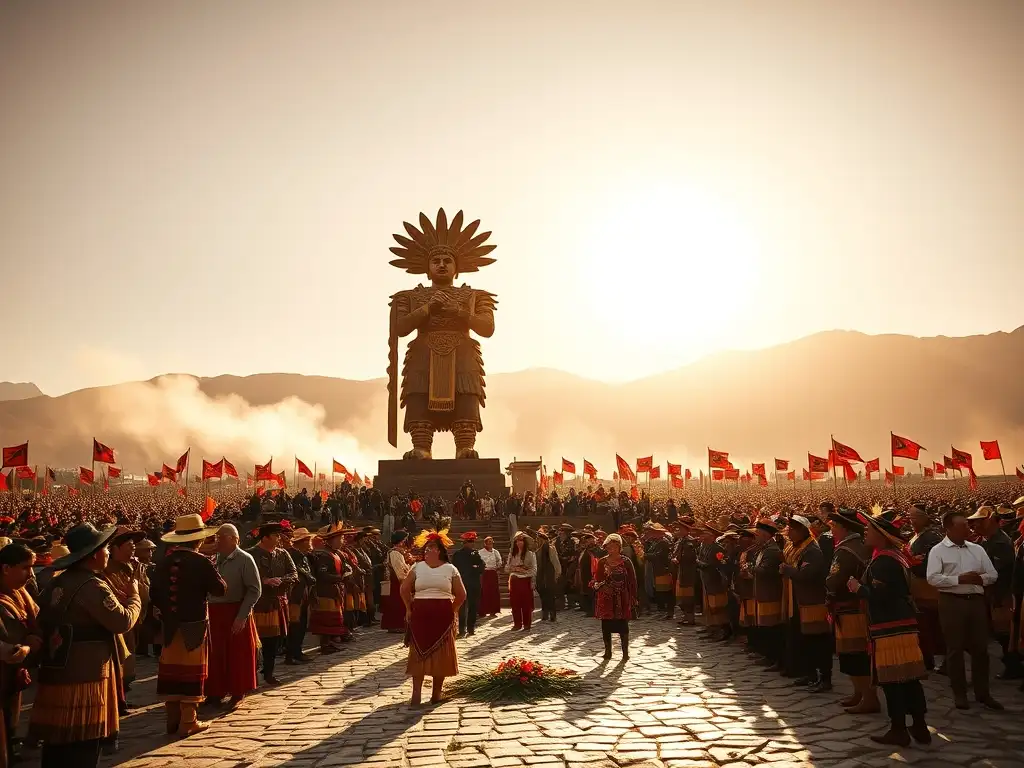
The Inti Raymi festival, while rooted deeply in Inca traditions, exists today as a vibrant re-enactment, a powerful testament to the enduring cultural legacy of the Inca Empire. While the original festival likely differed in certain specifics due to the limited surviving primary sources, the modern celebration strives for authenticity, incorporating elements gleaned from archaeological discoveries, colonial chronicles, and indigenous oral traditions. This meticulous reconstruction aims to preserve and share this crucial aspect of Inca religious practice with the world.
The scale and spectacle of the modern Inti Raymi are impressive, attracting thousands of both local and international tourists annually. This influx of visitors underscores the festival's significance as a major cultural event and a significant driver of tourism in Peru.
Modern Celebrations: Keeping the Inca Tradition Alive
Modern Inti Raymi celebrations are a carefully orchestrated spectacle. The festival involves hundreds of participants dressed in elaborate costumes representing various Inca social classes and roles, from priests and nobles to warriors and farmers. The costumes, meticulously researched and recreated, feature vibrant textiles, intricate headdresses, and traditional Inca jewelry.
These vibrant displays are not merely for show; they are a vital part of transmitting knowledge about Inca clothing styles and societal structures. The performances themselves follow a structured sequence of events, mimicking the likely progression of the original Inti Raymi. This includes processions, symbolic offerings, dances, and theatrical performances that depict significant moments in Inca mythology and history.
The use of Quechua, the Inca language, further enhances the authenticity and cultural immersion of the experience. While some aspects are inevitably adapted for a modern audience, the core elements of the festival maintain a deep connection to the ancient practices, ensuring the survival of this important piece of Andean heritage. The meticulous attention to detail, from the costumes to the choreography, demonstrates a profound commitment to preserving and honoring Inca traditions.
The Role of Cusco in the Contemporary Inti Raymi Festival
Cusco, the former capital of the Inca Empire, serves as the epicenter of the modern Inti Raymi festival. The city's historical significance is inextricably linked to the festival, providing an authentic and powerful backdrop for the re-enactment. The main events unfold in various iconic locations within Cusco, including the Sacsayhuamán fortress, Q'enqo, Puka Pukara, and Tambomachay.
These sites, rich with Inca history and architectural marvels, serve not only as venues but also as powerful symbols reinforcing the connection between the modern celebration and its ancient roots. The use of these significant locations enhances the immersive nature of the experience, allowing participants and spectators alike to connect with the historical context of the Inti Raymi.
The city's infrastructure also plays a crucial role in facilitating the large-scale event, managing the influx of tourists and ensuring the smooth execution of the complex logistical requirements. The involvement of the Cusco community, from local artisans to performers, ensures that the festival is not merely a tourist attraction but a living expression of Andean cultural identity.
The Symbolic Meaning of the Re-enactment: A Celebration of Identity
The modern Inti Raymi is more than just a historical re-enactment; it's a powerful affirmation of Andean identity. The festival serves as a platform for indigenous communities to express their cultural heritage, reclaiming and celebrating their ancestral traditions. The re-enactment of Inti Raymi is a powerful act of resistance against the cultural assimilation that occurred during the colonial period and beyond.
It is a means of preserving and transmitting cultural knowledge across generations, ensuring that the Inca legacy continues to thrive. Furthermore, the festival fosters a sense of community and unity among Andean peoples, reinforcing their shared cultural identity. The participation of numerous indigenous groups further underscores the collective nature of this celebration, demonstrating the enduring strength and resilience of Andean cultures.
The vibrant displays of Inca traditions, language, and spirituality serve as a powerful reminder of the richness and complexity of Andean civilization, projecting an image of cultural pride and self-determination to the world. The symbolic significance of the re-enactment lies in its ability to bridge the gap between the past and the present, connecting modern Andean communities to their ancient roots and fostering a sense of continuity and belonging.
Inti Raymi Rituals: A Legacy of the Inca Civilization
Inti Raymi, the Inca festival honoring the sun god Inti, wasn't merely a celebration; it was a complex tapestry woven from religious devotion, agricultural cycles, and imperial power. This pivotal ritual, held annually during the solstice, profoundly shaped Inca society and continues to resonate in modern Andean culture. Understanding its intricacies requires delving into its multifaceted nature, from its elaborate ceremonies to its symbolic significance within the Inca worldview.
The very fabric of Inca life was intertwined with the sun's power, making Inti Raymi a cornerstone of their social and political order. The festival's meticulous planning and execution demonstrated the Inca's sophisticated organizational skills and their deep reverence for their deity.
The Impact of Inti Raymi on Andean Culture and Identity
Inti Raymi's impact on Andean culture and identity is undeniable. The festival transcended mere religious observance; it reinforced social hierarchies, solidified imperial control, and fostered a shared cultural identity across the vast Inca empire. The spectacle of the ceremony, with its elaborate processions, sacrifices, and feasting, instilled a sense of awe and unity among the populace. The emperor's participation, acting as the intermediary between the divine and the human realms, further cemented his authority.
The agricultural significance of Inti Raymi cannot be overstated. The festival coincided with the summer solstice, marking a crucial point in the agricultural calendar. Successful harvests were directly attributed to Inti's favor, making the festival a vital prayer for bountiful crops and the well-being of the entire empire.
This connection between the sun god, the emperor, and the prosperity of the land strengthened the symbolic link between the divine and the earthly realms. The rituals ensured the continuity of life, reflecting the Inca's deep understanding of the interconnectedness of nature and their society. The legacy of Inti Raymi can be observed in the enduring reverence for the sun in Andean communities today.
Inti Raymi's Influence on Modern Andean Celebrations
While the Inca empire fell centuries ago, the echoes of Inti Raymi reverberate in contemporary Andean celebrations. Although the original scale and intensity of the Inca festival are impossible to replicate, many modern communities continue to observe variations of Inti Raymi, adapting the traditions to their present contexts. These modern celebrations often incorporate elements of pre-Columbian rituals alongside Catholic practices, reflecting the syncretic nature of Andean religious beliefs.
The enduring popularity of Inti Raymi highlights its continued cultural relevance. It provides a powerful sense of continuity and identity for Andean communities, connecting them to their rich ancestral heritage. The festival serves as a space for reaffirming cultural values, strengthening community bonds, and celebrating Andean identity in a globalized world. Tourist interest in modern Inti Raymi celebrations also contributes to economic development in the regions where they are held, creating a sustainable link between cultural heritage and economic opportunities. The festival's adaptive nature ensures its continued survival and evolution as a dynamic expression of Andean culture.
Preserving the Inti Raymi: Protecting Inca Heritage for Future Generations
Preserving Inti Raymi is crucial for safeguarding a vital part of Andean cultural heritage. The challenges include balancing the authenticity of the traditions with the demands of tourism and modernization. Efforts to preserve the festival involve careful documentation of existing practices, promoting respectful tourism, and fostering educational initiatives to raise awareness about the historical and cultural significance of Inti Raymi.
The continued practice of Inti Raymi requires a multi-pronged approach. This includes:
- Community-led initiatives: Empowering local communities to lead the preservation efforts, ensuring the authenticity and continuity of the traditions.
- Archaeological research: Further research into Inca sites and artifacts related to Inti Raymi can provide valuable insights into the festival’s original practices.
- Educational programs: Educating younger generations about the significance of Inti Raymi fosters a sense of ownership and responsibility for preserving this important cultural legacy. This includes incorporating the history and traditions of Inti Raymi into school curricula and community outreach programs.
- Sustainable tourism: Managing tourism sustainably ensures that the celebration’s cultural integrity is not compromised while benefiting the local communities economically.
Careful stewardship of Inti Raymi is not merely about preserving a historical event; it's about safeguarding a living tradition that continues to shape Andean identity and cultural expression. The future of Inti Raymi depends on collaborative efforts to ensure that this magnificent celebration continues to thrive for generations to come.
Frequently Asked Questions
What is Inti Raymi?
Inti Raymi was the most important festival in the Inca Empire, a celebration of the sun god Inti. It involved elaborate ceremonies, sacrifices, and processions.
When did Inti Raymi take place?
Inti Raymi was celebrated annually around June 24th, coinciding with the winter solstice in the Southern Hemisphere. This date held significant astronomical and agricultural importance.
Where was Inti Raymi celebrated?
The main celebrations of Inti Raymi took place in Cusco, the Inca capital. However, smaller-scale festivities likely occurred throughout the empire.
What were some of the key rituals performed during Inti Raymi?
Rituals included sacrifices of animals and even humans, elaborate dances, and processions honoring the sun god. Royal figures played a central role in the festivities.
What is the significance of Inti Raymi today?
Today, Inti Raymi is a re-enacted festival, attracting many tourists and celebrating Inca heritage. It's a vibrant display of Inca traditions and cultural pride.
Final Reflection: The Enduring Legacy of Inti Raymi
The vibrant rituals of Inti Raymi, far from being relics of a bygone era, resonate powerfully with contemporary concerns about environmental stewardship and the enduring human need for spiritual connection. The festival's intricate ceremonies, focused on the sun's life-giving power, offer a poignant reminder of our dependence on the natural world and the importance of maintaining a harmonious relationship with it. This ancient wisdom holds a crucial message for our modern world, grappling with climate change and the search for meaning in a rapidly changing society.
The enduring influence of Inti Raymi extends beyond its historical significance; it continues to shape Peruvian cultural identity and inspire artistic expression. The festival's themes of renewal, gratitude, and community resonate deeply, offering a powerful counterpoint to the often isolating aspects of modern life. The sun is the heart of the Inca world, and Inti Raymi is the beating of that heart.
This quote, though not from an original Inca source, encapsulates the profound spiritual and cultural importance of the festival, an importance that continues to inspire awe and reflection centuries later. Its revival and celebration today serve as a testament to the enduring power of cultural heritage and its ability to connect us to our past while informing our future.
Consider, for a moment, the profound connection the Inca people forged with their environment. Reflect on the intricate balance they sought to maintain, and how their reverence for the sun translated into a sustainable way of life. You, too, can cultivate a deeper appreciation for the natural world and find ways to integrate this respect into your daily life. Embrace the spirit of Inti Raymi – a spirit of gratitude, community, and reverence for the life-giving forces that sustain us all. Let the legacy of the Inca sun god inspire you to live a more mindful and connected existence.
Embrace the Spirit of Inti Raymi Today!
Thank you for exploring the vibrant traditions of the Inca civilization with us! By learning about the profound rituals of Inti Raymi, you've discovered not only the history but also the deep meaning of honoring the Sun God, Inti. Now, let's bring this celebration into your life!
Here are some inspiring ways to connect further:
- Participate in a Community Celebration: Join a local event that celebrates cultural heritage, or even organize your own gathering to share the spirit of Inti Raymi.
- Create a Sun Offering: Make a personal tribute to the sun by preparing a small offering of flowers, fruits, or a handmade craft. This is a symbolic way to express gratitude for the light and life it provides.
- Share Your Knowledge: Connect with others by sharing what you've learned about Inti Raymi on social media or within your community. Help spread appreciation for this rich tradition!
How will you integrate the spirit of Inti Raymi into your own life and share it with others?