
The Secrets of "Uku Pacha": The Underworld and Its Inhabitants

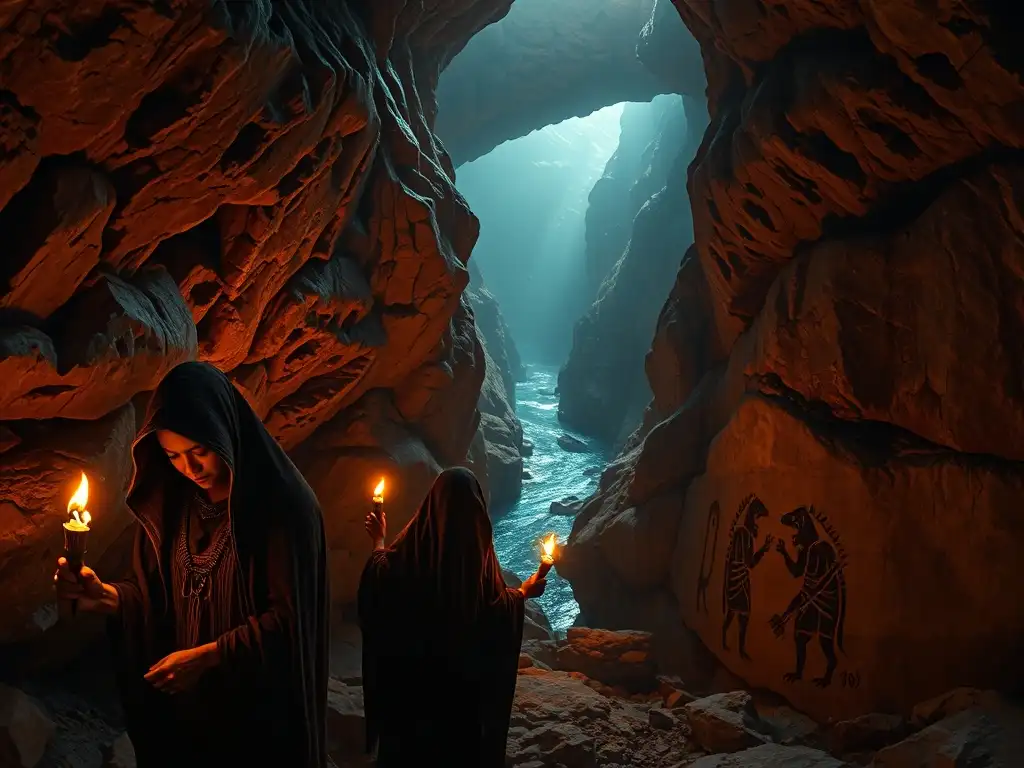
Dive into the enigmatic world of the Andes, where towering mountains meet a vibrant tapestry of ancient cultures. For centuries, secrets have been woven into the very fabric of Andean life, and none more captivating than their beliefs about the Uku Pacha, the Andean underworld mythology. Journey with us as we unravel the mysteries surrounding this hidden realm and its fascinating inhabitants. Prepare to be amazed by the intricate beliefs and rich symbolism that shaped these extraordinary civilizations. Are you ready to explore the depths of this forgotten world?
-
The Secrets of "Uku Pacha": Exploring the Andean Underworld Mythology
- Understanding the Andean Cosmovision: The Three Worlds
- Defining "Uku Pacha": The Realm Below
- Key Characteristics of the Andean Underworld
- Inhabitants of Uku Pacha: Beings of the Lower World
- The Significance of Uku Pacha in Andean Religion
- Uku Pacha's Representation in Andean Art and Iconography
- Comparative Analysis: Uku Pacha and Other Underworld Mythologies
- The Legacy of Uku Pacha: Its Influence on Modern Andean Culture
- Exploring the Mysteries of Uku Pacha: A Journey into the Andean Underworld
- Frequently Asked Questions
- Final Reflection: Echoes from the Uku Pacha: A Legacy of Myth and Meaning
- Unveil the Mysteries of Uku Pacha!
The Secrets of "Uku Pacha": Exploring the Andean Underworld Mythology
The Andean worldview, a complex tapestry woven from diverse cultural threads across millennia, presents a captivating cosmology centered around a three-tiered universe. This intricate system, far from being a simple division of space, profoundly influenced the daily lives, beliefs, and artistic expressions of civilizations like the Inca, Moche, Nazca, and Tiahuanaco.
Understanding their religious practices and beliefs requires delving into their concept of "Pacha," or world, and its subdivisions: the Hanan Pacha (upper world), the Kay Pacha (present world), and the Uku Pacha (underworld). This article explores the fascinating mythology surrounding Uku Pacha, the Andean underworld, its inhabitants, and its significance in shaping Andean religious and cosmological beliefs, specifically addressing the keyword "Andean underworld mythology" and its various interpretations across different Andean cultures.
We will uncover the secrets hidden within this mysterious realm, examining its symbolic representation and its influence on Andean societies' rituals and artistic expressions. Prepare to journey into the depths of Andean spirituality and uncover the rich tapestry of beliefs surrounding this enigmatic realm.
Understanding the Andean Cosmovision: The Three Worlds
The Andean cosmovision wasn't simply a geographical division; it was a holistic understanding of existence, encompassing the physical and spiritual realms. The three worlds— Hanan Pacha, Kay Pacha, and Uku Pacha—were interconnected and interdependent, influencing each other in a dynamic interplay. Hanan Pacha, the upper world, was associated with the celestial bodies, the sun, the moon, and the stars, representing power, divinity, and the realm of the gods.
Kay Pacha, the present world, was where humans lived, interacting with the natural world and engaging in their daily lives. This interaction was deeply spiritual, with offerings and rituals connecting the human world with the other two realms. The relationship between these three levels dictated the daily lives of Andean people, influencing everything from agriculture to social structures.
The cyclical nature of the cosmos, reflected in the agricultural calendar and the movement of celestial bodies, played a crucial role in their understanding of the universe. The understanding of these interactions is vital to appreciating the significance of Uku Pacha.
Defining "Uku Pacha": The Realm Below
Uku Pacha, often translated as "underworld" or "lower world," was not simply a place of darkness and death, but a complex and vibrant realm with its own inhabitants, geography, and significance. It wasn't necessarily a hellish place of eternal punishment, but rather a realm of ancestral spirits, powerful deities, and natural forces. Different Andean cultures had varying interpretations of Uku Pacha, with some viewing it as a source of fertility and life-giving power, connected to the earth's depths and the origins of life.
Others saw it as a realm of trials and challenges, where the souls of the deceased underwent a transformative journey. Archaeological evidence, such as intricate burial practices and depictions in pottery and textiles, reveals a nuanced understanding of this realm, far removed from simplistic notions of a subterranean hell. The specific characteristics and inhabitants of Uku Pacha varied significantly across different Andean cultures, reflecting the diverse beliefs and practices of these societies.
We will explore these variations in the following sections, providing specific examples from different cultures to illustrate the diversity of Andean beliefs regarding the underworld. The symbolism of Uku Pacha varied widely; sometimes it represented the womb of the earth, the source of life, and other times, the realm of the ancestors and the source of power.
Key Characteristics of the Andean Underworld
The Andean underworld, known as Uku Pacha, wasn't simply a gloomy realm of eternal darkness. Instead, Andean cosmology painted a complex picture, representing Uku Pacha as a vital part of a three-world system— Hanan Pacha (upper world), Kay Pacha (the earthly world), and Uku Pacha itself. Unlike some Western conceptions of hell, Uku Pacha wasn't necessarily a place of punishment. It was a realm of mystery, power, and the cyclical nature of life and death.
It held a significant role in Andean spiritual practices, impacting agricultural cycles, ancestor veneration, and the understanding of the cosmos. The characteristics of Uku Pacha varied across different Andean cultures, demonstrating a rich diversity of beliefs and interpretations. For example, some cultures viewed the underworld as a source of fertility and abundance, while others emphasized its association with death and the spirit world. The landscape itself often played a crucial role, with caves, subterranean springs, and mountain depths symbolizing the entrance to this hidden realm.
The very earth itself was seen as connected to Uku Pacha, underlining the interconnectedness of the three worlds. This intricate understanding of the underworld highlights the nuanced and profound spiritual beliefs of the Andean civilizations. The cyclical nature of life and death, deeply ingrained in their agricultural practices, was reflected in their conception of Uku Pacha.
Inhabitants of Uku Pacha: Beings of the Lower World
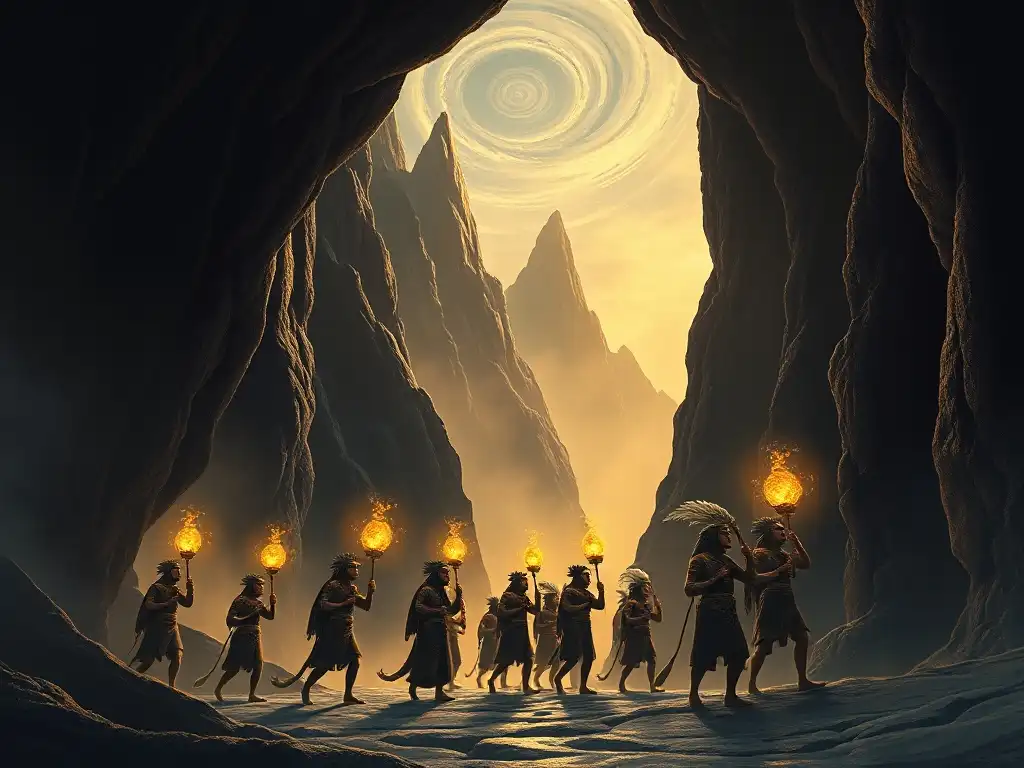
The Andean underworld was far from desolate; it was populated by a diverse array of supernatural beings, reflecting the intricate cosmology of the region. These entities weren't simply evil spirits, but rather powerful forces that interacted with the living world in various ways. Their roles ranged from guardians of the underworld to intermediaries between the living and the dead.
The specific inhabitants varied across different Andean cultures, with regional variations in their names, attributes, and roles. Some of these beings were benevolent, assisting humans in various ways, while others were feared and avoided, believed to cause illness or misfortune. The complexity of these beings highlights the rich tapestry of Andean mythology, demonstrating a sophisticated understanding of the supernatural world and its influence on human life.
The interaction between the living and the dead wasn't a one-way street; the inhabitants of Uku Pacha actively participated in the lives of the people, influencing events and shaping their destinies. Understanding these beings is key to understanding the broader Andean worldview and its intricate relationship with the supernatural. Their presence in myths, rituals, and art reveals their profound importance in the Andean worldview.
Supay: The Andean God of Death and Ruler of the Underworld
Supay, arguably the most prominent inhabitant of Uku Pacha, wasn't simply a devilish figure but a complex deity associated with death, the underworld, and powerful, often ambivalent, forces. His portrayal varied across different Andean cultures, with some depicting him as a fearsome demon, while others acknowledged his role in the cyclical nature of life and death. Supay's dominion extended beyond mere death; he was often associated with mineral wealth, subterranean forces, and the fertility of the earth.
This duality reflects the Andean understanding of the interconnectedness of life and death, fertility and decay. He was not solely a bringer of destruction but also a powerful force that shaped the world. Representations of Supay in Andean art and iconography show a remarkable range of styles and interpretations, further highlighting the complexity of this powerful deity.
The fear and reverence associated with Supay underscore the importance of respecting the forces of the underworld and acknowledging the cyclical nature of existence. His presence served as a constant reminder of the balance between life and death, a central theme in Andean cosmology.
Other Spirits and Entities Dwelling in Uku Pacha
Beyond Supay, the Andean underworld teemed with a host of other spirits and entities. These included ancestral spirits, who often played a crucial role in the lives of their descendants, offering guidance and protection. Other beings were associated with specific locations within Uku Pacha, such as mountain spirits or water spirits guarding subterranean springs.
Some were guardians of specific resources, like minerals or crops, while others were associated with specific illnesses or misfortunes. These entities were not always malevolent; many served as intermediaries between the human world and the spirit world, facilitating communication and offering assistance. Their presence reflects the close relationship between the living and the dead in Andean culture, highlighting the importance of ancestor veneration and the interconnectedness of the three worlds.
The diversity of these beings underscores the richness and complexity of Andean mythology, showcasing a sophisticated understanding of the supernatural world and its influence on human life. Detailed accounts of these lesser-known spirits are often scattered across various regional myths and traditions, reflecting the diverse beliefs and practices across the Andean region. Further research is needed to fully understand the complete pantheon of Uku Pacha's inhabitants.
The Significance of Uku Pacha in Andean Religion
Uku Pacha, the Andean underworld, held profound religious significance for numerous pre-Columbian Andean cultures. Unlike a purely negative or punitive realm, Uku Pacha represented a vital part of the Andean cosmovision, a cyclical understanding of life, death, and rebirth. It wasn't simply a place of shadows and fear, but a realm of transformation, ancestral power, and the origins of life itself.
The concept of Uku Pacha was intricately interwoven with the understanding of the kay pacha (the world of the living) and hanan pacha (the upper world), creating a three-layered cosmology that structured their worldview and religious practices. The interconnectedness of these three worlds influenced every aspect of Andean life, from agriculture and governance to social structures and artistic expression. The reverence for Uku Pacha highlights the Andean peoples' deep respect for the cycle of life and the continuous regeneration of the natural world.
This belief system provided a framework for understanding both the physical and spiritual dimensions of existence, fostering a complex and nuanced relationship with the unseen world. The significance of Uku Pacha underscores the holistic and cyclical nature of Andean religious thought, emphasizing the continuous interplay between the living and the dead.
The Cycle of Life and Death: Uku Pacha's Role
Uku Pacha played a crucial role in the Andean understanding of the cycle of life and death. Death wasn't seen as an end but as a transition to another realm, a continuation of existence in a different form. The souls of the deceased were believed to journey to Uku Pacha, joining the ancestors and continuing to influence the world of the living.
This continuous cycle was essential to maintaining balance and ensuring the prosperity of the community. Ancestor veneration was a central aspect of Andean religious practices, with offerings and rituals performed to honor the deceased and maintain their connection to the living. The fertility of the land, the success of harvests, and the overall well-being of the community were all believed to be influenced by the spirits residing in Uku Pacha.
The cyclical nature of life and death, as reflected in the agricultural cycles and the natural world, reinforced the importance of Uku Pacha in the Andean worldview. Furthermore, the concept of reincarnation or the cyclical rebirth of souls was likely intertwined with this understanding of Uku Pacha, highlighting the continuous renewal and regeneration of life itself.
Rituals and Offerings Related to the Andean Underworld
Numerous rituals and offerings were dedicated to appeasing and honoring the spirits of Uku Pacha. These practices varied across different Andean cultures, but common themes emerge. For example, pago a la tierra (payment to the earth) involved offerings of food, drink, coca leaves, and other valuable items to maintain harmony with the underworld and ensure fertility.
These offerings were often left in caves, springs, or other sacred sites believed to be portals to Uku Pacha. Specific rituals may have involved shamanic practices, aimed at communicating with the spirits of the underworld and seeking guidance or intercession. The use of hallucinogenic substances, like San Pedro cactus or ayahuasca, might have facilitated these journeys into the spiritual realm.
Furthermore, mummification and the elaborate burial practices of some Andean cultures suggest a deep connection with the underworld and the belief in the continued existence of the deceased. These rituals served not only to honor the dead but also to maintain a vital connection between the living and the spirit world, ensuring the well-being of the community. The complexity and variety of these rituals demonstrate the central role that Uku Pacha played in the religious life of Andean societies.
Uku Pacha's Representation in Andean Art and Iconography
Uku Pacha's presence is vividly depicted in various forms of Andean art and iconography, providing invaluable insights into the beliefs and perceptions of these ancient cultures. The representations are often symbolic and require careful interpretation to fully grasp their meaning within the broader context of Andean cosmology. The imagery frequently conveys a sense of mystery and power, reflecting the perceived influence of the underworld on the world of the living.
Depictions of the Underworld in Ancient Andean Ceramics
Ancient Andean ceramics offer a rich source of information on the visualization of Uku Pacha. Many vessels depict scenes of the underworld, often featuring supernatural beings, mythical creatures, and symbolic elements associated with death and rebirth. Stylized representations of caves, mountains, and subterranean landscapes frequently serve as visual metaphors for Uku Pacha. The motifs and iconography used in these ceramics vary across different cultures and time periods, reflecting the diverse beliefs and artistic styles of the various Andean societies.
For instance, the Moche culture is known for its intricate ceramic depictions of mythological beings and scenes that appear to relate to underworld narratives. Analysis of these depictions, combined with archaeological evidence, helps scholars piece together a more complete understanding of Andean beliefs concerning Uku Pacha. The detailed nature of these ceramic representations showcases the importance of the underworld in the Moche worldview and their artistic expression.
Uku Pacha in Textile Art and Weaving Traditions
Textile art also provides significant insights into Andean understandings of the underworld. The intricate designs and symbolic motifs woven into textiles often feature representations of Uku Pacha, its inhabitants, and related rituals. The use of specific colors, patterns, and materials may have held symbolic meaning related to the underworld and its connection to the cycle of life and death. For example, certain colors might have been associated with specific deities or spirits of the underworld.
The complex weaving techniques themselves might have held symbolic significance, reflecting the intricate and layered nature of the Andean cosmovision. The preservation of these textiles offers valuable clues to the interpretation of Andean mythology and religious beliefs, providing a unique perspective on the role of Uku Pacha in their culture. The enduring legacy of these woven narratives continues to inspire and inform contemporary understanding of Andean spiritual traditions.
Comparative Analysis: Uku Pacha and Other Underworld Mythologies
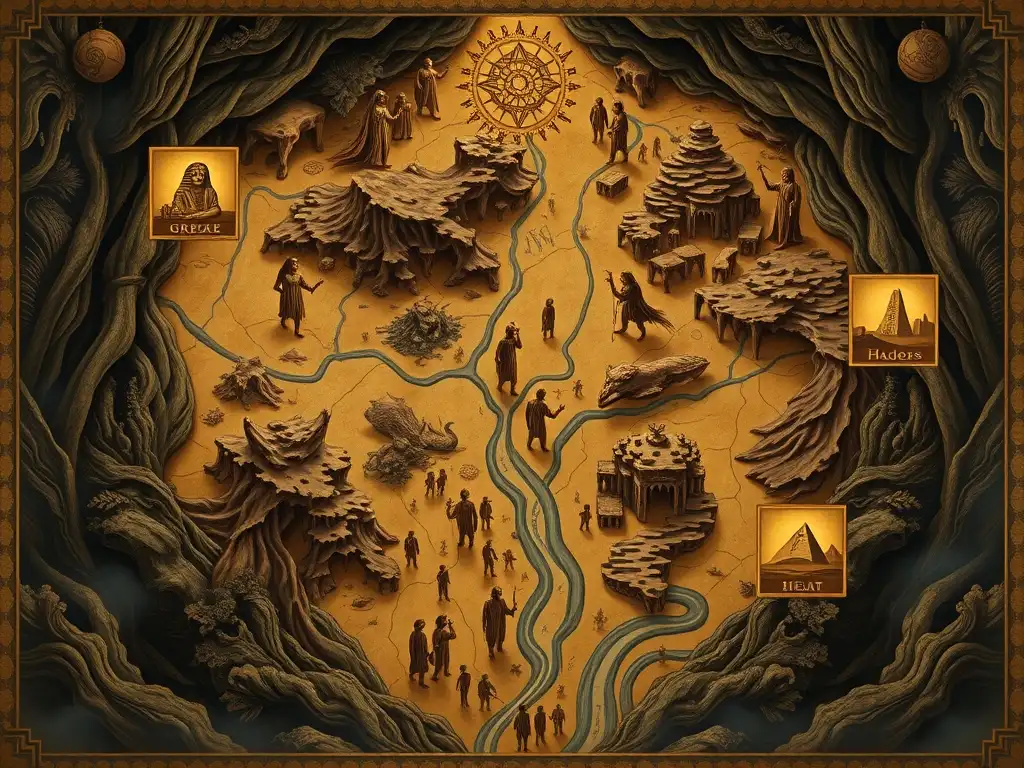
The Andean concept of Uku Pacha, the underworld, shares intriguing similarities and stark differences with other prominent underworld mythologies worldwide. Understanding these parallels and divergences provides a richer comprehension of Andean cosmology and its unique place within the global tapestry of belief systems. A comparative analysis reveals both common threads and distinct characteristics that illuminate the specific cultural context of Uku Pacha.
Similarities with Greek Hades and Egyptian Duat
While geographically and culturally distant, Uku Pacha exhibits certain parallels with the Greek underworld, Hades, and the Egyptian Duat. All three feature a realm beneath the surface world, often associated with death, the dead, and supernatural beings. Similar to Hades' role as a ruler of the dead, Uku Pacha is also often personified, although not always as a singular, powerful deity.
The journey to these underworlds frequently involves perilous trials and symbolic transitions, reflecting the transformative nature of death and the afterlife. The Egyptian Duat, with its complex geography and numerous deities, mirrors the layered and multifaceted nature of Uku Pacha, suggesting a shared understanding of the afterlife as a complex and dynamic realm. Both the Duat and Uku Pacha often feature passages and trials that the soul must navigate, highlighting the challenges inherent in the transition from life to death.
Unique Aspects of the Andean Underworld
Despite these similarities, Uku Pacha possesses unique characteristics that distinguish it from other underworld mythologies. Unlike the often bleak and unforgiving landscapes of Hades or the intricate, often perilous journeys of the Duat, Uku Pacha is sometimes depicted as a fertile, interconnected realm, a subterranean world mirroring the earthly world above, often containing its own agricultural cycles and natural resources. This contrasts sharply with the more desolate representations of other underworlds.
Furthermore, the Andean concept emphasizes the cyclical nature of life, death, and rebirth, with Uku Pacha not necessarily being a permanent destination but rather a stage in a continuous cycle. The relationship between the living and the dead is often portrayed as more fluid and interactive in Andean cosmology than in many other traditions. The ancestors, residing in Uku Pacha, maintain a vital connection with the living world, influencing events and offering guidance.
The Legacy of Uku Pacha: Its Influence on Modern Andean Culture
The enduring influence of Uku Pacha on modern Andean culture is undeniable, woven into the fabric of daily life, beliefs, and traditions. The concept permeates various aspects of contemporary Andean society, showcasing its continued relevance and significance. Understanding this lasting impact helps us appreciate the deep roots of Andean spirituality and its resilience across time.
Uku Pacha in Contemporary Indigenous Beliefs
In many contemporary Andean indigenous communities, beliefs surrounding Uku Pacha remain vibrant. Ancestral veneration, a cornerstone of Andean spirituality, directly connects the living with the spirits inhabiting Uku Pacha. Rituals and ceremonies aimed at communicating with ancestors, seeking guidance, or ensuring agricultural prosperity are still practiced.
These practices often involve offerings, prayers, and specific rituals designed to maintain a harmonious relationship between the living and the dead. The concept of Pachamama, Mother Earth, further integrates the earthly and subterranean realms, reinforcing the interconnectedness of life and the significance of respecting all parts of the cosmos. This continuity highlights the enduring strength of traditional Andean beliefs.
Uku Pacha's Role in Storytelling and Folklore
Uku Pacha features prominently in Andean storytelling and folklore, serving as a rich source of myths, legends, and narratives. These tales often explore themes of life, death, rebirth, and the relationship between humans and the supernatural. Stories of encounters with spirits, journeys to the underworld, and the transformative power of Uku Pacha are passed down through generations, maintaining the cultural memory and transmitting valuable lessons about Andean cosmology and worldview.
These narratives are not mere entertainment; they serve as a critical means of preserving and transmitting cultural knowledge, moral values, and a deep connection to the ancestral past. The continued telling of these stories ensures the survival of Uku Pacha as a vital element of Andean identity and cultural heritage. The vibrant tapestry of Andean folklore is imbued with the enduring presence of Uku Pacha, reminding us of its continued significance in shaping Andean cultural identity.
Exploring the Mysteries of Uku Pacha: A Journey into the Andean Underworld
The Andean worldview wasn't confined to the earthly realm; it encompassed a complex cosmology that included a vibrant and fearsome underworld, known as Uku Pacha. Unlike the simplistic "hell" of some Western religions, Uku Pacha was a multifaceted realm, a place of both immense power and terrifying beings. It wasn't merely a destination after death, but a dynamic force influencing the lives of the living.
The ancient Andean peoples believed that Uku Pacha held sway over fertility, water sources, and the bounty of the earth. Its inhabitants, both benevolent and malevolent, played crucial roles in their daily existence. Understanding Uku Pacha is essential to grasping the depth and complexity of Andean spirituality and their relationship with the natural world.
The concept of Uku Pacha permeated their rituals, art, and even their agricultural practices, demonstrating its central place in their cosmology. The intricate network of interconnectedness between the worlds — Hanan Pacha (upper world), Kay Pacha (the earthly world), and Uku Pacha — shaped their understanding of life, death, and the cyclical nature of existence. This understanding wasn't merely theoretical; it was deeply embedded in their daily lives, influencing their choices and actions.
The exploration of Uku Pacha in Andean mythology reveals a fascinating blend of fear and reverence. While the underworld held the potential for immense power and spiritual insight, it was also a place of danger and uncertainty. Narratives and iconography often depict Uku Pacha as a dark and mysterious realm, populated by creatures both terrifying and awe-inspiring. These beings, often associated with specific natural phenomena or human experiences, served as both warnings and guides, reflecting the Andean understanding of the interconnectedness of the visible and invisible worlds.
The constant interplay between these worlds highlights the dynamic nature of Andean beliefs and their profound connection to the land. This wasn't a static, unchanging system, but rather a living, breathing cosmology that evolved alongside the changing landscapes and experiences of the Andean peoples. The detailed exploration of specific deities and creatures inhabiting Uku Pacha further elucidates this intricate worldview.
Many Andean cultures shared a common understanding of the underworld's significance, but the specifics varied across different groups. The Incas, for example, had a more developed pantheon of underworld deities, while other cultures, such as the Moche and Nazca, depicted underworld beings in their art and iconography, revealing aspects of their unique beliefs about Uku Pacha. These variations emphasize the rich diversity within Andean mythology, highlighting the unique perspectives and interpretations of the underworld across different regions and time periods.
Further research into specific cultural groups' interpretations of Uku Pacha is crucial for a complete understanding of Andean underworld mythology. This necessitates a careful examination of archaeological findings, iconography, and surviving oral traditions, which can provide invaluable insights into the beliefs and practices of these ancient cultures. The diversity of representations underscores the dynamism and complexity of Andean religious thought, challenging simplistic generalizations about their beliefs.
Frequently Asked Questions
What is "Uku Pacha"?
"Uku Pacha" refers to the Andean underworld, a crucial element in the mythology of several ancient Andean civilizations. It's considered a realm of both danger and power, influencing the lives of the living. It's not simply a place of the dead, but a powerful force shaping the world.
How did the Andean people view the underworld?
The Andean worldview saw the underworld not as a separate entity, but as interconnected with the earthly world (Kay Pacha) and the celestial world (Hanan Pacha). It was a source of vital energy and resources, as well as a place of spirits and deities.
What role did deities play in Andean underworld mythology?
Numerous deities inhabited and ruled the Uku Pacha. Important figures included the earth mother goddess Pachamama and various other supernatural beings associated with death, fertility, and the natural world. Their influence was felt across all three realms.
Were there any specific rituals associated with the Andean underworld?
Yes, many rituals aimed to communicate with or appease the spirits of the underworld. These included offerings, sacrifices, and ceremonies designed to ensure the balance and prosperity of the living world. These practices were integral to Andean life.
How does "Uku Pacha" relate to modern Andean culture?
While the specifics may have changed, beliefs about the power and influence of the underworld persist in many contemporary Andean communities. Elements of Uku Pacha mythology continue to shape their worldview and spiritual practices.
Final Reflection: Echoes from the Uku Pacha: A Legacy of Myth and Meaning
The vibrant tapestry of Andean mythology, specifically the narratives surrounding the Uku Pacha, remains profoundly relevant today, offering a powerful lens through which to understand our relationship with the unseen and the enduring power of storytelling. These ancient myths, far from being relics of a bygone era, continue to resonate, shaping cultural identities and offering valuable insights into the human experience of life, death, and the mysteries that lie beyond our immediate perception.
The Uku Pacha, with its complex cast of characters and its potent symbolism, has profoundly influenced the cultural landscape of the Andes, shaping artistic expression, spiritual practices, and even social structures. Its enduring presence speaks to the deep-seated human need to grapple with the unknown, to find meaning in the face of mortality, and to connect with something larger than ourselves. Myths are the dreams of a people,
as Joseph Campbell eloquently stated, and the dreams of the Andean people, as reflected in their underworld mythology, are rich, complex, and deeply moving. These stories offer a pathway to understanding not only the past but also the enduring human quest for meaning.
Consider the narratives of the Uku Pacha, the intricate relationships between its inhabitants, and the lessons embedded within these ancient tales. How can we, in our own lives, draw upon the wisdom of these myths to navigate our own journeys through the unknown? Let the echoes from the Uku Pacha inspire you to explore the depths of your own inner world, to confront your fears, and to embrace the mysteries that surround us. Let the stories of the Andean underworld illuminate your path, reminding you of the enduring power of myth and the timeless human search for meaning.
Unveil the Mysteries of Uku Pacha!
Thank you for exploring the intriguing world of Uku Pacha with us! We hope you've gained valuable insights into the underworld and its fascinating inhabitants. Now, let's put that knowledge to good use.
Here are some suggestions for your next steps:
- Deepen your understanding: Visit a local museum or cultural center that features Andean history. You'll gain a richer appreciation for Uku Pacha's significance and the stories it holds.
- Share your discoveries: Discuss what you've learned with friends, family, or online communities. Help spread awareness and appreciation for the beauty of Andean cultures.
- Connect with others: Join a group focused on Andean studies or mythology. Connecting with like-minded individuals provides opportunities for engaging discussions and shared learning.
What aspect of Uku Pacha captivates you most, and how will you continue to explore it?