
Mountain Gods of the Andes: Unveiling the Meaning of the Apus Offerings

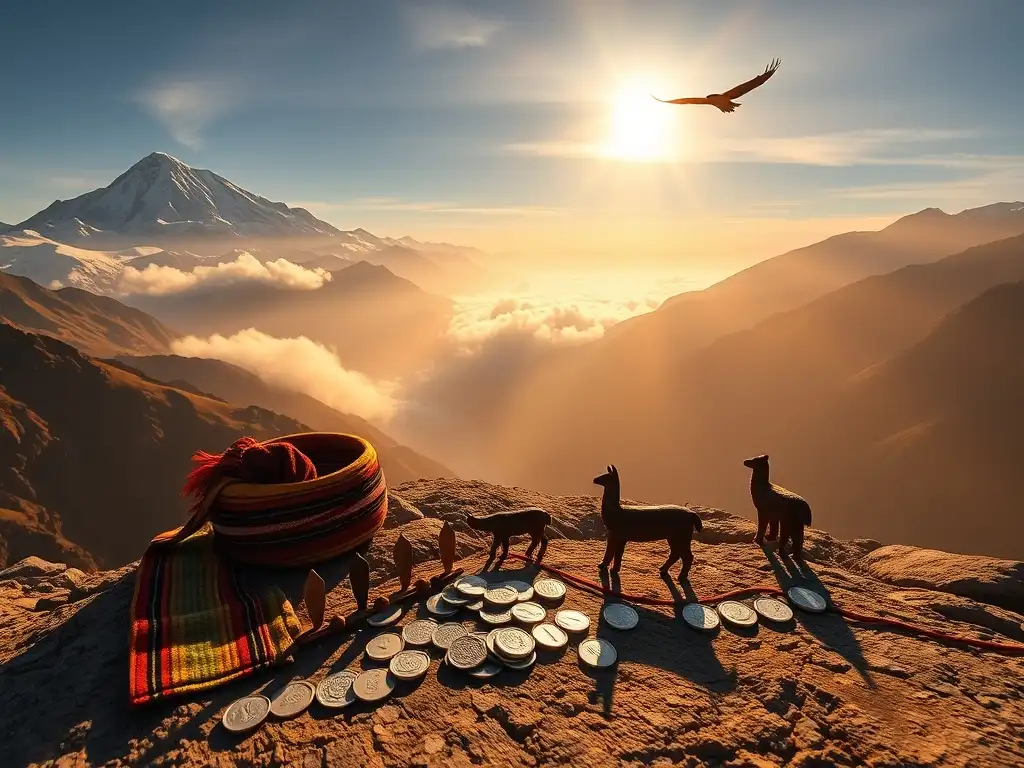
Step into a world lost in time, where the towering Andes Mountains were not just geographical features, but living entities—powerful Apus demanding reverence. Uncover the secrets behind the captivating Andean mountain gods offerings, rituals that reveal a profound connection between humanity and the sacred landscape. From intricate textiles to precious metals, discover the astonishing artistry and spiritual significance woven into these ancient gifts to the gods. Prepare to be amazed by the depth of Andean cosmology and the enduring legacy of its people. Explore the mysteries further—your journey into the heart of Andean religion begins now.
-
Andean Mountain Gods Offerings: Unveiling the Meaning of Apus
- The Significance of Apus in Andean Cosmovision
- The Practice of Offering to Andean Mountain Gods
- Key Elements of Apus Offerings
- Understanding the Rituals and Ceremonies
- The Contemporary Relevance of Andean Mountain Gods Offerings
- The Legacy of Apus Offerings in Andean Culture
- Conclusion: The Enduring Power of Andean Mountain Gods
- Frequently Asked Questions
- Final Reflection: The Enduring Spirit of the Apus
- Embrace the Spirit of the Apus – Take Action Today!
Andean Mountain Gods Offerings: Unveiling the Meaning of Apus
The Andes Mountains, a colossal spine running down the western coast of South America, are far more than just a geographical feature to the indigenous Andean peoples. For millennia, these towering peaks have been revered as sacred entities, powerful Apus—mountain gods—who hold sway over the lives and destinies of those who inhabit their shadow.
This article delves into the fascinating world of Andean mountain gods and the profound significance of the offerings made to them, exploring the rich tapestry of beliefs and practices that have shaped Andean spirituality for centuries. We will unravel the intricate relationship between humans and the Apus, examining the reasons behind these offerings and their enduring relevance in understanding Andean cosmovision.
Understanding these rituals provides a crucial window into the complex spiritual world of the Andean civilizations, illuminating their deep connection with the natural world and their sophisticated understanding of reciprocity and balance. This exploration will cover the significance of the Apus, the various types of offerings presented, and the ultimate purpose behind these acts of veneration, revealing a vibrant and enduring spiritual tradition.
The Significance of Apus in Andean Cosmovision
Understanding the Role of Mountains as Deities
The Andean worldview is deeply intertwined with the natural world. Mountains, particularly the towering Apus, are not simply geographical formations; they are considered sentient beings, powerful deities with agency and influence over the lives of humans. This animistic perspective permeates Andean cosmology, where the natural world is imbued with spiritual power and interconnectedness.
The Apus are seen as protectors, providers, and powerful forces capable of both blessing and cursing. Their presence is felt in the weather patterns, the fertility of the land, and the overall well-being of the communities living at their feet. Understanding this deep reverence for the Apus is key to comprehending the significance of the offerings made to them.
Apus: More Than Just Mountains
The Apus are not simply personified mountains; they are complex spiritual entities with individual personalities and characteristics. Each mountain possesses unique attributes and is often associated with specific deities or spirits. Their power is intimately linked to the landscape itself: the glaciers, the rivers, the flora, and the fauna all contribute to their overall spiritual potency. This complex relationship between the Apus and their environment underscores the interconnectedness of the Andean worldview, where the spiritual and physical realms are inextricably linked. This understanding highlights the nuanced approach taken by Andean communities in their interactions with these powerful deities.
The Spiritual Power of Andean Peaks
The imposing presence of the Andes, their breathtaking beauty, and their unpredictable power—from life-giving rains to devastating earthquakes—all contributed to the profound spiritual significance attributed to these peaks. The high altitude, often shrouded in mist and snow, further reinforced their otherworldly aura. The Apus were seen as intermediaries between the human world and the celestial realm, capable of communicating with the gods and influencing the flow of cosmic energy.
This understanding fueled the deep reverence and respect shown towards these majestic mountains and inspired the elaborate rituals and offerings designed to maintain a harmonious relationship. The sheer scale and majesty of the Apus instilled a sense of awe and wonder, fostering a deep spiritual connection that continues to resonate today.
The Practice of Offering to Andean Mountain Gods
Origins of Andean Mountain Rituals
The practice of offering to the Apus is deeply rooted in Andean history, stretching back millennia. While the specific details of these rituals varied across different cultures and regions, the core principle of reciprocity and respect remained constant. Early evidence suggests that offerings were made to appease the mountain gods, seeking their favor in times of drought, famine, or other natural disasters.
As Andean societies developed, these rituals became increasingly sophisticated, incorporating elaborate ceremonies, specific offerings, and intricate symbolic gestures. Archaeological findings, such as the discovery of ritual sites high in the Andes, provide tangible evidence of the enduring importance of these practices.
Types of Offerings to the Apus
Offerings to the Apus were incredibly diverse, reflecting the richness and complexity of Andean culture. They ranged from simple offerings of coca leaves—a sacred plant with profound spiritual significance—to more elaborate presentations of textiles, food, alcohol (such as chicha), and precious metals. The specific type of offering often depended on the occasion, the particular Apus being addressed, and the nature of the request.
For example, offerings of coca leaves might be made for daily blessings, while more substantial offerings might be presented during important festivals or in times of crisis. The selection and preparation of these offerings were imbued with ritual significance, highlighting the profound respect and reverence held for the Apus.
The Purpose Behind Apus Offerings: Seeking Harmony and Reciprocity
The fundamental purpose of offerings to the Apus was to maintain a harmonious relationship between humans and the supernatural world. These offerings were not simply acts of appeasement; they were expressions of gratitude, respect, and a recognition of the Apus’ power and influence. The Andean concept of ayni—reciprocity—was central to this practice.
By offering gifts to the Apus, communities sought to ensure the continued flow of blessings and resources, fostering a balance between the human and spiritual realms. These offerings were a tangible demonstration of the Andean worldview, emphasizing the interconnectedness of all things and the importance of maintaining a reciprocal relationship with the natural world. The continued practice of these offerings, even in modern times, underscores the enduring power and relevance of this ancient spiritual tradition.
Key Elements of Apus Offerings
Andean mountain gods offerings, often directed towards the Apus (mountain spirits), weren't haphazard collections of items. They were meticulously chosen, each element carrying profound symbolic weight within the Andean worldview. The offerings reflected a deep understanding of the interconnectedness between the human world and the spiritual realm, aiming to maintain balance and reciprocity with the powerful Apus. The selection of specific items varied depending on the context, the particular Apus being honored, and the community's needs.
However, certain elements consistently emerged as central to these rituals. These core components highlight the sophisticated spiritual practices of Andean civilizations. The careful consideration given to each offering underscores the reverence and respect held for the Apus and their influence on the lives of the Andean people. The continued study of these offerings provides invaluable insights into the rich tapestry of Andean religious beliefs and practices.
Coca Leaves: A Sacred Gift
Coca leaves ( Erythroxylum coca) held, and continue to hold, immense cultural and spiritual significance in Andean societies. More than just a stimulant, coca leaves were, and are, considered a sacred gift, an offering of respect and gratitude to the Apus. Chewing coca leaves was, and remains, a ritualistic act, facilitating communication with the spiritual world and fostering a sense of connection with the mountain gods.
The leaves' offering to the Apus was seen as a way to appease them, to secure their favor, and to express gratitude for their protection and blessings. The quantity of coca leaves offered often varied, reflecting the importance of the request or the magnitude of the gratitude expressed.
The act of carefully placing the coca leaves on the designated offering site was a ritualistic act in itself, imbued with deep spiritual meaning. This reverence for the coca leaf underscores its central role in Andean spirituality and its enduring importance in understanding Andean mountain gods offerings.
Chicha: The Ritual Beverage
Chicha, a fermented beverage made from maize or other grains, was another essential component of Apus offerings. Its inclusion wasn't merely for refreshment; chicha was believed to possess sacred properties, acting as a conduit between the human and spiritual realms. The preparation of chicha itself was often a ritualistic process, involving specific prayers and offerings.
The offering of chicha to the Apus was a symbolic gesture of sharing and communion, a way of offering a vital part of Andean life to the mountain spirits. The type and quality of chicha used in the offering could vary, reflecting the significance of the occasion and the specific Apus being addressed.
The fermentation process itself was often seen as a symbolic representation of life, death, and rebirth, further enriching the spiritual meaning of the offering. The intoxicating effects of chicha were also believed to facilitate a closer connection with the spiritual world during the ritual.
Animal Sacrifices: Symbolism and Significance
Animal sacrifices formed a significant aspect of Apus offerings, especially in larger ceremonies or during times of significant need. The choice of animal wasn't arbitrary; it held symbolic meaning, reflecting the nature of the request or the specific Apus being honored. Llamas, alpacas, and guinea pigs were commonly sacrificed.
The sacrifice wasn't viewed as a cruel act but rather as a supreme offering, a symbolic exchange between the human and spiritual worlds, aimed at ensuring the continued well-being of the community. The sacrifice was often accompanied by prayers, chants, and other rituals, emphasizing the sacred nature of the act. The animal's heart, blood, and other parts were often left as offerings, symbolizing the community's willingness to share its most valuable resources with the Apus.
The careful preparation and execution of the sacrifice highlighted the respect and reverence held for the Apus and their role in the Andean cosmological system. The remains were often carefully disposed of in designated areas, reflecting the significance of the entire ritual.
Spondylus Shells: Representing Water and Fertility
Spondylus shells, sourced from the Pacific Ocean, were highly prized and held significant symbolic value in Andean cultures. Their presence in Apus offerings underscores the interconnectedness between the mountains and the sea in the Andean worldview. The shells were associated with water, fertility, and abundance, representing the life-giving forces essential for agricultural success and overall community prosperity.
The vibrant colors and unique shapes of the Spondylus shells made them visually striking elements within the offerings, further enhancing their symbolic importance. The long-distance trade networks required to acquire these shells highlight the extensive reach and sophistication of Andean exchange systems. The inclusion of Spondylus shells in Apus offerings demonstrates the complex religious beliefs and practices of Andean civilizations, highlighting their deep understanding of the natural world and its spiritual significance.
Understanding the Rituals and Ceremonies
The rituals and ceremonies surrounding Apus offerings were not spontaneous acts but rather carefully planned and executed events, reflecting a deep understanding of Andean cosmology and religious practices. These rituals were central to maintaining a harmonious relationship between the human and spiritual worlds, ensuring the continued well-being of the community and the favor of the powerful Apus. The intricate details of these ceremonies varied across different Andean cultures and regions, but certain common threads consistently emerged.
The Role of the Andean Priest in Apus Offerings
Andean priests, or paqos, played a crucial role in mediating between the human and spiritual realms. They were responsible for conducting the rituals and ceremonies, ensuring the proper execution of the offerings and the appeasement of the Apus. Their knowledge of Andean cosmology, ritual practices, and medicinal plants was essential for the success of the offerings. They would often lead the prayers, chants, and other ritualistic actions, guiding the community in expressing their gratitude and requests to the Apus.
Their expertise was highly valued, and their role in maintaining the community's spiritual well-being was paramount. Their deep understanding of the spiritual world and their ability to interpret signs and omens were vital in ensuring the effectiveness of the offerings. The paqos acted as intermediaries, ensuring a successful and meaningful connection between the community and the Apus.
Specific Ceremonies for Different Apus
Different Apus were often associated with specific geographic locations, natural phenomena, or even particular agricultural cycles. The offerings made to them varied accordingly. For example, an Apus associated with rain might receive offerings emphasizing water and fertility, while an Apus associated with a particular harvest might receive offerings related to agricultural abundance. The specificity of these offerings demonstrates the nuanced understanding of the Andean worldview, recognizing the unique powers and attributes of each Apus.
The variations in rituals and offerings reflect the complex and multifaceted nature of Andean religion and the deep connection between the human and spiritual worlds. This careful tailoring of offerings highlights the sophistication and depth of Andean spiritual practices. Further research is needed to fully document the specific ceremonies for each individual Apus.
Music and Dance in Mountain Rituals
Music and dance were integral parts of Apus offerings, serving to create a sacred atmosphere and to enhance the connection between the human and spiritual realms. Specific instruments, such as panpipes, drums, and flutes, were often used, each with its own symbolic meaning and association with particular Apus or rituals. The rhythmic movements of dance were believed to invoke the presence of the Apus and to facilitate communication with them.
The music and dance were not simply entertainment; they were integral components of the ritual, enhancing the spiritual experience and strengthening the bond between the community and the mountain gods. The combination of music, dance, and offerings created a powerful and evocative atmosphere, furthering the connection between the participants and the spiritual world. The specific styles of music and dance varied across different regions and communities, reflecting the diverse cultural expressions within the Andean world.
Offerings Performed at Sacred Sites Like Mountain Passes
Mountain passes, often considered liminal spaces between the human and spiritual worlds, served as important locations for Apus offerings. These sites were believed to be particularly potent places where the veil between the two worlds was thin, facilitating communication with the Apus. The strategic placement of offerings at these locations further emphasizes the importance of these sacred sites in Andean cosmology.
The selection of these locations was not arbitrary; they were chosen for their spiritual significance and their perceived connection to the power of the Apus. The act of making offerings at these elevated locations symbolized the community's aspiration to reach the spiritual realm and to secure the blessings of the mountain gods.
The specific rituals performed at these sites often involved unique prayers, chants, and symbolic gestures, reflecting the sacred nature of these locations and their importance in the Andean worldview. The careful selection and preparation of offerings, coupled with the specific location, reinforced the overall meaning and significance of the ritual.
The Contemporary Relevance of Andean Mountain Gods Offerings

The reverence for the Apus, the Andean mountain gods, and the practice of offering them gifts, remains a vibrant part of Andean life today. While the forms of these offerings may have evolved, the underlying principles of reciprocity and respect for the natural world continue to resonate deeply within Andean communities. These offerings are not merely historical relics; they are living traditions that play a crucial role in maintaining social cohesion, environmental sustainability, and spiritual well-being.
The continued practice demonstrates the enduring power of ancient beliefs in shaping contemporary Andean identity and worldview. The offerings serve as a powerful reminder of the interconnectedness between humanity and the natural world, a concept central to Andean cosmovision. Understanding the contemporary relevance of these offerings requires appreciating their multifaceted roles in modern Andean society.
Preserving Ancient Traditions in Modern Andes
Many Andean communities actively work to preserve the traditions surrounding Apus offerings. This preservation is not a passive act but rather a dynamic process of adaptation and negotiation between ancient practices and the challenges of modernity. Organizations and community leaders play a vital role in educating younger generations about the significance of these rituals and ensuring their continuity.
This includes teaching the proper procedures for preparing and presenting offerings, understanding the symbolic meaning behind the gifts, and promoting responsible interaction with the natural environment. Efforts to document and archive traditional knowledge are also crucial in safeguarding this invaluable cultural heritage for future generations. The ongoing commitment to preserving these traditions reflects a deep-seated desire to maintain a connection to the past while navigating the complexities of the present.
The Impact of Tourism on Andean Rituals
The growth of tourism in the Andes has had a complex and multifaceted impact on Andean rituals, including Apus offerings. While tourism can raise awareness of these traditions and provide economic opportunities for local communities, it also presents potential risks. The commercialization of rituals can lead to a superficial understanding and exploitation of sacred practices.
The influx of tourists can disrupt the sanctity of sacred sites and potentially alter the authenticity of traditional ceremonies. Therefore, responsible tourism practices that respect local customs and prioritize the preservation of cultural heritage are crucial. Sustainable tourism initiatives that involve local communities in the planning and management of tourism activities can help mitigate these risks and ensure that the benefits of tourism are shared equitably.
The Ongoing Connection with the Apus
The connection between Andean communities and the Apus remains strong today. Many people continue to make offerings to the mountains as a way of expressing gratitude, seeking protection, or requesting blessings. These offerings are often integrated into daily life, reflecting a deep-seated belief in the spiritual power of the mountains and their role in shaping the lives of Andean people.
The practice is not merely a formal ritual but rather a continuous dialogue between humanity and the natural world, a testament to the enduring spiritual significance of the Apus. This ongoing connection underscores the living nature of Andean spirituality and its enduring influence on contemporary Andean society.
Contemporary Adaptations Through Community-Based Celebrations
Contemporary Andean communities have adapted traditional Apus offerings to suit the changing circumstances of modern life. While core elements of the rituals remain unchanged, the specific forms of offerings and the ways in which they are presented have evolved. Community-based celebrations, often integrating traditional practices with modern elements, play a vital role in maintaining the relevance of these rituals.
These adaptations demonstrate the resilience and adaptability of Andean culture, showcasing its capacity to integrate ancient traditions within contemporary contexts while preserving their essential meaning and significance. The dynamic nature of these celebrations reflects the ongoing evolution of Andean spirituality and its ability to navigate the complexities of modernity.
The Legacy of Apus Offerings in Andean Culture
The legacy of Apus offerings is deeply woven into the fabric of Andean culture, shaping its beliefs, practices, and artistic expressions. These offerings are not simply historical events but living traditions that continue to influence contemporary Andean society. Their significance extends beyond the realm of religious practice, influencing various aspects of Andean life, from social structures to artistic creations.
Apus and the Concept of Pachamama
The concept of Pachamama, the Earth Mother, is intrinsically linked to the veneration of the Apus. The mountains are considered sacred manifestations of Pachamama, embodying her power and fertility. Offerings to the Apus are thus also a form of honoring Pachamama, acknowledging her role in sustaining life and providing for the needs of humanity.
This interconnectedness between the Apus and Pachamama highlights the holistic worldview of Andean cosmology, where the natural world is perceived as a vibrant and interconnected entity. Understanding this relationship is key to comprehending the profound significance of Apus offerings within the broader context of Andean spirituality.
The Importance of Respect for Nature in Andean Beliefs
The practice of Apus offerings underscores the profound importance of respecting nature in Andean beliefs. The rituals emphasize reciprocity and a harmonious relationship between humanity and the natural world. Offerings are seen as a way of expressing gratitude for the resources provided by nature and seeking its continued benevolence. This deep-seated respect for nature is not merely a religious tenet but a fundamental principle that guides Andean communities' interactions with their environment. The preservation of natural resources and the sustainable use of land are integral aspects of Andean culture, reflecting a long-standing commitment to environmental stewardship.
Andean Mountain Gods Offerings as a Window to the Past
The study of Apus offerings provides invaluable insights into the history and beliefs of Andean civilizations. Archaeological findings, ethnographic studies, and oral traditions offer a rich tapestry of information about the rituals, beliefs, and social structures of past Andean societies.
By analyzing the types of offerings, the locations where they were made, and the contexts in which they were found, researchers can gain a deeper understanding of the spiritual world of the Andes and the ways in which ancient Andean people interacted with their environment. These offerings serve as tangible links to the past, enabling us to reconstruct the rich cultural heritage of the Andes.
The Cultural Impact on Art, Music, and Storytelling
The legacy of Apus offerings is vividly reflected in Andean art, music, and storytelling. The mountains themselves are often depicted in artistic expressions, reflecting their spiritual importance. Traditional music frequently incorporates themes related to the Apus and their relationship to humanity. Stories and legends passed down through generations recount the interactions between Andean people and the mountain gods, preserving cultural memory and transmitting essential values. These artistic expressions serve as a powerful testament to the enduring influence of Apus offerings on Andean culture, providing a window into the enduring spiritual and cultural significance of these practices.
Conclusion: The Enduring Power of Andean Mountain Gods
The reverence for Andean mountain gods, or Apus, continues to resonate deeply within Andean communities today. While the forms of offerings and rituals may have evolved over centuries, adapting to the influences of colonialism and modernization, the fundamental connection between the people and the sacred mountains remains unbroken. The Apus are not merely geographical features; they are living entities, powerful forces that shape the lives of Andean communities, providing sustenance, protection, and spiritual guidance.
Understanding the significance of these offerings allows us to appreciate the enduring strength of Andean spirituality and its profound connection to the natural world. The careful balance between human needs and the respect for the Apus reflects a sophisticated understanding of reciprocity and sustainability, a lesson that holds relevance for our modern world grappling with environmental challenges.
The continued practice of pago a la tierra (payment to the earth) and similar offerings demonstrates the enduring power of tradition and the resilience of Andean culture in the face of change. This vibrant spiritual heritage continues to inform and shape the lives of millions across the Andes.
The Lasting Importance of Apus in Andean Spirituality
The Apus are not relics of a bygone era; their significance is deeply woven into the fabric of contemporary Andean life. Many communities continue to perform rituals and offerings to appease and honor these mountain deities. These practices are not merely symbolic; they are integral to the well-being of the communities, influencing decisions about agriculture, livestock, and even political matters.
The belief in the Apus' power to influence weather patterns, crop yields, and the overall prosperity of the community remains strong. This enduring faith highlights the resilience of Andean spirituality and its ability to adapt and thrive in the face of external pressures. Furthermore, the Apus represent a powerful connection to ancestral knowledge and traditions, passed down through generations and shaping the cultural identity of Andean communities.
Their continued importance speaks volumes about the enduring power of tradition and the spiritual richness of Andean culture. The stories, songs, and rituals surrounding the Apus are living testaments to the deep connection between humans and nature in the Andes.
The Significance of Understanding Andean Mountain Gods Offerings
Understanding Andean mountain gods' offerings is crucial for appreciating the complexities of Andean spirituality and its rich history. These offerings are not simply acts of appeasement; they are intricate expressions of reciprocity, respect, and gratitude. They reveal a worldview where humans are inextricably linked to the natural world, recognizing the power and agency of the Apus and seeking a harmonious coexistence.
By studying these offerings – analyzing their composition, the rituals surrounding them, and their placement in the landscape – we gain invaluable insights into Andean cosmology, social structures, and economic practices. The offerings provide tangible evidence of beliefs and practices that have shaped Andean societies for millennia, contributing to a deeper understanding of their history, culture, and worldview.
The careful study of these offerings allows us to move beyond superficial interpretations and engage with the depth and nuance of Andean spiritual practices, appreciating their continued relevance in modern Andean society. Furthermore, understanding these offerings helps us to foster a more respectful and informed appreciation for the rich cultural heritage of the Andean region.
Frequently Asked Questions
What were the Apus?
The Apus were mountain gods in Andean mythology, considered sacred and powerful entities. They were believed to influence weather patterns, agricultural cycles, and the overall well-being of the communities living in their shadow. Respecting and appeasing them was crucial.
Why did Andean civilizations make offerings to the Apus?
Offerings to the Apus were made to maintain a harmonious relationship with these powerful deities. People sought protection, good harvests, and successful endeavors through these rituals. Failure to offer could bring misfortune.
What types of offerings were made to the mountain gods?
Offerings varied greatly but often included coca leaves, llama fetuses, textiles, ceramics, and precious metals. The choice of offering depended on the specific request and the community's resources. Significance was placed on quality and sincerity.
Where were these offerings typically placed?
Offerings were typically deposited at high-altitude locations on the mountains themselves, often in natural caves or crevices. These locations were believed to be closer to the spiritual realm of the Apus, making the offerings more effective.
How important were these offerings to Andean culture?
These offerings were central to Andean spirituality and social organization. They reflected a deeply ingrained belief in the power of the Apus and the importance of maintaining balance between the human and spiritual worlds. The rituals shaped social structures and daily life.
Final Reflection: The Enduring Spirit of the Apus
The reverence for the Apus, the Andean mountain gods, is not a relic of the past; it remains a vibrant thread woven into the fabric of Andean life, shaping communities and their relationship with the natural world. The practices surrounding offerings to these sacred mountains continue to hold profound significance, reminding us of the interconnectedness of humanity and nature, a lesson urgently needed in our increasingly disconnected world.
The enduring power of the Apus lies not just in their mythological significance, but in their tangible impact on the daily lives of Andean communities. Their influence shapes agricultural practices, spiritual beliefs, and social structures. The act of offering, a gesture of respect and reciprocity, underscores a deep understanding of the environment and a commitment to sustainable living. The mountains are not just mountains; they are living beings, our ancestors, our protectors.
This sentiment, echoing through generations, speaks to the profound spiritual and ecological wisdom embedded in these traditions.
Consider the implications of this ancient wisdom for your own life. How can we cultivate a deeper appreciation for the natural world and foster a more reciprocal relationship with our environment? Let the legacy of the Apus inspire you to find ways to connect with the land, to respect its power, and to contribute to its well-being. The mountains may be distant, but their message of harmony and reverence resonates deeply within us all.
Embrace the Spirit of the Apus – Take Action Today!
Thank you for exploring the fascinating world of the Apus and their profound significance in Andean culture. We hope you've gained a deeper appreciation for honoring these mountain spirits through meaningful offerings and rituals. Now, let's put this knowledge into practice!
Here are some ways to strengthen your connection with the Apus and Andean traditions:
- Create a personal offering to the Apus: Gather natural materials like flowers, fruits, or herbs that resonate with you, and find a peaceful place in nature to express your gratitude and reverence.
- Participate in a local Andean cultural event or workshop: Immerse yourself in these rich traditions firsthand and connect with others who share your interest.
- Share your newfound knowledge: Discuss the Apus and their importance with friends, family, or online communities to spread awareness and encourage further exploration.
How do you personally connect with the spirit of the Apus, and how can you integrate their wisdom into your daily life?