
The Role of Dance in Andean Rituals: A Connection to the Divine

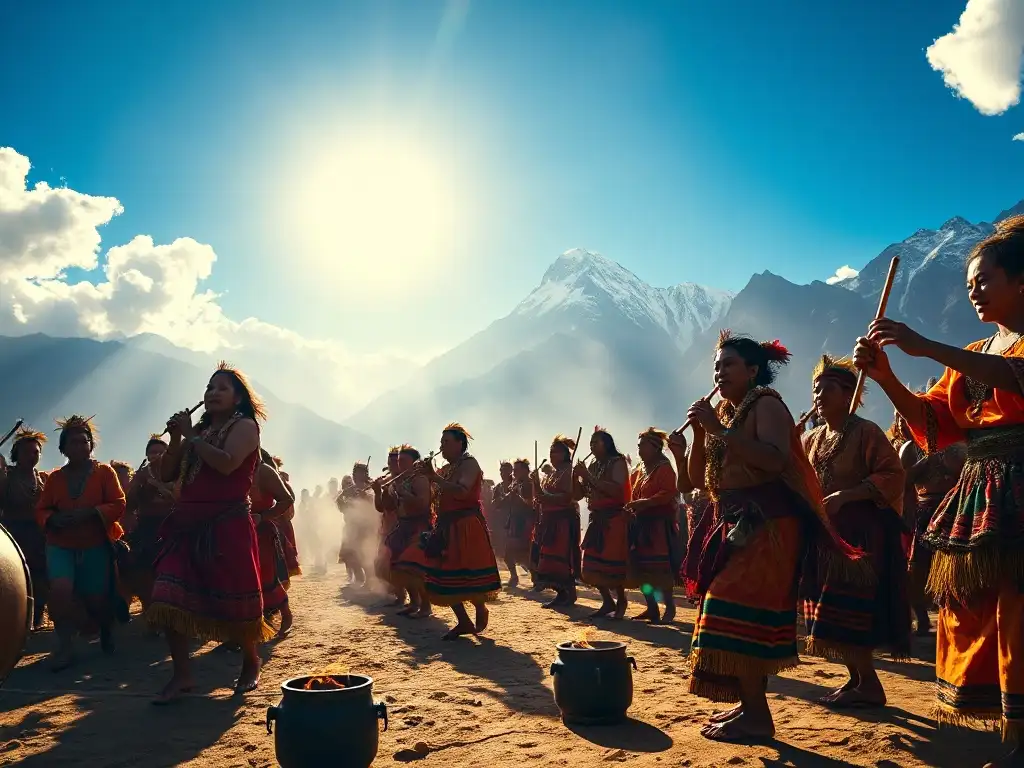
Step into a world lost to time, yet echoing with the vibrant rhythms of ancient Andean life. Imagine the sun-drenched plazas, the intricate textiles, and the powerful sway of dancers connecting the earthly realm to the divine. This is the heart of Andean civilization, and within these pages, we unlock the secrets of their captivating culture. Discover the profound significance of Andean dance rituals, a mesmerizing key to understanding their complex cosmology and religious beliefs. Prepare to be enthralled.
- Andean Dance Rituals Significance: Connecting with the Divine
- Types of Andean Dance Rituals and Their Meanings
- Key Elements of Andean Dance Rituals
- The Evolution of Andean Dance Rituals
- The Lasting Legacy of Andean Dance
- Frequently Asked Questions
- Final Reflection: Echoes of the Andes, Whispers of the Divine
- Elevate Your Spirit Through Andean Dance!
Andean Dance Rituals Significance: Connecting with the Divine
The Andean region, home to a tapestry of vibrant civilizations like the Inca, Moche, Nazca, and Tiahuanaco, boasts a rich history deeply intertwined with spiritual practices. Central to their religious beliefs was a complex system of rituals, ceremonies, and offerings, many of which incorporated elaborate dance as a crucial element.
This article delves into the profound significance of Andean dance rituals, exploring how movement served not merely as entertainment, but as a sacred conduit to the divine, shaping their worldview and connecting them to the cosmos. We will examine the spiritual essence of Andean dance, the underlying cosmovision that informed these practices, and the specific role of movement in their unique spirituality.
Understanding the importance of dance in Andean rituals provides invaluable insight into the beliefs, values, and social structures of these fascinating ancient societies. The keyword "Andean dance rituals significance" will be explored through specific examples and detailed analysis, offering a comprehensive understanding of this captivating aspect of Andean culture.
The Spiritual Essence of Andean Dance
Andean dance wasn't simply a display of physical prowess; it was a powerful act of communion with the supernatural world. The movements, often mimicking the actions of animals, celestial bodies, or deities themselves, were imbued with symbolic meaning. For example, the graceful movements of certain dances might represent the cyclical nature of the seasons or the journey of the sun across the sky.
The costumes, adorned with vibrant colors and intricate designs, further enhanced the ritualistic significance. Feathers, precious metals, and textiles, each with its own symbolic weight, were carefully selected to represent specific deities or concepts. The rhythmic music, often played on traditional instruments like panpipes and drums, helped to create a trance-like state, facilitating a deeper connection between the dancers and the spiritual realm.
The dancers themselves were often carefully chosen, sometimes undergoing rigorous training and purification ceremonies before participating in the rituals. Their performance was not merely a performance; it was a sacred act, a bridge between the human and divine. The energy generated through the collective movement and synchronized actions amplified the ritual's power, creating a potent spiritual experience for both the dancers and the observers.
Understanding Andean Cosmovision and its Rituals
The significance of Andean dance rituals is inextricably linked to their unique cosmovision—their understanding of the universe and their place within it. The Andes themselves played a central role in their worldview, with mountains revered as sacred entities, dwelling places of powerful deities. The Andean people believed in a complex interplay between the visible and invisible worlds, with the supernatural realm actively influencing their daily lives.
Rituals, including dance, served as vital mechanisms to maintain harmony and balance within this intricate cosmic order. Many rituals were tied to the agricultural cycle, seeking to ensure bountiful harvests and appease the spirits of nature. Other rituals focused on honoring ancestors, celebrating important life events, or seeking divine intervention during times of hardship.
The specific dances performed varied according to the occasion, the deity being honored, and the community's specific needs. These rituals were not merely religious observances; they were integral to the social fabric of Andean society, reinforcing social bonds and promoting community cohesion. The meticulous planning and execution of these rituals demonstrate their profound importance in shaping Andean life and culture.
The Role of Movement in Andean Spirituality
Movement itself held deep spiritual significance in Andean cultures. The body was viewed as a vessel for spiritual energy, and dance served as a way to channel and direct this energy towards specific purposes. The carefully choreographed steps and gestures were not arbitrary; they represented specific symbols, narratives, and prayers.
For instance, certain movements might symbolize the planting and harvesting of crops, while others might represent the celestial movements of stars or the flight of birds. The rhythmic repetition of movements helped to induce altered states of consciousness, allowing participants to connect with the spiritual realm on a deeper level. The precision and discipline required in performing these dances also served as a form of spiritual discipline, fostering self-control and inner harmony.
This connection between physical movement and spiritual experience demonstrates the holistic nature of Andean spirituality, where the body and the spirit were viewed as inseparable aspects of the human being. The intensity and precision of the movements were not only aesthetically pleasing but also reflected a deep understanding of the spiritual world and its impact on their lives. The legacy of these dance rituals continues to resonate today, offering valuable insights into the rich spiritual heritage of the Andean people.
Types of Andean Dance Rituals and Their Meanings
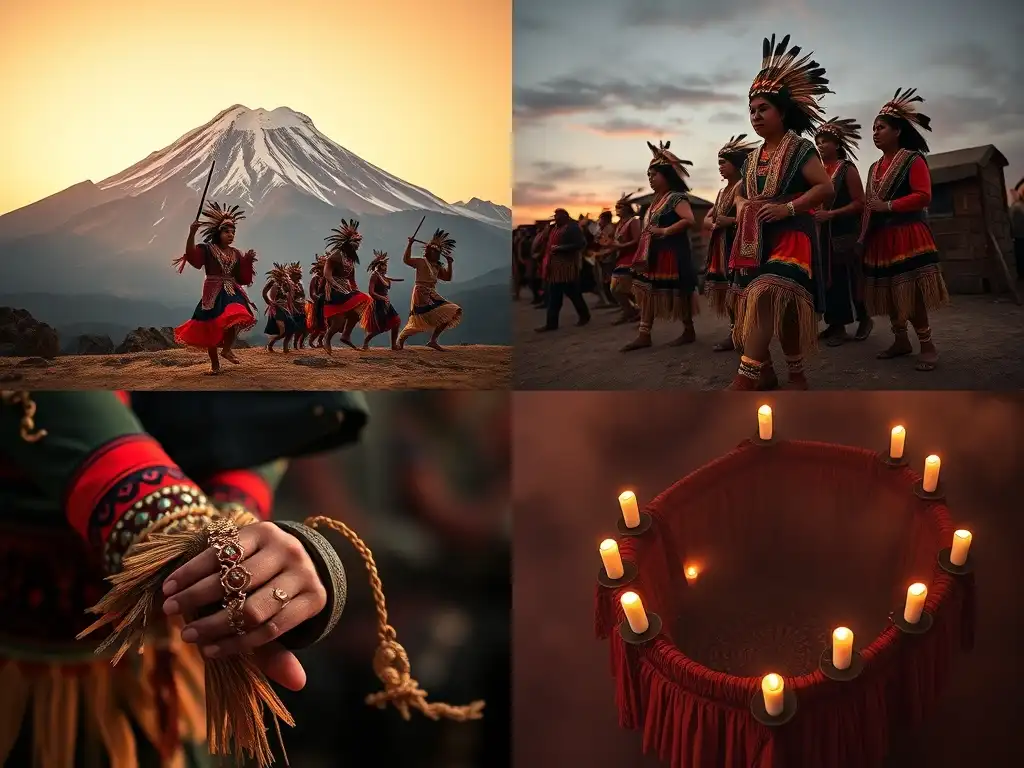
The vibrant tapestry of Andean culture is interwoven with intricate dance rituals, far more than mere entertainment. These performances served as crucial links to the spiritual realm, reflecting a profound understanding of the cosmos and the interconnectedness of all living things. The significance of Andean dance rituals extended beyond the physical; they were potent expressions of faith, hope, and community, deeply rooted in the Andean worldview and intimately connected to the agricultural cycle, celestial bodies, and ancestral veneration.
Understanding these dances provides crucial insight into the Andean people's profound spiritual beliefs and their relationship with the natural world. Analyzing the "Andean dance rituals significance" reveals a complex system of communication with the divine.
Agricultural Ritual Dances: Honoring Pachamama
Agricultural dances in the Andes were not simply celebrations of a bountiful harvest; they were sacred acts performed to ensure future prosperity and appease Pachamama, the Earth Mother. These rituals, often performed during planting and harvesting seasons, involved intricate movements mimicking agricultural processes. For example, the Tinkus, a vigorous dance from the Bolivian Andes, incorporates movements that symbolize sowing seeds, tilling the land, and harvesting crops.
The dancers' energy and commitment reflect the importance of agricultural success to the community's survival. The rhythmic pounding of feet and the vibrant costumes, often adorned with agricultural symbols, served to visually reinforce the connection between the dance and the land. The dances were not performed in isolation; they were embedded within broader community rituals, often involving offerings of coca leaves, chicha (fermented corn beverage), and other sacred items to Pachamama.
The success of the harvest was directly attributed to the sincerity and energy invested in these dances. Failure to perform these rituals properly, or a lack of respect for Pachamama, was believed to result in poor harvests and widespread hardship. This demonstrates the deep-seated belief in the power of ritual dance to influence the natural world.
Dances for Sun and Moon Deities: Celestial Celebrations
The Andean worldview placed immense importance on the celestial bodies, particularly the sun and moon, considered divine entities with profound influence over earthly life. Dances honoring these deities were elaborate affairs, often involving large groups of participants and elaborate costumes. The Fiesta del Sol (Festival of the Sun), for instance, included dances that mimicked the sun's journey across the sky, its life-giving energy represented through vibrant movements and symbolic gestures.
These dances were not only performed to express gratitude for the sun's life-sustaining power, but also to ensure its continued benevolence. The movements often incorporated symbolic representations of the sun's power, such as circular motions representing the sun's cycle and upward reaching gestures symbolizing its life-giving rays. Similarly, dances dedicated to the moon often featured softer, more graceful movements, reflecting the moon's gentler influence.
The costumes worn during these celestial celebrations were frequently adorned with gold, feathers, and other precious materials, reflecting the sacred status of the deities being honored. The timing of these dances was also carefully considered, often coinciding with solstices and equinoxes, highlighting the close relationship between the celestial cycles and the Andean people's spiritual practices.
Ancestral Veneration Through Dance: Connecting with the Past
Ancestor veneration played a central role in Andean spirituality, with dances serving as a crucial means of connecting with the departed and maintaining a vital link between the living and the dead. These dances often involved the reenactment of ancestral stories and traditions, perpetuating cultural memory and reinforcing social bonds. The movements, costumes, and music were meticulously preserved across generations, ensuring the continuity of the ancestral legacy.
For example, many communities still perform dances that depict the heroic deeds of their ancestors, reinforcing their identity and connection to the past. The use of masks and costumes allowed dancers to embody the spirits of their ancestors, facilitating communication and offering tribute. These rituals often involved offerings to the ancestors, seeking their guidance and protection.
The "Andean dance rituals significance" in this context is the preservation of cultural identity and the strengthening of community ties through the continuous reenactment of ancestral stories and traditions. The meticulous preservation of these dances demonstrates the importance placed on maintaining a strong connection with the past, ensuring the continuity of cultural heritage and spiritual practices across generations. These dances serve as living testaments to the enduring power of Andean traditions and their ongoing relevance to contemporary Andean communities.
Rituals of Healing and Purification: Dances for Well-being
Andean cultures deeply intertwined dance with healing and purification rituals. These weren't merely performances; they were active engagements with the spiritual world, aiming to restore balance and well-being to individuals and communities. The dances often involved specific movements, costumes, and accompanying music believed to possess potent therapeutic properties. Shamans or paqos played a crucial role, guiding the dancers and channeling spiritual energy.
One example is the use of huayno, a lively Andean folk dance, in healing ceremonies. While often performed for celebration, its rhythmic movements and energetic nature were believed to dispel negative energies and promote vitality. The specific steps and gestures in a healing huayno might differ from those in a celebratory one, incorporating symbolic actions intended to drive away illness or misfortune.
For example, repetitive circular movements could represent the cyclical nature of life and the continuous renewal of energy. The vibrant colors of the costumes – often incorporating elements from the natural world like feathers or flowers – were believed to further enhance the healing power of the dance.
Furthermore, the use of sacred plants like coca leaves played a significant role. Chewing coca during the dance was believed to enhance the connection to the spiritual realm and amplify the healing effects. The rhythmic chanting and the music itself, often played on traditional Andean instruments like the charango and panpipes, created a trance-like state, facilitating a deeper connection to the spiritual forces believed to be responsible for healing. The entire process was a holistic approach, combining physical movement, spiritual connection, and the use of sacred elements to achieve a state of physical and spiritual well-being.
The effectiveness of these rituals wasn't solely based on physical exertion; the belief system surrounding the dances was paramount. The faith in the spiritual power of the dance, the shaman's guidance, and the community's collective participation were all integral components of the healing process. This holistic approach to healing, deeply rooted in the Andean worldview, highlights the profound connection between dance, spirituality, and the pursuit of well-being within these ancient cultures. The legacy of these healing dances continues to influence contemporary Andean practices, showcasing the enduring power of these traditions.
Key Elements of Andean Dance Rituals
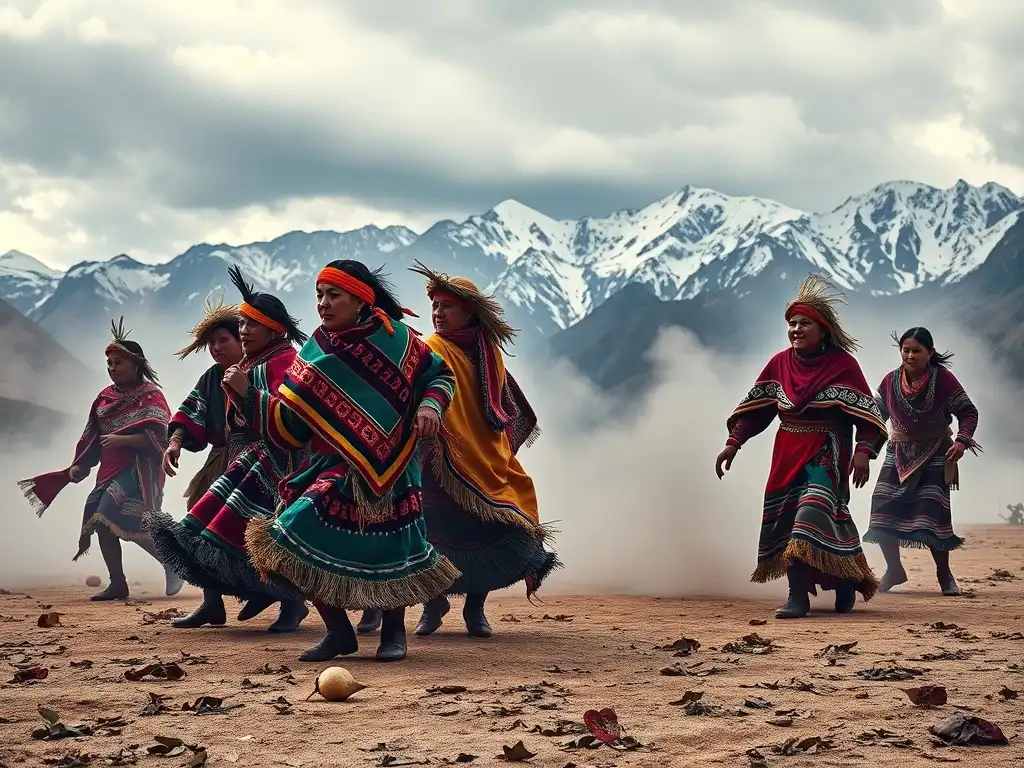
This section delves into the core components that shaped Andean dance rituals, exploring their significance within the broader context of Andean religious practices. These rituals weren't mere performances; they were powerful conduits connecting the human world with the sacred realm, influencing everything from agricultural cycles to social order. Understanding these elements is crucial to grasping the profound impact of Andean dance rituals and their lasting legacy. The Andean dance rituals significance lies in their multifaceted nature, incorporating intricate choreography, symbolic costumes, evocative music, and carefully selected performance locations.
Significance of Costumes and Masks in Andean Ritual Dance
Costumes and masks were far more than mere attire in Andean ritual dances; they were potent symbols embodying deities, spirits, and mythical beings. The vibrant colors, intricate designs, and specific materials used held deep symbolic meaning, often reflecting the specific ritual's purpose and the identity of the dancer. For example, the use of feathers signified connection to the celestial realm, while specific animal skins represented the power and attributes of that animal in Andean cosmology.
The creation of these costumes and masks was itself a ritualistic process, often involving community participation and the use of sacred materials. Consider the elaborate headdresses adorned with gold, silver, and precious stones, reflecting the power and wealth associated with the deities they represented. These weren't simply decorative; each element contributed to the overall symbolic power of the dance, enhancing its efficacy in communicating with the supernatural world.
The meticulous attention to detail underscores the deep reverence and respect accorded to these sacred objects. Even the simplest elements, such as the type of yarn used or the specific patterns woven into the fabric, carried specific meanings, reflecting a sophisticated understanding of symbolism within Andean culture.
The masks, in particular, played a crucial role in transforming the dancer into a powerful intermediary between the human and divine realms. They allowed the dancer to embody the spirit or deity, facilitating communication and ensuring the ritual's success. The expressive features of these masks, often crafted with exaggerated features, heightened the dramatic impact of the performance, further amplifying its spiritual significance. The variety of masks found across different Andean cultures reflects the rich diversity of their belief systems and the nuanced ways they interacted with the spiritual world.
The Importance of Music and Instruments in Andean Ceremonies
Music played an integral role in Andean dance rituals, acting as a bridge between the earthly and spiritual realms. The rhythmic sounds of instruments like the pututu (a shell trumpet), tarka (a panpipe), and various drums created an atmosphere conducive to spiritual communion. These weren't just musical instruments; they were sacred objects, imbued with spiritual power and used to invoke deities and influence the outcome of the ritual.
The melodies themselves often carried symbolic meaning, mirroring the movements of the dancers and the narrative of the ritual. The use of specific scales and rhythms could evoke specific emotions, creating a powerful emotional and spiritual experience for both the performers and the audience. The music acted as a guide, leading participants into a state of altered consciousness, allowing them to connect with the divine more effectively.
The intensity and complexity of the music varied depending on the ritual's purpose, reflecting the significance of the occasion. Some rituals involved simple, repetitive melodies, while others featured complex polyrhythms and intricate musical structures. This complexity mirrors the sophisticated musical understanding of Andean cultures and highlights their capacity for creative expression within a ritualistic context.
Moreover, the making of these instruments was often a sacred process, involving specialized knowledge and sacred materials. The selection of wood for flutes or the specific shells for trumpets was not arbitrary; each choice held symbolic meaning contributing to the instrument's power within the ritual. The Andean dance rituals significance is intrinsically linked to the power and meaning imbued in the accompanying music.
The Role of Sacred Spaces in Andean Ritual Performances
The location of Andean dance rituals was far from arbitrary; sacred spaces held immense importance, acting as focal points for communication with the divine. These spaces were often geographically significant, chosen for their connection to natural features like mountains, rivers, or caves believed to be portals to the spirit world. These locations served as powerful conduits for spiritual energy, enhancing the efficacy of the ritual.
The careful selection of these sites highlights the deep connection between Andean people and their environment. The mountains, for instance, were considered sacred dwelling places of deities, and rituals performed on their slopes or summits were believed to be particularly effective. Similarly, rivers and lakes were seen as sources of life and power, and rituals performed near these waterways were associated with fertility and abundance.
These sacred sites were not simply physical locations; they were imbued with spiritual significance, becoming integral parts of the ritual itself. The spatial arrangement within these locations was also significant, with specific areas designated for different stages of the ritual, reflecting a complex understanding of sacred geography. The layout often reflected the cosmology of the particular culture, mirroring the structure of the universe as they understood it.
The Andean dance rituals significance is deeply rooted in the powerful symbolism inherent in the carefully selected locations for these ceremonies. Further research is needed to fully document the specific spatial arrangements and their symbolic meanings across different Andean cultures [specific information pending].
The Evolution of Andean Dance Rituals
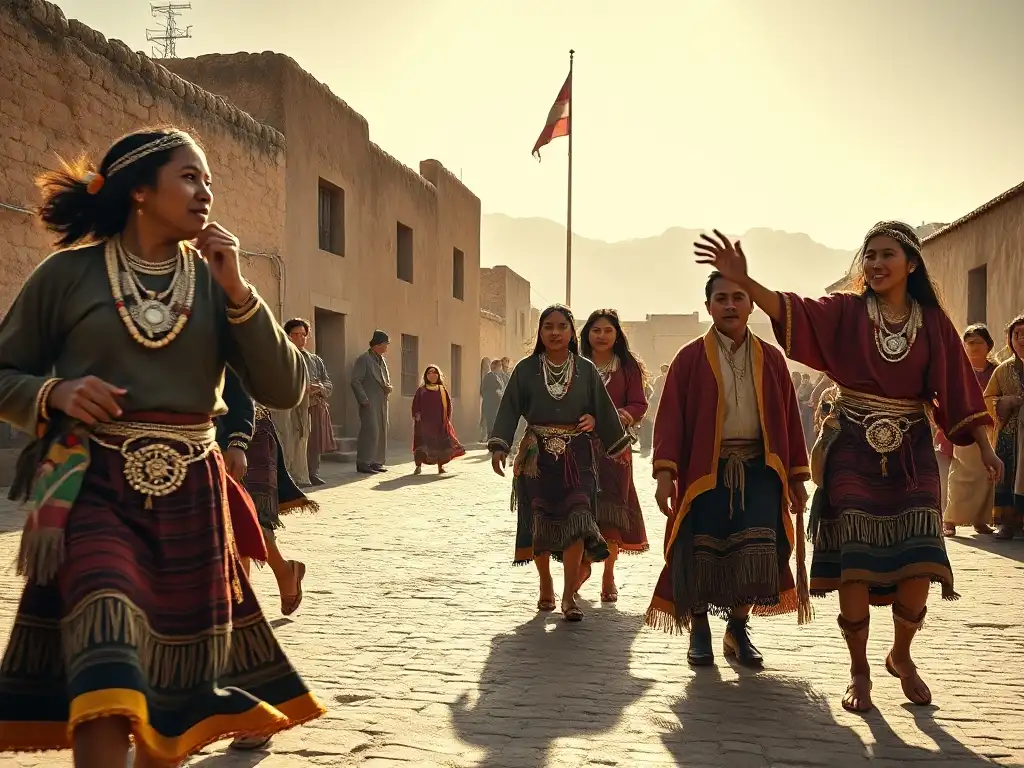
The significance of dance in Andean cultures extends far beyond mere entertainment; it's a deeply ingrained aspect of their religious and social fabric, a powerful means of communication with the divine and a vital component of community cohesion. Understanding the evolution of Andean dance rituals requires examining their pre-Columbian roots, the disruptive impact of colonialism, and their remarkable resilience and adaptation in contemporary society. This exploration reveals the enduring power of these traditions and their continued relevance in understanding Andean cosmovision. The keyword phrase "Andean dance rituals significance" encapsulates this very essence.
Pre-Columbian Andean Dance Practices
Pre-Columbian Andean civilizations, including the Incas, Moche, Nazca, and Tiahuanaco, each developed unique yet interconnected dance traditions. These dances were not simply choreographed movements; they were integral parts of complex religious ceremonies, agricultural cycles, and social events. Archaeological evidence, such as pottery depicting dancers and textual accounts from Spanish chroniclers (albeit often filtered through a colonial lens), provides glimpses into these vibrant practices.
Evidence suggests that dance played a crucial role in agricultural rituals, ensuring bountiful harvests. Dancers, often adorned in elaborate costumes representing deities or natural forces, would mimic the movements of animals, the growth of crops, or the cycles of the sun and moon. These performances weren't passive spectacles; they were active engagements with the spiritual world, believed to influence the fertility of the land and the well-being of the community.
Furthermore, dance served as a conduit for communication with the apus (mountain spirits) and other supernatural entities. Certain dances were specifically designed to appease or honor these powerful beings, seeking their favor for protection, good fortune, or successful harvests. The complexity of the steps and the symbolic nature of the costumes underscored the sacredness of these interactions. The precision and dedication required for mastering these dances highlight their profound importance within Andean society. For example, the Moche culture's elaborate pottery frequently depicts dancers in dynamic poses, suggesting the importance of dance in their rituals and ceremonies.
The Impact of Colonialism on Traditional Dances
The Spanish conquest of the Andes in the 16th century profoundly impacted Andean culture, including their dance traditions. The Spanish sought to suppress indigenous religions and replace them with Catholicism, leading to the suppression or alteration of many traditional dances. Many dances were deemed "pagan" and actively discouraged, leading to a decline in their practice and a loss of knowledge about their original meanings and purposes.
However, the resilience of Andean communities prevented the complete eradication of their dance traditions. Indigenous peoples often subtly incorporated elements of their traditional dances into religious festivals imposed by the Spanish. This process of syncretism resulted in hybrid forms of dance that blended indigenous and Catholic elements, allowing the continuation of some traditions albeit in a transformed state. This ingenious adaptation ensured the survival of certain dance forms, though often stripped of their original spiritual context and meaning. The subtle incorporation of indigenous movements within seemingly Catholic festivals showcases the deep-rooted determination to preserve their cultural heritage.
Contemporary Andean Dance Rituals: Preservation and Evolution
Despite centuries of colonial influence and societal shifts, Andean dance rituals continue to thrive. Many communities actively work to preserve and revitalize their traditional dances, recognizing their importance as a link to their ancestral heritage and a vital component of their cultural identity. The resurgence of interest in indigenous cultures has contributed to the renewed appreciation and study of these dance forms.
Contemporary Andean dance rituals often blend tradition with modern expressions. While many communities strive to maintain the authenticity of their ancestral dances, others have incorporated new elements, reflecting the changing social and political landscapes. This evolution doesn't diminish the significance of these dances; rather, it demonstrates their adaptability and their ability to remain relevant in a constantly evolving world.
Festivals celebrating Andean culture often feature these dances, demonstrating their enduring presence and significance in contemporary Andean society. The preservation efforts, coupled with the evolving nature of these dances, ensure the continued relevance of "Andean dance rituals significance" for generations to come. The vibrant energy and emotional depth expressed through these dances continue to connect communities to their past, present, and future.
The Lasting Legacy of Andean Dance
The significance of Andean dance rituals extends far beyond mere entertainment; it represents a potent conduit connecting the living with the spiritual realm, a vibrant tapestry woven from centuries of tradition and belief. Understanding the enduring legacy of Andean dance requires appreciating its multifaceted role in transmitting cultural knowledge, reinforcing social structures, and maintaining a vital connection to the Andean worldview.
The movements, costumes, and music are not simply aesthetic choices; they are carefully codified expressions of complex cosmological beliefs, agricultural cycles, and social hierarchies. The rhythms, often mimicking the movements of nature – the flowing river, the soaring condor, the fertile earth – directly reflect the deep-seated reverence for the natural world central to Andean cosmovision.
This intricate interplay between movement, music, and symbolism underscores the profound impact of these rituals on Andean societies, past and present. The keyword "Andean dance rituals significance" is intrinsically linked to this enduring legacy.
How Andean Dance Rituals Transmit Cultural Knowledge
Andean dance rituals serve as living archives, meticulously preserving and transmitting invaluable cultural knowledge across generations. Each movement, costume detail, and musical phrase carries a layer of meaning, passed down orally and through demonstration. For instance, the intricate steps of a specific dance might represent the agricultural cycle, with specific movements symbolizing planting, harvesting, and celebrating the bounty of the earth.
The vibrant colors and designs of the costumes often encode stories of mythical heroes, ancestral spirits, or significant historical events. The music itself, with its unique instrumentation and melodies, can evoke specific deities, landscapes, or emotional states. This intergenerational transmission of knowledge ensures the continuity of cultural identity and the preservation of a rich heritage.
The continued practice of these dances is not just a performance; it's an active process of cultural revitalization and preservation, ensuring that the stories and beliefs of the past remain relevant and vibrant in the present. This dynamic process highlights the crucial role of Andean dance in maintaining cultural continuity.
The Importance of Preserving Andean Dance Traditions
The preservation of Andean dance traditions is not simply a matter of historical preservation; it is vital for maintaining cultural identity, fostering community cohesion, and safeguarding a unique worldview. The loss of these traditions would represent a profound loss of cultural heritage, erasing centuries of accumulated knowledge and spiritual practices. Many communities actively work to protect these traditions, facing challenges such as globalization, migration, and the pressures of modernization.
Efforts to document, teach, and perform these dances are crucial for their survival. These efforts often involve community-based initiatives, collaborations between scholars and practitioners, and the development of educational programs to ensure that younger generations learn and appreciate their cultural heritage.
The continued support and recognition of these initiatives are paramount to ensure the long-term survival of these invaluable traditions, safeguarding a vital aspect of Andean cultural identity. Understanding the importance of preservation directly contributes to the continued "Andean dance rituals significance".
Experiencing the Power of Andean Dance Rituals Today
While the historical context is crucial, the power of Andean dance rituals remains palpable today. Witnessing a performance is a deeply moving experience, offering a glimpse into a vibrant and enduring culture. The energy of the dancers, the evocative music, and the rich symbolism create a powerful connection to the past and a profound sense of community. Many communities continue to perform these dances during religious festivals, agricultural celebrations, and other significant events. These performances are not mere spectacles; they are active expressions of faith, community, and cultural identity. For those seeking a deeper understanding of Andean culture, experiencing these rituals firsthand provides an invaluable opportunity to connect with a living tradition that has endured for centuries. This direct engagement further underscores the profound "Andean dance rituals significance" in contemporary Andean life. The experience transcends mere observation; it is an immersion in a world of vibrant belief and communal expression.
Frequently Asked Questions
What is the significance of dance in Andean cultures?
Andean dance wasn't merely entertainment; it served a crucial spiritual role. Dances were integral to rituals connecting the people with their gods and ancestors, influencing harvests and ensuring community well-being. Religious beliefs deeply intertwined with these performances.
How did Andean dance connect people to the divine?
Through elaborate movements and costumes, dancers embodied divine beings or spiritual forces. These performances facilitated communication with the supernatural realm, influencing events like weather patterns and agricultural success. It was a sacred act, not mere spectacle.
Which Andean civilizations incorporated dance into their rituals?
Many Andean civilizations valued dance in their rituals. The Inca, Moche, Nazca, and Tiahuanaco cultures all incorporated elaborate dance ceremonies into their religious practices. Each had its own unique styles and meanings.
What were the common themes explored in Andean dance rituals?
Common themes revolved around fertility, harvest cycles, ancestor veneration, and appeasing deities. Dances often depicted stories of creation myths, agricultural bounty, and the power of nature. These themes were central to their worldview.
What types of costumes and music accompanied Andean dance rituals?
Costumes were often ornate and symbolic, reflecting the specific deity or spirit being represented. Music, played on instruments like panpipes and drums, played a vital role in setting the sacred atmosphere and guiding the dancers' movements. Masking was also frequently employed.
Final Reflection: Echoes of the Andes, Whispers of the Divine
The vibrant tapestry of Andean dance rituals, far from being a relic of the past, continues to resonate deeply within contemporary Andean communities and offers a powerful lens through which to understand the enduring connection between humanity and the spiritual world. These dances are not mere performances; they are living expressions of faith, community, and a profound relationship with the cosmos, a connection that remains vital in a rapidly changing world.
The enduring power of these rituals lies in their ability to transcend time and space, carrying with them the accumulated wisdom and beliefs of generations. They are a testament to the resilience of indigenous cultures and their capacity to adapt while preserving their core values. The intricate movements, the vibrant costumes, and the sacred music all contribute to a holistic experience that fosters a sense of belonging and shared identity. Dance is the hidden language of the soul.
This quote, though not specifically Andean in origin, perfectly captures the essence of these rituals – a nonverbal communication that speaks volumes about the human spirit's yearning for connection with something greater than itself.
Consider the profound implications of this connection. How can we, in our own lives, cultivate a similar sense of reverence for the natural world and the spiritual dimensions of existence? You, the reader, are invited to reflect on the ways in which ritual and community can enrich your own life, fostering a deeper sense of purpose and connection. Perhaps it's time to explore the rhythms within yourself, to find your own dance, your own way of expressing the sacred within the everyday. Let the echoes of the Andes inspire you to discover the divine within your own heart.
Elevate Your Spirit Through Andean Dance!
Thank you for exploring the profound connection between dance and spirituality within Andean rituals. Understanding the spiritual significance of these movements offers a vital key to comprehending Andean culture. Let's continue to deepen your connection!
Here are some ways to further engage with this captivating tradition:
- Participate in a local Andean dance workshop to experience the joy and energy of the movement firsthand.
- Share your newfound knowledge about Andean rituals on social media to inspire conversations and connect with others.
- Expand your understanding by reading books or watching documentaries on the role of dance in indigenous cultures worldwide.
What new insights into spirituality have you gained from exploring the vibrant world of Andean dance? We'd love to hear your thoughts in the comments below!