
The Andean Ritual of Weaving: Creating Sacred Patterns and Symbols

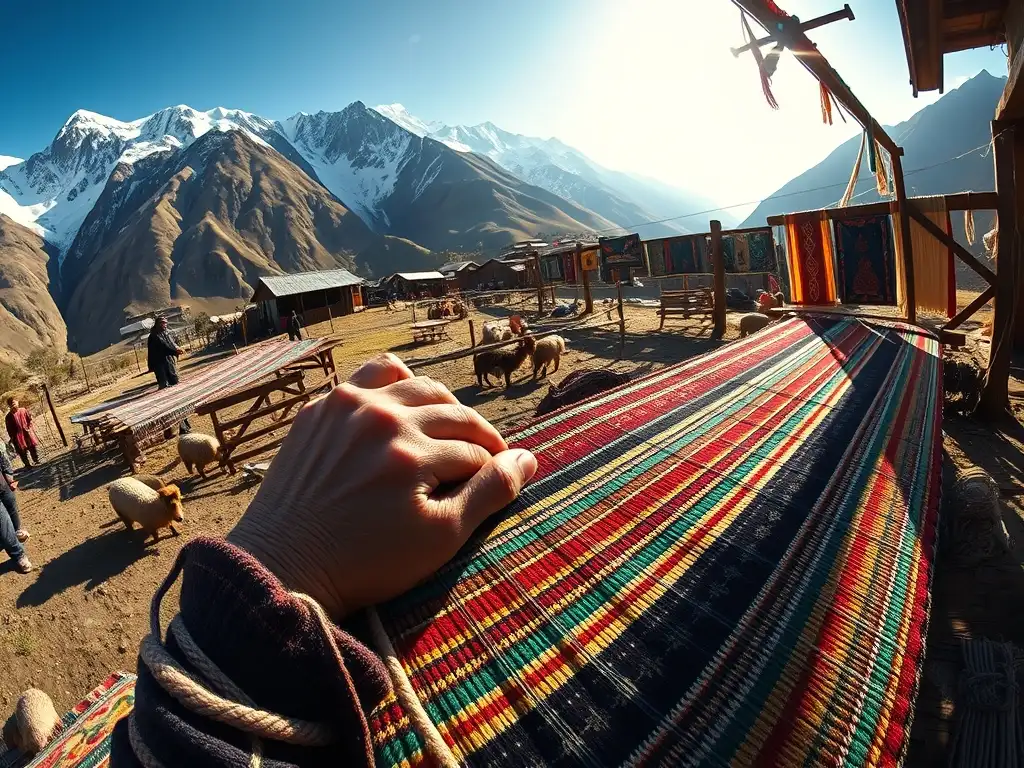
Unravel the mysteries of the Andes! Journey through millennia of breathtaking artistry and spiritual significance as we delve into the intricate world of Andean civilizations. Discover how ancient cultures like the Incas, Moche, and Nazca wove not just textiles, but sacred narratives into the very fabric of their existence. Prepare to be amazed by the ingenuity and symbolism embedded in Andean weaving techniques, a practice deeply intertwined with their cosmology and religious beliefs. Explore the fascinating connection between these masterful techniques and the Andean worldview in our feature article, "The Andean Ritual of Weaving: Creating Sacred Patterns and Symbols."
- Andean Weaving: A Ritualistic Art Form
- Ancient Andean Weaving Traditions
- The Sacred Symbols and Patterns in Andean Weaving
- Andean Weaving Techniques: A Detailed Exploration
- Rituals and Ceremonies Surrounding Andean Weaving
- The Contemporary Relevance of Andean Weaving
- Frequently Asked Questions
- Final Reflection: The Enduring Legacy of Andean Weaving
- **Embrace the Art of Andean Weaving: Create Your Own Sacred Patterns! **
Andean Weaving: A Ritualistic Art Form
The Andes Mountains, a spine of towering peaks stretching along the western coast of South America, are not only a geographical marvel but also the cradle of vibrant and sophisticated ancient civilizations. For millennia, these cultures—including the Inca, Moche, Nazca, and Tiahuanaco—developed intricate systems of belief and practice deeply intertwined with their environment. Nowhere is this connection more evident than in their mastery of textile arts, where weaving transcended mere craft to become a powerful ritualistic practice imbued with profound spiritual significance.
This article delves into the fascinating world of Andean weaving techniques, exploring the sacred patterns, symbols, and ceremonies that made this art form an integral part of Andean religion and cosmovision. We will examine how the creation of textiles was not simply a utilitarian activity, but a sacred act connecting the weaver to the cosmos and their ancestors.
Understanding Andean weaving techniques offers a unique window into the beliefs, values, and worldview of these remarkable cultures. Prepare to be amazed by the artistry and the profound spiritual depth embedded within each carefully woven thread.
The Spiritual Significance of Andean Textiles
Andean textiles were far more than clothing or decorative items; they were imbued with deep spiritual meaning, acting as conduits between the human and spiritual realms. The act of weaving itself was considered a sacred ritual, connecting the weaver to the ayllu (community), the ancestors, and the gods. The choice of colors, fibers (such as alpaca, llama, and vicuña wool), and patterns were all carefully considered, reflecting specific cosmological beliefs and social status. For example, certain colors were associated with specific deities or natural elements.
Red, for instance, often represented blood, fertility, and the sun, while white symbolized purity and the moon. The intricate designs incorporated into the textiles—geometric patterns, zoomorphic figures, and anthropomorphic representations—were not arbitrary; they conveyed complex narratives, prayers, and messages to the divine. These textiles served as powerful tools for communicating with the spiritual world, offering prayers, making offerings, and expressing hopes for a bountiful harvest or successful hunting expeditions.
The creation of these sacred garments and objects was a meticulous and time-consuming process, reflecting the profound reverence accorded to the finished product. Archaeological findings consistently reveal the importance of textiles in Andean burials, further highlighting their spiritual significance. The meticulous preservation of these ancient textiles provides invaluable insight into the beliefs and practices of these fascinating cultures.
Andean Weaving Techniques: A Diverse Palette of Skills
The diverse geography of the Andes fostered a remarkable diversity in weaving techniques. Different communities developed their own unique styles and methods, resulting in a rich tapestry of textile traditions. From the simple but elegant techniques employed by early Andean cultures to the incredibly complex and intricate designs of the Inca Empire, the mastery of these techniques required years of apprenticeship and a deep understanding of the properties of different fibers. These techniques included:
- Backstrap loom: A simple but versatile loom used throughout the Andes, allowing for the creation of a wide variety of textiles.
- Warp-faced plain weave: A basic weave structure that creates a strong and durable fabric, often used for clothing and blankets.
- Supplementary weft techniques: These techniques, such as tapestry and brocade, allowed for the creation of intricate designs and patterns.
- Knotting techniques: Various knotting techniques were used, particularly in the creation of highly decorative textiles.
- Dyeing techniques: Andean weavers utilized a wide range of natural dyes derived from plants, minerals, and insects, creating a vibrant palette of colors. The use of specific dyes often held symbolic significance.
The development and refinement of these techniques over centuries demonstrate the ingenuity and artistic skill of Andean weavers. The precision and intricacy evident in many surviving textiles are truly remarkable, showcasing a level of technical mastery rarely seen elsewhere. Moreover, the diversity in techniques across different regions reflects the rich tapestry of Andean cultures and their unique adaptation to the diverse environments of the Andes.
Decoding the Symbols: Interpreting Andean Textile Designs
The symbolic language woven into Andean textiles is complex and rich, requiring careful study and interpretation. While a comprehensive understanding remains a work in progress, scholars have made significant strides in deciphering the meanings embedded within these intricate designs. Geometric patterns, often appearing as stripes, zigzags, and chevrons, frequently represent the Andean worldview, reflecting concepts of duality, reciprocity, and the cyclical nature of life and death.
Zoomorphic motifs, depicting animals such as llamas, condors, and snakes, often symbolize specific deities or embody particular qualities such as strength, power, or wisdom. Anthropomorphic figures, representing human beings or deities, can be found in many Andean textiles, often depicted in ceremonial attire or engaging in ritualistic activities. The combination of these elements creates a layered and nuanced system of communication, conveying complex narratives and spiritual messages.
Further research and analysis are needed to fully unlock the secrets hidden within these ancient masterpieces, but the existing knowledge already reveals the profound cultural and spiritual significance of Andean textile art. The meticulous detail and careful arrangement of symbolic elements highlight the profound understanding of their cosmology held by Andean weavers.
Ancient Andean Weaving Traditions

This section delves into the rich tapestry of Andean weaving, exploring the sophisticated techniques and symbolic significance that characterized textile production across various pre-Columbian cultures. Understanding Andean weaving techniques reveals not only remarkable craftsmanship but also profound insights into the spiritual beliefs and social structures of these ancient societies. The legacy of these techniques continues to inspire contemporary artisans and researchers alike, highlighting the enduring power of tradition and innovation.
Pre-Incan Weaving Techniques and Their Legacy
Long before the Inca Empire rose to prominence, diverse Andean cultures developed highly refined weaving techniques. The Paracas culture (ca. 800-100 BCE), for example, is renowned for its exquisitely detailed textiles, characterized by intricate embroidery and vibrant colors derived from natural dyes.
These textiles, often used in funerary bundles, showcased exceptional mastery of techniques such as tapestry weaving and gauze weaving. The use of camelid fibers—alpaca, llama, and vicuña—was already prevalent, showcasing an early understanding of fiber properties and their suitability for specific weaving styles. These early Andean weaving techniques laid the groundwork for the later advancements seen during the Inca period.
The Nazca culture (ca. 100 BCE – 600 CE) further developed these techniques, creating stunning examples of textile art. Their mastery of complex geometric patterns and figurative representations demonstrates a sophisticated understanding of design principles.
The Nazca also perfected the use of resist dyeing, a technique where certain areas of the fabric are protected to prevent dye absorption, resulting in intricate designs. The survival of numerous Nazca textiles, many discovered in tombs, provides invaluable evidence of their artistic skills and their commitment to creating elaborate textiles for ritual purposes. The enduring influence of these pre-Inca techniques is clearly visible in the later Inca textiles, demonstrating a continuity of tradition and innovation across centuries.
Analyzing the evolution of these techniques allows us to trace the development of Andean weaving from its origins to its peak during the Inca Empire. The careful study of surviving textiles, combined with archaeological evidence, allows researchers to reconstruct the complex processes and tools employed by these skilled artisans.
Inca Textile Production: Advanced Skills and Organization
The Inca Empire (ca. 1438-1533 CE) witnessed a significant expansion and refinement of Andean weaving techniques. The Incas, known for their centralized administration and sophisticated social organization, implemented a highly structured system for textile production. Specialized workshops, known as yacu (literally, "water," often located near water sources for cleaning and dyeing), employed skilled weavers who produced textiles for the elite, the state, and religious purposes.
The Inca's mastery of Andean weaving techniques was evident in their use of various weaving structures, including plain weave, tapestry weave, and brocade. They were particularly adept at creating finely woven textiles with complex patterns and designs, often incorporating symbolic motifs representing their cosmology and religious beliefs. The use of multiple colors, achieved through natural dyes derived from plants, minerals, and insects, further enriched the visual appeal and symbolic meaning of their textiles.
The Inca also developed advanced techniques in fiber preparation and spinning. Their understanding of fiber properties allowed them to create incredibly fine and durable textiles, ranging from delicate garments for the elite to robust textiles used for practical purposes such as bags, ropes, and blankets. This remarkable level of sophistication in fiber processing and weaving is a testament to the Inca's technological advancements and their capacity for large-scale organization.
The detailed records kept by Spanish chroniclers, combined with surviving examples of Inca textiles, offer valuable insights into the complex processes and societal structures that governed textile production within the Inca Empire. The organization and scale of Inca textile production, facilitated by their sophisticated infrastructure and centralized administration, stand out as a remarkable achievement in pre-Columbian technology.
The sheer volume and quality of surviving textiles are a powerful testament to the artistry and skill of Inca weavers and the importance of textiles within their society. Their legacy continues to inspire awe and admiration.
The Sacred Symbols and Patterns in Andean Weaving
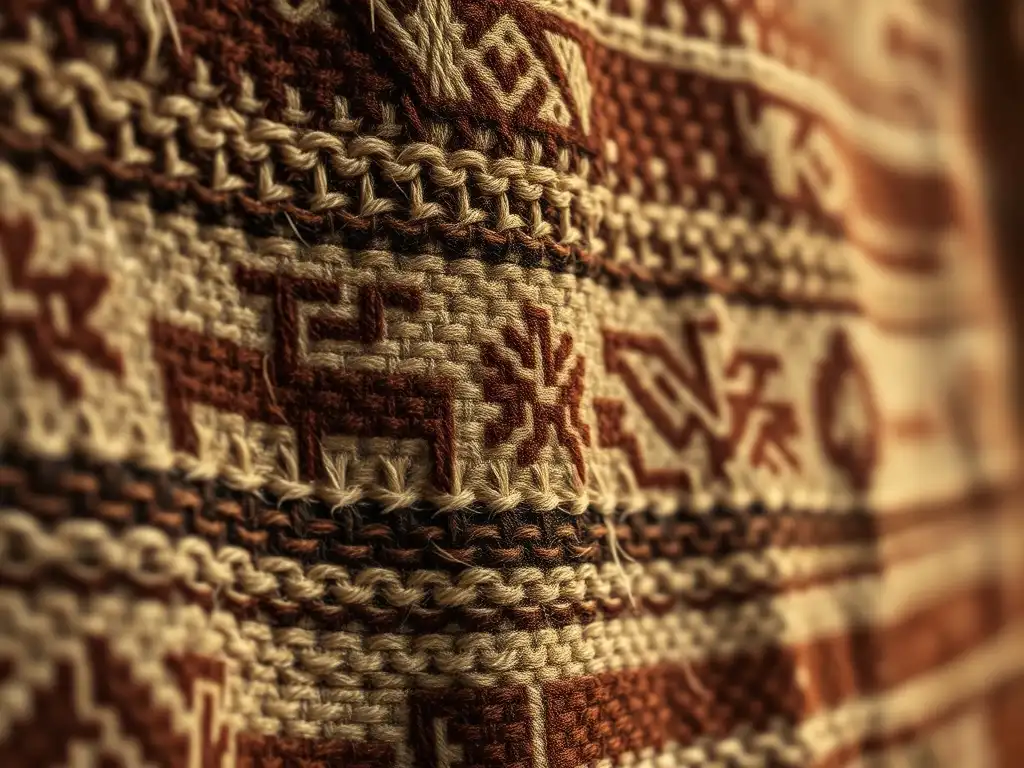
Andean weaving techniques were not merely practical skills; they were deeply imbued with spiritual significance, serving as a powerful medium for expressing religious beliefs and cosmological understandings. The intricate designs woven into textiles weren't simply decorative; they were coded messages, conveying narratives of creation myths, ancestor veneration, and the relationship between the human and spiritual realms. Understanding these patterns and symbols provides invaluable insight into the complex religious and cosmological systems of Andean civilizations. The careful selection of materials, the precision of the weaving, and the symbolic language of the designs all contributed to the sacred nature of these textiles. This section delves into the rich symbolism embedded within Andean weavings, exploring the meanings behind geometric shapes, animal and plant representations, and the potent symbolism of color. Mastering Andean weaving techniques was a path to spiritual connection, a testament to the profound integration of craft and cosmology in Andean cultures.
The Meaning of Geometric Designs in Andean Textiles
Geometric designs, prevalent in Andean textiles across various cultures and time periods, held profound symbolic meaning. Simple shapes like squares, triangles, and zigzags were not arbitrary; they represented fundamental cosmological concepts. For example, the square often symbolized the earth, stability, and the four cardinal directions. Triangles represented mountains, a crucial element in the Andean landscape and spiritual worldview.
Zigzags, on the other hand, could symbolize lightning, water, or the movement of celestial bodies. More complex geometric patterns, like stepped frets or interlocking spirals, often represented the intricate relationship between the terrestrial and celestial realms, reflecting the Andean understanding of a dynamic, interconnected universe. The precise arrangement and combination of these geometric elements conveyed specific messages, often related to specific rituals, ceremonies, or social hierarchies.
Analysis of these patterns reveals a sophisticated system of visual communication, demonstrating the advanced cognitive abilities and symbolic thinking of Andean cultures. Further research is needed to fully decipher the meanings of some of the more intricate and less frequently encountered geometric designs. [Specific information pending on the interpretation of less common geometric patterns found in certain regions].
Animal and Plant Representations in Andean Weavings
Beyond geometric designs, Andean weavings frequently incorporated representations of animals and plants, each possessing unique symbolic significance. Animals, particularly those with special ecological or mythological importance, were powerful symbols. The condor, for instance, often represented power, strength, and the connection to the upper world. The puma, on the other hand, symbolized earthly power and the Andean underworld.
Camelids, such as llamas and alpacas, were vital to Andean life and were often depicted in textiles as symbols of prosperity, fertility, and social status. Similarly, plants held deep symbolic meaning. The coca leaf, for example, was a sacred plant used in rituals and represented vitality, health, and communication with the spiritual world. Specific plants associated with particular deities or ceremonies were also often depicted in textiles.
The meticulous rendering of these animal and plant forms, often incorporating naturalistic details, highlights the keen observation skills and artistic talent of Andean weavers. The combination of these elements within a single textile often created a complex narrative, weaving together different aspects of the Andean worldview. For instance, a textile showing a condor perched atop a mountain with coca leaves scattered below could suggest a ritualistic connection between the celestial, terrestrial, and spiritual worlds.
Color Symbolism and its Spiritual Significance
Color played a crucial role in Andean weaving, with each hue carrying specific symbolic weight, often associated with different deities, elements, or social ranks. Red, for example, was frequently associated with blood, fertility, and the earth; it was also a color of power and royalty. White was often linked to purity, light, and the celestial realm. Black represented the underworld, mystery, and the unknown.
Yellow symbolized the sun, gold, and the divine. The skillful use of color in Andean textiles wasn't merely aesthetic; it was a way to communicate complex religious and social ideas. The specific combination of colors used in a particular textile could convey a powerful message, reflecting the intended purpose or context of the piece. The availability of certain dyes, derived from natural sources, also played a role in the symbolic use of color, with certain colors being more readily accessible or valued depending on the region and time period.
Further research could explore the variations in color symbolism across different Andean cultures and time periods. [Specific information pending on regional variations in color symbolism]. Understanding the nuances of color symbolism enhances our understanding of the complex spiritual and social systems embedded within Andean weavings. The vibrant colors, meticulously chosen and applied, are a testament to the rich cultural heritage and spiritual depth of Andean civilizations.
Andean Weaving Techniques: A Detailed Exploration
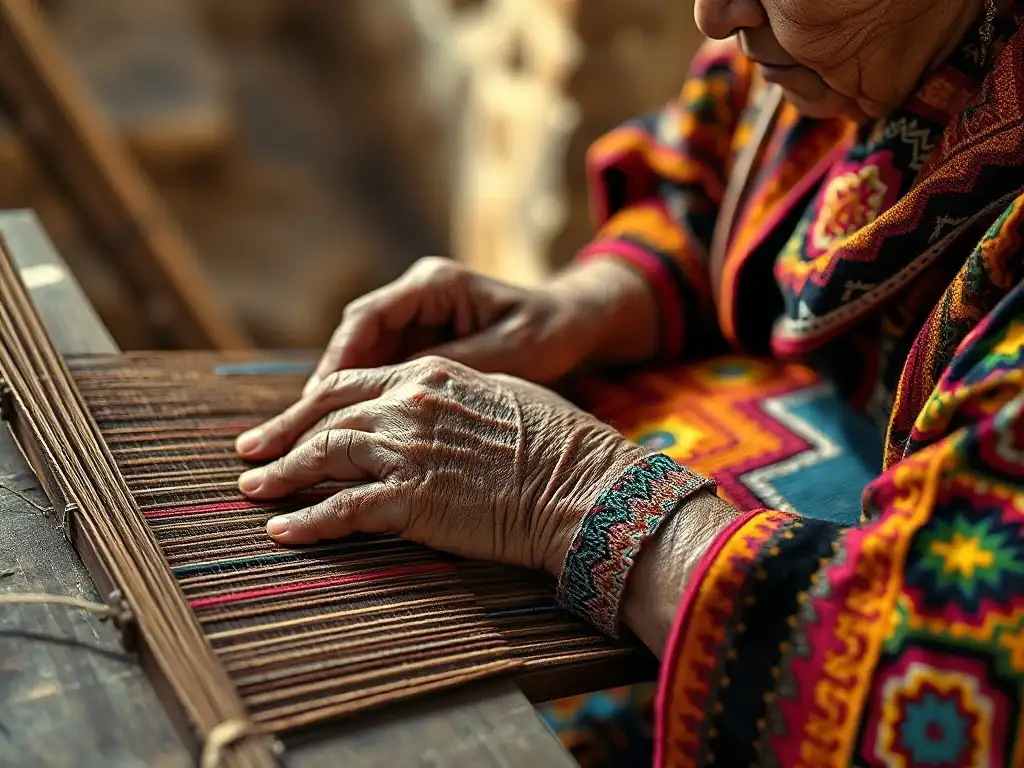
This section delves into the intricate and diverse weaving techniques employed by Andean cultures, showcasing the mastery and artistry involved in creating their iconic textiles. These techniques, passed down through generations, weren't merely methods of clothing production; they were integral components of religious practices, social structures, and cosmological beliefs. Understanding these techniques offers a deeper appreciation for the complexity and significance of Andean weaving. The skill and artistry involved in Andean weaving techniques are truly remarkable.
Backstrap Loom Weaving: Traditional Andean Methods
Backstrap loom weaving is arguably the most iconic Andean weaving technique. This ancient method, still practiced today in many communities, utilizes a simple yet ingenious apparatus: a loom consisting of a warp held taut by a backstrap worn by the weaver and a heddle rod. The weaver's body acts as the primary tensioning mechanism, allowing for precise control over the warp threads.
This technique allows for the creation of incredibly intricate and finely detailed textiles. The backstrap loom's portability also facilitated weaving in various locations, reflecting the Andean peoples' close connection to their environment. Different communities across the Andes developed unique variations in backstrap loom construction and weaving styles, leading to a diverse tapestry of regional textile traditions.
For example, the intricate designs found in Bolivian textiles often differ significantly from those of Peruvian or Ecuadorian origin, reflecting the specific cultural nuances of each region. The precision and skill required highlight the deep-rooted knowledge and experience passed through generations. Mastering this technique requires years of dedicated practice.
The flexibility of the backstrap loom also allowed for the creation of various textile types, from clothing and blankets to ceremonial tapestries and finely woven belts. The loom's adaptability underscores the resourcefulness and ingenuity of Andean weavers. Furthermore, the intimate connection between the weaver and the loom fostered a spiritual connection to the process, imbuing the resulting textiles with significant cultural and religious meaning. The rhythmic movements involved in backstrap weaving are often described as meditative, further emphasizing the spiritual dimension of this traditional craft.
The Use of Natural Dyes in Andean Textiles
The vibrant colors of Andean textiles are not the result of synthetic dyes; instead, they are achieved through the skillful application of natural dyes derived from plants, insects, and minerals found within the Andean ecosystem. This practice reflects a deep understanding of the natural world and a sustainable approach to textile production. The Andean palette is rich and varied, ranging from deep reds and oranges derived from cochineal insects to vibrant yellows from various plants and earthy browns and blacks from minerals.
The process of preparing and applying these natural dyes is complex and time-consuming, requiring extensive knowledge of botany and chemistry. Different mordants—substances that help fix the dye to the fiber—were used, often selected based on the specific dye and fiber type. For instance, certain plants might yield better results when using a specific type of clay as a mordant. The choice of mordant could influence the final shade and the longevity of the color.
This meticulous approach ensured the durability and vibrancy of the textiles, reflecting the value placed on the quality and longevity of the handcrafted goods. The resulting colors are often described as having a unique depth and luminosity, unattainable with modern synthetic dyes. The use of natural dyes significantly contributes to the uniqueness and cultural significance of Andean textiles.
Spinning Techniques and Fiber Preparation
Before the weaving process even begins, the fibers must be meticulously prepared. Andean weavers traditionally used a variety of fibers, including alpaca, llama, vicuña, and cotton, each requiring specific preparation techniques. The process of spinning these fibers into yarn was also a highly skilled craft, often performed by women, showcasing another layer of mastery in Andean textile production.
The fiber preparation process involved careful sorting, cleaning, and carding of the raw fibers to remove impurities and align the fibers for spinning. Different techniques were employed depending on the fiber type. For example, alpaca fiber, known for its softness, required a gentler approach compared to the coarser llama fiber. The spinning itself was often done using a drop spindle or a spinning wheel, tools that required considerable dexterity and skill.
The resulting yarn varied in thickness and texture, depending on the intended use and the desired effect in the finished textile. The quality of the spun yarn directly impacted the final appearance and durability of the woven piece. The expertise in fiber preparation and spinning underlines the comprehensive knowledge and craftsmanship involved in the creation of Andean textiles. The strength and fineness of the spun yarn is a testament to the weavers' skill and understanding of their materials.
Rituals and Ceremonies Surrounding Andean Weaving
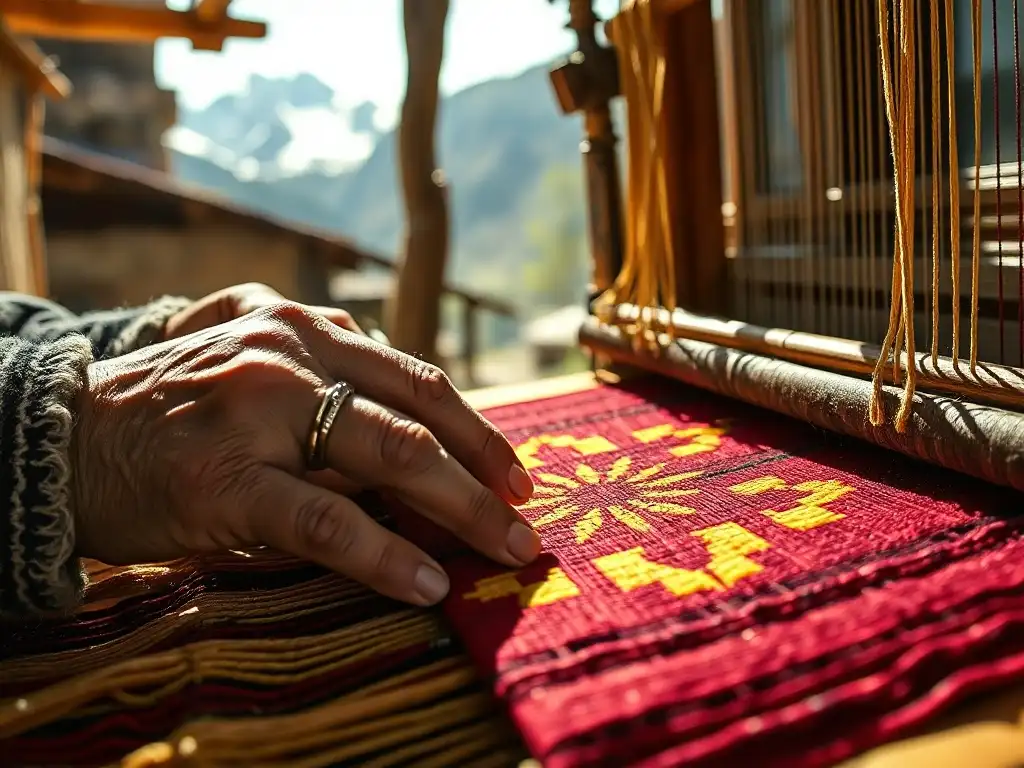
This section delves into the deeply ingrained connection between Andean weaving techniques and religious practices, exploring the rituals and ceremonies that surrounded this crucial activity. Weaving wasn't merely a craft; it was a sacred act, imbued with spiritual significance and connected to the Andean worldview. Understanding these rituals provides invaluable insight into the Andean understanding of the cosmos, their relationship with the divine, and the profound importance placed on textiles. The intricate patterns and vibrant colors weren't simply decorative; they were powerful symbols, carrying meaning that extended beyond the aesthetic.
The Role of Weaving in Andean Religious Practices
Andean religious practices were intrinsically linked to the agricultural cycle and the natural world. Weaving, as a transformative process mirroring the growth of crops and the cycle of life and death, held a prominent place in these rituals. The act of spinning the yarn, the meticulous process of weaving, and the final creation of the textile were all considered sacred acts, connecting the weaver to the spiritual realm.
Many textiles served not just as clothing or household items, but as powerful mediums for communication with the gods and ancestors. For example, pallay (prayer shawls) were often woven with specific designs and colors representing requests for blessings, good harvests, or protection from harm. The choice of colors, the type of fiber used (alpaca, llama, cotton), and even the knots employed in the weaving process all held symbolic meaning, reflecting the weaver's intentions and their connection to the divine.
The expertise required to create these textiles further emphasized their sacred nature, requiring years of apprenticeship and a deep understanding of Andean cosmology. The creation of a textile was thus a spiritual journey as much as a technical one.
Weaving as an Offering to the Gods
Textiles served as important offerings to the Andean gods. Elaborately woven garments, tapestries, and other textiles were presented as gifts to appease deities, secure blessings, or commemorate important events. These offerings were often left at sacred sites, buried in tombs, or incorporated into mummies' burial attire.
Archaeologists have unearthed numerous examples of exquisitely crafted textiles in Andean archaeological sites, providing tangible evidence of this practice. The quality and intricacy of the textiles reflected the importance of the offering and the devotee's devotion. The use of rare dyes, precious metals, and intricate designs all contributed to the value and spiritual potency of these sacred gifts.
These offerings were not simply discarded; they were considered powerful mediators between the human and divine worlds, facilitating communication and ensuring the continuity of life and prosperity. The act of offering a meticulously woven textile was a powerful affirmation of faith and a tangible expression of devotion.
Ch'alla: A Blessing Ceremony for Weaving
The ch'alla ceremony, a ritualistic offering of coca leaves, chicha (corn beer), and other items, was also integral to the Andean weaving tradition. Before beginning a significant weaving project or after its completion, weavers would perform a ch'alla to bless their tools, materials, and the resulting textile. This ceremony involved invoking the spirits of the Andes and requesting their protection and guidance throughout the process.
It was believed that the ch'alla infused the weaving with positive energy, ensuring its success and protecting the weaver from harm. The ch'alla served not only as a blessing but also as a form of thanksgiving, acknowledging the spiritual forces that facilitated the creation of the textile. This practice highlights the holistic nature of Andean weaving, where the spiritual and the material were inseparable.
The ch'alla ceremony, therefore, wasn't just a superstitious ritual; it was a fundamental aspect of the Andean weaving tradition, reflecting the deep spiritual connection between the weaver, their craft, and the sacred world. The careful preparation and execution of the ch'alla demonstrate the importance placed on ensuring the sacred nature of the weaving process.
The Contemporary Relevance of Andean Weaving
The vibrant tradition of Andean weaving, far from being a relic of the past, maintains a powerful presence in contemporary Andean societies. Understanding its continued significance requires looking beyond the aesthetic appeal of the textiles themselves, to grasp their deeply interwoven connection to cultural identity, economic sustainability, and spiritual practices. The intricate patterns and techniques, passed down through generations, are not merely decorative; they embody a living history, a tangible link to ancestral knowledge and beliefs.
The resurgence of interest in Andean weaving, both domestically and internationally, represents a powerful affirmation of this enduring legacy. This section will explore the multifaceted ways in which Andean weaving remains relevant today, examining its role in preserving cultural heritage and supporting the livelihoods of Andean communities.
Preserving Traditional Andean Weaving Skills
The transmission of Andean weaving techniques is a crucial element in ensuring the survival of this rich cultural heritage. Many communities actively work to preserve these skills, employing various strategies to pass on their knowledge to younger generations. This often involves informal apprenticeships, where experienced weavers mentor younger individuals, patiently guiding them through the complex process of creating textiles.
Formal educational programs, often supported by NGOs and government initiatives, also play a vital role. These programs provide structured training in traditional techniques, using both practical demonstrations and theoretical instruction. The meticulous nature of Andean weaving, involving intricate designs and specialized tools, necessitates a significant investment of time and effort in mastering the craft.
However, the rewards extend beyond the economic benefits; the preservation of these skills serves to maintain a vital connection to ancestral traditions and cultural identity. The continued practice of these techniques is directly linked to the perpetuation of Andean cultural values and beliefs. For example, the specific knotting techniques used in some regions are directly tied to specific cosmological beliefs, meaning the loss of the technique would represent the loss of a part of their worldview.
The Cultural Importance of Andean Textiles Today
Andean textiles remain deeply embedded in the cultural fabric of Andean societies. They are not simply clothing; they are powerful symbols of identity, status, and social connections. The intricate designs often depict mythological figures, sacred animals, and cosmological representations, reflecting the rich cosmology and belief systems of the Andes.
These textiles are often worn during important ceremonies and rituals, playing a significant role in religious and spiritual practices. Furthermore, the vibrant colors and patterns of Andean textiles are often used in contemporary art and design, inspiring artists and designers worldwide. This ongoing relevance of Andean textiles highlights their enduring capacity to connect the past with the present, serving as a powerful reminder of the enduring legacy of Andean civilizations.
The use of traditional dyes, often derived from natural sources, further emphasizes the connection between the textiles and the Andean landscape, highlighting the harmonious relationship between humans and nature. The patterns themselves, often passed down through generations, represent a form of oral history, encoding stories and traditions within the fabric itself.
Centro de Textiles Tradicionales del Cusco: Supporting Andean Weavers
The Centro de Textiles Tradicionales del Cusco (CTTC) serves as a prime example of an organization dedicated to supporting Andean weavers. The CTTC provides a platform for weavers to showcase their skills and sell their products, fostering economic empowerment within the community. Moreover, the center actively works to preserve traditional weaving techniques by providing training and resources to younger generations.
The CTTC's approach is multifaceted; it combines economic support with cultural preservation, ensuring the sustainability of both the craft and the community. Their work demonstrates a powerful model for supporting artisans and preserving cultural heritage, highlighting the importance of collaborative efforts in safeguarding traditional Andean weaving. Their detailed documentation of techniques and designs is invaluable for future research and preservation efforts, ensuring the continuity of this vital cultural tradition.
The CTTC serves as a model for similar initiatives aimed at supporting traditional crafts and preserving cultural heritage in other parts of the world. Their success underscores the importance of combining economic empowerment with cultural preservation strategies.
Frequently Asked Questions
What makes Andean weaving techniques so unique?
Andean weaving is unique due to its complex techniques, including double-faced weaving, backstrap loom techniques, and the use of vibrant, naturally dyed fibers. These techniques allowed for intricate designs and durable textiles.
What role did weaving play in Andean societies?
Weaving held significant ritual and social importance. Textiles were not merely clothing; they served as symbols of status, religious objects, and expressions of cultural identity. They were integral to Andean life.
What types of fibers were commonly used in Andean weaving?
Andean weavers utilized a variety of natural fibers, including alpaca, llama, vicuña, and cotton. The choice of fiber often reflected social status and the intended use of the textile.
How were the intricate designs and patterns created in Andean textiles?
The intricate designs were created using a combination of advanced weaving techniques and meticulous planning. Symbolic patterns and colors held deep cultural and religious meaning, often representing deities, animals, or cosmological concepts.
Where can I learn more about Andean weaving techniques?
You can explore museums showcasing Andean textiles, research academic publications and online resources, and even consider participating in workshops to learn about these techniques firsthand. Many resources are available for further study.
Final Reflection: The Enduring Legacy of Andean Weaving
The intricate art of Andean weaving, far from being a relic of the past, remains a vibrant testament to the enduring power of cultural heritage and its profound connection to the land. Its techniques, passed down through generations, continue to shape identities, inspire contemporary artists, and offer invaluable insights into ancient Andean cosmologies. The threads themselves whisper stories of resilience, adaptation, and a deep spiritual connection to the natural world.
The impact of Andean weaving extends far beyond the creation of beautiful textiles; it represents a living tradition that continues to evolve and inspire. The symbolic language woven into each piece – the intricate patterns, the carefully chosen colors – speaks volumes about the Andean worldview. It's a language that transcends time and geography, resonating with a universal appreciation for artistry and craftsmanship. The threads are not just threads, they are the stories of our ancestors, the dreams of our future.
– (This quote could be attributed to a relevant Andean weaver or scholar if found). This enduring legacy underscores the importance of preserving and celebrating these ancient practices.
Consider the rich tapestry of your own life. What threads of tradition, culture, or belief weave together to form your unique identity? I invite you to reflect on the power of heritage and the ways in which we can all contribute to preserving the cultural richness of our world.
By appreciating the artistry and symbolism embedded in Andean weaving, we gain a deeper understanding of the interconnectedness of cultures and the enduring power of human creativity. Let the vibrant colors and intricate patterns inspire you to weave your own story, connecting with your heritage and contributing to a more vibrant and culturally rich future.
**Embrace the Art of Andean Weaving: Create Your Own Sacred Patterns! **
Thank you for exploring the rich tradition of Andean weaving! You've discovered the profound significance and beauty inherent in each woven piece. Now, it's your turn to experience this ancient art form firsthand.
Here are some exciting ways you can connect with this tradition:
- **Begin Your Weaving Journey:** Gather yarn and a simple loom to create your own unique designs inspired by the intricate patterns of Andean textiles. Don't worry if you're a beginner—every weaver starts somewhere!
- **Share Your Creation:** Take a photo of your finished piece and share it on social media using the hashtag #AndeanWeaving. Connect with a global community of fellow weaving enthusiasts!
- **Explore Further:** Deepen your understanding of Andean culture by visiting local workshops or museums showcasing indigenous arts and crafts. You might even find inspiration for your next project!
What patterns and symbols will you weave into your next creation? Share your thoughts below!