
The Andean Ritual of Storytelling: Passing Down Traditions and Beliefs

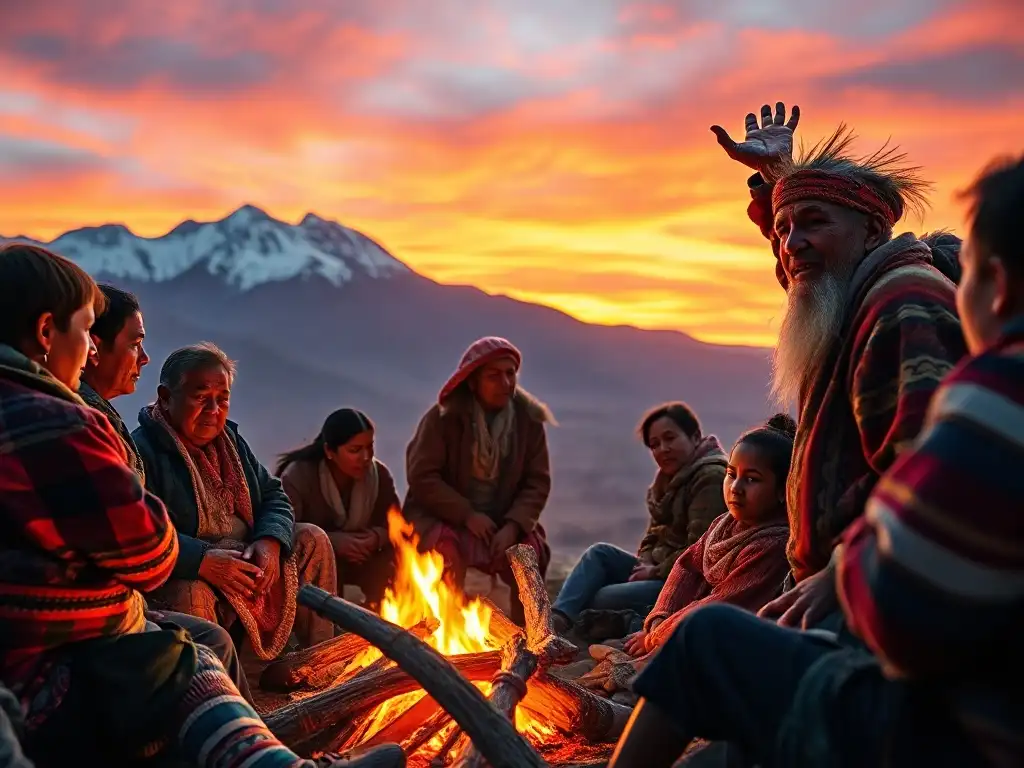
Unravel the mysteries of the Andes! Journey beyond the breathtaking landscapes and discover a world woven from intricate threads of Andean storytelling traditions. For centuries, these narratives have shaped the beliefs and identities of civilizations like the Inca, Moche, and Nazca. Prepare to be captivated by the power of ancient voices and the enduring legacy they’ve left behind. Dive into the heart of Andean Religion and Cosmovision and uncover the secrets held within these captivating tales.
The Andes Mountains, a spine of towering peaks stretching along the western edge of South America, are not only a geographical marvel but also the cradle of a rich tapestry of ancient civilizations. For millennia, these cultures—including the Incas, Moche, Nazca, and Tiahuanaco—developed sophisticated systems of belief, intricate social structures, and remarkable technological advancements.
Central to understanding their worldview and the enduring legacy of these Andean societies is the vital role of storytelling. This article delves into the Andean ritual of storytelling, exploring how oral traditions served as a powerful mechanism for transmitting knowledge, preserving cultural identity, and reinforcing social cohesion across generations.
We will examine the significance of oral narratives, analyze the key elements that shaped Andean stories, and uncover how these narratives continue to resonate in contemporary Andean communities. Understanding Andean storytelling traditions is key to unlocking the mysteries of these captivating civilizations and appreciating the enduring power of oral history.
The Significance of Oral Tradition in Andean Culture
Before the advent of widespread literacy, oral tradition was the primary means of preserving and transmitting knowledge in Andean societies. Storytelling wasn't merely entertainment; it was a sacred ritual, a deeply ingrained practice woven into the fabric of daily life. These narratives served multiple crucial functions:
- Preserving History and Lineage: Genealogies, accounts of significant historical events, and the origins of clans and communities were meticulously passed down through generations via oral storytelling. This ensured the continuity of cultural memory and established a strong sense of identity.
- Teaching Moral and Social Values: Andean narratives often conveyed essential moral lessons, social norms, and codes of conduct. Stories served as practical guides for behavior, reinforcing community values and shaping individual identities within the social framework. These lessons were often embedded within fantastical tales or cautionary narratives, making them easily memorable and engaging for all ages.
- Explaining the Natural World: Myths and legends explained natural phenomena, the origins of the cosmos, and the relationship between humans and the supernatural. This provided a framework for understanding the world and their place within it, fostering a deep connection with their environment.
- Reinforcing Religious Beliefs: Stories played a vital role in reinforcing religious beliefs and practices. Narratives about deities, spirits, and the afterlife reinforced spiritual convictions and guided ritualistic behavior. These stories provided a framework for understanding their cosmology and their relationship with the divine.
Andean Storytelling: A Bridge to the Past
The art of Andean storytelling was, and continues to be, a highly developed skill. Storytellers, often elders or individuals with recognized wisdom, possessed exceptional memory and rhetorical abilities. Their performances were not merely recitations; they were dynamic, engaging performances involving gestures, vocal inflections, and often musical accompaniment. The use of mnemonic devices and repetitive structures ensured that the narratives were easily remembered and passed on accurately. These performances were often held during significant ceremonies, festivals, or community gatherings, solidifying their importance within the social fabric. The stories themselves frequently intertwined elements of the real and the supernatural, blending historical events with mythical elements to create compelling narratives that resonated deeply with their audience. Examples of such narratives include tales of powerful deities, heroic ancestors, and transformative events that shaped the course of their history and culture. The richness and complexity of these narratives underscore the sophistication of Andean oral traditions.
Key Elements of Andean Narratives
Andean narratives are characterized by several key elements which contribute to their unique style and enduring power:
- Anthropomorphism: Many Andean stories feature animals and natural elements imbued with human-like qualities and emotions. This anthropomorphism reflects a close relationship with the natural world and a belief in the interconnectedness of all living things.
- Symbolism and Metaphor: Andean storytelling is rich in symbolism and metaphor. Animals, plants, and celestial bodies often hold deeper symbolic meanings, representing abstract concepts or moral values. Understanding these symbols is crucial to interpreting the narratives' deeper layers of meaning.
- Cyclicality and Repetition: Many Andean narratives emphasize the cyclical nature of time and the repetition of patterns. This reflects a worldview that sees history and life as a continuous cycle of birth, death, and renewal.
- Moral and Ethical Lessons: Almost all Andean stories, whether myths, legends or historical accounts, convey moral or ethical lessons. These lessons serve as a guide for conduct and reinforce the values of the community. These lessons are often implicit, requiring the listener to engage actively with the narrative to glean their meaning.
The enduring legacy of Andean storytelling traditions is a testament to the power of oral culture and the enduring strength of these ancient civilizations. These narratives continue to shape Andean identities and provide a vital link to a rich and complex past. Further research into specific narratives from different Andean cultures will undoubtedly reveal even greater insights into their beliefs, values, and history.
Creation Myths: The Origins of the World
Andean storytelling traditions are deeply intertwined with creation myths, offering diverse explanations for the world's origins. These narratives, passed down through generations, often feature powerful deities shaping the landscape and creating humanity. For example, in some Andean cosmogonies, the world emerges from a primordial ocean, with creator gods like Viracocha emerging to bring order and form to the chaos. These stories are not merely entertaining tales; they serve as fundamental explanations of the cosmos and humanity's place within it.
The specific details vary significantly between different Andean cultures—the Aymara, Quechua, and others each possess unique versions of these creation narratives. These variations highlight the rich tapestry of beliefs and interpretations across the Andes. The act of recounting these creation myths reinforces a sense of shared identity and continuity with ancestral knowledge, solidifying the connection between the present and the past.
The imagery and symbolism within these stories, often involving mountains, animals, and celestial bodies, become integral parts of Andean spiritual practices and artistic expressions. Furthermore, the repetition of these stories during ceremonies and festivals serves to strengthen community bonds and transmit important cultural values. Understanding these creation narratives is key to appreciating the depth and complexity of Andean worldview.
Historical Narratives: Tales of Inca Emperors
The Inca Empire, while relatively short-lived compared to other Andean civilizations, left behind a rich legacy of storytelling. These narratives, often interwoven with religious beliefs and moral lessons, serve to legitimize Inca rule and transmit important historical events. Tales of Inca emperors, such as Pachacuti, are often embellished with heroic feats and divine interventions. These stories weren't simply historical accounts; they were carefully constructed narratives designed to reinforce the Inca's authority and divine right to rule.
For instance, stories of Pachacuti's rise to power, often portraying him as a divinely chosen leader, were crucial for establishing the legitimacy of the Inca dynasty. These narratives weren't simply recited; they were performed, often involving elaborate costumes, music, and dance, transforming the act of storytelling into a powerful ritual. The specific details of these narratives varied depending on the audience and the context, allowing for flexibility and adaptation while maintaining the core message.
These royal narratives, passed down orally through generations of quipu keepers and storytellers, provide valuable insights into Inca social structure, political organization, and religious beliefs. The skillful manipulation of these stories allowed the Inca to shape public opinion and maintain control over their vast empire. Studying these narratives offers a unique glimpse into the workings of a complex and powerful Andean state.
Moral Fables: Lessons of the Condor and the Fox
Andean storytelling traditions also encompass a rich body of moral fables, often featuring animals as central characters. These fables, similar to Aesop's fables, impart valuable lessons about social behavior, morality, and the natural world. The condor, often symbolizing power and majesty, frequently contrasts with the fox, representing cunning and deception. These stories, passed down through generations, teach valuable life lessons, often illustrating the consequences of good and bad behavior.
For example, a story might depict the condor's strength being used for the benefit of the community, while the fox's cunning leads to self-destruction or social ostracism. These fables are not simply children's stories; they are integral parts of the Andean educational system, subtly imparting cultural values and social norms. The use of animal characters allows for a more indirect and engaging way of transmitting complex moral principles.
The vivid imagery and relatable scenarios within these fables make them easily memorable and effective teaching tools, ensuring the continuation of Andean cultural values across generations. These stories often reflect the intricate relationships between humans and the natural world, highlighting the importance of respecting the environment and maintaining a harmonious balance within the ecosystem. The enduring popularity of these moral fables underscores their continued relevance in shaping Andean identity and worldview.
The Role of Storytellers in Andean Communities
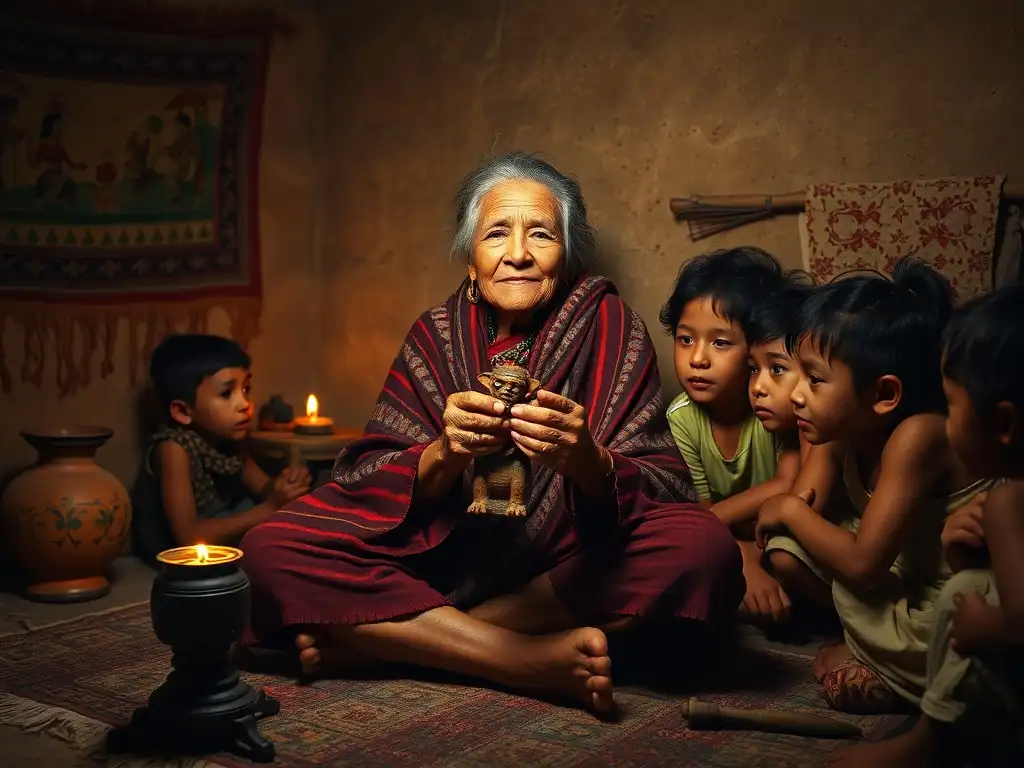
Storytellers, often revered as yachaywasi (knowledge keepers) in Andean communities, played—and continue to play—a vital role in preserving and transmitting cultural heritage. These individuals weren't merely entertainers; they were the custodians of history, cosmology, and social values. Their narratives weren't simply tales; they were living repositories of ancestral wisdom, shaping the identity and worldview of each generation.
The skill of storytelling wasn't inherited through bloodline alone; rigorous apprenticeship under established storytellers was crucial, ensuring the fidelity and nuanced interpretation of ancient narratives. This rigorous training emphasized not only memorization but also the understanding of the underlying symbolism and social context of each story. The storyteller's role extended beyond mere recitation; they acted as interpreters, adapting their performances to suit the audience and occasion, ensuring the continued relevance of these ancient traditions in a constantly evolving world.
Their authority stemmed from their mastery of the oral tradition and their ability to connect the past with the present, fostering a strong sense of community and shared identity. The respect afforded to these storytellers solidified their importance within the social fabric, highlighting the profound significance of oral tradition in Andean culture.
The Art of Andean Oral Performance
Andean oral performance transcended simple narration; it was a sophisticated art form involving intricate techniques designed to captivate and instruct the audience. Storytellers employed vivid imagery, evocative language, and rhythmic patterns to create a mesmerizing experience. The use of metaphors, similes, and proverbs, deeply rooted in the Andean worldview, enriched the narratives, adding layers of meaning accessible to all listeners, regardless of age or social standing.
The performance itself was often accompanied by musical instruments, such as the zampoña (panpipes) or the charango (a small Andean lute), enhancing the emotional impact and rhythmic structure of the storytelling. Body language played a crucial role, with gestures, facial expressions, and changes in vocal tone adding depth and nuance to the narrative. The storyteller's mastery of voice modulation allowed them to embody different characters, creating a dynamic and engaging performance.
The use of pauses, silences, and changes in tempo further heightened the dramatic effect, keeping the audience captivated and actively participating in the unfolding story. This intricate blend of verbal and non-verbal elements transformed the storytelling event into a powerful, communal experience, solidifying its role in transmitting cultural knowledge.
Call-and-Response Techniques in Andean Storytelling
Call-and-response techniques are a hallmark of Andean storytelling traditions, actively engaging the audience and fostering a sense of shared participation. The storyteller would deliver a line or verse, and the audience would respond with a chorus, a single word, or a repeated phrase. This interactive element served several crucial purposes. Firstly, it helped maintain the rhythm and flow of the narrative, creating a dynamic and engaging performance.
Secondly, it acted as a form of memory aid, helping the audience to retain key elements of the story. Thirdly, it emphasized the communal nature of the storytelling experience, creating a sense of collective identity and shared understanding. The call-and-response structure wasn't merely a stylistic device; it reflected the deeply communal nature of Andean societies, where collective participation and shared responsibility were fundamental values. Different communities employed unique call-and-response patterns, reflecting the diversity of Andean cultures and traditions.
The variations in these patterns provide valuable insights into the richness and complexity of Andean oral traditions and their regional adaptations. The continued use of call-and-response in contemporary Andean storytelling demonstrates the enduring power of this technique in preserving and transmitting cultural heritage. It's a vibrant testament to the interactive and communal nature of Andean storytelling traditions.
The Use of Flutes and Drums in Andean Narratives
Andean storytelling wasn't solely a verbal art; it was a multi-sensory experience deeply intertwined with music. Flutes and drums, integral parts of Andean musical traditions, played a crucial role in enhancing the narrative's impact and emotional resonance. The rhythmic pulse of the drums provided a backdrop, setting the mood and emphasizing key moments within the story. Think of the dramatic build-up before a crucial battle recounted in a legend, or the somber rhythm accompanying a tale of loss or sacrifice.
The haunting melodies played on panpipes or other types of flutes, meanwhile, evoked the atmosphere, adding layers of emotional depth to the narrative. For instance, a story about the creation of the world might utilize a slow, majestic flute melody to portray the grandeur of the event, while a story about mischievous spirits might incorporate faster, more playful melodies. The combination of these instruments created a powerful sonic landscape that helped immerse the audience in the story, making it more memorable and impactful.
The instruments weren't mere accompaniments; they were active participants in the storytelling process, shaping the audience's emotional response and enhancing the narrative's power. Different rhythms and melodies were associated with different deities or spirits, further enriching the cultural and religious context of the stories. The skillful use of these instruments by storytellers was a testament to their mastery of both musical and narrative arts.
The Transmission of Andean Beliefs Through Storytelling
Storytelling served as a vital mechanism for transmitting Andean beliefs and values across generations. These narratives weren't mere entertainment; they were powerful tools for education and social control, shaping the worldview and behavior of the community. Myths and legends explained the origins of the world, the roles of different deities, and the proper relationship between humans and the cosmos. These narratives embedded crucial social norms and moral codes, teaching children about respect for elders, community cooperation, and the importance of maintaining harmony with nature.
For example, stories about the consequences of violating sacred laws or disrespecting the spirits served as cautionary tales, reinforcing the importance of adhering to traditional customs. These narratives weren't static; they evolved and adapted over time, reflecting changes in the social and environmental context. The stories themselves were often passed down orally, with each generation adding its own interpretations and variations.
This organic evolution of the narratives ensured their relevance and continued resonance within the community. The transmission of these beliefs through storytelling ensured cultural continuity and helped maintain a strong sense of identity and shared heritage within Andean communities. The oral tradition ensured that these crucial beliefs and values were not lost to time, but rather were passed down, continuously reinforced, and adapted to new circumstances.
Andean Cosmovision and its Representation in Stories
Andean storytelling is fundamentally shaped by the Andean cosmovision, a worldview that emphasizes the interconnectedness of all things—humans, animals, plants, and the cosmos. Stories often depict the world as a dynamic interplay of forces, with deities, spirits, and natural phenomena playing crucial roles in shaping human lives. The concept of Pachamama (Mother Earth) is central to many narratives, representing the life-giving force that sustains all beings. Stories often explore the relationship between humans and the natural world, emphasizing the need for respect and reciprocity.
For example, tales of successful harvests might emphasize the importance of offering thanks to Pachamama, while stories about natural disasters might serve as reminders of the potential consequences of disrupting the natural order. The Andean concept of Ayni (reciprocity) is also frequently reflected in these narratives. Stories often illustrate the importance of mutual support and cooperation within the community, emphasizing the idea that everyone has a role to play in maintaining social harmony. The cyclical nature of time and the importance of ancestors are also prominent themes in Andean stories.
Stories often connect present events to past actions, emphasizing the enduring influence of ancestral spirits on the lives of the living. The integration of these core elements of Andean cosmovision into their narratives helped to solidify and transmit the complex worldview of Andean societies across generations. The stories themselves serve as a living testament to the richness and depth of Andean spiritual beliefs.
Pachamama and Inti: The Sun and Earth in Andean Myths
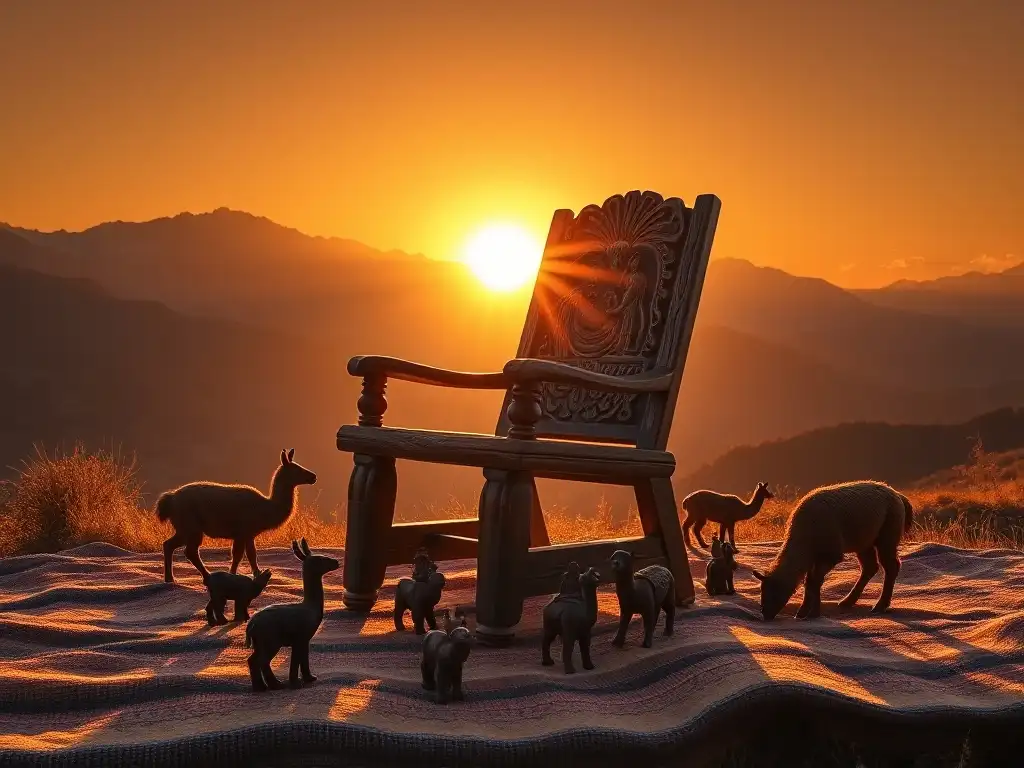
Andean storytelling traditions are deeply rooted in the veneration of Pachamama, the Earth Mother, and Inti, the Sun God. These deities represent the fundamental forces of life and sustenance, and their roles permeate countless myths and legends. Stories often depict Pachamama as a benevolent provider, nurturing the land and its inhabitants. Conversely, her anger is portrayed as causing natural disasters, reminding people of the importance of respecting her generosity.
Inti, on the other hand, is depicted as the source of life and energy, his daily journey across the sky mirroring the cycle of life and death. Many narratives center around Inti's interactions with humans, often involving tests of courage, wisdom, or devotion. For example, some myths tell of Inti bestowing gifts upon those who demonstrate unwavering loyalty, while others warn of his wrath against those who disrespect his power.
These stories served not only to entertain but also to reinforce the importance of maintaining a harmonious relationship with these powerful deities, crucial for the well-being of the community. The duality of Pachamama's nurturing and destructive power, mirrored in Inti's benevolence and wrath, highlights the complex relationship between humans and the natural world within the Andean worldview. These stories were crucial in teaching respect for the environment and the cyclical nature of life.
The Importance of Mountains and Rivers in Andean Narratives
Mountains and rivers are not just geographical features in Andean storytelling; they are living entities with their own spirits and histories. Many narratives feature mountains as sacred places, dwelling places of powerful deities or ancestral spirits. These mountains often play a central role in origin myths, explaining the creation of the world or the emergence of particular clans. For instance, specific peaks are often associated with particular animals or plants, reflecting the interconnectedness of the Andean ecosystem.
Rivers, too, are imbued with symbolic significance, representing the flow of life, time, and energy. They often act as pathways to the spirit world or as conduits for communication with the deities. The stories associated with these geographical elements frequently involve journeys, quests, and transformations, reflecting the challenges and rewards of life within the Andean landscape.
These narratives reinforce the deep spiritual connection between the Andean people and their environment, emphasizing the importance of respecting and protecting these natural resources. The detailed descriptions of specific locations in these stories also served as a form of geographical memory, passing down knowledge of important sites and resources across generations. The reverence for these natural features is still evident in many Andean communities today.
The Impact of Colonialism on Andean Storytelling
The arrival of the Spanish conquistadors profoundly impacted Andean storytelling traditions. The imposition of Catholicism led to the suppression of many indigenous myths and legends, often replaced with Christian narratives. However, Andean people demonstrated remarkable resilience. They cleverly integrated elements of their traditional beliefs into the new religious framework, creating syncretic narratives that blended indigenous and Christian elements.
For example, stories about the Virgin Mary sometimes incorporated attributes of Pachamama, reflecting the enduring power of indigenous spiritual beliefs. Despite attempts at cultural erasure, many traditional stories survived, often passed down orally through generations in a clandestine manner. This ensured the continuation of Andean cultural heritage even under the oppressive weight of colonization. The resilience of Andean storytelling in the face of colonialism demonstrates the enduring power of oral tradition and the vital role it played in preserving cultural identity.
The subtle ways in which indigenous beliefs were preserved within ostensibly Christian narratives highlight the ingenuity and adaptability of Andean communities. Analyzing these syncretic stories provides valuable insights into the complexities of cultural interaction and resistance. The study of Andean storytelling post-colonization provides a powerful example of cultural survival and adaptation.
Community-Led Initiatives to Revive Andean Oral Traditions
Many Andean communities are actively working to preserve and revitalize their rich oral traditions. These initiatives often involve elder storytellers sharing their knowledge with younger generations, ensuring the continuity of these vital cultural narratives. For example, in the Cusco region of Peru, workshops and storytelling festivals are regularly organized, bringing together experienced narrators and eager listeners. These events not only entertain but also serve as crucial platforms for transmitting cultural values, historical accounts, and traditional beliefs.
The emphasis is often on interactive storytelling, encouraging participation from the audience and creating a dynamic learning experience. These community-based efforts are critical in combating the threat of cultural assimilation and ensuring that the unique voice of Andean storytelling remains strong. Furthermore, the use of modern technology, such as audio and video recordings, is increasingly being incorporated to document these oral histories and make them accessible to a wider audience, both within and beyond the Andean region.
These initiatives are not just about preserving the past; they are about empowering communities to shape their future by embracing and celebrating their heritage. The success of these community-led projects relies heavily on the dedication of local individuals and the support of organizations dedicated to cultural preservation. Funding for these initiatives often comes from a combination of governmental programs, private donations, and international grants.
Andean Storytelling in Contemporary Art and Literature
Andean storytelling traditions continue to inspire contemporary artists and writers, finding new expression in various creative mediums. Modern novels, poems, and plays often draw heavily on ancient myths, legends, and folktales, reimagining them for a contemporary audience. For instance, many contemporary Peruvian authors weave elements of Quechua mythology into their narratives, creating compelling stories that resonate with both local and international readers.
Beyond literature, visual artists utilize Andean storytelling motifs in their paintings, sculptures, and installations. We see recurring themes of nature spirits, powerful deities, and epic battles, all depicted with unique artistic interpretations that reflect a blend of tradition and innovation. The use of vibrant colors and intricate patterns, characteristic of Andean textile art, also frequently appears in contemporary visual works, serving as a visual echo of the rich oral narratives they represent.
This artistic engagement with Andean storytelling traditions not only showcases the enduring power of these narratives but also contributes to a broader understanding and appreciation of Andean culture. The integration of ancient storytelling into modern art forms helps to bridge the gap between past and present, ensuring that these stories remain relevant and engaging for new generations. The resulting works often spark dialogue and critical reflection on the themes of identity, colonialism, and environmental stewardship.
The Enduring Legacy of Andean Storytelling
Andean storytelling traditions have demonstrated remarkable resilience, surviving centuries of colonization and cultural change. These narratives, passed down through generations, have played a crucial role in preserving cultural identity, transmitting knowledge, and shaping Andean worldviews. The stories themselves are not mere entertainment; they serve as repositories of history, moral instruction, and spiritual guidance. They offer insight into the Andean understanding of the cosmos, the relationship between humanity and nature, and the importance of community.
The enduring power of Andean storytelling lies in its ability to connect people across time and space, fostering a sense of shared identity and cultural continuity. Even as societies evolve and technology advances, the fundamental human need for narrative remains strong. Andean stories continue to resonate because they address universal themes of love, loss, courage, and resilience, while also providing a unique perspective on the human experience within the Andean context.
The continued relevance of these traditions is a testament to their inherent power and their capacity to adapt to changing social contexts. The preservation and celebration of Andean storytelling are not merely acts of cultural preservation; they are essential for understanding the rich tapestry of human experience and for fostering intercultural dialogue and appreciation. The legacy of Andean storytelling is one of resilience, creativity, and enduring cultural significance.
- The Significance of Oral Tradition in Andean Culture
- Andean Storytelling: A Bridge to the Past
- Key Elements of Andean Narratives
- Creation Myths: The Origins of the World
- Historical Narratives: Tales of Inca Emperors
- Moral Fables: Lessons of the Condor and the Fox
- The Role of Storytellers in Andean Communities
- The Art of Andean Oral Performance
- Call-and-Response Techniques in Andean Storytelling
- The Use of Flutes and Drums in Andean Narratives
- The Transmission of Andean Beliefs Through Storytelling
- Andean Cosmovision and its Representation in Stories
- Pachamama and Inti: The Sun and Earth in Andean Myths
- The Importance of Mountains and Rivers in Andean Narratives
- The Impact of Colonialism on Andean Storytelling
- Community-Led Initiatives to Revive Andean Oral Traditions
- Andean Storytelling in Contemporary Art and Literature
- The Enduring Legacy of Andean Storytelling
Frequently Asked Questions
What role did storytelling play in Andean cultures?
Storytelling was central to Andean life, transmitting history, beliefs, and values across generations. It served as a vital tool for education, social cohesion, and maintaining cultural identity. These narratives helped shape worldview and community.
Stories were often shared orally, during rituals, ceremonies, and festivals. Specialized storytellers, or yachaywasi, played a crucial role in preserving and disseminating these narratives. They used songs, dances, and dramatic performances to enhance the stories' impact.
What were some common themes in Andean storytelling?
Common themes included creation myths, heroic deeds, ancestor veneration, and the relationship between humans and nature. Many stories explained the origins of landscapes, customs, and social structures, reinforcing community values and beliefs.
How did Andean storytelling traditions adapt over time?
Andean storytelling traditions evolved alongside the cultures themselves. While oral traditions remained central, new forms and mediums emerged, including written accounts after the Spanish conquest. However, oral narratives continued to be vital.
What is the significance of Andean storytelling traditions today?
Andean storytelling traditions remain powerful and relevant today. They continue to be a vital means of maintaining cultural identity, promoting intercultural understanding, and sharing the rich history of Andean civilizations with the world. They represent a living connection to the past.
The ancient art of Andean storytelling remains a vibrant force, shaping identities and preserving cultural heritage in a rapidly changing world. These narratives, passed down through generations, are not mere tales; they are the living heart of Andean communities, holding the keys to understanding their history, beliefs, and resilience. Their continued relevance in the face of globalization underscores their enduring power and importance.
The impact of Andean storytelling extends far beyond the immediate community; it offers a profound window into a rich and complex cultural tapestry. These stories, imbued with the spirit of the Andes, teach us about the interconnectedness of nature and humanity, the importance of community, and the enduring power of oral tradition. As the writer Eduardo Galeano eloquently stated, To forget our history is to cease being.
The preservation of these narratives is crucial, not only for the Andean people but for all of humanity, as they offer invaluable insights into different ways of understanding the world and our place within it.
Consider the power of a story, the way it can transport you to another time and place, the way it can shape your understanding of the world. You, too, hold the power to preserve and share stories. Take a moment to reflect on the stories that have shaped your own life, and consider how you can contribute to the ongoing legacy of storytelling, whether by listening attentively, sharing your own experiences, or actively supporting the preservation of cultural traditions. Let the echoes of the Andes inspire you to connect with the narratives that shape our shared human experience.
Thank you for exploring the rich tradition of storytelling in Andean cultures. By engaging with this ancient practice, you've gained valuable insights into how these narratives shape identity and preserve history.
Now, let's continue to honor these traditions:
- Start a storytelling circle with friends and family. Share your favorite Andean tales or create new ones inspired by the region's vibrant history and mythology.
- Attend local cultural events celebrating Andean heritage. Active participation offers a wonderful opportunity to connect with the community and learn from experienced storytellers.
- Share this article with others who appreciate the power of storytelling and the rich tapestry of Andean cultures. Let's expand our appreciation and understanding of this fascinating heritage.
What story from your own heritage would you cherish and share with future generations?